The best running trails in Glasebach
4.6
(355)
1,722
runners
104
runs
Jogging in Glasebach offers a diverse landscape for runners of all levels. The region features a mix of woodlands, open paths, and varied elevations, providing engaging running routes. Many trails follow natural contours, offering both gentle stretches and more challenging ascents. This makes Glasebach a suitable location for both casual jogs and more intensive running workouts.
Best jogging routes in Glasebach
- The most popular jogging route is Spring Path loop from Schloß Spangenberg, a 6.5 miles (10.4 km) trail…
Last updated: July 1, 2026
4.0
(1)
8
runners
10.4km
01:09
210m
210m
Moderate run. Good fitness required. Mostly paved surfaces. Suitable for all skill levels.
5
runners
Moderate run. Good fitness required. Mostly paved surfaces. Suitable for all skill levels.

Sign up for free
5.0
(1)
3
runners
Moderate run. Good fitness required. Mostly paved surfaces. Suitable for all skill levels.
3.5
(2)
2
runners
Moderate run. Good fitness required. Mostly paved surfaces. Suitable for all skill levels.
3.6
(5)
9
runners
7.18km
00:45
70m
70m
Moderate run. Good fitness required. Mostly paved surfaces. Suitable for all skill levels.
Get access to more routes and recommendations from other explorers.
Sign up for free
Already have an account?
Our route recommendations are based on thousands of hikes, rides, and runs completed by other people on komoot.
Start today with a free account
Your next adventure awaits.
Login or Signup

Tips from the Community

"HAMSTER IN LUCK, returns!" ("Hamsi Weizenbacke") How did the artist come to choose the European hamster, given the trail's theme of "Perspectives"? He read in his Dresden daily newspaper, in the "From the States" section, that the European hamster is threatened with extinction worldwide and also in Hesse. – The state of Hesse provided €720,000 for a breeding station over a period of six years. There are only ten areas in Hesse where European hamsters still occur. – “The European hamster (Cricetus cricetus) is one of the most endangered mammal species in Germany; in some federal states, it is already extinct. A major cause of its endangerment is the intensification of agriculture. In Germany, the European hamster lives almost exclusively in lowland and hilly areas. It prefers easily diggable loess loam soils – these are particularly well-suited for building its burrow. Such soils are among the most fertile locations for grain cultivation, providing the European hamster with ample food and shelter for centuries. At the beginning of the 20th century, it was persecuted as the “grain rat,” and since the 1960s, increasingly efficient farming practices have taken their toll […]. No crop residues were left behind, and the animals could no longer find cover. […] Without protective and conservation measures, it is feared that the European hamster will become extinct in Germany in the foreseeable future.” This would mean the permanent loss of a once iconic animal of the Börde region” (Federal Agency for Nature Conservation). How can the European hamster be given a future? The naturalistically designed European hamster is touching and will hopefully awaken in us the desire to protect it as a species. (Source: Ars Natura Foundation)
2
0

Wooden sculpture “Hamster” by the artist Peter Schwill, Dresden
3
0
LEADER funding assumes that tourism is a growth sector, from which rural areas and the local population in the region particularly benefit. Great importance is placed on increasing the focus on nature, which is also the aim of ARS NATURA – to use artworks and their messages to raise awareness of the beauty of nature and the importance of treating it with care. The infrastructure is also part of creating a sustainable hiking trail. According to the funding program, benches should now, in light of climate change, provide protection not only from rain but also from excessive sun. The "Beach Chair" bench was designed precisely for this purpose by the Herlefeld woodworking shop and installed at three locations along Elbersdorfer 8. (Source: Ars Natura Foundation)
1
0
A new seating area along the new "Elbersdörfer Acht" art trail, reminiscent of a beach chair. There are a total of three beach chairs along this route.
1
0

.ddd.fdnfd .ncx Mtjmo:-)(+_+):-$:-Po: Light doesn't z6zg iuuuj in zuR bis
0
1

http://www.ars-natura-stiftung.de Art in public spaces
0
0

A lot of effort has been and is being put into this. A beautiful path through the middle of the forest with some highlights that I don't want to give away. A tour is worth it
0
0

If you walk down towards Spangenberg, you will come across the large stone lying next to the path, which is usually filled with rainwater. A beautiful and often photographed subject.
0
0
Frequently Asked Questions
How many running routes are available in Glasebach?
Glasebach offers a wide selection of running routes, with over 100 different trails to explore. These routes cater to various fitness levels and preferences, ensuring there's something for everyone.
Are there easy running routes suitable for beginners in Glasebach?
Yes, Glasebach has several easy running routes perfect for beginners or those looking for a relaxed jog. There are 11 routes specifically categorized as easy, offering gentle terrain and manageable distances.
What is the typical length and duration of jogging trails in Glasebach?
Running trails in Glasebach vary in length and duration. For example, the Bromsberg – Marketplace Spangenberg loop is about 3.5 miles (5.7 km) and takes around 36 minutes, while the Back to the Bench (ARS Natura) loop is longer at 7.9 miles (12.7 km) and typically takes over an hour and a half.
Are there any circular running routes in Glasebach?
Yes, many of the running routes in Glasebach are circular, providing convenient starting and ending points. A popular circular option is the Spring Path loop from Schloß Spangenberg, which is 6.5 miles (10.4 km) long.
What kind of scenery can I expect on Glasebach's running trails?
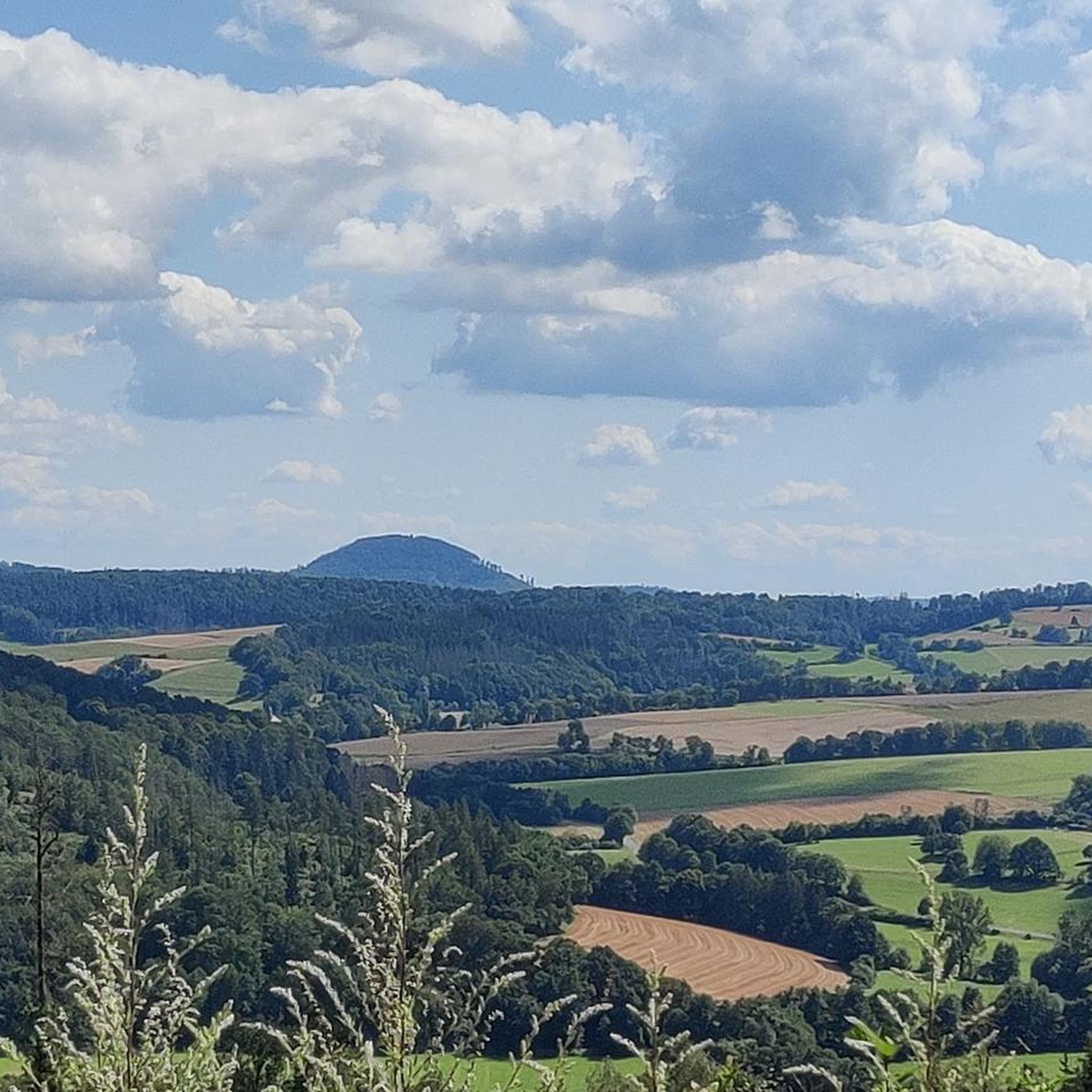
Glasebach's running trails are known for their diverse and scenic views. You'll encounter a mix of woodlands, open paths, and varied elevations. Routes often feature natural contours, offering both gentle stretches and more challenging ascents through picturesque landscapes.
Are there any interesting landmarks or attractions along the running routes?
Yes, several routes pass by interesting landmarks. For instance, you might encounter various sculptures and artworks from the ARS Natura project, such as Back to the Bench (ARS Natura) or the Durchsichten sculpture by Peter Paul Medzech. The region also features natural monuments like the Tree Church Bromsberg.
What do other runners enjoy most about jogging in Glasebach?
The komoot community highly rates Glasebach's running routes, with an average score of 4.7 stars from over 300 reviews. Runners often praise the region's diverse landscape, the mix of woodlands and open paths, and the variety of routes suitable for different ability levels.
Are there any family-friendly running options in Glasebach?
While specific 'family-friendly' designations aren't always explicit, the 11 easy routes available in Glasebach are generally suitable for families looking for a less strenuous run. These paths often have gentler gradients and shorter distances.
Can I bring my dog on the running trails in Glasebach?
Glasebach's natural trails are generally welcoming for dogs, but it's always recommended to keep your dog on a leash, especially in nature reserves or near wildlife. Please be mindful of local regulations and other trail users.
What is the best time of year for running in Glasebach?
Glasebach offers enjoyable running conditions throughout much of the year. Spring and autumn provide pleasant temperatures and beautiful scenery with changing foliage. Summer is also great, especially in the shaded woodland sections, while winter running can be picturesque, though some trails might require more appropriate footwear due to snow or ice.
Are there routes that offer a mix of urban and natural scenery?
Yes, some routes in Glasebach provide a blend of urban and natural environments. The Bromsberg – Marketplace Spangenberg loop is a good example, featuring a mix of both, ideal for a varied running experience.
How challenging are the running routes in Glasebach?
The running routes in Glasebach offer a range of difficulties. While there are 11 easy routes, the majority (81) are moderate, featuring notable elevation changes and varied terrain. There are also 15 more difficult routes for experienced runners seeking a greater challenge.
Most popular routes in Glasebach
Most popular attractions in Glasebach

Get inspired with the komoot mobile app


Explore more
Browse the best Running Trails & Routes in other regions.
