Attractions and Places To See in Forêt De Walscheid - Top 5
Best attractions and places to see in Forêt De Walscheid include a diverse range of natural features and historical sites. Located in the Moselle department of France, this region encompasses over 2,700 hectares of dense Vosges forest, rolling hills, and distinctive rock formations. Visitors can explore ancient archaeological sites and significant landmarks that reflect the area's rich history and natural beauty.
Best attractions and places to see in Forêt De Walscheid
- The most popular attractions is Beimbach Gallo-Roman Cemetery,…
Last updated: July 2, 2026
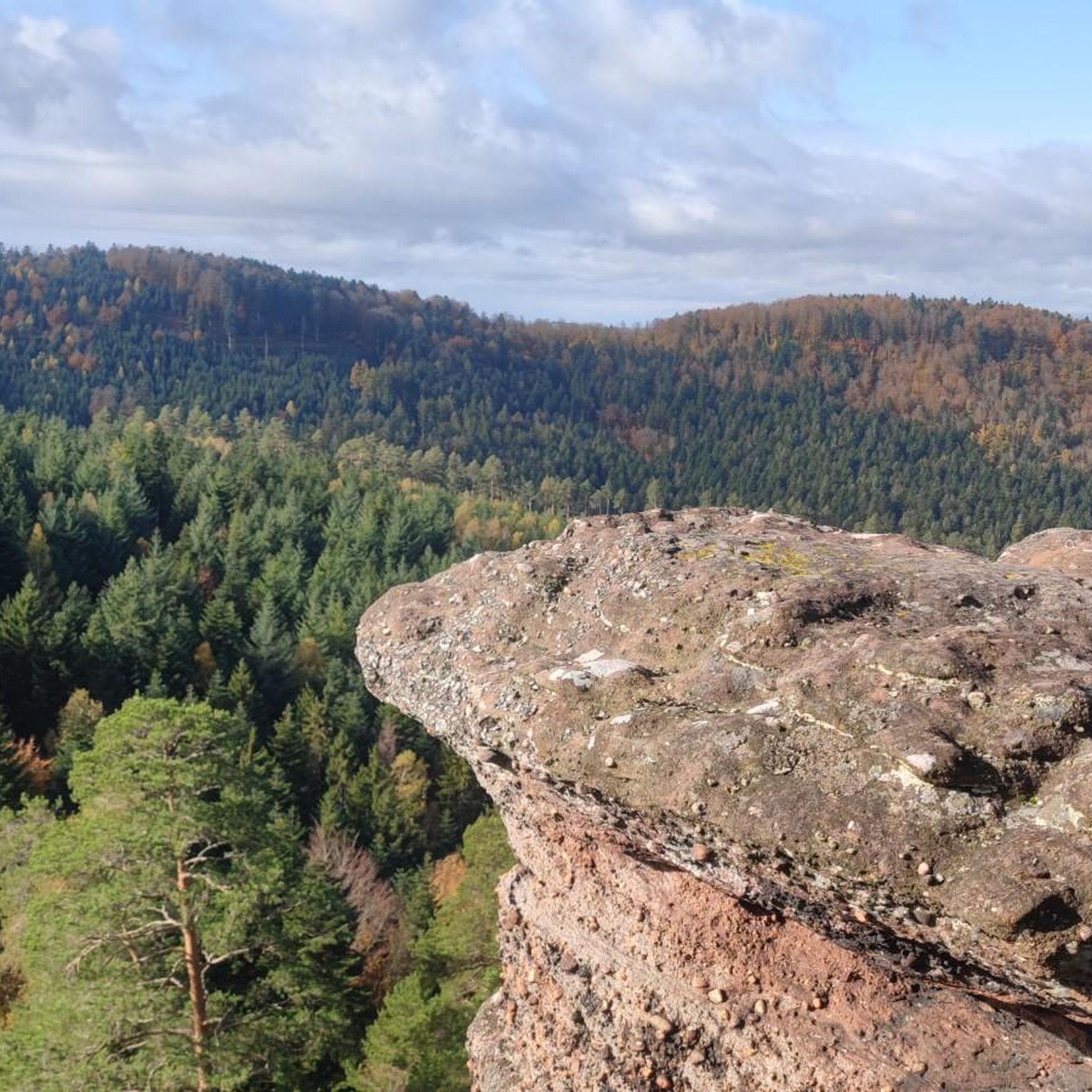
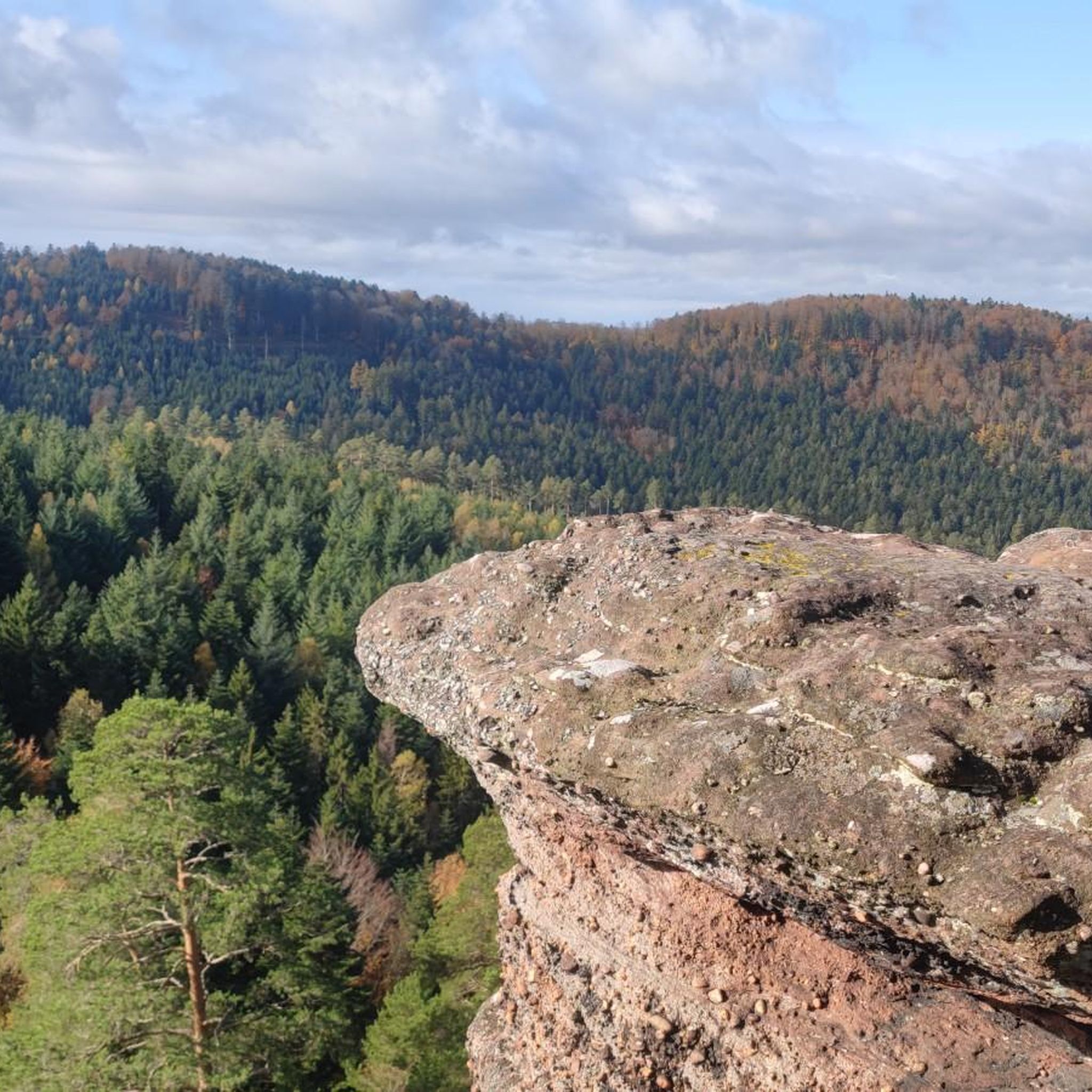
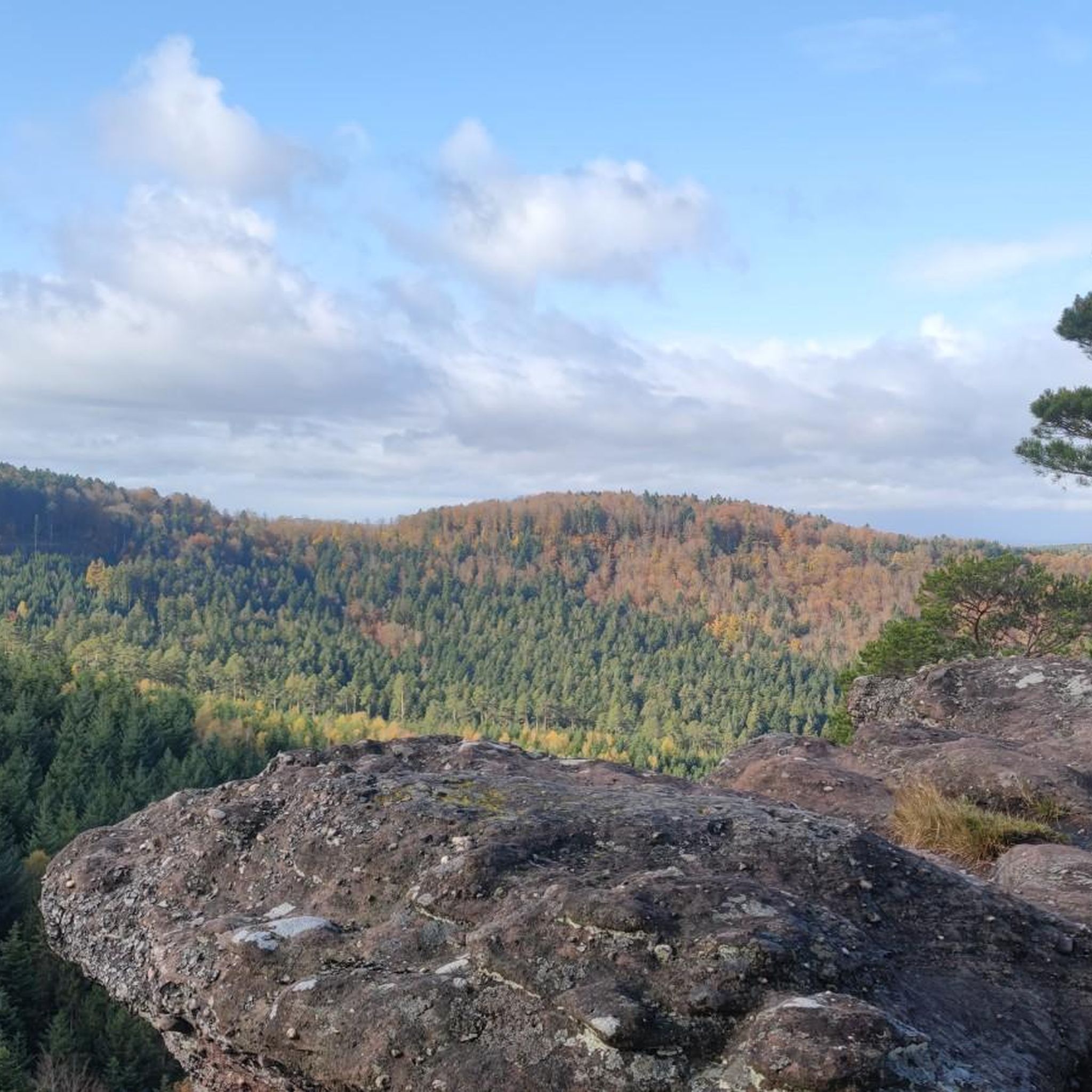
Hohwalsch Rock
Highlight • Summit
Translated by Google •
Tip by

Beimbach Gallo-Roman Cemetery
Highlight • Historical Site
Translated by Google •
Tip by

Sign up now to discover places like this
Get recommendations on the best single tracks, peaks, & plenty of other exciting outdoor places.
Sign up for free
Croix de Hengsbourg
Highlight • Monument
Translated by Google •
Tip by

Forest Road Between Col du Brechstein and Col du Hengst
Highlight (Segment) • Cycleway
Tip by

Beimbach forest road
Highlight • Other
Translated by Google •
Tip by
Start today with a free account
Your next adventure awaits.
Login or Signup
Tips from the Community

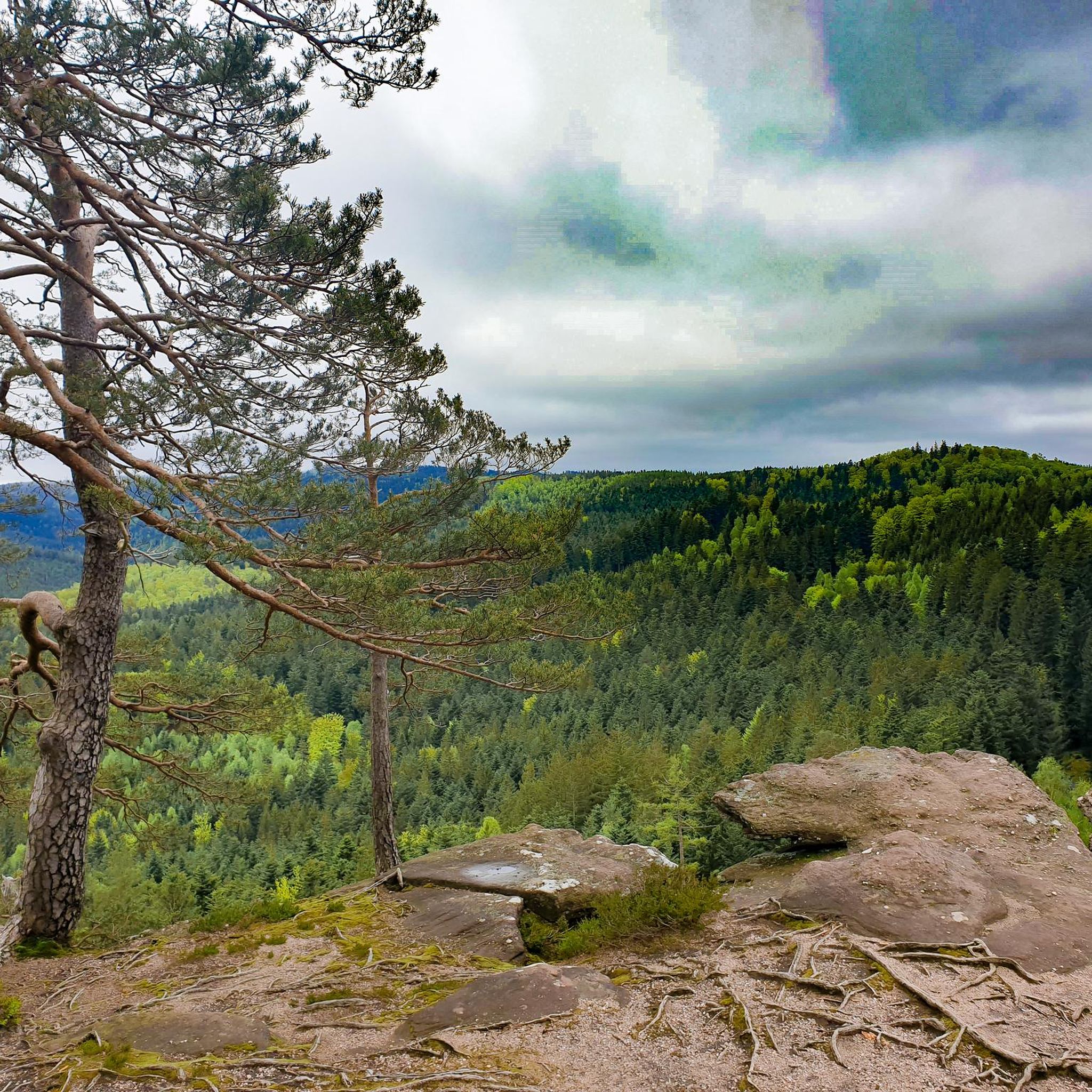
Large rocky plateau; “Hohwalsch” means the height of Walsch, i.e. of Walscheid.
0
0

Epic long rides on immaculate asphalt through the forest and barely see a soul!
0
0

The Beimbach cross is at an altitude of 508m in the Walscheid national forest. A little further north is the Hengstbourg cross and a few metres south, between the cross and the hamlet of Beimbach, is a Gallo-Roman cemetery not to be missed. The cross is made of pink sandstone.
0
1

Hohwalsch' means the height of Walsch, that is to say of Walscheid. Walscheid was first called 'Walterescett', which means Walter's Forest. This name developed on the border from Walter to Walscheid, because the village was on the border between Belgian Gaul and Upper Germania. [https://www.pays-sarrebourg.com/] From the top of this rock, we have an extensive view, as long as visibility allows.
3
0

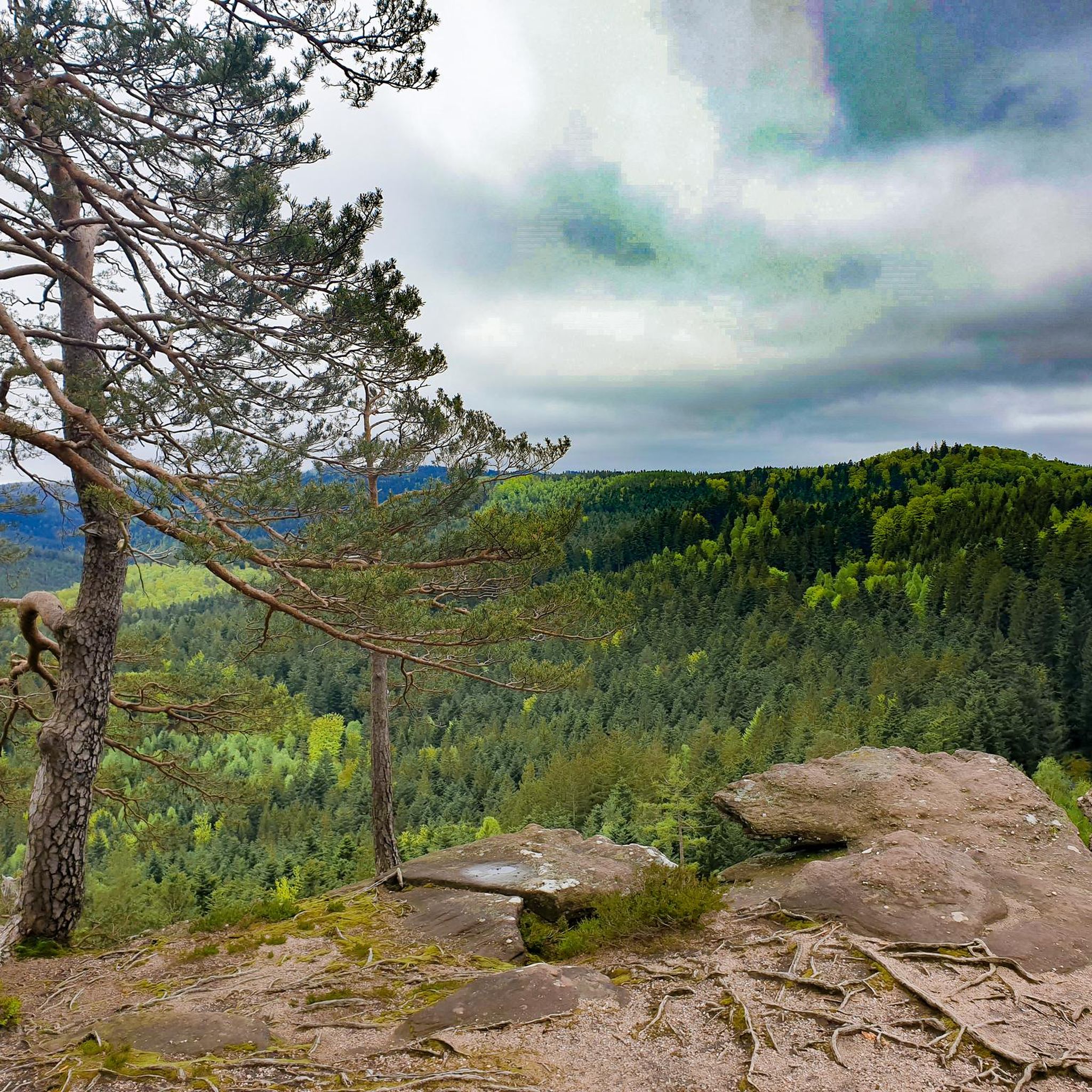
You can't ride a racing bike more calmly and beautifully. Ride the Col DU BRECHSTEIN and COL DU HENGST
0
0

This Gallo-Roman cemetery is made up of stelae-houses brought together in the 19th century by archaeologists around Beimbach. Located on the heights of the town, it takes you back in time when you discover it after climbing a steep climb on foot.
1
0
This beautiful road splits the Dabo forest in two to let in a pretty light. The path leads to Enteneck, the locality where the Zorn forms from the white Zorn and the yellow Zorn.
0
0
Frequently Asked Questions
What natural features and viewpoints can I explore in Forêt de Walscheid?
The Forêt de Walscheid is rich in natural beauty and offers several impressive rock formations and panoramic viewpoints. You can visit the Hohwalsch Rock, a large rocky plateau providing extensive views of the surrounding landscape. Other notable formations include the Rocher du Diable, Rocher du Calice, and Rocher de la Salière, all sculpted by erosion and found along various hiking trails. The Grotte Saint-Léon is another significant natural cavity, offering splendid panoramic views from its entrance.
Are there historical or cultural sites to visit in the Forêt de Walscheid region?
Yes, the region boasts a rich history. A key historical site is the Beimbach Gallo-Roman Cemetery, featuring ancient tombstones, some shaped like houses, offering a glimpse into the region's Roman past. You can also find the Croix de Hengsbourg, a pink sandstone cross at 508 meters altitude, and the nearby Croix du Beimbach. Other sites include the Chapel Saint-Léon, dedicated to Pope Saint Leo IX, and the Grotte des Francs-Tireurs, which served as a refuge during the 1870 war.
What kind of hiking trails are available in Forêt de Walscheid?
The Forêt de Walscheid offers a vast network of marked hiking trails catering to various fitness levels. You can find routes connecting prominent natural features like the Rocher du Diable, Rocher du Calice, and Grotte Saint-Léon. The terrain includes significant elevation changes, suitable for both easy walks and more demanding climbs. For specific routes, you can explore the hiking guide for the area: Hiking in Forêt De Walscheid.
Can I go cycling in Forêt de Walscheid?
Absolutely. The Forêt de Walscheid features excellent conditions for cycling, including forest roads with flawless tarmac and scenic backcountry views. Routes like the Forest Road Between Col du Brechstein and Col du Hengst are popular for their tranquility and beautiful surroundings. For detailed cycling routes and tours, refer to the dedicated guide: Cycling in Forêt De Walscheid.
Are there any family-friendly attractions or activities in the area?
While specific 'family-friendly' categories aren't highlighted, the natural environment of Forêt de Walscheid offers plenty for families. Easy hiking trails are available for walks, and the Grotte Saint-Léon is known for its extraordinary living nativity scene organized on the third Sunday of Advent, which can be a unique family experience. The nearby Lac du Stock also offers water sports like canoeing and paddleboarding in a peaceful setting.
What is the best time of year to visit Forêt de Walscheid?
The Forêt de Walscheid is beautiful year-round, but the best time to visit largely depends on your preferred activities. Spring and autumn offer pleasant temperatures for hiking and cycling, with vibrant foliage in autumn. Summer is ideal for enjoying the forest's shade and outdoor activities. While not explicitly detailed, the region's natural beauty suggests it's enjoyable across seasons.
Where can I find parking or start points for hikes?
The Hohwalschplatz is a well-known pass that serves as a convenient starting point for many hikes. It offers parking facilities, a large shelter, and tables for visitors, making it an ideal base for exploring the forest trails.
Are dogs allowed on trails in Forêt de Walscheid?
The Forêt de Walscheid is generally dog-friendly, and many trails are suitable for walks with your canine companion. However, it's always recommended to keep dogs on a leash, especially in protected areas or near wildlife, and to respect local signage regarding pet regulations.
What makes the Hohwalsch Rock a significant attraction?
The Hohwalsch Rock is a significant attraction due to its impressive size as a large rocky plateau and the extensive panoramic views it offers from its summit. It's also a popular spot for climbing, with 35 routes of varying difficulty, and provides a great resting place with a beautiful outlook.
Are there any unique cultural events or traditions in the region?
One unique event is the extraordinary living nativity scene organized at the Grotte Saint-Léon on the third Sunday of Advent. This tradition adds a special cultural and spiritual dimension to the natural site, drawing visitors during the holiday season.
What kind of wildlife can I expect to see in Forêt de Walscheid?
As a dense Vosges forest and a protected area with a directed biological reserve established in 1984, Forêt de Walscheid is home to diverse wildlife. While specific species are not detailed, visitors can expect to encounter various forest animals and birds typical of the Vosges mountains. Observing wildlife is best done quietly and respectfully.
What is the significance of the village of Walscheid itself?
The village of Walscheid, often called 'the village of seven hills,' has a rich history and is nestled at the foot of the Vosges mountains. It is notably known as the birthplace of Pope Leo IX, adding a historical and religious significance to the area beyond its natural attractions.
Most popular routes in Forêt De Walscheid

Get inspired with the komoot mobile app


Explore more
Still not found the Highlight you’re looking for? See guides of the top attractions in other regions:
