Attractions and Places To See in Bois De La Houssière - Le Grand Bois - Top 20
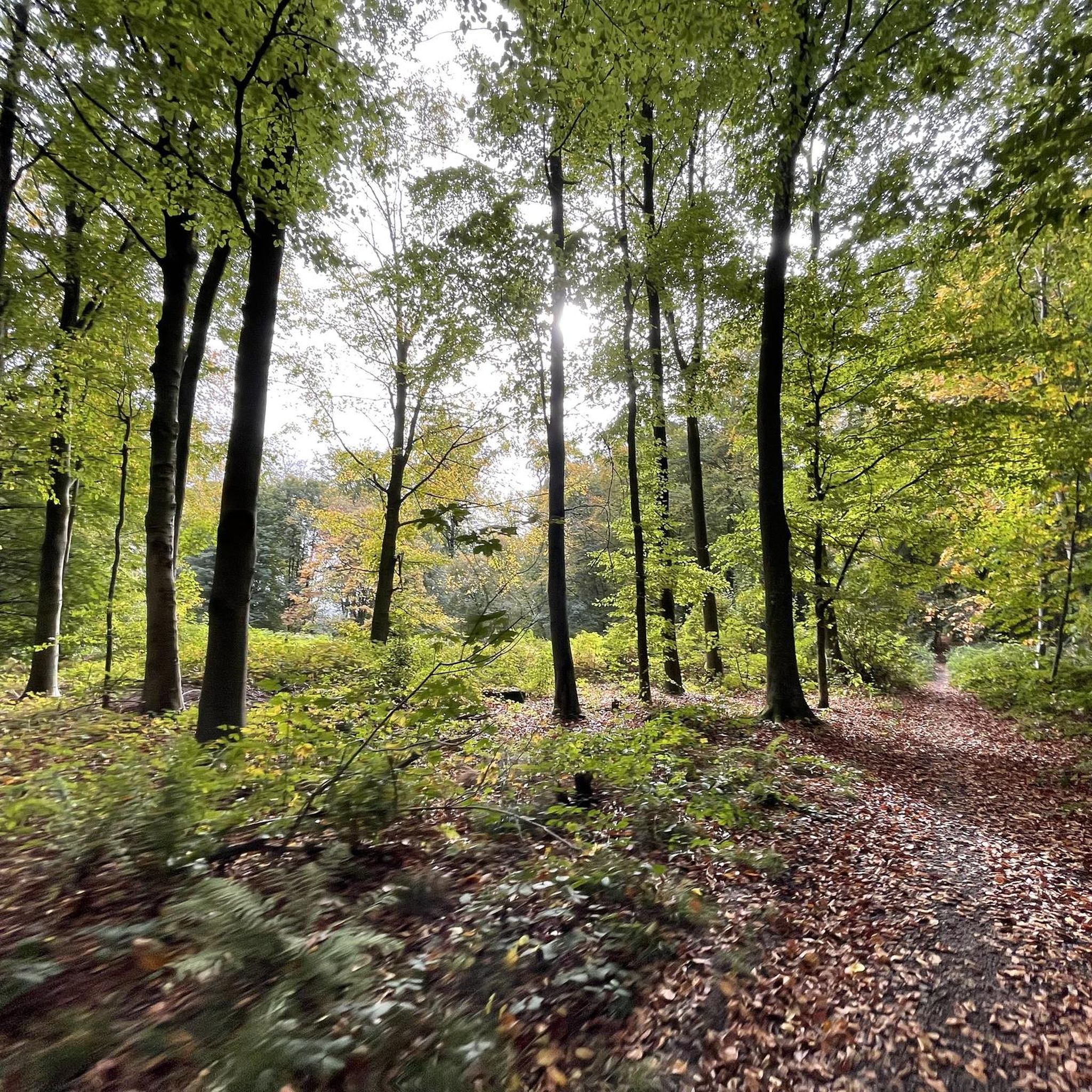
Best attractions and places to see in Bois De La Houssière - Le Grand Bois is a significant forest area in the Belgian province of Hainaut, covering approximately 650-662 hectares. This vast woodland is partly classified as a Natura 2000 site, known for its diverse flora and fauna, including extensive beech forests and spring hyacinths. The region offers numerous hiking opportunities and features several historical elements, such as Bronze Age tumuli and 19th-century geodetic markers.
Best attractions and places to…
Last updated: May 20, 2026
Bonhomme de Fer Geodetic Marker
Highlight • Monument
Translated by Google •
Tip by

Pond of Le Grand Bois Commun
Highlight • Lake
Translated by Google •
Tip by

Sign up now to discover places like this
Get recommendations on the best single tracks, peaks, & plenty of other exciting outdoor places.
Sign up for free
Tramway Path
Highlight • Trail
Translated by Google •
Tip by

Chapelle Saint Brice
Highlight • Religious Site
room reserved for hunters in this old hunting lodge (Château Sacré, name of the glassworks owner),
decorated in its …
Translated by Google •
Tip by

Col du Bois de la Houssière
Highlight (Segment) • Mountain Pass
Tip by

Sign up for free to discover even more attractions in Bois De La Houssière - Le Grand Bois.
Sign up for free
Already have an account?
Start today with a free account
Your next adventure awaits.
Login or Signup
Popular around Bois De La Houssière - Le Grand Bois
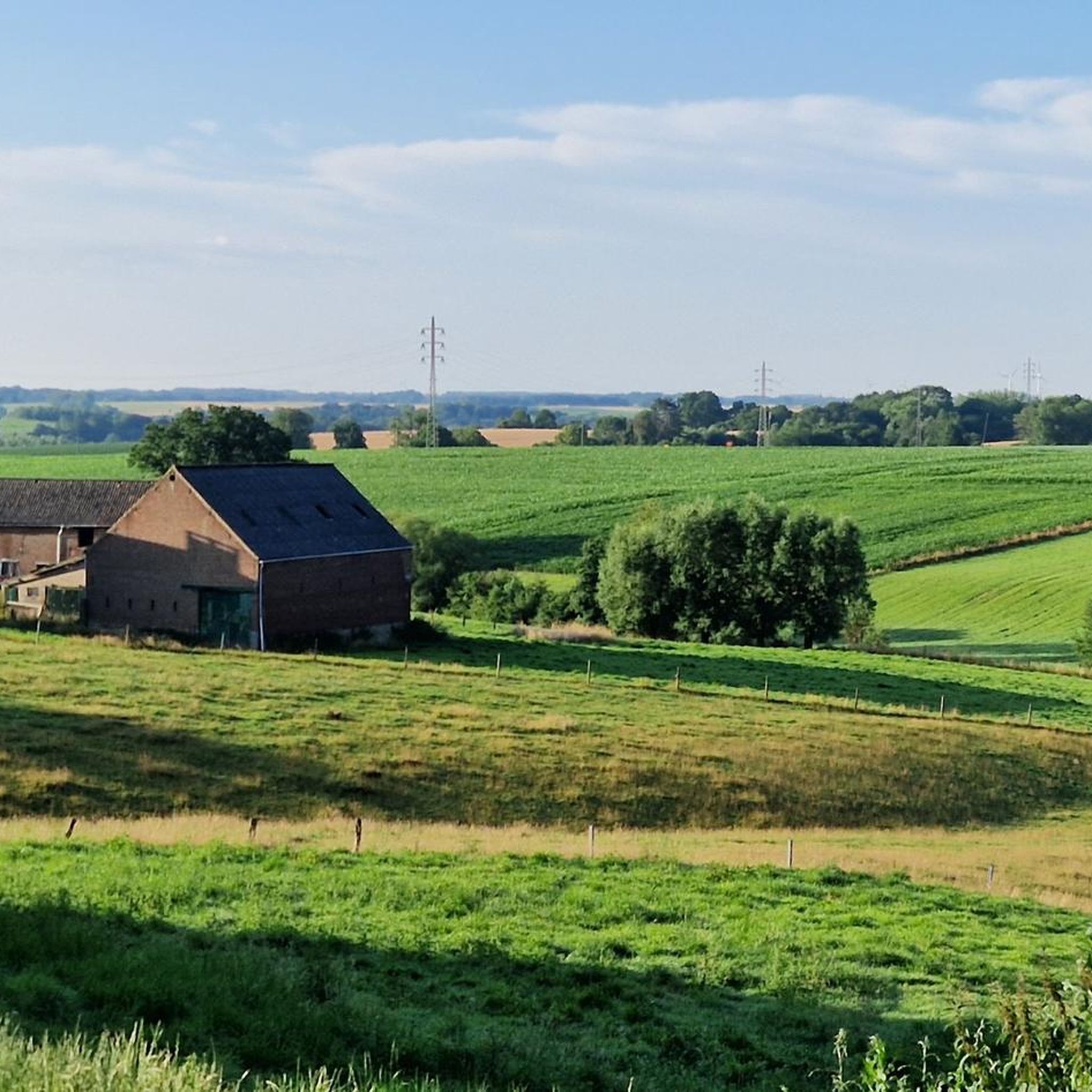
Hiking in Bois De La Houssière - Le Grand Bois
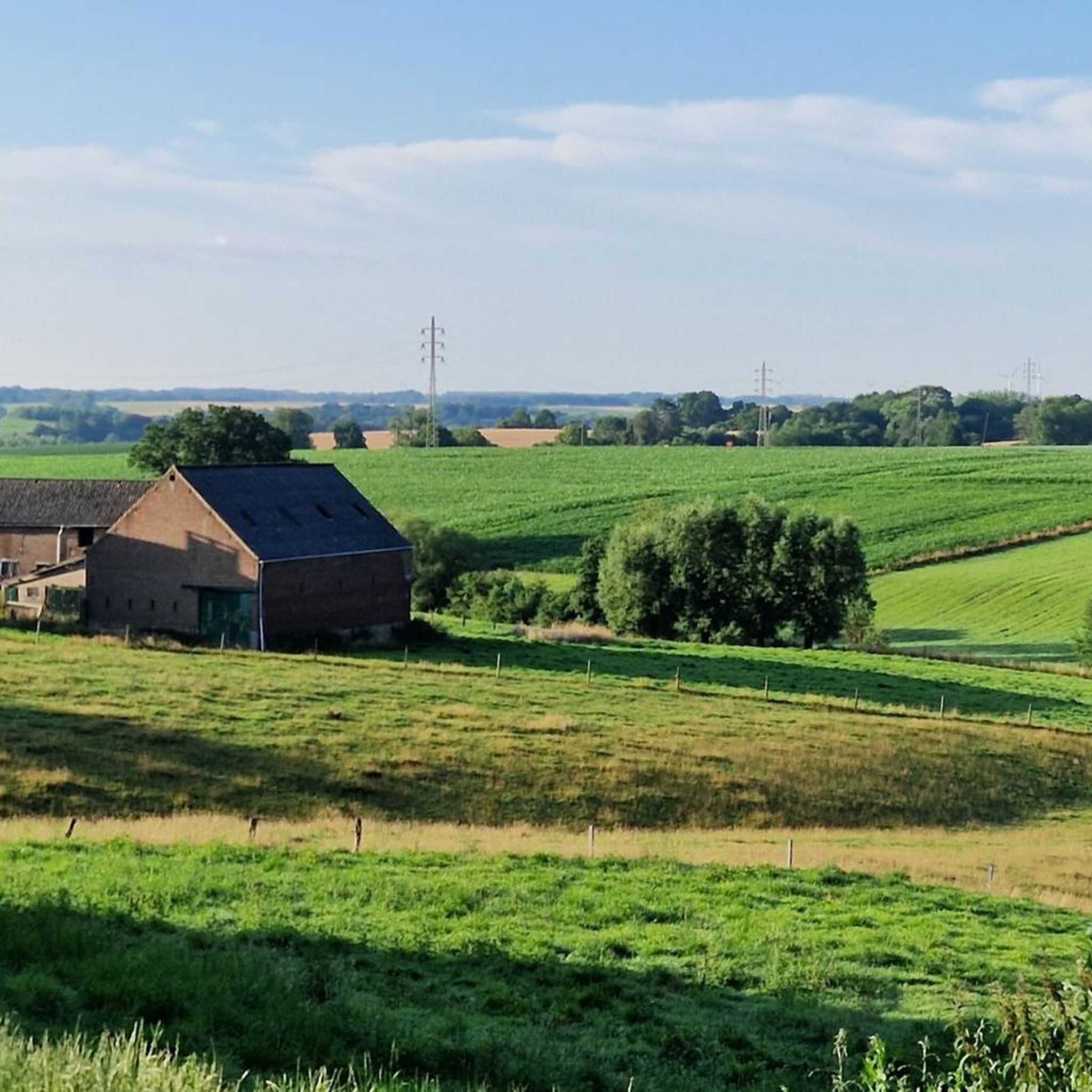
Road Cycling Routes in Bois De La Houssière - Le Grand Bois
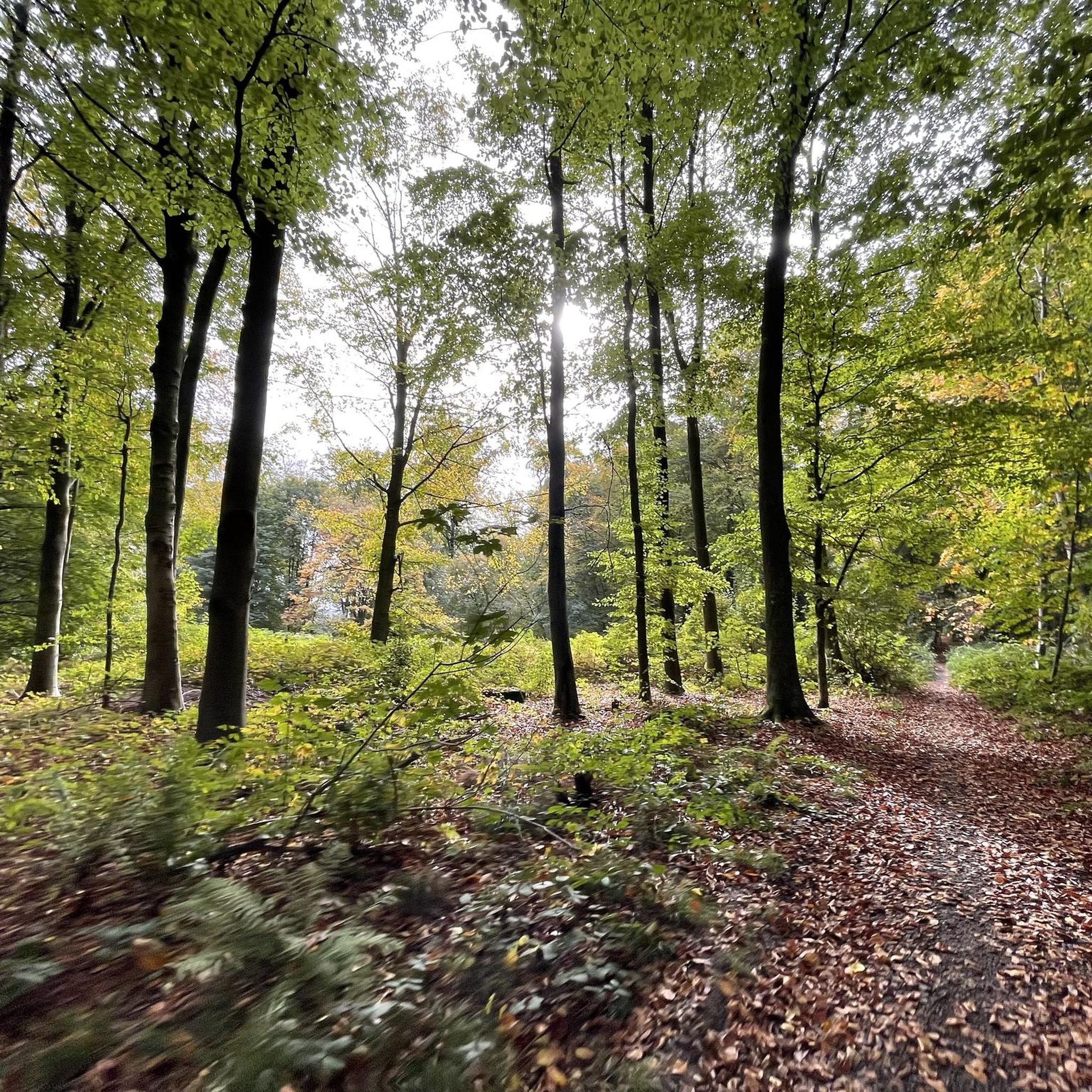
Running Trails in Bois De La Houssière - Le Grand Bois
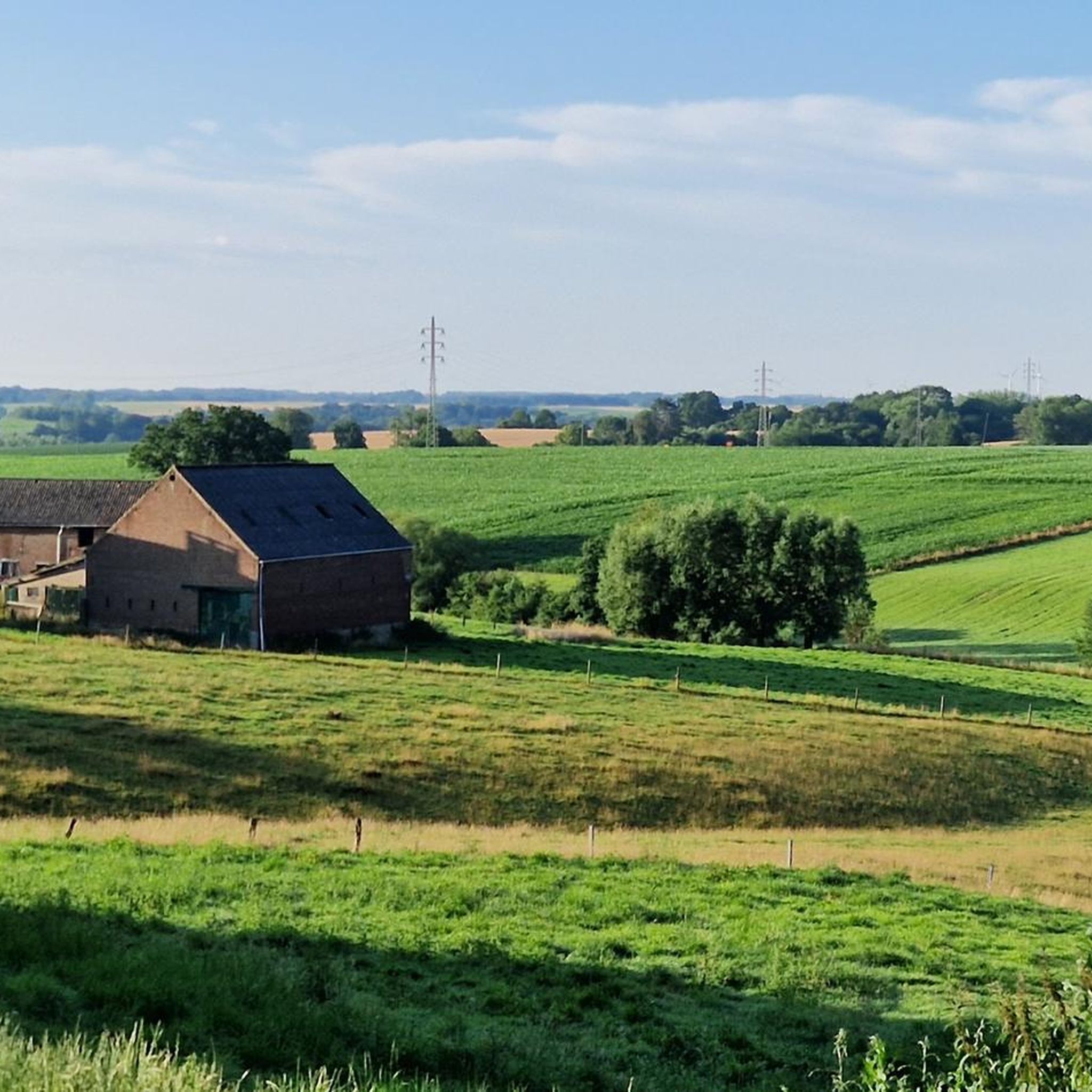
Cycling in Bois De La Houssière - Le Grand Bois
MTB Trails in Bois De La Houssière - Le Grand Bois
Gravel biking in Bois De La Houssière - Le Grand Bois
Tips from the Community

Beautiful little lake, the path leading to it is full of nettles, long trousers are useful
0
0

Hello to all Komoot users, Le Grand Bois Commun (SC) is a cooperative in Braine-le-Comte. www.legrandboiscommun.be In 2019, just under 2,000 citizens purchased this 80 hectares of forest for protection. Recently, approximately 75% of its surface area was declared a Nature Reserve. Please be sure to stay on the paths and keep dogs on leashes. The cooperative remains open to new members. info@legrandboiscommun.be 🌳🌳Welcome🌳🌳
1
0

The entrance to this chapel faces the old entrance to the room reserved for hunters in this old hunting lodge (Château Sacré, name of the glassworks owner), decorated in its time with hunting trophies. Saint Hubert is of course the patron saint of hunters. The crossroads is the result of the creation of the Chemin Royal (name given to a road created by the will of a large landowner) in order to connect 2 hunting lodges. The other lodge being the Clos du Vert Bois (currently, private building, avenue du Marouset 147) This creation led to the partial disappearance of the southern branch of the Pendu trail.
0
0

Le grand bois commune in Virginal Samme, in wet weather it is very muddy. There are 2 small ponds with, strangely, electricity poles in the largest pond. There are also agricultural tools rusting in a shed. There is also a spring along the hiking trail.
2
0
Geodetic station: Large cast iron marker built on a hill in the Bois de la Houssière, at a place called "Tête du Bois", on the border of the territories of Braine-le-Comte and Ecaussinnes. Known as the "Iron Man", a column made around 1863 by the military technical officers responsible for drawing up the map of the region: it is one of the points used in this cartographic process, but also for observing ground movement and determination of its density. Great place to enjoy yourself on the countless roads, single tracks, forest roads .... definitely recommended
0
0

Cotacol nr 722. Slope of about 2km with 4.4%. The first 800m are quite tough.
0
0

A slightly hilly walk, but full of charm a mix of 2 close walks
1
0

Frequently Asked Questions
What natural features can I explore in Bois De La Houssière - Le Grand Bois?
The forest is a Natura 2000 site, rich in diverse flora and fauna. You can discover extensive beech forests, and in spring (April-May), witness a stunning display of blue hyacinths. The area also features an arboretum with educational signs about tree species, and several scenic ponds, including the Pond of Le Grand Bois Commun.
Are there historical landmarks to visit in Bois De La Houssière - Le Grand Bois?
Yes, the forest is home to several historical sites. You can find the Bonhomme de Fer Geodetic Marker, a 19th-century monument used for mapping Belgium. There are also six well-preserved Bronze Age burial mounds (tumuli) and the historical site of the "Table de Pierre," believed to be a significant crossroads from the Bronze Age. The Tramway Path also follows the route of a former local railway line with historical significance.
What kind of outdoor activities can I do in Bois De La Houssière - Le Grand Bois?
Bois De La Houssière - Le Grand Bois offers numerous opportunities for outdoor activities. You can enjoy extensive hiking on marked trails, including the "Grand tour of the Bois de la Houssière." There are also dedicated routes for cycling and mountain biking. For more details on specific routes, you can explore the hiking guide, cycling guide, and MTB trails guide for the region.
What is the best time of year to visit Bois De La Houssière - Le Grand Bois?
The forest is beautiful year-round, but spring, particularly between April and May, is highly recommended for its spectacular display of blue, mauve, and violet hyacinths. Autumn also offers vibrant foliage. The extensive trails are suitable for walking in most seasons.
Are there family-friendly attractions or activities in the forest?
Yes, Bois De La Houssière - Le Grand Bois is suitable for families. The Tramway Path is noted as family-friendly, offering an easy and historical walk. The arboretum with educational signs can also be engaging for children, and the numerous well-maintained trails provide safe spaces for family walks.
Can I bring my dog to Bois De La Houssière - Le Grand Bois?
Yes, dogs are generally welcome in Bois De La Houssière - Le Grand Bois. However, as parts of the forest are classified as a Natura 2000 site and a Nature Reserve (Le Grand Bois Commun), it is important to keep dogs on leashes to protect the diverse wildlife and natural habitats.
Where can I find viewpoints in Bois De La Houssière - Le Grand Bois?
You can find scenic spots and viewpoints throughout the forest. The Col du Bois de la Houssière offers a climb through the forest with an official summit marker at 151m altitude, providing a sense of achievement and views. The Bonhomme de Fer Geodetic Marker is also categorized as a viewpoint.
What kind of wildlife can I expect to see in Bois De La Houssière - Le Grand Bois?
As a Natura 2000 site, the forest is rich in biodiversity. You might spot various mammals such as mice, voles, moles, hedgehogs, squirrels, and roe deer. Birdwatchers can look out for resident and migratory birds like finches, dunnocks, warblers, wrens, bullfinches, and tits. The forest also boasts a wide array of wild flowers and plants.
Are there any circular walking routes in Bois De La Houssière - Le Grand Bois?
Yes, the Bois de la Houssière offers several circular walking routes. The region research mentions three looped walks and a fitness trail. For specific options, you can consult the hiking guide for Bois De La Houssière - Le Grand Bois, which lists routes like the "Forest Path in Grand Bois – Pond of Le Grand Bois Commun loop from Virginal-Samme".
What is the significance of the former sand quarries in the forest?
The Bois de la Houssière's origin as an ancient sea dune led to the presence of numerous sand pits. Industrial exploitation of these quarries began in 1885, with the last one ceasing activity in 2002. Today, these former quarries contribute to the diverse landscape and ecology, with some hosting unique flora like willows, rushes, birches, and heather.
What is Le Grand Bois Commun?
Le Grand Bois Commun is a cooperative project located in the northern part of the Bois de la Houssière. It aims to protect and make accessible 80 hectares of woodland. This area is a peaceful green space within a densely urbanized region and includes Natura 2000 habitats such as dry heather and Atlantic neutrophilic beech forests with bluebells.
Are there any religious sites or chapels in the area?
Yes, the forest area includes religious sites. The Chapelle Saint Brice (also known as Chapelle St-Hubert) is a notable waypoint on some hiking routes within the forest, offering a glimpse into local heritage.
Most popular routes in Bois De La Houssière - Le Grand Bois

Get inspired with the komoot mobile app


Explore more
Still not found the Highlight you’re looking for? See guides of the top attractions in other regions:
