Attractions and Places To See in Forêt De Carnelle - Top 16
Best attractions and places to see in Forêt De Carnelle include a diverse range of natural features and historical sites within this 975-hectare forest, located 25 kilometers north of Paris. The forest sits atop a 210-meter-high butte, making it the highest point in the Val-d'Oise department and offering panoramic views. It is known for its ancient megalithic structures, such as Pierre Turquaise, and its role in the 1793 Chappe telegraph trials. The landscape features diverse flora, including chestnuts and oaks, and is home to various wildlife.
Best attractions and places to see in Forêt De Carnelle
- The most popular attractions is Le Petit Étang de Carnelle, an artificial lake that is 1.3 hectares in size and up to 30 meters deep. It is a peaceful location, suitable for walking loops and observing fishermen.
- Another must-see spot is Pierre Turquèse Hill, a climb known for its challenging sections. This area is also associated with the significant megalithic structure, Pierre Turquaise, dating back to the 3rd millennium BC.
- Visitors also love The Château-pital of Saint-Martin-du-Tertre, a castle set within a park. It has historically served as a hospital and is noted for its architecture.
- Forêt De Carnelle is known for its artificial lakes, historical sites, and challenging climbs. Visitors can explore a variety of attractions, from ancient monuments to natural landscapes.
- The attractions in Forêt De Carnelle are appreciated by the komoot community, with over 150 upvotes and 55 photos shared by visitors.
Last updated: July 2, 2026
The Blue Lake of Carnelle
Highlight • Forest
Translated by Google •
Tip by

The Château-pital of Saint-Martin-du-Tertre
Highlight • Castle
Translated by Google •
Tip by

Sign up now to discover places like this
Get recommendations on the best single tracks, peaks, & plenty of other exciting outdoor places.
Sign up for free
Pierre Turquèse Hill
Highlight (Segment) • Climb
Translated by Google •
Tip by
Le Petit Étang de Carnelle
Highlight • Lake
Translated by Google •
Tip by
Princes' Climb towards Carnelle
Highlight (Segment) • Other
Translated by Google •
Tip by

Sign up for free to discover even more attractions in Forêt De Carnelle.
Sign up for free
Already have an account?
Start today with a free account
Your next adventure awaits.
Login or Signup
Popular around Forêt De Carnelle
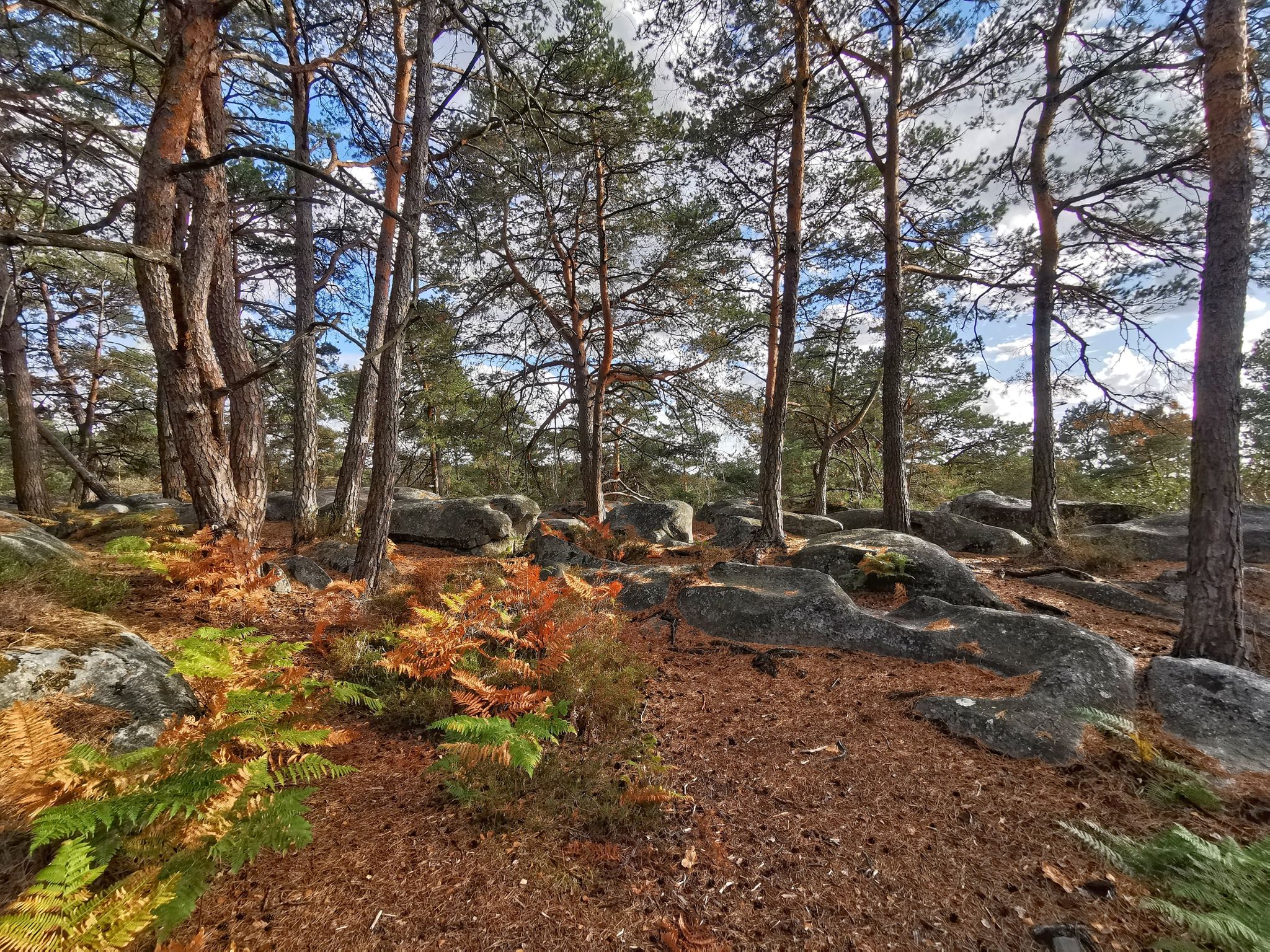
Natural beauty on Île-de-France – mountain biking around Paris
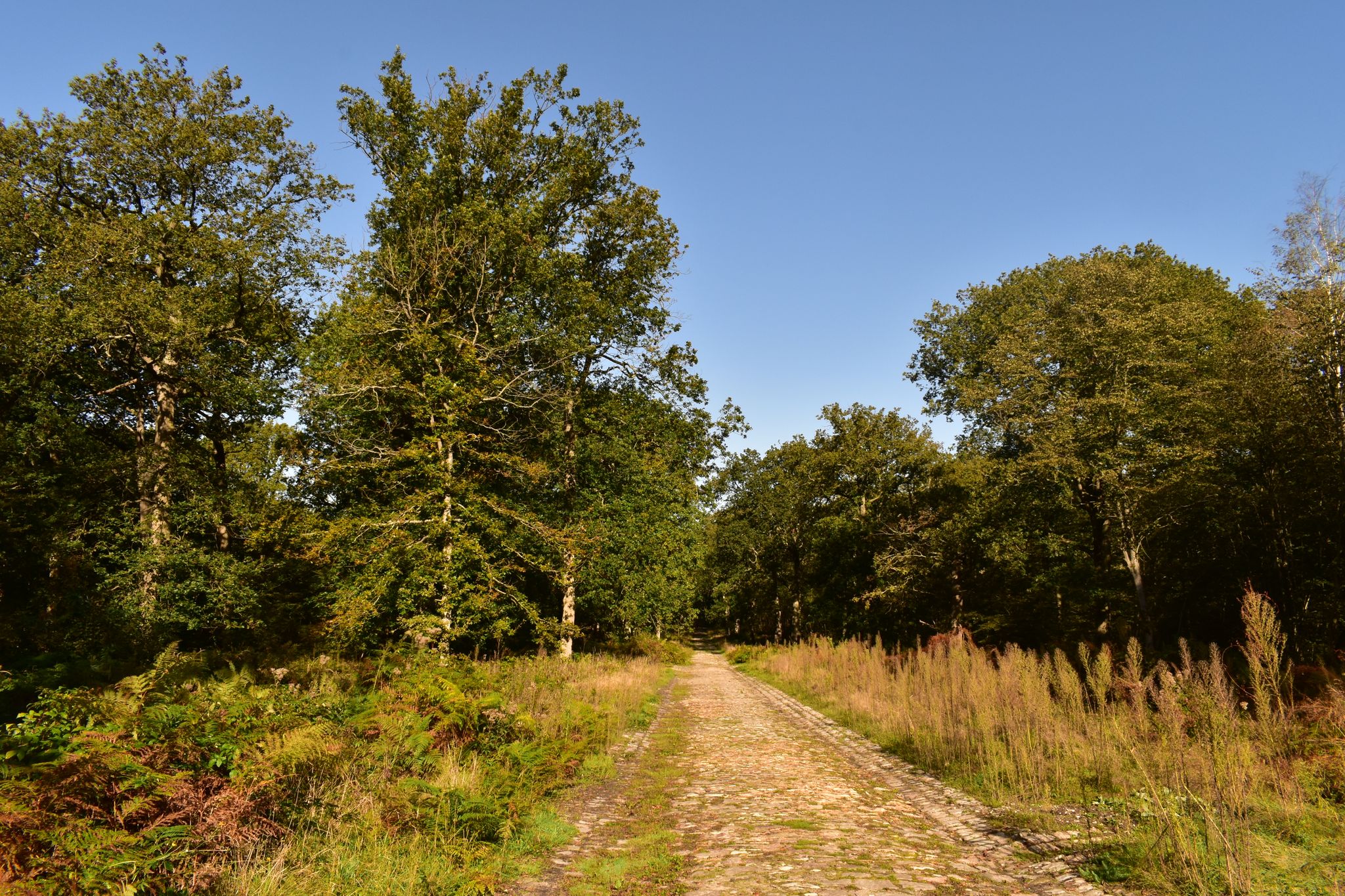
In the heart of Ile-de-France’s landscapes — 7 trails north of Paris

Running Trails in Forêt De Carnelle
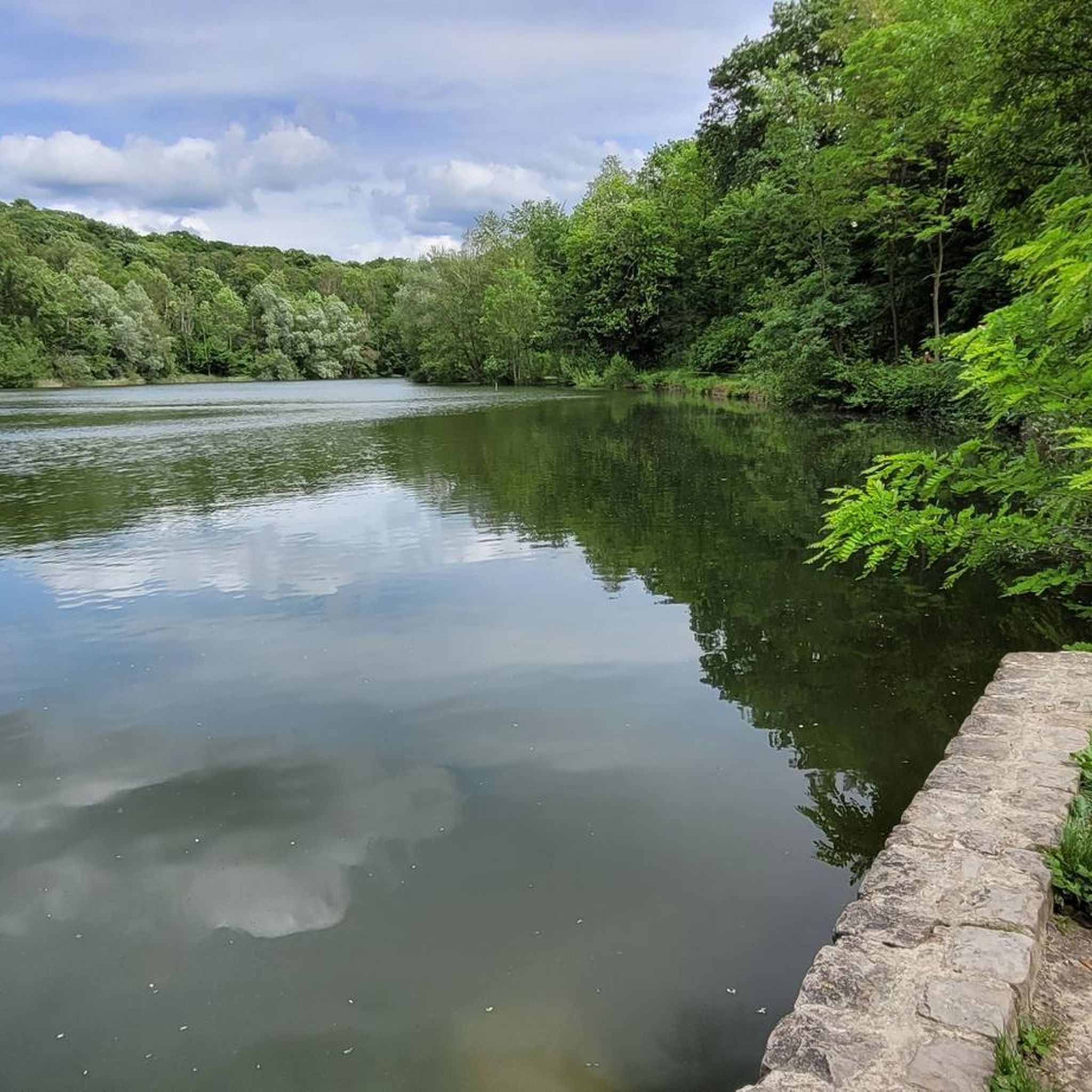
MTB Trails in Forêt De Carnelle
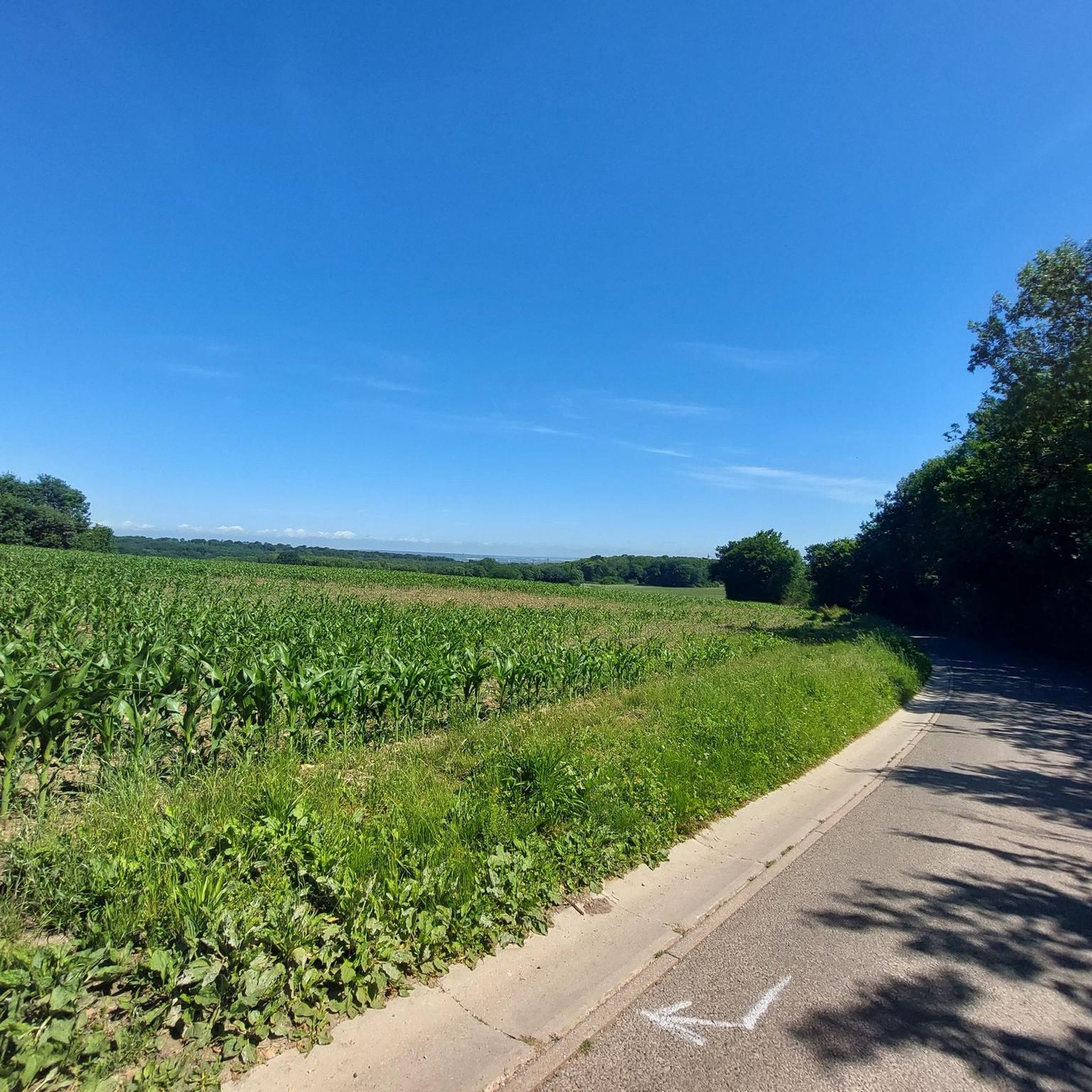
Cycling in Forêt De Carnelle
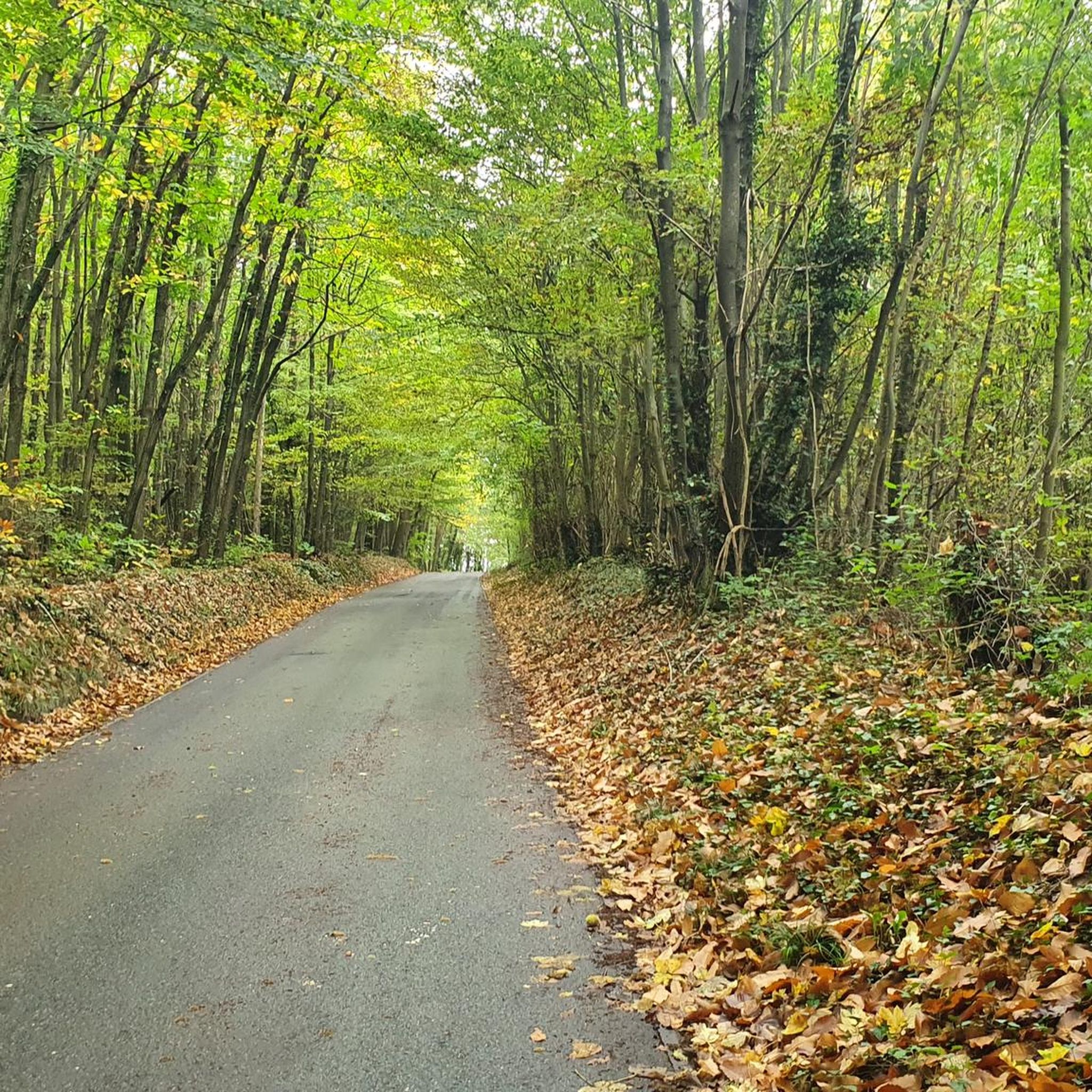
Road Cycling Routes in Forêt De Carnelle
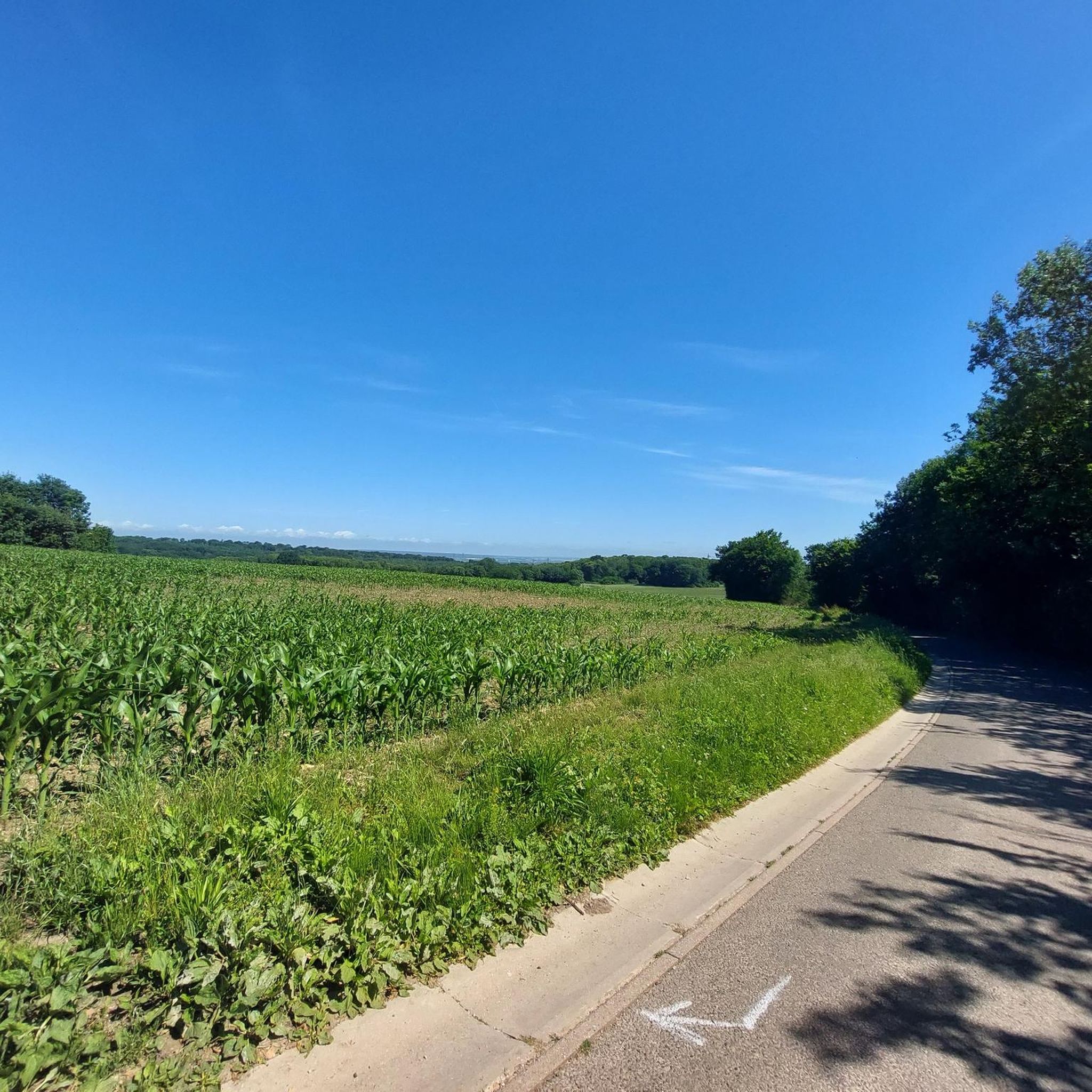
Hiking in Forêt De Carnelle
Gravel biking in Forêt De Carnelle

Tips from the Community


What is to be remembered from this route is the passage through the Carnelle forest. However, there are too many roads on the Isle Adam and along the Oise. No particular difficulty.
0
0

pretty lake hidden in the middle of the forest
0
0

Be careful, in the forest, the singles go off the paths and pass through the middle of the ONF plots. Traffic is prohibited there.
0
0

Long climb for the region and quite a challenge with a first wall and a 10-12% slope before a succession of false flats and flat areas before the last ramp
1
0

Paving in good condition and almost no traffic. Climb in several stages, the first section is a very salty little wall, before a significant flat area, then the percentages go up at the end.
1
0

Nice climb through the woods on a road closed to traffic. Slopes at the beginning from double digits then more pedalable.
1
0

Lac Bleu is one of the two bodies of water in the Carnelle forest. On sunny days, its name takes on its full meaning. But there is another reason for the name of this lake from ancient quarries. The rock at the bottom is a mixture of gypsum and marl. The color is changing due to algae, but originally it is deep blue. Around the lake, one can appreciate oaks, beeches and chestnuts. A feast for the eye!
1
0
Frequently Asked Questions
What natural features can I explore in Forêt de Carnelle?
Forêt de Carnelle is home to several beautiful natural features. You can visit The Blue Lake of Carnelle (Lac Bleu), known for its deep blue hue due to gypsum and marl, and Le Petit Étang de Carnelle, both artificial lakes formed from old marl quarries. The forest itself is predominantly composed of chestnuts, oaks, and beeches, and sits atop a 210-meter-high butte, offering panoramic views.
Are there any historical sites or landmarks in Forêt de Carnelle?
Yes, Forêt de Carnelle has a rich history. A significant landmark is the Pierre Turquaise, a megalithic structure dating back to the 3rd millennium BC. The forest also features the Butte Féodale, a strategic medieval watchpoint, and was the site of the first successful trials of the Chappe telegraph in 1793. Additionally, you can find The Château-pital of Saint-Martin-du-Tertre, a castle with historical significance.
What kind of outdoor activities can I do in Forêt de Carnelle?
Forêt de Carnelle offers a variety of outdoor activities. You can enjoy hiking on over 30 kilometers of marked trails, including sections of the GR1 and PR16. Horse riding is also popular, with 21 kilometers of dedicated bridle paths. For those seeking a challenge, Pierre Turquèse Hill offers a notable climb. You can also find nearby routes for running, hiking, and mountain biking. For more details on specific routes, check out the Running Trails, Easy Hikes, and MTB Trails guides for the region.
Are there family-friendly attractions or activities in Forêt de Carnelle?
Absolutely! Forêt de Carnelle is a great destination for families. The artificial lakes, The Blue Lake of Carnelle and Le Petit Étang de Carnelle, are peaceful spots suitable for walks and observing nature. The forest also provides designated picnic areas around the lakes and children's play areas. Many of the hiking trails are suitable for families, with easy options available.
Can I go swimming in the lakes of Forêt de Carnelle?
No, swimming is prohibited in both The Blue Lake of Carnelle and Le Petit Étang de Carnelle for safety reasons. These lakes are quite deep, reaching 20-30 meters in some areas. However, fishing is permitted in both lakes.
What kind of wildlife can I expect to see in Forêt de Carnelle?
Forêt de Carnelle is rich in biodiversity. You might spot mammals such as deer, roe deer, wild boars, foxes, badgers, and hares. Birdwatchers can look for common buzzards, honey buzzards, black woodpeckers, hawfinches, and European golden orioles. Near the ponds, amphibians like common toads, common frogs, agile frogs, and palmate newts can be found.
What is the terrain like for hiking in Forêt de Carnelle?
The terrain in Forêt de Carnelle varies. While many trails are suitable for leisurely walks, the forest sits on a 210-meter-high butte, making it the highest point in the Val-d'Oise department. This means you'll encounter some climbs, such as Pierre Turquèse Hill and Princes' Climb towards Carnelle, which can be challenging with steep sections. The varied slopes and exposures contribute to diverse plant life and offer different experiences.
Are there any viewpoints in Forêt de Carnelle?
Yes, the forest's location atop a 210-meter-high butte provides exceptional panoramic views of the surrounding area. Specific viewpoints can be found around The Blue Lake of Carnelle and Le Petit Étang de Carnelle, allowing you to appreciate the density of the forest and its natural beauty.
What is the best time of year to visit Forêt de Carnelle?
Forêt de Carnelle is beautiful year-round, but the best time to visit depends on your preferred activities. Spring and autumn offer pleasant temperatures for hiking and enjoying the changing foliage. Summer is ideal for picnics and longer walks, though it can be warmer. Winter provides a different, serene experience, especially after a snowfall. The deep blue color of The Blue Lake of Carnelle is particularly striking on sunny days.
Are there any unique or lesser-known spots to discover in the forest?
Beyond the main attractions, explore the historic Route Forestière du Bois Belle Fille, an 18th-century paved forest road. Keep an eye out for the diverse flora, including the royal fern, and the varied ecosystems from humid zones to peat bogs. The forest's rich history, from ancient megaliths to telegraph trials, offers many hidden stories to uncover as you wander its trails.
What are some notable historical buildings in the villages surrounding Forêt de Carnelle?
The villages surrounding Forêt de Carnelle offer several historical buildings. In Viarmes, you can find the classical-style Château de Viarmes, built in 1758 and now serving as the town hall, and the Église de Viarmes with its nearly 60-meter-high bell tower. Viarmes also boasts the Fontaine aux Moines, a water distribution building from 1227. In Asnières-sur-Oise, you can see the Château de La Reine Blanche (Queen Blanche's Castle).
Most popular routes in Forêt De Carnelle

Get inspired with the komoot mobile app


Explore more
Still not found the Highlight you’re looking for? See guides of the top attractions in other regions:
