Attractions and Places To See in Segeberger Staatsforst - Top 20
Best attractions and places to see in Segeberger Staatsforst, the second-largest contiguous forest area in Schleswig-Holstein, spans over 4,000 hectares. This region features a diverse landscape of spruce, pine, larch, beech, and oak trees. It offers a variety of natural features, cultural sites, and points of interest for nature lovers and those seeking recreation. The area provides opportunities to explore extensive woodlands and discover local wildlife.
Best attractions and places to see in Segeberger Staatsforst
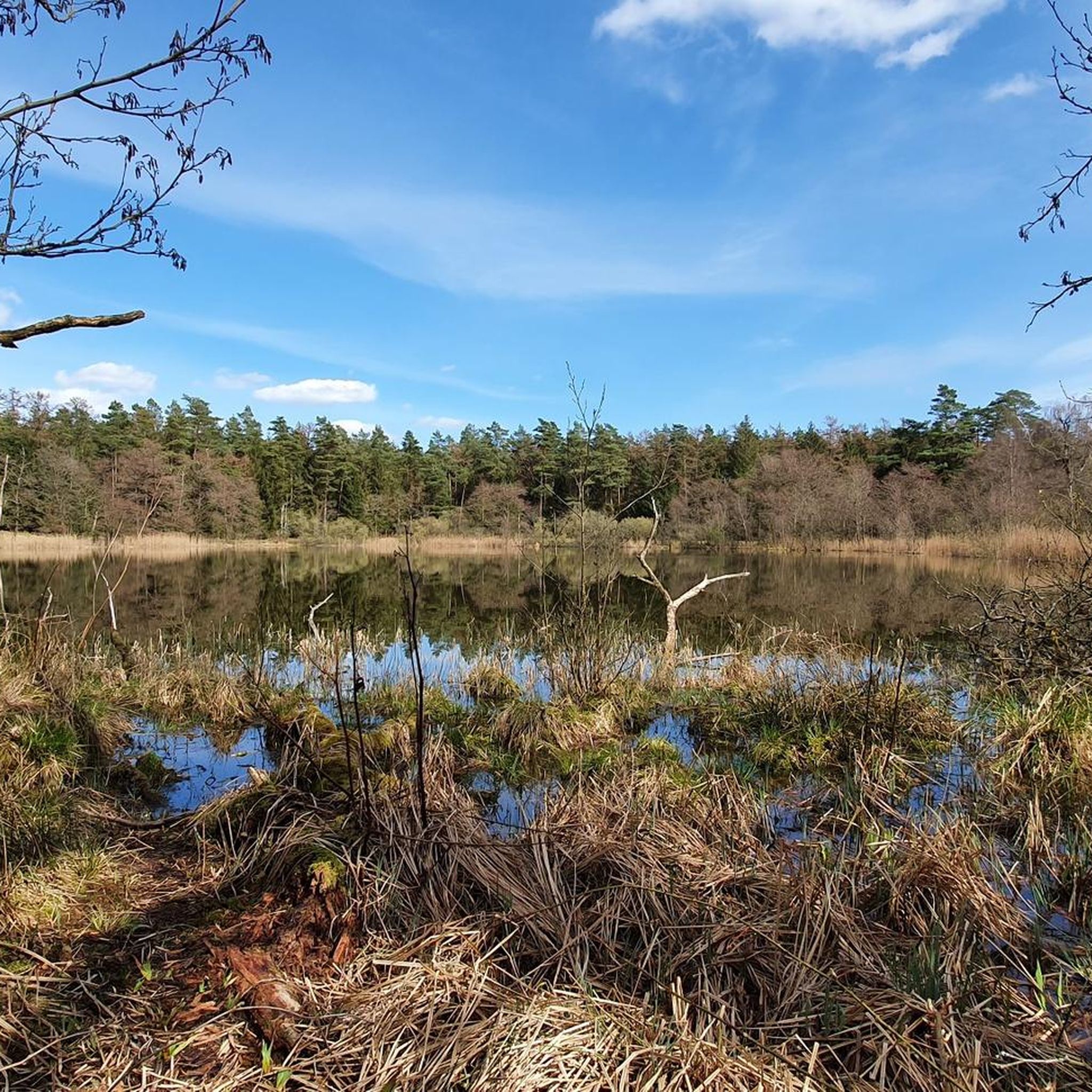
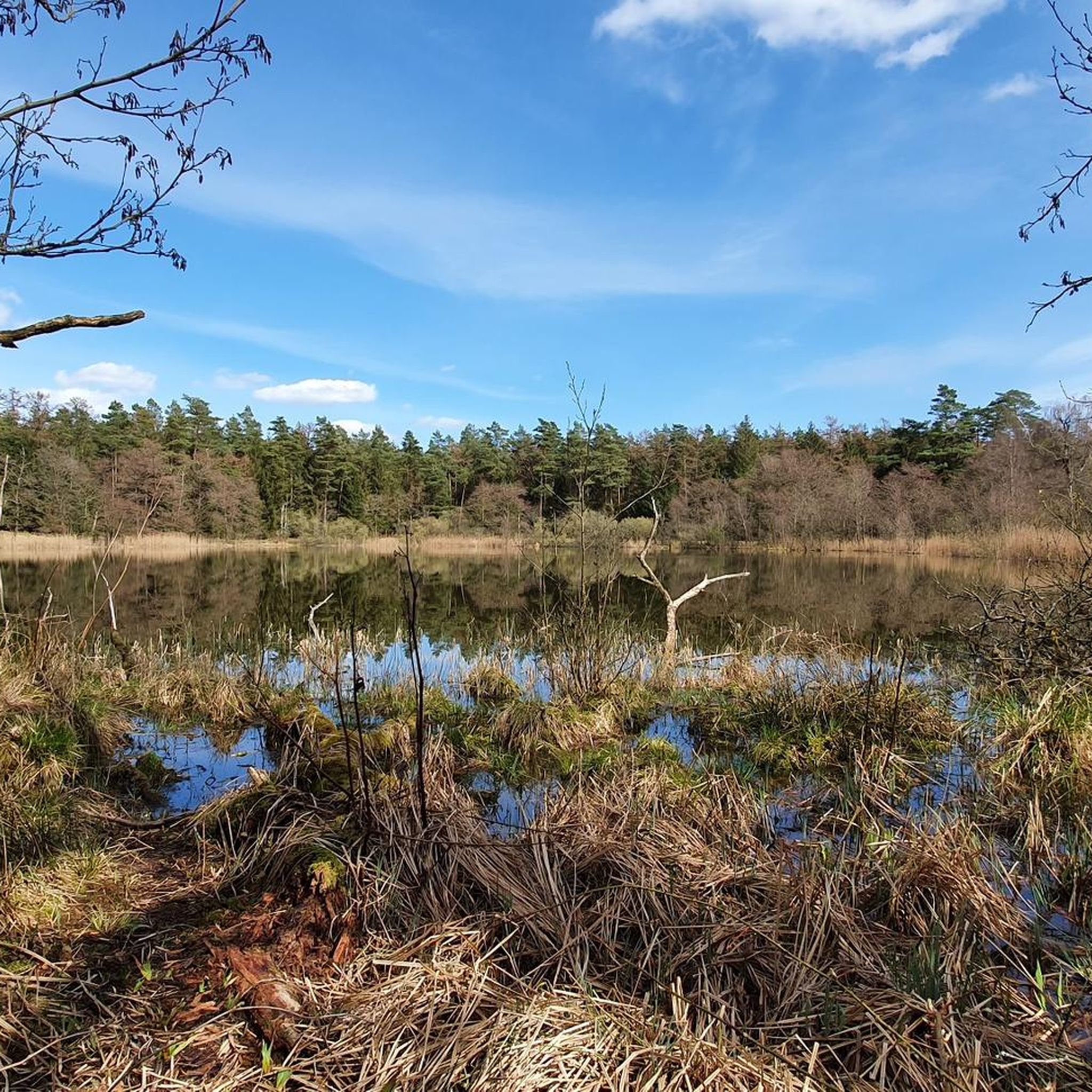
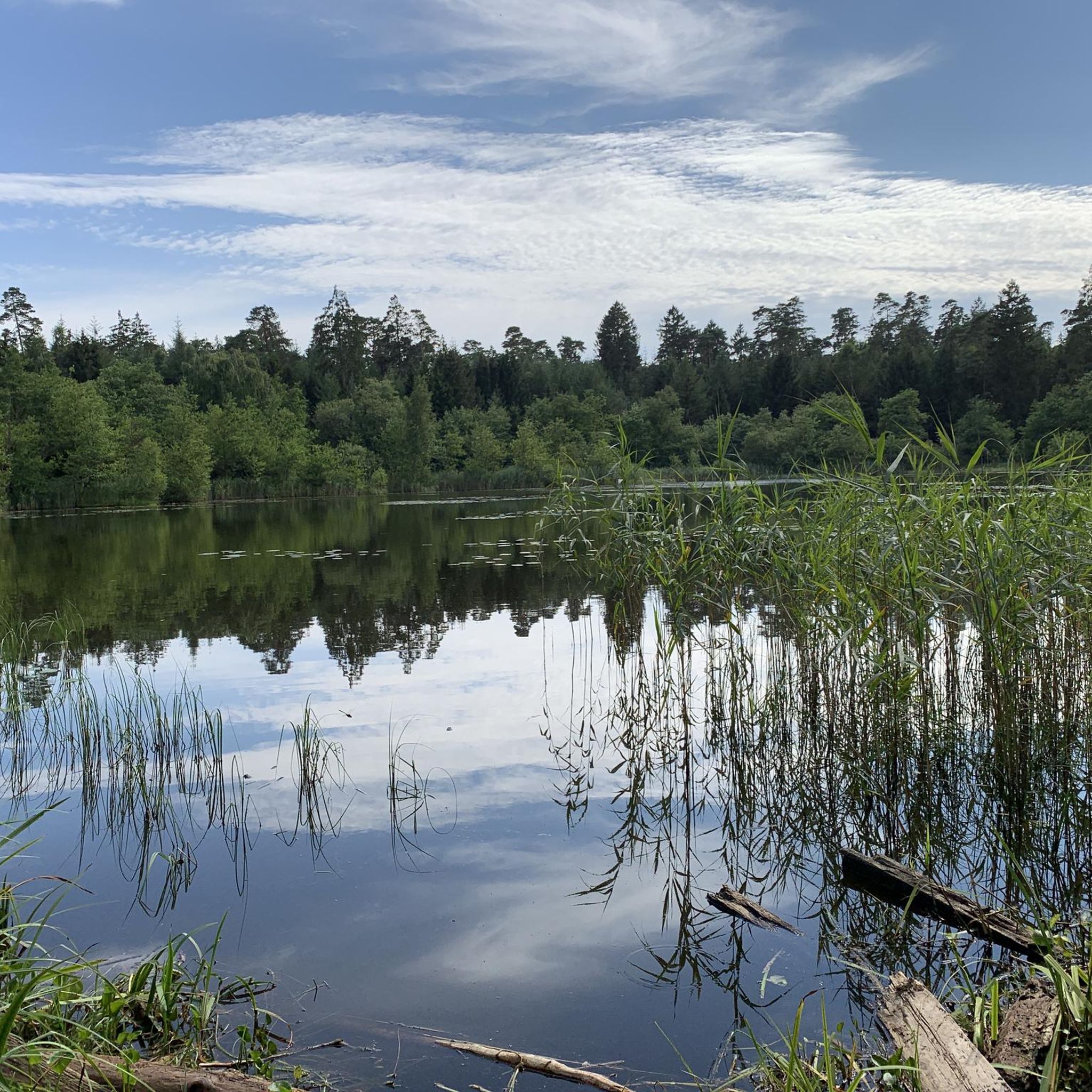
- The most popular attractions is Krattkoppelsee, a lake that invites visitors to take a short break with direct access to the water. This lake appears in the middle of the forest.
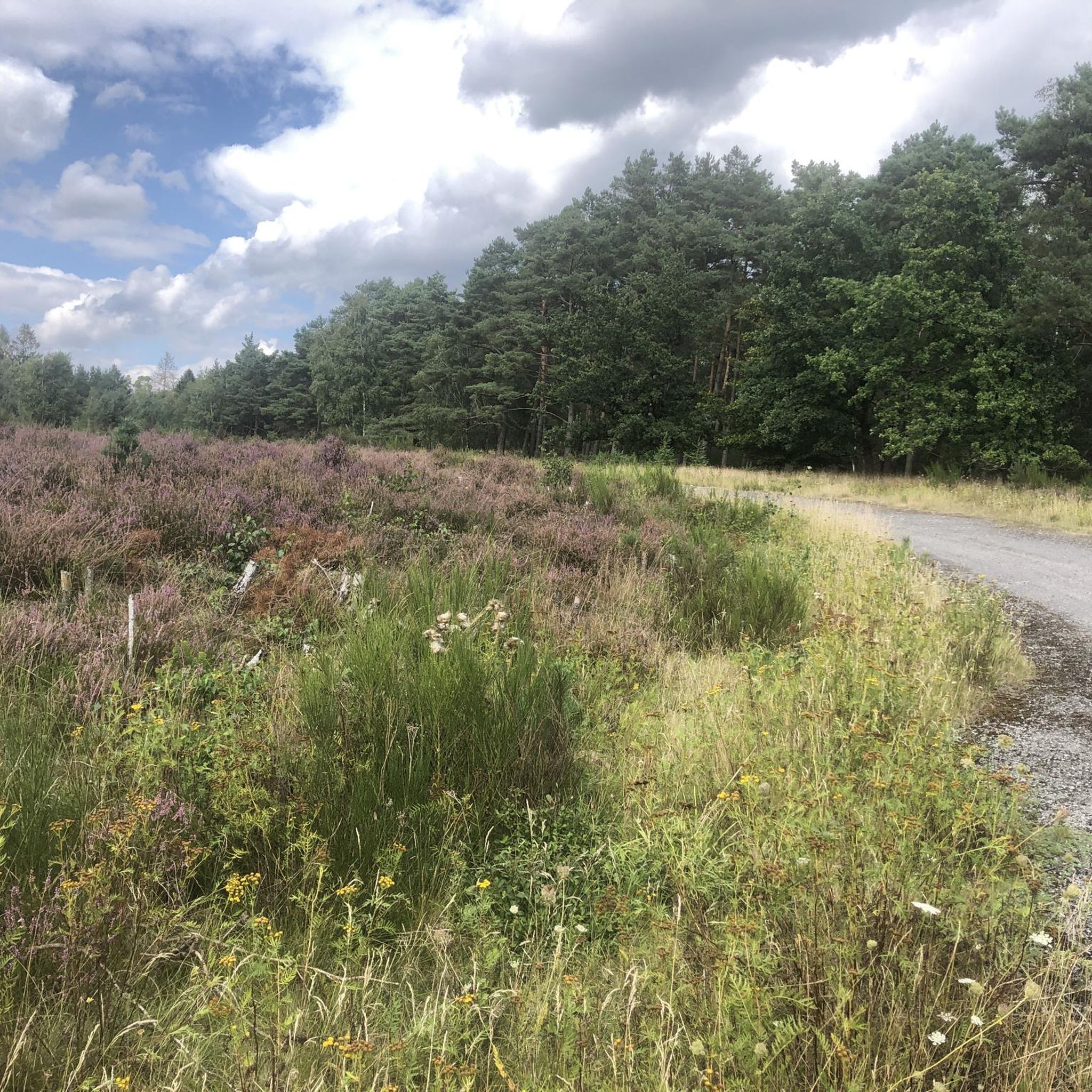
- Another must-see spot is Wittenborn Heath Nature Reserve, a natural monument. This protected area covers 294 hectares and encompasses heathlands, moors, and open forests, providing habitat for numerous species.
- Visitors also love Wittenborn Bat Station, an other man-made facility dedicated to bats. Bat quarters have been set up in a former Bundeswehr training house.
- Segeberger Staatsforst is known for its natural features, wildlife attractions, and cultural sites. Visitors can explore diverse forest landscapes, observe wildlife, and discover historical elements.
- The attractions in Segeberger Staatsforst are appreciated by the komoot community, with over 200 upvotes and 80 photos shared.
Last updated: July 2, 2026
Wittenborn Heath Nature Reserve
Highlight • Natural Monument
The area includes large parts of the former "Wittenborn" training area, including part of the bird sanctuary "Barker and Wittenborner Heide" and is therefore part of the European NATURA 2000 protected area system .
As a former site training area, the new nature reserve is predominantly owned by the Federal Agency for Real Estate (BIMA) and the Nature Conservation Foundation (areas to the west of the former site training area). The eastern border forms the planned BAB 20.
Translated by Google •
Tip by

Krattkoppelsee
Highlight • Lake
Translated by Google •
Tip by
Sign up now to discover places like this
Get recommendations on the best single tracks, peaks, & plenty of other exciting outdoor places.
Sign up for free
Wittenborn Bat Station
Highlight • Structure
Translated by Google •
Tip by

Wild Boar Enclosure
Highlight • Structure
Translated by Google •
Tip by

European Pine Marten
Highlight • Natural
Translated by Google •
Tip by
Sign up for free to discover even more attractions in Segeberger Staatsforst.
Sign up for free
Already have an account?
Start today with a free account
Your next adventure awaits.
Login or Signup
Popular around Segeberger Staatsforst

Other adventures in Segeberger Staatsforst

Tips from the Community

A beautiful, naturally preserved area.
0
0

In search of food, wild boars rummage through the ground for edible roots, worms, grubs, mice, snails, and mushrooms. In addition to aquatic plants such as calamus, wild boars also eat the leaves, shoots, and fruits of numerous woody plants, herbs, and grasses. As omnivores, they will also eat carrion and waste. Wild boars have been observed breaking into rabbit burrows to eat the young rabbits. Occasionally, they also prey on the eggs and young of ground-nesting birds. In dry waters, they even eat mussels.
0
0
The term "Bache" for the adult female wild boar, however, has only been documented in this sense since the 16th century. Originally, the Old High German word *bah- meant the back of an animal or the bacon taken from it (cf. English "back" or the French word "bacon", borrowed from German).[8] Young wild boars are called "Pferlinge" (piglets) until they are one year old; in their second year, they are called "Überläufer" (runner sows) or "Überläufer boar" (runner boars).
0
0
The term "pigs" for the mammalian family is of Old Germanic origin.[2] Corresponding to the name for all pigs, male adult animals are called (wild) boars and females (wild) sows or sows. Both "boar" and "sow" are only slight variations of Germanic words, but similar root words also exist in other Indo-European languages, e.g., in Latin "aper" and "sus", so that a pre-Germanic origin seems likely.[3][4] The word "sow" could be derived from an onomatopoeia of the grunting sound typical of the animals, or it could refer to the animals' fertility in the sense of the Indo-European root *su-. The term "ferkel" for the young animals that are still dependent on their mother's milk is derived from a diminutive form of another Germanic term for "pig", *farha-, which in turn is also of Pre-Germanic origin and is related, for example, to the English "pork"; this word refers
0
0
Wild boars are omnivores and highly adaptable. In Central Europe, the population is growing rapidly, primarily due to increased corn cultivation, and the animals are increasingly migrating into populated areas.
0
0
The pine marten is classified as least concern by the International Union for Conservation of Nature and Natural Resources (IUCN).[5] This is due to its wide distribution and large population. It also occurs in several protected areas and is tolerant of a certain degree of habitat change. The overall population of the species is estimated to be stable to increasing, after previously experiencing severe declines in some parts of its range.
0
0
The head is characterized by triangular, yellow-rimmed ears; the nose, unlike that of the stone marten, is dark to black.[2] The hind legs are longer than the front legs. When walking and jumping, the back is arched. The legs have five-fingered paws, the soles of which are heavily furred. The brown tail is relatively long, reaching more than half the body length; the tip of the tail is somewhat darker.[4] It is bushy, and the fur is soft and dense. It serves as an organ of balance when climbing and jumping.
0
0
The pine marten's fur is uniformly light to chestnut or dark brown with a distinct yellowish-brown or cream-colored throat patch that is rounded at the bottom and not white and forked like the beech marten (Martes foina). The fur has almost no gray hairs and lacks the sheen characteristic of the sable (M. zibellina). The head, body, and tail are uniformly brown with no distinct color transitions. The winter fur is long and silky; in summer, the hairs are shorter and coarser, and the fur is darker overall. Rarely, there are white (albinotic), black (melanistic), or other abnormally colored animals.
0
0
Frequently Asked Questions
What natural attractions can I explore in Segeberger Staatsforst?
The region offers several natural highlights. You can visit the Wittenborn Heath Nature Reserve, a protected area with heathlands, moors, and open forests. Another beautiful spot is Krattkoppelsee, a serene lake nestled within the forest, perfect for a short break. The extensive forest itself, with its diverse tree populations, is ideal for activities like 'Waldbaden' (forest bathing).
Are there any family-friendly activities or attractions in the area?
Yes, families can enjoy several attractions. The Wittenborn Bat Station offers a unique insight into the world of bats, with bat quarters set up in a former military training house. Another popular spot is the Wild Boar Enclosure, where you can observe these animals in a large, rustic setting. Additionally, the nearby Karl-May-Festival in Bad Segeberg provides Wild West-themed shows, which are very popular with families.
What kind of wildlife can I expect to see in Segeberger Staatsforst?
Beyond the bats at the Wittenborn Bat Station and the wild boars in their enclosure, the forest is home to various species. The European Pine Marten (Baummarder) is a naturally occurring highlight, indicating a healthy ecosystem. Since 2023, a wolf pack has also been living in the forest, though they are shy and rarely seen.
What hiking opportunities are available in Segeberger Staatsforst?
The Segeberger Staatsforst is excellent for hiking, with numerous trails. You can find easy hikes like the 'Fairy Tale Trail' or routes around the Wittenborn Heath Nature Reserve and Krattkoppelsee. For more options, explore the 'Easy hikes in Segeberger Staatsforst' guide, which includes routes like the 'Wild Boar Enclosure – Wildpark Eekholt loop' and the 'Fairy Tale Trail – Green Path loop'. You can find more details and routes in the Easy hikes in Segeberger Staatsforst guide.
Are there cycling routes near the attractions?
Yes, the area offers various cycling routes. You can find easy to moderate cycling tours, such as the 'Holst Bridge over the Trave – Soldatenbrücke loop' or the 'Barker Heide Nature Reserve – heathland loop'. For a comprehensive overview of cycling options, refer to the Cycling in Segeberger Staatsforst guide.
What historical or cultural sites are located near Segeberger Staatsforst?
In the vicinity, you can discover several historical and cultural sites. These include the beautiful Seedorf Gatehouse (Torhaus Seedorf), built in 1583, and the Bramstedt Gatehouse, which now serves as a cultural center. The former Traventhal State Stud (Landgestüt Traventhal) is also nearby, known for its historical significance. Additionally, the Marienkirche (St. Mary's Church) in Bad Segeberg and various historic mills in the district offer glimpses into the region's past.
What is the Segeberger Kalkberg and NOCTALIS World of Bats?
The Segeberger Kalkberg, located in nearby Bad Segeberg, is a prominent gypsum mountain with a viewing platform offering panoramic views. Its caves house up to 30,000 bats in winter, and guided tours are available in summer. The NOCTALIS World of Bats museum provides further insights into these fascinating creatures, complementing the experience at the Wittenborn Bat Station.
What do visitors enjoy most about Segeberger Staatsforst?
Visitors particularly appreciate the serene natural beauty and the opportunities for relaxation. The Krattkoppelsee is loved for its peaceful atmosphere and direct water access, while the Wittenborn Heath Nature Reserve is praised for its wonderful nature and suitability for relaxing walks. The unique Wittenborn Bat Station also receives positive feedback for its dedication to bats.
Are there any running trails in Segeberger Staatsforst?
Yes, the forest offers several running trails for various fitness levels. You can find moderate routes like the 'San Remo loop from Wittenborn' or the 'Wittenborner Heide loop'. For a full selection of routes, check out the Running Trails in Segeberger Staatsforst guide.
Is there a lake suitable for swimming or peaceful walks nearby?
Yes, the Großer Segeberger See (Great Segeberg Lake), located near the Staatsforst, is ideal for swimming and offers a peaceful 7.5-kilometer trail around it, perfect for leisurely walks.
What is the best time to visit Segeberger Staatsforst?
The Segeberger Staatsforst offers beauty throughout the year. Spring brings blooming heathlands and fresh greenery, while summer is perfect for outdoor activities like hiking and cycling. Autumn showcases vibrant fall foliage, and even winter can be magical with snow-covered landscapes. The best time depends on your preferred activities and scenery.
Are there any unique natural features or old-growth forests to see?
Yes, the northern part of the forest contains the Altwaldbestände im Segeberger Forst, a 154-hectare FFH (Fauna-Flora-Habitat) area designated in 2004. This area consists of old-growth beech-oak mixed forests, offering a glimpse into a mature and diverse forest ecosystem.
Most popular routes in Segeberger Staatsforst
Most popular attractions in Segeberger Staatsforst

Get inspired with the komoot mobile app


Explore more
Still not found the Highlight you’re looking for? See guides of the top attractions in other regions:
