The best walks and hikes in Bommerlund Plantage
4.7
(2267)
11,263
hikers
352
hikes
Hiking in Bommerlund Plantage offers diverse landscapes across its 700-hectare conifer plantation. The terrain features extensive forests, small lakes, and marshlands, transitioning from flat heathland to a subtle moraine landscape. This varied environment provides a rich backdrop for exploration, showcasing the influence of the last Ice Age with flat heathland to the west and moraine landscape to the east. The region provides a variety of paths suitable for exploring its natural features and historical sites.
Best hiking trails in Bommerlund Plantage
- The most popular hiking route is Gejlå Bridge on the Hærvej – Gejlå Bridge loop from Paradiset, an easy 1.9 miles (3.0 km) trail that takes about 45 minutes to complete, leading through the scenic Paradiset area and past the historic Gejlå Bridge.
- Another top favourite among local hikers is Gejlå Bridge (Gejlå Bro) – Bommerlund loop from Bommerlund, a moderate 7.2 miles (11.6 km) path. This route follows a section of the ancient Hærvejen, offering varied forest and open landscapes.
- Local hikers also love the Bommerlund loop from Bommerlund, a 4.2 miles (6.7 km) trail leading through the plantation's conifer forests, often completed in about 2 hours.
- Hiking in Bommerlund Plantage is defined by its extensive conifer forests, open heathland, and historic routes like the Hærvejen. The network offers options for different ability levels, from easy forest strolls to longer, moderate paths.
- The routes in Bommerlund Plantage are highly rated by the komoot community with an average score of 4.7 stars from over 2000 reviews. More than 10000 hikers have used komoot to explore Bommerlund Plantage's varied terrain.
Last updated: July 8, 2026
4.2
(5)
23
hikers
2.98km
00:45
10m
10m
Easy hike. Great for any fitness level. Easily-accessible paths. Suitable for all skill levels.
4.5
(4)
10
hikers
11.6km
02:56
20m
20m
Moderate hike. Good fitness required. Easily-accessible paths. Suitable for all skill levels.

Sign up for free
5.0
(2)
2
hikers
5.05km
01:16
10m
10m
Easy hike. Great for any fitness level. Easily-accessible paths. Suitable for all skill levels.
6.73km
01:42
10m
10m
Easy hike. Great for any fitness level. Easily-accessible paths. Suitable for all skill levels.
7
hikers
5.11km
01:19
20m
20m
Easy hike. Great for any fitness level. Easily-accessible paths. Suitable for all skill levels.
Get access to more routes and recommendations from other explorers.
Sign up for free
Already have an account?
Our route recommendations are based on thousands of hikes, rides, and runs completed by other people on komoot.
Start today with a free account
Your next adventure awaits.
Login or Signup

Tips from the Community

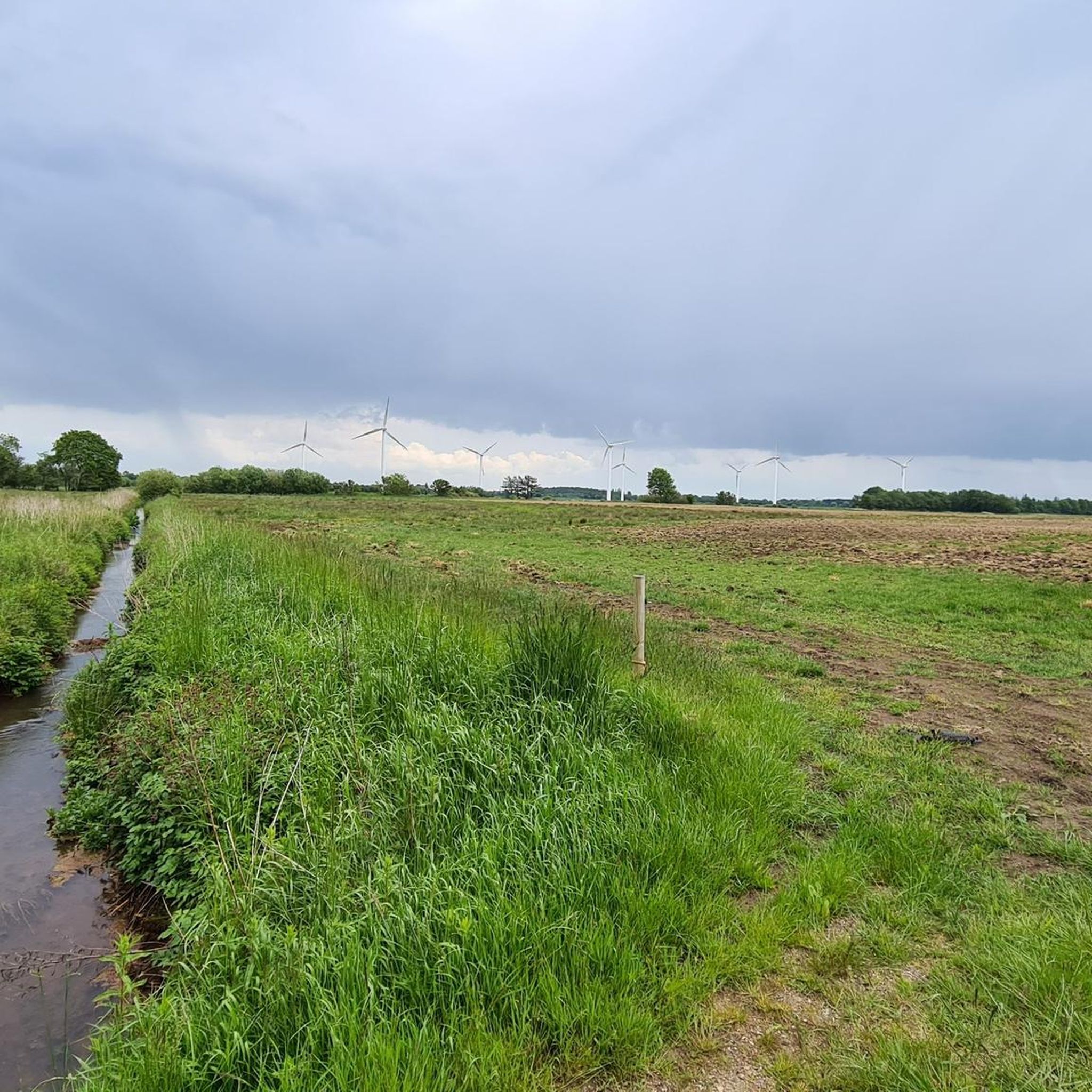
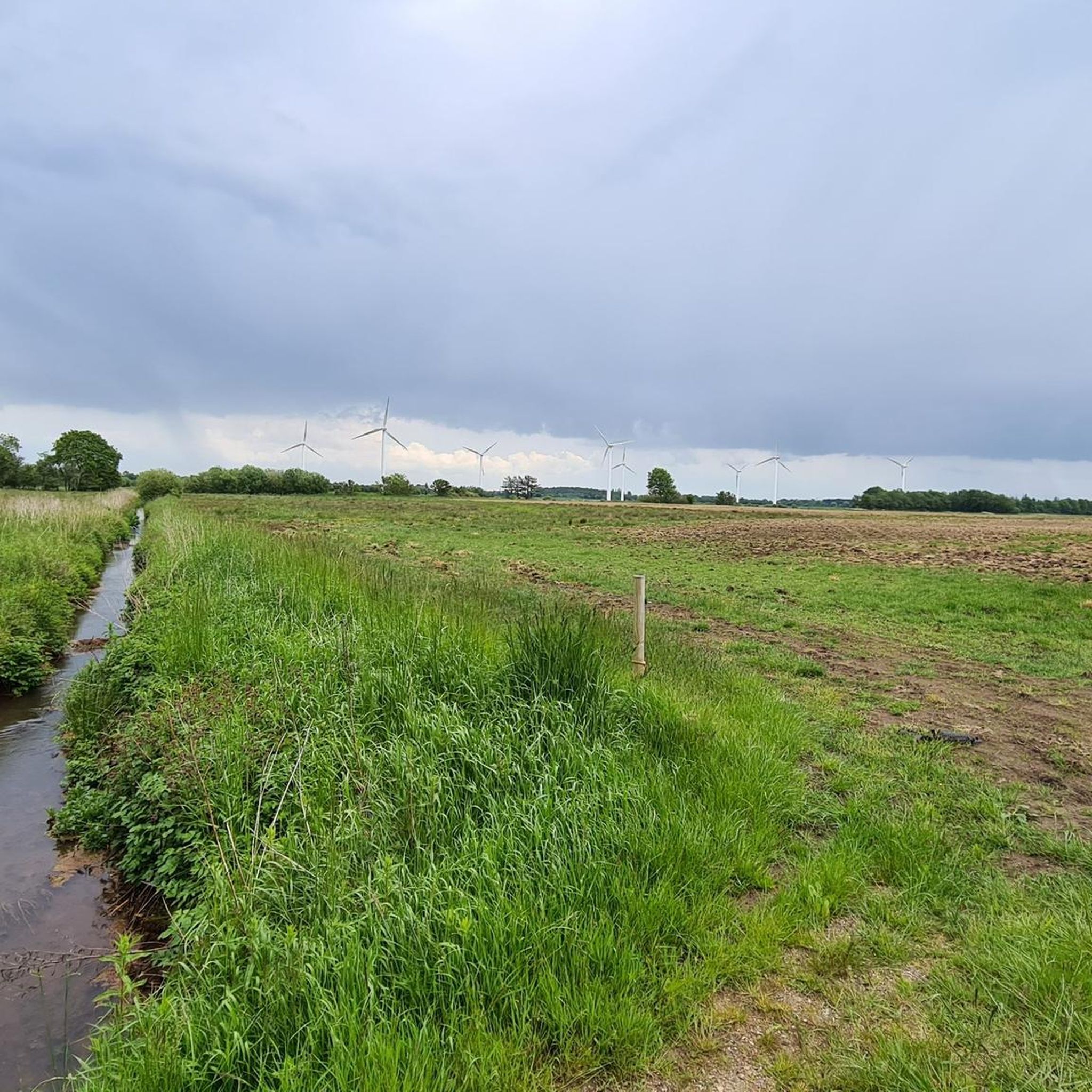
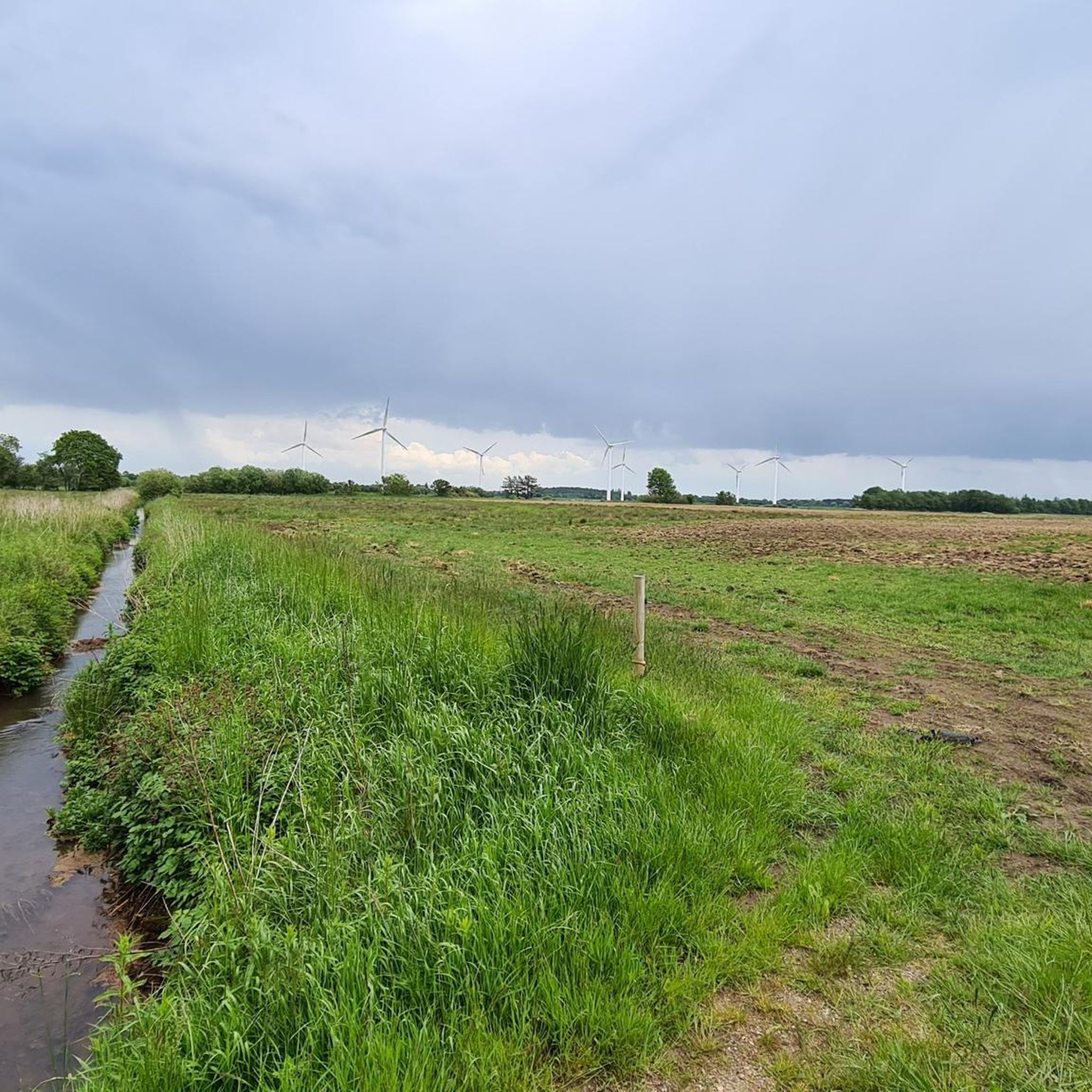
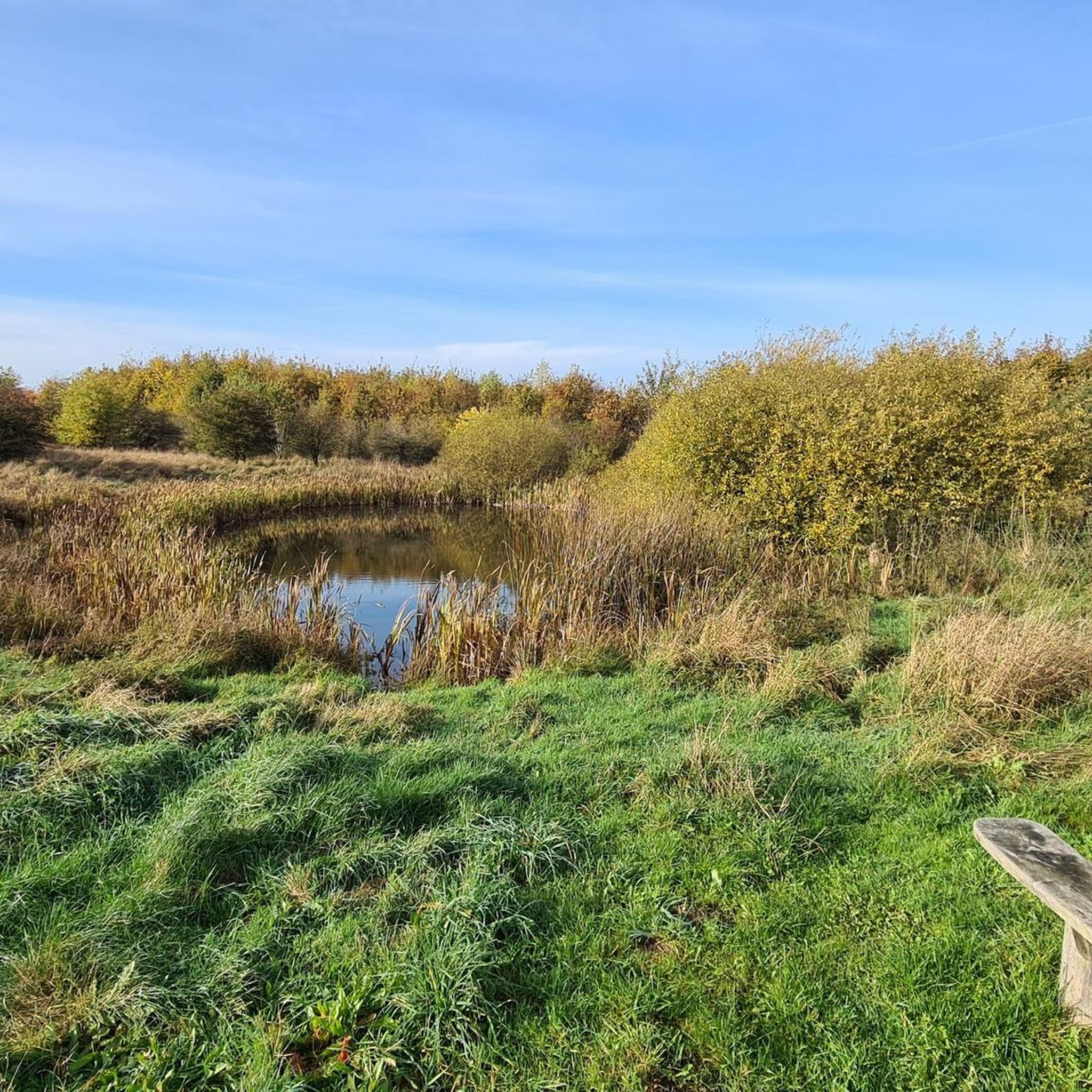
Here you'll find a lovely sunny resting spot right next to the Bommerlund Plantation. From here, you can easily start hiking or cycling tours.
0
0

The Gejlå Bro bridge takes its name from the small stream Gejl Å, which has been crossed on a horse or by foot since centuries before Christ. Apparently the first bridge around here was built between 750 and 1050.
0
0

According to legend, Bommerlunder was born in the local village inn in the 18th century.
0
0

Gejlå Bridge The bridge takes its name from the small stream Gejl Å (German: Gehlau or Geilau), which it spans in the village of the same name. The village and bridge are located today in the present-day municipality of Bov (German: Bau) in the municipality of Åbenrå (German: Kommune Apenrade).[1] History Edit As early as the Bronze Age (1800–500 BC), there was a stone-fortified ford over the Gejlå River, which was crossed on foot or by horse. The first bridge was built between 750 and 1050. The first written mention of the Gejlå Bridge dates from 1660 and refers to a wooden bridge built by the bailiff J. Møller from Flensburg. Due to its short lifespan, the stone ford soon had to be used again. In 1765, the first stone bridge was built from solid natural stone. The current bridge was built by Thomas Fries from Flensburg and inaugurated on August 21, 1818. His name is also immortalized in one of the railing stones. The total construction costs amounted to 3,030 marks, of which 530 marks were labor costs. Master builder Thomas Fries gave a ten-year "guarantee" on his construction. Some flat stones beneath the bridge are said to be the remains of the old ford.[2]
0
0

Bov Kirke is a centuries-old Danish church in Bov, not far from the German-Danish border near Flensburg. It is not known exactly when the church in Bov was founded. The Romanesque nave and the Romanesque choir are the oldest parts of the white-plastered church building, which is located in the middle of a small cemetery surrounded by fieldstone walls. The nave has a flat beamed ceiling, while the choir has a Gothic vault. The apse was demolished in 1668. In the same year, the nave was extended three meters to the west. Remains of medieval frescoes have been preserved in the nave. In 1817, a vestibule, a so-called armory, was added to the south side of this building. For this purpose, the columns and the curved stones from the medieval women's door on the north side of the church were transferred here. During the renovation in 1890, the nave was raised by 70 cm. On the south side, the tiny medieval windows were enlarged, while on the north wall they remained the same size. Originally, the church had only one bell tower. In 1905, the church received its steeple. The plans for this west tower were drawn up by the architect C. Voß from Kiel. Directly east of the cemetery at Kirkevej 1 is the vicarage. The whitewashed, single-storey building with a thatched roof dates from 1766. The vicar also looks after the church in Kollund, which was built in 1971. The oldest piece of equipment is a depiction of the baptism of Jesus carved from an oak trunk, which dates back to around 1250. The church has two baptismal fonts. The granite baptismal font dates from the Middle Ages. The lid, made in 1626, was lost after the baptismal font was replaced by a baroque baptismal font stand in 1715. The old baptismal font has been used again since 1880. In 1949, he received a new brass baptismal font, which is placed on the baptismal font and is used today. https://de.wikipedia.org/wiki/Bov_Kirke
2
0

Even if there is hardly anything to remind us of the famous schnapps Bommerlunder apart from a memorial stone, the alleged history of the origin of this popular "short" and the nearby old bridge over the Gejlå are worth a detour. It is said that in 1760 a wounded French cavalry soldier ended up here. The innkeeper of the Bommerlunder Kro and his lovely daughters nursed the cavalry soldier back to health. In gratitude for the hospitality and care, the cavalry soldier left the innkeeper a recipe for a caraway schnapps (aquavit). So the tradition goes. We know that at some point in the late 20th century the Dethleffsen company in Flensburg became Germany's largest importer of pickled plums, so that the "Bommi mit Pflaume" business flourished =;-)
0
0

Water available and a toilet. No electrical connection
1
0

Its almost always possible to find water an toilets on the church areas in Denmark
0
0
Frequently Asked Questions
How many hiking trails are available in Bommerlund Plantage?
Bommerlund Plantage offers a wide variety of hiking experiences, with over 320 routes to explore. These range from easy forest strolls to more challenging paths, ensuring options for different ability levels.
What kind of terrain can I expect when hiking in Bommerlund Plantage?
The plantation features diverse terrain, primarily extensive conifer forests, interspersed with small lakes and marshlands. You'll find paths transitioning from flatter heathland to a subtle moraine landscape. The area also includes unique natural features like 'Paradiset,' an open heath and bog area.
Are there any historical landmarks or points of interest along the trails?
Yes, Bommerlund Plantage is rich in history. You can discover the ancient Hærvejen (Ox Road) which runs through the area. A prominent landmark is the Gejlå Bridge, a beautiful stone bridge built in 1818. Nearby, you'll also find the Bommerlund Memorial Stone, marking the site of a historic inn famous for its schnapps.
What do other hikers enjoy most about Bommerlund Plantage?
The area is highly rated by the komoot community, with an average score of 4.7 stars from over 1800 reviews. Hikers often praise the serene forest paths, the magical atmosphere of 'Paradiset,' and the well-maintained trails that cater to various preferences.
Are there family-friendly hiking options in Bommerlund Plantage?
Absolutely. Many of the 218 easy routes are suitable for families. For instance, the Gejlå Bridge on the Hærvej – Gejlå Bridge loop from Paradiset is an easy 1.9-mile trail that takes about 45 minutes, perfect for a family outing through the scenic Paradiset area.
Can I bring my dog on the hiking trails?
Bommerlund Plantage is generally dog-friendly, offering many paths where you can enjoy a walk with your canine companion. However, it's always recommended to keep dogs on a leash, especially in areas with wildlife or near other visitors, to ensure a pleasant experience for everyone.
Are there any circular routes available?
Yes, there are several circular routes. For example, the Bommerlund loop from Smedeby is an easy 3.5-mile trail that takes you through the plantation's conifer forests. Another option is the Bommerlund loop from Bommerlund, a 4.2-mile easy route.
What kind of wildlife can I spot in Bommerlund Plantage?
The plantation is home to diverse wildlife. You might spot roe deer and fallow deer, and there's a growing population of red deer. The 'Paradiset' area, with its rich flora, supports a vibrant ecosystem, making it a great spot for nature observation.
Is there parking available for hikers?
Yes, there are designated parking areas. Near the Gejlå Bridge and the Bommerlund Memorial Stone, you'll find a parking area, providing convenient access to several trails.
What is the best time of year to visit Bommerlund Plantage for hiking?
Bommerlund Plantage offers enjoyable hiking experiences throughout the year. In late summer, you can find wild berries like raspberries, blueberries, and cranberries. The 'Paradiset' area is particularly magical on sunny days when mist often hangs over it, suggesting beautiful conditions in the mornings or during specific weather patterns.
Are there any facilities like campsites or picnic areas?
Yes, for those looking to extend their stay, there is a primitive campsite available with a multi-toilet and shelters. Picnic tables are also provided in various spots, making it convenient for visitors to enjoy a meal amidst nature.
Are there any moderate difficulty trails for more experienced hikers?
Yes, for hikers seeking a bit more challenge, there are 90 moderate trails. A popular choice is the Gejlå Bridge on the Hærvej – Gejlå Bridge loop from Smedeby, a 7.2-mile path that follows a section of the ancient Hærvejen, offering varied forest and open landscapes.
Most popular routes in Bommerlund Plantage
Most popular attractions in Bommerlund Plantage

Get inspired with the komoot mobile app


Explore more
Browse the best Hikes in other regions.
