Top 12 Castles around Raschau-Markersbach
Best castles around Raschau-Markersbach are found in the broader Erzgebirge region, which is characterized by its mountainous terrain and historical significance. The area features a mix of natural landscapes and cultural heritage sites. While Raschau-Markersbach itself contains notable historical buildings, the prominent castles are situated in nearby towns. This region offers insights into Saxon history and traditional architecture.
Best castles around Raschau-Markersbach
- The most popular castles is Schwarzenberg Castle, a castle that was founded in the 12th century as…
Last updated: November 19, 2026
Schwarzenberg Castle
Highlight • Castle
Translated by Google •
Tip by

Schlettau Castle
Highlight • Castle
Translated by Google •
Tip by

Sign up now to discover places like this
Get recommendations on the best single tracks, peaks, & plenty of other exciting outdoor places.
Schreckenberg Tower
Highlight • Monument
Translated by Google •
Tip by

St. George's Church (Schwarzenberg)
Highlight • Religious Site
The church history in Schwarzenberg is probably almost as old as the castle, which was built around …
Translated by Google •
Tip by

Passklaus Tower, Tannenberg
Highlight • Historical Site
Translated by Google •
Tip by

Sign up for free to discover even more castles around Raschau-Markersbach.
Already have an account?
Start today with a free account
Your next adventure awaits.
Popular around Raschau-Markersbach
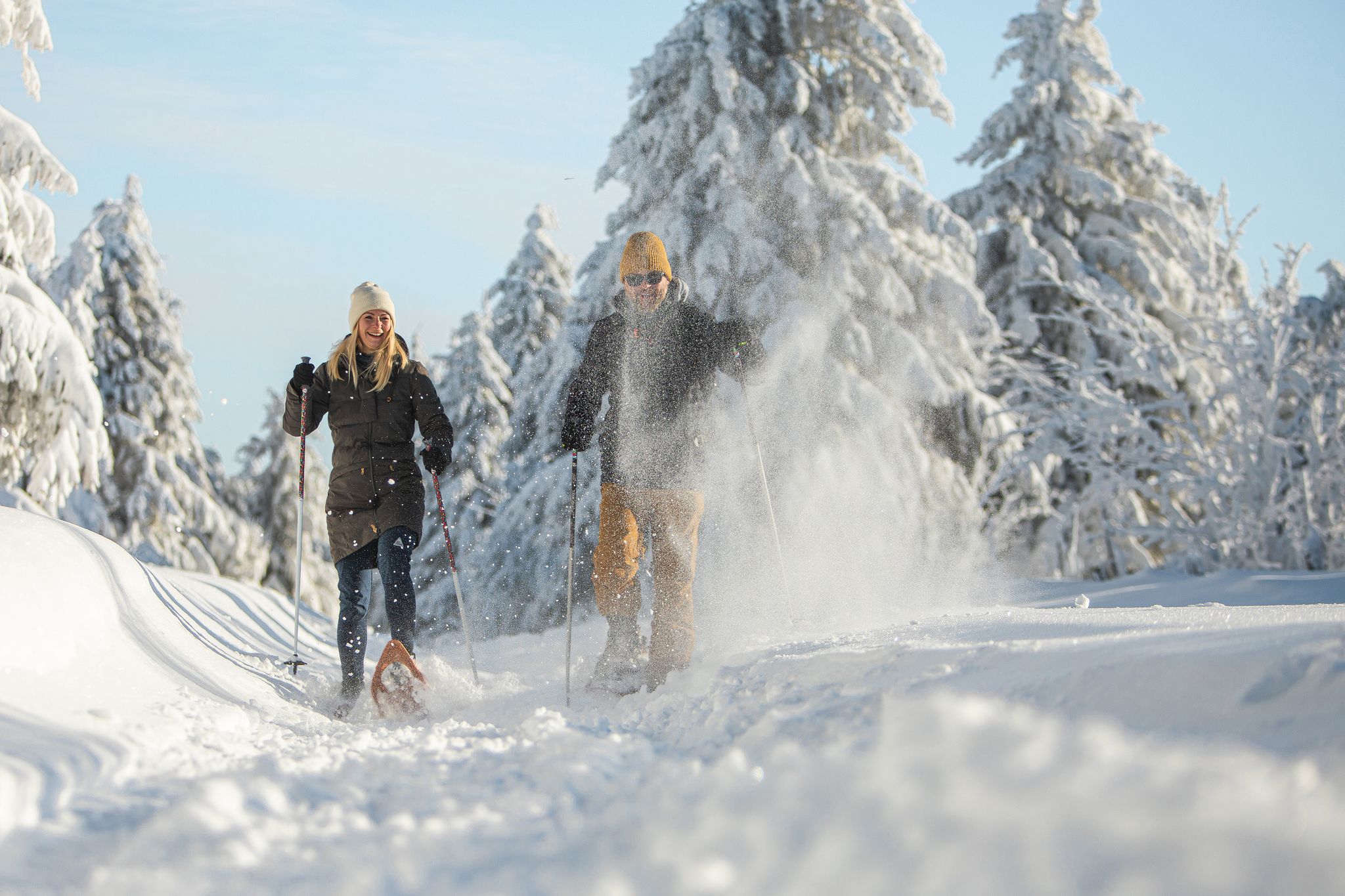
Glittering slopes and forests - winter hiking in the Ore Mountains
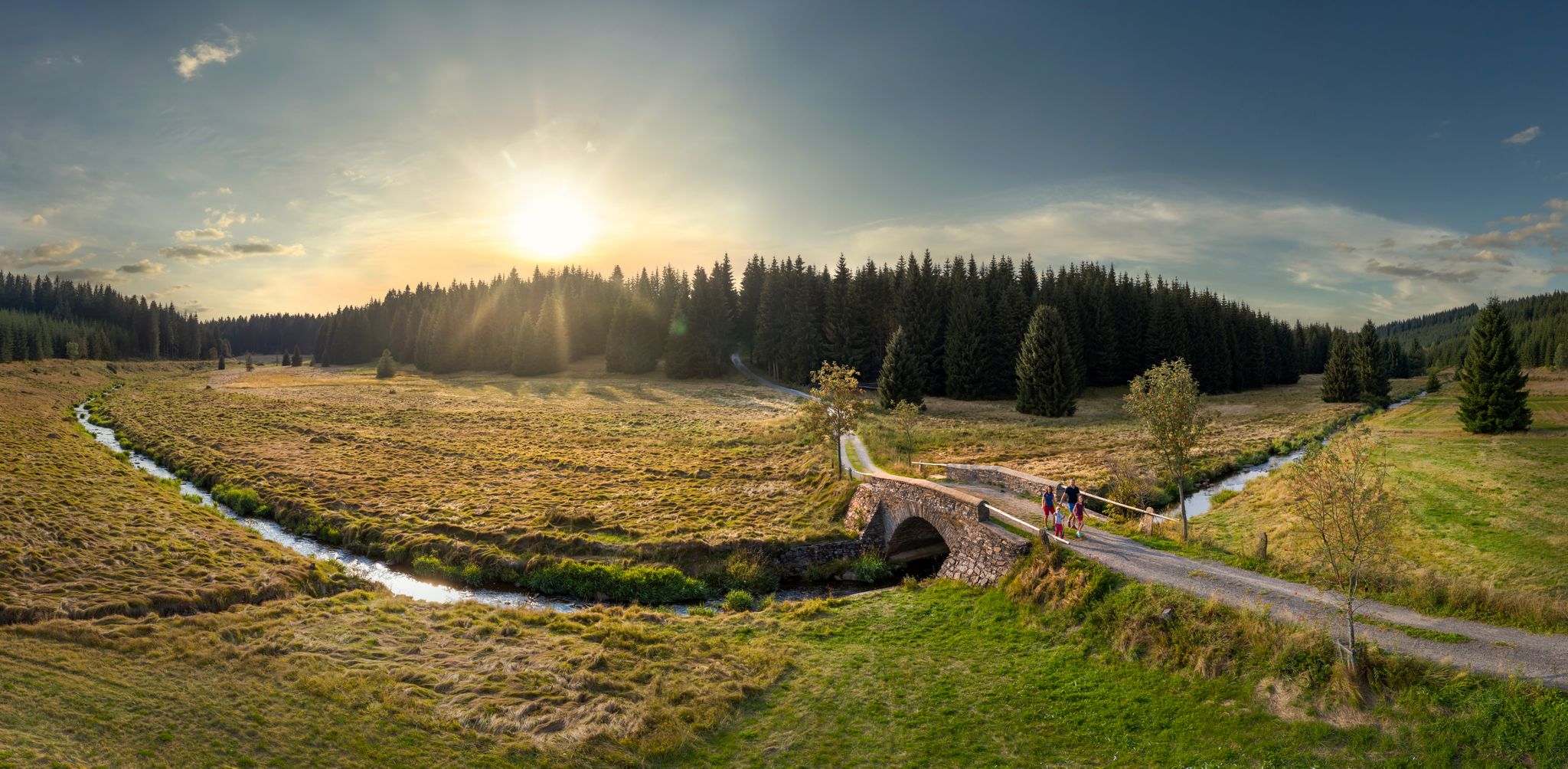
Wandertouren - Flusstäler & Talsperren
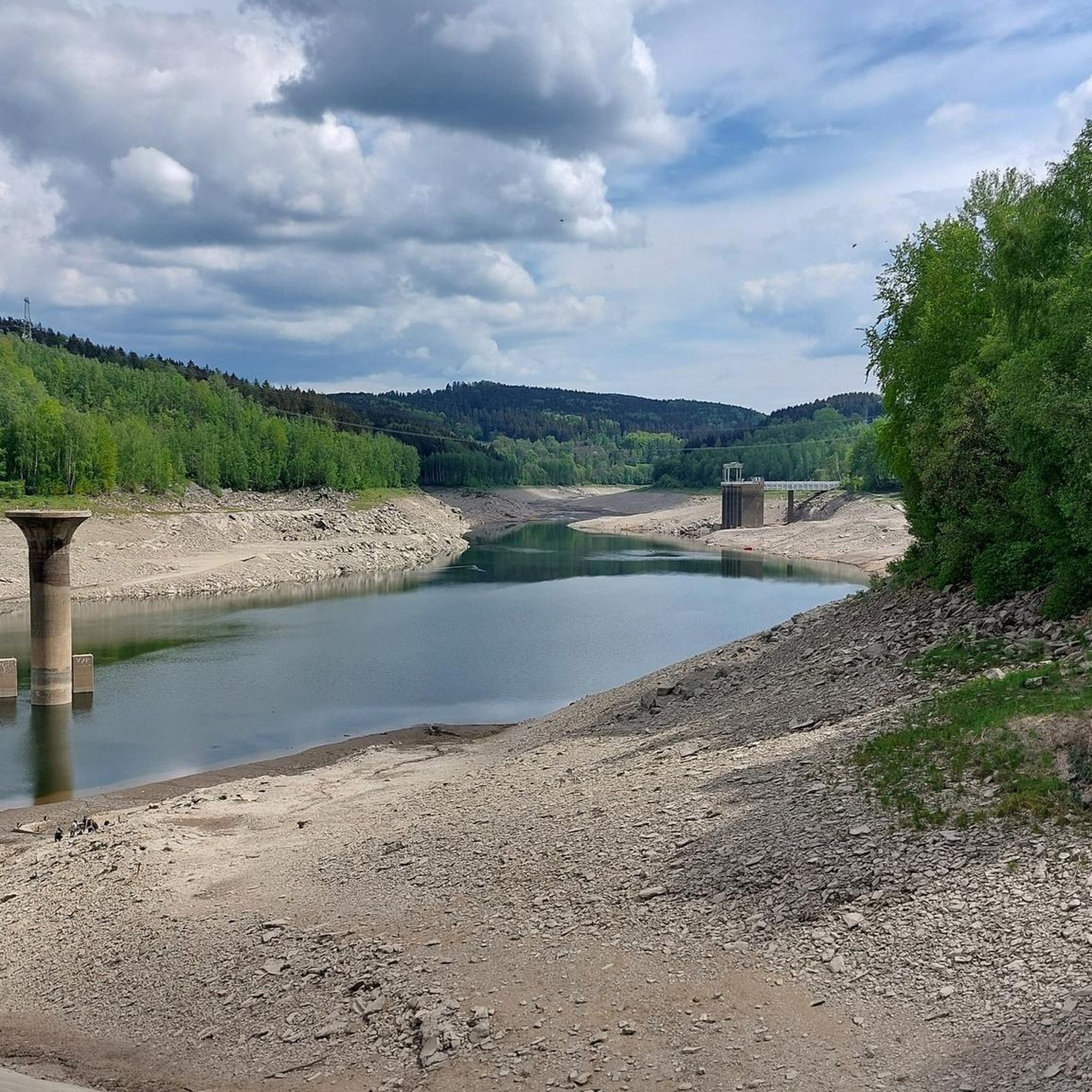
Hiking around Raschau-Markersbach
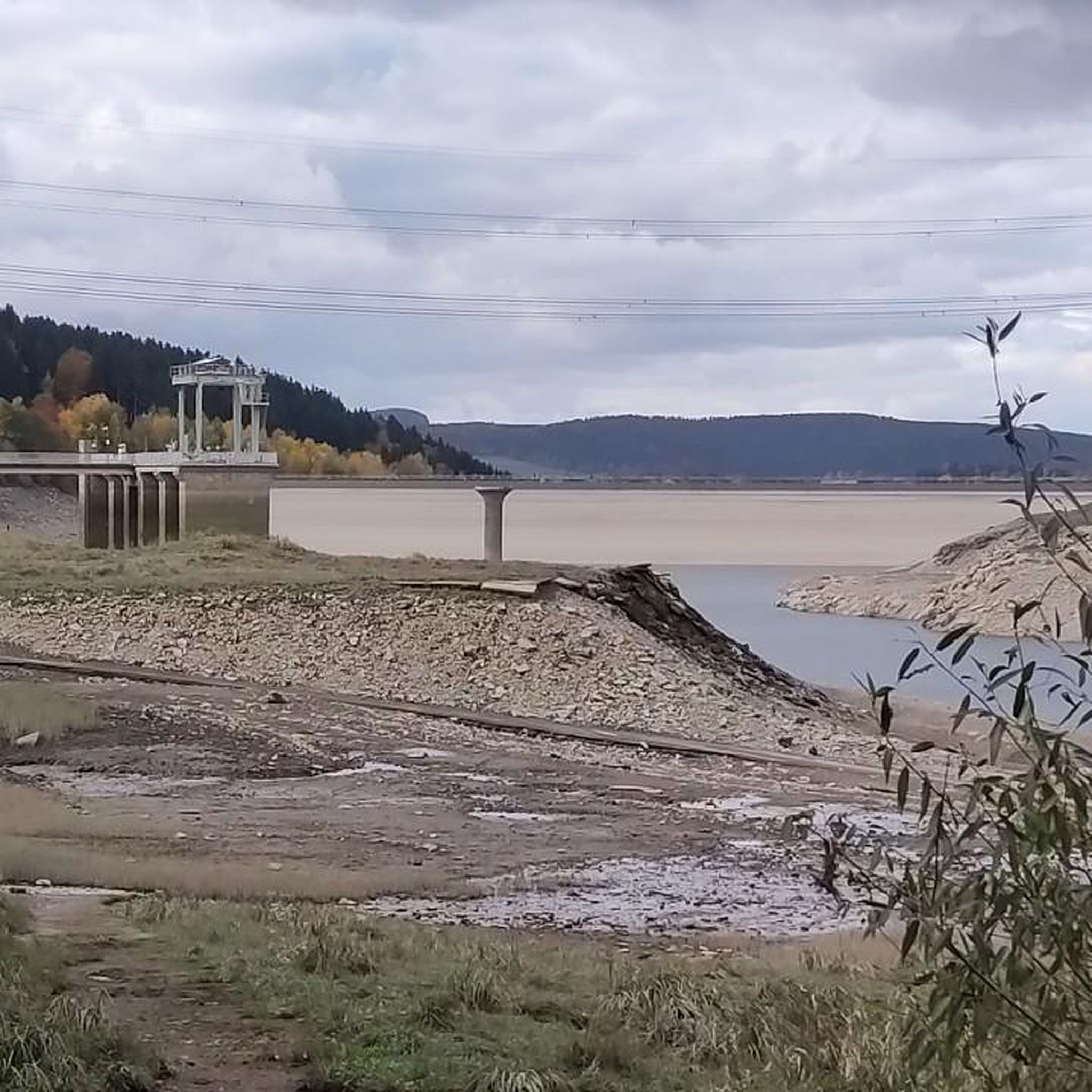
Cycling around Raschau-Markersbach
MTB Trails around Raschau-Markersbach
Running Trails around Raschau-Markersbach
Road Cycling Routes around Raschau-Markersbach

Gravel biking around Raschau-Markersbach

Mountain Hikes around Raschau-Markersbach

Tips from the Community

The Evangelical Lutheran St. George's Church in Schwarzenberg/Erzgebirge is an outstanding example of Baroque sacred architecture and, together with the neighboring castle, dominates the cityscape of the old town. **History and Construction** The origins of the parish date back to the 12th century. The present church was built between 1690 and 1699 according to plans by the Lößnitz master builder Johann Georg Roth, as the previous church on the lower market square had become too small and dilapidated. Half of the building site was donated by the Saxon Elector Johann Georg III and the other half by Balthasar Lehmann, the Schwarzenberg Oberzehnder. Construction was carried out by master mason Johann Georg Pauli and master carpenter Samuel Georg. The church, designed as a transverse church, was consecrated on October 22, 1699. **Architecture and Furnishings** The interior of the church impresses with its cantilevered wooden ceiling, added in 1728 and considered a technical masterpiece with a clear width of 34 × 18 meters. The Baroque furnishings include a magnificently carved altar, an artfully wrought choir screen from 1721, crafted by the Schwarzenberg master blacksmith Zacharias Georgi, as well as a Baroque pulpit and a surrounding gallery with numerous boxes. **Music and Organ** St. George's Church is an important center of sacred music. In 1993, a new organ by the Hermann Eule company from Bautzen was installed. It has 39 stops on slider chests and is based on historical models. Concerts are held here regularly, including the "Music Summer in St. Georgen" concert series and the internationally renowned Erzgebirge Music Festival. **Current Condition** Despite its structural integrity, the church is showing signs of age-related damage. Cracks in the masonry and leaky windows are endangering the building's structure. Parts of the gallery had to be closed off in 2018 due to the risk of falling. A comprehensive renovation is necessary to preserve the church as a spiritual and cultural center.
3
0


The moated castle is also known as Hofwall and was probably built in the middle of the 12th century around 1162 to protect the road that passed by. The castle was destroyed during a Hussite invasion. Only the 14 m high tower, which is still preserved today, was preserved. It once had wooden structures and extensions. The moated castle served as a mansion for Leonhard and Nickel von Tannenberg around 1420. Parts of a broken bell were found in the remains of the castle complex in 1770, suggesting that the castle may have had its own chapel. In 1995 and 1996, conservation measures were carried out on the listed Passklausen Tower. The former water-bearing ditch has been preserved except for a section that was filled in in the northern area. The facility was placed under monument protection at the end of 1959. Source:https://sachsens-schloesser.de/tannenberg-wasserburg-passklausenturm/
1
0

A landmark of the city of Schwarzenberg, visible from afar.
8
0

This castle, which dates back to the 14th century, is located directly at the confluence of the Zschopau and Roter Pfütze rivers. Today, a support association takes care of the administration of the buildings and the attached museum. In the idyllic castle park you can discover over 30 different tree species.
2
0

It's worth a trip here, but it's very busy on the Advent weekends🙈
4
0

The survey is primarily of historical significance. This is where the roots of Annaberg silver ore mining lie. In October 1491, Caspar Nietzel came across a silver vein not far from the Frohnauer Obermühle. As a result, in 1496 the “Neustadt am Schockenberg” was built on the opposite bank of the Sehm, which was soon given the name Sankt Annaberg.
1
0

Here you will receive a point for the digital hiking pin at SummitLynx. The church history in Schwarzenberg is probably almost as old as the castle, which was built around 1150, because it was common to build a chapel when establishing a settlement. The current church building of St. Georgen, which together with the castle forms Schwarzenberg's landmark, was built between 1690 and 1699 after the little church on the lower market had become dilapidated and too small. The Reformation had already arrived in Schwarzenberg in 1529. https://www.st-georgen-schwarzenberg.de/
5
0
Frequently Asked Questions
What kind of historical sites can I explore directly in Raschau-Markersbach?
While Raschau-Markersbach itself doesn't have prominent castles, it offers several significant historical buildings. You can visit the Church of St. Barbara, one of the oldest in the Erzgebirge, or the All Saints Church with its Romanesque foundation and beautiful murals. The Rectory of All Saints Church showcases traditional half-timbered design, and you can also find 17th-century farmhouses, the ruins of the 19th-century Kalkwerk (Lime Works), and historical mills in Unterscheibe, one of which is now a Technical Museum.
Which castles are recommended for a visit near Raschau-Markersbach?
For prominent castles, you'll find them in the surrounding region. Schwarzenberg Castle, founded in the 12th century and later a Saxon electoral hunting lodge, is a must-see. Another excellent choice is Schlettau Castle, dating back to the 14th century, which features a museum and an idyllic castle park. Additionally, Schloss Sachsenfeld in Schwarzenberg, though privately owned, has a rich history and offers a guesthouse and restaurant.
Are there any family-friendly castles or historical sites in the region?
Yes, several sites are suitable for families. Schwarzenberg Castle and Schlettau Castle are both listed as family-friendly. Schlettau Castle, with its museum and castle park featuring over 30 tree species, offers plenty for children to explore. The Passklaus Tower in Tannenberg, surrounded by a moat, also makes for an interesting family stop.
Can I find walking or hiking trails near these castles?
Absolutely. The region around Raschau-Markersbach and its castles is excellent for outdoor activities. For instance, the area around Schreckenberg Tower offers attractive hiking trails, including a section of the International Mountain Hiking Trail. You can find various routes for mountain hikes in the broader region. Explore options like the 'Fichtelberg Nature Reserve – Fichtelberg Mountain Lodge loop' or the 'Klínovec TV Tower – Boží Dar town center loop' by checking the Mountain Hikes around Raschau-Markersbach guide.
What are the best viewpoints to see castles or the surrounding area?
For a stunning panoramic view, the View of Schwarzenberg, the castle and St. George's Church from Galgenberg offers an excellent perspective of Schwarzenberg Castle and the old town. The Schreckenberg Tower itself is also known as an attractive vantage point with good views of the Pöhlberg and Annaberg-Buchholz.
Are there options for dining or refreshments near the castles?
Yes, you can find dining options. Schlettau Castle has a restaurant on-site. Schloss Sachsenfeld, located in Schwarzenberg, also includes a restaurant and guesthouse. In the town centers near the castles, such as Schwarzenberg, you will find various cafes and restaurants.
What is the best time of year to visit the castles around Raschau-Markersbach?
The region is beautiful year-round. Spring and summer offer lush greenery and pleasant weather for exploring castle grounds and parks, like the one at Schlettau Castle. Autumn brings vibrant foliage, making for picturesque visits. While some attractions might have reduced hours, winter can offer a magical, snow-covered landscape, especially in the Erzgebirge mountains.
Are the castles around Raschau-Markersbach accessible by public transport?
The larger towns like Schwarzenberg and Schlettau, where the main castles are located, are generally accessible by regional public transport. However, specific routes and schedules can vary. It's advisable to check local bus or train services for the most up-to-date information when planning your visit.
Is parking available at the castles?
Parking is typically available near the major castles. For example, Schlettau Castle is listed as having parking. For the Passklaus Tower in Tannenberg, there is a nearby parking lot. In general, towns with significant historical sites usually provide designated parking areas for visitors.
What other outdoor activities can I do in the Raschau-Markersbach region besides visiting castles?
The Raschau-Markersbach region, nestled in the Erzgebirge, is perfect for various outdoor pursuits. You can enjoy running on trails like the 'View of the valley and river – View of the Lower Basin loop' or the 'Hundsmarder Junction – Oberbecken Solar Park loop'. For cycling enthusiasts, there are challenging gravel biking routes, such as the 'View of the dam and Auersberg – View of the Eibenstock Reservoir loop'. Find more options in the Running Trails around Raschau-Markersbach or Gravel biking around Raschau-Markersbach guides.
Are any of the castles wheelchair accessible?
Accessibility can vary greatly between historical sites. Older structures like castles often have limited wheelchair access due to their original design, including stairs and uneven terrain. While specific accessibility details for each castle are not provided, it's recommended to contact the individual castle administrations directly for the most accurate and up-to-date information regarding wheelchair access.
Can I bring my dog to the castles or their grounds?
Policies regarding dogs vary by location. While some castle parks or outdoor areas might be dog-friendly, access to indoor museum sections or specific castle buildings is often restricted for pets. It's best to check the specific rules for each castle you plan to visit, such as Schwarzenberg Castle or Schlettau Castle, before your visit.
What is the historical significance of the castles in this region?
The castles in the Erzgebirge region, such as Schwarzenberg Castle and Schlettau Castle, played crucial roles in the region's development. They often started as defensive structures in the Middle Ages, pivotal for settlement and control. Later, many were transformed into administrative centers or hunting lodges for Saxon electors, reflecting the changing political and social landscape of Saxony. They offer a tangible link to centuries of regional history.
Most popular routes around Raschau-Markersbach
Most popular attractions around Raschau-Markersbach

Get inspired with the komoot mobile app


Explore more
Looking for the best castles somewhere else? Discover other guides around Raschau-Markersbach:
