Top 18 Castles around Bad Schlema
Best castles around Bad Schlema are located in a region known for its history as a spa town with mining and radon springs. The area is situated in the Erzgebirge mountains, offering a scenic backdrop for exploration. While Bad Schlema itself does not host prominent castles, several notable historical sites are found in its immediate vicinity. These landmarks provide insight into the region's past and offer opportunities for cultural engagement.
Best castles around Bad Schlema
- The most popular castles is…
Last updated: November 20, 2026
Stein Castle, Hartenstein
Highlight • Castle
Translated by Google •
Tip by

Ruins of Isenburg Castle
Highlight • Castle
Translated by Google •
Tip by

Sign up now to discover places like this
Get recommendations on the best single tracks, peaks, & plenty of other exciting outdoor places.
Schwarzenberg Castle
Highlight • Castle
Translated by Google •
Tip by

View of Burg Stein
Highlight • Castle
Translated by Google •
Tip by

St. George's Church (Schwarzenberg)
Highlight • Religious Site
The church history in Schwarzenberg is probably almost as old as the castle, which was built around …
Translated by Google •
Tip by

Sign up for free to discover even more castles around Bad Schlema.
Already have an account?
Start today with a free account
Your next adventure awaits.
Popular around Bad Schlema
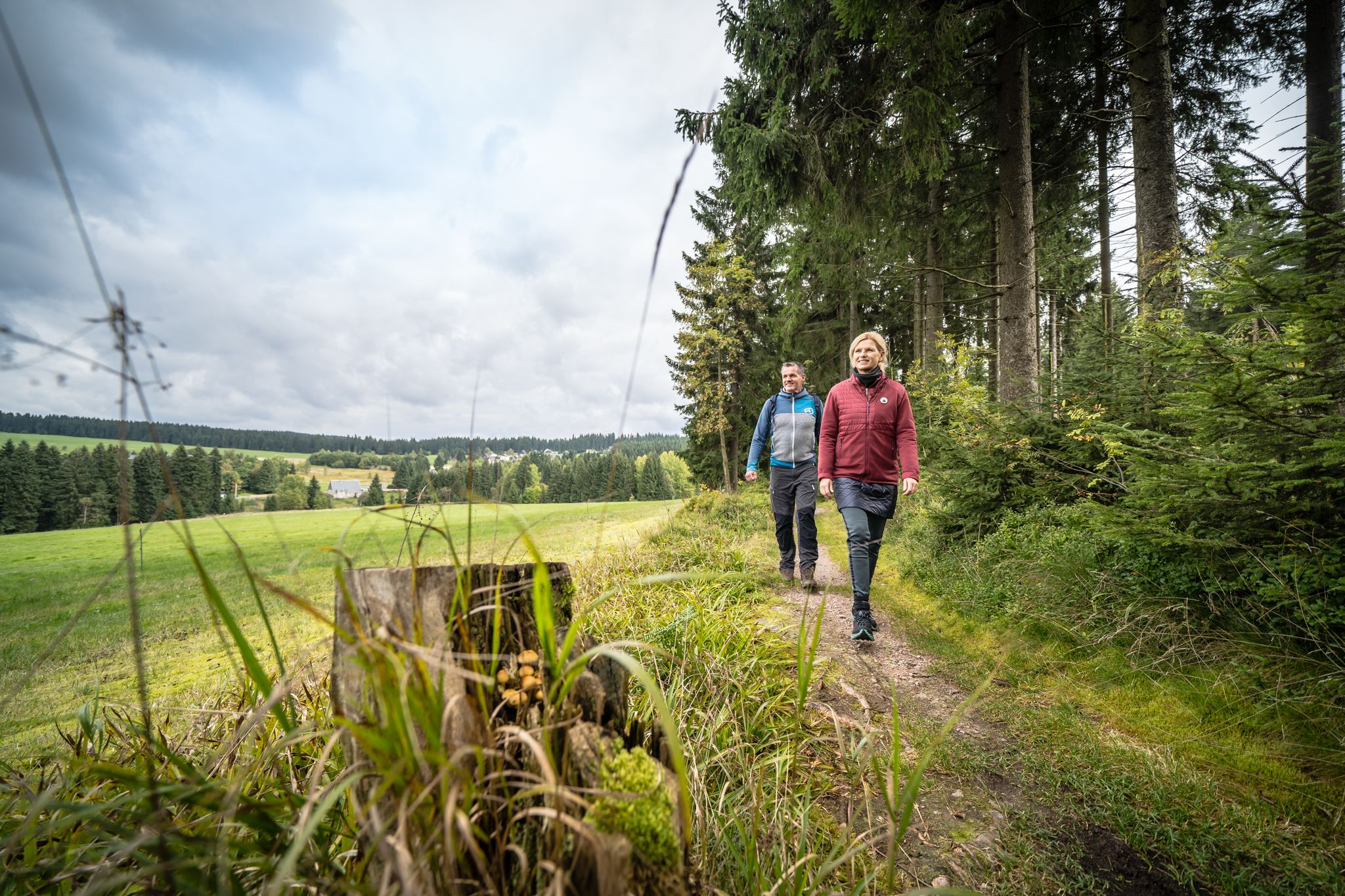
Hiking with heart in the Ore Mountains
Wonderful Silberberg – Day Tours to the Digital Hiking Badge with SummitLynx
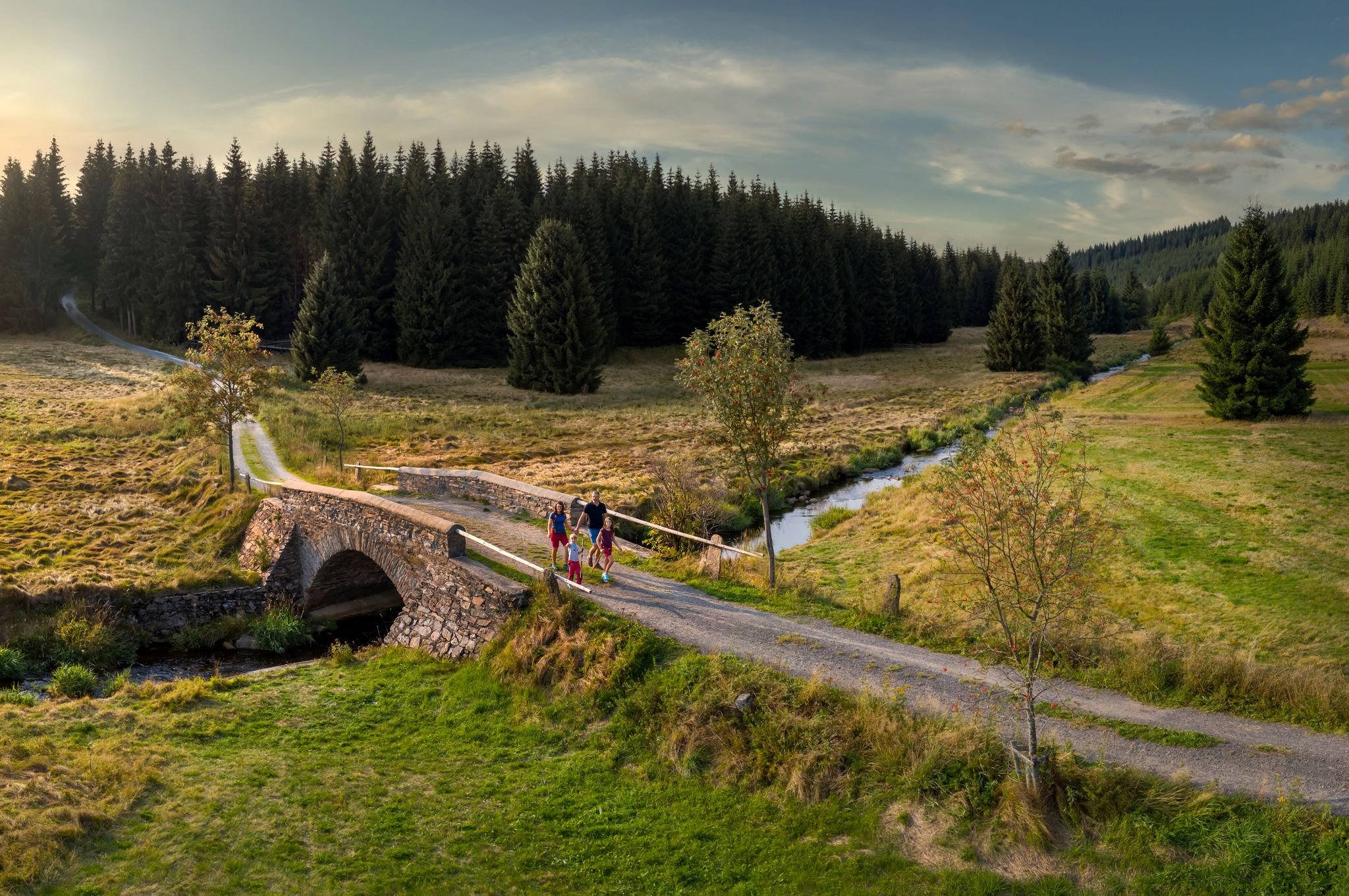
‘Good luck’ in the hiking paradise of the Ore Mountains
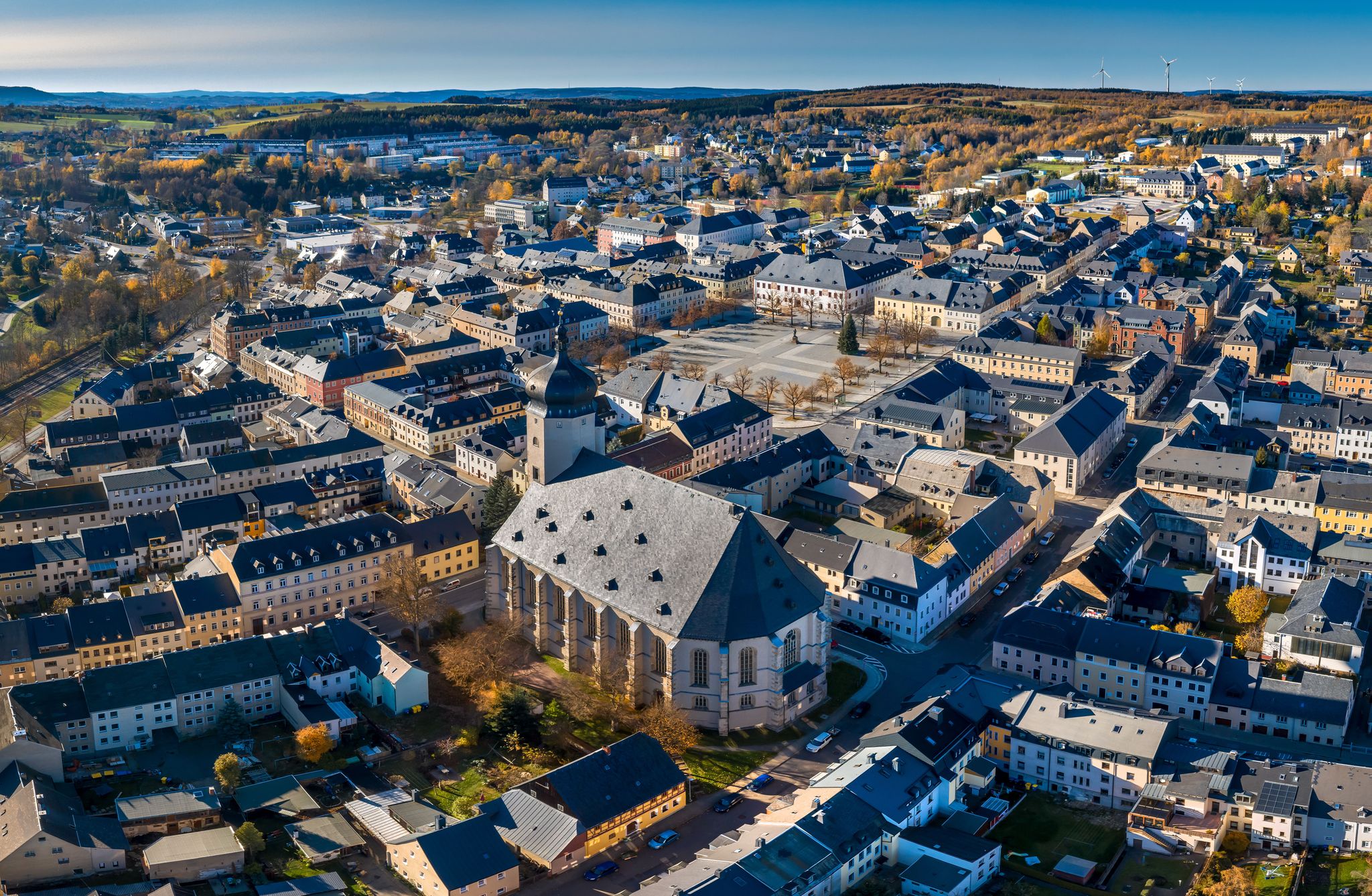
Wandertouren - "Glück Auf" im Welterbe
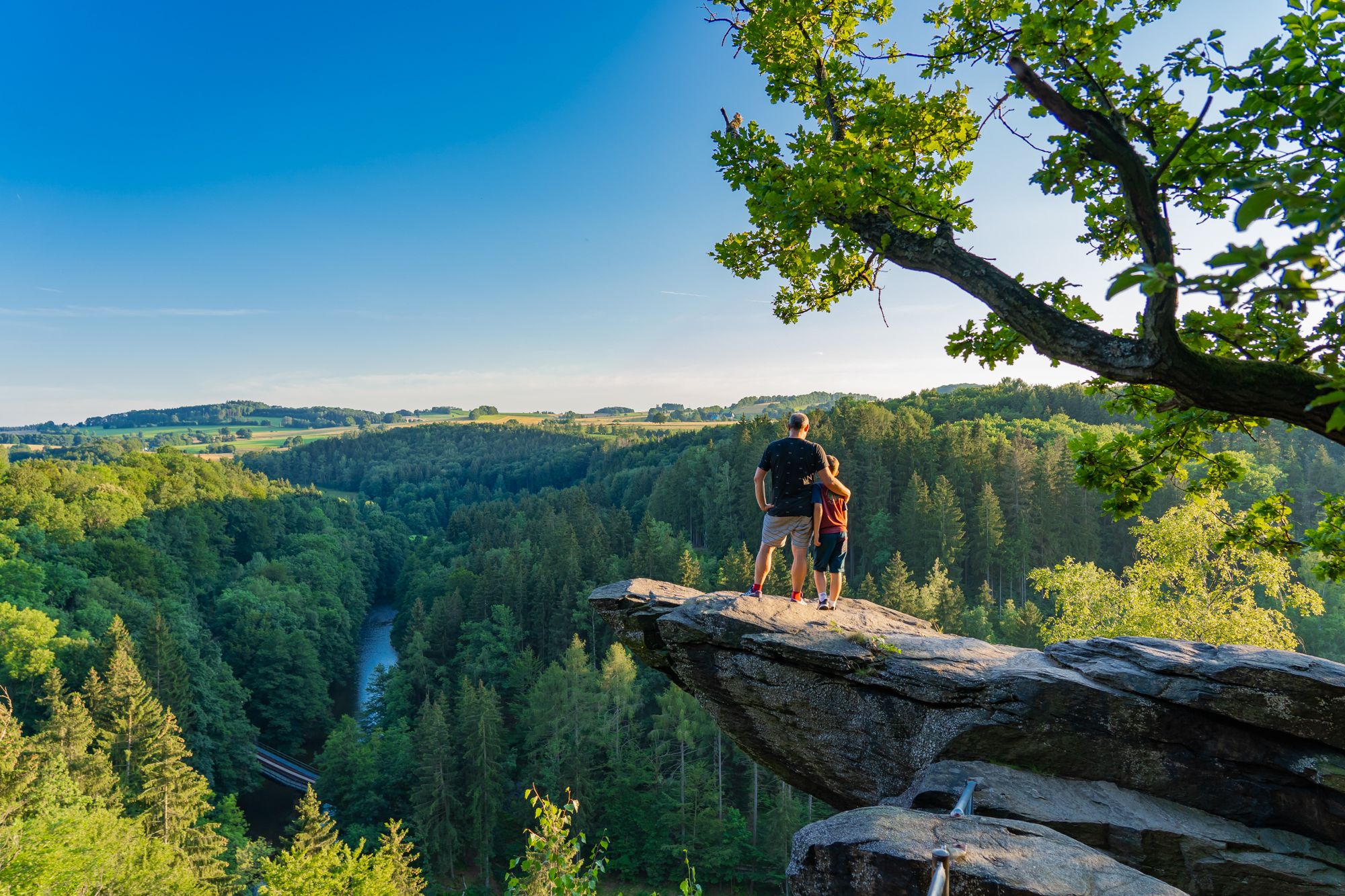
Wandertouren - Gipfelglück
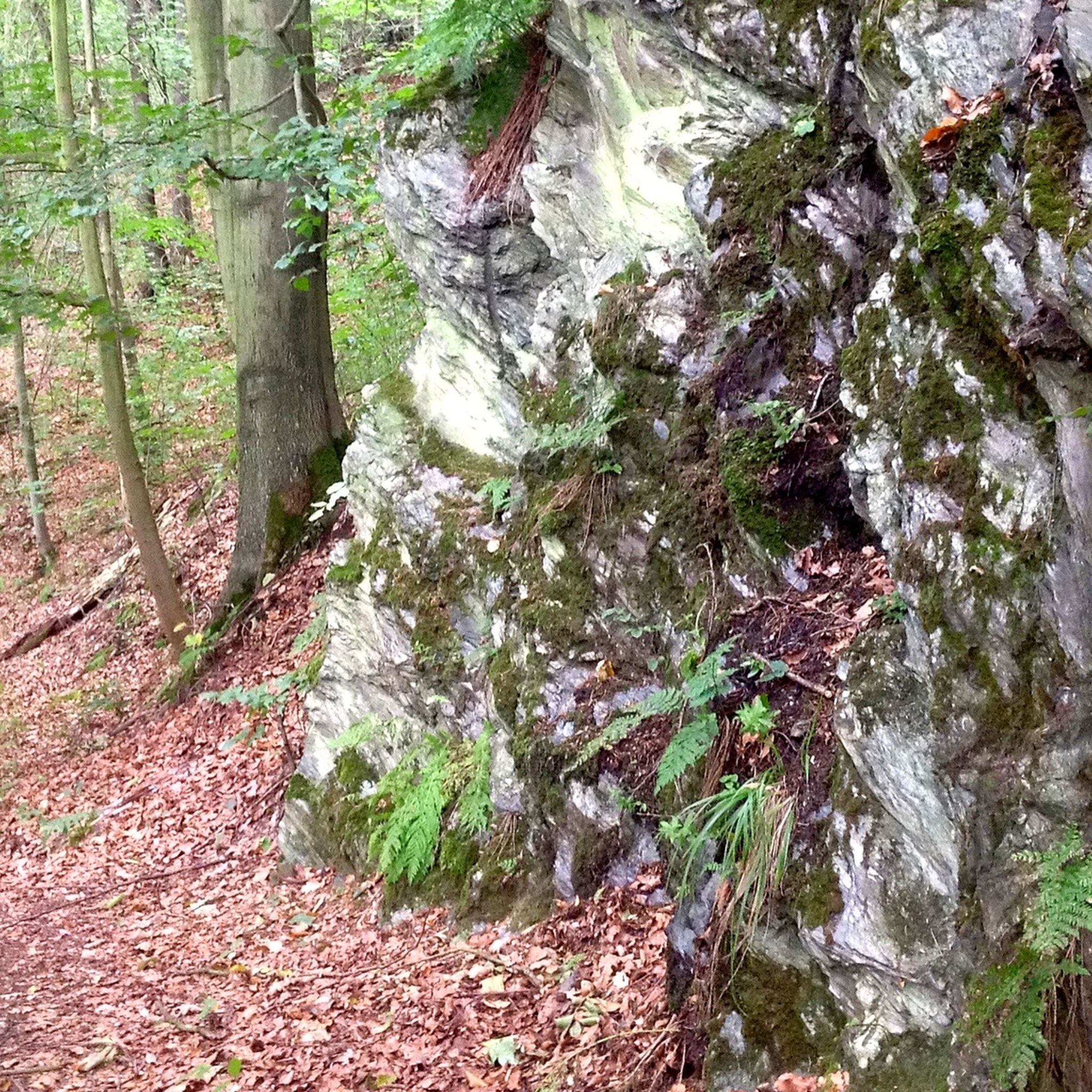
Hiking around Bad Schlema
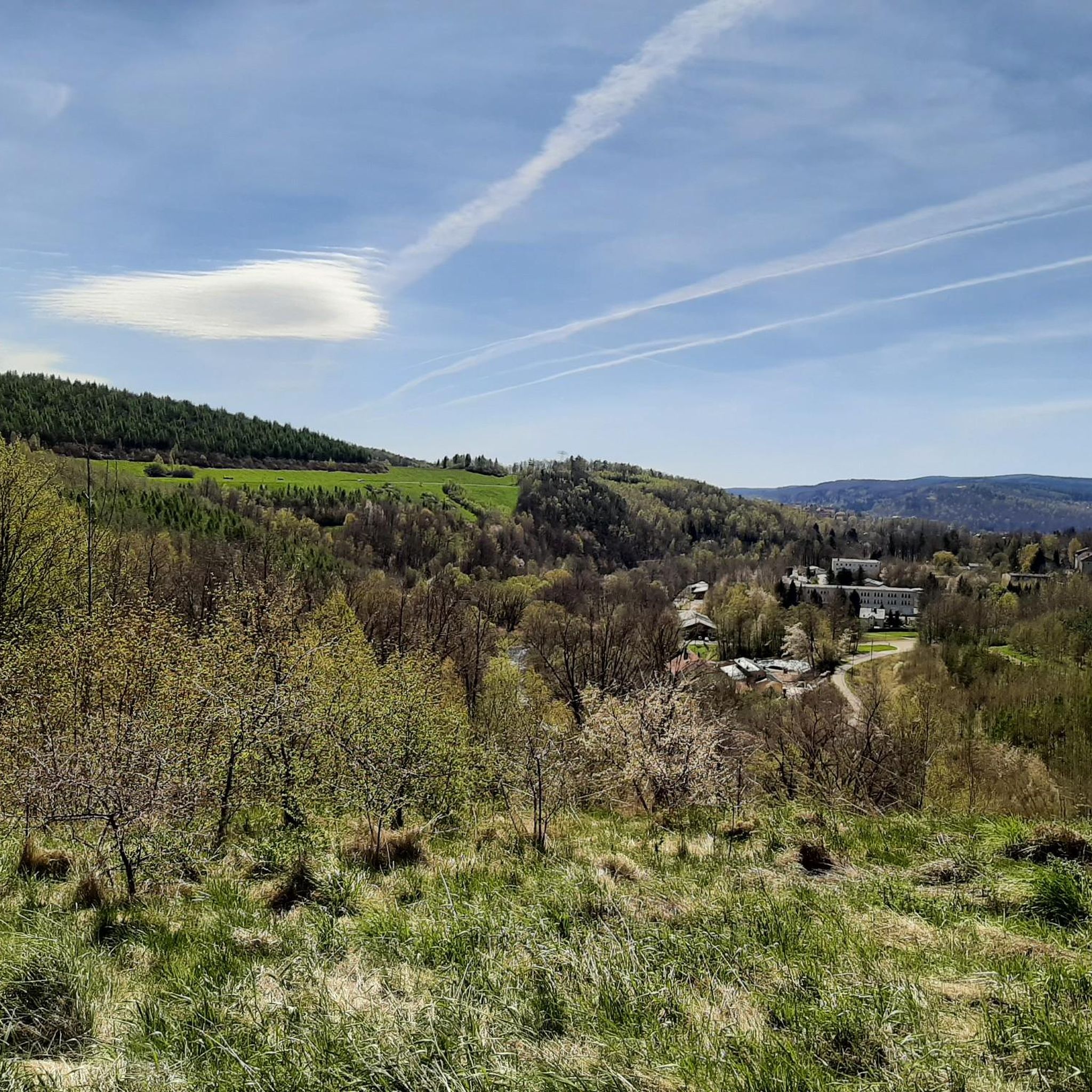
Cycling around Bad Schlema
Road Cycling Routes around Bad Schlema
Running Trails around Bad Schlema
MTB Trails around Bad Schlema
Other adventures around Bad Schlema


Tips from the Community

The Evangelical Lutheran St. George's Church in Schwarzenberg/Erzgebirge is an outstanding example of Baroque sacred architecture and, together with the neighboring castle, dominates the cityscape of the old town. **History and Construction** The origins of the parish date back to the 12th century. The present church was built between 1690 and 1699 according to plans by the Lößnitz master builder Johann Georg Roth, as the previous church on the lower market square had become too small and dilapidated. Half of the building site was donated by the Saxon Elector Johann Georg III and the other half by Balthasar Lehmann, the Schwarzenberg Oberzehnder. Construction was carried out by master mason Johann Georg Pauli and master carpenter Samuel Georg. The church, designed as a transverse church, was consecrated on October 22, 1699. **Architecture and Furnishings** The interior of the church impresses with its cantilevered wooden ceiling, added in 1728 and considered a technical masterpiece with a clear width of 34 × 18 meters. The Baroque furnishings include a magnificently carved altar, an artfully wrought choir screen from 1721, crafted by the Schwarzenberg master blacksmith Zacharias Georgi, as well as a Baroque pulpit and a surrounding gallery with numerous boxes. **Music and Organ** St. George's Church is an important center of sacred music. In 1993, a new organ by the Hermann Eule company from Bautzen was installed. It has 39 stops on slider chests and is based on historical models. Concerts are held here regularly, including the "Music Summer in St. Georgen" concert series and the internationally renowned Erzgebirge Music Festival. **Current Condition** Despite its structural integrity, the church is showing signs of age-related damage. Cracks in the masonry and leaky windows are endangering the building's structure. Parts of the gallery had to be closed off in 2018 due to the risk of falling. A comprehensive renovation is necessary to preserve the church as a spiritual and cultural center.
3
0

great corner, always worth a trip
3
0

History The first mention can be found in a document from 1103. The history of the village is directly related to the Lords of Isenburg. Around 1100, Reinbold and Gerlach built the Isenburg in the area of a manor of the Fulda Abbey as the ancestral castle of the Lords of Isenburg. Soon after the castle was built, the first residents settled in the valley and built their houses around the castle hill. Isenburg was a castle village and had special rights such as the status of a free town. However, a town was never founded, as the location of the town did not offer any opportunities for expansion. At the beginning of the 14th century, Isenburg was fortified. The fortifications, which extended over a large area around the castle and valley, not only protected the town, but also served as an advanced security point for the castle. The town fortifications consisted of a wall with four gates. Two gates - the "Alte Porz" and the "Schildpforte"
5
0
Stein Castle, also known as Schloss Stein, is located southeast of Zwickau in the Hartenstein district of Stein on the rocky bank of the Zwickauer Mulde in Saxony. Construction began in the 13th century and subsequent renovations gave it its current form. The building is a listed building.
3
1
HistoryEdit Settlement in the Ore Mountains began in the 12th/13th century, mainly along the rivers. River crossings and settlements were protected by fortified structures. Numerous castles were also built along the Zwickauer Mulde. The forerunners of the old Stein Castle can be found on the northern steep bank of the Zwickauer Mulde above the train station. The castle used to have a ford, later a ferry and various wooden and stone bridges, some of which are shown as covered in old illustrations. Bridge tolls were still collected until 1924. A modern steel arch bridge was blown up by the SS in 1945, and a concrete bridge has stood in its place since 1950.
3
0

The museum provides information about the history of Hartenstein Castle and County. Exciting exhibits tell of the Saxon prince robbery. In addition to an extensive weapons collection, you can discover knightly armor, legal antiquities, hunting trophies, and exhibits on life and everyday life in the region.
9
0
Hartstein family, a pompous castle with a museum.
10
0

A landmark of the city of Schwarzenberg, visible from afar.
8
0
Frequently Asked Questions
What kind of historical experiences do the castles near Bad Schlema offer?
The castles near Bad Schlema provide a range of historical experiences, from medieval strongholds to transformed hunting lodges. For instance, Schwarzenberg Castle, originally a 12th-century defensive structure, became an electoral Saxon hunting lodge and now hosts the Perla Castrum Museum, offering insights into local history and craftsmanship. Burg Stein, a medieval castle first documented in 1233, features a museum detailing its history and the Saxon prince kidnapping. The Ruins of Isenburg Castle offer a glimpse into medieval times with its restored keep and curtain wall.
Are there family-friendly castles to visit near Bad Schlema?
Yes, several castles in the area are considered family-friendly. Schwarzenberg Castle, Ruins of Isenburg Castle, and Wildenfels Castle are all categorized as family-friendly, offering engaging experiences for visitors of all ages. Burg Stein also has a museum with exciting exhibits that can appeal to families.
What cultural attractions can I find at Schloss Wildenfels?
Schloss Wildenfels is a significant cultural attraction, known for its 'Musenhof' (Muses' Court) and a contemporary gallery hosting numerous exhibitions. A highlight is the meticulously restored 'Blaue Salon' (Blue Salon) with its unique silk wallpapers from the late 18th century. The castle also features a classicist hall, a wedding room, and a count's library, with notable ceiling paintings by Christian Leberecht Vogel.
Can I explore castle ruins near Bad Schlema?
Yes, the Ruins of Isenburg Castle in the Wildbach district offer an enigmatic historical experience. The restored remains of its keep and curtain wall are open to the public, providing a tangible link to medieval times amidst a scenic backdrop. It's a well-preserved ruin that gives a good idea of what the castle looked like.
What kind of views can I expect from the castles in the region?
Many castles in the Bad Schlema area offer scenic views. Schwarzenberg Castle provides breathtaking views of the Erzgebirge mountains. Burg Stein is dramatically nestled on the rocky shores of the Mulde river, offering picturesque vistas. Wildenfels Castle rises on a mountain spur, providing an impressive silhouette above the town.
Are there hiking trails near the castles around Bad Schlema?
Absolutely! The region offers numerous hiking opportunities. For example, you can find routes like the 'Ruins of Isenburg Castle – Radium Spring Wildbach loop' or the 'View of Wildbach Church – Stein Castle loop'. Many trails are available, including easy hikes and more moderate options. You can explore various hiking routes around the castles by checking out the Hiking around Bad Schlema guide or the Easy hikes around Bad Schlema guide.
What is the best time of year to visit the castles near Bad Schlema?
The castles near Bad Schlema can be visited year-round, each season offering a unique charm. Spring and summer provide lush green landscapes and pleasant weather for exploring castle grounds and nearby hiking trails. Autumn brings vibrant foliage, enhancing the scenic beauty of the Erzgebirge mountains. While winter can be cold, snow-covered castles like Schwarzenberg Castle offer a magical, picturesque experience, often with fewer crowds.
What do visitors particularly enjoy about the castles in this region?
Visitors frequently praise the historical depth and scenic beauty of the castles. Many appreciate the well-preserved ruins like Isenburg Castle, which allows for imaginative exploration. The cultural offerings and restored interiors of places like Wildenfels Castle, especially the 'Blaue Salon,' are also highly regarded. The dramatic setting of Burg Stein on the Mulde river is often highlighted as a must-see.
Are there museums within the castles near Bad Schlema?
Yes, several castles house museums that delve into their history and the local region. Schwarzenberg Castle hosts the Perla Castrum Museum, which provides insights into the town's history and local craftsmanship. Burg Stein also has a museum that details the castle's past, including the Saxon prince kidnapping, and features collections of weapons, knight's armor, and local artifacts.
What are the parking options like at the castles?
Parking availability varies by castle. For example, View of Burg Stein mentions a few parking spaces available, often with interesting hiking trails nearby. It's generally advisable to check specific castle websites or local information for detailed parking instructions, especially during peak seasons.
Can I find cafes or restaurants near the castles?
Some castles, like Burg Stein, may have restaurants on-site or nearby. Additionally, the towns where these castles are located, such as Schwarzenberg for Schwarzenberg Castle, typically offer various cafes and restaurants within walking distance or a short drive, providing options for refreshments and meals during your visit.
Most popular routes around Bad Schlema
Most popular attractions around Bad Schlema

Get inspired with the komoot mobile app


Explore more
Looking for the best castles somewhere else? Discover other guides around Bad Schlema:
