The best cycling routes in Storskogen
4.6
(103)
1,190
riders
123
rides
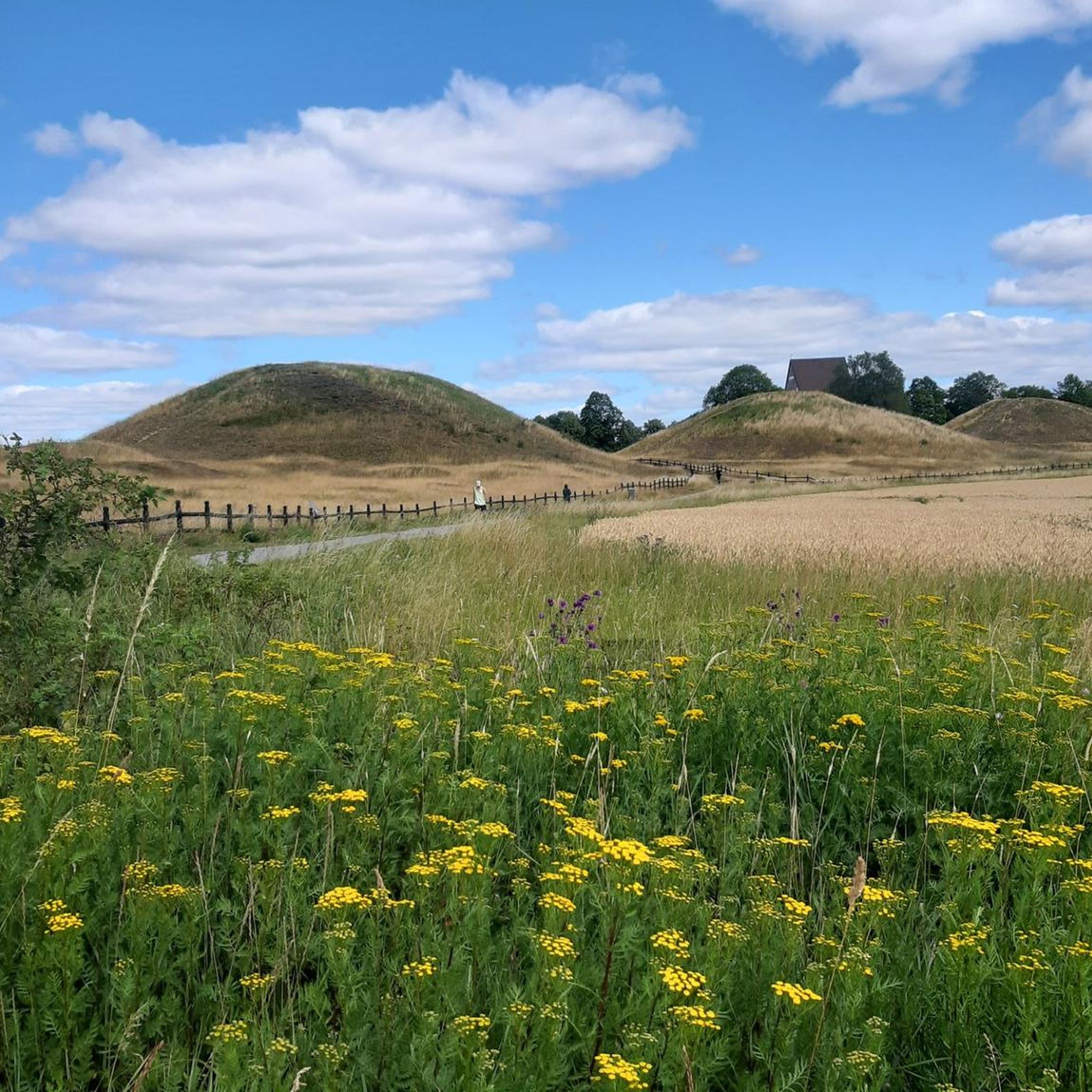
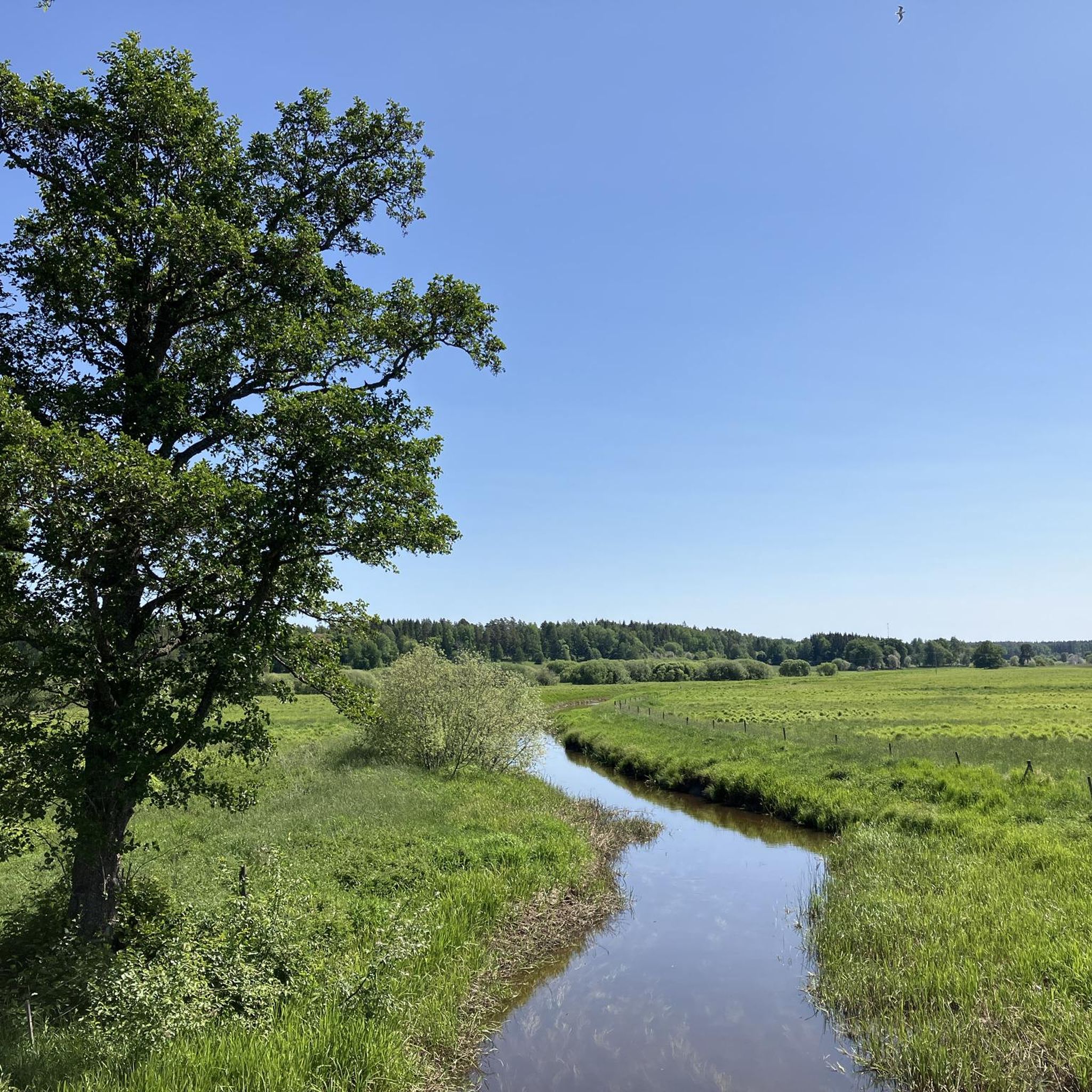
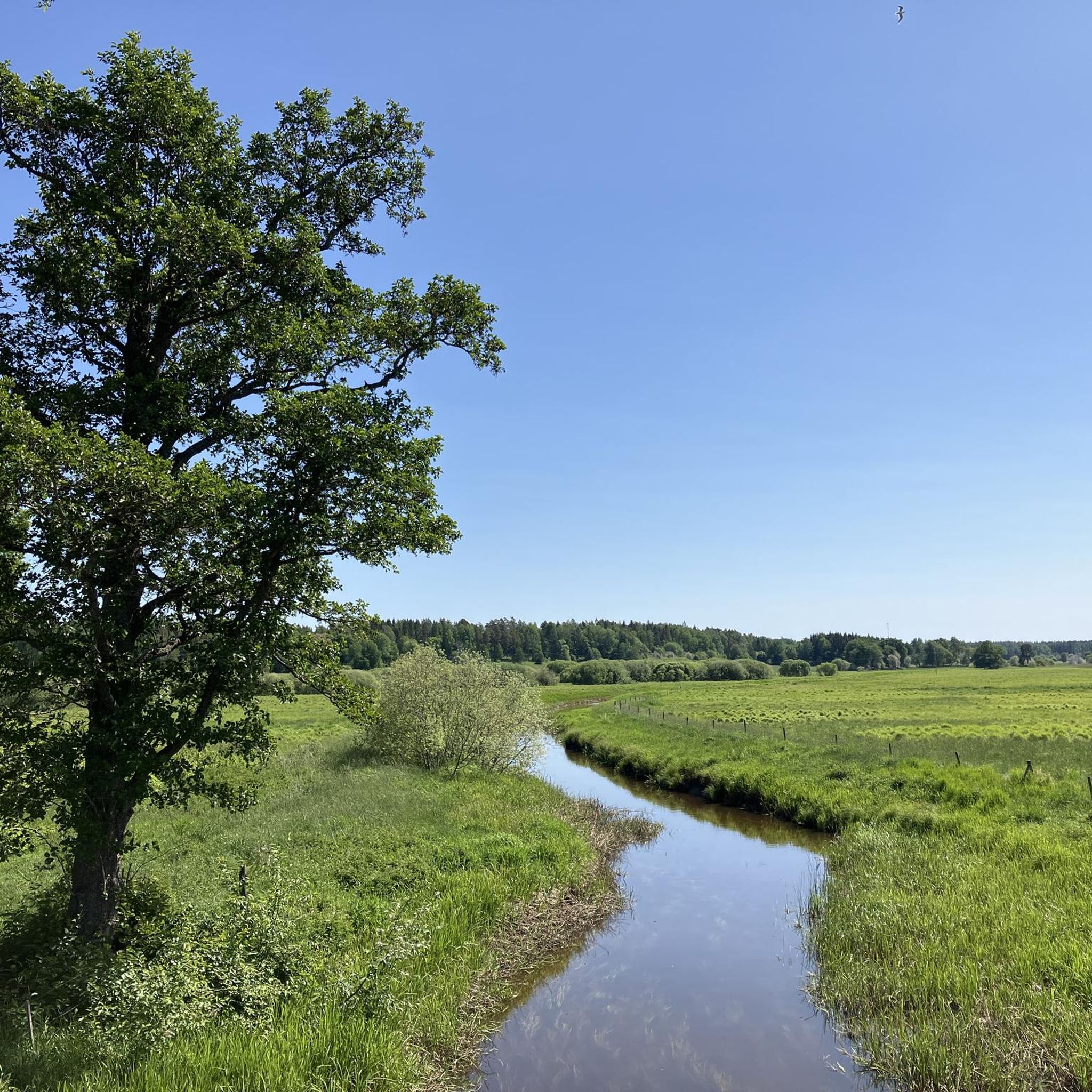
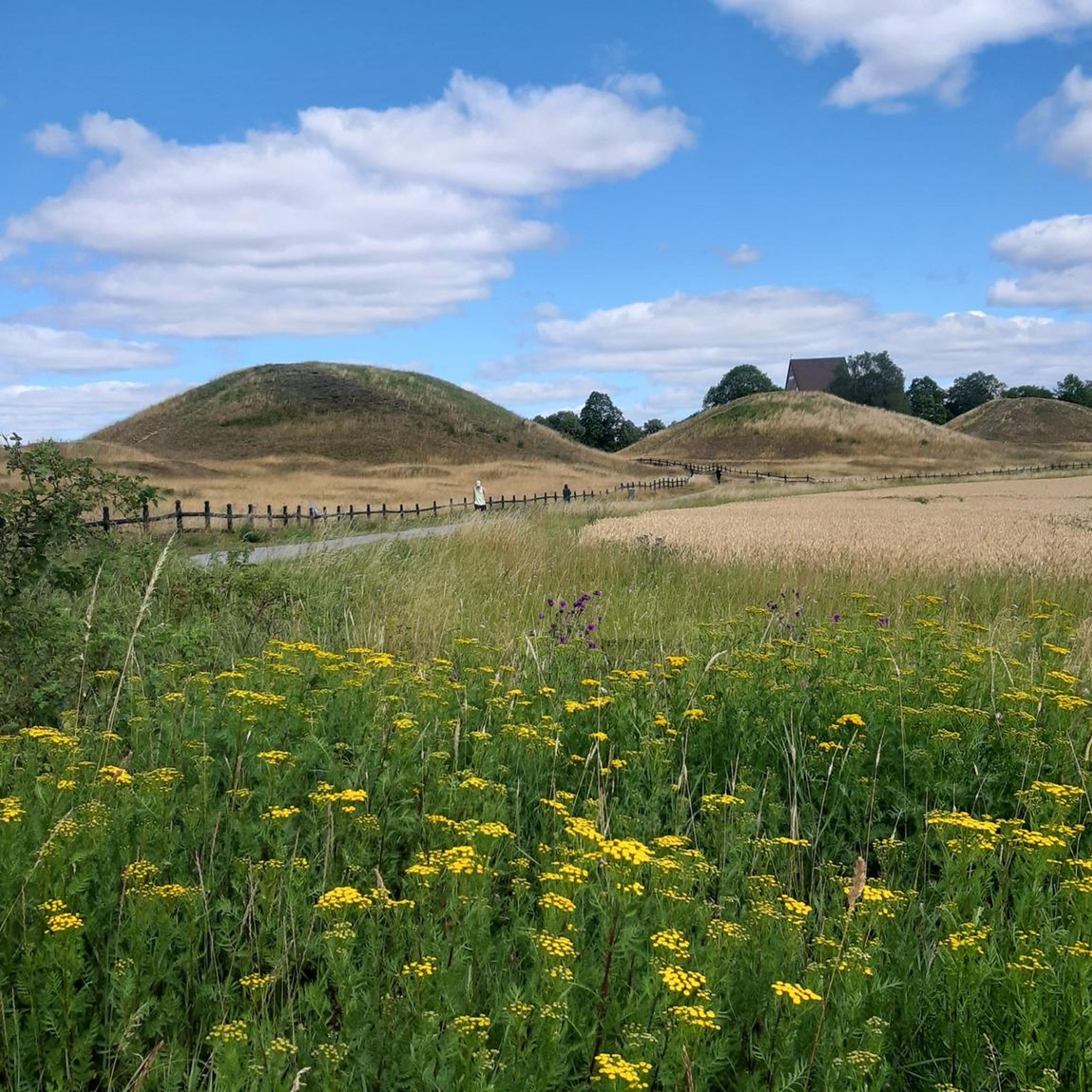
Touring cycling routes in Storskogen traverse a landscape characterized by gentle undulations and a mix of open fields, agricultural areas, and forested sections. The region, located near Uppsala, features routes that often follow river valleys and pass by historical landmarks. This area provides varied terrain suitable for relaxed cycling, with minimal steep climbs.
Best touring cycling routes in Storskogen
- The most popular touring cycling route is Old Uppsala Church – Ulva Kvarn Mill loop from Storvreta, a 19.9 miles…
Last updated: June 26, 2026
4.7
(3)
28
riders
29.4km
01:44
110m
110m
Easy bike ride. Great for any fitness level. Mostly paved surfaces. Suitable for all skill levels.
5
riders
32.3km
01:52
120m
120m
Easy bike ride. Great for any fitness level. Mostly paved surfaces. Suitable for all skill levels.

Sign up for free
4.0
(1)
3
riders
31.1km
01:48
130m
130m
Easy bike ride. Great for any fitness level. Mostly paved surfaces. Suitable for all skill levels.
3.0
(1)
6
riders
42.6km
02:32
180m
180m
Moderate bike ride. Good fitness required. Mostly paved surfaces. Suitable for all skill levels.
4.0
(1)
6
riders
12.7km
00:44
50m
50m
Easy bike ride. Great for any fitness level. Mostly paved surfaces. Suitable for all skill levels.
Get access to more routes and recommendations from other explorers.
Sign up for free
Already have an account?
Our route recommendations are based on thousands of hikes, rides, and runs completed by other people on komoot.
Start today with a free account
Your next adventure awaits.
Login or Signup

Tips from the Community

Built from 1549 onwards as a fortress by Gustav Vasa, the castle was only rebuilt into a grand Renaissance palace after a fire in 1572. The old cannons on the Styrbiskop bastion still bear witness to its fortified early years.
10
0
Within the remaining ruins of Uppsala's original 16th-century castle, the Vasaborgen Museum offers insights into the history of Swedish rulers, recounting tales of kings and queens, princes and princesses. Guided tours led by costumed guides also reveal gruesome details of gruesome and violent sudden deaths. The museum is open from June 1st to September 1st.
11
0

What would old fortresses be – anywhere in the world – without these decorative old cannons?
4
1
The Gothic Uppsala Cathedral (Uppsala Domkyrka), consecrated in 1435, is the cathedral of the Archdiocese of Uppsala, the parish church of the Uppsala Cathedral parish, and a national shrine of the Church of Sweden. It houses the relics of Sweden's national saint, Saint Erik, and a relic of Saint Bridget. The church is traditionally the coronation and burial church for Swedish kings and queens. Following a fire in the former cathedral (in Gamla Uppsala), the Pope granted permission in 1258 to move the bishopric to present-day Uppsala (then Östra Aros). The move to Domberget took place in 1273. Initially, the existing Saint Erik Chapel was used for services while French builders, under the direction of Etienne de Bonneuil, began constructing a new cathedral. The construction would continue for over a century and a half. The cathedral's towers are the tallest church towers in Scandinavia, reaching 118.7 meters. The most powerful of its five church bells, called Storan, weighs 7,360 kilograms, making it Sweden's largest church bell. The Church of Sweden estimates that around half a million people visit Uppsala Cathedral each year.
11
0
With its commanding position on Kasåsen hill high above Uppsala, the castle is visible from afar. Today it is the residence of the Governor of Uppsala County. Built as a fortification by Gustav Vasa starting in 1549, the castle was the site of the Sture Murders in 1567, the decision regarding Sweden's participation in the Thirty Years' War was made here, Queen Christina abdicated here in 1654, and many of Sweden's former kings and queens were born and lived here. As early as 1572, the castle had been remodeled by Johan III and expanded into a grand Renaissance palace. After the great city fire of 1702, parts of the main building, the so-called Cross Castle, were demolished. During its reconstruction in 1744, the entire castle acquired its present form in the French Neoclassical style, based on designs by Carl Hårleman. The room, the district council hall, which was specially set up for the district council meetings after the municipal reform of 1862, is today primarily used as a representative reception room.
11
0

Not only can you climb the castle 🏰, but also the art museum and a historical museum, "Uppsala Slottsmuseum," within the castle. Both are very interesting and free of charge. In front of the castle stands the wooden Gunillia Tower.
3
0

The Linnaeus Museum is located in the Prefectural Residence in the Linnaeus Garden in Uppsala. Carl von Linnaeus and his family lived here in the second half of the 18th century. The museum displays a collection of furniture, objects, and paintings that tell the story of Linnaeus's life as a scientist and private person.
2
0

Frequently Asked Questions
How many touring cycling routes are available in Storskogen?
Storskogen, located near Uppsala, offers over 130 touring cycling routes. These routes cater to various skill levels, with a good mix of easy and moderate options.
What is the general terrain like for touring cycling in Storskogen?
The terrain in Storskogen is characterized by gentle undulations, making it suitable for relaxed cycling. You'll find a mix of open fields, agricultural areas, and forested sections, with routes often following river valleys and passing historical landmarks. Steep climbs are minimal.
Are there routes suitable for beginners or families in Storskogen?
Yes, Storskogen has many routes suitable for beginners and families. Approximately 59 of the available routes are rated as easy. An example of an easy route is the Jällaleden Fire Pit loop from Storvreta, which is about 9.4 miles (15.1 km) long.
Are there any circular touring cycling routes in Storskogen?
Yes, many touring cycling routes in Storskogen are designed as loops, offering convenient circular journeys. For instance, the Vaksala Church loop from Storsten is an easy 7.9-mile (12.8 km) option that allows you to start and end at the same point.
What do other cyclists say about touring cycling in Storskogen?
The touring cycling routes in Storskogen are highly regarded by the komoot community, holding an average rating of 4.6 stars from over 90 reviews. More than 1,200 touring cyclists have used komoot to explore the varied terrain, often praising the scenic countryside and historical points of interest.
What kind of landmarks or points of interest can I see along the touring cycling routes?
Many routes in Storskogen pass by significant landmarks and natural areas. You can expect to see historical sites like Old Uppsala Church and Uppsala Castle, as well as scenic spots along river valleys and through mixed forests. The region's proximity to Uppsala means routes often incorporate both urban and natural highlights.
What is the best time of year to go touring cycling in Storskogen?
Given the region's characteristics, the best time for touring cycling in Storskogen is typically during the warmer months, from late spring to early autumn. This period offers pleasant weather for exploring the open fields, agricultural areas, and forested sections without the challenges of winter conditions.
Is it possible to reach the touring cycling routes in Storskogen by public transport?
As Storskogen is a district within Sundbyberg Municipality near Stockholm, and the cycling routes are located near Uppsala, public transport options are generally available to reach the starting points of many routes. It's advisable to check local bus or train schedules for connections to areas like Storvreta or Uppsala, where many routes begin.
Where can I park my car when cycling in Storskogen?
While specific parking information for each route isn't provided, given that many routes start from areas like Storvreta or near Uppsala, you can typically find public parking facilities in these towns or designated parking areas near popular trailheads. Always check local signage for parking regulations.
Are there places to eat or stay near the touring cycling routes in Storskogen?
Yes, being close to Uppsala, there are various options for cafes, pubs, and accommodation. Towns like Storvreta and Uppsala itself offer a range of services where you can refuel or find lodging after your ride. Ulva Kvarn Mill, for example, is a popular destination on some routes and often has cafes.
Can I bring my dog on the touring cycling routes in Storskogen?
While specific regulations for dogs on cycling routes in Storskogen are not detailed, generally in Sweden, dogs are welcome on trails if kept on a leash and under control. Always be mindful of local rules, especially in nature reserves or agricultural areas, and ensure your dog doesn't disturb wildlife or livestock.
What are some moderate touring cycling options in Storskogen?
For those looking for a moderate challenge, Storskogen offers several routes. A good option is the Uppsala Castle – Uppsala Cathedral loop from Storvreta, which is a 28.0-mile (45.0 km) path providing views of significant city landmarks and surrounding natural areas.
Most popular routes in Storskogen

Get inspired with the komoot mobile app


Explore more
Browse the best Cycling routes in other regions.
