The best road cycling routes around Glüsing
4.6
(43)
530
riders
74
rides
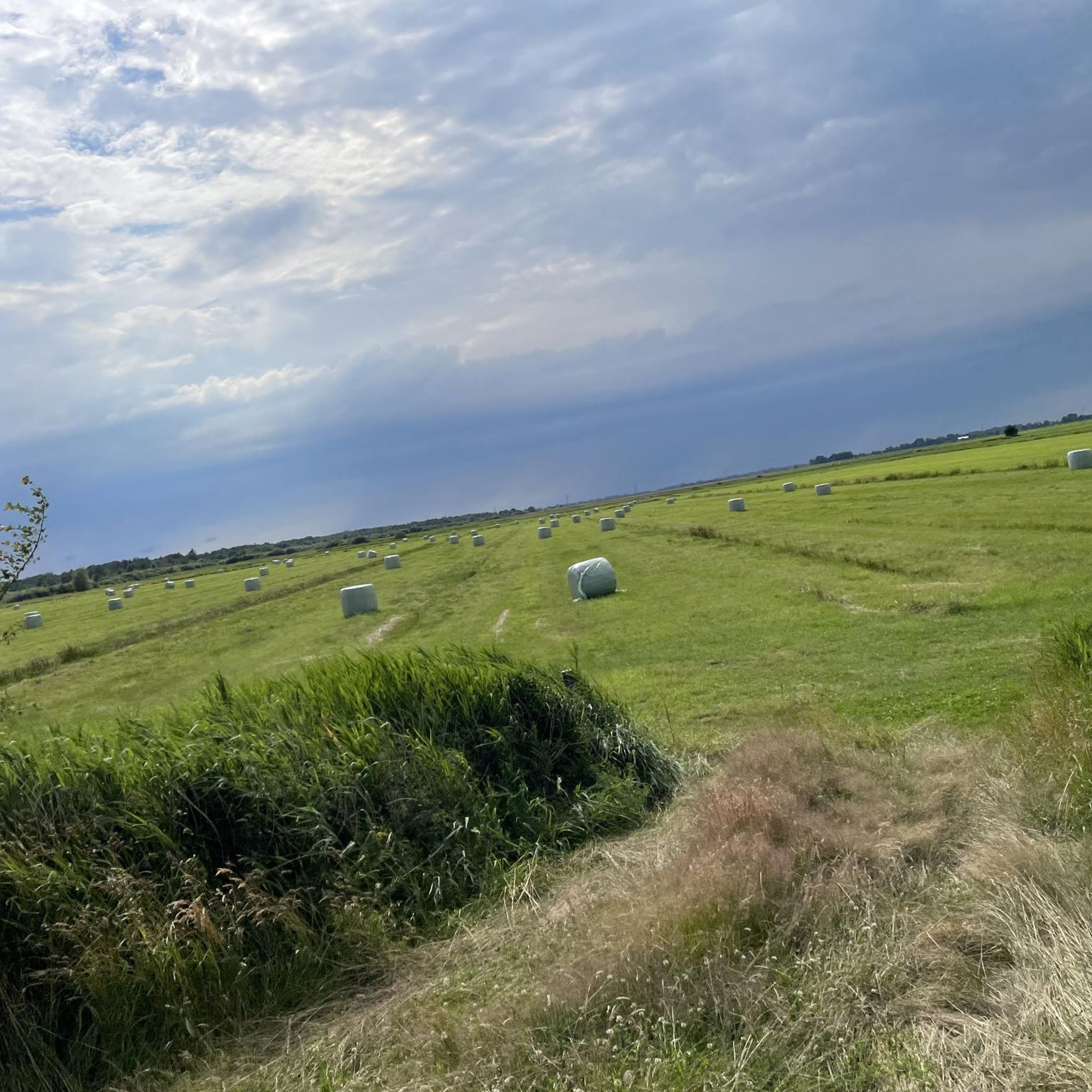
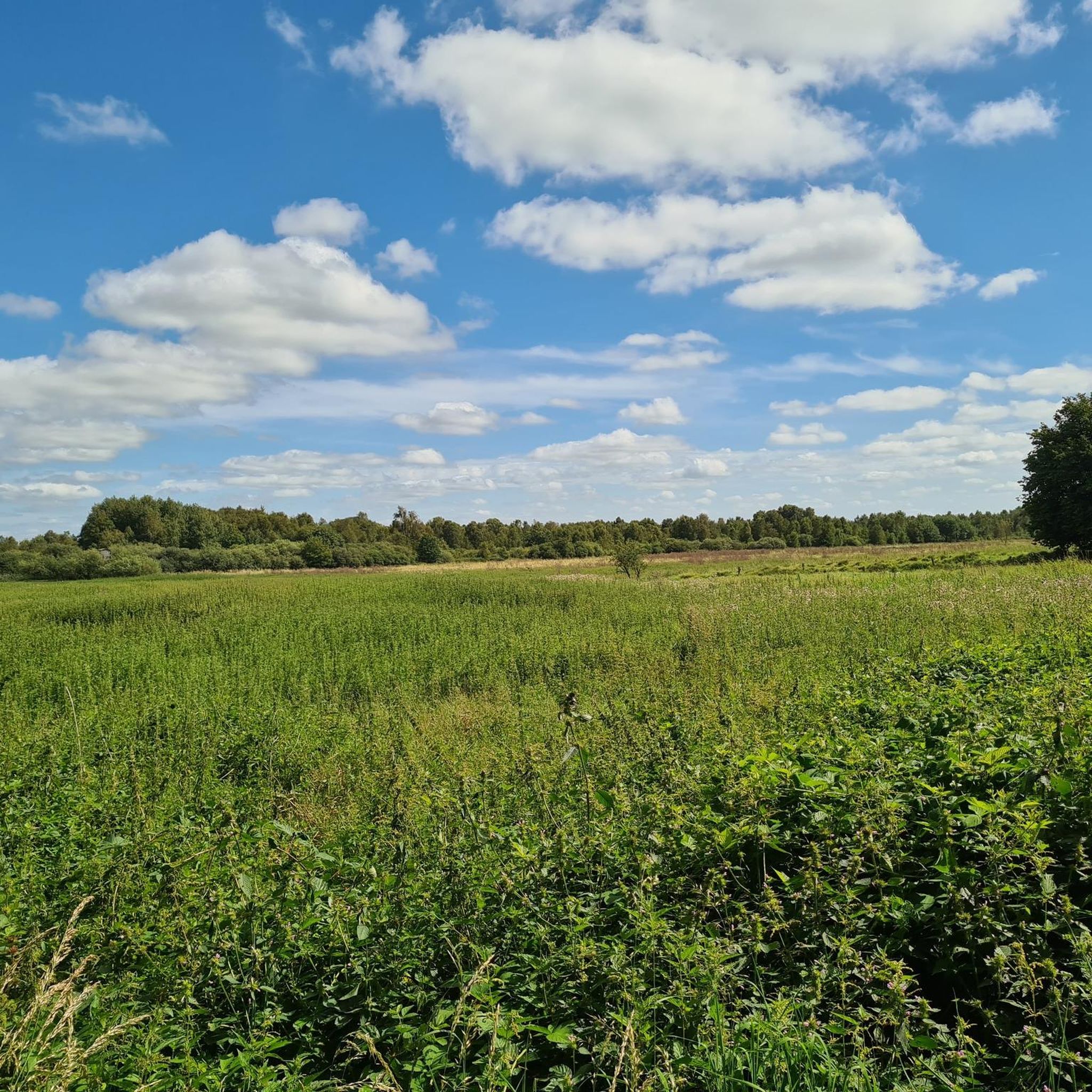
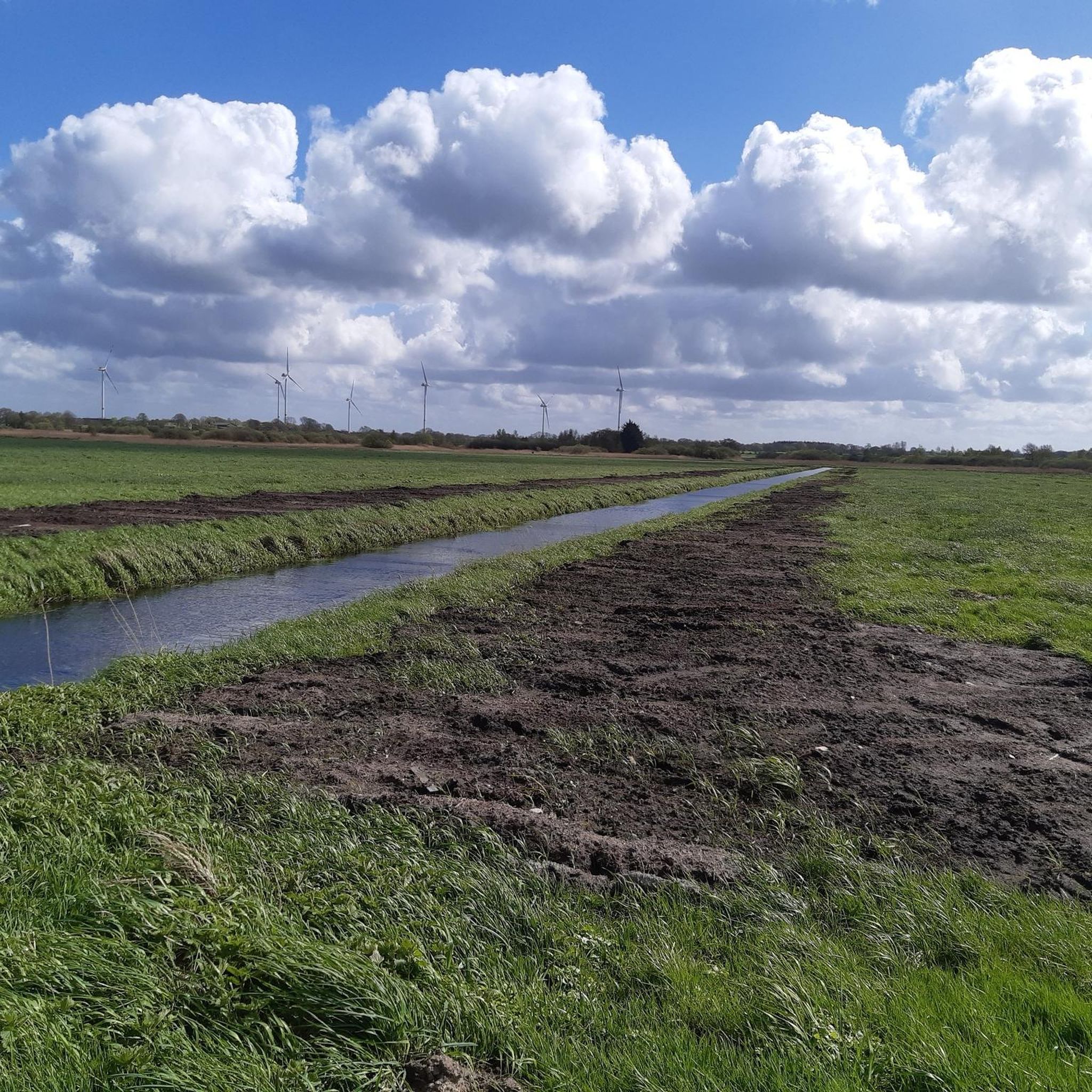
Road cycling around Glüsing is characterized by its predominantly flat landscapes within the Dithmarschen district of Schleswig-Holstein, Germany. The region is situated between the North Sea and the Elbe-Weser triangle, offering an extensive network of cycling paths. Cyclists can navigate routes along the North Sea coast, atop dikes, and through expansive marshlands and moors. This terrain provides generally easy navigation without strenuous climbs, making it suitable for road cycling.
Best road cycling routes around Glüsing
- The most popular road cycling…
Last updated: June 26, 2026
4.0
(1)
11
riders
Easy road ride. Great for any fitness level. Mostly well-paved surfaces and easy to ride.
5
riders
72.1km
03:21
240m
240m
Moderate road ride. Good fitness required. Some segments of this route may be unpaved and difficult to ride.

Sign up for free
4
riders
65.8km
02:59
250m
250m
Moderate road ride. Good fitness required. Some segments of this route may be unpaved and difficult to ride.
6
riders
Moderate road ride. Great for any fitness level. Some segments of this route may be unpaved and difficult to ride.
3
riders
42.5km
01:53
140m
140m
Moderate road ride. Great for any fitness level. Some segments of this route may be unpaved and difficult to ride.
Get access to more routes and recommendations from other explorers.
Sign up for free
Already have an account?
Our route recommendations are based on thousands of hikes, rides, and runs completed by other people on komoot.
Start today with a free account
Your next adventure awaits.
Login or Signup
Tips from the Community

A very nice path with little traffic
0
0

The church is named after Saint Andrew, a disciple of Jesus. It was first mentioned in documents in 1140, but according to current knowledge it already existed before 1070, burned down in 1559 and a new church was built on the foundations within the next 40 years. It is one of the oldest churches in Dithmarschen. Since 2008, extensive renovation work has been carried out on the exterior and interior of the traditional church, which was completed in 2010. The church was reopened on October 3, 2010. In autumn 2013, the bells, which include the oldest bell in Dithmarschen, received new clappers, a new control system and some new motors. In summer 2014, the Walcker organ was extensively renovated. https://www.kirche-weddingstedt.de/unsere-kirche/st-andreas-kirche-weddingstedt/
2
0

In the café you can enjoy a cup of coffee and homemade cake, and maybe you can even fit a regional speciality from the farm shop into your jersey pocket.
0
0

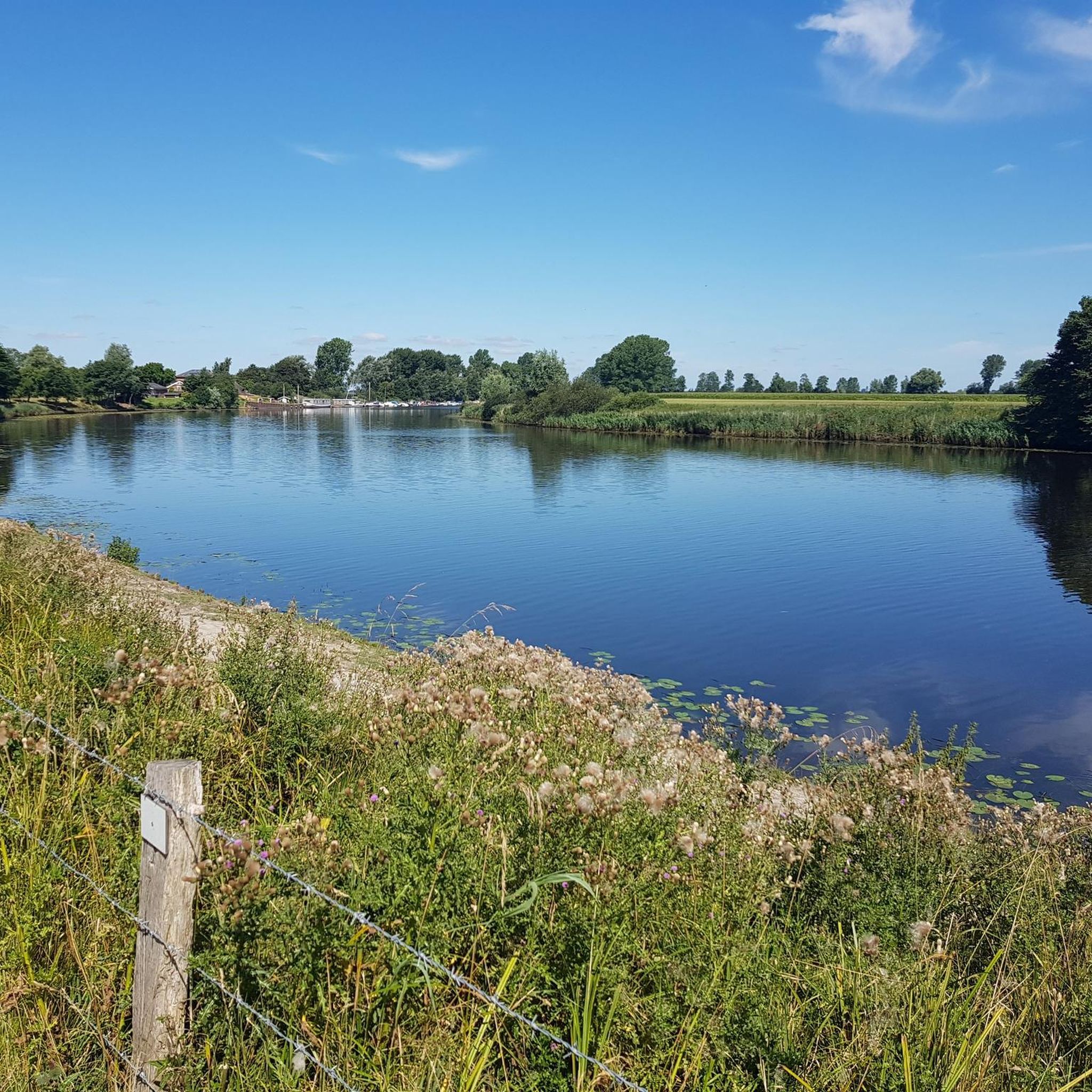
Here you cycle through a magical landscape: meadows as far as the eye can see and the blue river winding its way through the middle. Simply beautiful!
2
0

If you prefer untouched nature and seclusion, this is the place for you. You can go shooting at the Eider dike.
1
0

The Weddingstedt Wedding Mill, officially known as Aurora Mill, is a historical and cultural landmark in the municipality of Weddingstedt in the district of Dithmarschen, Schleswig-Holstein. Originally built in 1832 as a cellar windmill, the mill was rebuilt as a gallery windmill at its current location in 1878 after a fire. Since the 1980s, the Weddingstedt Mill Association has been responsible for the maintenance and restoration of the mill, which is now fully functional and regularly put into operation. The Aurora Mill is not only a technical monument, but also serves as a romantic wedding location. Couples can get married here in a unique ambience, with the mill providing a special and picturesque backdrop. The Wedding Mill is particularly popular because of its cozy and historic atmosphere, which creates a special setting for weddings and celebrations. In addition to its function as a wedding mill, the Aurora Mill is also an interesting destination for visitors who want to learn more about the history and functioning of traditional windmills. Guided tours and events around the mill offer insights into the milling trade and regional history.
0
0
The Aurora Mill in Weddingstedt is a historic windmill and a well-known landmark in the Dithmarschen region of Schleswig-Holstein. Originally built in 1832 as a cellar windmill, it was rebuilt as a gallery windmill at its current location after a fire in 1878. Since then, it has undergone various renovation phases, especially from the 1980s, when the Weddingstedt Mill Association took over the mill and carried out extensive restorations. The Aurora Mill is now mainly used as a wedding mill. Civil weddings can be held here in a romantic and cozy atmosphere. The wedding room is located in the mill, which has been lovingly restored for this purpose. Since 2015, the mill has also been able to grind again and is regularly put into operation to demonstrate the traditional milling craft. In addition to being used as a wedding location and cultural monument, the mill is a popular destination for tourists and cyclists who want to explore the rural surroundings. The mill is close to the Marschbahn and is therefore also easily accessible by public transport.
0
0
The Eider Bridge near Friedrichstadt, completed in 1916, is an impressive steel bridge that connects Friedrichstadt in North Friesland with St. Annen in Dithmarschen. With a length of 245 meters, this arched bridge is one of the oldest and most beautiful bridges over the Eider and has a clearance height of 5.60 meters at medium high water. The bridge was designed by the architect Friedrich Voß, who also constructed the famous canal bridges on the Kiel Canal. The Eider Bridge cost 560,000 Reichsmarks at the time, which would be equivalent to around two million euros today. A special feature of the bridge is its function as a bascule bridge, which can be opened when necessary to allow ships to pass through. This technical sophistication makes it an interesting destination for technology and architecture lovers. In addition to its technical and historical significance, the Eider Bridge is also a popular location for photography and film productions. For example, a scene for the ZDF melodrama “Farewell in the Night” was filmed here.
0
0
Frequently Asked Questions
How many road cycling routes are available around Glüsing?
There are over 70 road cycling routes around Glüsing, with 24 classified as easy and 51 as moderate, offering a wide range of options for different skill levels.
What is the typical terrain like for road cycling in Glüsing?
The terrain around Glüsing is predominantly flat, characteristic of the Dithmarschen district. Cyclists will find routes along the North Sea coast, atop dikes, and through expansive marshlands and moors. This makes for generally easy navigation without strenuous climbs.
Are there routes suitable for beginners or less experienced road cyclists?
Yes, Glüsing offers 24 easy road cycling routes, perfect for beginners or those looking for a relaxed ride. These routes typically feature minimal elevation gain and well-maintained paths.
What natural features or landmarks can I expect to see while road cycling around Glüsing?
While cycling, you can explore diverse natural settings. Highlights include the Moor pools in the Ostroher-Süderholmer Moor, known for unique flora, and the Alte Sorge Loop Nature Reserve. You'll also encounter coastal dikes and marshlands, and potentially views of the Eider River.
Are there any interesting historical or cultural sights along the road cycling routes?
Yes, you can discover several points of interest. These include the Nordfeld Lock, the historic Steinschleuse (Stone Lock) in Stapel, and the picturesque Aurora Windmill in Weddingstedt. The Bargener Fähre Ferry Dock also offers a glimpse into local transport history.
Can I find circular road cycling routes in the Glüsing area?
Yes, many of the road cycling routes around Glüsing are designed as loops, allowing you to start and end at the same point. An example is the Ziedelobmuseum – Broklandsau in Aukrug loop from Linden, which is an easy 13.7-mile ride.
What do other road cyclists enjoy the most about road cycling in Glüsing?
The area is highly rated by the komoot community, with an average score of 4.6 stars from over 40 reviews. Cyclists often praise the flat, well-developed cycling infrastructure, the scenic coastal dikes, and the tranquil marshlands that define the region.
Are there any long-distance road cycling routes accessible from Glüsing?
Glüsing's location within Dithmarschen provides access to significant long-distance routes. The well-known North Sea Coast Cycle Route traverses Schleswig-Holstein, and the Elbe Cycle Route also allows cyclists to experience the natural beauty of the Elbe marshlands. For more information on long-distance routes in Schleswig-Holstein, you can visit sh-tourismus.de.
What is the elevation profile like on road cycling routes near Glüsing?
Road cycling routes near Glüsing are characterized by their minimal elevation changes. The Dithmarschen region is predominantly flat, meaning you'll encounter very few strenuous climbs, making it ideal for steady, enjoyable rides.
Are there any routes that pass by lakes or water bodies?
Yes, several routes offer views of lakes and water bodies. You can cycle past the unique Moor pools in the Ostroher-Süderholmer Moor, the Fishing pond at Fuchsberg, or the Mühlenteich Nordhastedt.
Can I combine road cycling with exploring nearby towns?
Absolutely. The region's network of paths allows for cycling through charming towns. Burg (Dithmarschen), often called the 'pearl of the west coast,' is a notable town that offers a blend of forest and sea air, and features a forest museum and playground.
What is the best time of year for road cycling in Glüsing?
The flat terrain makes Glüsing suitable for road cycling for much of the year. Spring and summer generally offer the most pleasant weather conditions for exploring the coastal dikes and marshlands.
Most popular attractions around Glüsing

Get inspired with the komoot mobile app


Explore more
Browse the best Road cycling routes in other regions.
