The best cycling routes in Castlereagh Nature Reserve
4.7
(3)
100
riders
15
rides
Touring cycling in Castlereagh Nature Reserve offers routes through 490 to 495 hectares of natural bushland in the western suburbs of Sydney. The reserve protects remnants of the Cumberland Plain Woodland, characterized by open forests of broad-leaved ironbark and scribbly gum. The terrain is predominantly flat, with an elevation of 30 to 40 meters above sea level, featuring red soils and low woodland. This landscape provides generally manageable cycling conditions across its diverse trails.
Best touring cycling routes in Castlereagh…
Last updated: July 2, 2026
5.0
(1)
5
riders
68.0km
04:16
660m
660m
Hard bike ride. Very good fitness required. Mostly paved surfaces. Suitable for all skill levels.
5
riders
12.7km
00:43
30m
30m
Easy bike ride. Great for any fitness level. Mostly paved surfaces. Suitable for all skill levels.

Sign up for free
20
riders
64.7km
03:52
390m
390m
Moderate bike ride. Good fitness required. Mostly paved surfaces. Suitable for all skill levels.
5.0
(1)
15
riders
68.2km
04:00
340m
340m
Moderate bike ride. Good fitness required. Mostly paved surfaces. Suitable for all skill levels.
7
riders
94.5km
05:57
920m
920m
Hard bike ride. Very good fitness required. Mostly paved surfaces. Suitable for all skill levels.
Get access to more routes and recommendations from other explorers.
Sign up for free
Already have an account?
Our route recommendations are based on thousands of hikes, rides, and runs completed by other people on komoot.
Start today with a free account
Your next adventure awaits.
Login or Signup
Popular around Castlereagh Nature Reserve


Tips from the Community

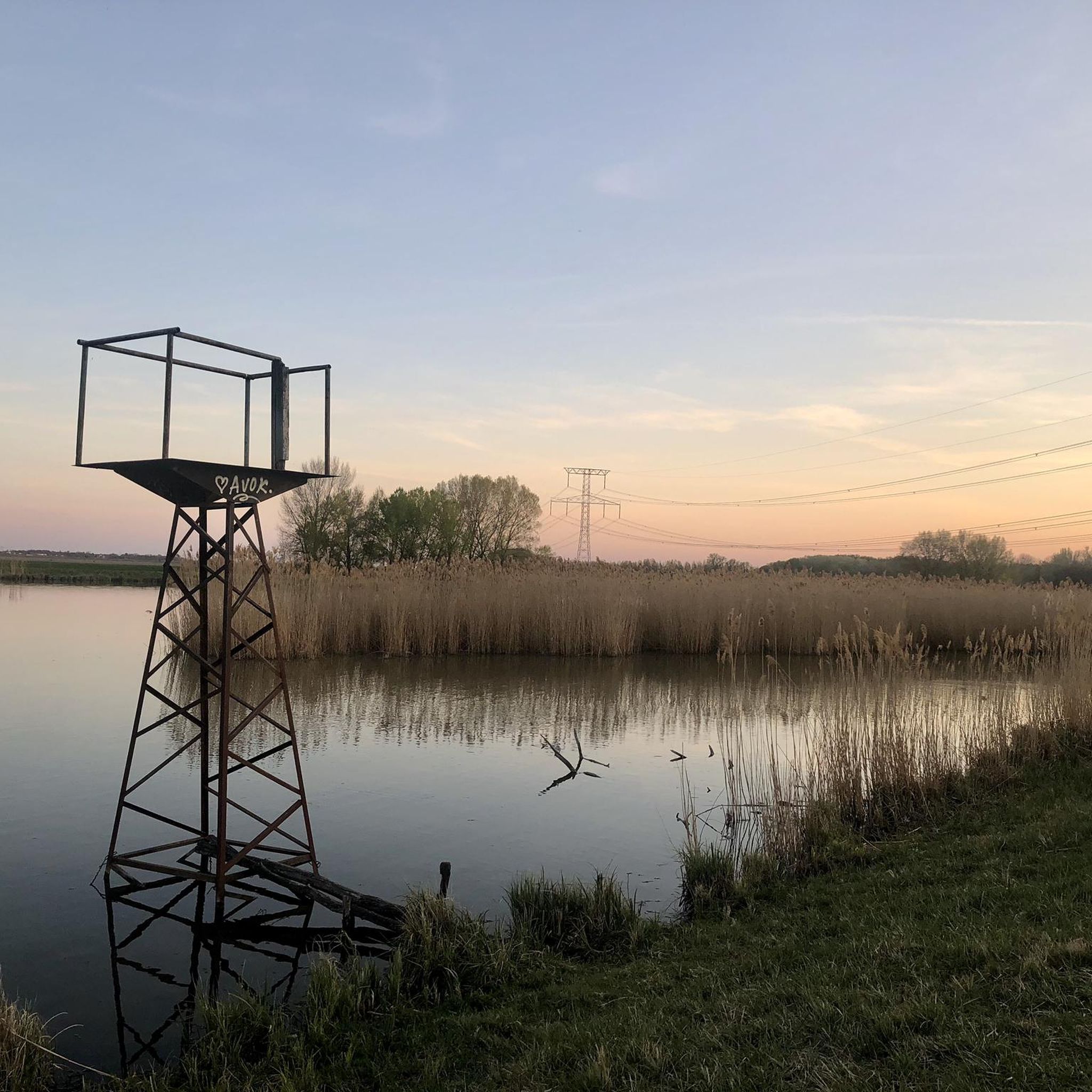
Spanning 258 meters across the Nepean River, the Yandhai Nepean Crossing is the single span footbridge in Australia.
0
0

It's a fantastic, dedicated path that goes all the way to Penrith. Just a friendly piece of advice: it's completely exposed to the elements. This is awesome on a crisp winter day, but if you're riding in the summer, you'll definitely want to put on plenty of sunscreen. It'll make your ride much more enjoyable. Happy cycling!
0
0
The fertile floodplains of the Hawkesbury river and its tributaries are home to Australia’s largest turf industry, comprising one-quarter of national production.
0
0


A short video of this skatepark. https://youtube.com/shorts/L164xwgp9fU?si=64TBhylr1_UY4tHu
0
0

A great location to visit on a longer route coming from Windsor
0
0
You can see these horses along the Parklands Trail
0
0
A nice park to stop for a quick break on the banks of the Hawkesbury river
1
0
Frequently Asked Questions
How many touring cycling routes are available in Castlereagh Nature Reserve?
There are over a dozen touring cycling routes available in and around Castlereagh Nature Reserve, offering a variety of experiences for different skill levels. komoot lists 15 routes in total for the area.
What is the overall difficulty level for touring cycling in Castlereagh Nature Reserve?
The terrain in Castlereagh Nature Reserve is predominantly flat, with an elevation of 30 to 40 meters above sea level, making for generally manageable cycling conditions. While there are 2 easy routes and 9 moderate routes, you can also find 4 difficult routes for a more challenging experience.
Are there any challenging touring cycling routes in Castlereagh Nature Reserve?
Yes, for those seeking a challenge, there are 4 difficult touring cycling routes. One such option is the Hawkesbury River Bridge – Sackville Ferry loop from Windsor, which covers 94.5 km with significant elevation changes.
Can I find circular touring cycling routes in the Castlereagh Nature Reserve area?
Many of the touring cycling routes in the vicinity of Castlereagh Nature Reserve are designed as loops, allowing you to start and end at the same point. An example is the M7 Cycleway Pedestrian Bridge – Prospect Canal Shared Path loop from St Marys, which is a moderate 57.5 km ride.
What kind of natural features and wildlife can I expect to see while cycling in Castlereagh Nature Reserve?
Castlereagh Nature Reserve is known for its significant ecological value, protecting remnants of the Cumberland Plain Woodland. You'll cycle through open forests dominated by broad-leaved ironbark and scribbly gum, experiencing a distinct Australian bushland. The reserve is home to diverse wildlife, including eastern grey kangaroos, various bird species, and even endangered plants like the nodding geebung shrub. Keep an eye out for sugar gliders and brush-tailed possums, especially during dawn or dusk.
Is Castlereagh Nature Reserve suitable for family-friendly touring cycling?
While specific family-friendly routes are not explicitly detailed, the reserve's predominantly flat terrain and the presence of easy and moderate routes suggest it can be suitable for families. Look for routes with lower difficulty grades and shorter distances for a more relaxed family outing. The natural environment also offers opportunities for picnics and nature observation.
What is the best time of year to go touring cycling in Castlereagh Nature Reserve?
The best time to visit Castlereagh Nature Reserve for touring cycling is generally during the cooler, drier months of autumn (March-May) and spring (September-November). This avoids the intense heat of summer and the potential for broad, shallow depressions to form temporary lakes after heavy rainfall, which can affect trail conditions.
Are dogs allowed on the touring cycling routes in Castlereagh Nature Reserve?
As a nature reserve managed by the NSW National Parks & Wildlife Service, it is generally the case that dogs are not permitted on trails to protect native wildlife and habitats. It's always best to check the official NSW National Parks website for the most current regulations regarding pets in the reserve.
What do other touring cyclists say about their experience in Castlereagh Nature Reserve?
The touring cycling routes in Castlereagh Nature Reserve are highly rated by the komoot community, with an average score of 4.7 stars from numerous reviews. Cyclists often praise the unique Australian bushland experience, the variety of trails, and the generally manageable conditions provided by the flat terrain.
Are there any facilities like cafes or accommodation near Castlereagh Nature Reserve for cyclists?
While Castlereagh Nature Reserve itself has limited facilities beyond fire trails, its location in the western suburbs of Sydney means that nearby towns and suburbs like Penrith, Windsor, and St Marys offer a range of cafes, pubs, and accommodation options. You'll find amenities a short ride away from the reserve's boundaries.
Where can I park my car when visiting Castlereagh Nature Reserve for cycling?
Parking information specific to Castlereagh Nature Reserve cycling access points is not detailed, but generally, access to nature reserves in the region involves parking at designated entry points or along public roads bordering the reserve. It's advisable to check local signage upon arrival for permitted parking areas.
Can I reach Castlereagh Nature Reserve by public transport for cycling?
While the reserve itself is a natural area, its proximity to Sydney's western suburbs means that public transport options, such as train stations in nearby Penrith or Windsor, could provide access points. From these hubs, you might need to cycle a short distance to reach the reserve's trails. For example, the Rouse Hill Metro Station – Western Sydney Parklands loop from Windsor utilizes public transport connections.
Most popular routes in Castlereagh Nature Reserve

Get inspired with the komoot mobile app


Explore more
Browse the best Cycling routes in other regions.
