Attractions and Places To See around Rovinj - Top 20
Attractions and places to see around Rovinj include a diverse range of historical sites, natural landscapes, and cultural experiences on the Istrian peninsula in Croatia. The town's Old Town, a cultural monument, features narrow, winding streets leading to iconic landmarks. Rovinj is surrounded by protected natural areas, including an archipelago of 22 islands and islets, and expansive forest parks. This blend offers visitors opportunities to explore ancient architecture, scenic coastal paths, and unique natural reserves.
Best attractions and places to see around Rovinj
- The most popular attractions is View of Rovinj’s Old Town and harbor, a viewpoint that offers a beautiful perspective of the historic fishing village. The 8th-century Cathedral of St. Euphemia, remodeled in 1736, sits at the top of the town and dominates the skyline.
- Another must-see spot is Coastal Path South of Rovinj, a trail that provides beautiful views of the sea. This path is suitable for cycling and walking, allowing visitors to enjoy the coastal scenery.
- Visitors also love Church of St. Euphemia, a religious building and historical site. Its 61-meter bell tower offers panoramic views of Rovinj and the Adriatic Sea.
- Rovinj is known for its historical sites, natural parks, and scenic coastal trails. Visitors can explore ancient architecture, enjoy diverse natural landscapes, and discover cultural institutions.
- The attractions around Rovinj are appreciated by the komoot community, with more than 1800 upvotes and over 600 photos shared by visitors.
Last updated: May 20, 2026
Rovinj
Highlight • Settlement
For more information, please visit the following page:
de.wikipedia.org/wiki/Rovinj
Translated by Google •
Tip by

Coastal Path South of Rovinj
Highlight • Trail
Translated by Google •
Tip by

Sign up now to discover places like this
Get recommendations on the best single tracks, peaks, & plenty of other exciting outdoor places.
Sign up for free
Rovinj Harbour
Highlight • Viewpoint
Also in the evening hours when the sky changes color, fantastic.
Translated by Google •
Tip by

Church of St. Euphemia
Highlight • Religious Site
Translated by Google •
Tip by

View of Rovinj’s Old Town and harbor
Highlight • Viewpoint
Translated by Google •
Tip by

Rovinj Harbour Panorama
Highlight • Viewpoint
Translated by Google •
Tip by

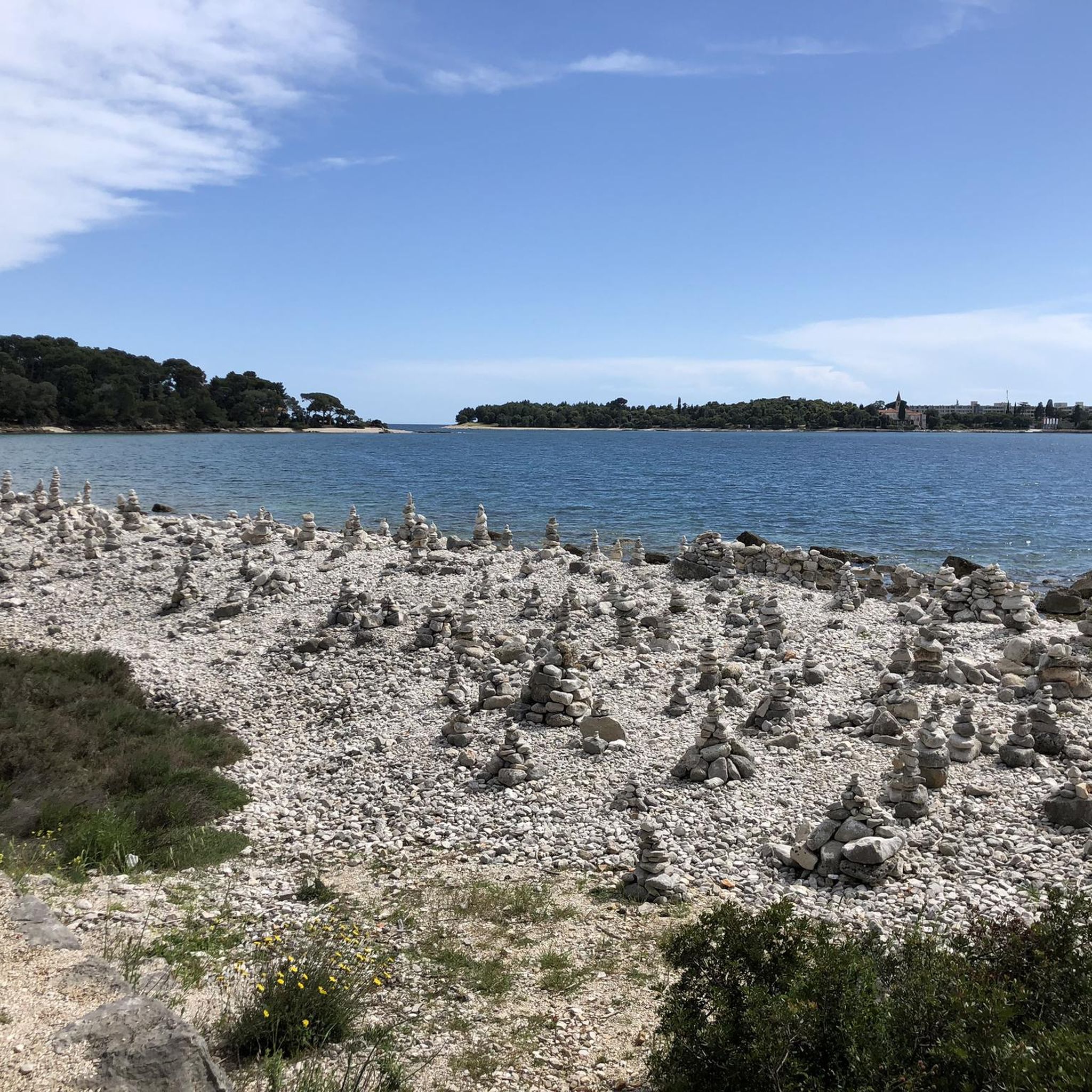
Stone Cairns on the Beach
Highlight • Structure
Translated by Google •
Tip by

Grisia Street – Artists' Lane
Highlight • Historical Site
Translated by Google •
Tip by

Seaside Trail With View of the Adriatic Sea
Highlight • Trail
The old town, whose houses are densely packed along the water, is located on a promontory. Narrow streets lead to the hilltop Church of St. Euphemia, whose tall spire dominates the townscape and is a popular photo subject.
South of the old town is Lone Bay, one of the region's numerous pebble beaches. Directly off the mainland lie the 14 islands of the Rovinj archipelago.
Translated by Google •
Tip by

Church of St. Thomas the Apostle on the Former Railway to Rovinj
Highlight • Religious Site
Translated by Google •
Tip by

Sign up for free to discover even more attractions around Rovinj.
Sign up for free
Already have an account?
Start today with a free account
Your next adventure awaits.
Login or Signup

Other adventures around Rovinj

Tips from the Community

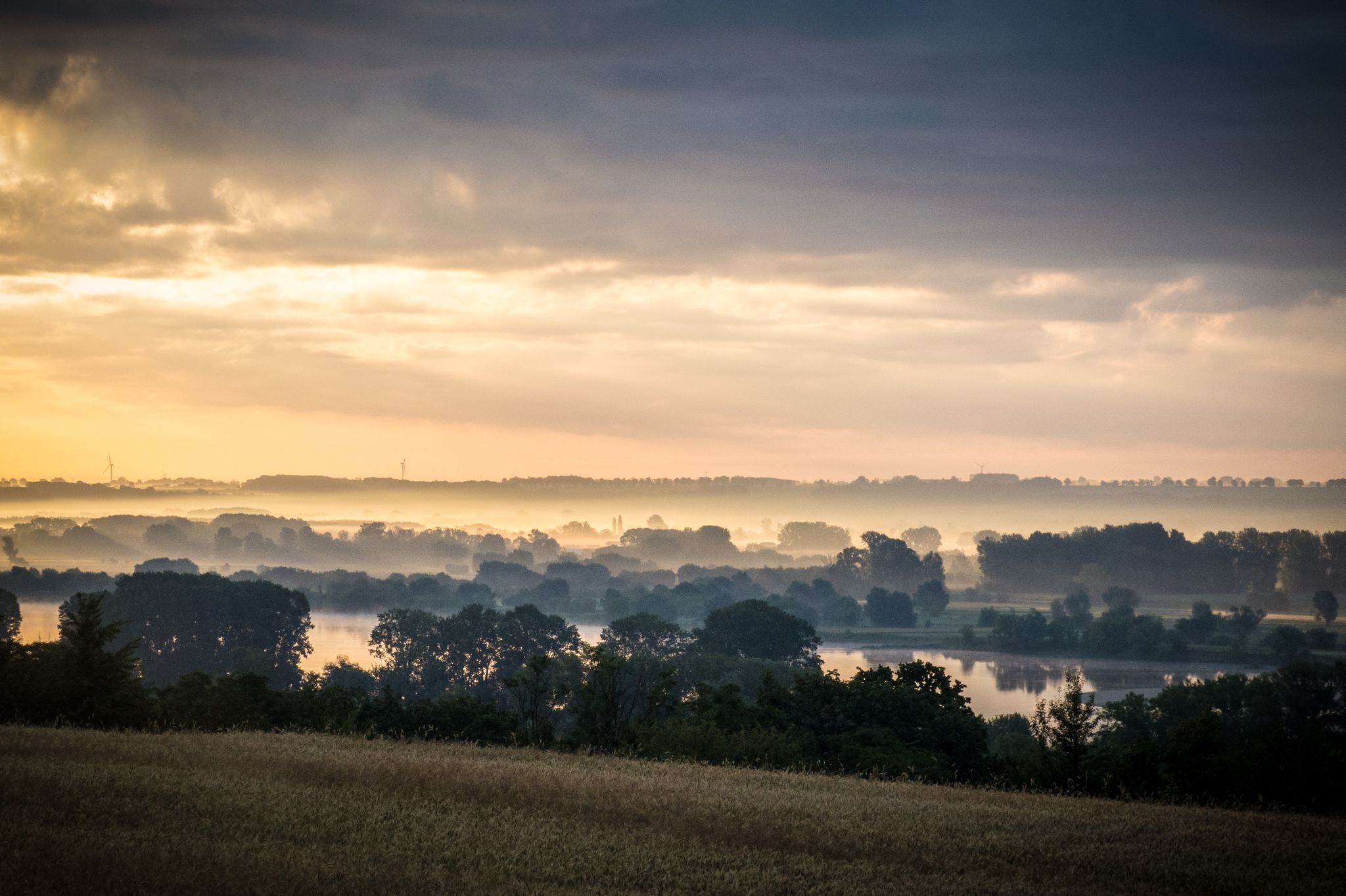
A panorama of Rovinj's harbor offers a picturesque view of the Old Town, the harbor with its fishing boats, and the Adriatic Sea, with the Church of St. Euphemia as the dominant landmark. A dominant view of the Old Town can also be enjoyed from the piers.
7
0
Grisia Street is a beautiful, stone-paved, stepped street that leads up to the plateau of the Parish Church of St. Euphemia. It is one of the landmarks of old Rovinj. An ancient alley lined with small studios selling paintings, local jewelry, ceramics, and souvenirs, it is a symbol of the town of Rovinj.
4
0

Ruins of the ancient church of St. Thomas the Apostle, which archaeological investigations on the original nucleus date back to the Carolingian era, around the 8th century AD.
0
0
The Church of St. Thomas is located 4 km north of Rovinj, along the old Rovinj-Kanfanar railway. It is a cruciform-shaped building, to which a bell tower was later added on the north side. The church's central apse is 6 meters high and semicircular, while its exterior is polygonal. The transept has two smaller, semicircular lateral apses. On the north side of the church, we still find the original floor, covered with stone slabs, the base of the altar parapet, and the recesses on which the pillars rested. Looking up into the central space, we can still see the remains of the load-bearing arches that supported the structure, which rose above the roof. In the 16th century, the church was radically renovated, altering its original form. Side arches were added, creating a single nave. The western side was visibly narrowed, and the new façade was equipped with two rectangular windows. Recent research has uncovered numerous architectural artifacts dating back to the pre-Romanesque period and remains of furnishings—fragments of transennae, the pluteus, pillars from the altar parapet, columns with capitals, etc. Based on the data we have, which are based on the architectural analysis of the church and the artifacts discovered during the research, we can establish that the building was constructed between the late 8th and early 9th centuries. The Church of St. Thomas is a fine example of sacred architecture from the Carolingian period in Istria.
0
0
incredibly beautiful seafront path, very popular with pedestrians but the beauty of the place forces you to slow down regardless
0
0
Beautiful seaside path always shaded even in the height of summer
0
0

very nice cycle path mostly along the coast with great views of Rovinj
0
0

Rovinj is a port town on the west coast of the Istrian peninsula in Croatia. The old town, whose houses are densely packed along the water, is located on a promontory. Narrow streets lead to the hilltop Church of St. Euphemia, whose tall spire dominates the townscape and is a popular photo subject. South of the old town is Lone Bay, one of the region's numerous pebble beaches. Directly off the mainland lie the 14 islands of the Rovinj archipelago.
2
1
Frequently Asked Questions
What kind of outdoor activities can I enjoy around Rovinj?
Rovinj offers a variety of outdoor activities. You can explore the Coastal Path South of Rovinj, which is great for cycling and walking with beautiful sea views. The Golden Cape Forest Park (Zlatni Rt / Punta Corrente) is ideal for walking, cycling, swimming, and even rock climbing. For more structured routes, komoot offers several gravel biking, road cycling, and running trails around the region.
Are there any family-friendly attractions in Rovinj?
Yes, many attractions in Rovinj are family-friendly. The Coastal Path South of Rovinj and the Golden Cape Forest Park are excellent for families to walk, cycle, and swim. Cuvi Beach is also a popular family spot with facilities. The Old Town itself, with its charming streets and views, is enjoyable for all ages.
Where can I find historical sites in Rovinj?
Rovinj's Old Town is a cultural monument filled with history. The most prominent historical site is the Church of St. Euphemia, a Baroque church with a bell tower offering panoramic views. Other notable historical sites include Balbi's Arch, the Rovinj Town Clock, and the remains of the town walls and gates. The Batana House Eco Museum and the Rovinj Heritage Museum also preserve the town's rich past.
What natural areas are worth visiting near Rovinj?
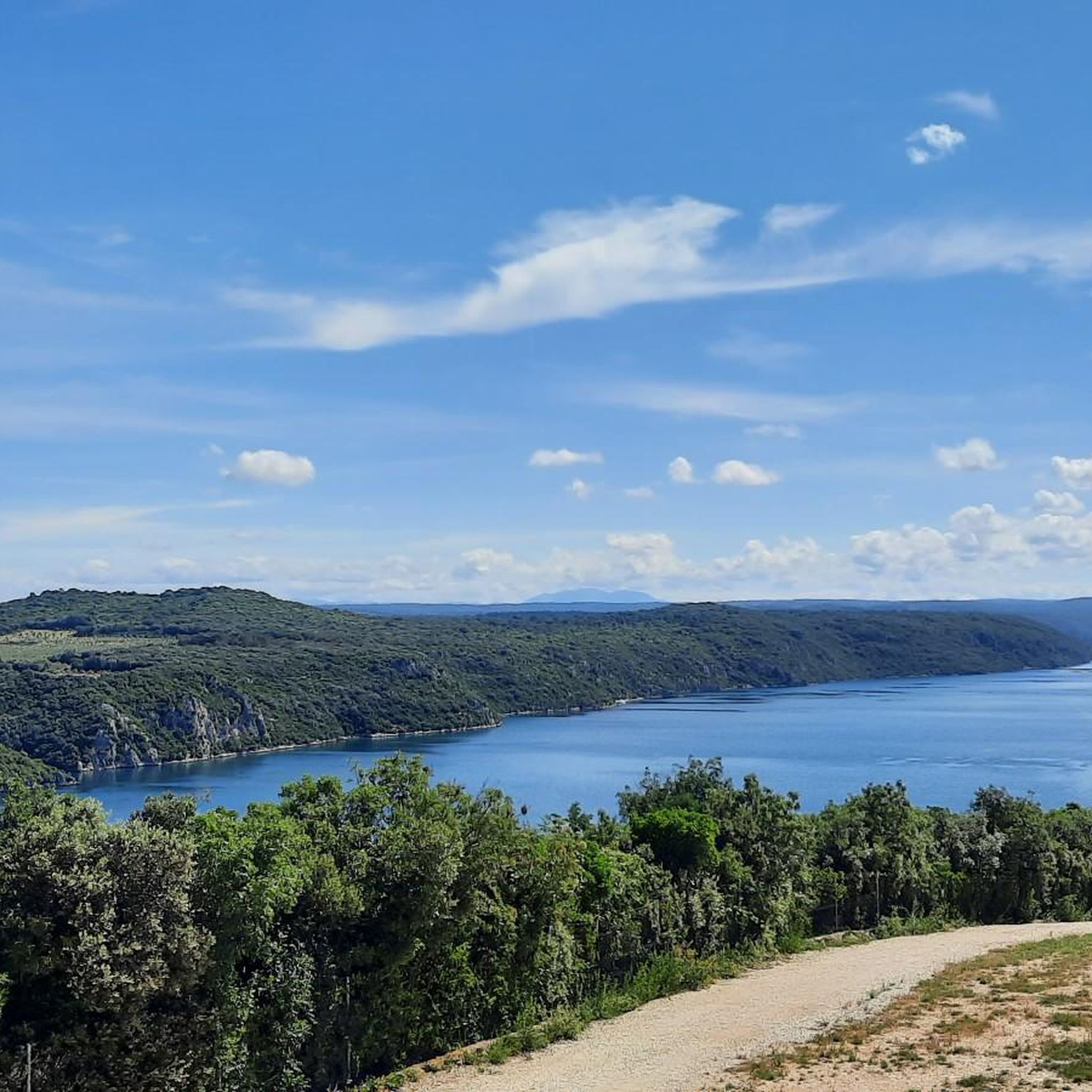
Rovinj is surrounded by stunning natural beauty. The Golden Cape Forest Park (Zlatni Rt / Punta Corrente) is a protected area perfect for nature lovers, featuring diverse plant species and rocky beaches. The Rovinj Archipelago, consisting of 22 islands and islets like St. Catherine's Island and St. Andrew's Island, offers beautiful landscapes. Lim Bay, often called the 'Croatian fjord,' is another impressive natural formation with steep cliffs and rich flora and fauna.
Are there good cycling routes around Rovinj?
Absolutely! Rovinj is a great destination for cycling. The Coastal Path South of Rovinj is a popular choice for scenic rides. The Golden Cape Forest Park also has paths suitable for cycling. For more extensive rides, you can explore various gravel biking and road cycling routes that start from Rovinj and explore the wider Istrian peninsula.
What are some popular walking paths in Rovinj?
The Old Town itself is a wonderful place for walking, with its narrow, winding streets leading up to the Church of St. Euphemia. The Coastal Path South of Rovinj and the Seaside Trail With View of the Adriatic Sea offer picturesque walks along the coast. The Golden Cape Forest Park provides extensive walking trails amidst lush greenery and beautiful sea views.
Can I find beaches suitable for swimming near Rovinj?
Yes, Rovinj boasts many beautiful beaches. Lone Bay, easily accessible from the Old Town, offers clear, calm turquoise waters. Cuvi Beach is another popular spot with good facilities. The Golden Cape Forest Park also features rocky beaches and coves perfect for swimming and sunbathing. The islands of the Rovinj Archipelago, such as St. Catherine's Island, also have lovely swimming spots.
What is the best time of year to visit Rovinj's attractions?
The best time to visit Rovinj's attractions is generally during the spring (April to June) and early autumn (September to October). During these periods, the weather is pleasant for exploring, crowds are smaller than in peak summer, and the natural landscapes are vibrant. Summer (July and August) is also popular, especially for beach activities, but it can be very warm and crowded.
Are there any unique cultural experiences in Rovinj?
Rovinj offers several unique cultural experiences. The Grisia Street – Artists' Lane is famous for its art galleries and studios, hosting an annual open-air art exhibition. The Batana House Eco Museum celebrates Rovinj's maritime heritage and traditional fishing boats. You can also visit the Rovinj Heritage Museum to delve deeper into the town's history and cultural development.
What are some notable viewpoints in Rovinj?
For breathtaking vistas, head to the View of Rovinj’s Old Town and harbor, which provides an iconic perspective of the historic village and the Church of St. Euphemia. Climbing the bell tower of the Church of St. Euphemia itself offers panoramic views of Rovinj and the Adriatic Sea. The Golden Cape Southwest Area also provides excellent viewpoints, including an ascent of Montauro for coastal and town views.
Is it possible to explore the Rovinj archipelago?
Yes, exploring the Rovinj Archipelago is a popular activity. The archipelago consists of 22 islands and islets, many of which are protected landscape areas. St. Catherine's Island and St. Andrew's Island (Red Island) are popular choices for short boat trips, offering beautiful gardens, parks, and serene spots for relaxation and swimming.
What do visitors particularly enjoy about Rovinj's attractions?
Visitors frequently praise the stunning views, especially from the View of Rovinj’s Old Town and harbor and the bell tower of the Church of St. Euphemia. The scenic coastal paths, like the Coastal Path South of Rovinj, are highly appreciated for their beauty and cycling opportunities. Many also enjoy the charm of the Old Town and the natural beauty of areas like the Golden Cape Forest Park.
Are there any protected natural reserves near Rovinj?
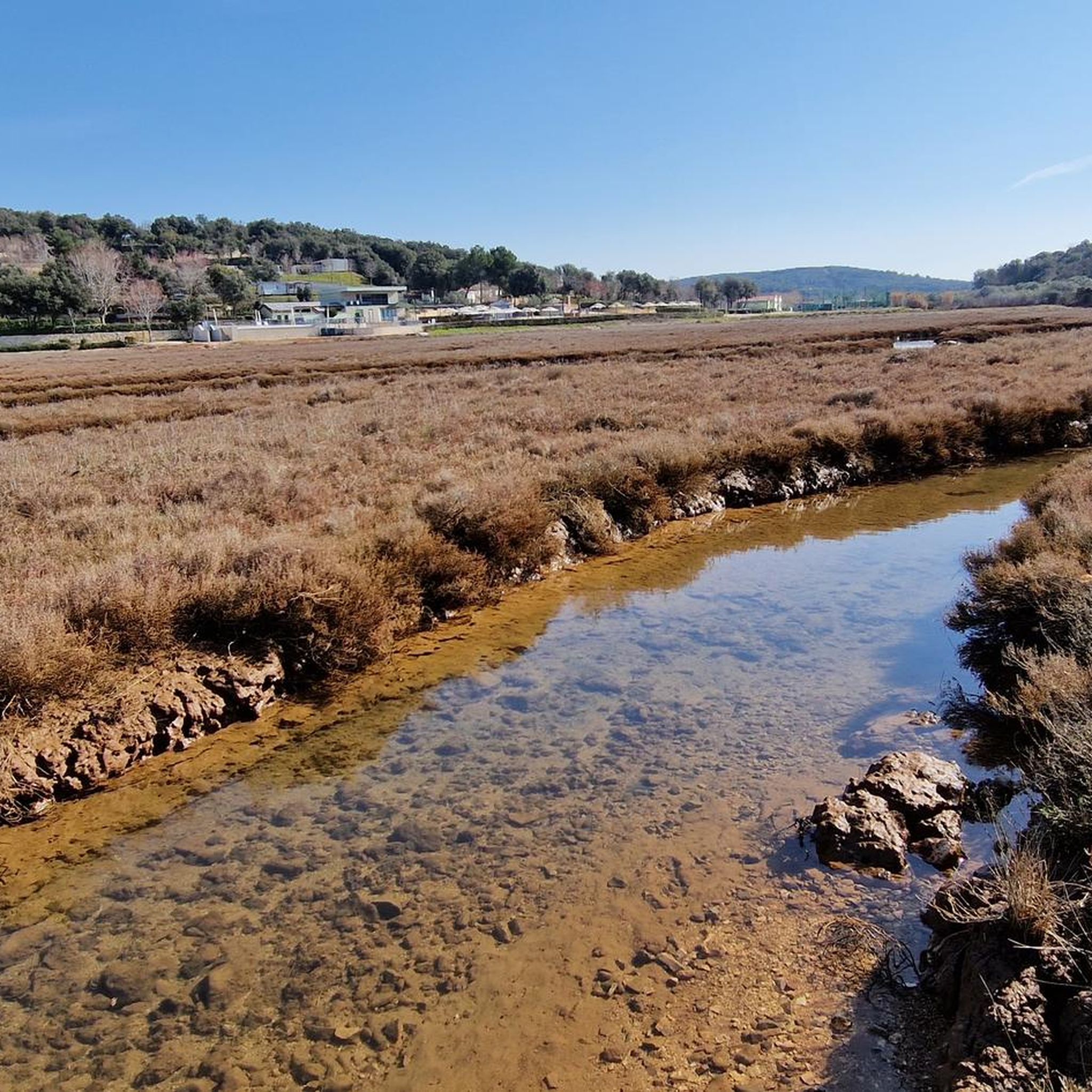
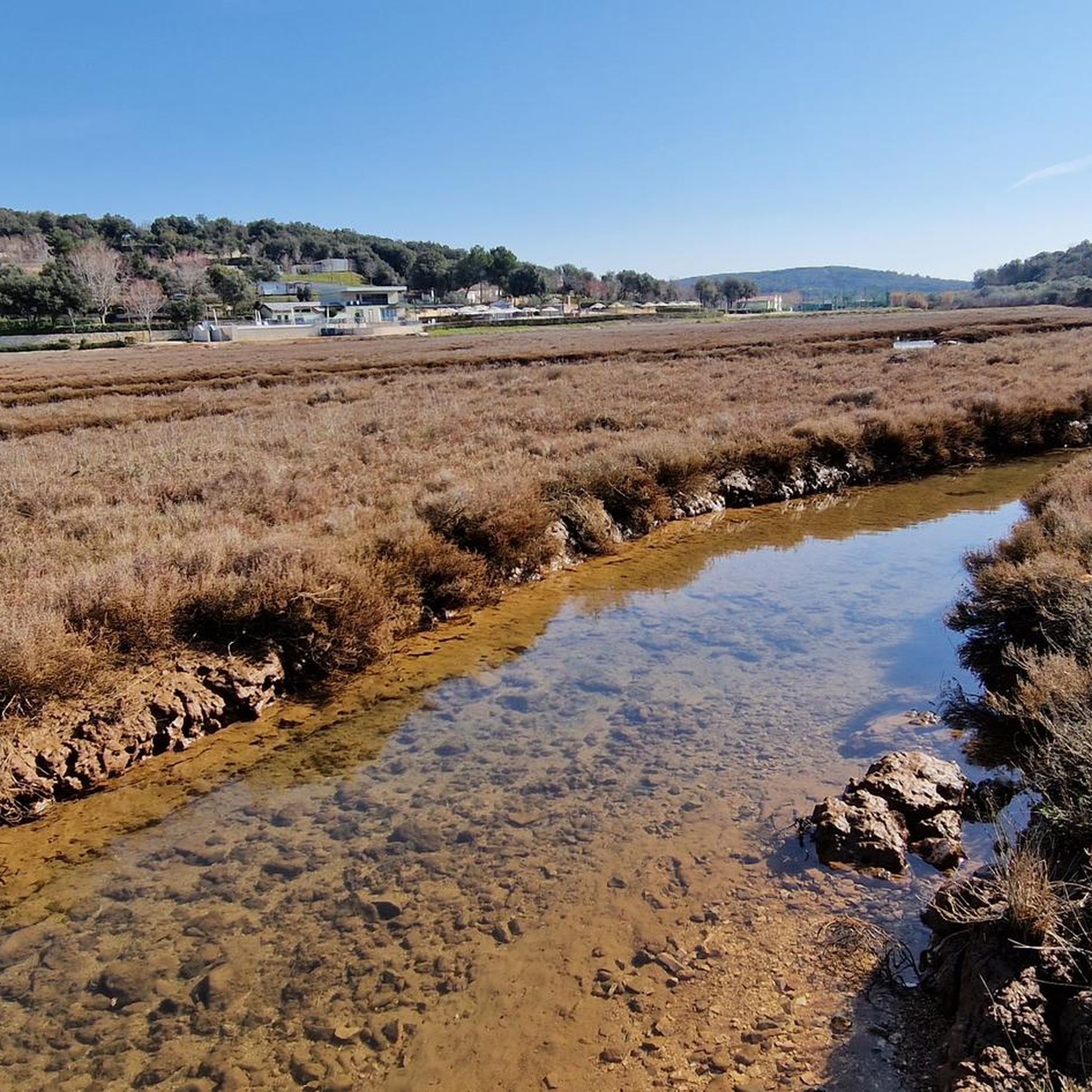
Yes, Rovinj is home to several protected natural reserves. The Golden Cape Forest Park (Zlatni Rt / Punta Corrente) was the first protected nature park in Istria. The Rovinj Archipelago, with its 22 islands and islets, is designated as a special landscape protection area. Additionally, the Palud Swamp, located about 8 km southwest of Rovinj, is Istria's only special ornithological reserve, providing a refuge for over 200 bird species.
Most popular routes around Rovinj
Most popular attractions around Rovinj

Get inspired with the komoot mobile app


Didn’t find what you were looking for?
Are you keen on exploring more awesome places nearby? Browse our guides:
Explore more
Still not found the Highlight you’re looking for? See guides of the top attractions in other regions:
