The best road cycling routes around Općina Žminj
4.6
(198)
4,301
riders
32
rides
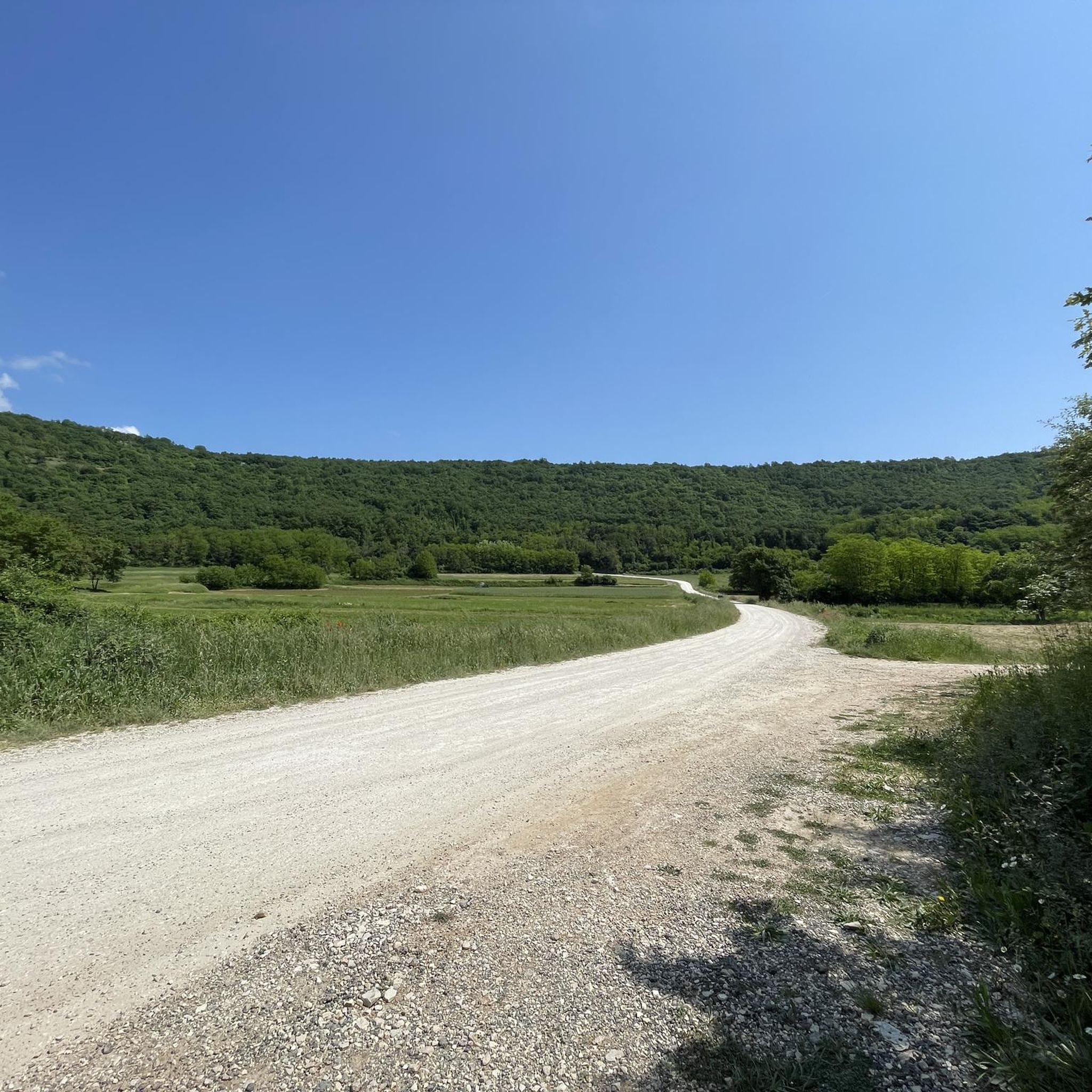
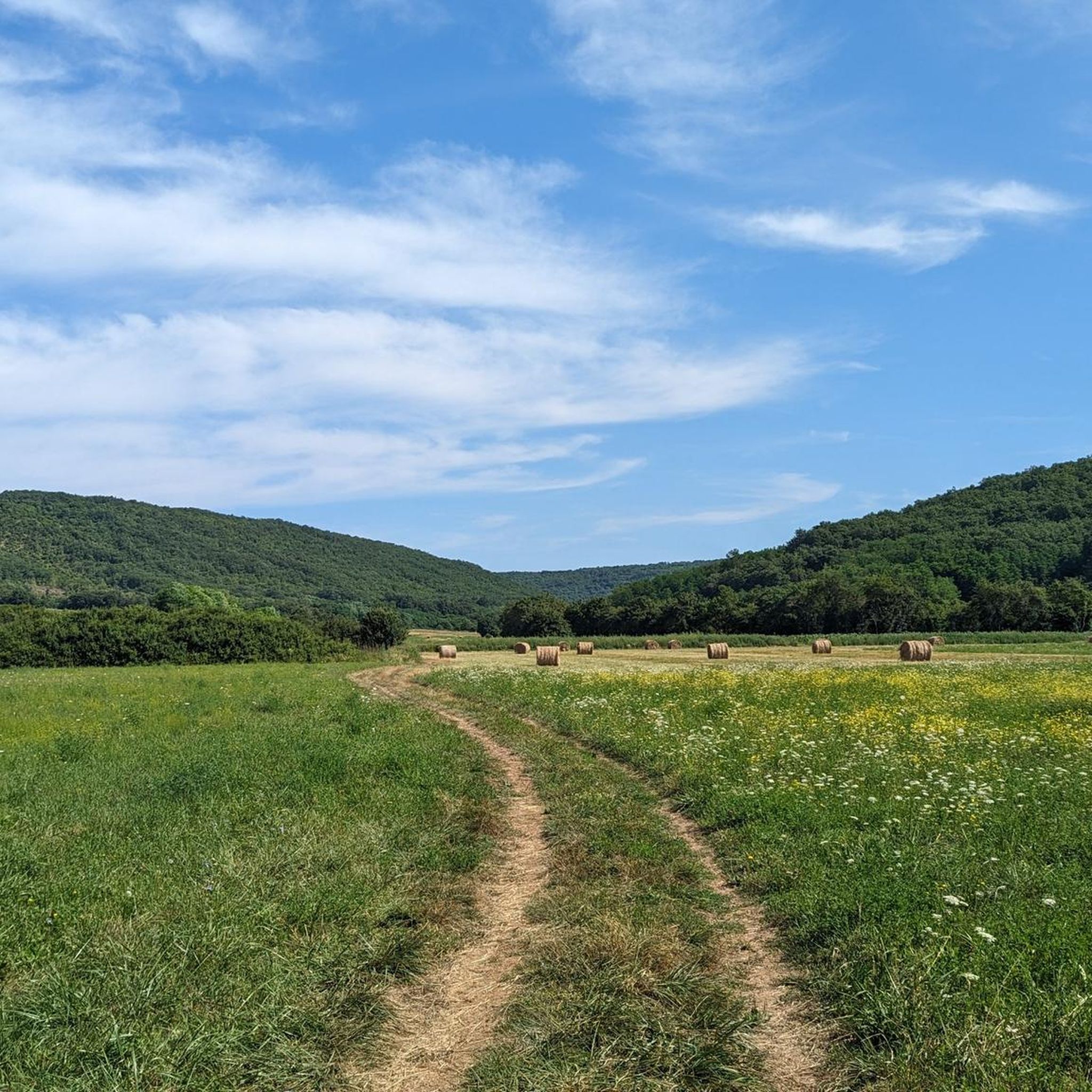
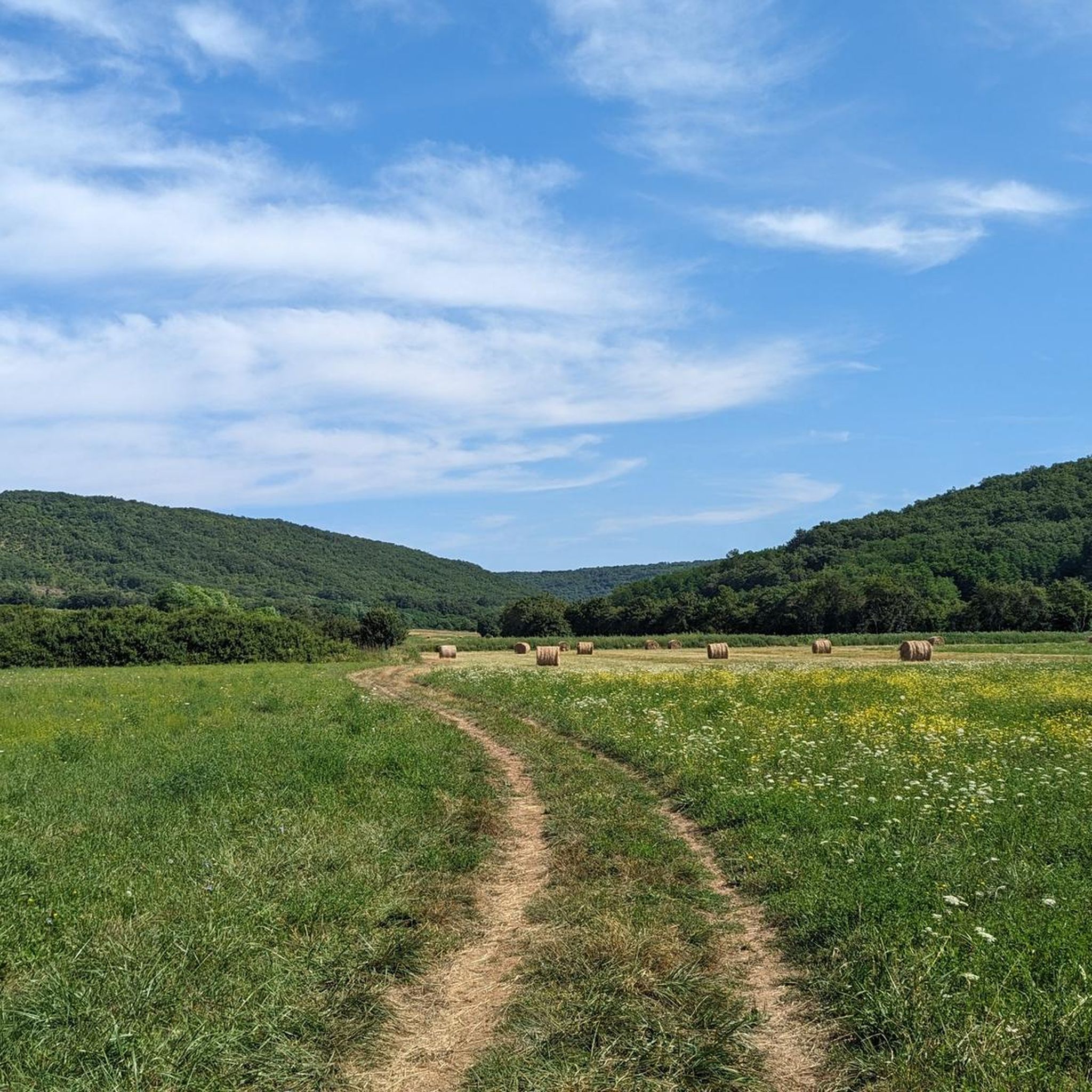
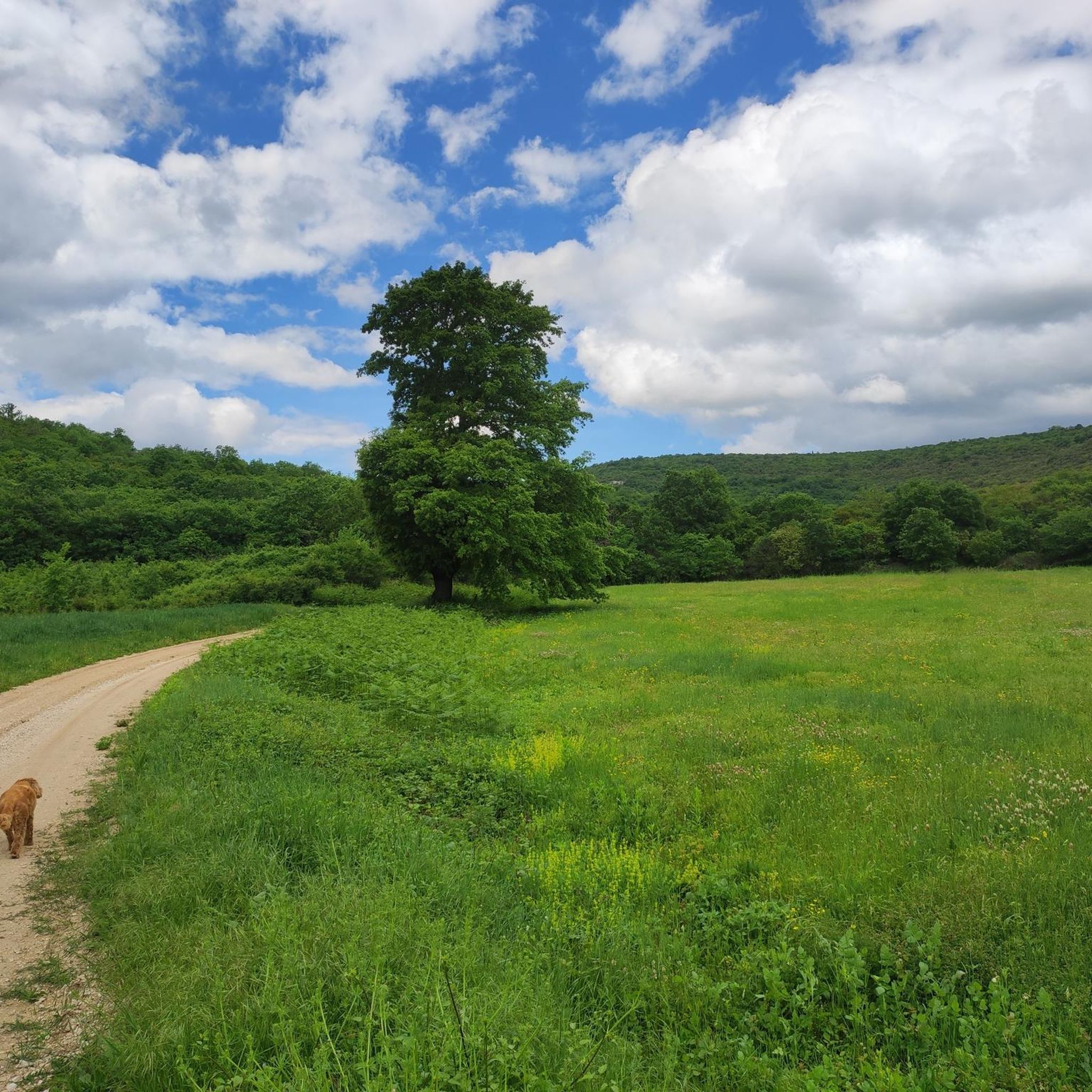
Road cycling routes around Općina Žminj traverse a landscape characterized by rolling hills, lush vineyards, and charming villages in the heart of Istria, Croatia. The region offers diverse terrain, with roads winding through olive groves and past ancient ruins. Maintained trails feature elevation changes, providing panoramic views of the Istrian countryside. This area is well-suited for road cyclists seeking varied routes.
Best road cycling routes around Općina Žminj
- The most popular road cycling route is Rovinj Old Town and Harbor…
Last updated: August 28, 2026
4.6
(5)
135
riders
Moderate road ride. Good fitness required. Mostly well-paved surfaces and easy to ride.
5.0
(1)
34
riders
104km
05:17
1,690m
1,690m
Hard road ride. Very good fitness required. Mostly well-paved surfaces and easy to ride.

Sign up for free
5.0
(3)
25
riders
50.2km
02:17
480m
480m
Moderate road ride. Good fitness required. Some segments of this route may be unpaved and difficult to ride.
5.0
(1)
22
riders
Moderate road ride. Good fitness required. Mostly well-paved surfaces and easy to ride.
5.0
(1)
27
riders
75.1km
03:37
1,020m
1,020m
Hard road ride. Very good fitness required. Mostly well-paved surfaces and easy to ride.
4.3
(4)
22
riders
Moderate road ride. Good fitness required. Mostly well-paved surfaces and easy to ride.
4.3
(3)
24
riders
72.9km
03:09
560m
560m
Moderate road ride. Good fitness required. Some segments of this route may be unpaved and difficult to ride.
5.0
(1)
15
riders
43.2km
01:57
400m
400m
Moderate road ride. Good fitness required. Mostly well-paved surfaces and easy to ride.
5.0
(1)
14
riders
33.6km
01:29
280m
280m
Easy road ride. Great for any fitness level. Mostly well-paved surfaces and easy to ride.
14
riders
116km
05:42
1,680m
1,680m
Hard road ride. Very good fitness required. Some segments of this route may be unpaved and difficult to ride.
Get access to more routes and recommendations from other explorers.
Sign up for free
Already have an account?
Our route recommendations are based on thousands of hikes, rides, and runs completed by other people on komoot.
Start today with a free account
Your next adventure awaits.
Login or Signup
Tips from the Community

Grandiose descent with not too much traffic.
0
0
The ascent is about 4 kilometers long and you repeatedly have a great view into the valley.
0
0
There are always some small shops in the center.
0
0

Pizzeria Grimani next to the church two long-established businesses and with a connection all the way to the top
0
0

The Church of St. Michael in Žminj was built in the 16th century and has been one of the most important religious buildings in the area ever since. It boasts exquisite craftsmanship, with colored stones sourced from a mine in nearby Gradišće.
0
0

The Church of the Annunciation of Mary (Navještenja Marijina) stands on the eastern side of the square. Dating back to the 16th century, it has a trefoil Renaissance façade constructed from local stone. The interior of the church contains five marble altars and as many altarpieces attributed to the Venetian school of painting. On the main altar, whose construction was financed by the Grimani family, is a painting of the Annunciation by Giuseppe Porta-Salvati. The same altar is adorned with an image of the Madonna with angels, Saint Sebastian, and Saint Roch, by Palma the Younger. The church preserves the relics of Saint Victoria, which were brought to Svetvinčenat from Rome in the 17th century.
0
0
The Morosini-Grimani Castle is the symbol of Svetvinčenat (Sanvincenti) and one of the best-preserved Renaissance fortresses in Istria. Its origins date back to the 13th century, when the De Castro Pola family built their first fortified residence there. Passed to the Morosini family in the 15th century, it was transformed into a true fortress and, after a devastating fire in 1586, rebuilt in Renaissance style by the Grimani family with the help of Venetian architects. The quadrangular structure with three towers and an elegant noble palace combined defensive, administrative, and economic functions: grain storage, armory, and the captain's residence. Topped by the Grimani coat of arms, which later became the emblem of the city, the castle endured centuries of wars, fires, and dominations, until it was once again destroyed in the Second World War. Today, after careful restoration, the castle has come back to life: it hosts exhibitions, events, and multimedia tours that allow visitors to discover the history of Svetvinčenat and one of the most fascinating Istrian fortresses.
0
0
A village that for centuries has been a crossroads of cultures, trade, and power. Today it appears as a quiet village surrounded by vineyards and olive groves, but its stones tell a thousand-year history. Traces of prehistoric and Roman settlements testify to the strategic importance of the place. The first official mention of Žminj dates back to 1177, when Pope Alexander III confirmed the existence of the parish of St. Michael, linking it to the diocese of Poreč. By the 13th century, the village was already fortified, and in 1368 it became part of the County of Pazin, under Austrian influence, becoming one of the most important strongholds in the Istrian hinterland. Its central location made Žminj a point of contact—and often of conflict—between the Republic of Venice and the Habsburg Empire. Between the 15th and 17th centuries, the village experienced sieges, wars, and destruction, but also phases of reconstruction that shaped its urban layout. Of the ancient defenses, a circular tower, sections of walls, and the medieval layout that surrounded the town remain today. The Church of St. Michael the Archangel, rebuilt in 1625, still dominates the historic center and preserves an artistic heritage that combines Gothic, Renaissance, and Baroque styles. Around the village are numerous country churches with medieval frescoes, such as the Holy Trinity, the Holy Cross, and the Church of St. Anthony the Abbot, true treasure troves of Istrian sacred art. After centuries of various rulers—from the bishops of Poreč to the feudal lords of Pazin, from the Habsburgs to the Republic of Venice, up to the Italian and Yugoslav periods—Žminj has retained its identity as an authentic Istrian village. Today, it is a center that celebrates its roots with events such as Bartulja, the great late-August festival dedicated to St. Bartholomew, which attracts visitors from all over the peninsula. Strolling through Žminj means experiencing a history spanning the Middle Ages, border wars, and popular devotion. Every stone, from the walls to the frescoed churches, speaks of the crucial role this village has played in shaping Istria. A place where time seems to have stood still, and where tradition coexists with the daily lives of its inhabitants.
0
0
Frequently Asked Questions
How many road cycling routes are available in Općina Žminj?
Općina Žminj offers a wide selection of road cycling routes, with over 30 tours available on komoot. These routes cater to various skill levels, from easy rides to challenging ascents through the Istrian countryside.
Are there easy road cycling routes suitable for beginners or families in Općina Žminj?
Yes, Općina Žminj has 8 easy road cycling routes, perfect for beginners or families looking for a more relaxed ride. These routes often pass through picturesque villages and offer a gentle introduction to the region's beauty. One example is the Svetvinčenat Town Center – Svetvinčenat Castle loop from Žminj, which is 34 km long and takes about 1 hour 30 minutes.
What are some challenging road cycling routes for experienced riders?
For experienced road cyclists seeking a challenge, Općina Žminj offers 5 difficult routes with significant climbs and expansive views. A notable option is the View of Motovun – View of Motovun loop from Žminj, a 104.2 km path that provides extensive views of the Istrian interior. Another demanding route is the Church of St. Michael, Žminj – View of Labin Old Town loop from Žminj, covering 75.1 km with over 1000 meters of elevation gain.
What kind of scenery can I expect on road cycling routes in Općina Žminj?
Road cycling in Općina Žminj offers a captivating mix of landscapes. You'll ride through rolling hills, lush vineyards, and serene olive groves. Routes often wind past charming villages, ancient ruins, and provide panoramic views of the Istrian countryside. The Žminj forest also offers shaded sections, and natural water features like Klenovica pond add to the scenic beauty.
What historical or cultural attractions can I see along the road cycling routes?
Many routes in Općina Žminj integrate cultural and historical attractions. You can cycle past the impressive Church of St. Michael, Žminj, with its 18th-century bell tower and Carniolan frescoes. The Dvigrad Castle Ruins – Scenic country road with stone walls loop from Žminj takes you past historic ruins. The region also features ancient churches like St. Fosca's Church in Laginji, and picturesque historic fountains and squares.
Are there any specific viewpoints or scenic spots along the routes?
Yes, the varied terrain of Općina Žminj often includes elevation changes that lead to breathtaking viewpoints. Routes like the View of Motovun – View of Motovun loop from Žminj offer expansive views of the Istrian interior, including the iconic town of Motovun. The Pifari Bridge is also described as a 'wildly romantic' spot, perfect for a tranquil break amidst nature.
What is the best time of year for road cycling in Općina Žminj?
The best seasons for road cycling in Općina Žminj are spring (April-May) and autumn (September-October). During these months, temperatures are mild, and humidity is lower, providing ideal conditions for enjoyable rides through the region's beautiful landscapes.
Are there loop road cycling routes available?
Yes, many of the road cycling routes in Općina Žminj are designed as loops, allowing you to start and finish at the same point. Examples include the Rovinj Old Town and Harbor – Svetvinčenat Town Center loop from Krajcar Brijeg and the Svetvinčenat Town Center – Svetvinčenat Castle loop from Krajcar Brijeg.
What do other road cyclists enjoy most about the routes in Općina Žminj?
The road cycling experience in Općina Žminj is highly rated by the komoot community, with an average score of 4.6 stars from over 20 reviews. Cyclists often praise the diverse terrain, the picturesque landscapes of rolling hills and vineyards, and the charming villages that make each ride unique and engaging.
Are there places to eat or rest along the road cycling routes?
While specific cafes on every route are not detailed, the region's charming villages and towns, such as Žminj and Svetvinčenat, offer opportunities for rest and refreshments. Many accommodations in the region are cyclist-friendly, and you can find local eateries like Bar & Grill and Konoba Staver in the vicinity of Žminj.
Most popular routes around Općina Žminj
Most popular attractions around Općina Žminj

Get inspired with the komoot mobile app


Explore more
Browse the best Road cycling routes in other regions.
