Attractions and Places To See around Marija Bistrica - Top 8
Best attractions and places to see around Marija Bistrica include a blend of religious, cultural, and natural sites. This prominent pilgrimage destination is situated in the picturesque, gentle hills of Croatia's Hrvatsko Zagorje region. The area is characterized by its green landscapes and offers an experience rich in spiritual depth and historical significance. It is known for preserving traditional Croatian culture.
Best attractions and places to see around Marija Bistrica
- The most popular attractions is Altar of the Basilica of Our Lady of Bistrica, a religious_building that serves as the Croatian National Shrine of Our Lady of Bistrica. It is located on an elevated position in the center of Marija Bistrica and is a protected cultural asset.
- Another must-see spot is Chapel of the Blessed Virgin Mary, Vinski Vrh, a religious_building located on a hill north of Marija Bistrica. Historical documents mention a chapel on this site since at least 1622, with the current brick chapel undergoing several renovations.
- Visitors also love Lojzekova Hiža, a restaurant offering homemade Zagorje food and wines. It is located in a green setting between Marija Bistrica and Gornja Stubica, providing accommodation options.
- Marija Bistrica is known for religious buildings, historical sites, and local restaurants. The area provides a variety of attractions to see and explore, from spiritual landmarks to cultural experiences.
- The attractions around Marija Bistrica are appreciated by the komoot community, with 6 upvotes and 8 photos shared.
Last updated: October 5, 2026
Chapel of the Blessed Virgin Mary, Vinski Vrh
Highlight • Religious Site
svetiste-mbb.hr/clanak/vinski-vrh
Translated by Google •
Tip by

Bistrica Calvary
Highlight • Religious Site
Translated by Google •
Tip by

Sign up now to discover places like this
Get recommendations on the best single tracks, peaks, & plenty of other exciting outdoor places.
Altar of the Basilica of Our Lady of Bistrica
Highlight • Religious Site
Tip by

Lojzekova Hiža
Highlight • Restaurant
Located in the green idyll between Marija Bistrica and Gornja Stubica, you will easily get to "Lojzek's Haven". We are also close to the shrine "Mother of God of Bistrica", the museum of Seljačke bune, Oršić castle and other sights. We fulfill all your wishes, organize various events and celebrations, we offer homemade Zagorje food and top quality wines that you can taste in our wine cellar. You can choose accommodation in luxuriously decorated rooms, while some of the additional facilities include a visit to domestic animals, organizing various excursions, a children's playground and a football and volleyball court.
Come and for a moment replace your life with more relaxed, and replace urban and modern with rural. Relax with your health, rest in the greenery of our Zagorje hills.
Superior quality and long tradition builds our rich offer:
Viticulture-Voćarstvo-Hospitality-Tourism
Production, tasting and sales of wine
Production, tasting and sales of brandy
Congress hall for up to 50 people with all necessary accompanying amenities
The restaurant has about 150 people, working every day from 10:00 to 22:00
Accommodation in top-decorated rooms
Translated by Google •
Tip by

Sculpture Park Marija Bistrica
Highlight • Monument
Translated by Google •
Tip by
Marija Bistrica Village and Marian Shrine
Highlight • Religious Site
Tip by
Maria Bistrica Town Square
Highlight • Settlement
Translated by Google •
Tip by

Luč Zagorja Animal Shelter
Highlight • Structure
Translated by Google •
Tip by
Start today with a free account
Your next adventure awaits.
Tips from the Community

Marija Bistrica is a municipality in Croatian Zagorje, Krapina-Zagorje County. It is known for the Croatian national Marian shrine.
0
0
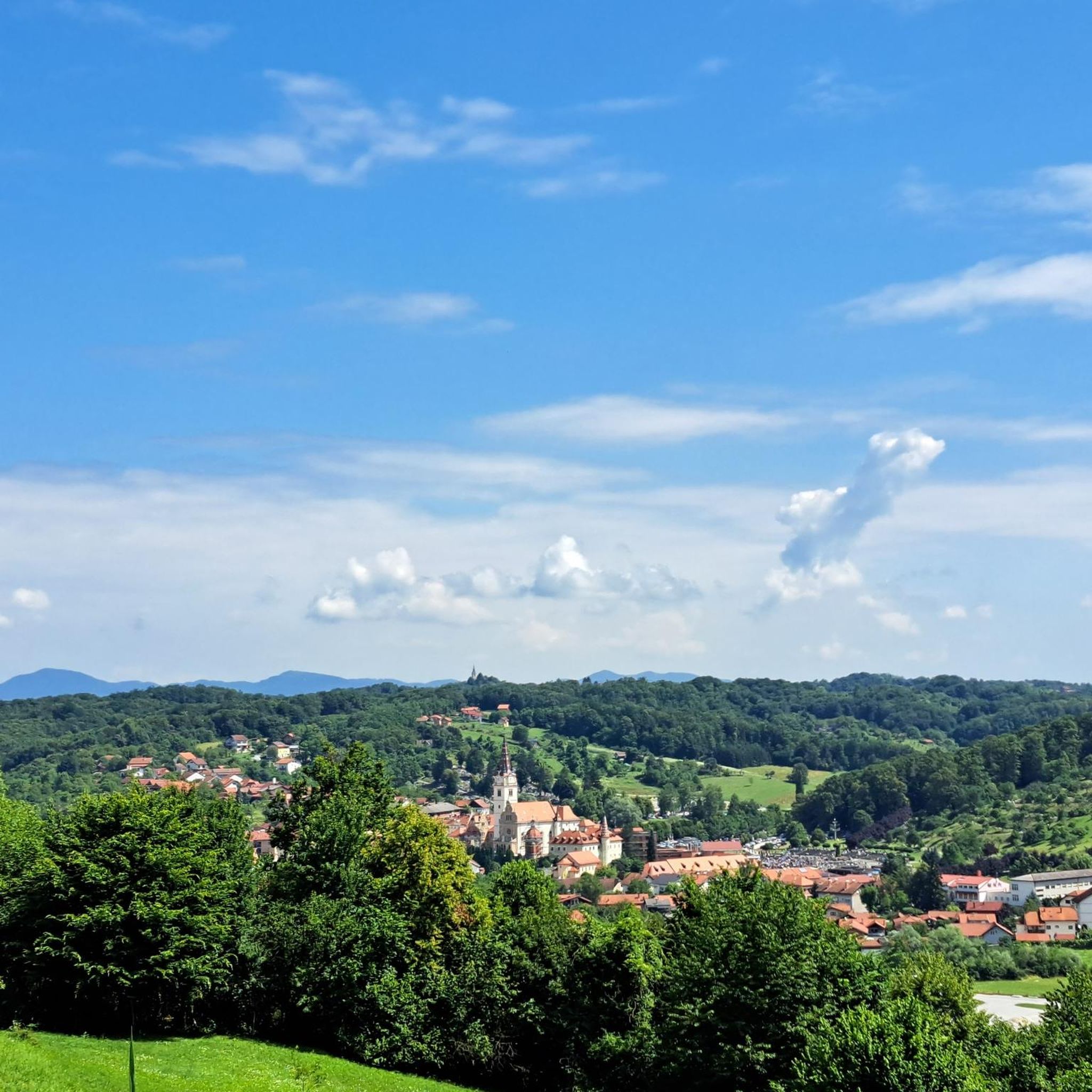
The Croatian National Shrine of Our Lady of Bistrica is a Catholic Croatian Marian shrine and one of the most visited in Croatia. The Basilica of Our Lady of Bistrica is located on an elevated position in the center of Marija Bistrica and is a protected cultural asset.
1
0


The pilgrimage from Sesvet to Marija Bistrica takes about 5 hours, it is best to start at midnight and arrive around 5 in the morning, St. Mass is at 6:00. the first part of the path is lit by lighting, for the second part an overhead light is great.
0
0

It may help you go to heaven but it is sure to benefit your body.
2
0

The sculpture park is located on the tourist road "Vinski Vrh", 500 meters from the main square in Marija Bistrica towards the chapel of the Mother of God on Vinski Vrh. The colonies were started by a group of enthusiasts in 1983. Part of the holdings was damaged in the great flood that hit Marija Bistrica on July 4, 1989. After several years of interruption, the woodcarving colony was reorganized in 2000 and since then, slowly over the years, a real gallery of top outdoor works has emerged. The sculptures are thematically focused on sacral contents or are created by the free choice of woodcarvers. The park already has over 100 sculptures.
1
0
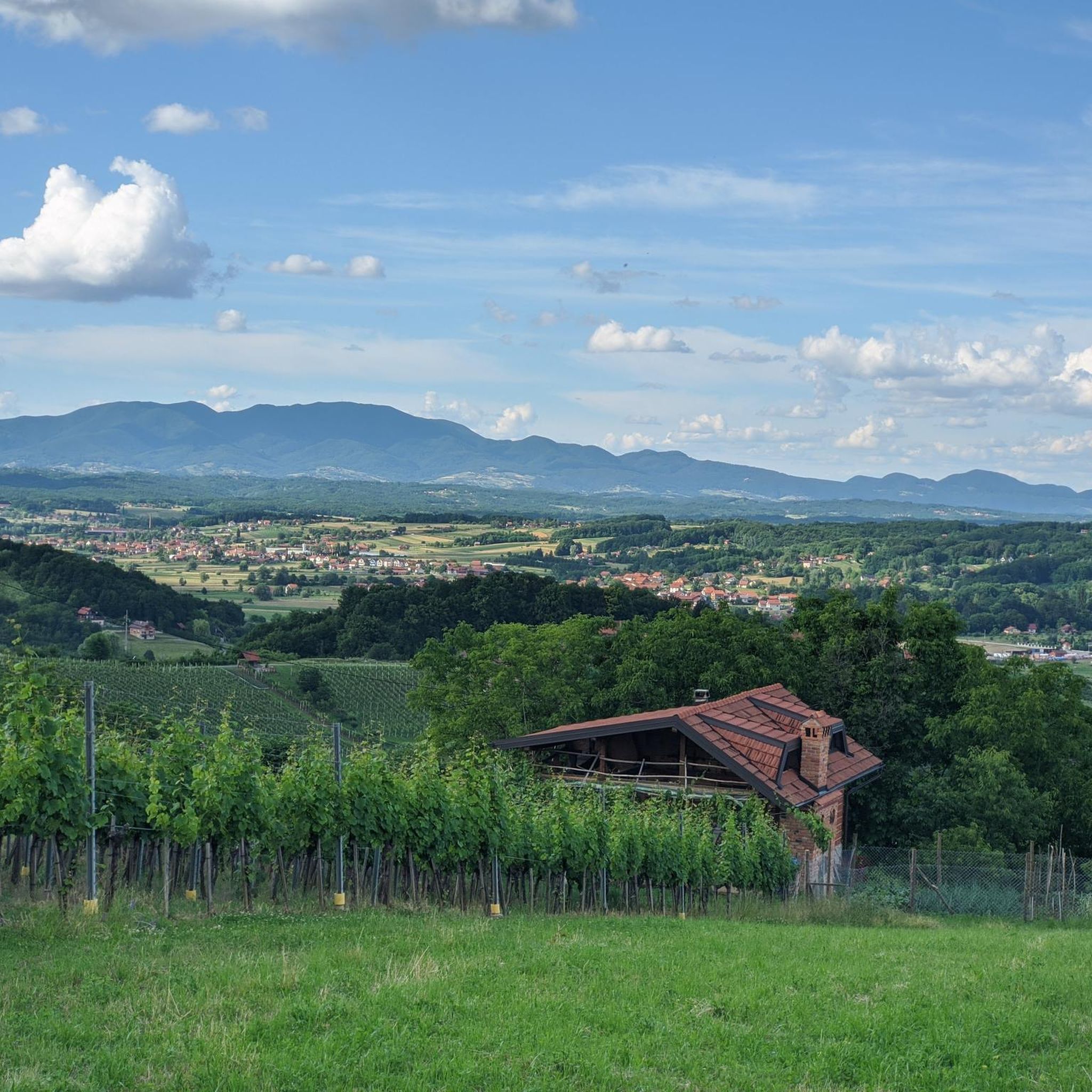
Vinski Vrh is a hill half an hour's walk north of Marija Bistrica. Historical documents mention that in 1622.g. there was a wooden chapel with an altar and a bell in a wooden tower. In 1677, a new brick chapel with a brick sanctuary stood on this site, with a vaulted sanctuary and a flat ceiling above the nave. In 1695, the chapel had two doors, on the west and south sides, and an added vaulted sacristy on the north side. The ceiling of the nave was then painted, the bell hung on two pillars in front of the chapel door, and above the entrance was a wooden choir with pictures of the 12 apostles. Around 1715 in front of the main entrance, a tower was built of crushed stone, the roof of the chapel was covered with oak planks (shingles), and the floor was paved with stone slabs. In 1880, the chapel was destroyed by an earthquake. Major repairs after the earthquake included the construction of a new vault over the nave, connecting the sanctuary with strong iron clamps, and the construction of a new sacristy. The tower was built in 1913. covered with sheet metal, and the whole chapel was given a new covering. The complete renovation was completed in 1986. http://www.svetiste-mbb.hr/clanak/vinski-vrh
1
0
Frequently Asked Questions
What are the main historical and religious sites to visit in Marija Bistrica?
Marija Bistrica is renowned for its spiritual and historical significance. The central attraction is the Altar of the Basilica of Our Lady of Bistrica, which houses the miraculous Black Madonna statue. You can also explore the monumental Bistrica Calvary with its 14 chapels depicting the Stations of the Cross, and the historic Chapel of the Blessed Virgin Mary, Vinski Vrh, located on a hill north of the town.
Are there any family-friendly attractions in Marija Bistrica?
Yes, Marija Bistrica offers several family-friendly options. Beyond the main religious sites, which are suitable for all ages, you can visit Lojzekova Hiža, a restaurant that also features a children's playground and domestic animals. The Sculpture Park Marija Bistrica, with its outdoor art, is also a pleasant spot for families. Additionally, the Luč Zagorja Animal Shelter provides an opportunity to interact with animals.
What kind of outdoor activities, like hiking or cycling, can I do near Marija Bistrica?
The picturesque Hrvatsko Zagorje region around Marija Bistrica is ideal for outdoor activities. You'll find numerous cycling routes, ranging from easy to moderate, suitable for exploring the green landscapes. For hikers, there are easy trails available, such as the 'Bistrica Calvary – Statue of Pope John Paul II loop'. You can find more details on various routes in the guides for Easy hikes around Marija Bistrica, Road Cycling Routes around Marija Bistrica, and Cycling around Marija Bistrica.
Where can I experience local culture and traditional crafts in Marija Bistrica?
Marija Bistrica is dedicated to preserving traditional Croatian culture. The town is known for its traditional wooden children's toys and gingerbread, both recognized by UNESCO. You can explore workshops of mead and gingerbread makers, candle makers, and potters to see these crafts firsthand. The Marija Bistrica Village and Marian Shrine itself embodies much of this cultural heritage.
Are there any viewpoints or scenic spots around Marija Bistrica?
Yes, the area is characterized by gentle hills offering scenic views. The Chapel of the Blessed Virgin Mary, Vinski Vrh, located on a hill, provides a lovely vantage point. Additionally, the Bistrica Calvary, situated on an elevated position, offers reflective views of the surrounding landscape.
What kind of food and dining experiences can I find in Marija Bistrica?
You can enjoy authentic local cuisine in Marija Bistrica. Lojzekova Hiža is a popular restaurant known for offering homemade Zagorje food and quality wines, often using ingredients from their own cultivation. It's located in a green setting between Marija Bistrica and Gornja Stubica, providing a pleasant dining atmosphere.
What is the significance of the Black Madonna statue in Marija Bistrica?
The Black Madonna statue, housed within the Altar of the Basilica of Our Lady of Bistrica, is central to the shrine's veneration. Dating back to the late 15th century, this wooden statue is considered miraculous and has a storied history of being hidden multiple times to protect it from invading forces. It is a key reason Marija Bistrica is a significant pilgrimage site.
Where can I find art or sculptures in Marija Bistrica?
The Sculpture Park Marija Bistrica is a notable place to see art. Located on the tourist road towards Vinski Vrh, this outdoor park features over 100 sculptures, many of which are thematically focused on sacral content, created by woodcarvers since 1983. You can also find the works of academic sculptor and painter Pavao Hudek at Gallery Hudek.
Is there a town square or central area to explore in Marija Bistrica?
Yes, the Maria Bistrica Town Square serves as a central hub. It's a pleasant area to explore, often surrounded by cafes and historical elements, reflecting the town's character as a significant religious and cultural center.
What is the 'Mountain Beltway Za dušu i tiele' and where is it located?
The 'Mountain Beltway Za dušu i tiele' is a mountain trail that is part of Croatia's mountain beltways. It is frequented by hikers and recreational walkers, offering opportunities to explore the natural beauty of the Hrvatsko Zagorje region. While specific highlights for this beltway are not listed, it contributes to the area's appeal for outdoor enthusiasts.
What is the historical significance of the Perish House in Marija Bistrica?
The Perish House, built in 1753, holds historical importance as it served as a meeting place for Croatian reformers and notable musicians. This building reflects the rich cultural and intellectual history of the region, beyond its religious significance.

Get inspired with the komoot mobile app


Explore more
Still not found the Highlight you’re looking for? See guides of the top attractions in other regions:
