The 12 Most Amazing Peaks around Niedernberg
Best mountain peaks around Niedernberg are characterized by a hilly landscape rather than traditional towering summits. Situated in Lower Franconia, Bavaria, Germany, Niedernberg lies within the peripheral mountain zone of the Odenwald. Elevated areas like the Niedernberger Wald and Dachsberg offer recreational opportunities and scenic views. The region provides an idyllic backdrop for outdoor enthusiasts, with numerous trails for hiking and cycling.
Best mountain peaks around Niedernberg
- The most popular mountain peaks is Stengerts Observation Tower, a man-made monument…
Last updated: May 1, 2026
Stengerts Observation Tower
Highlight • Monument
Translated by Google •
Tip by

Borberg summit cross
Highlight • Summit
Translated by Google •
Tip by

Sign up now to discover places like this
Get recommendations on the best single tracks, peaks, & plenty of other exciting outdoor places.
Sign up for free
Alte Höhe – Groß-Umstadt's highest point (358 m)
Highlight • Summit
Beautiful forest all around.
Translated by Google •
Tip by
Three Crosses Viewpoint (Sternberg)
Highlight • Viewpoint
Translated by Google •
Tip by

Kaiselsberg
Highlight • Natural Monument
Translated by Google •
Tip by

Sign up for free to discover even more peaks around Niedernberg.
Sign up for free
Already have an account?
Start today with a free account
Your next adventure awaits.
Login or Signup
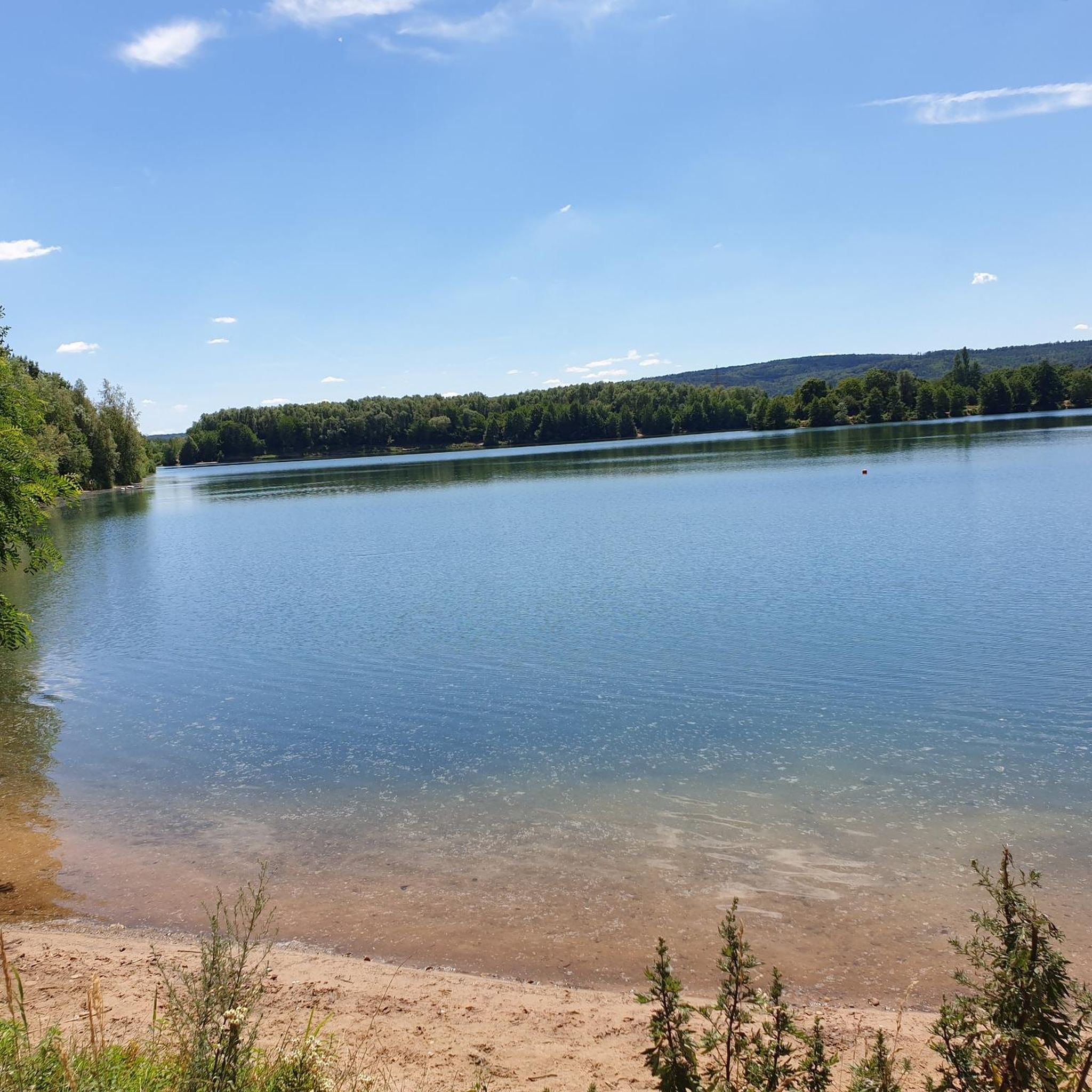
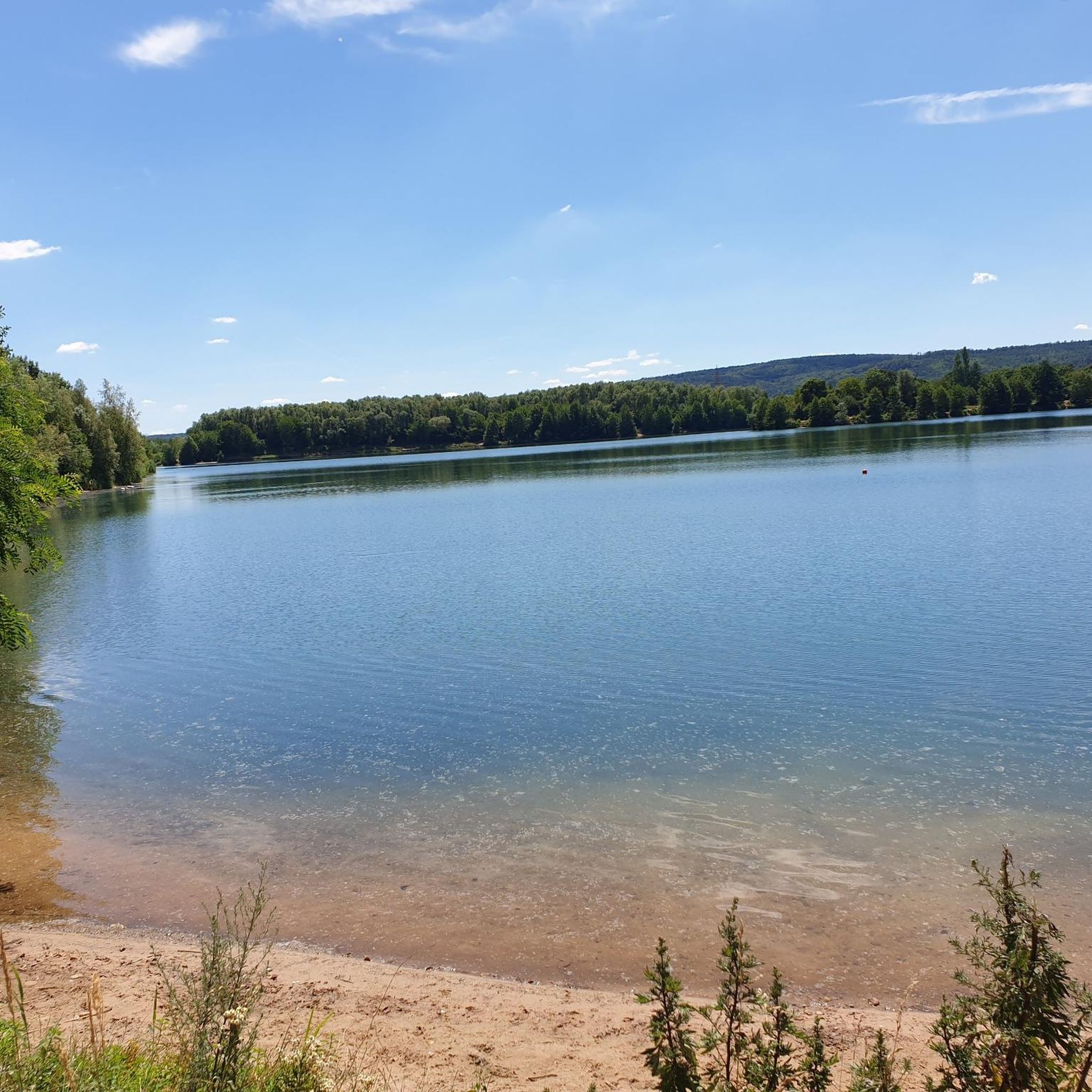
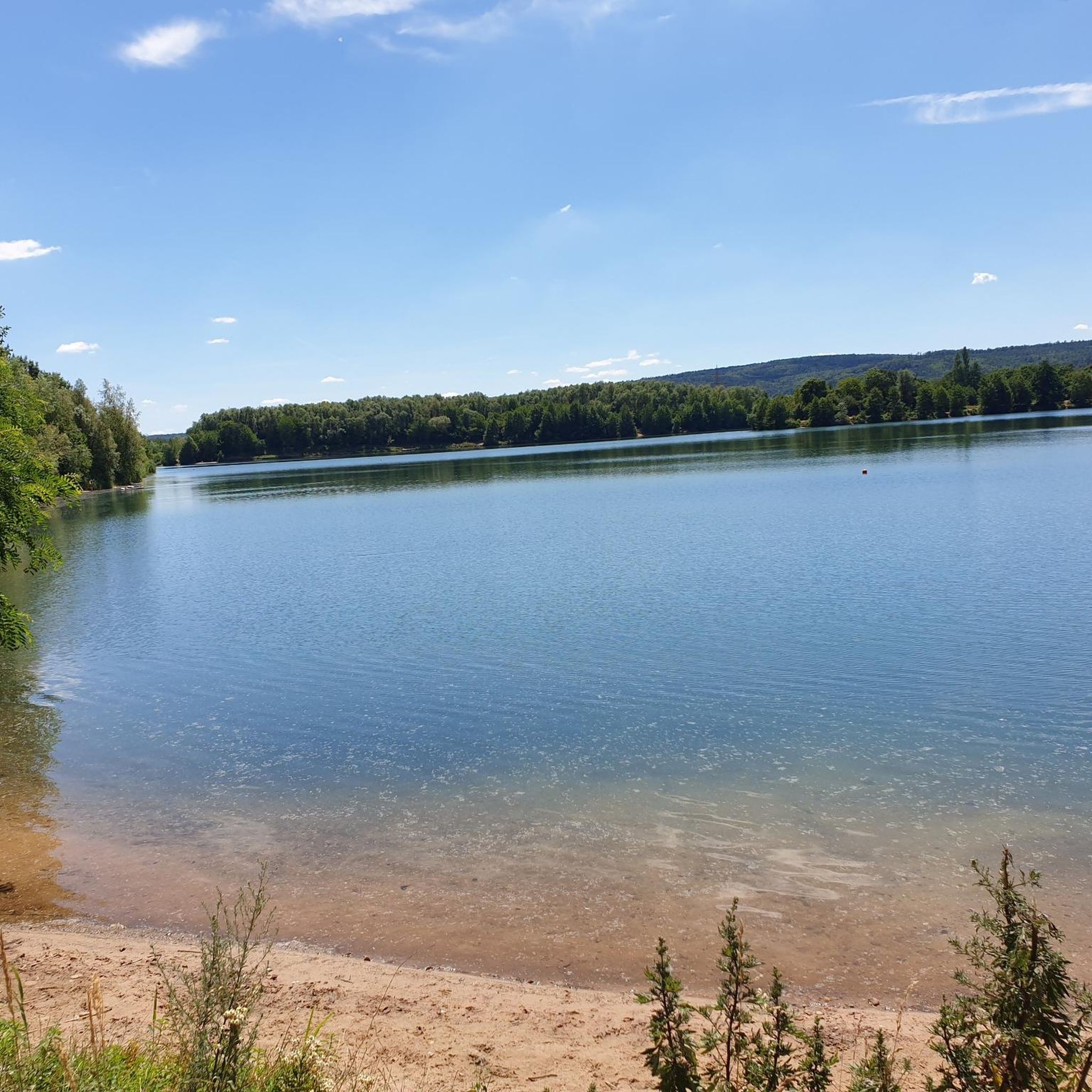
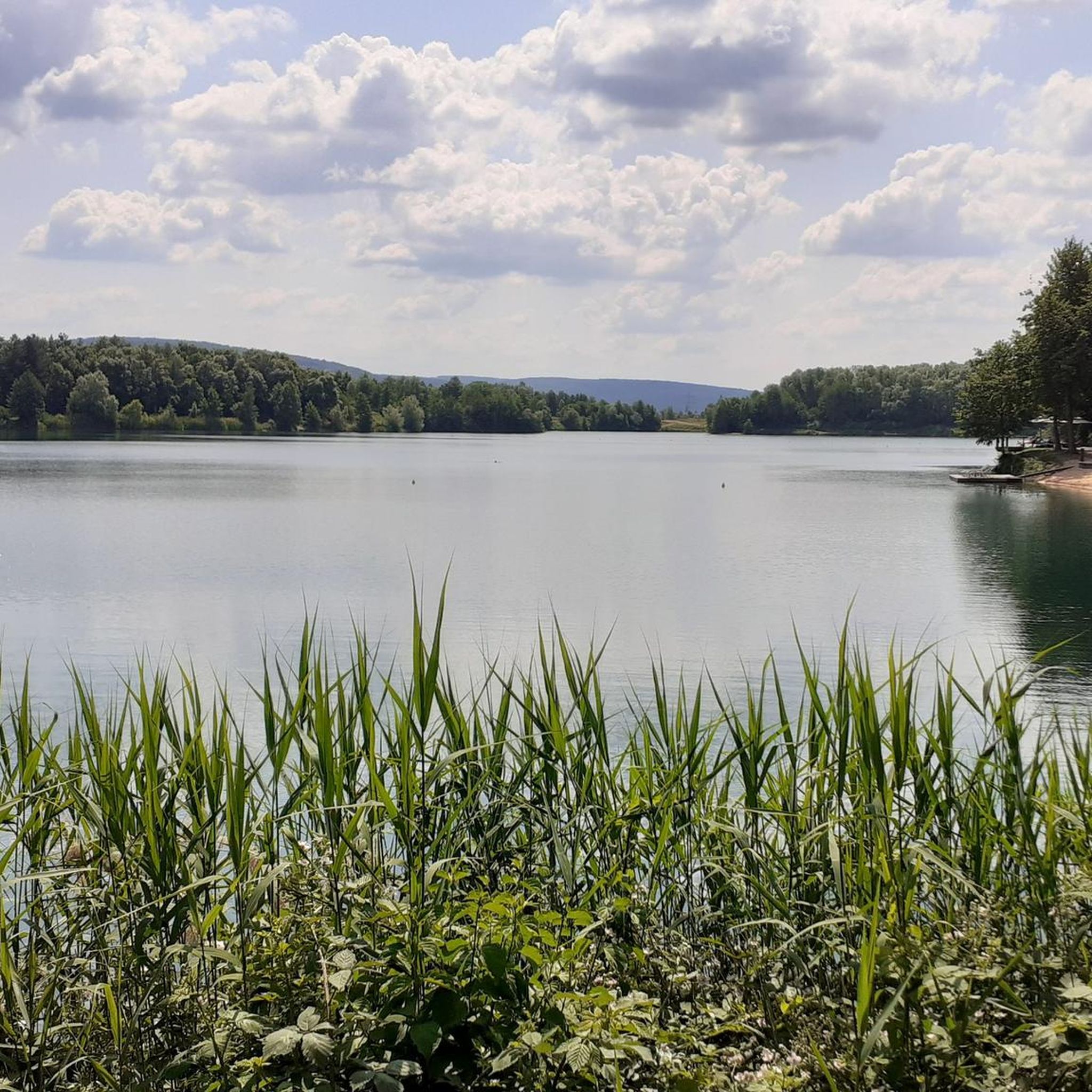
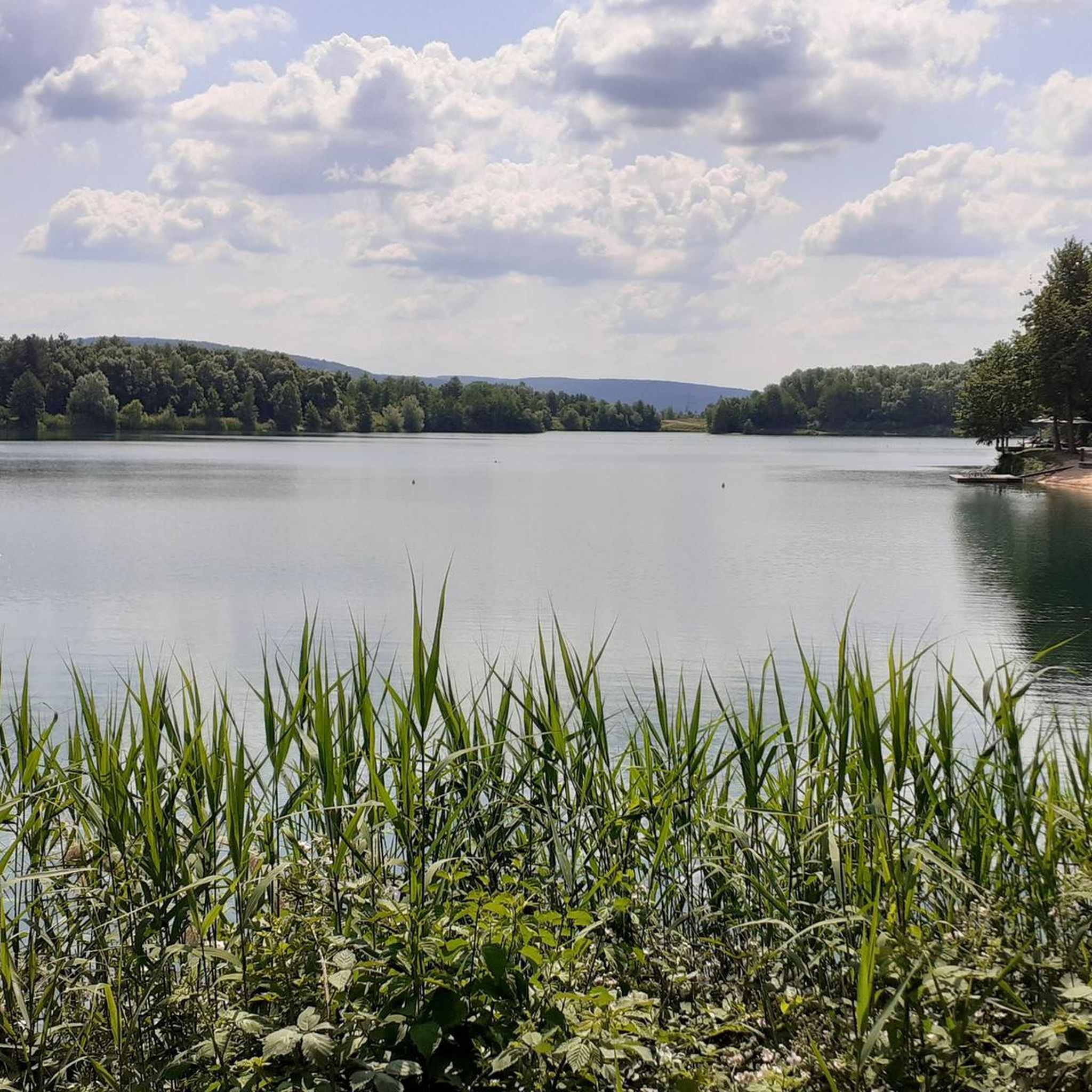
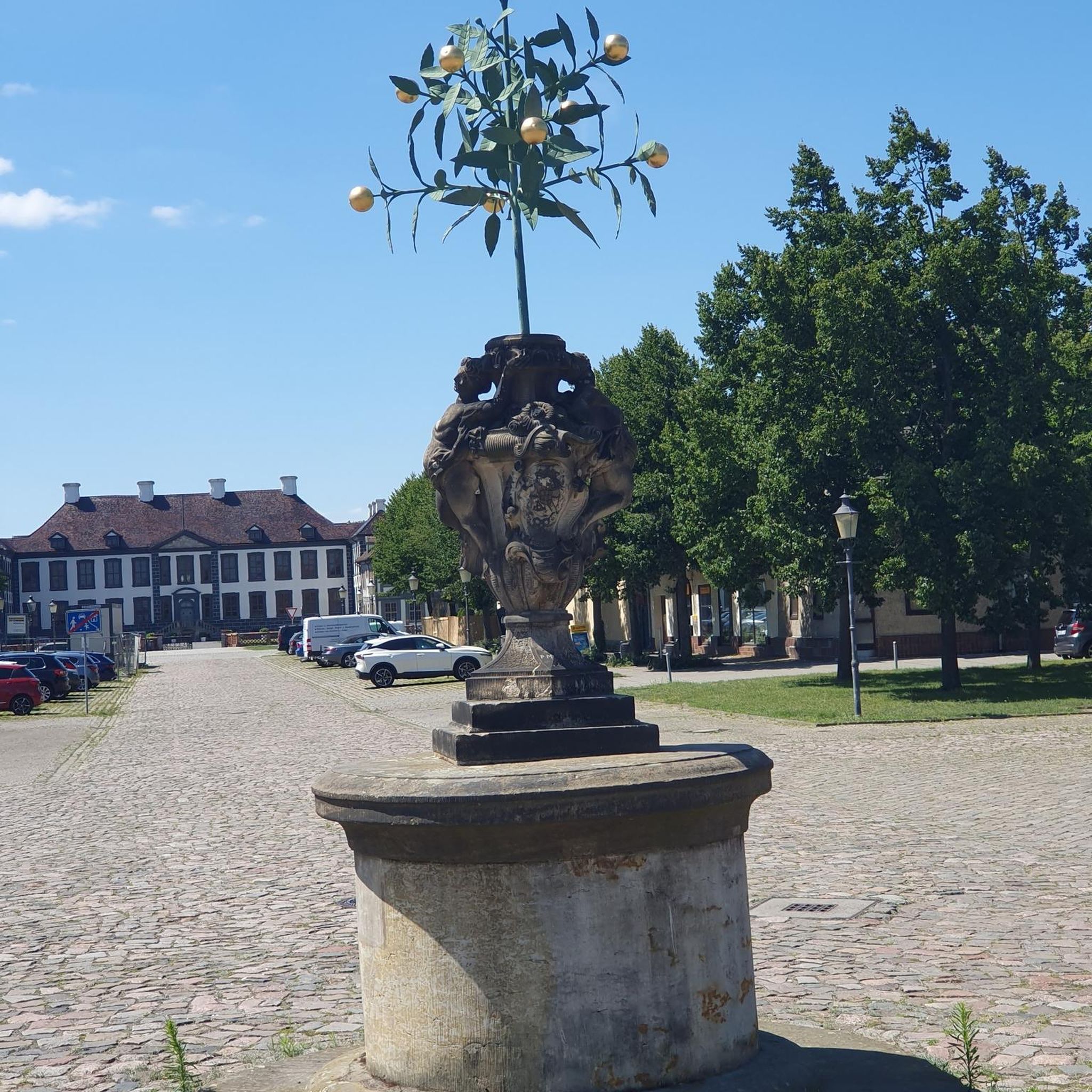
Tips from the Community

"In spring 2022, the municipality's forestry department began "converting" the forest above the local road. The area in Kaiselsberg is approximately 1.1 hectares in size. Until now, 80 percent of the trees there were larches, for almost 80 years. There were also beeches, lindens, and oaks. The drought and heat of recent summers have severely damaged the larches, according to forester Roth, who works in the municipality's public works department and is also a specialist in tree care and a tree inspector. The larch bark beetle had an easy time of it. More than 100 larches had to be felled on Kaiselsberg in 2020. The beeches and lindens did not have the potential to form a sustainable and climate-stable stand. Hence the decision to focus primarily on the sweet chestnut. Tree expert Roth explains the reasons: The sweet chestnut is considered very robust in drought and heat and thrives in permeable and nutrient-poor soils. Furthermore, no major pests are known to affect the sweet chestnut. A climate-resistant tree for the future. Therefore, 98 kilos of sweet chestnuts were collected in Haibach's Schweiztal valley for sowing on the Kaiselsberg. On the Kaiselsberg, 5,000 chestnut trees were sown on 0.4 hectares. On the remaining 0.7 hectares of the area, protected from wildlife by a fence, sessile oaks and hornbeams were planted – a total of 4,000 trees. Together with the trees that reproduce naturally without seeding or planting, Roth expects that 10,000 trees will grow on the former larch area from now on. (haibach-entdecken.de)
0
0
"It goes without saying that the earth movements tore deep holes into the mountain. These holes served for decades, if not centuries, as the people of Grünmorsbach called them. The Schinnkaute was a place where dead animals or slaughterhouse waste were buried. This was done with great care, as the fear of epidemics was very great. At the end of the 1950s, a time when garbage was produced began in Grünmorsbach as well. Initially, in very small quantities, which were initially collected by horse-drawn carts, later in massive quantities. So it was not surprising that the first quarry used as a garbage dump was soon filled up, and the municipal administration had to open another large quarry for waste disposal. Waste separation was still a foreign concept at the time, and so everything from household waste to plastics, old cars, and batteries ended up "out of the trash." Even the old Grünmorsbach fire department ladder is said to have found its final resting place there. Today, the surfaces have been renaturalized – a veil of silence lies over the contaminated sites beneath. The Birkbach stream rises at an elevation of 295 m above sea level between Gailbach and Grünmorsbach in a forest on the Kaiselsberg. It flows northeast and finally flows into the Morsbach from the right at an elevation of 207 m above sea level in a marshy area east of Grünmorsbach. Its catchment area drains via the Morsbach into the Bessenbach. The mountain has always been a destination for walkers, as teacher Josef Max Feineis described in a poem in 1919: "Sunday morning after shaving, I go for a little walk. And so that I don't need so much money, I climb the Zangsberg. ..." (haibach-entdecken.de)
0
0
"The Kaiselsberg was already mentioned on the Spessart map by the Nuremberg cartographer Paul Pfinzing from 1562/1594. On the Kaiselsberg, mainly Bunter sandstone was quarried. The prehistoric Bunter sandstone deposits were substantial and extensive. Large parts of the Bunter sandstone were removed by erosion. Today's remnants are the Spessart or the Palatinate Forest. Scientists call mountains like the Kaiselsberg or the Findberg, where Bunter sandstone deposits still appear, "witness mountains," that is, mountains that bear witness to a once much larger deposit. Quarries existed on the Kaiselsberg even in prehistoric times. Many of these pits are still open and recognizable. Anyone who walks through the forest on the Kaiselsberg with their eyes open can see a large number of dumps piled up on the normal mountain slope terrain. From the quarries, overburden and stone scrap were transported into the slope using wagons moved on rails, resulting in considerable debris cones. The people of Grünmorsbach walked over these "camel humps" when walking along the northwestern slope of the Kaiselsberg. One such hump was removed just a few years ago during the construction of the new local road – directly at the Windlücke. Today, it greets drivers and passersby as a slope covered in yellow blooming broom. The Kaiselsberg – one of the few properties owned by the municipality of Grünmorsbach – was for a long time the municipality's sole source of income from logging and leasing quarries. In the 19th century, the quarries were publicly auctioned for leases, usually lasting between seven and nine years. Johann Karl, a resident of Grünmorsbach, was one of the bidders who won the contract for a quarry on the Kaiselsberg. He employed many stone crushers, stonecutters, and stonemasons there. He and his brother Konrad built the two listed semi-detached houses on the state road on Haibacher Höhe. At one point, the quarry and stonemasonry employed around 100 workers. Although the quarries are now completely closed, the stonemasonry business now operates under the name "Steinmetzgeschäft Karl; Owner Albert Stürmer." (www.haibach-entdecken.de)
0
0

Beautiful and well-maintained shelter
0
0

You can also leave an entry in the summit book today
12
0
Lovingly prepared and decorated for Christmas... you can immortalize yourself in the summit book
13
0

Beautiful shelter in the forest
1
0

The summit cross is a cool idea!
5
0
Frequently Asked Questions
What kind of mountain peaks can I expect to find around Niedernberg?
Niedernberg is characterized by a hilly landscape rather than towering mountain peaks in the traditional sense. You'll find elevated areas like the Niedernberger Wald and Dachsberg, which offer recreational opportunities and scenic views. These spots are perfect for hiking and cycling, providing an idyllic backdrop of forests and gentle hills.
Are there any family-friendly elevated spots or viewpoints in the Niedernberg area?
Yes, several spots are suitable for families. The Three Crosses Viewpoint (Sternberg) is noted as family-friendly and offers views of Aschaffenburg. Additionally, Alte Höhe – Groß-Umstadt's highest point (358 m) is also considered family-friendly, featuring beautiful forest surroundings.
What are some of the most popular viewpoints around Niedernberg?
Visitors particularly enjoy the Stengerts Observation Tower, which provides great views from its top and features trails suitable for cycling. Another popular spot is the Three Crosses Viewpoint (Sternberg), offering views of the surrounding area, including Aschaffenburg.
What natural features or monuments can I explore near Niedernberg's elevated areas?
You can explore several natural and man-made monuments. The Borberg summit cross is a natural monument in a remote and beautiful setting. Alte Höhe – Groß-Umstadt's highest point (358 m) is another natural monument surrounded by beautiful forest. The Kaiselsberg is a natural monument with historical significance related to sandstone quarrying.
Are there historical sites among the elevated areas around Niedernberg?
Yes, the Three Crosses Viewpoint (Sternberg) is considered a historical site, featuring a man-made monument. The Kaiselsberg also has a rich history, with evidence of prehistoric sandstone quarries and historical mentions dating back to the 16th century.
What outdoor activities can I do near the elevated areas of Niedernberg?
The hilly landscape around Niedernberg is ideal for various outdoor activities. You can enjoy extensive hiking and cycling. For cycling, explore routes like the easy 'Niedernberger Lake – Main River Near Obernau loop' or the 'Großostheim Market Square – Ringheim–Schaafheim Cycle Path loop'. Mountain biking enthusiasts can find moderate trails such as the 'Ascent to Hohe Wart – Hollow Way to Hohe Wart loop'. Running trails are also available, including the 'Niedernberger Lake – Honisch Bathing Lake loop'. You can find more details on these activities in the Cycling around Niedernberg, MTB Trails around Niedernberg, and Running Trails around Niedernberg guides.
What do visitors appreciate most about the elevated spots around Niedernberg?
Visitors frequently highlight the scenic views and the peaceful, remote settings. For instance, the Stengerts Observation Tower is praised for its great views and excellent trails. The Borberg summit cross is valued for its beautiful and often deserted atmosphere, offering a quiet experience.
Are there specific trails for mountain biking near Niedernberg's peaks?
Yes, the Stengerts Observation Tower area is known for its mountain biking trails, with visitors mentioning 'mega great trails for everyone'. You can find more mountain biking options in the MTB Trails around Niedernberg guide, which includes routes like the 'Ascent to Hohe Wart – Hollow Way to Hohe Wart loop'.
What is the highest point in the Niedernberg municipality?
The topographical highest point within the Niedernberg municipality is located in the southwest of the Niedernberger Wald, reaching an elevation of 258 meters (846 ft) above sea level. Dachsberg is also a recognized elevated spot at 231 meters (758 ft).
Can I find easy hiking trails around Niedernberg's elevated areas?
Yes, the region offers trails suitable for various fitness levels, including easy strolls. While specific easy hiking trails directly linked to the peaks aren't detailed here, the general hilly landscape and forest paths are well-suited for leisurely walks. For cycling, there are several easy routes mentioned in the Cycling around Niedernberg guide.
What kind of landscape can I expect when visiting the elevated areas of Niedernberg?
You can expect a serene, hilly landscape characterized by dense forests and lush meadows. The region is part of the peripheral mountain zone of the Odenwald, offering gentle undulations rather than dramatic peaks. Elevated points provide pleasant views of the surrounding countryside, including the Main River valley.
Most popular routes around Niedernberg
Most popular attractions around Niedernberg

Get inspired with the komoot mobile app


Explore more
See even more amazing summits around Niedernberg with these guides:
