Attractions and Places To See around Zadar - Top 20
Best attractions and places to see around Zadar include a captivating blend of ancient Roman ruins, medieval architecture, and modern art installations. Situated on Croatia's Dalmatian coast, the city's Old Town is located on a peninsula, offering a rich tapestry of historical and cultural sites. The surrounding region provides access to stunning natural landscapes, including national parks and islands. Visitors can explore a diverse range of landmarks and natural features.
Best attractions and places to see around Zadar
- The most popular attractions is Sea Organ Zadar, a man_made_monument that plays music using the motion of sea waves pushing air through a series of pipes. This unique architectural sound art object offers an ever-changing auditory experience, particularly popular at sunset.
- Another must-see spot is Roman Forum in Zadar, a historical_site that served as the main public square of the ancient city. Dating back to the 1st century BC, visitors can still explore its ancient columns and foundations.
- Visitors also love Greeting to the Sun, Zadar, a man_made_monument consisting of a circular panel of photovoltaic cells. Located near the Sea Organ, this large solar-powered art installation absorbs energy during the day and transforms into a colorful light show at night.
- Zadar is known for its historical sites, modern art installations, and natural parks. The region offers a variety of attractions, from ancient Roman architecture to unique contemporary art and diverse natural landscapes to explore.
- The attractions around Zadar are appreciated by the komoot community. With more than 650 upvotes and over 320 photos, the komoot community appreciates these attractions.
Last updated: October 5, 2026
Sea Organ Zadar
Highlight • Monument
Tip by

Roman Forum in Zadar
Highlight • Historical Site
Source: t.online
Translated by Google •
Tip by

Sign up now to discover places like this
Get recommendations on the best single tracks, peaks, & plenty of other exciting outdoor places.
Land Gate, Zadar
Highlight • Monument
Translated by Google •
Tip by

Greeting to the Sun, Zadar
Highlight • Monument
Translated by Google •
Tip by

Five Wells Square (Trg Pet Bunara)
Highlight • Historical Site
Translated by Google •
Tip by
Cathedral of St. Anastasia
Highlight • Religious Site
Translated by Google •
Tip by
Church of St. Simeon
Highlight • Religious Site
Translated by Google •
Tip by

Queen Jelena Madijevka Park
Highlight • Natural
Translated by Google •
Tip by
Spiridon Brusina Statue
Highlight • Monument
Translated by Google •
Tip by

Church of Saint Dominic and Site of the First University in Croatia
Highlight • Religious Site
The only preserved part of the early Christian Church of Saint Plato is the lintel decorated with a cross, which is now located in the building of the University of Zadar.
The Church of Saint Dominic is a single-nave structure with a rectangular sanctuary. It was consecrated in 1280 and is a distinct example of Gothic monastic architecture in Dalmatia. The Church of Saint Francis, considered the first Gothic church in Dalmatia, was built somewhat earlier but was consecrated at the same time as the Church of Saint Dominic.
The sanctuary of the church is groin-vaulted, while the nave is covered with an open roof truss. The portal on the facade has a pointed Romanesque arch, and above it is a large rose window.
Within the monastery, the General Philosophical-Theological School of the Dominican Order was founded in 1396 as the oldest of the Croatian universities, or as the first university in the territory of present-day Croatia. It operated until 1807 when it was abolished by Napoleon’s rule.
The Dominicans belong to the mendicant orders. Unlike monastic orders, they were in direct contact with people. They lived by their own work, and if they did not have enough to live on, they would beg from door to door. The most important task of the Order – preaching the Gospel and combating heresy – imposed the need and obligation of education and study for the preachers, who from the beginning of the Order founded schools and universities and opened libraries necessary for study. Because high education was linked to preaching, they were called the intellectual order. Every monastery was also a school open to the public.
With the arrival of Napoleon’s army in Zadar, the monastery was dissolved, and the church was converted into a barracks. The French established the so-called Lyceum, with higher education in the fields of surgery, medicine, chemistry, and law, which operated in the premises of the Monastery of Saint Chrysogonus and within the civil hospital in the Cedulin Palace. Due to the poor financial situation in the French Empire, this study program was abolished in 1811.
Since then, various institutions of higher education have operated in Zadar, until the establishment of the renewed University of Zadar in 2002. The study program initiated by the Dominicans in Zadar in 1396 is considered the precursor of the University of Zadar and higher education in Zadar, which has continued with occasional interruptions for over 600 years.
The church and monastery premises were almost entirely destroyed in the bombing of Zadar in World War II. The building of the Zadar Puppet Theater was built on the site of the monastery, and the church today serves for cultural and artistic events.
croatia.aymocha.com/attractions/zadar-crkva-sv-dominika-platona-samostan-prvo-sveuciliste-u-hrvatskoj-kazaliste-lutaka
Tip by

Sign up for free to discover even more attractions around Zadar.
Already have an account?
Start today with a free account
Your next adventure awaits.
Popular around Zadar
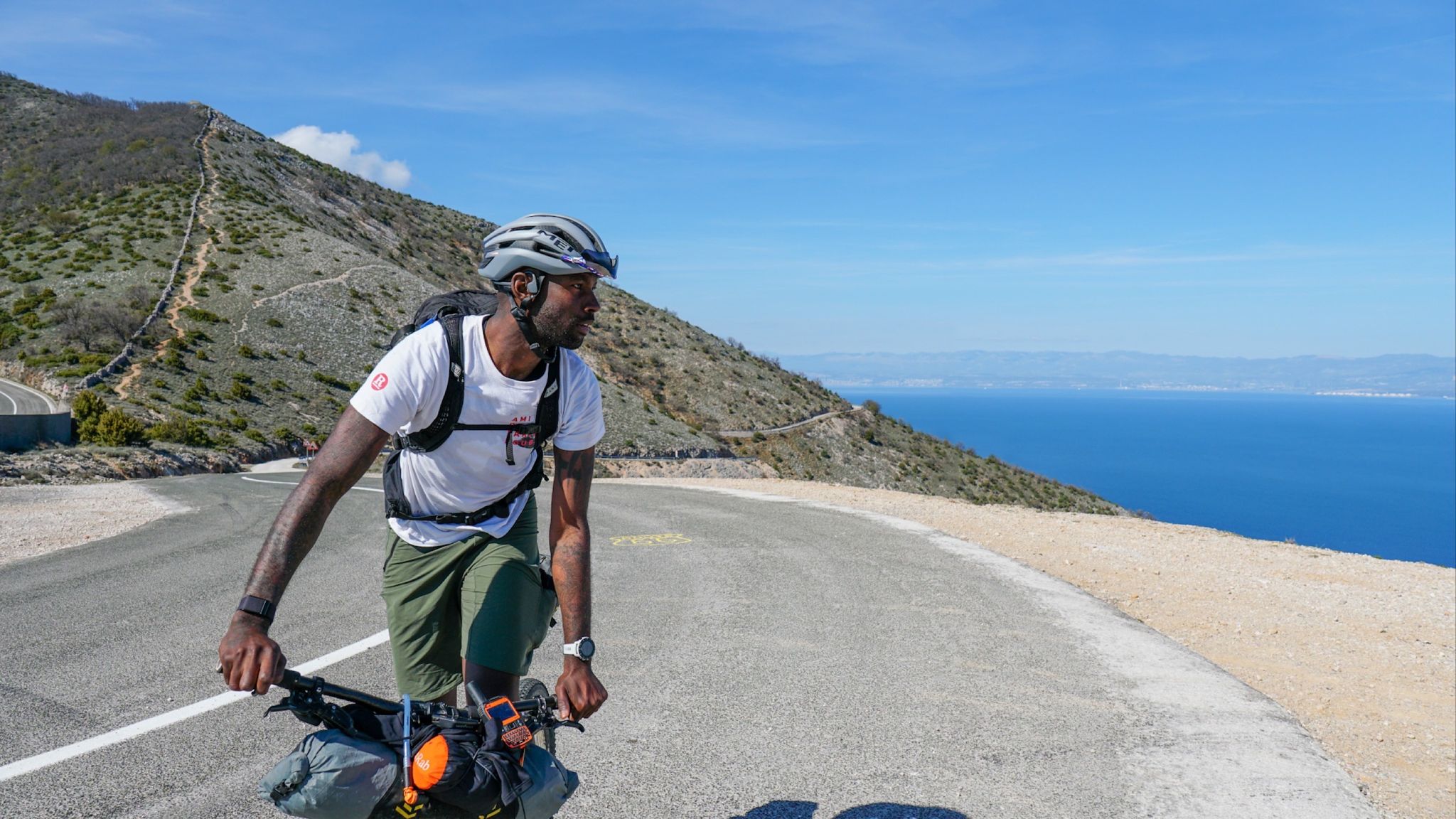
Slovenian mountains to island hopping around the Adriatic Crest
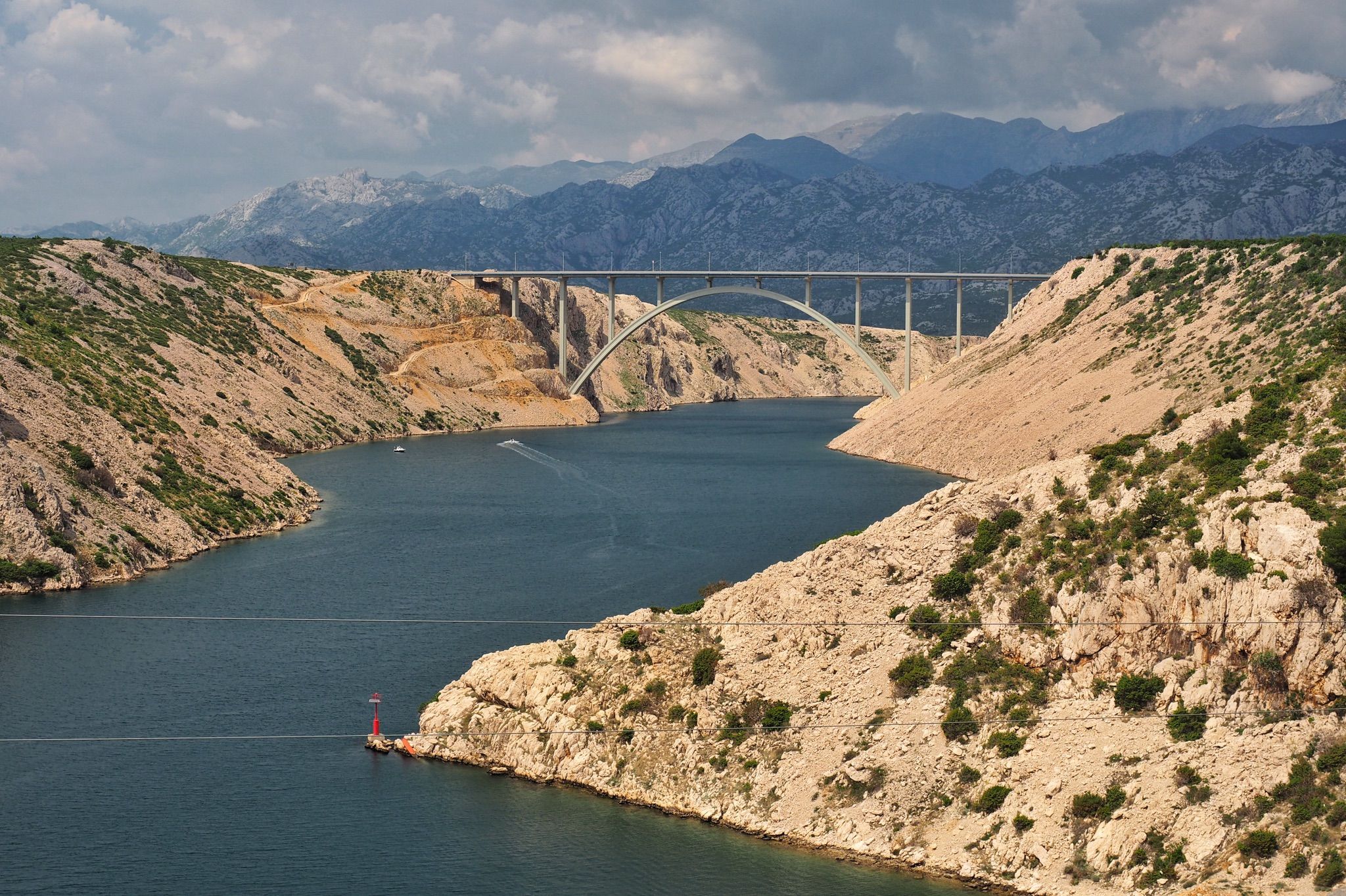
The Dinaric Alps – explore the Adriatic Sea in a different way
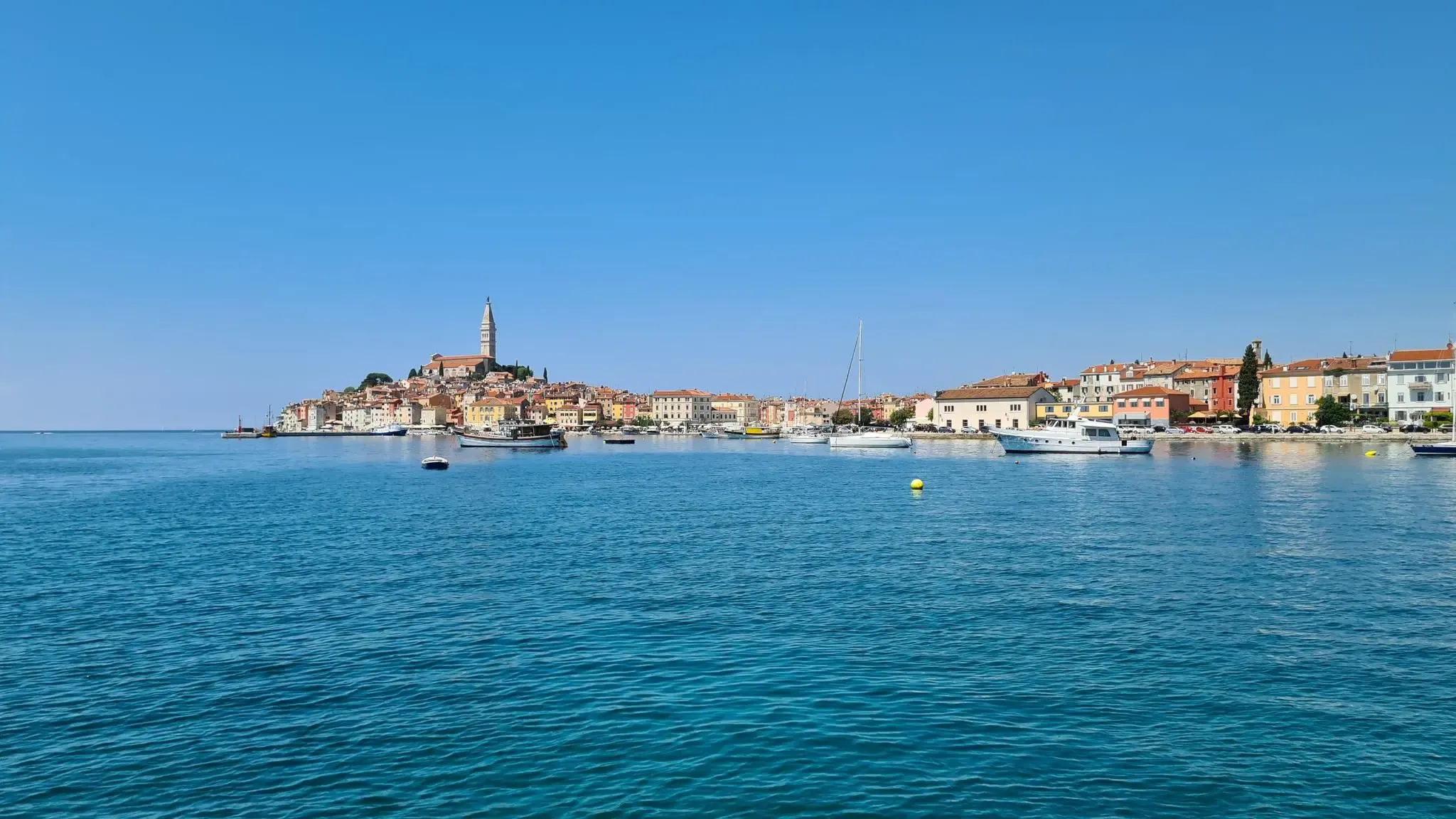
From Istria to Dubrovnik – Experience Croatia's Adriatic Coast from the Saddle
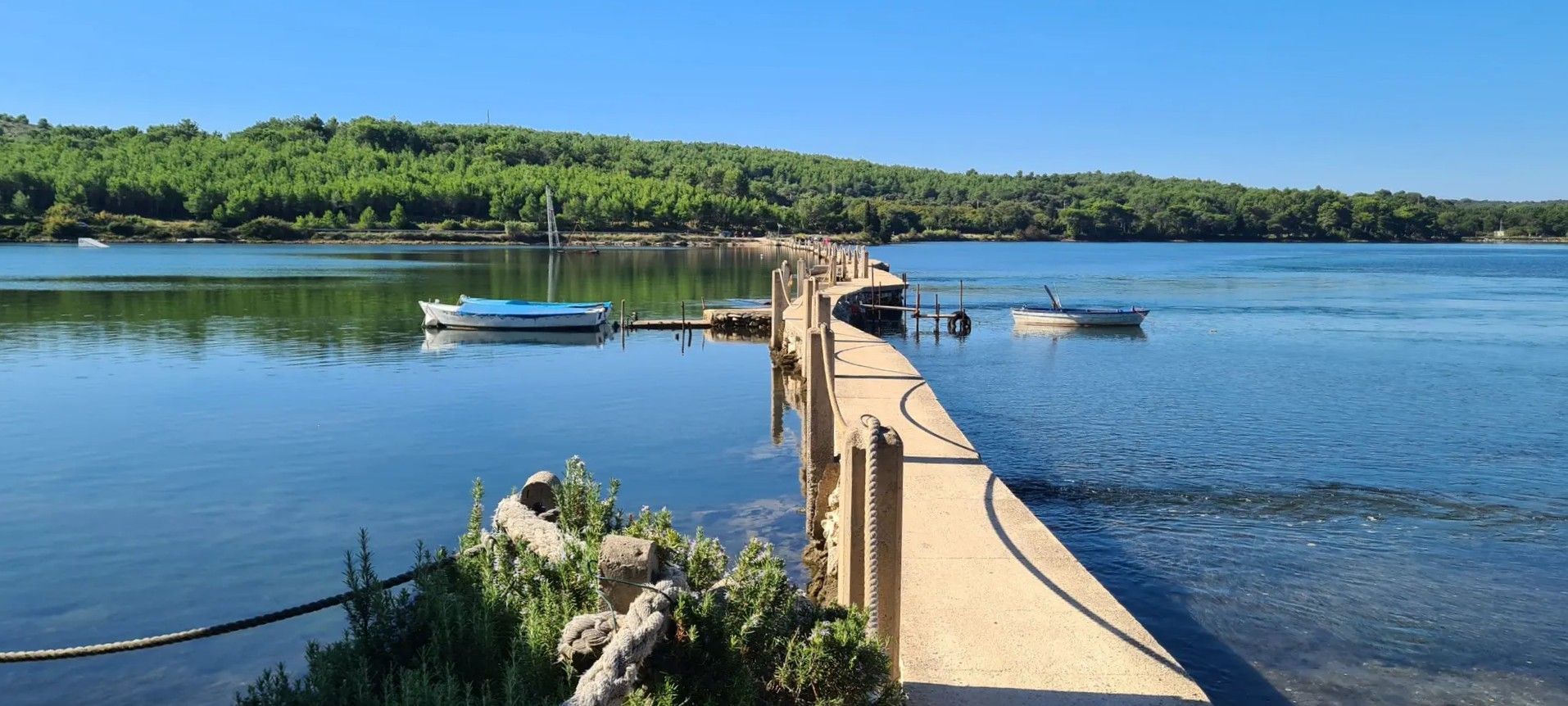
Gravel Roads to the Sea: Gravel Biking in Croatia
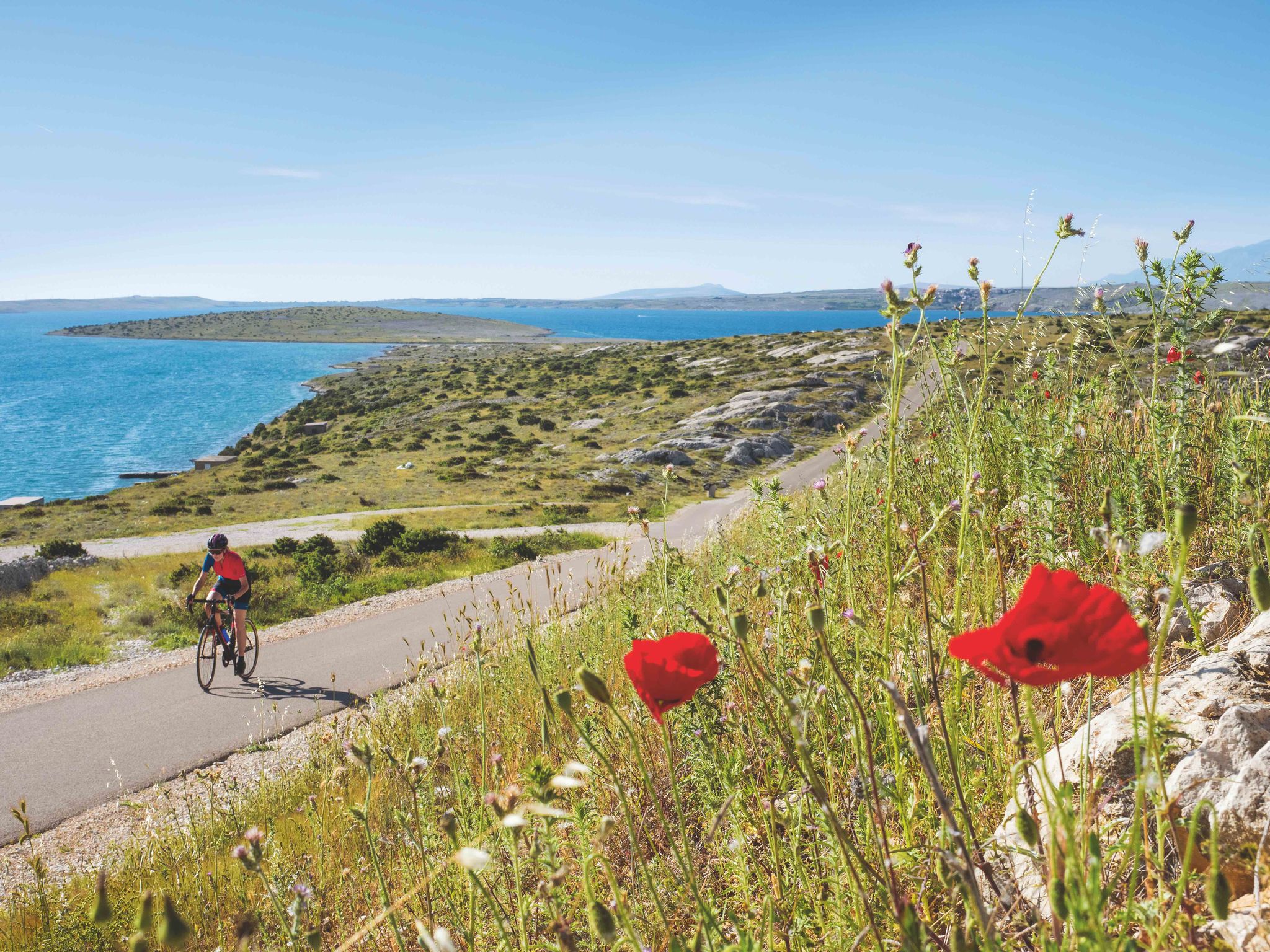
Road bike tours in North Dalmatia - with TOUR in Croatia
Road Cycling Routes around Zadar
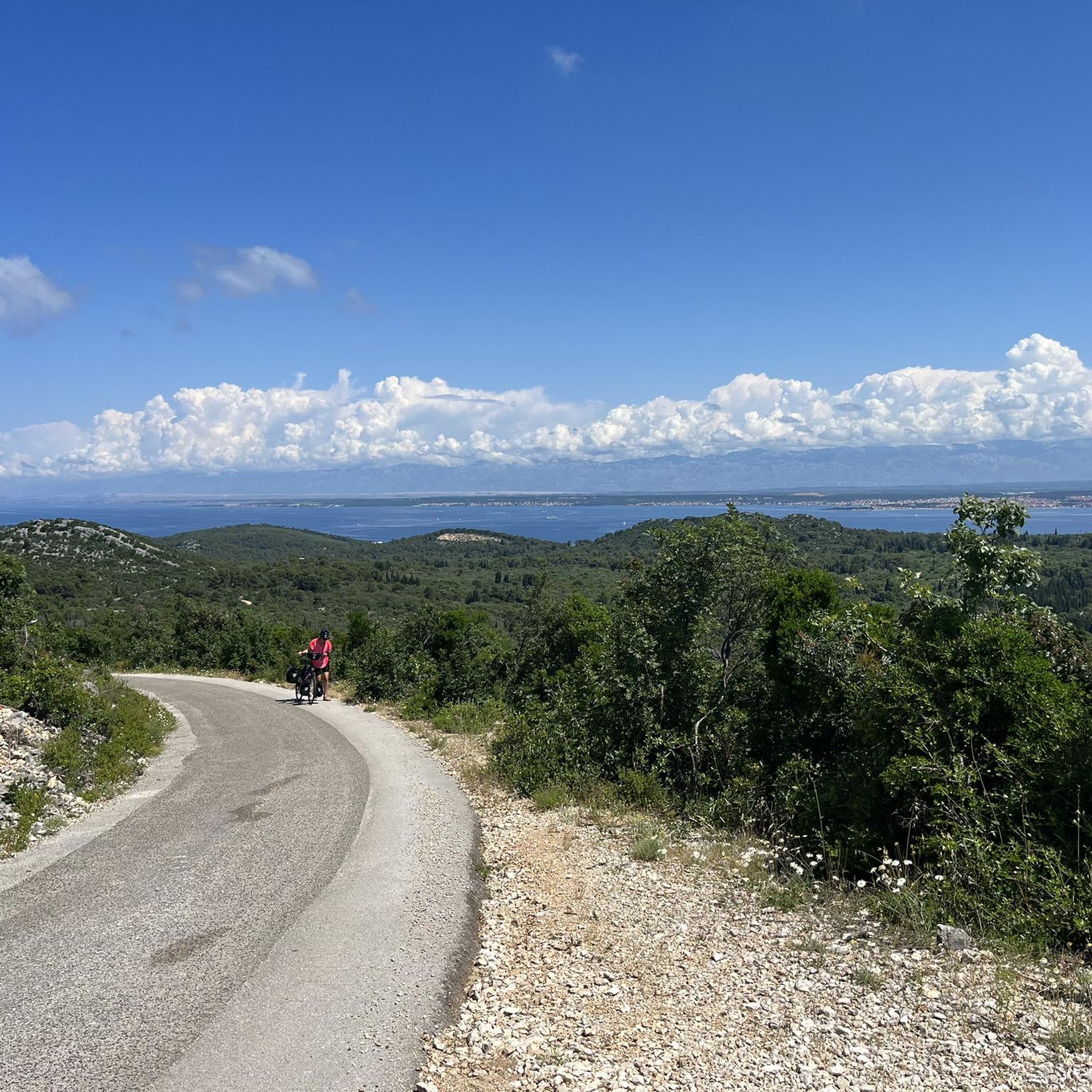
Cycling around Zadar
Running Trails around Zadar
MTB Trails around Zadar
Hiking around Zadar
Other adventures around Zadar


Tips from the Community

From the "Greeting to the Sun," you can enjoy impressive views of the Zadar Canal, the offshore islands, and the famous sunset. The modern "Greeting to the Sun" structure consists of 200 multilayered glass panels that form a circle with a diameter of 22 meters. Solar energy is collected during the day and used in the surrounding area at night. In the immediate vicinity is the Zadar Sea Organ, another iconic installation that has made Zadar famous worldwide.
0
0

it is located on the site of the early Christian church of St. Plato, a 3rd-century saint who was martyred in 266 for refusing to renounce his Christian faith. The only preserved part of the early Christian Church of Saint Plato is the lintel decorated with a cross, which is now located in the building of the University of Zadar. The Church of Saint Dominic is a single-nave structure with a rectangular sanctuary. It was consecrated in 1280 and is a distinct example of Gothic monastic architecture in Dalmatia. The Church of Saint Francis, considered the first Gothic church in Dalmatia, was built somewhat earlier but was consecrated at the same time as the Church of Saint Dominic. The sanctuary of the church is groin-vaulted, while the nave is covered with an open roof truss. The portal on the facade has a pointed Romanesque arch, and above it is a large rose window. Within the monastery, the General Philosophical-Theological School of the Dominican Order was founded in 1396 as the oldest of the Croatian universities, or as the first university in the territory of present-day Croatia. It operated until 1807 when it was abolished by Napoleon’s rule. The Dominicans belong to the mendicant orders. Unlike monastic orders, they were in direct contact with people. They lived by their own work, and if they did not have enough to live on, they would beg from door to door. The most important task of the Order – preaching the Gospel and combating heresy – imposed the need and obligation of education and study for the preachers, who from the beginning of the Order founded schools and universities and opened libraries necessary for study. Because high education was linked to preaching, they were called the intellectual order. Every monastery was also a school open to the public. With the arrival of Napoleon’s army in Zadar, the monastery was dissolved, and the church was converted into a barracks. The French established the so-called Lyceum, with higher education in the fields of surgery, medicine, chemistry, and law, which operated in the premises of the Monastery of Saint Chrysogonus and within the civil hospital in the Cedulin Palace. Due to the poor financial situation in the French Empire, this study program was abolished in 1811. Since then, various institutions of higher education have operated in Zadar, until the establishment of the renewed University of Zadar in 2002. The study program initiated by the Dominicans in Zadar in 1396 is considered the precursor of the University of Zadar and higher education in Zadar, which has continued with occasional interruptions for over 600 years. The church and monastery premises were almost entirely destroyed in the bombing of Zadar in World War II. The building of the Zadar Puppet Theater was built on the site of the monastery, and the church today serves for cultural and artistic events. https://croatia.aymocha.com/attractions/zadar-crkva-sv-dominika-platona-samostan-prvo-sveuciliste-u-hrvatskoj-kazaliste-lutaka/
0
0

The patronage of this church has been entrusted to Saint Simeon, mentioned in the New Testament. According to Luke's biblical account, he and the prophetess Anna are the two people present in the Temple in Jerusalem forty days after the birth of Jesus Christ, when Mary and Joseph—faithfully following Jewish precepts—visit the Temple with their firstborn sons and an offering (two doves). The Evangelist records the following prayer on the occasion of this encounter of the elderly Simeon with Jesus as the promised Messiah: + "Now, Lord, you are letting your servant depart in peace, as you have promised. For my eyes have seen the salvation you have prepared in the presence of all peoples, a light for revelation to the Gentiles, and glory for your people Israel."+ (Luke 2:29-32)
0
0

This statue is located on the waterfront promenade in front of the Faculty of Philosophy at the University of Zadar. A great photo spot.
2
1
A really beautiful place. Despite the traffic, it's worth taking a break here.
3
0

Beautiful little statue with shell
5
0

Spiridon (Špiro) Brusina (born December 11, 1845 in Zadar, Austria-Hungary, now Croatia; † May 21, 1908 in Zagreb, Austria-Hungary, now Croatia) was an Austro-Hungarian or Croatian naturalist, founder of zoology, Malacology, marine and evolutionary biology and paleontology in Croatia and member of the Croatian Academy of Sciences and Arts. He founded the Department of Zoology at the University of Zagreb. Brusina was also director of the Zoological Museum in Zagreb
0
0

History in the middle of the old town of Zadar.
4
0
Frequently Asked Questions
What are some must-see historical sites in Zadar's Old Town?
Zadar's Old Town is rich in history. You can explore the ancient Roman Forum in Zadar, which was the main public square of the ancient city. Nearby, you'll find the impressive Roman columns in the foundation of the Church of St. Donatus, a circular pre-Romanesque church from the 9th century. Don't miss the majestic Land Gate, Zadar, built in 1543, which served as the main entrance to the fortified Old Town.
Where can I experience unique modern art installations in Zadar?
Zadar is famous for its innovative art installations. The Sea Organ Zadar is a unique architectural sound art object that plays music using the motion of sea waves. Close by, the Greeting to the Sun, Zadar is a large solar-powered art installation that absorbs energy during the day and transforms into a colorful light show at night, especially popular at sunset.
Are there any family-friendly attractions around Zadar?
Yes, many attractions in and around Zadar are suitable for families. The Roman Forum in Zadar and the Greeting to the Sun, Zadar are both marked as family-friendly. Beyond the city, national parks like Krka and Plitvice Lakes offer walking trails and natural beauty that can be enjoyed by all ages, though some trails might be more challenging for very young children.
What national parks are easily accessible for a day trip from Zadar?
Several stunning national parks are within easy reach. Krka National Park, known for its breathtaking waterfalls like Skradinski Buk, is about an hour's drive away. Plitvice Lakes National Park, a UNESCO World Heritage site with cascading turquoise lakes, is approximately 1.5 hours from Zadar. For hiking and rock climbing, Paklenica National Park in the Velebit mountains is also a popular choice.
What kind of outdoor activities can I do near Zadar's attractions?
The Zadar region offers diverse outdoor activities. You can explore various cycling routes, including gravel biking, mountain biking, and road cycling routes. The Zrmanja River offers opportunities for guided kayaking tours through its canyon. For hiking, nearby national parks like Paklenica provide numerous trails.
What is the best time of year to visit the Kornati Islands from Zadar?
The Kornati National Park, an archipelago often called the 'nautical paradise,' is best visited during the warmer months, typically from late spring to early autumn (May to September). This period offers ideal conditions for boat trips, sailing, snorkeling, and exploring the islands.
Are there any accessible attractions in Zadar for visitors with mobility needs?
Yes, Zadar offers some accessible attractions. The Sea Organ Zadar and the Greeting to the Sun, Zadar are both designed to be wheelchair accessible, allowing everyone to enjoy these unique waterfront installations.
What are some other significant historical landmarks in Zadar?
Beyond the Roman Forum, Zadar boasts other notable historical sites. The Five Wells Square (Trg Pet Bunara) is a remarkable 16th-century reminder of the Venetian era. The Cathedral of St. Anastasia, the largest church in Dalmatia, offers a richly decorated interior and panoramic views from its bell tower. The Zadar City Walls, a UNESCO World Heritage Site, also provide a picturesque promenade.
Can I find museums showcasing Zadar's rich history and culture?
Absolutely. The Archaeological Museum Zadar, Croatia's second oldest museum, houses an extensive collection of artifacts from prehistoric times through the first Croatian settlements. For a unique experience, visit the Museum of Ancient Glass, located in the Cosmacendi Palace, which showcases Roman glassware and offers live glassblowing demonstrations.
What natural features can I explore on a day trip from Zadar?
Beyond the national parks, you can visit Dugi Otok (Long Island), the largest island in the Zadar archipelago, known for its beautiful nature, pine forests, and sites like Telašćica Nature Park and Sakarun Beach. Vrana Lake Nature Park, Croatia's largest natural lake and an ornithological reserve, is also a great option for cycling and birdwatching.
What do visitors enjoy most about Zadar's attractions?
Visitors frequently praise the unique blend of ancient history and modern art. The Sea Organ Zadar is often highlighted for its 'brilliant idea' and 'impressive' sounds, while the Greeting to the Sun, Zadar is loved for its 'beautiful sunset watching' and 'impressive views.' The historical sites like the Roman Forum in Zadar are appreciated for their ancient charm and the stories they tell.
Most popular routes around Zadar

Get inspired with the komoot mobile app


Explore more
Still not found the Highlight you’re looking for? See guides of the top attractions in other regions:
