Attractions and Places To See around Nymburk - Top 20
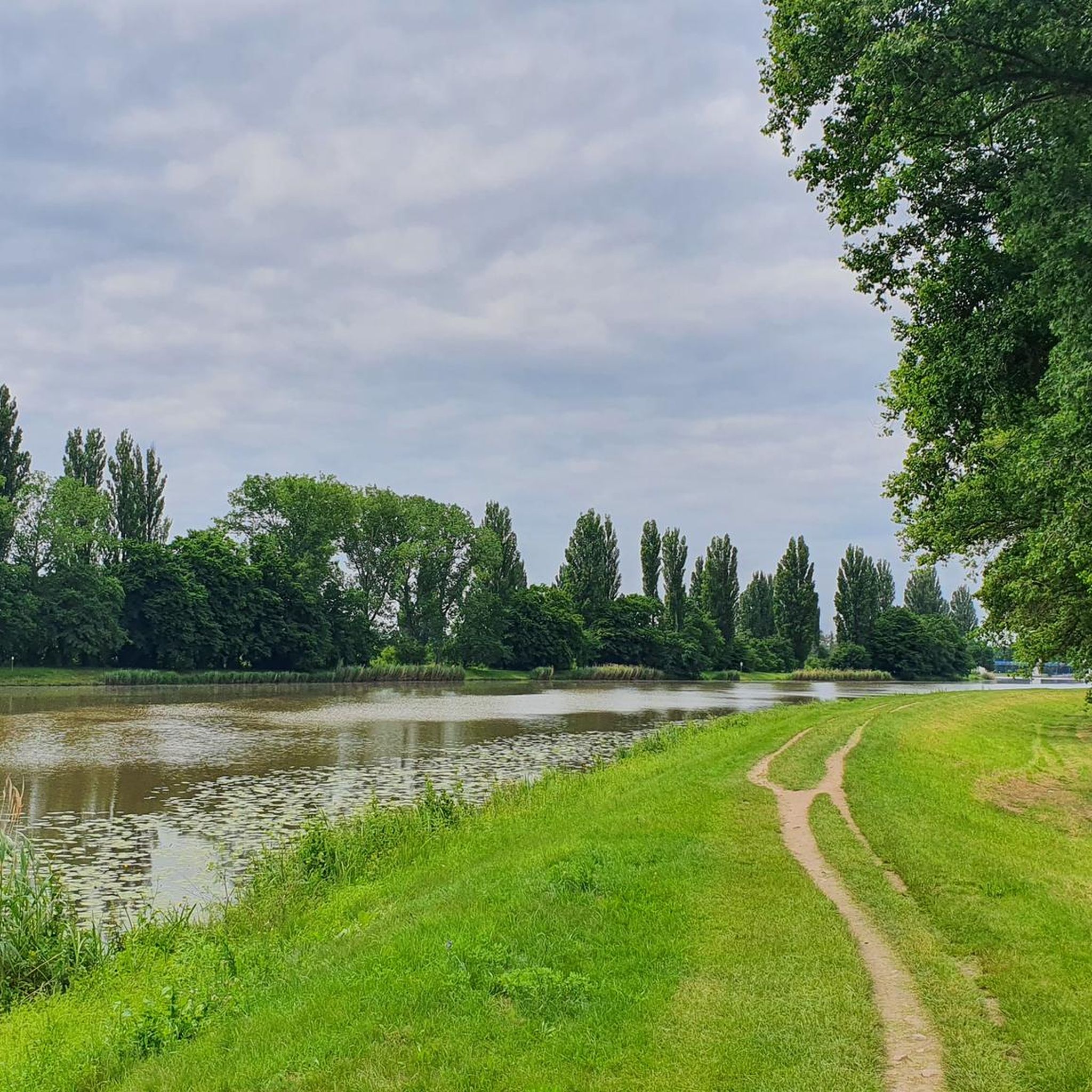
Attractions and places to see around Nymburk include a blend of historical landmarks, cultural sites, and natural features. Situated on the Elbe River in the Czech Republic, Nymburk features a preserved medieval town layout, declared an urban monument zone. The town is known for its Gothic brick architecture, historical fortifications, and connections to brewing heritage. Visitors can explore the Elbe River banks and various points of interest within the town and its surroundings.
Best attractions and places to see around Nymburk
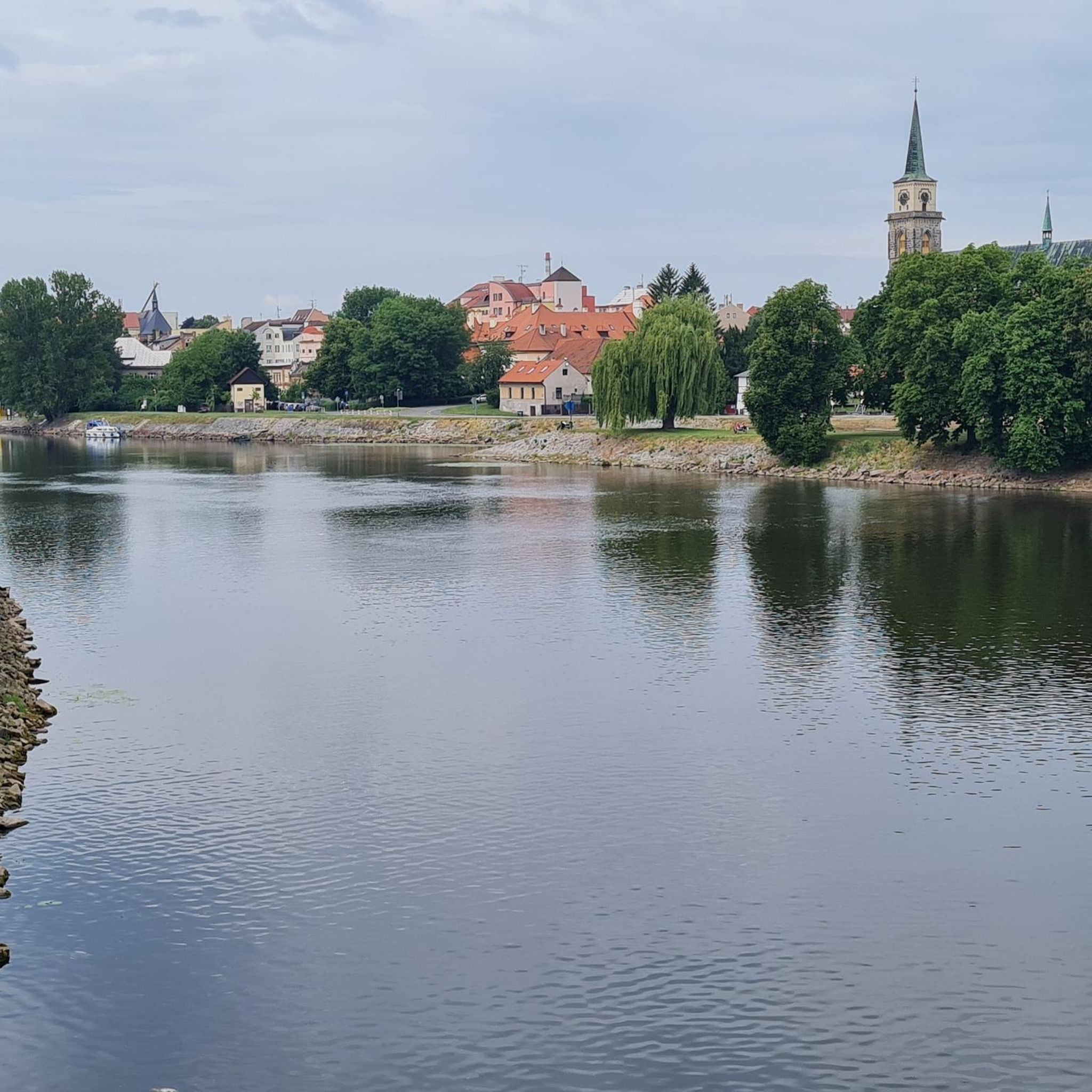
- The most popular attractions is Nymburk Lock and Weir, an other man-made structure that features a lock, weir system, and a small hydroelectric power station. The town church is visible in the background of this site.
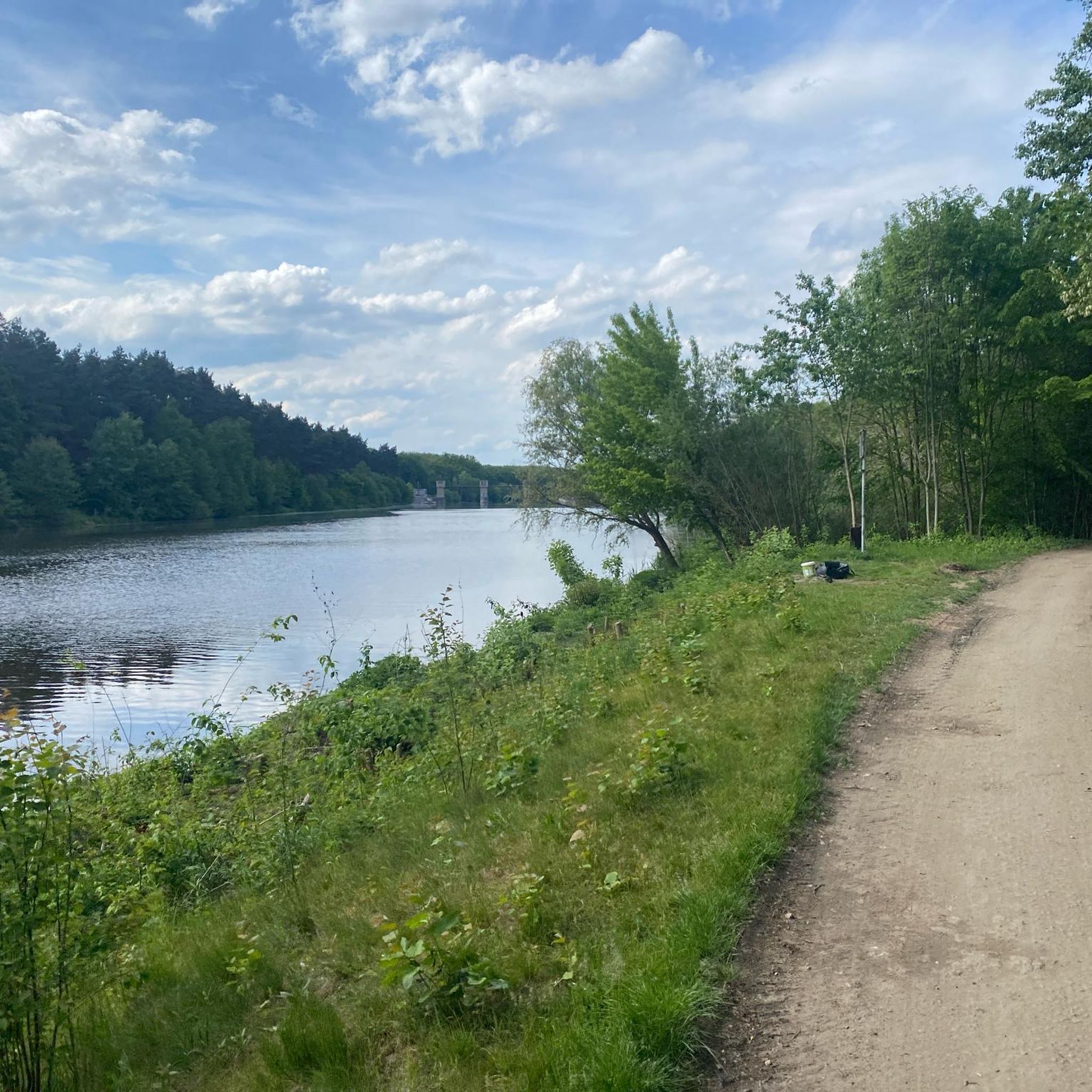
- Another must-see spot is Poděbrady Lock, an other man-made structure with a lock, weir, and hydroelectric power station. This location offers smooth asphalt paths along the Elberadweg, where the natural scenery changes to a beautiful mixed forest.
- Visitors also love St. Giles Church in Nymburk, a religious building known for its Gothic architecture. This church is a significant example of Gothic brick construction and is located on a central square.
- Nymburk is known for its historical sites, river landscapes, and architectural landmarks. The area offers a variety of attractions to see and explore, from medieval fortifications to modern river infrastructure.
- The attractions around Nymburk are appreciated by the komoot community, with 18 upvotes and 14 photos shared by visitors.
Last updated: May 20, 2026
Poděbrady Castle
Highlight • Castle
The castle, where, according to tradition, the future King George of Poděbrady, a grandson of Boček, was born, was rebuilt several times. After George's death in 1471, the castle and estate passed to his son, Henry the Younger, in 1472, whose heirs were forced to cede both to King Vladislav II in 1495. After several pledgings, King Ferdinand I redeemed the castle and estate. Both remained in the possession of the royal chamber until 1839.
From 1548 to around 1580, the castle was rebuilt into a Renaissance palace according to plans by Giovanni and Ulrico Aostalli and Hans Tirol. After the Thirty Years' War, the palace initially declined in importance. In 1723–1724, it was rebuilt in the Baroque style under the direction of the architect Franz Maximilian Kaňka. Further renovations took place after 1750. Maria Theresa, in her capacity as Queen of Bohemia, stayed at the palace several times. Under her son, Joseph II, the palace served as the residence of retired officers of the imperial army.
In 1839, the castle and estate were acquired by the Viennese banker Georg Simon Sina (1783–1856). Through marriage, the castle passed to the Princes of Ypsilanti in 1884 and, before the First World War, to Philipp Ernst zu Hohenlohe-Schillingsfürst. His brother and heir, Moritz zu Hohenlohe-Schillingsfürst, was forced to sell the estate after the First World War.
Translated by Google •
Tip by

Poděbrady Lock
Highlight • Structure
Translated by Google •
Tip by

Sign up now to discover places like this
Get recommendations on the best single tracks, peaks, & plenty of other exciting outdoor places.
Sign up for free
Nymburk Town Walls
Highlight • Monument
Translated by Google •
Tip by
Chapel on the Village Square in Byšičky
Highlight • Religious Site
Translated by Google •
Tip by

Confluence of the Cidlina and Elbe Rivers
Highlight • River
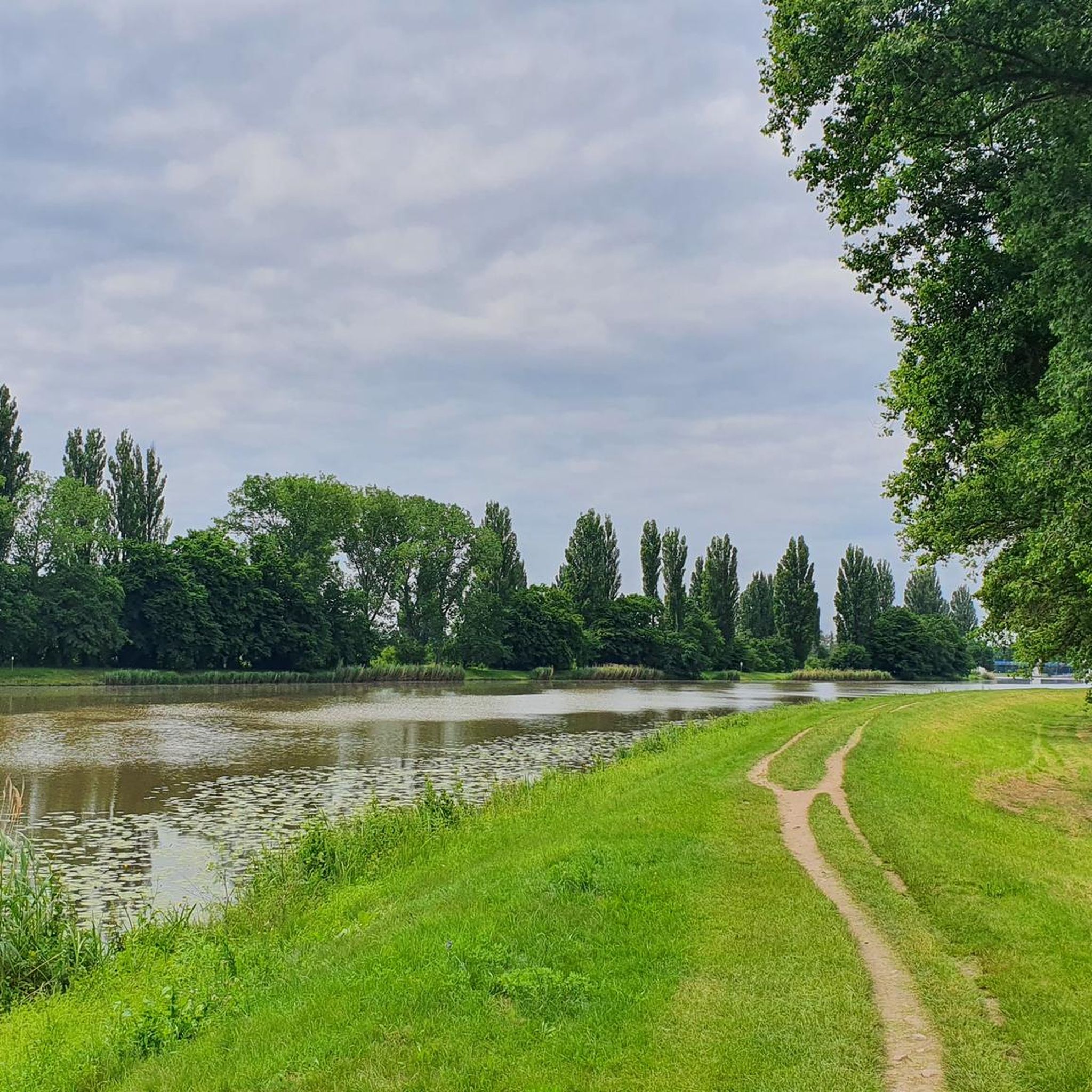
With restaurant (Restaurace Cidlina).
Very nice bike path.
More information: de.wikipedia.org/wiki/Cidlina_(Fluss)
Translated by Google •
Tip by

Nymburk Lock and Weir
Highlight • Structure
Translated by Google •
Tip by

Poor trail section 0019
Highlight (Segment) • Trail
Only very slowly passable with full luggage, many roots and in places quite narrow.
It's a shame because there are beautiful views along the Elbe.
Cycle route 0019.
I only photographed the better sections; I had to concentrate on driving the bad ones.
Translated by Google •
Tip by
St. Giles Church in Nymburk
Highlight • Religious Site
More information: mesto-nymburk.cz/infocentrum/index.php?stranka=kam-v-nymburce-chram and de.wikipedia.org/wiki/Nymburk
Translated by Google •
Tip by
Poděbrady Castle and Monument to King George of Poděbrady
Highlight • Castle
More information: de.wikipedia.org/wiki/Pod%C4%9Bbrady
Translated by Google •
Tip by
Kamenný Most Nymburk
Highlight • Bridge
Translated by Google •
Tip by
Sign up for free to discover even more attractions around Nymburk.
Sign up for free
Already have an account?
Start today with a free account
Your next adventure awaits.
Login or Signup
Tips from the Community

Not fun, just potholes. No real flow possible, I was really looking forward to asphalt (which I usually avoid)
0
0

small circular village with a chapel and benches
0
0

On the site of the present-day castle, there was originally a wooden fortress, which King Otakar II Přemysl had converted into a stone castle. It became the seat of the eponymous estate, which was pledged to Hynek of Lichtenburg in 1345 under King John of Bohemia. Through his daughter Elisabeth (Eliška z Lichtemburka), who married Boček of Poděbrady and Kunštát (died 1373) in 1350, the castle and estate passed to the Kunštát family. After Emperor Charles IV granted Poděbrady to Boček as a hereditary estate, he was the first to call himself Boček of Poděbrady, thus establishing the Kunštát branch of the Poděbrady family. The castle, where, according to tradition, the future King George of Poděbrady, a grandson of Boček, was born, was rebuilt several times. After George's death in 1471, the castle and estate passed to his son, Henry the Younger, in 1472, whose heirs were forced to cede both to King Vladislav II in 1495. After several pledgings, King Ferdinand I redeemed the castle and estate. Both remained in the possession of the royal chamber until 1839. From 1548 to around 1580, the castle was rebuilt into a Renaissance palace according to plans by Giovanni and Ulrico Aostalli and Hans Tirol. After the Thirty Years' War, the palace initially declined in importance. In 1723–1724, it was rebuilt in the Baroque style under the direction of the architect Franz Maximilian Kaňka. Further renovations took place after 1750. Maria Theresa, in her capacity as Queen of Bohemia, stayed at the palace several times. Under her son, Joseph II, the palace served as the residence of retired officers of the imperial army. In 1839, the castle and estate were acquired by the Viennese banker Georg Simon Sina (1783–1856). Through marriage, the castle passed to the Princes of Ypsilanti in 1884 and, before the First World War, to Philipp Ernst zu Hohenlohe-Schillingsfürst. His brother and heir, Moritz zu Hohenlohe-Schillingsfürst, was forced to sell the estate after the First World War.
1
0

Good place to view the city with its Gothic city walls.
0
0
The castle is now a restaurant, school, event venue and much more. Information about the history: https://de.wikipedia.org/wiki/Schloss_Poděbrady
0
0

In the charming spa town of Poděbrady on the right bank of the Elbe, there is a Renaissance castle whose history stretches back to the beginnings of the Czech state. Originally, a trade route from Prague to Kłodzko ran here, and a guard fortress was built there to protect the ford over the Elbe. Right next to the castle there is the Zámek restaurant and the "Charles Bar" in the castle cellar. A staircase gives direct access to the banks of the Elbe.
0
0

Very nice place with some sights
0
0

I didn't see much more than that, but I did see a piece of the historic fortress. Exactly my thing.
0
0
Frequently Asked Questions
What historical sites can I explore in Nymburk?
Nymburk boasts a rich history. You can walk along the restored Gothic Town Walls, explore the impressive St. Giles Church, a significant example of Gothic brick architecture, and see the Renaissance Town Hall. Other notable historical points include the Art Nouveau Water Tower and the Turkish Tower.
Are there any castles or significant monuments nearby?
Yes, just a short distance from Nymburk, you can visit Poděbrady Castle. This historic castle, originally a wooden fortress, was rebuilt into a stone castle and later transformed into a Renaissance palace. In Nymburk itself, you can also see the Kamenný Most Nymburk, a historical bridge.
What natural features and outdoor activities are available along the Elbe River?
The Elbe River is central to Nymburk's natural beauty. You can enjoy scenic views and opportunities for cycling or rollerblading along its paths. The picturesque banks and a blind arm of the river, Na Remanenci, are popular for fishing. Don't miss the Confluence of the Cidlina and Elbe Rivers, which offers a very nice bike path and a restaurant.
What kind of outdoor activities can I do near Nymburk's attractions?
The area around Nymburk is excellent for outdoor enthusiasts. You can find numerous routes for cycling and hiking. For example, there are several easy hikes around Nymburk, including routes around Poděbrady Castle. If you prefer cycling, explore the gravel biking routes or MTB trails that often follow the Elbe River.
Are there any family-friendly attractions in Nymburk?
Many attractions in Nymburk are suitable for families. The Nymburk Town Walls offer an engaging walk through history. The Elbe River banks are perfect for family bike rides or strolls. Nearby, you can visit the Botanicus historic arts and crafts village in Ostrá or the Chleby Zoo, both offering enjoyable experiences for all ages.
What cultural experiences does Nymburk offer?
Nymburk has a strong cultural identity, particularly linked to its brewing heritage and the writer Bohumil Hrabal. You can visit the Nymburk Brewery, made famous by Hrabal, which offers tours and tastings. The Vlastivědné muzeum (Regional Museum) features an exhibition dedicated to Bohumil Hrabal. An educational tourist trail also guides visitors through the town's port, fortifications, and the Elbe weir.
What are the most popular river infrastructure sites to see?
The river infrastructure around Nymburk is quite popular. The Nymburk Lock and Weir is a notable site, featuring a lock, weir system, and a small hydroelectric power station. Further along the river, the Poděbrady Lock also offers a similar setup with smooth asphalt paths along the Elberadweg, transitioning into a beautiful mixed forest.
Are there any viewpoints in the Nymburk region?
While Nymburk itself offers scenic views along the Elbe River, for a dedicated viewpoint, you might consider the Romanka Observation Tower near Hrubý Jeseník. This is one of the lowest-located observation towers in the Czech Republic, providing unique perspectives of the surrounding landscape.
What is the best time to visit Nymburk?
Nymburk is enjoyable throughout the warmer months, typically from spring to early autumn (April to October). During this period, the weather is ideal for exploring the historical sites, walking along the Elbe River, and enjoying outdoor activities like cycling and hiking. The town's parks and riverbanks are particularly pleasant when the foliage is green.
Are there any unique museums or attractions near Nymburk?
Yes, in the nearby town of Poděbrady, you can find some unique museums. These include the Museum of Bricks, which caters to those interested in creativity and nostalgia, and the FILM LEGENDS EXPERIENCE MUSEUM, offering a different kind of cultural experience.
Is Nymburk accessible by public transport, and what about parking?
Nymburk is well-connected within the Czech Republic, primarily by train and bus services. Once in town, many attractions are within walking distance in the historical center. For specific attractions outside the immediate town center, local buses may be available. Parking is generally available in the city center, though it's advisable to check for specific parking regulations or permits near individual attractions.
Most popular routes around Nymburk
Most popular attractions around Nymburk

Get inspired with the komoot mobile app


Explore more
Still not found the Highlight you’re looking for? See guides of the top attractions in other regions:
