Attractions and Places To See around powiat zgierski - Top 20
Best attractions and places to see around powiat zgierski, located in central Poland's Łódź Voivodeship, offers a variety of attractions. The region features natural beauty, including nature reserves and reservoirs, alongside cultural heritage and historical sites. Visitors can explore diverse landscapes and historical monuments within its charming towns.
Best attractions and places to see around powiat zgierski
- The most popular attractions is Chapel of St. Anthony and St. Roch, a religious building consisting of two baroque wooden chapels located…
Last updated: July 1, 2026
Wycieczkowa Deep Well Water Pump
Highlight • Rest Area
Translated by Google •
Tip by

Shrines in Lagiewniki
Highlight • Religious Site
Translated by Google •
Tip by

Sign up now to discover places like this
Get recommendations on the best single tracks, peaks, & plenty of other exciting outdoor places.
Sign up for free
Church of Our Lady of Mount Carmel and St. Adalbert
Highlight • Religious Site
Translated by Google •
Tip by

St. Barbara Church, Głowno-Osiny
Highlight • Religious Site
Translated by Google •
Tip by

Mrożyczka Beach
Highlight • Beach
Translated by Google •
Tip by
Chapel of St. Anthony and St. Roch
Highlight • Religious Site
Translated by Google •
Tip by
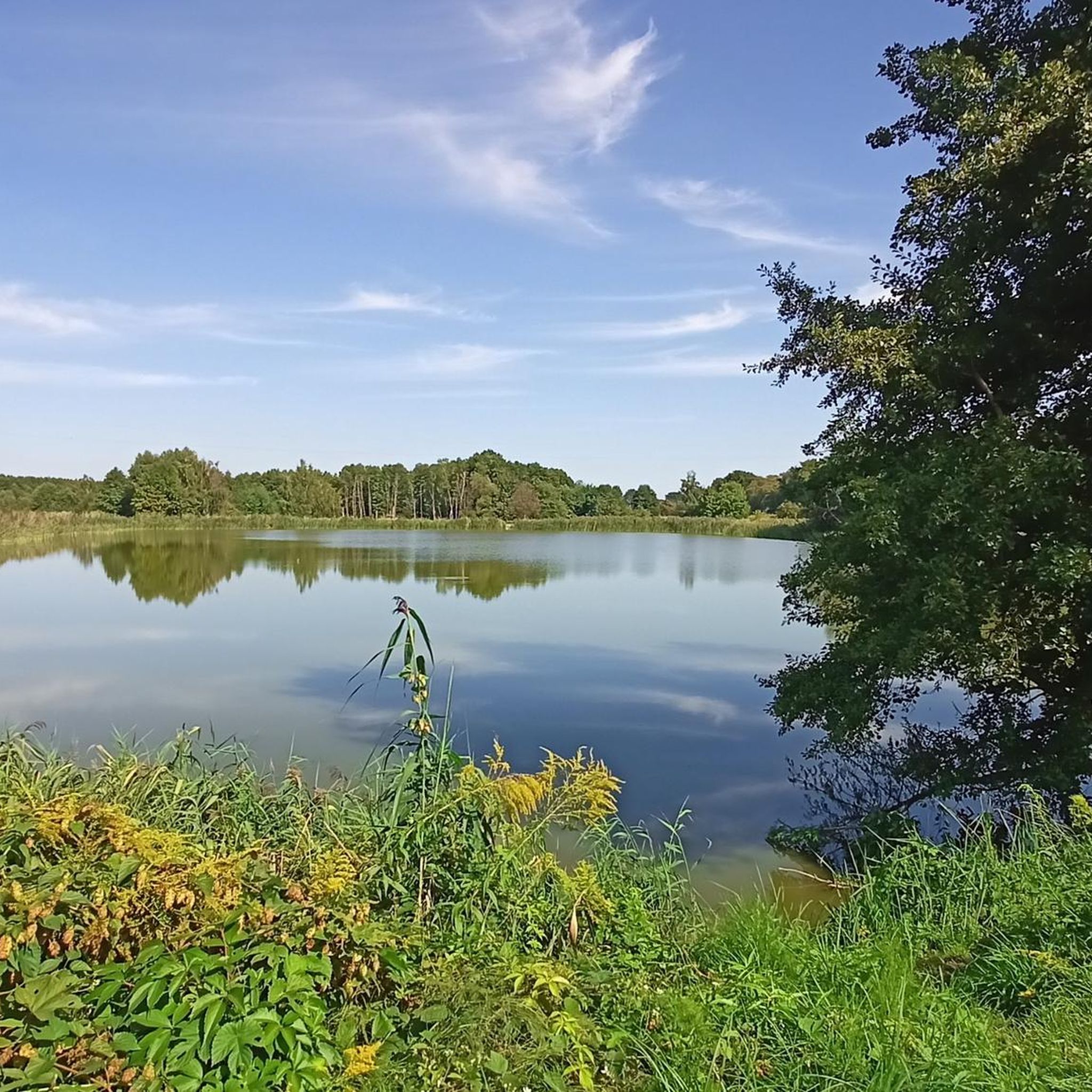
Mrożyczka Reservoir in Głowno
Highlight • Lake
Translated by Google •
Tip by
Bay on the Linda
Highlight • Beach
Tip by

Historic White Mill in Parzęczew
Highlight • Monument
Translated by Google •
Tip by

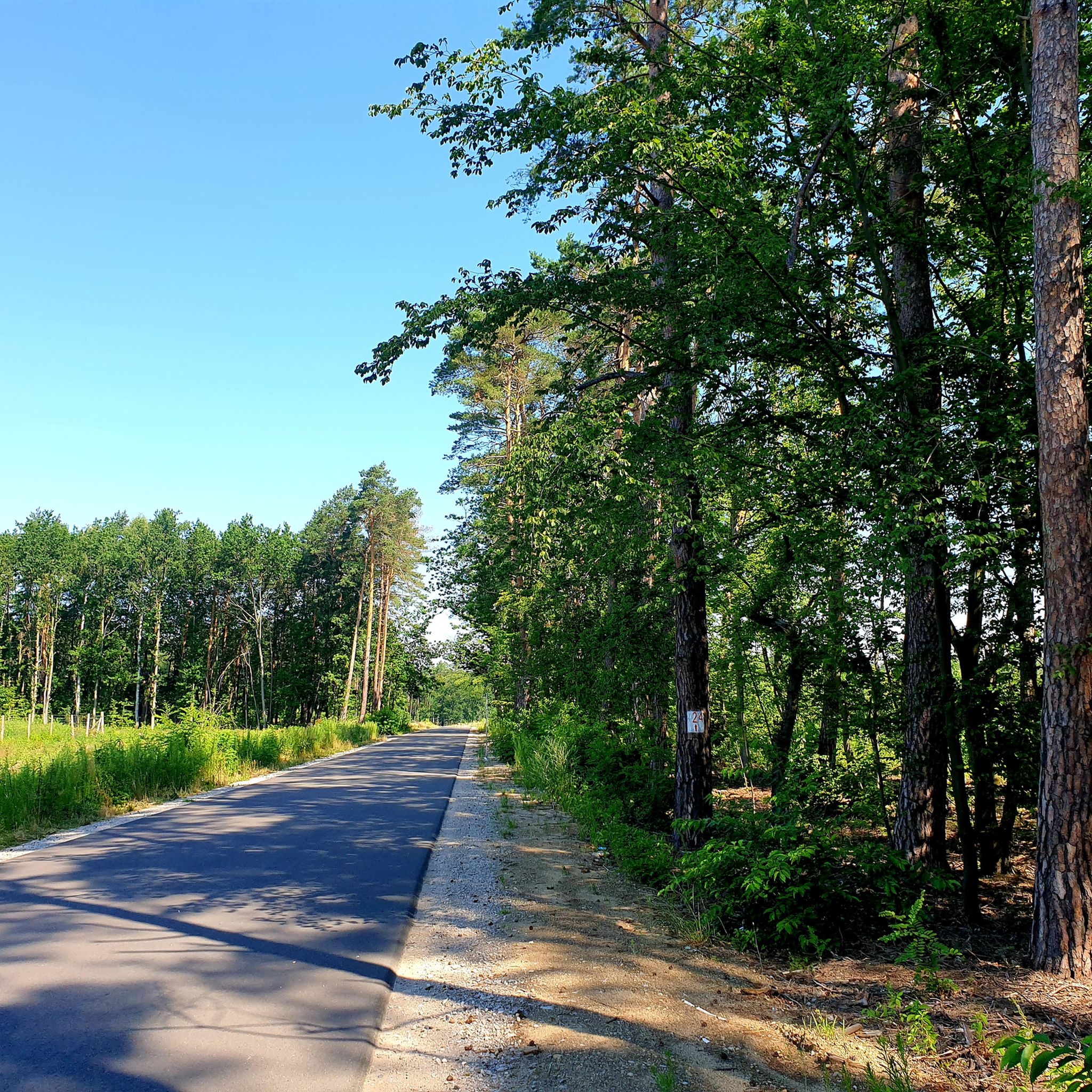
Struga Dobieszkowska Nature Reserve
Highlight (Segment) • Forest
Translated by Google •
Tip by

Sign up for free to discover even more attractions around powiat zgierski.
Sign up for free
Already have an account?
Start today with a free account
Your next adventure awaits.
Login or Signup

Tips from the Community


A pleasant beach, nearby gastronomic offer - Sami Swoi pizzeria, ice cream, fast food near the wake park
0
0

It's beautiful. Worth seeing! I recommend it!
0
0

The historic mill in Parzęczew, built in 1920 by a local company, is an interesting example of industrial architecture in the style of early modernism. The building was powered by a gas engine for coke, which made it modern for its time. In 1935, the mill was destroyed by fire, but its brick structure survived and the building is currently being renovated. For road cyclists, it is an interesting point on the route through the Łódź province - access via the asphalt provincial road no. 703 is convenient, and there are several places nearby for a short break. It is worth stopping for a moment to see this example of local industrial history and take a photo against the background of the characteristic brick facade.
2
0

Mrożyczka is a reservoir in Głowno (a city in the Łódź province), created in 1975 on the floodplains of the Mroga River, with an area of approximately 38 ha. The reservoir consists of two bodies of water separated by a causeway, on which runs national road no. 14. In the middle of the causeway there is a bridge over the Mroga connecting both bodies of water. The weir is located under the pedestrian and bicycle bridge connecting Młynarska Street, where the seat of the City Office and the Cooperative Bank are located, with the parking lot on Zgierska Street, where city events and a playground take place. The Mroga supplies the reservoir with various species of fish. Among others, crucian carps, tenches and roaches can be found here.
0
0
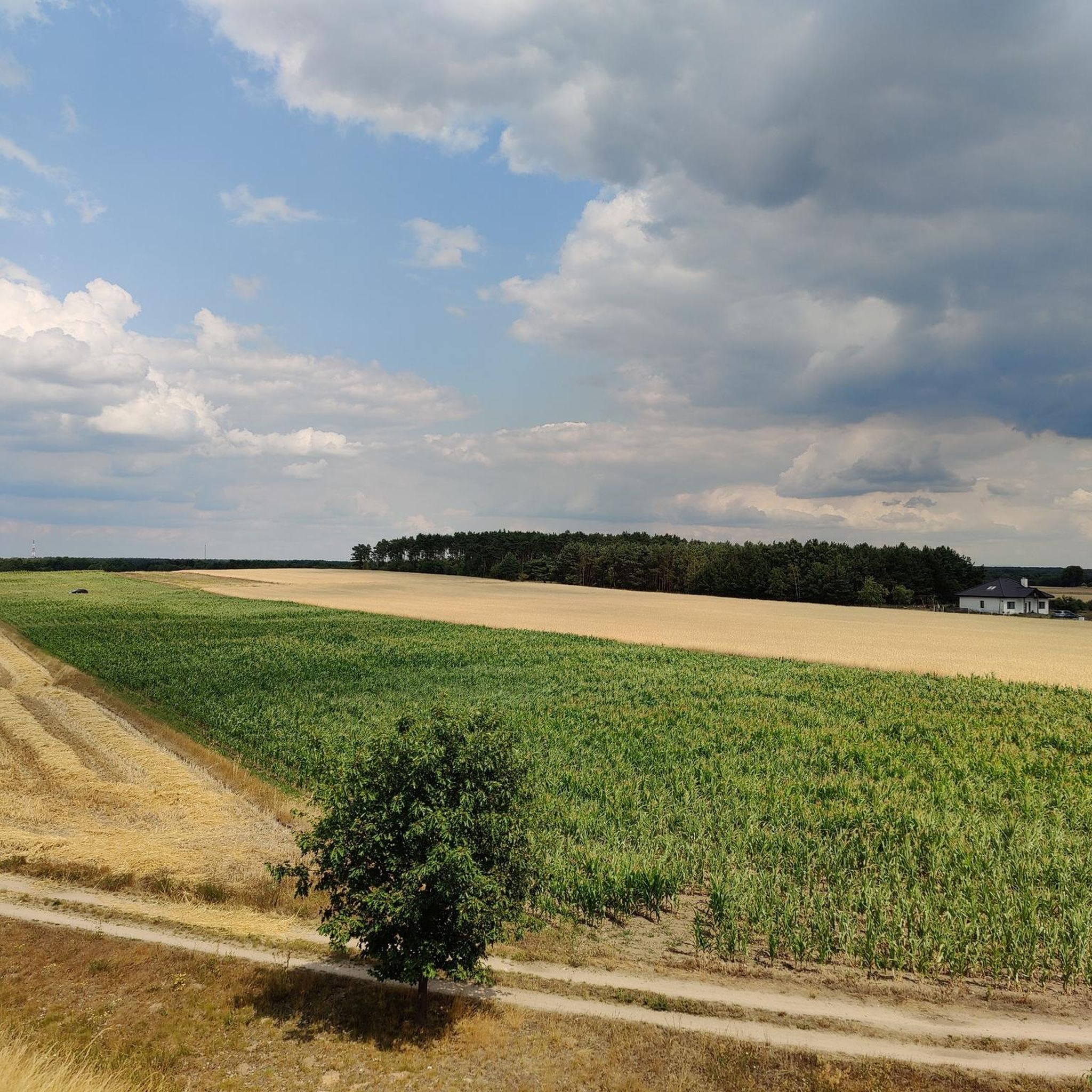
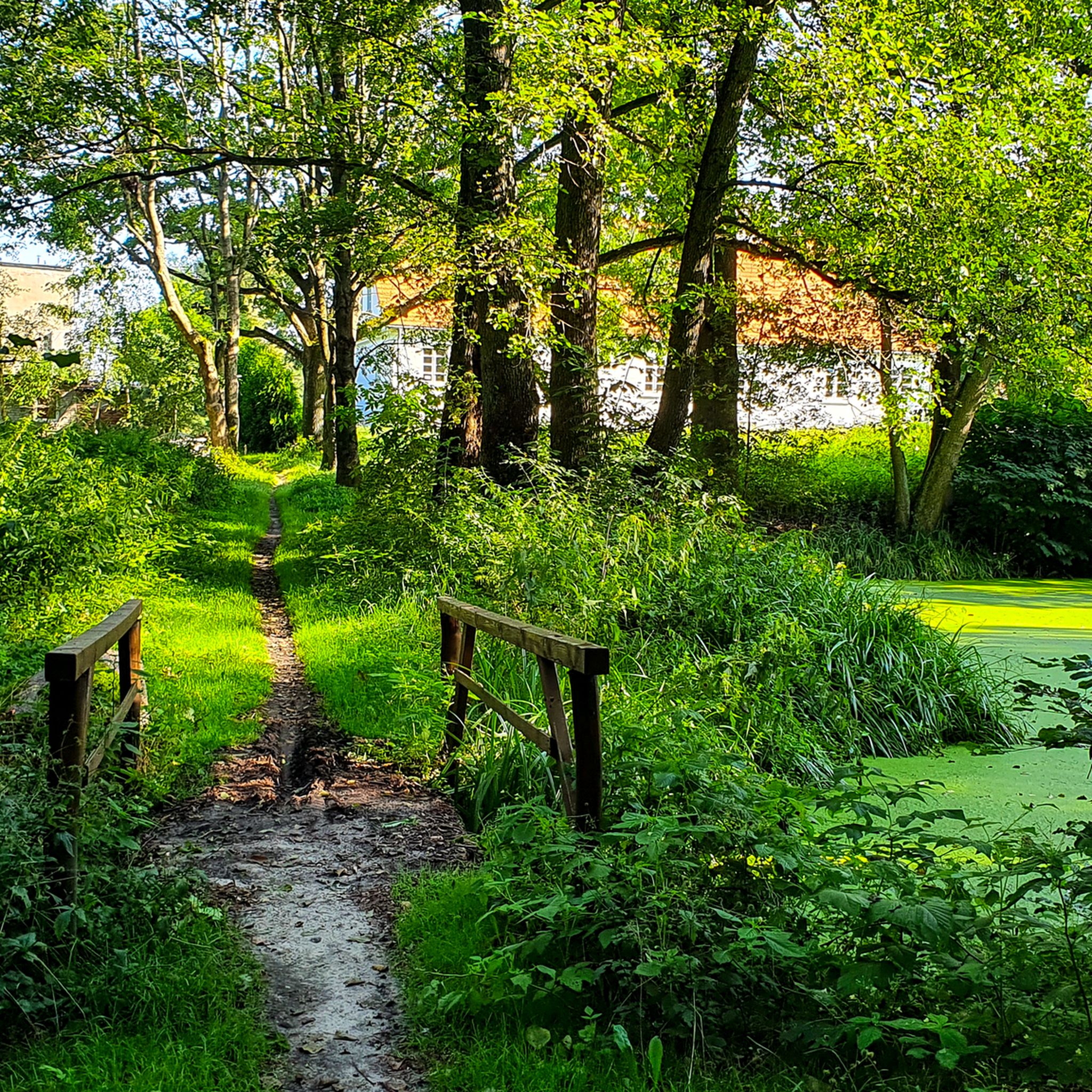
The Struga Dobieszkowska Nature Reserve is a forest nature reserve located in the Janinów forest district (Brzeziny Forest District), in the Łódź province, in the Zgierz district, in the Stryków commune, near Dobieszków. It is located within the Łódź Hills Landscape Park. The reserve was established in 1990 and covers an area of 37.65 ha. The purpose of protection is to preserve the natural forest landscape of the Młynówka stream, with numerous morphological forms, including ravines, spring bowls and forests, mainly riparian and oak-hornbeam forests.
0
0
Mariavite parish in Lipka, in the Silesian-Łódź diocese of the Old Catholic Mariavite Church in the Republic of Poland. The Mariavite parish in Lipka was the first to declare its independence on February 8, 1906, and to separate itself from the Roman Catholic parish in Niesułków. The first seat of the newly established parish was the Roman Catholic church in Niesułków. The church was in the hands of the Mariavites until December 1906, when, as a result of the decision of the municipal court the day after the verdict was announced, all parish buildings in Niesułków were to be returned to their original owner – the Roman Catholic Church. After the arrival of the Mariavite priest Tuła at the rectory, construction began on a two-story, brick parish house intended for a school and nursery on the current school square, where there is currently a parking lot for teachers. As a result of the verdict of the municipal court, the Mariavites were also forced to leave the newly constructed parish building. In one night, the building was dismantled and the building materials were manually moved, without the use of carts, to a plot donated by a farmer from Lipka - Jan Jachoł. A wooden chapel was built on the property, which served the Mariavites as a temple for three years. The Blessed Sacrament was moved to the new house of prayer from the church in Niesułków. A brick rectory was built next to the church, in which a nursery was located. The parish house was destroyed during World War I, but after it ended it was rebuilt, and in the interwar period it was used for courses for the illiterate and a library with a reading room. After World War II, this building was demolished, and in its place in the years 1980-1981 a new building was built, which currently serves as a parish hall, where parish orchestra rehearsals and parish meetings as part of various types of celebrations are held. The solemn consecration of the newly built Mariavite church was performed on 17 October 1909 by the newly consecrated Mariavite bishop in Utrecht, Fr. Jan Maria Michał Kowalski.
0
0
The church in Głowno-Osiny was built between 1928 and 1936. It was built on land donated by the local tableware factory "Norblin" with contributions from the factory's employees and financial support from its management. The author of the design was architect Wiesław Lisowski. The church was a branch of the Dmosin parish. The German occupation stopped the finishing work. Although a rector's office was established at the church in 1941, during the occupation services were held here sporadically. After the war, the interior furnishings were supplemented, but the development of the community was prevented by the policies of the communist authorities. It was not until December 6, 1952 that the bishop of Łódź, Michał Klepacz, established the parish of St. Barbara, virgin and martyr, at the church. Two years later, a rectory was built. In 2008, the interior of the church was renovated.
0
0
Frequently Asked Questions
What natural attractions can I explore in Powiat Zgierski?
Powiat Zgierski offers several natural highlights. You can visit the Struga Dobieszkowska Nature Reserve, a forest reserve within the Łódź Hills Landscape Park, featuring diverse forest landscapes and a beautiful path. The Mrożyczka Reservoir in Głowno is another popular spot, offering recreational opportunities on its two water bodies. Other notable natural areas include the Leśny-Dolny Reservoir in Łagiewnicki Forest and the Rabień Moorland Nature Reserve, known for its marsh plant species.
Are there any historical or cultural sites worth visiting in the region?
Yes, Powiat Zgierski is rich in history and culture. You can explore the baroque wooden Chapel of St. Anthony and St. Roch in Łódź-Łagiewniki, which are the only surviving structures of the original Franciscan chapels. The Historic White Mill in Parzęczew showcases early modern industrial architecture. Additionally, the City of Weavers Cultural Park in Zgierz preserves 19th-century urban layouts and weavers' houses, offering insight into the city's past.
What family-friendly activities are available in Powiat Zgierski?
For families, the region provides several options. The Mrożyczka Reservoir in Głowno and Bay on the Linda are great for recreation, with the latter offering canoe rentals in summer. Zgierz features the MOSiR "Malinka" Swimming Pool and family attractions at Linear Park on Piątkowska 32 and Malinowy Gród. The Historic City Bath in Zgierz also serves as an attraction for both children and adults.
Where can I go for swimming or water sports in Powiat Zgierski?
You have several choices for water activities. Bay on the Linda (Kąpielisko Nad Lindą) near Aleksandrów Łódzki is a picturesque bathing area with a sandy beach, ideal for summer outings and sunbathing. The Mrożyczka Beach in Głowno is another pleasant spot. Zalew Stryków is a popular bathing area offering water sports like sailing, kayaking, and windsurfing. In Zgierz, the MOSiR "Malinka" Swimming Pool is a well-known spot, especially during hot summer days.
Are there opportunities for hiking or walking trails near these attractions?
Yes, Powiat Zgierski offers various hiking opportunities. You can find easy hikes around the region, such as the "Arturówek Ponds – Lower Arturówek Reservoir loop" or the "Shrines in Lagiewniki – Birch Tree in the Łagiewnicki Forest loop." These routes are generally easy and range from 4 to 7 kilometers. For more details and specific routes, you can explore the Easy hikes around powiat zgierski guide.
Can I find cycling routes in Powiat Zgierski?
Absolutely. The region is suitable for cycling, with routes like the "Juliusz Heinzl Palace – OFF Piotrkowska loop" or the "Bzura Lake – Arturówek Ponds loop." These routes vary in difficulty from easy to moderate and cover distances up to 58 kilometers. For a comprehensive list of routes, check out the Cycling around powiat zgierski guide.
What are some unique historical monuments related to industry or craftsmanship?
Powiat Zgierski has a rich industrial heritage. The Historic White Mill in Parzęczew, built in 1920, is an interesting example of early modern industrial architecture. You can also find several historic water mills on the Mroga and Mrożyca Rivers, such as the Praga Water Mill and the Dąbrówka Mała Watermill, which showcase the region's past craftsmanship and industrial significance.
Are there any religious sites of historical importance?
Indeed. The two baroque wooden Chapels of St. Anthony and St. Roch in Łódź-Łagiewniki are historically significant, with legends dating back to the 1670s. The Church of Our Lady of Mount Carmel and St. Adalbert in Lipka is associated with the historical Mariavite parish. Additionally, the St. Martin Church in Stryków is a notable religious site.
What do visitors enjoy most about Powiat Zgierski?
Visitors particularly appreciate the blend of natural beauty and historical sites. The serene atmosphere of places like the Struga Dobieszkowska Nature Reserve and the recreational opportunities at the Mrożyczka Reservoir are highly valued. The historical significance of sites like the Chapel of St. Anthony and St. Roch also draws considerable interest, with many finding them beautiful and worth seeing.
Are there any specific points of interest for cyclists?
Cyclists will find the Wycieczkowa Deep Well Water Pump in Łódź-Łagiewniki a useful stop. It encourages cyclists to drink mineral-rich deep well water, especially along routes exploring the valleys of the Łódka, Bzura, and Łagiewniczanka rivers. The region's numerous cycling routes, detailed in the Cycling around powiat zgierski guide, also make it an attractive destination for bike enthusiasts.
Can I find mountain biking trails in the area?
Yes, for mountain biking enthusiasts, Powiat Zgierski offers several trails. You can explore routes such as the "Ludwik Heinzl Palace – Kościelna Góra loop" or various loops around the Łagiewnickie Ravines. These trails are generally of moderate difficulty. More information and specific routes can be found in the MTB Trails around powiat zgierski guide.
Most popular routes around powiat zgierski
Most popular attractions around powiat zgierski

Get inspired with the komoot mobile app


Didn’t find what you were looking for?
Are you keen on exploring more awesome places nearby? Browse our guides:
Explore more
Still not found the Highlight you’re looking for? See guides of the top attractions in other regions:
