The best cycling routes around Oświęcim
4.7
(342)
2,076
riders
235
rides
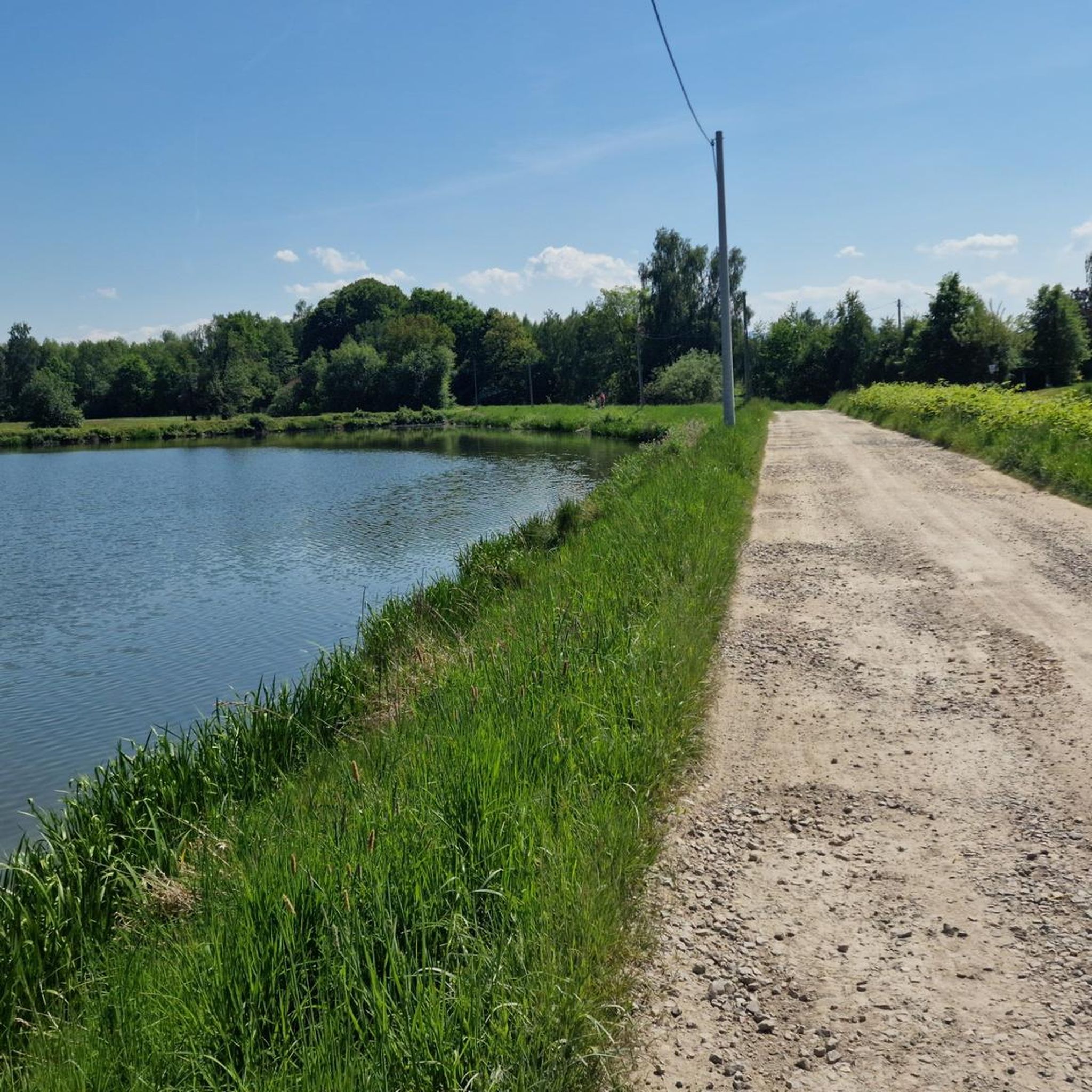
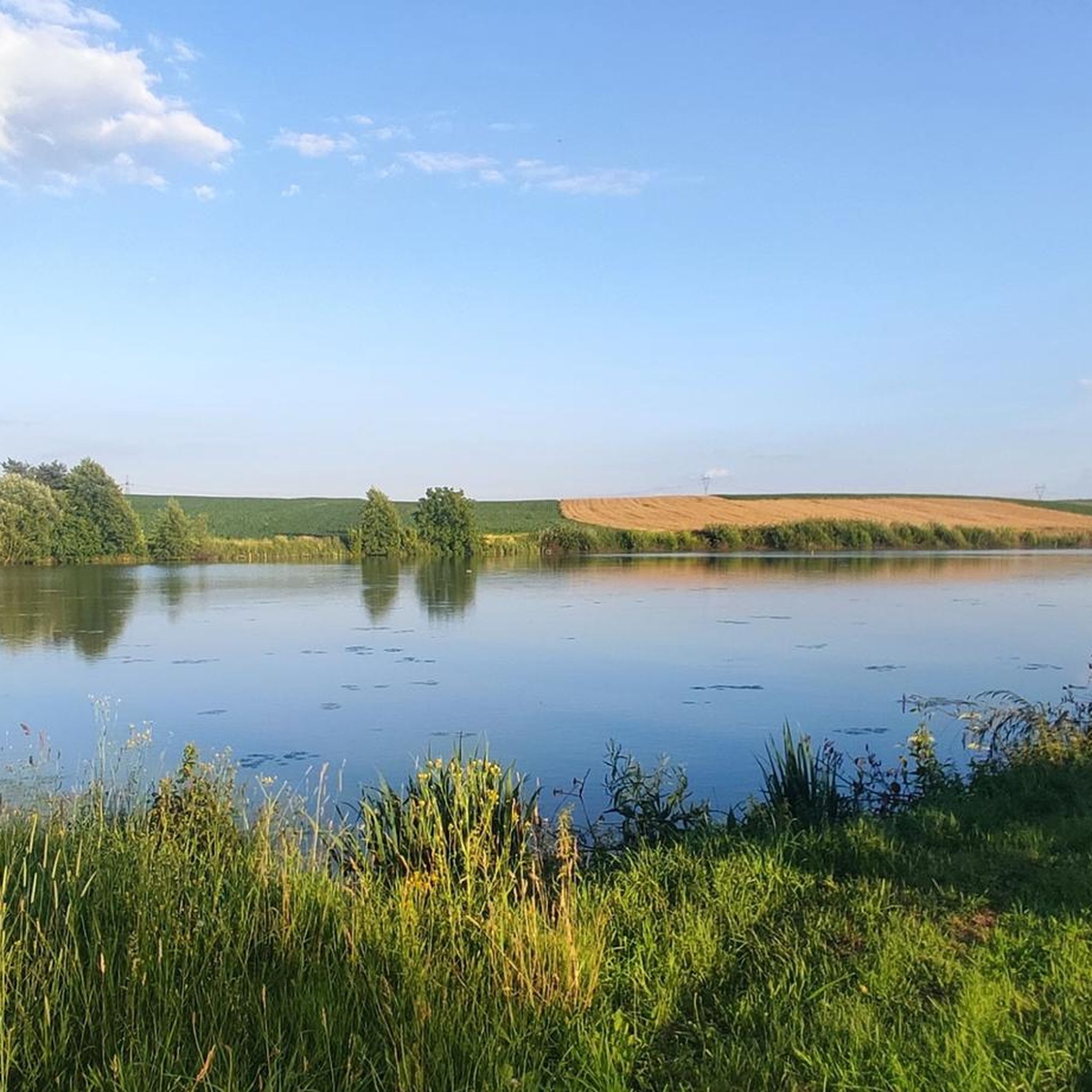
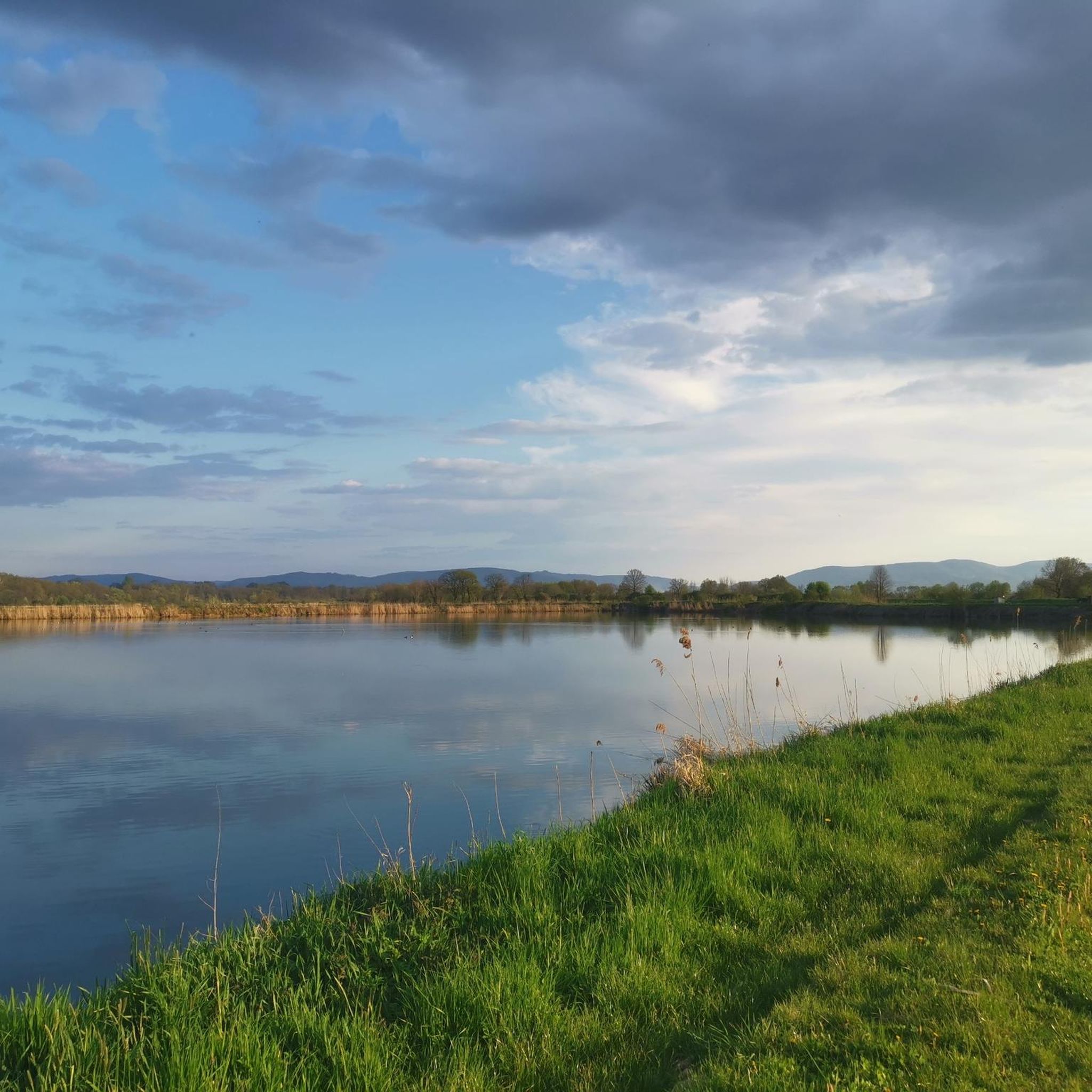
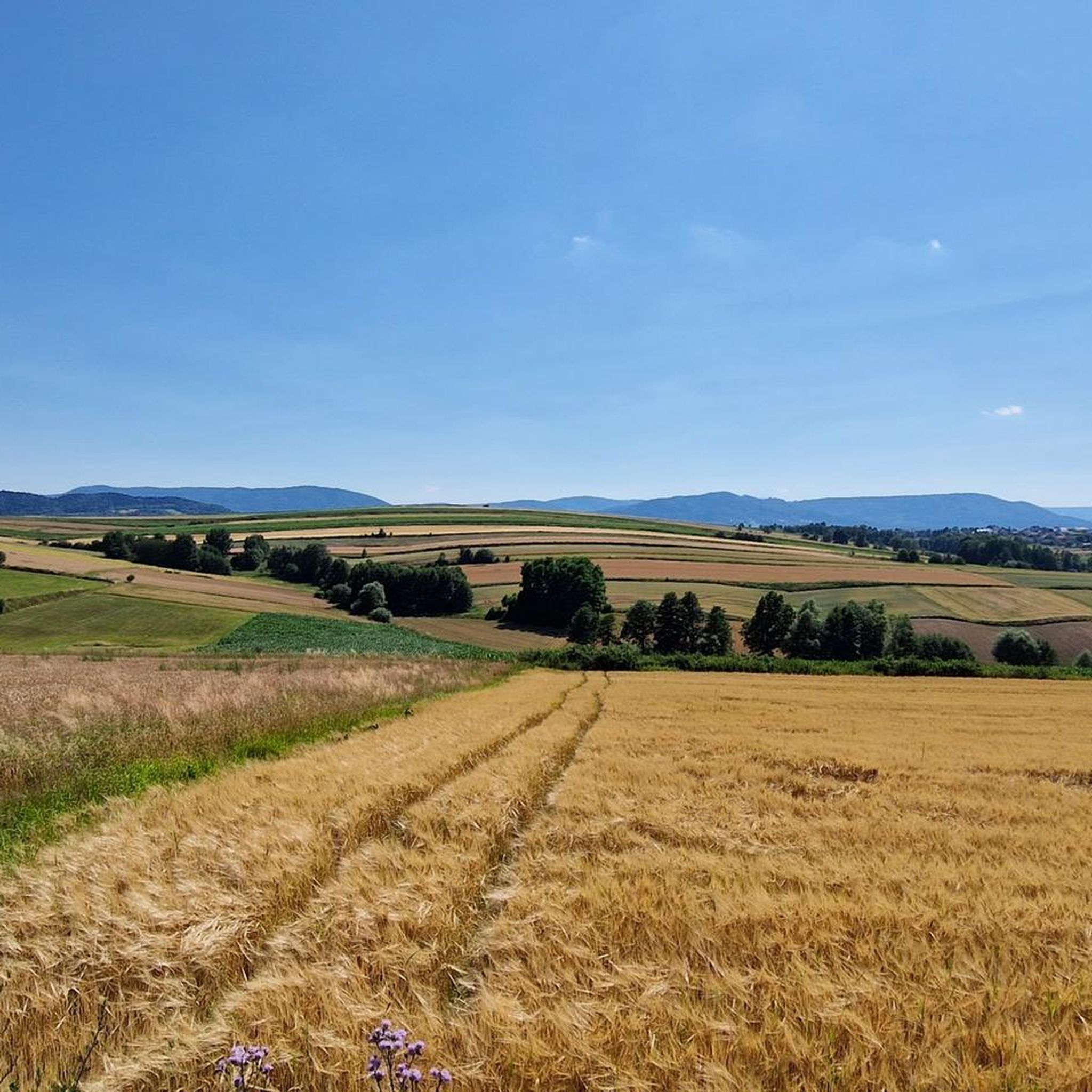
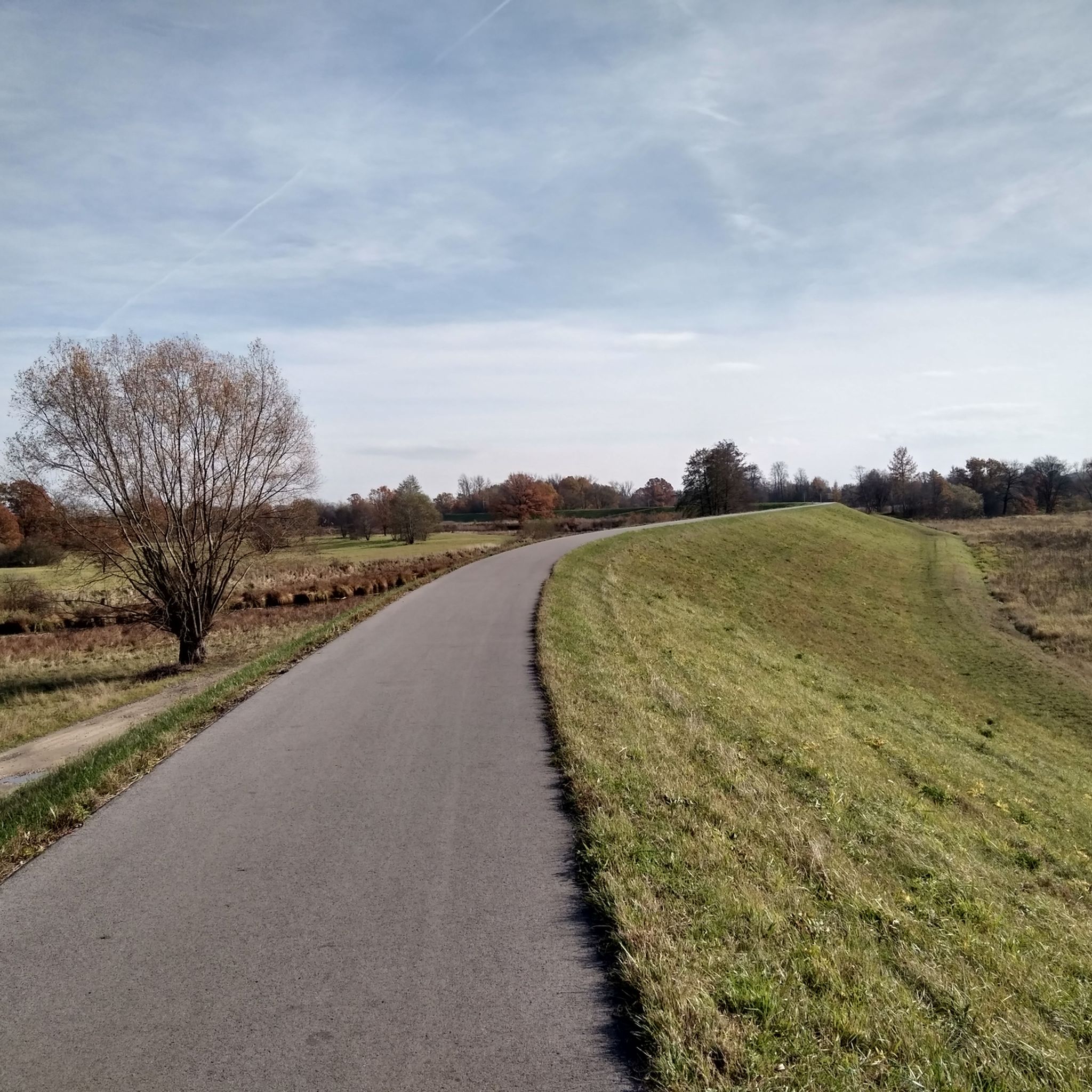
Touring cycling around Oświęcim offers access to extensive cycling routes through gentle landscapes and river valleys. The region is characterized by the Vistula River Valley, where many routes utilize comfortable bike paths built on flood embankments. Cyclists can also explore the Carp Valley, an area known for its picturesque ponds and rich biodiversity. The countryside features small villages and farmland, with modest climbs suitable for various fitness levels.
Best touring cycling routes around Oświęcim
- The most popular touring cycling route…
Last updated: August 13, 2026
4.0
(14)
70
riders
23.1km
01:21
80m
80m
Easy bike ride. Great for any fitness level. Mostly paved surfaces. Suitable for all skill levels.
4.7
(13)
63
riders
63.2km
04:12
170m
170m
Moderate bike ride. Good fitness required. Mostly paved surfaces. Suitable for all skill levels.

Sign up for free
4.9
(17)
66
riders
34.3km
02:09
200m
200m
Moderate bike ride. Good fitness required. Mostly paved surfaces. Suitable for all skill levels.
4.6
(11)
70
riders
Moderate bike ride. Good fitness required. Mostly paved surfaces. Suitable for all skill levels.
4.7
(9)
38
riders
24.2km
01:26
160m
160m
Moderate bike ride. Good fitness required. Mostly paved surfaces. Suitable for all skill levels.
4.5
(6)
40
riders
66.5km
03:56
310m
310m
Moderate bike ride. Good fitness required. Mostly paved surfaces. Suitable for all skill levels.
4.8
(13)
50
riders
27.8km
01:41
190m
190m
Moderate bike ride. Good fitness required. Mostly paved surfaces. Suitable for all skill levels.
5.0
(8)
24
riders
96.5km
05:44
180m
180m
Hard bike ride. Very good fitness required. You may need to push your bike for some segments of this route.
4.5
(6)
28
riders
Easy bike ride. Great for any fitness level. Mostly paved surfaces. Suitable for all skill levels.
4.8
(4)
30
riders
Easy bike ride. Great for any fitness level. Mostly paved surfaces. Suitable for all skill levels.
Get access to more routes and recommendations from other explorers.
Sign up for free
Already have an account?
Our route recommendations are based on thousands of hikes, rides, and runs completed by other people on komoot.
Start today with a free account
Your next adventure awaits.
Login or Signup
Popular around Oświęcim
Tips from the Community

Aqueduct in Czanec (Młynówka Czaniecka over Domaczka)A brilliant historic hydrotechnical node and a unique collision-free crossing of two watercourses. Above, in an artificial concrete channel (aqueduct), flows the Młynówka Czaniecka – a canal dug in the 19th century by the Żywiec Habsburgs to supply the nearby American mill and later the paper mill. Below, under the concrete bridge, flows the natural bed of the mountain stream Domaczka. The whole system works without pumps, relying solely on gravity and the laws of physics. A great technical point on the route and a rare example of old, reliable water engineering.
2
0
The Castle in Oświęcim is a medieval defensive stronghold located on a hill on the right bank of the Soła River. Currently, the site is home to the Museum of the Castle in Oświęcim, which presents the rich history of the city, the former Duchy of Oświęcim, and valuable historical and archaeological collections. It was here that a great diplomatic turning point occurred: in 1454, the last Piast duke of this region, Jan IV, bowed to the might of Poland and ceded the castle and his entire duchy as a fief to King Casimir Jagiellon. Three years later (in 1457), he completely sold these lands to him. The castle ceased to be a Silesian borderland and became Polish royal property for centuries. It is worth taking a look at the mighty, 13th-century Gothic tower, which remembers those events and that agreement! The history of the castle in Oświęcim dates back to the 11th century, when there was an early medieval agricultural settlement on the hill above the Soła. After it burned down, a fortified castellany stronghold was erected here. The first official documentary mention of it dates from 1179. It was then that King Casimir the Just transferred these lands to the Duke of Opole, Mieszko Plątonogi. Early Gothic tower – dates from the end of the 13th century, it is a defensive building type (bergfried) and is one of the oldest preserved brick structures in Lesser Poland. Royal history – the castle hosted prominent historical figures, including the future Queen of Poland, Bona Sforza. Underground tunnels – there are two corridors under the castle, including an air-raid shelter built by the Germans during World War II. Address: ul. Zamkowa 1, 32-600 Oświęcim Opening hours: Tuesday to Sunday from 10:00 AM to 6:00 PM (the museum is closed on Mondays).
1
0
The Park Mgieł is a modern attraction located in the newly modernized Park Bulwary nad Sołą in Oświęcim at ul. Parkowa 5. The installation creates an atmospheric water mist floating above wooden footbridges, which provides pleasant cooling on hot days. Mist show schedule The mist effect is activated at specific times during the day: Monday – Friday: at 2:00 PM, 4:00 PM, and 6:00 PM. Saturdays, Sundays, and holidays: at 2:00 PM, 3:00 PM, 4:00 PM, 5:00 PM, 6:00 PM, and 8:00 PM.
3
0
Uzdrowisko Goczałkowice-Zdrój is a small and picturesque spa town located in the Silesian Voivodeship, in the Pszczyna County. Its history dates back to 1856, when rich brine springs were discovered during salt exploration. Today, it is one of the most important rheumatological and rehabilitation centers in southern Poland. Spa Park: covers an area of about 7 hectares. It includes walking paths, ponds, a brine graduation tower, a sundial (where a person's shadow is the pointer), and the historic Old Drinking Hall of Medicinal Waters “Maria Quelle”.
2
0

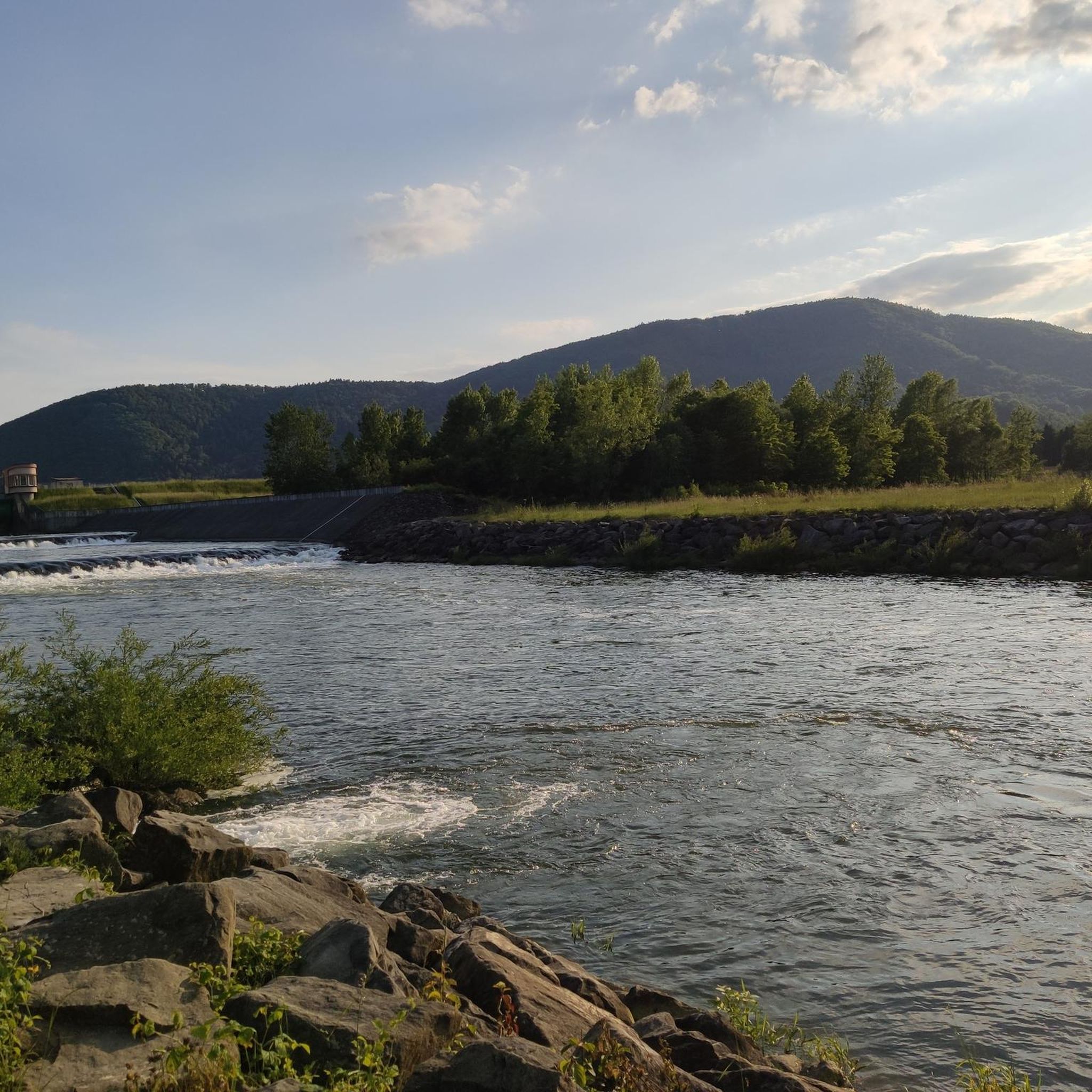
Next to the stairs leading to the dam, there is a small path that you can ride up. Watch out for the curb at the beginning of the stairs :)
0
0
Entering Wilamowice, you step into one of the most fascinating cultural enclaves in Europe! The town's name (in the local language: Wymysoü) comes directly from the name Wilhelm (William) – a legendary Flemish or Frisian nobleman. In the 13th century, Wilhelm brought a group of settlers from Western Europe (present-day Belgium, the Netherlands, and even Scotland) who were fleeing great floods to this region. For centuries, the community, living in isolation, created its own unique Wilamowice language (wymysiöeryś), which has survived to this day and is the smallest living language in Poland. What is worth seeing here? Museum of Wilamowice Culture – a modern place where you can learn about the history of Wilhelm's migrants. Unique costumes and traditions – if you are lucky, you will see local women in colorful, traditional costumes with Frisian motifs. The Market Square in Wilamowice – the intimate center of the town, perfect for a short break on your cycling route.
0
0
Wilamowice and Stara Wieś The first settlers from the West did not found one village, but two twin settlements located right next to each other. This is confirmed by the oldest church documents (lists of tithes) from 1326: Stara Wieś – recorded in the documents as Antiquo Willamowicz (Old Wilamowice). Wilamowice – recorded as Novovillamowicz (New Wilamowice). Interestingly, the fates of the inhabitants of both villages took completely different paths: The inhabitants of Stara Wieś were very quickly assimilated with the surrounding Polish population. They adopted their language and customs, thereby erasing their Western roots. In turn, the inhabitants of (New) Wilamowice abandoned farming in favor of crafts and trade, lived in isolation, and thanks to this, preserved their unique language (wymysiöeryś), costumes, and cultural distinctiveness for centuries. Hypothesis about settlers from Scotland.. Mention of Scots appear regularly in the Wilamowice tradition alongside Flemings and Frisians. Local tradition in the Municipality of Wilamowice still officially upholds the version that the founding core consisted of fugitives from Western Europe, among whom, alongside the dominant Flemings and Frisians, there was also a group of Scots. Influence on language: Some researchers and the Wilamowians themselves have pointed out that in the Wilamowice language, one can find isolated sounds or archaic words that phonetically show a surprising similarity not only to Dutch, but also to Celtic languages or Old Scots (Scots) and Anglo-Saxon. Traces in surnames: Part of the family names and nicknames in Wilamowice has, over the years, been attempted to be etymologically linked to origins from the British Isles.
0
0
Wilamowice is a town near Bielsko-Biała, called "Polish Flanders". It is famous for its unique community: Wilamowian language: A distinct Germanic language that survived despite persecution after 1945. It is currently undergoing intense revitalization, and young scientists are conducting research on it. Traditions: Residents still cultivate colorful local customs today, cherishing the memory of 13th-century settlers from Western Europe. Wilamowian costume: The group also uses its own very characteristic and richly decorated traditional folk costume.
0
0
Frequently Asked Questions
How many touring cycling routes are available around Oświęcim?
There are over 250 touring cycling routes around Oświęcim documented on komoot, offering a wide range of options for different preferences and skill levels. These routes have been explored by more than 2500 touring cyclists.
What kind of terrain can I expect when cycling around Oświęcim?
The terrain around Oświęcim is generally gentle, characterized by the Vistula River Valley and the picturesque Carp Valley. Many routes utilize comfortable bike paths, often built on flood embankments, offering wide, gentle curves. You'll cycle through small villages, farmland, and areas with numerous ponds, with only modest climbs, making it accessible for most riders.
What is the best time of year for touring cycling in Oświęcim?
The region sees increased cycling activity in May and July, suggesting these months offer favorable conditions. Generally, spring and summer provide pleasant weather for exploring the gentle landscapes and river valleys.
Are there touring cycling routes suitable for beginners or families in Oświęcim?
Yes, Oświęcim offers many routes suitable for beginners and families. Over 160 of the routes are rated as easy, featuring gentle terrain and dedicated bike paths. An example is the Oświęcim Castle – Vistula Oxbow Lake loop from Oświęcim, an easy 33.3 km path that combines historical sights with natural beauty.
Are there more challenging touring cycling routes for experienced riders?
For experienced riders seeking more challenge, Oświęcim also offers routes with greater distances or more varied elevation. There are 28 routes rated as difficult. The Vistula River – Vistula Oxbow Lake loop from Oświęcim, for instance, is a 54.1 km route with some elevation changes, offering expansive views of the Vistula Valley.
What natural attractions can I see along the touring cycling routes in Oświęcim?
Cycling routes in Oświęcim often pass through the Vistula River Valley and the Carp Valley, known for its picturesque ponds and rich biodiversity. You can explore areas designated as Natura 2000 sites, such as the ponds in Brzeszcze. Specific natural highlights include the Ponds in Wilczkowice and Lake Kruki.
Are there any historical landmarks or points of interest accessible by bike?
Yes, several routes combine natural beauty with historical landmarks. You can cycle past Oświęcim Castle and the Oświęcim Market Square. Other regional trails can lead to places like Lipowiec Castle or the open-air museum in Wygiełzów, and even the famous painted village of Zalipie.
Are there circular touring cycling routes around Oświęcim?
Many of the touring cycling routes around Oświęcim are designed as loops, allowing you to start and end in the same location. Examples include the Vistula Oxbow Lake – Vistula River loop from Oświęcim and the Pond with Reeds and Bird – Grojec Volunteer Fire Station loop from Oświęcim.
Where can I find parking for my car when starting a cycling tour in Oświęcim?
While specific parking locations for each route are not detailed here, Oświęcim, as a starting point for many routes, typically offers public parking options within the town or near popular trailheads. It's advisable to check local parking availability in Oświęcim or the specific starting village of your chosen route.
What do other touring cyclists enjoy most about cycling in Oświęcim?
The area is highly rated by the komoot community, with an average score of 4.8 stars from over 420 reviews. Reviewers often praise the extensive network of routes, the peaceful Vistula River Valley, and the gentle, scenic countryside that makes for enjoyable touring cycling experiences.
Are there long-distance touring cycling routes that connect Oświęcim to other cities?
Yes, Oświęcim serves as a starting or ending point for popular long-distance cycling trips, notably connections to Krakow. These routes, often over 80 km, are largely on smooth, paved surfaces with significant portions on dedicated cycleways, offering a blend of rural tranquility and urban exploration. The Vistula Cycling Route (WTR) also begins in Oświęcim, providing extensive long-distance opportunities.
Are the touring cycling routes in Oświęcim suitable for dogs?
While specific dog-friendly designations for each route are not provided, the gentle terrain and natural settings of many routes, particularly those along river valleys and through rural areas, can be suitable for cycling with well-behaved dogs, especially if they are accustomed to bike trailers or running alongside. Always ensure your dog's safety and respect local regulations regarding pets on trails.
Most popular routes around Oświęcim
Most popular attractions around Oświęcim

Get inspired with the komoot mobile app


Didn’t find what you were looking for?
Check out more Cycling routes throughout Oświęcim below and find the perfect route in your destination.
Explore more
Browse the best Cycling routes in other regions.
