The best walks and hikes around Gföhl
4.6
(5335)
30,307
hikers
41
hikes
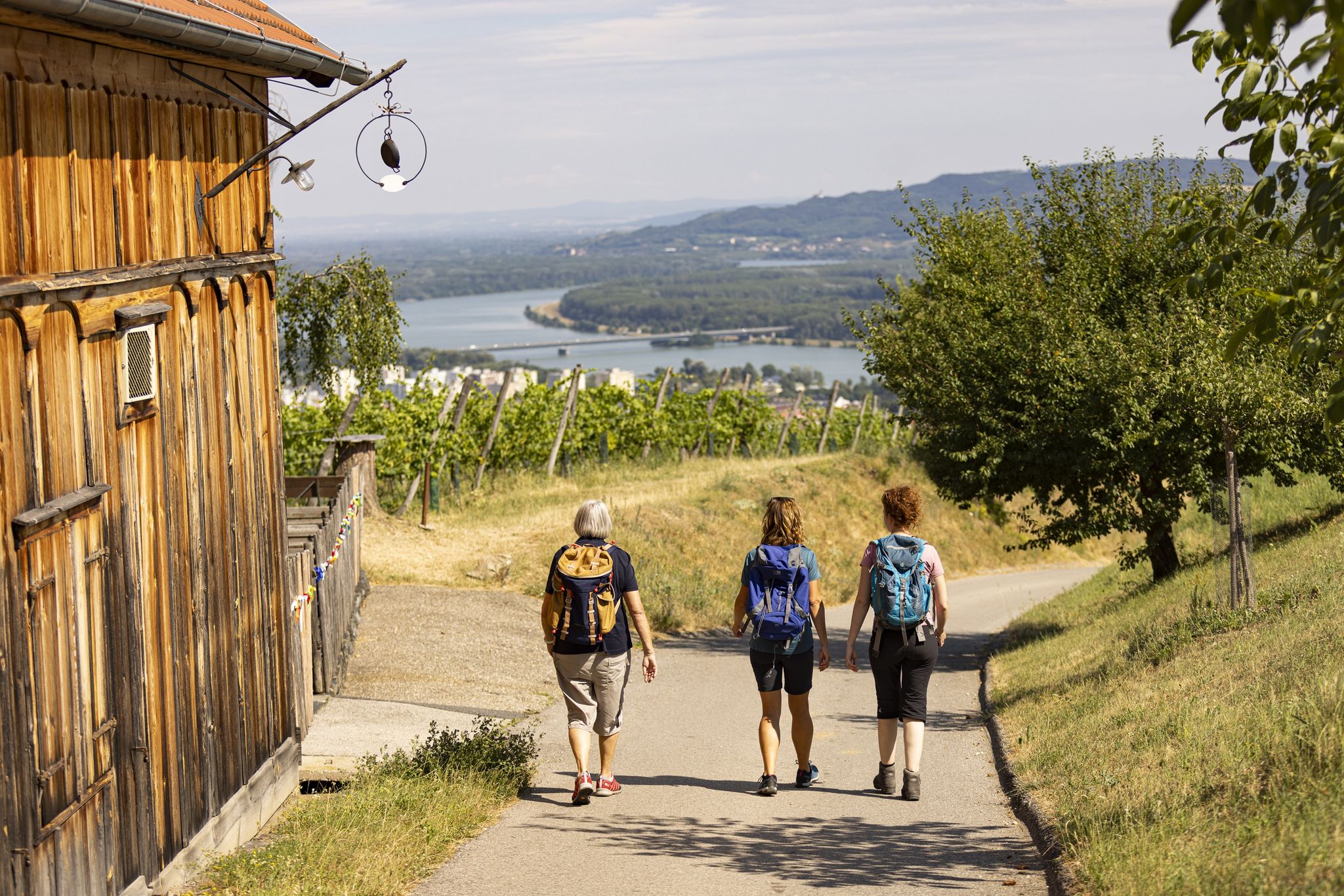
Hiking around Gföhl offers diverse landscapes within the Waldviertel region of Lower Austria. The area is characterized by rolling hills, mixed forests, and the Große Krems river, which carves deep views into the Kremstal. Notable natural features include dramatic rock formations like Wotansfelsen and Teufelskirche, providing varied terrain for exploration. This region provides a network of trails suitable for different preferences and fitness levels.
Best hiking trails around Gföhl
- The most popular hiking route is Gföhl – Steinberg Viewpoint loop…
Last updated: May 20, 2026
4.3
(7)
27
hikers
12.8km
03:39
280m
280m
Moderate hike. Good fitness required. Easily-accessible paths. Suitable for all skill levels.
4.5
(6)
19
hikers
13.7km
03:58
300m
300m
Moderate hike. Good fitness required. Mostly accessible paths. Sure-footedness required.

Sign up for free
4.8
(9)
20
hikers
9.70km
02:42
180m
180m
Moderate hike. Good fitness required. Easily-accessible paths. Suitable for all skill levels.
4.6
(17)
34
hikers
5.90km
01:34
60m
60m
Easy hike. Great for any fitness level. Easily-accessible paths. Suitable for all skill levels.
4.4
(5)
14
hikers
11.9km
03:23
260m
260m
Moderate hike. Good fitness required. Easily-accessible paths. Suitable for all skill levels.
Get access to more routes and recommendations from other explorers.
Sign up for free
Already have an account?
Our route recommendations are based on thousands of hikes, rides, and runs completed by other people on komoot.
Start today with a free account
Your next adventure awaits.
Login or Signup
Other adventures around Gföhl

Tips from the Community


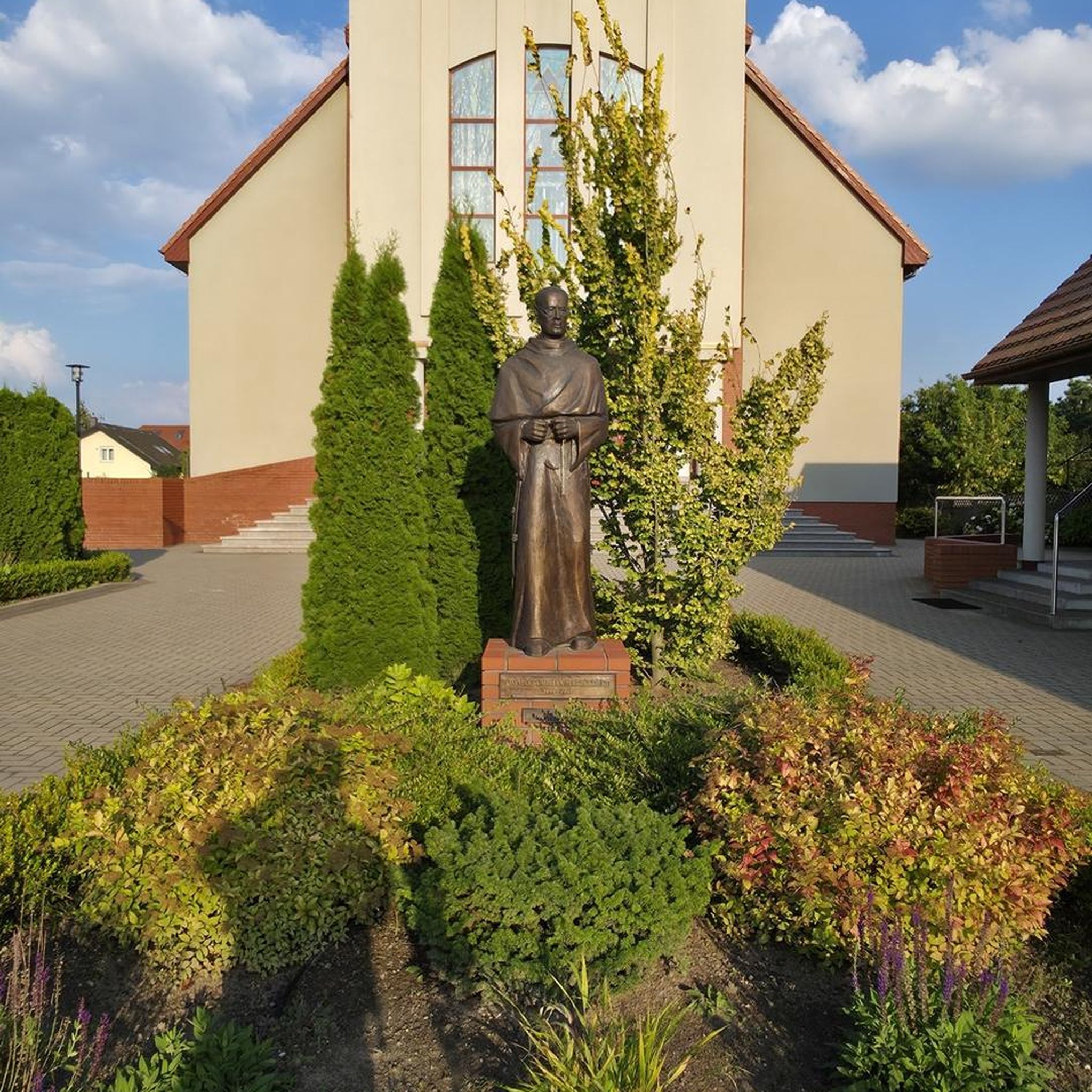
In 1985, the property was leased by the then owner, Rosa Gutmann (1912–2003), to the Priestly Fraternity of St. Pius X, and after her death in 2003, it was bequeathed to them.
1
0
History of the fountain on the main square of the town of Gföhl. The fountain itself is in neo-Gothic style and was erected in 1870 according to a design by Karl Rösner. From 1999 onwards, the main square was redesigned under the leadership of architect Gerhard Mitterberger for 9.3 million Schilling. During this process, the fountain was extended with a few subtly worked granite elements.
0
0
History of the Church: A church was first documented in 1327 and initially belonged to the parish of Meisling as a branch church. A new church was built in the mid-17th century, followed by the current church building, constructed between 1715 and 1720, which was consecrated in 1724. Damage was caused by fires in the village in 1748 and 1820. Subsequently, the church gradually acquired 19th-century furnishings. Damage to the roof truss led to the vault sagging. During a renovation in 2020, the vault was raised again.
0
0
History of the Church: A church was first documented in 1327 and initially belonged to the parish of Meisling as a branch church. A new church was built in the mid-17th century, followed by the current church building, constructed between 1715 and 1720, which was consecrated in 1724. Damage was caused by fires in the village in 1748 and 1820. Subsequently, the church gradually acquired 19th-century furnishings. Damage to the roof truss led to the vault sagging. During a renovation in 2020, the vault was raised again.
0
0
The parish church of Gföhl is located in the town of Gföhl in the Krems district of Lower Austria. The Roman Catholic parish church, dedicated to St. Andrew, belongs to the Krems deanery in the Diocese of St. Pölten. The church is a listed building.
0
0
The parish church of Gföhl is located in the town of Gföhl in the Krems district of Lower Austria. The Roman Catholic parish church, dedicated to St. Andrew, belongs to the Krems deanery in the Diocese of St. Pölten. The church is a listed building.
0
0
The Lehenhüttenteich (formerly: Lehenhüttelteich) is fed by the outflowing water from the Rotenrohrteich and flows on into the Drescherteich.
0
0
Frequently Asked Questions
How many hiking trails are available around Gföhl?
Gföhl offers a comprehensive network of over 40 hiking routes. These trails cater to various preferences, ranging from easy walks to more challenging paths, ensuring there's something for every fitness level.
What is the best time of year to go hiking in Gföhl?
The ideal seasons for hiking in Gföhl are spring and autumn. During these times, the weather is mild, and the natural scenery, with its mixed forests and rolling hills, is particularly vibrant and inviting for outdoor exploration.
Are there easy hiking routes suitable for beginners or families in Gföhl?
Yes, Gföhl features 14 easy routes perfect for beginners or families. An excellent option is the Gföhl – Drescher Pond in Jaidhof loop from Gföhl, which is just under 6 km long and offers a pleasant walk around the Drescher Pond.
Can I find circular hiking routes in the Gföhl area?
Many of the trails around Gföhl are designed as circular routes, allowing you to start and end at the same point. For example, the Gföhl – Steinberg Viewpoint loop from Gföhl is a popular moderate circular trail offering scenic views.
What kind of natural features or landmarks can I expect to see while hiking?
Gföhl's landscape is rich with natural wonders. You can explore dramatic rock formations like the archaic Wotansfelsen and Teufelskirche, or visit the Gudenus Cave. The region is also characterized by the Große Krems river, offering deep valley views, and bodies of water such as Drescher Pond in Jaidhof. For impressive views, consider the Predigtstuhl Peninsula, Ottenstein Reservoir.
Are there any trails that offer scenic viewpoints?
Absolutely. The region is known for its scenic vistas. The Gföhl – Steinberg Viewpoint loop from Gföhl specifically highlights the Steinberg Viewpoint. Another trail, the Gudenus Cave – View of Hartenstein Castle loop from Ruine Hohenstein, provides views of Hartenstein Castle.
Where can I find parking for hiking trails in Gföhl?
While specific parking areas for each trail are not always explicitly listed, Gföhl, as a hub for outdoor activities, generally offers designated parking in or near the town center and at popular trailheads. It's advisable to check local signage upon arrival or consult detailed route descriptions for specific starting points.
What do other hikers enjoy most about the trails in Gföhl?
The trails in Gföhl are highly rated by the komoot community, with an average score of 4.6 stars from over 1,200 reviews. Hikers often praise the diverse landscapes, the impressive rock formations, and the varied terrain that ranges from gentle forest paths to more adventurous routes.
Are there any water features or lakes to explore near Gföhl?
Yes, the landscape around Gföhl is enriched by several water features. The Große Krems river is a prominent feature, and you can also find Drescher Pond in Jaidhof and the Fischteiche Brunner at Tiefenbach. Further afield, you can explore the Ottenstein reservoir and Thurnberg Reservoir.
What are some of the more challenging hikes in Gföhl?
For those seeking a challenge, Gföhl offers routes requiring good fitness and sure-footedness. The Gudenus Cave – View of Hartenstein Castle loop from Ruine Hohenstein is classified as difficult, covering 14 km with significant elevation changes, and explores geological features like the Gudenus Cave.
Are there any historical sites or cultural attractions accessible via hiking trails?
Yes, Gföhl's trails often lead past historical and cultural points of interest. You can explore sites like the Hussitenkreuz and the Galgenriedel, a site of medieval justice. The Lichtenburg castle ruin also presents a challenging climb with rewarding views. Additionally, you can visit Jaidhof Castle and Park or the Bauernhofmuseum (Farm Museum).
How long do hikes typically take in Gföhl?
The duration of hikes in Gföhl varies significantly depending on the route's length and difficulty. Easy walks, like the Gföhl – Drescher Pond in Jaidhof loop from Gföhl, can be completed in under 2 hours, while moderate trails such as the Gföhl – Steinberg Viewpoint loop from Gföhl typically take around 3.5 hours. More difficult routes can extend to 4 hours or more.
Most popular routes around Gföhl
Most popular attractions around Gföhl

Get inspired with the komoot mobile app


Explore more
Browse the best Hikes in other regions.
