Attractions and Places To See around Jelenia Góra - Top 20
Best attractions and places to see around Jelenia Góra include a blend of historical sites, cultural experiences, and natural landscapes. Located at the foot of the Karkonosze Mountains in southwestern Poland, the city serves as a base for exploring the surrounding valleys and mountain ranges. Visitors can find medieval castles, scenic parks, and informative museums within the region. The area is characterized by its position in the Jelenia Góra Valley, surrounded by several mountain ranges.
Best attractions and places to see around Jelenia Góra
- The most popular attractions is Market Square in Jelenia Góra, a historical site known for its vibrant atmosphere. It features colorful merchant houses, cafes, and restaurants, serving as a central point for culture and history.
- Another must-see spot is Chojnik Castle, a castle ruin perched on a mountain. This medieval site offers panoramic views of the surrounding forests and the Karkonosze Mountains.
- Visitors also love Jelenia Góra Town Hall, an 18th-century Baroque building with Neoclassical elements. It is a three-storey structure with a central square tower that defines the market square.
- Jelenia Góra is known for its historical sites, natural monuments, and religious buildings. The region offers a variety of attractions to see and explore, from castles and town halls to churches and rock formations.
- The attractions around Jelenia Góra are appreciated by the komoot community, with over 280 upvotes and more than 430 photos shared across 66 highlights.
Last updated: July 1, 2026
Chojnik Castle
Highlight • Castle
You can fortify yourself in the restaurant.
Translated by Google •
Tip by

Market Square in Jelenia Góra
Highlight • Historical Site
Translated by Google •
Tip by

Sign up now to discover places like this
Get recommendations on the best single tracks, peaks, & plenty of other exciting outdoor places.
Sign up for free
Church of the Exaltation of the Holy Cross (Kościół Podwyższenia Krzyża Świętego), Jelenia Góra
Highlight • Religious Site
Translated by Google •
Tip by

Śląskie Kamienie / Dívčí Kameny rock formations
Highlight • Natural Monument
Translated by Google •
Tip by

Schaffgotsch Palace
Highlight • Castle
Translated by Google •
Tip by

Castle Gate Tower
Highlight • Historical Site
Translated by Google •
Tip by

Historic N-type tram
Highlight • Cafe
Translated by Google •
Tip by

Neptune Fountain
Highlight • Monument
Translated by Google •
Tip by
Szczudlarz Jeleniogórski Sculpture
Highlight • Monument
Translated by Google •
Tip by
St. Anne’s Church (Kościół Świętej Anny), Jelenia Góra
Highlight • Religious Site
Translated by Google •
Tip by
Sign up for free to discover even more attractions around Jelenia Góra.
Sign up for free
Already have an account?
Start today with a free account
Your next adventure awaits.
Login or Signup

Tips from the Community


📍 Location The chapel is located on St. Anne's Hill (Wzgórze św. Anny) in the Sobieszów district, south of the city center. Surrounded by forests and hiking trails – ideal for spiritual walks. Nearby: Ruins of Chojnik Castle Karkonosze National Park Panoramic view of the Jelenia Góra Valley 🎨 Architecture & Features Exterior: Rectangular building with a gable roof, small turret with a bell. Interior: Baroque altar with a statue of St. Anne Simple benches and wood paneling Votive offerings and small mementos from pilgrims 🕊️ Spiritual Atmosphere The chapel is a place of silence and contemplation – popular with hikers, believers, and history buffs. Often a destination for May devotions, rosary prayers, and family visits. Associated with local legends of protection and healing.
0
0
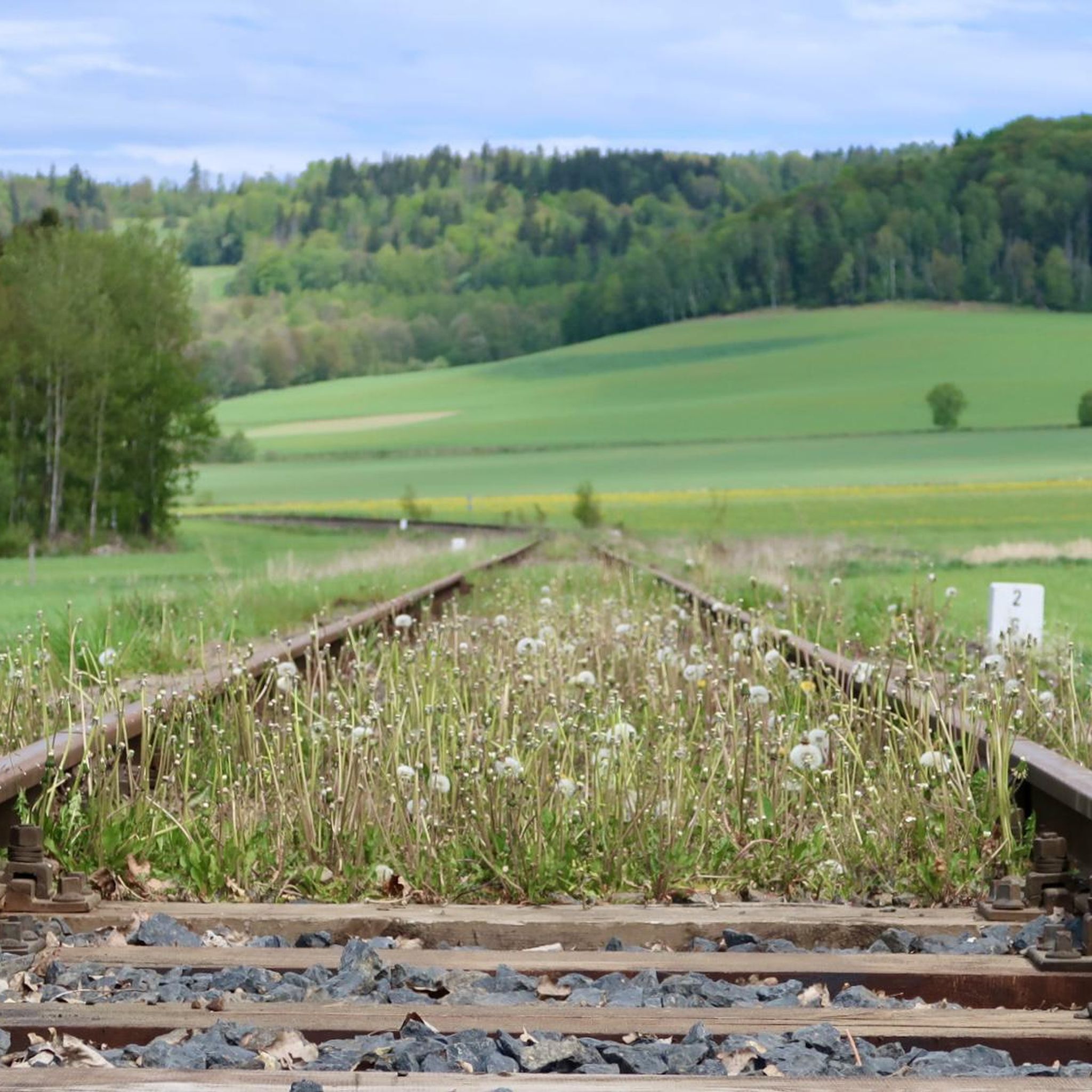
The historic tram in Jelenia Góra was a significant part of the city's infrastructure and a symbol of the region's technological development. Here's a brief overview of its history and significance: 🚋 Origins & Development Opening: On April 10, 1897, operations began with gas-powered trams between the main station and Herischdorf (now Malinnik). Electrification: The line was electrified as early as 1900, with sections to Cieplice (Bad Warmbrunn) and later to Podgórzyn Górny. Gauge: Originally 1435 mm (standard gauge), later converted to 1000 mm to better manage the tight curves and gradients of the old town. 🗺️ Route map Urban lines: Main Station – Plac Ratuszowy – Zajezdnia (Depot) Main Station – Plac Ratuszowy – Koszary (Barracks) Interurban lines: Jelenia Góra – Cieplice – Sobieszów Cieplice – Podgórzyn – Podgórzyn Górny The maximum network length was 19.2 km – one of the longest tram routes in Lower Silesia. 📉 End of service Decommissioning: Starting in the 1950s, lines were gradually closed. Last day of operation: The last tram ran on April 28, 1969 – the farewell was ceremonial and free for all passengers. 🏛️ Memories & Traces No preserved vehicles remain in the cityscape, but: Photos and documents in the Karkonosze Museum Remnants of the track and former curved tracks are still visible in Cieplice and along ul. Bankowa Street names and stop names recall the route
0
0
The so-called Castle Tower of Jelenia Góra is a relic of the medieval city fortifications and is often referred to locally as "Baszta Grodzka." It is one of the few remaining elements of the former city wall and offers fascinating insights into the region's defensive architecture. 🏰 Baszta Grodzka – The Castle Tower Location: On the southeastern edge of the Old Town, near Grodzka Street and not far from Plac Ratuszowy (Market Square). Built: Probably in the 14th century, as part of the city wall and to secure one of the city gates. Function: Served as a defensive tower, observation point, and place of refuge during attacks. 🧱 Architecture Materials: Fieldstone and brick, with typical Gothic elements. Form: Round tower with a conical roof, now restored. Special features: Archery slits and small windows Partially preserved remains of the walls in the surrounding area Historical inscriptions and traces of reconstruction 🏛️ Current use The tower is not permanently open to the public, but is occasionally opened for city tours or historical events. It serves as a monument to the medieval city structure and is a popular photo subject. 🗺️ Surroundings Nearby: Church of St. Erasmus and St. Pancras Market square with town hall and Neptune fountain Sculpture of Szczudlarz Jeleniogórski Historic town houses with arcades
0
0
The Neptune Fountain in Jelenia Góra (Fontanna z Neptunem) is an elegant Baroque monument located on Town Hall Square (Plac Ratuszowy) and one of the city's most famous landmarks. Here are the key details: 🧜♂️ Symbolism & History Neptune, the Roman god of the sea, stands here as a symbol of trade and cosmopolitanism – in keeping with Jelenia Góra's historical role as a trading city. The fountain was built in the 18th century, presumably to underscore the city's importance in the regional cloth trade. It is part of a Baroque square design that reflects the wealth and prestige of the citizens of that time. 🏛️ Design Material: Sandstone with elaborate details. Figure: Neptune with a trident, flanked by marine motifs such as dolphins and shells. Base: With ornaments and water spouts – especially beautiful when illuminated in the evening. 📍 Location & Surroundings Directly in front of Jelenia Góra's town hall, surrounded by arcaded houses and cafés. In the immediate vicinity: Sculpture "Szczudlarz Jeleniogórski" Freedom Bench (Ławka Wolności) Deer sculptures as the city's coat of arms 🎨 Significance today Popular meeting place and photo opportunity for tourists. Often included in city tours and cultural events. Part of the historical ensemble that shapes the character of the market square.
0
0
The sculpture "Szczudlarz Jeleniogórski" (English: The Stilt Walker of Jelenia Góra) is a striking work of art in Town Hall Square (Plac Ratuszowy) and a symbol of the city's cultural identity. Here are the key details: 🎭 Background & Significance Artist: Created by Armenian-Polish artist Vahan Bego, known for his expressive sculptures and multimedia works. Unveiled: On August 2, 2013, as a memorial to the International Street Theater Festival, which has been held annually in Jelenia Góra since 1983. Symbolism: The stilt walker represents creativity, movement, and theatrical freedom—a tribute to street art and its roots in the city. 🧱 Design & Location Location: Directly at the Town Hall, seemingly "growing out" from the corner of the building—a surprising and playful effect. Material: Bronze-like patinated, with a dynamic posture and extra-long stilts. Photo motif: A popular meeting place and backdrop for tourist photos – a real eye-catcher alongside the city's classic deer figures. 🖼️ Other works by Vahan Bego in the region Don Quixote with Sancho Panza – Sculpture at Skwer przy ul. Uroczej in Jelenia Góra. WAZE – Large-format wall relief in Zgorzelec (over 100m²), together with Michał Bulak.
0
0

Original idea. Looks great.
0
0

The Chapel of St. Anne is one of the most venerable religious buildings in Hirschberg.
2
0
Frequently Asked Questions
What historical sites can I explore in Jelenia Góra?
Jelenia Góra is rich in history. You can visit the impressive Chojnik Castle, a medieval ruin offering panoramic views. The city also features the Jelenia Góra Town Hall, an 18th-century Baroque building, and the historic Market Square with its colorful merchant houses. Don't miss the Wojanowska Tower and Gate, a 14th-century remnant of the city walls, or the Prince's Tower in Siedlęcin with its medieval knight paintings.
Are there any notable cultural attractions or museums in Jelenia Góra?
Yes, Jelenia Góra offers several cultural attractions. The Karkonosze Museum (Giant Mountains Museum) provides insights into the region's traditions and history, housing Poland's largest glass collection. You can also visit the monumental Church of the Exaltation of the Holy Cross with its Baroque decorations, or the Natural History Museum in Cieplice for engaging exhibitions. The City Museum Gerhart Hauptmann House, located in a Nobel Prize winner's villa, hosts various cultural events.
What natural features can I explore near Jelenia Góra?
Jelenia Góra is situated at the foot of the Karkonosze Mountains, offering access to the vast Karkonosze National Park with hundreds of kilometers of trails, diverse flora, and waterfalls like Szklarki and Kamieńczyk. The picturesque Bóbr Valley is ideal for walks, and the city itself is nestled in the Jelenia Góra Valley, surrounded by the Izera, Kaczawskie, and Rudawy Janowickie Mountains. You can also find unique rock formations like Śląskie Kamienie / Dívčí Kameny.
Are there hiking opportunities in the Karkonosze Mountains from Jelenia Góra?
Absolutely. Jelenia Góra is an excellent base for hiking in the Karkonosze Mountains. You can find a variety of routes, from easy loops like the Chojnik Castle loop to more challenging trails leading to Snowy Cirques. For detailed routes and difficulty levels, explore the Mountain Hikes around Jelenia Góra guide.
What are some scenic viewpoints in the Jelenia Góra area?
For breathtaking views, climb to Chojnik Castle, which offers panoramic vistas of the surrounding forests and the Karkonosze Mountains. The Tower on Krzywoustego Hill (also known as the 'Mushroom' observation tower) provides expansive views of Jelenia Góra and the distant mountains. Additionally, the Castle Gate Tower also offers a good perspective of the area.
Are there family-friendly attractions around Jelenia Góra?
Many attractions in Jelenia Góra are suitable for families. The Market Square is a vibrant place to explore with cafes and shops. The Karkonosze Museum is family-friendly with engaging exhibits. The Thermal Baths Cieplice offer a water park and thermal pools for relaxation and fun. Gentle walks in the Bóbr Valley or exploring the deer sculptures scattered throughout the city can also be enjoyable for all ages.
When is the best time to visit Jelenia Góra for outdoor activities?
The best time for outdoor activities in Jelenia Góra and the Karkonosze Mountains is generally from late spring to early autumn (May to October). During these months, the weather is milder, trails are clear, and the natural scenery is at its most vibrant. Summer offers a wide range of activities, while autumn brings beautiful foliage. Winter provides opportunities for snow sports, but requires appropriate gear for hiking.
What kind of cycling routes are available near Jelenia Góra?
The Jelenia Góra region offers diverse cycling routes, from moderate to difficult, exploring palaces, dams, and scenic landscapes. You can find routes like the Wrzeszczyńskie Lake – Pilchowice Dam loop or the Wojanów Palace – Lomnica Palace loop. For more options and detailed information, check out the Cycling around Jelenia Góra guide.
Can I find spa and wellness facilities in Jelenia Góra?
Yes, Jelenia Góra is home to Cieplice Śląskie-Zdrój, a historic spa district known for its healing thermal waters. Here you can find the Thermal Baths Cieplice, which include a water park and thermal pools. The area also features a historic promenade and a spa park, making it a perfect spot for relaxation and wellness.
Are there any unique architectural sights or monuments in the city center?
Beyond the Town Hall and Market Square, Jelenia Góra's city center boasts the elegant Neptune Fountain, symbolizing the city's trading history. You can also spot the Szczudlarz Jeleniogórski Sculpture and other deer monuments, paying homage to the city's name and heritage. The Historic N-type tram, now a cafe, is another unique sight.
What do visitors enjoy most about Jelenia Góra's attractions?
Visitors frequently praise the vibrant atmosphere of the Market Square, highlighting its cultural richness and dining options. The panoramic views from Chojnik Castle are a major draw, as is the impressive architecture of the Town Hall and the monumental Church of the Exaltation of the Holy Cross. The blend of historical charm and natural beauty, especially the proximity to the Karkonosze Mountains, is consistently appreciated.
Are there any less crowded hiking trails in the Karkonosze Mountains near Jelenia Góra?
While popular trails can get busy, exploring areas slightly off the main routes or visiting during off-peak seasons (late spring, early autumn weekdays) can lead to quieter experiences. Consider trails in the Bóbr Valley or exploring the Rudawy Janowickie Mountains, which are often less frequented than the central Karkonosze, while still offering beautiful scenery and hiking opportunities.
Most popular routes around Jelenia Góra
Most popular attractions around Jelenia Góra

Get inspired with the komoot mobile app


Explore more
Still not found the Highlight you’re looking for? See guides of the top attractions in other regions:
