The best cycling routes around Pułtusk
4.8
(195)
895
riders
130
rides
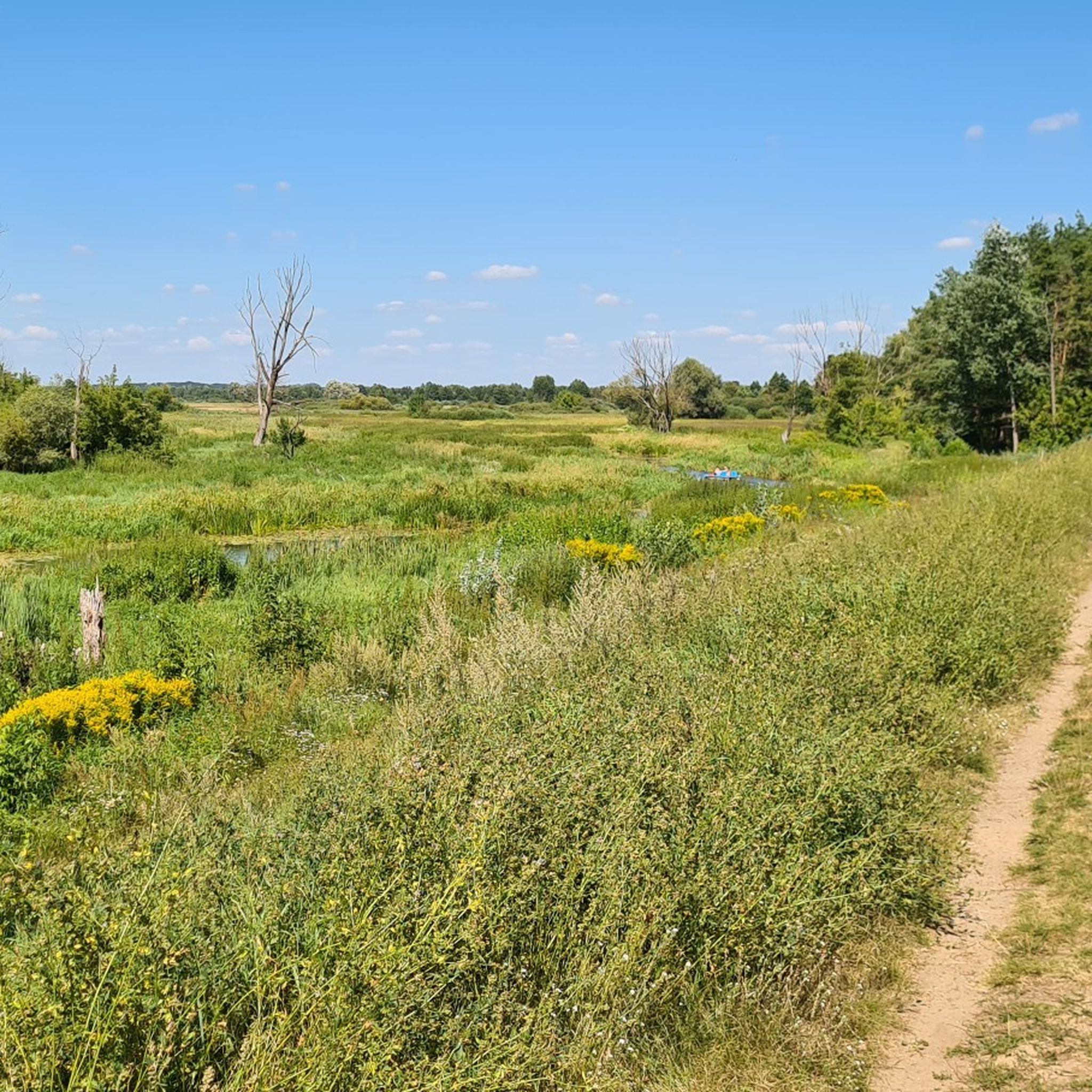
Touring cycling routes around Pułtusk are characterized by the Narew River and its braided waterways, often referred to as the "Polish Amazon." The terrain is generally flat or gently rolling, making it accessible for various fitness levels. Cyclists can explore routes alongside river valleys, through wetlands, and past historic towns. The region features extensive woodlands and typical Mazovian landscapes of fields and meadows.
Best touring cycling routes around Pułtusk
- The most popular touring cycling route is Pub & Restaurant Magdalenka…
Last updated: September 3, 2026
4.3
(6)
22
riders
34.1km
02:19
90m
90m
Moderate bike ride. Good fitness required. Mostly paved surfaces. Suitable for all skill levels.
5.0
(1)
22
riders
19.2km
01:13
40m
40m
Easy bike ride. Great for any fitness level. Mostly paved surfaces. Suitable for all skill levels.

Sign up for free
4.8
(6)
18
riders
Moderate bike ride. Good fitness required. Mostly paved surfaces. Suitable for all skill levels.
5.0
(6)
19
riders
Easy bike ride. Great for any fitness level. Mostly paved surfaces. Suitable for all skill levels.
5.0
(5)
17
riders
30.2km
01:53
100m
100m
Easy bike ride. Great for any fitness level. Mostly paved surfaces. Suitable for all skill levels.
10
riders
54.3km
03:22
180m
180m
Moderate bike ride. Good fitness required. Mostly paved surfaces. Suitable for all skill levels.
5.0
(2)
8
riders
31.8km
01:50
100m
100m
Easy bike ride. Great for any fitness level. Mostly paved surfaces. Suitable for all skill levels.
4.8
(4)
16
riders
Moderate bike ride. Good fitness required. Mostly paved surfaces. Suitable for all skill levels.
13
riders
20.6km
01:20
110m
110m
Easy bike ride. Great for any fitness level. Mostly paved surfaces. Suitable for all skill levels.
5.0
(3)
19
riders
Easy bike ride. Great for any fitness level. Mostly paved surfaces. Suitable for all skill levels.
Get access to more routes and recommendations from other explorers.
Sign up for free
Already have an account?
Our route recommendations are based on thousands of hikes, rides, and runs completed by other people on komoot.
Start today with a free account
Your next adventure awaits.
Login or Signup
Tips from the Community

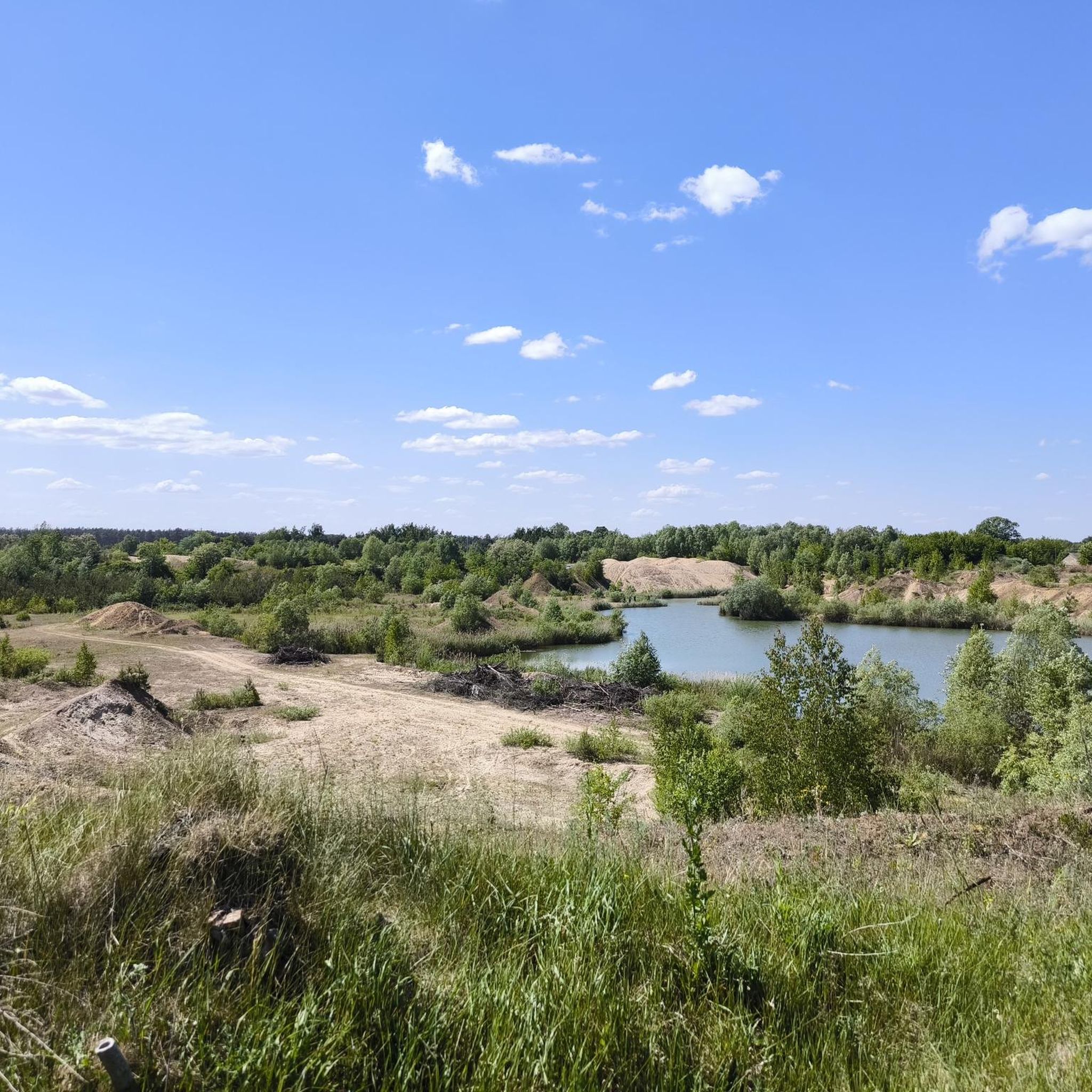
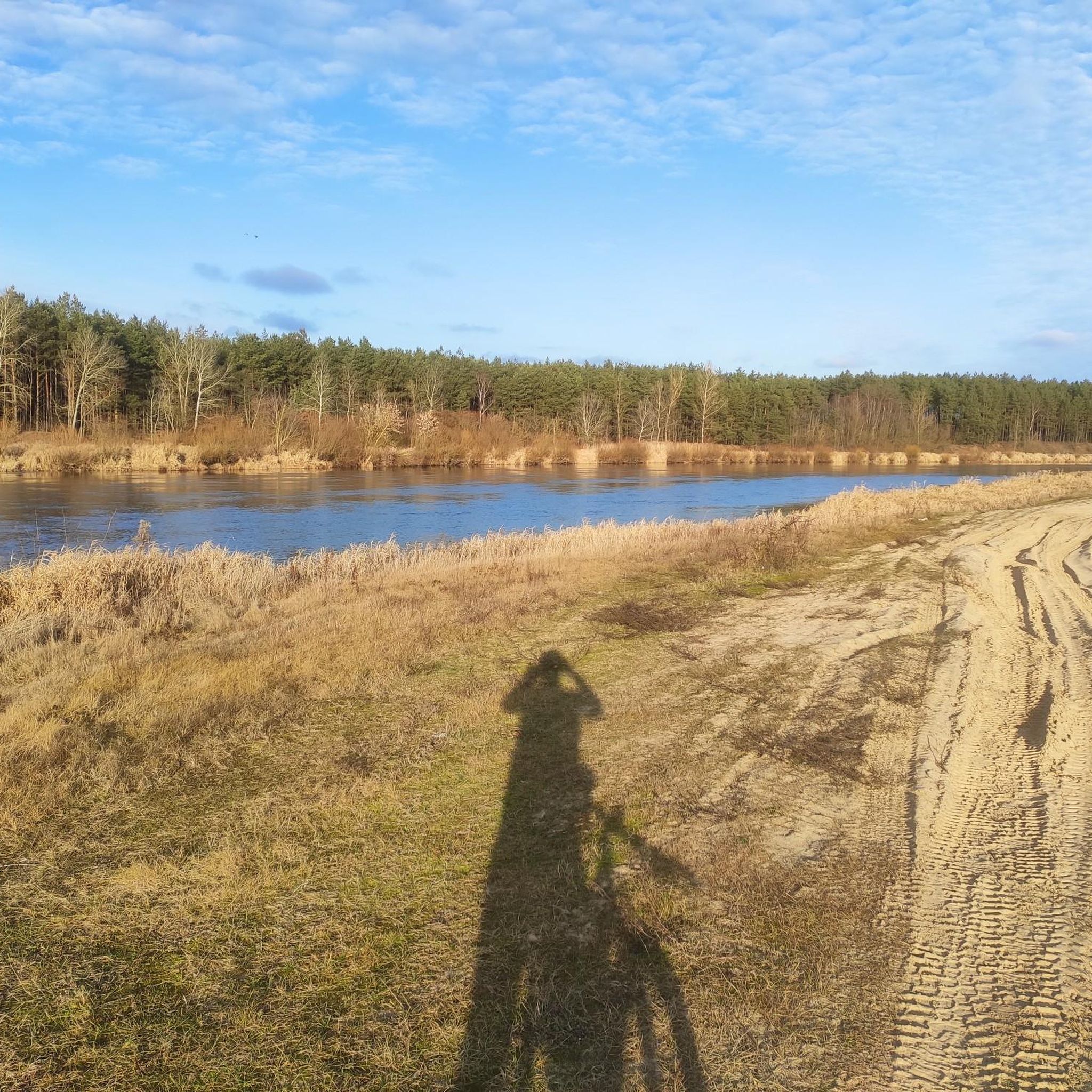
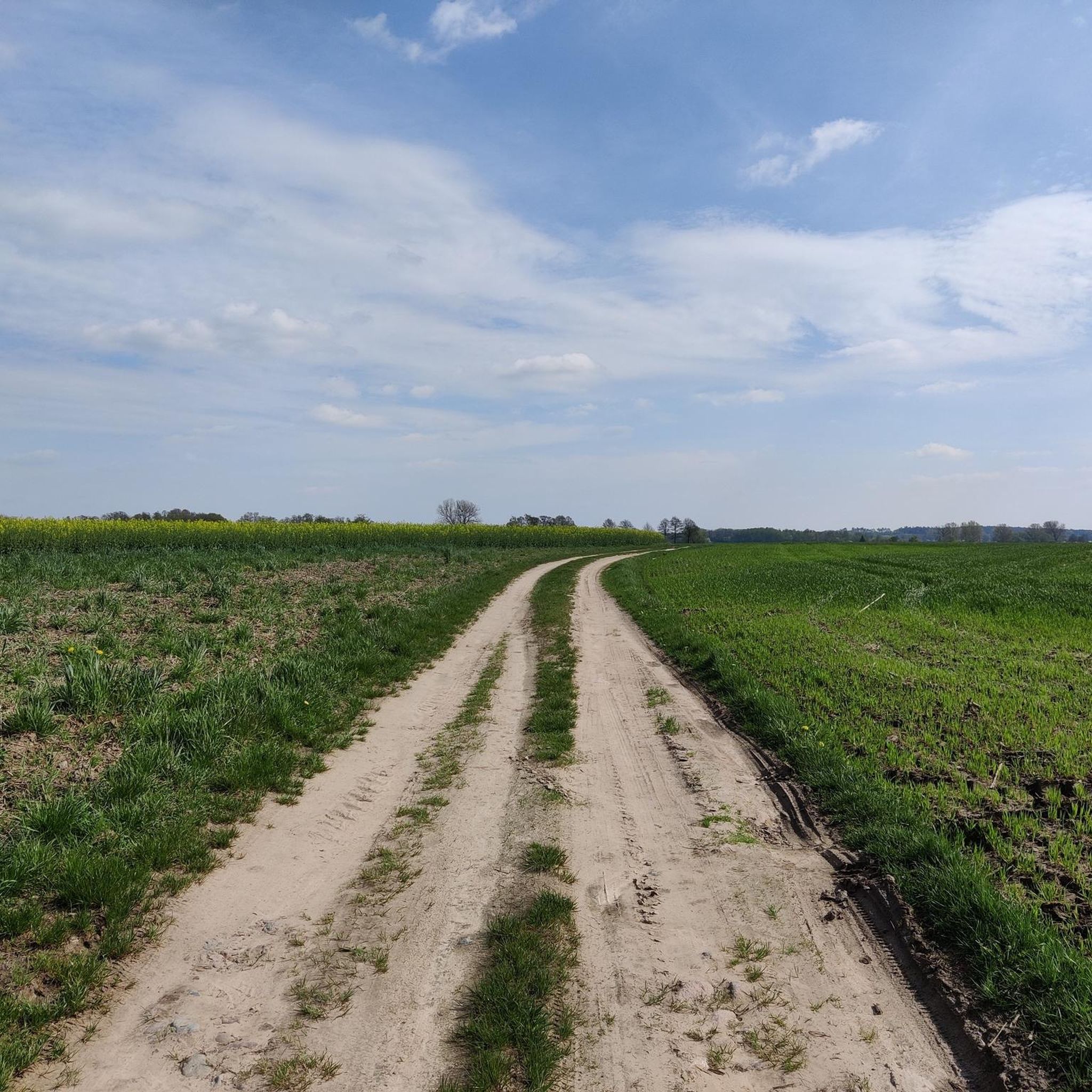
Why this road is designated as a bike path remains a mystery to me. It's a highway without a large shoulder, and trucks roar past you at close quarters. It's better to turn north here and take the detour parallel to the river. Admittedly, the route is quite sandy, but unless you're on a racing bike, it's manageable.
4
0

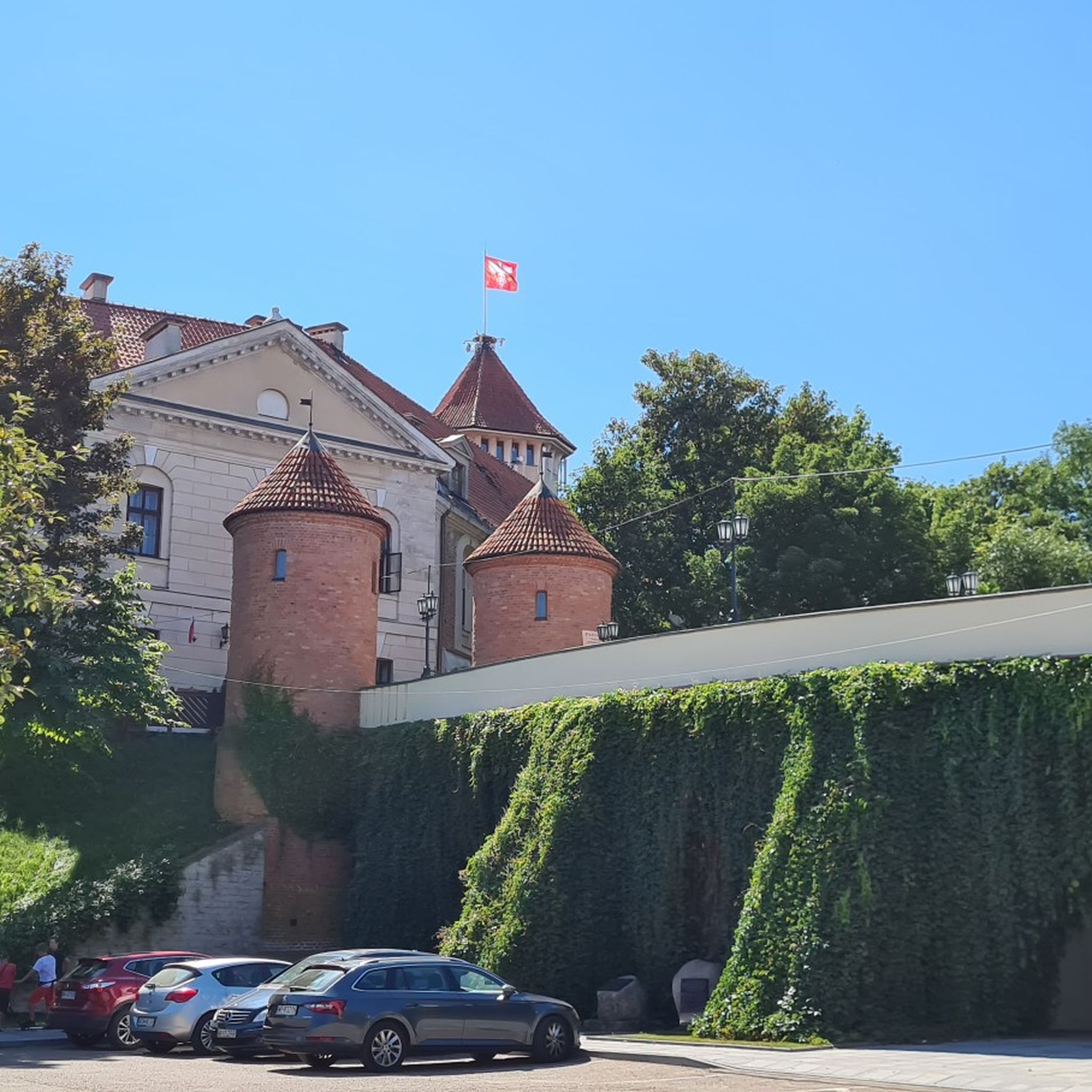
The longest market square in Europe, whose main function is parking. A filter that cuts out cars from souvenir photos will come in handy in your camera :)
0
0

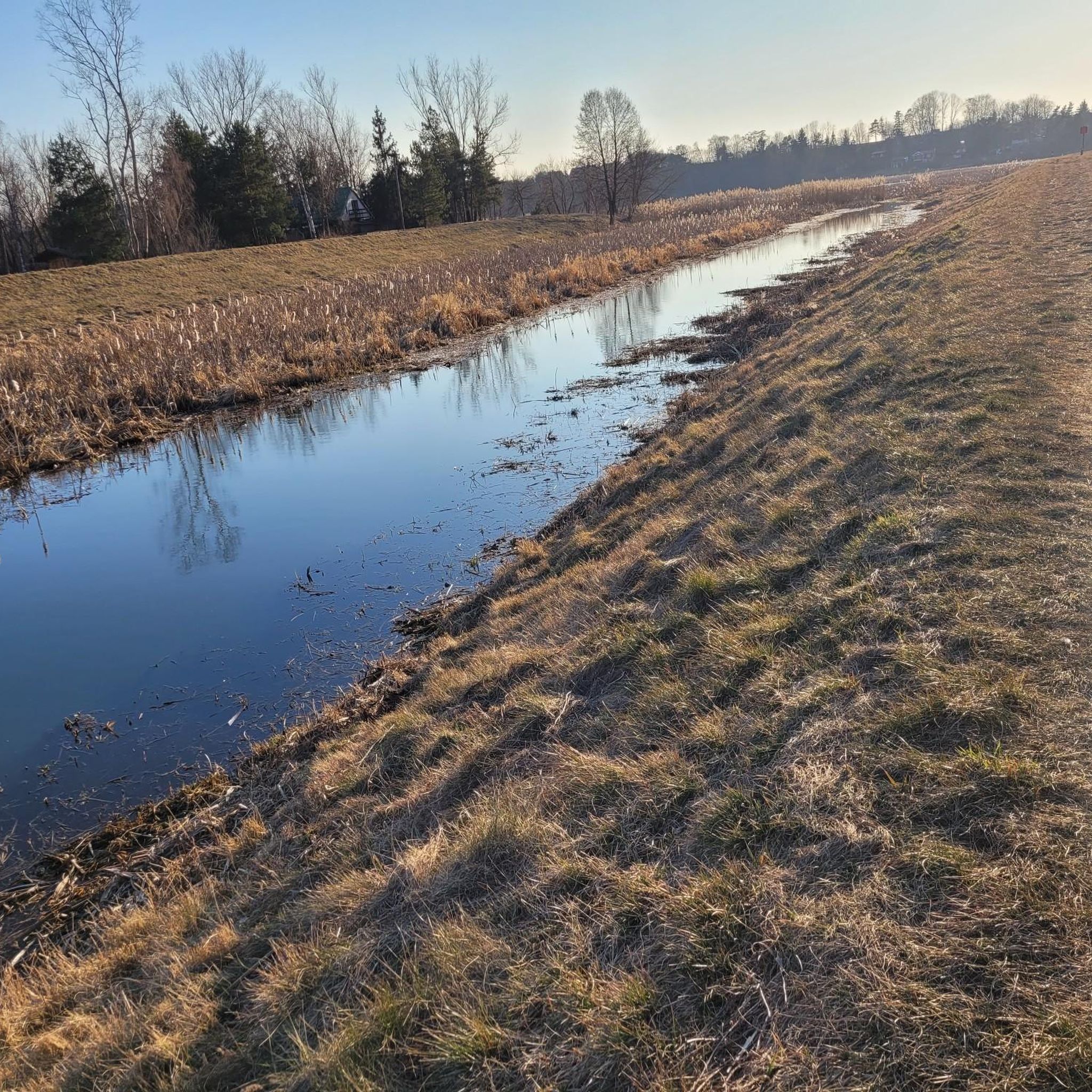
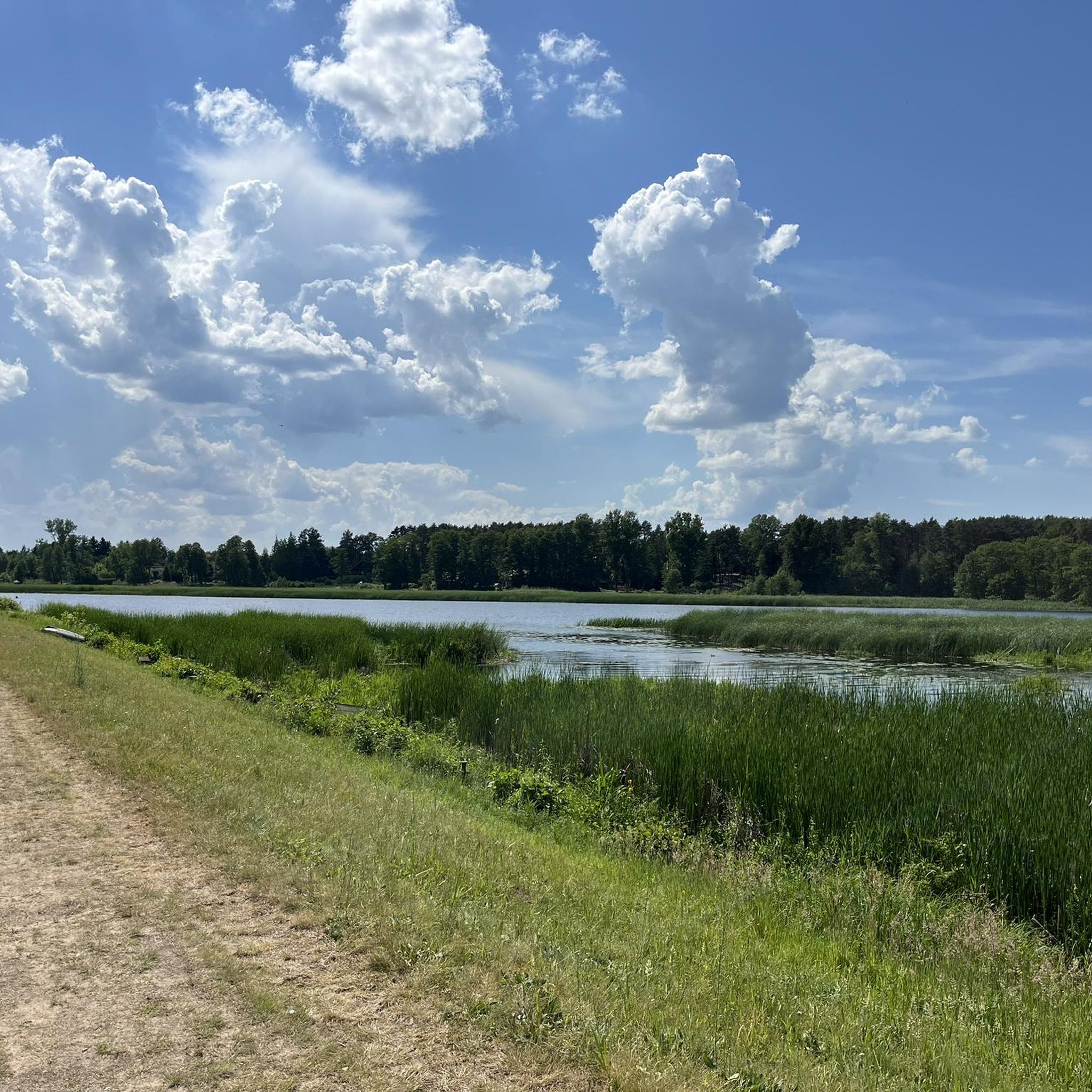
The shelter is already very rotten, but it can still fulfill its function. However, it is surrounded by bushes, and the shelter is almost hidden from the road along the embankment.
0
0

"The history of the town hall dates back to the early 15th century. Bishop Jakub of Płock is said to have funded the seat of the town authorities in 1405. The Gothic tower added to the town hall fulfilled both judicial and penitentiary functions as well as defense. Initially, it reached a height of 15 m and was built on a rectangular plan. During the 15th and 16th centuries, it was gradually raised, with additional storeys built on an octagonal plan. A new town hall was also built - lower, more modern - in the Renaissance style, topped with a crested attic. The 30-meter tower at that time gained a domed spire with a lantern, and a clock was also ordered for it. During the wars in the 17th and 18th centuries, the town hall burned down several times. In 1728, it was rebuilt with funds from Bishop Andrzej Stanisław Kostka Załuski. The two-bay building surrounded the tower in a horseshoe shape from the east. The entrance was located on the north and covered with a wooden arcade. The tower roof was changed to an octagonal one, and the clock was abandoned. In this form, the town hall survived until the end of the 19th century. At that time, in addition to the city authorities, the army was quartered here, and there was a prison and even warehouses for Pułtusk merchants. At the end of the 19th century, a shelter was organized in the ruined building, and from 1880, the ground floor and the tower were put into use by the Volunteer Fire Department. After 1902, a new, smaller building was erected on the site of the former building, in the neo-Gothic style, only for the use of the fire department. The tower was deprived of its roof, replacing it with an uncovered platform. It turned out to be completely non-functional and the original roof covering of the tower top was quickly restored. Also at that time, a clock was placed on the north side, on the seventh floor." Source: https://arch.pultusk.pl/wieza-dawnego-ratusza-gotycko-renesansowa/
1
0
Initially, the church had a single nave, now it has three naves. The greatest changes in the church took place in the 16th century after 1546, thanks to John the Baptist of Venice, who built, among other things, a vault decorated with polychrome, a burial chapel for the founder of the reconstruction, Bishop Andrzej Noskowski (currently the Chapel of the Blessed Sacrament). The Renaissance polychromes on the vault, discovered in 1994, raised the rank of the basilica as a historic monument, and the phrase Pułtusk vault entered the history of art. More at the source: https://pl.wikipedia.org/wiki/Bazylika_kolegiacka_Zwiastowania_Naj%C5%9Bwi%C4%99tszej_Maryi_Panny_w_Pu%C5%82tusku
1
0
As shown by an old photo from over 100 years ago, taken during the Russian partition (the photo shows the word Pułtusk written in Cyrillic), originally Saint John of Nepomuk stood on the other side of the canal, closer to the bridge and at the edge of the then paved Świętojańska Street. Both the pedestal and the sculpture itself were significantly different from those exhibited 15 years ago. In addition, the approximately 3-meter high pedestal and the approximately 2-meter figure of the saint were surrounded by a metal fence. On the current pedestal there is a plaque with the following text: "MONUMENT DESTROYED BY THE GERMANS DURING WORLD WAR II RESTORED TO THE CITY AS A VOTE OF THE RESIDENTS OF PUŁTUSZ LAND IN THE JUBILEE YEAR OF 24 SEPTEMBER 2000" Near the city (a few kilometres from the market square) on the Narew River, people interested in the figures of St. John of Nepomuk will find four other sculptures depicting his image. They stand in the following villages near Pułtusk: Lipniki Stare (from 1906), Głodowo (from 1909), Grabówiec (figure in a chapel), Kacice (date not visible, covered by artificial flowers hanging at its base). Source: https://polska-org.pl/10209429,Pultusk,Figura_sw_Jana_Nepomucena_Pultusk.html
1
0
The Chinese have their Great Wall visible from space, and the Poles have their abandoned and decaying strawberry plant - also visible from space. Such a story.... In the past, it advertised the cultivation of strawberries by the SadPol farm, and now it is dying with its last strength, abandoned alone in the field. Access due to the lack of a fence. https://www.google.com/maps/@52.5330315,21.069995,42m/data=!3m1!1e3?entry=ttu&g_ep=EgoyMDI1MDYzMC4wIKXMDSoASAFQAw%3D%3D https://www.onet.pl/turystyka/szaryburekpl/ogromna-truskawka-pod-warszawa-skad-sie-tam-wziela/8lmg9p0,30bc1058
1
0

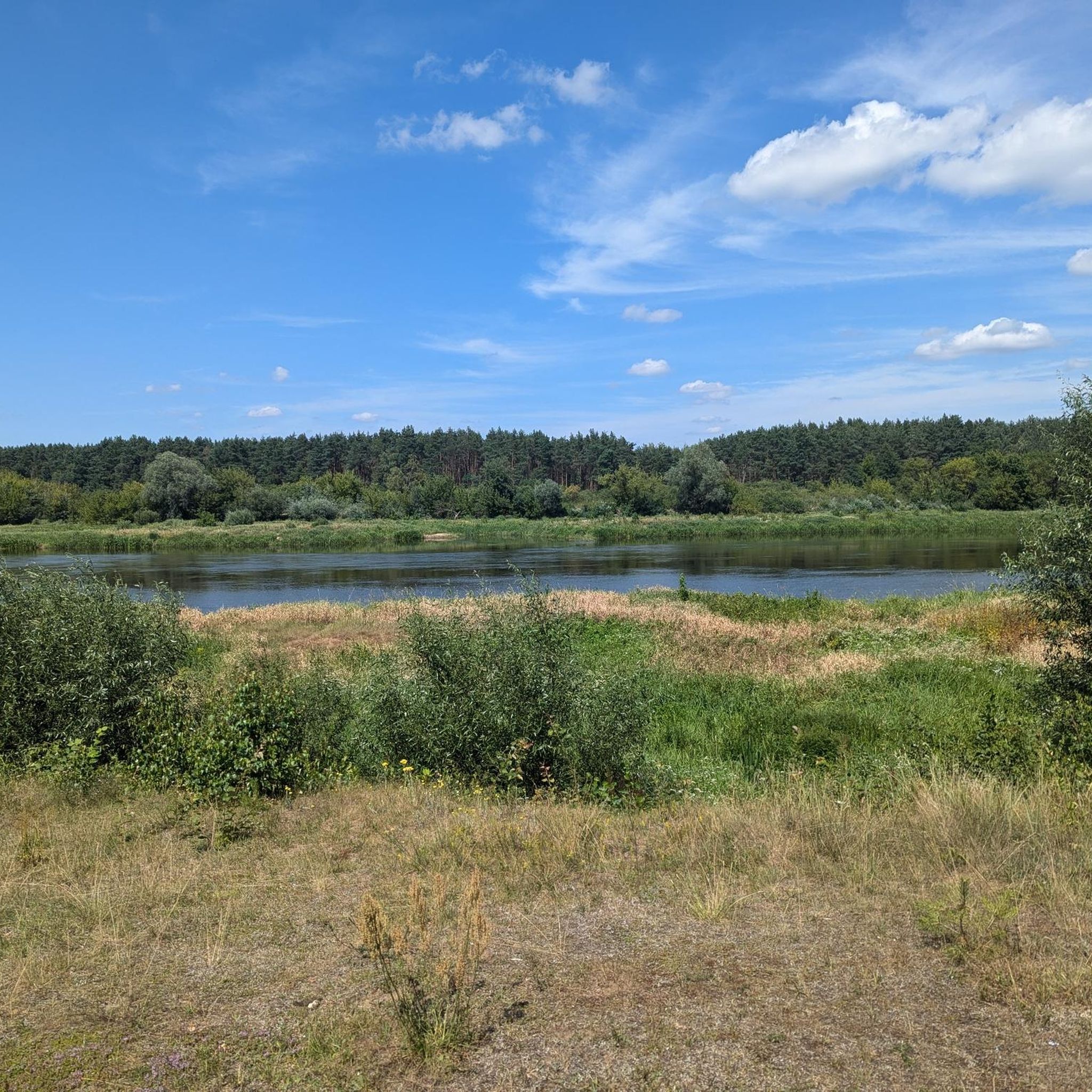
Beach and pier, a good place for a break.
0
0
Frequently Asked Questions
How many touring cycling routes are available around Pułtusk?
There are over 100 touring cycling routes around Pułtusk, offering diverse options for exploration. The komoot community has contributed significantly, with more than 700 touring cyclists using komoot to discover the area.
What is the terrain like for touring cycling in Pułtusk?
The terrain around Pułtusk is generally flat or gently rolling, especially along the Narew and Bug river valleys. This makes it accessible for various fitness levels. While many routes feature paved surfaces, some may include unpaved segments for those who enjoy varied terrain.
What are the difficulty levels of touring cycling routes in Pułtusk?
Pułtusk offers a range of routes to suit different abilities. You'll find approximately 74 easy routes, 20 moderate routes, and 7 more challenging options, ensuring there's something for every touring cyclist.
Are there easy touring cycling routes suitable for beginners or families?
Yes, Pułtusk is very welcoming for beginners and families, with about 74 easy touring cycling routes. An excellent option is the Pub & Restaurant Magdalenka – View of the Pultusk Canal loop from Szygówek, which is 12.4 miles (19.9 km) long and leads through pleasant riverine landscapes.
Are there longer touring cycling routes for experienced cyclists?
For those seeking longer rides, Pułtusk offers several moderate routes. Consider the Nasielna River – Pomiechówek on the Wkra River loop from Jackowo Dworskie, which spans 34.5 miles (55.6 km) and features varied landscapes.
What kind of natural landscapes can I expect to see while cycling around Pułtusk?
You can expect to cycle alongside the unique braided channels of the Narew River, often called the 'Polish Amazon,' offering picturesque views. The region also features the Bug River wetlands, with its meandering river and oxbow lakes, and natural reserves like Puszcza Biała (White Forest), providing serene natural cycling experiences.
Are there specific attractions or landmarks I can visit along the cycling routes?
Many routes incorporate historical and cultural stops. You can explore the Pułtusk Town Hall Tower, the historic Pułtusk Market Square (Europe's longest), and the Basilica of the Annunciation of the Blessed Virgin Mary. Routes like the Pułtusk Town Hall Tower – Pułtusk Castle loop from Pułtusk specifically highlight these points of interest.
Can I find routes that explore the Narew River?
Absolutely. Pułtusk is uniquely situated on the Narew River, and many cycling routes follow its scenic banks and canals. The View of the Pultusk Canal – Pułtusk Town Hall Tower loop from Pułtusk is a prime example, offering excellent views of the Pultusk Canal.
Is Pułtusk connected to any larger cycling networks?
While not directly on the main route, Pułtusk's proximity to the Bug River routes means cyclists can easily integrate a visit into a larger adventure along the Green Velo East of Poland Cycling Trail. The Green Velo is Poland's longest marked cycle trail, offering well-developed infrastructure.
What do other cyclists say about touring cycling in Pułtusk?
The touring cycling routes around Pułtusk are highly rated by the komoot community, with an average score of 4.8 stars from over 160 reviews. Cyclists often praise the beautiful riverine landscapes, the blend of natural beauty with historical towns, and the variety of routes suitable for different skill levels.
Are there circular touring cycling routes in Pułtusk?
Yes, many of the touring cycling routes around Pułtusk are designed as loops, allowing you to start and end in the same location. For instance, the Pub & Restaurant Magdalenka – Cobblestones on the Market Square in Pułtusk loop from gmina Pułtusk is a popular circular option.
Are there routes that pass by the Pułtusk Market Square?
Yes, several routes will take you through or near the historic Pułtusk Market Square. The Pub & Restaurant Magdalenka – Cobblestones on the Market Square in Pułtusk loop from gmina Pułtusk is one such route that includes the market square as a point of interest.
Most popular routes around Pułtusk
Most popular attractions around Pułtusk

Get inspired with the komoot mobile app


Didn’t find what you were looking for?
Check out more Cycling routes throughout Pułtusk below and find the perfect route in your destination.
Explore more
Browse the best Cycling routes in other regions.
