Top 20 Castles around Schrozberg
Best castles around Schrozberg offer a glimpse into the region's rich history and architectural heritage. The area is characterized by its historical fortifications and planned Baroque residences. Schrozberg itself is home to the historically significant Schrozburg Castle, a medieval fortress. The surrounding region boasts several impressive and well-preserved castles, showcasing centuries of German history and architecture.
Best castles around Schrozberg
- The most popular castles is Toppler's Little Castle, a historical site that is a unique, tower-like medieval residential building.…
Last updated: August 17, 2026
Kobolzeller Gate
Highlight • Monument
Translated by Google •
Tip by

Castle Garden, Rothenburg ob der Tauber
Highlight • Viewpoint
Translated by Google •
Tip by

Sign up now to discover places like this
Get recommendations on the best single tracks, peaks, & plenty of other exciting outdoor places.
Sign up for free
Toppler's Little Castle
Highlight • Historical Site
A tour …
Translated by Google •
Tip by

Galgentor (Würzburger Gate) with city wall
Highlight • Historical Site
Translated by Google •
Tip by
Langenburg Castle Gardens
Highlight • Castle
Showing Translation
Tip by

Sign up for free to discover even more castles around Schrozberg.
Sign up for free
Already have an account?
Start today with a free account
Your next adventure awaits.
Login or Signup
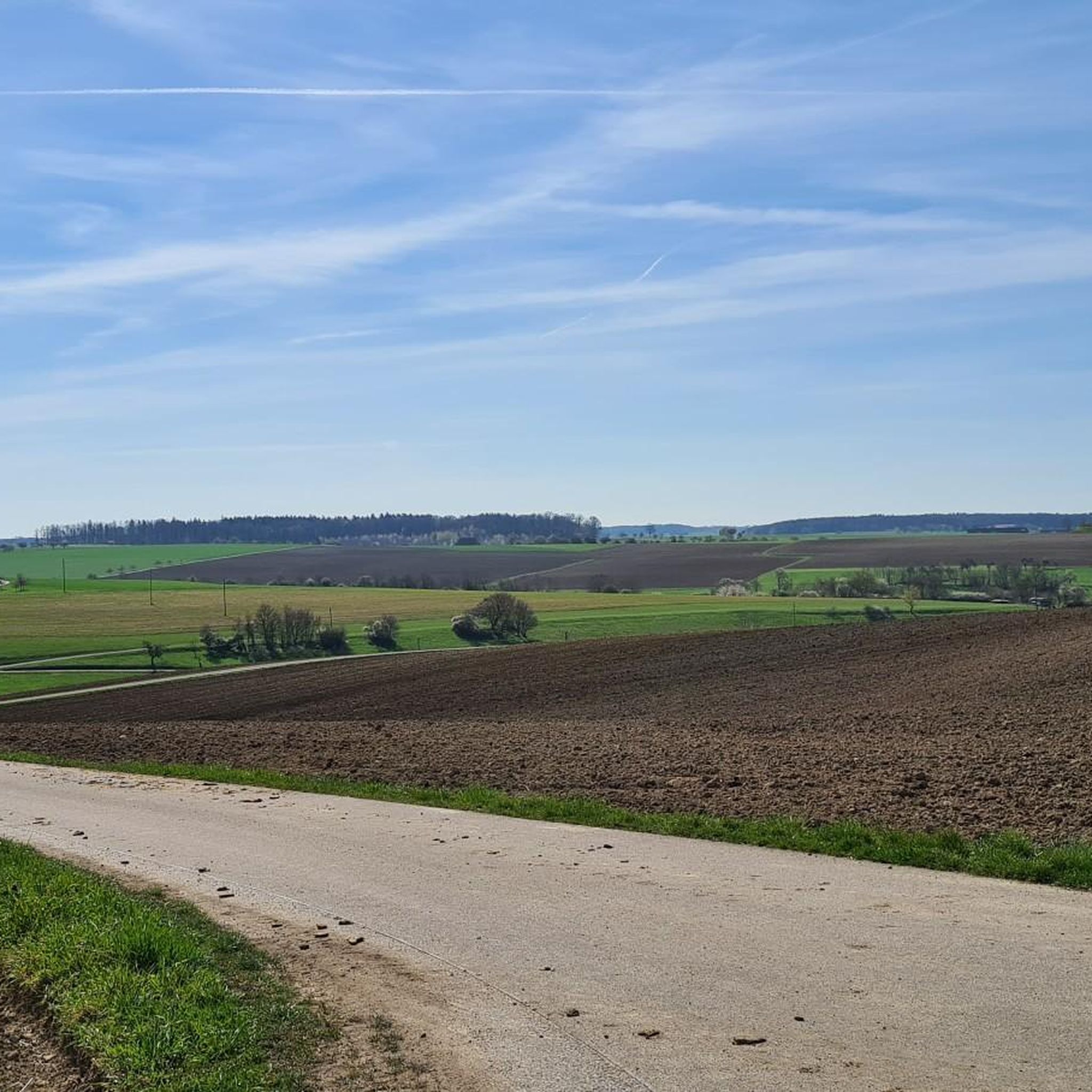
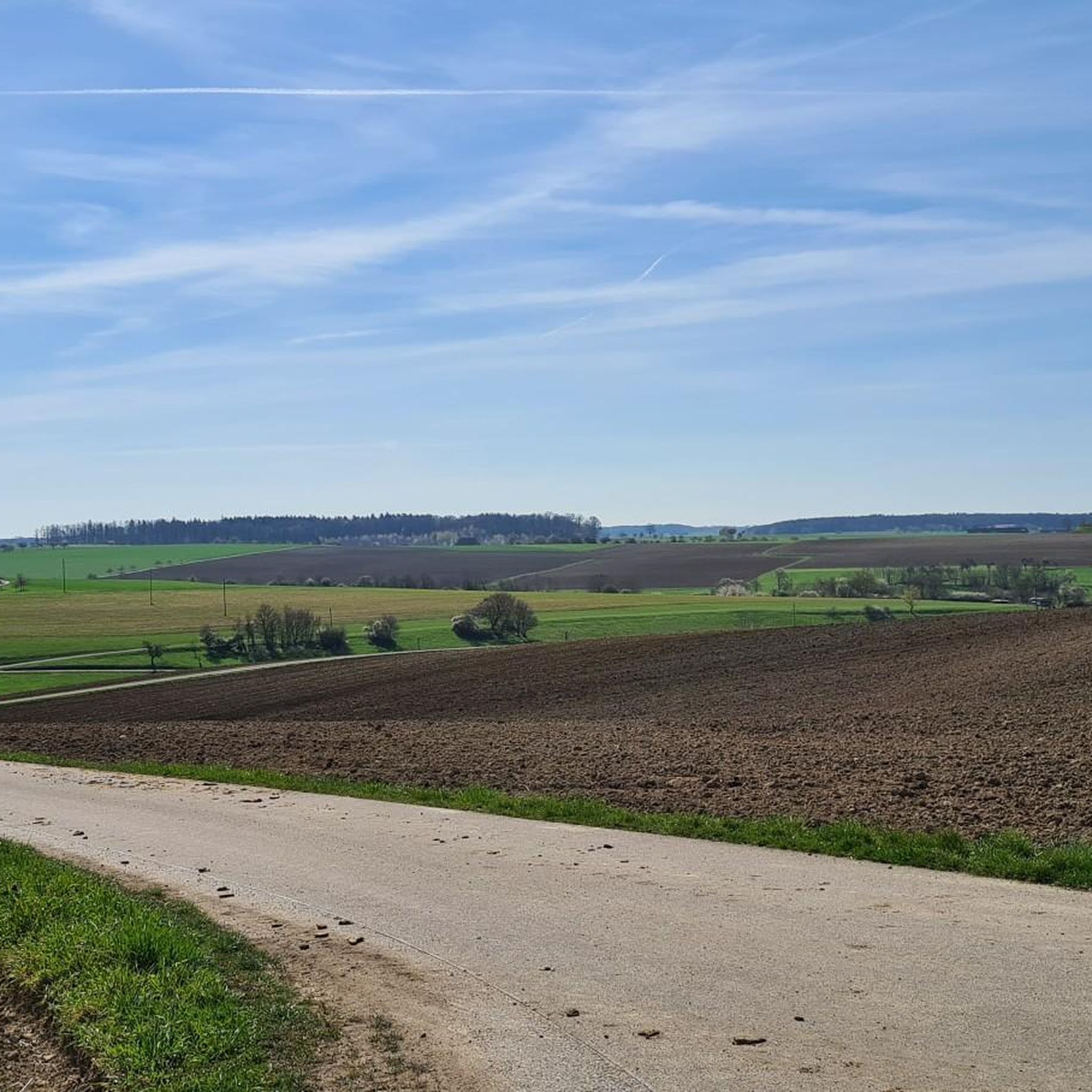
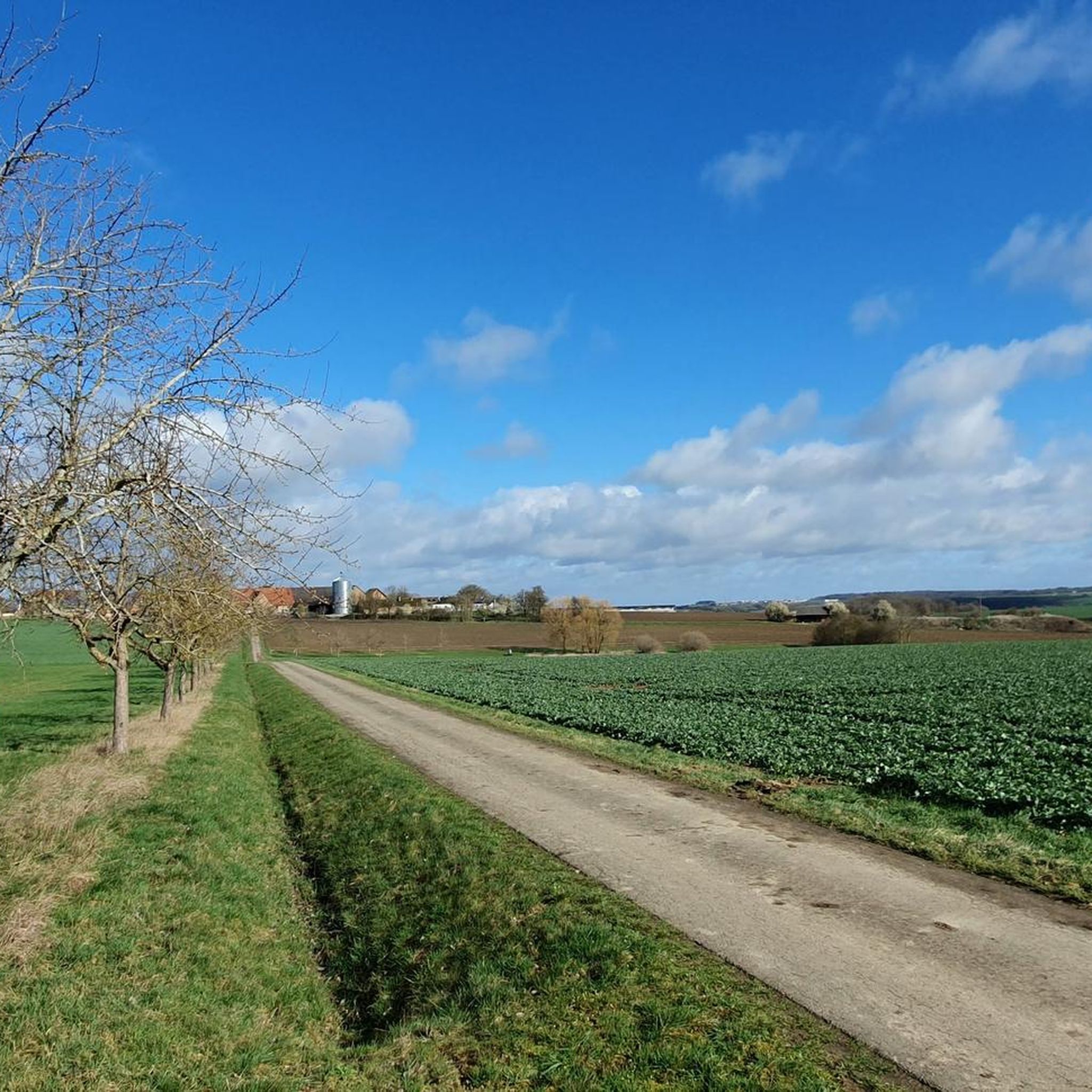
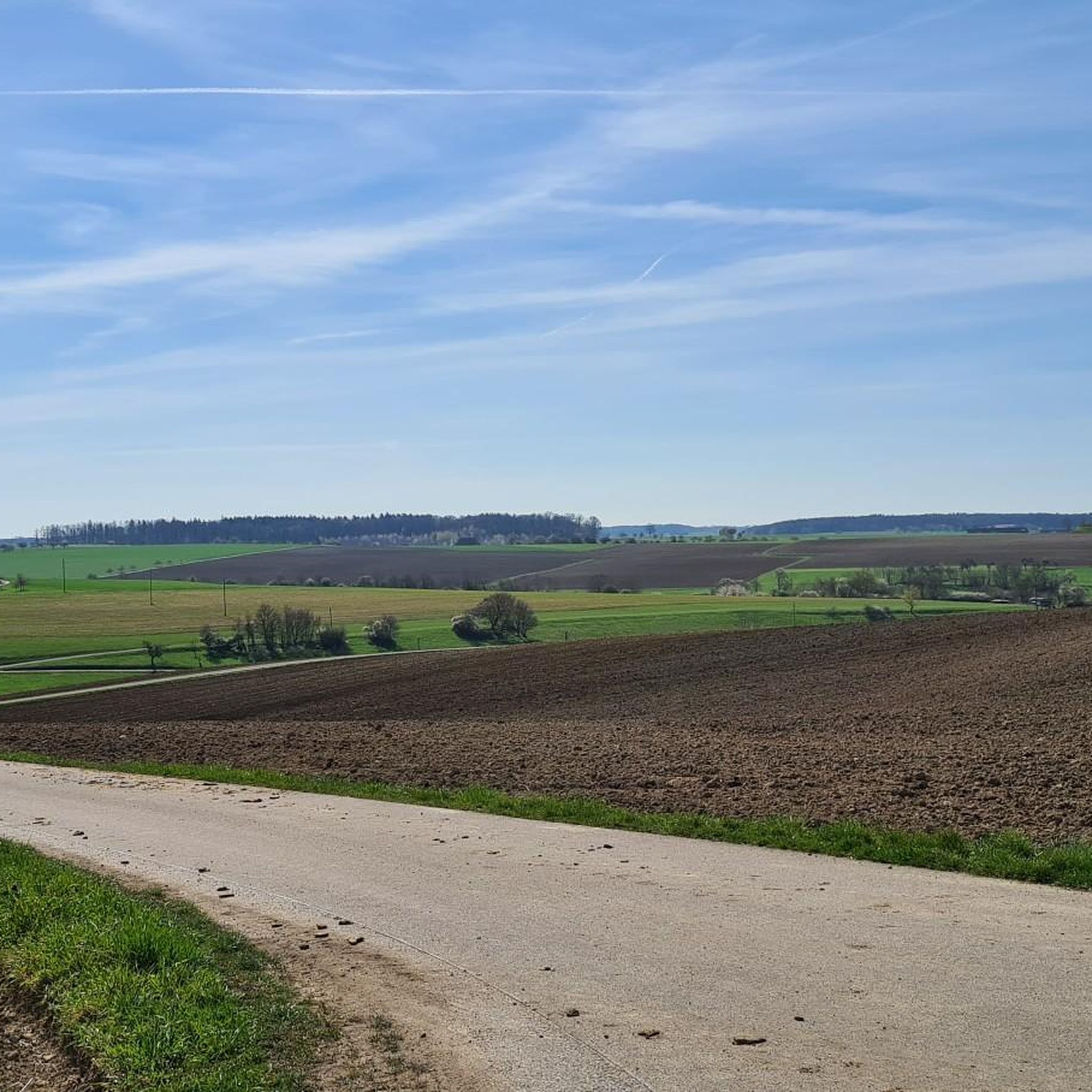

Tips from the Community


Rest in Langenburg in nice weather outside
3
0

Great view of the Jagst valley.
3
0

Langenburg is certainly worth a visit - but you shouldn't come on a Monday - the museum was closed (even on Tuesday!), as was expected, but also all the restaurants and grocery stores :-(
3
0

We barely managed it with normal trekking bikes plus luggage. It's a bit strenuous to get to Langenburg by bike, but it's worth it.
3
0

The Kobolzeller Tor is a powerful fortification that allowed access to the city from the southwest. The Kobolzeller Tor was built in the middle of the 14th century. The gate was named after the small town of Kobolzell, which was located below the gate in the Taubertal. The defense system consists of the gate tower, a rectangular forecourt with a battlement and a large foregate with a customs house. Anyone who has ever come to Rothenburg from the valley, whether on foot or by bike, can imagine how difficult it used to be for enemies to attack the city at this point.
8
0
Frequently Asked Questions
What are the main historical castles to visit directly in and around Schrozberg?
The primary historical castles in the immediate vicinity are Schloss Schrozberg, a former water castle now serving as a cultural center, and Schloss Bartenstein, a unique Baroque residence town. You can also explore the ruins of the older Schrozburg Castle, which offers insight into medieval fortifications.
What makes Schloss Schrozberg unique?
Schloss Schrozberg is notable for its architectural evolution from a water castle to a three-winged complex. It features a distinctive Berlichinger Tower, geometric boxwood gardens, and houses a Dental Museum. Today, it serves as the seat of the city administration and a cultural center, hosting various events.
What can I expect when visiting Schloss Bartenstein?
Schloss Bartenstein is a well-preserved horseshoe-shaped Baroque complex, including a castle chapel, church, and court garden. It's unique as a planned miniature residence town. Visitors can explore a historical circular route with house plaques explaining its development. Guided tours are available by appointment.
Are there any castle ruins to explore in the area?
Yes, the ruins of Schrozburg Castle, originally built in the 12th century, are available to visit. While mostly remnants, including a central keep with a Romanesque tower, it provides a glimpse into medieval fortifications.
Are there family-friendly activities at the castles around Schrozberg?
Many castles and historical sites in the broader region are considered family-friendly. For example, the Langenburg Castle Gardens are a popular spot. Exploring the historical architecture and grounds can be an engaging experience for families.
What kind of outdoor activities can I do near the castles?
The area around Schrozberg offers various outdoor activities. You can find numerous running trails, such as the 'Hollenbacher See loop from Bartenstein' or the 'Schrozberg Castle loop from Schrozberg'. For mountain biking, there are routes like 'Schrozberg Castle – View of the Topplerschlösschen loop'. Easy hiking options are also available, including loops around the 'Forest Cabin in Nonnenwald'. You can find more details on these routes in the Running Trails around Schrozberg, MTB Trails around Schrozberg, and Easy hikes around Schrozberg guides.
Are there any notable city gates or fortifications in the wider region?
Yes, in the wider region, you can explore impressive city gates and fortifications. Examples include the powerful Kobolzeller Gate, the Galgentor (Würzburger Gate) with city wall, and the Klingentor Bastion. These structures offer a glimpse into medieval defense systems and city planning.
What is the best time of year to visit the castles around Schrozberg?
The castles can be visited year-round, but spring and summer offer pleasant weather for exploring the grounds and gardens, such as the geometric boxwood gardens at Schloss Schrozberg. Autumn provides beautiful foliage, while winter visits can offer a unique, quieter experience, though some outdoor areas or specific attractions might have reduced hours.
Are there guided tours available for the castles?
For Schloss Bartenstein, guided tours are available by appointment. For other sites like Schloss Schrozberg, while it serves as a cultural center, specific guided tour availability might vary. It's advisable to check local tourism information for the most current details.
What do visitors enjoy most about the castles in this region?
Visitors particularly appreciate the rich history and architectural heritage of the castles. The blend of well-preserved Baroque ensembles like Schloss Bartenstein and the historical significance of sites like Schloss Schrozberg, along with the opportunity to explore medieval ruins, makes the region appealing. The community has shared over 290 photos and given more than 1300 upvotes for these highlights.
Is there a castle known for its gardens in the area?
Yes, the Langenburg Castle Gardens are a notable highlight in the wider region, offering beautiful landscapes to explore. Schloss Schrozberg also features stylistically designed geometric boxwood gardens.
Can I visit a medieval residential building in the region?
Yes, Toppler's Little Castle is a completely preserved tower-like, medieval residential building. It was once the retreat of Rothenburg's mayor, Toppler, and tours are possible by request.
Most popular routes around Schrozberg
Most popular attractions around Schrozberg

Get inspired with the komoot mobile app


Explore more
Looking for the best castles somewhere else? Discover other guides around Schrozberg:
