Attractions and Places To See around Niechlów - Top 20
Best attractions and places to see around Niechlów include a variety of historical landmarks, cultural sites, and natural features. While Niechlów itself is a smaller locality, the surrounding region offers numerous points of interest. Many notable places are found within a reasonable distance, particularly in nearby towns such as Głogów and Wschowa. The area provides opportunities to explore historical architecture and unique local monuments.
Best attractions and places to see around Niechlów
- The most popular attractions is Ruins of St.…
Last updated: May 20, 2026
Ruins of St. Michael's Church in Wyszanów
Highlight • Historical Site
Translated by Google •
Tip by

Chobienia Castle
Highlight • Castle
Translated by Google •
Tip by

Sign up now to discover places like this
Get recommendations on the best single tracks, peaks, & plenty of other exciting outdoor places.
Sign up for free
St. Catherine of Alexandria Church, Góra
Highlight • Religious Site
Translated by Google •
Tip by
Wschowa Town Hall
Highlight • Monument
Tip by

Głogowska Tower in Góra
Highlight • Monument
Translated by Google •
Tip by

Sign up for free to discover even more attractions around Niechlów.
Sign up for free
Already have an account?
Start today with a free account
Your next adventure awaits.
Login or Signup
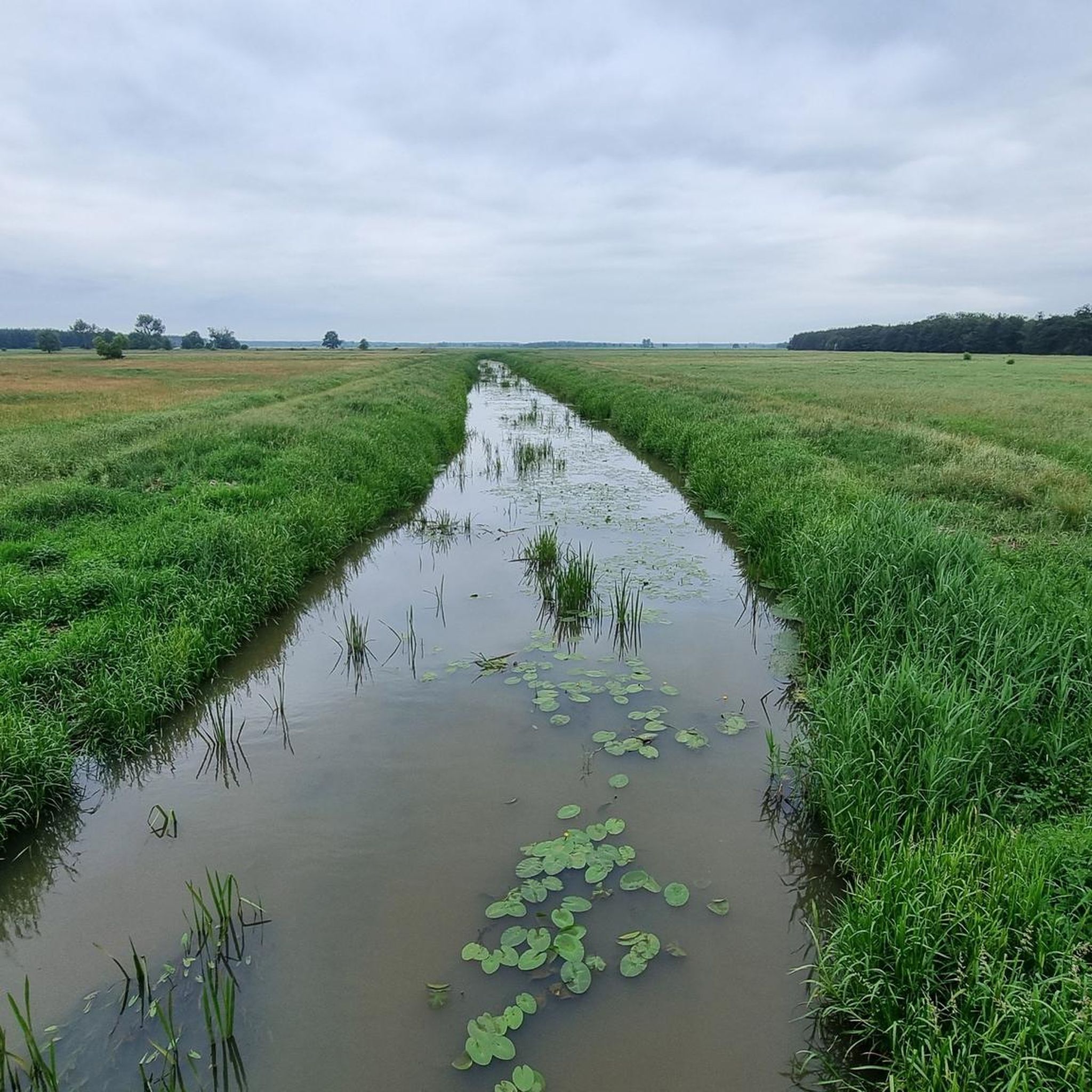
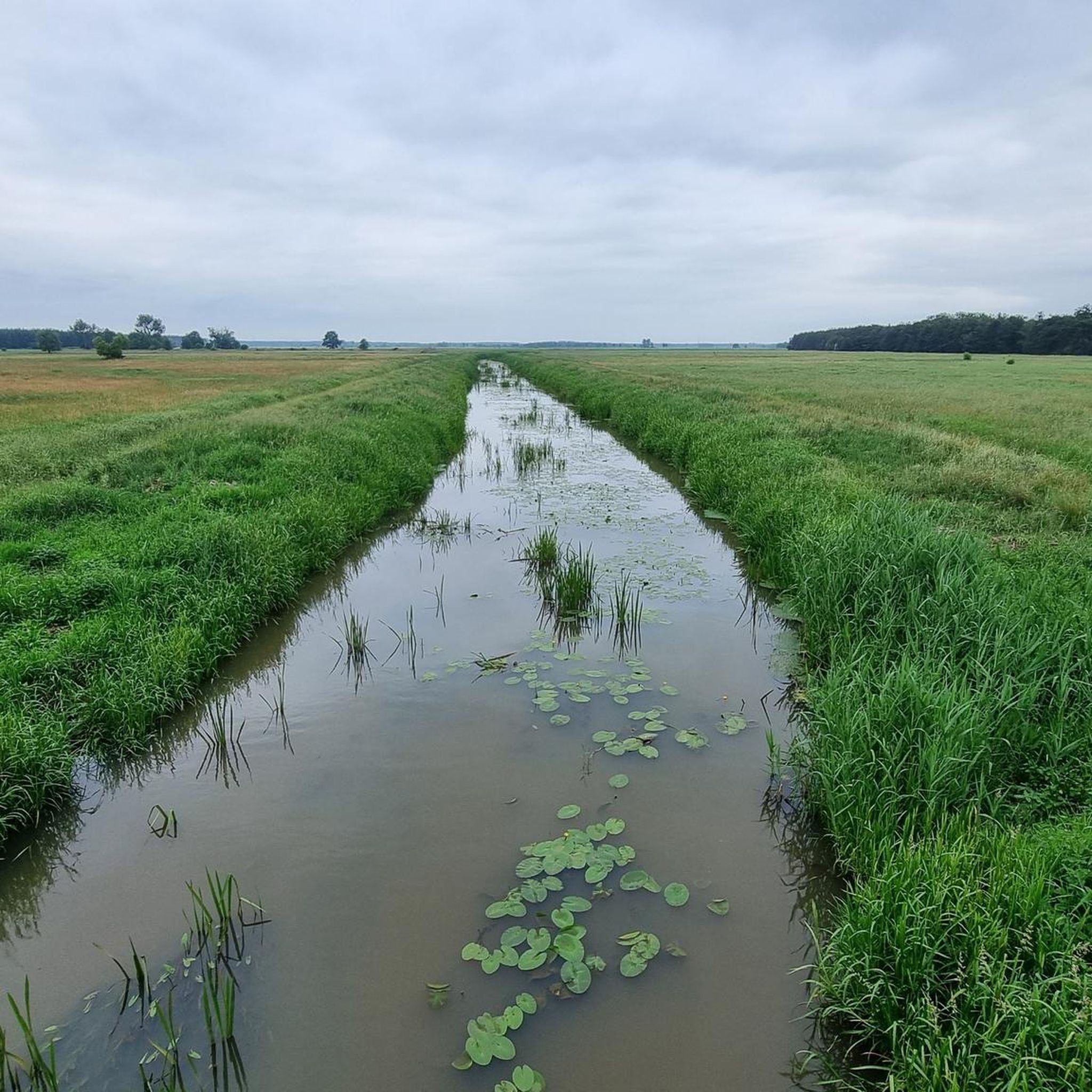
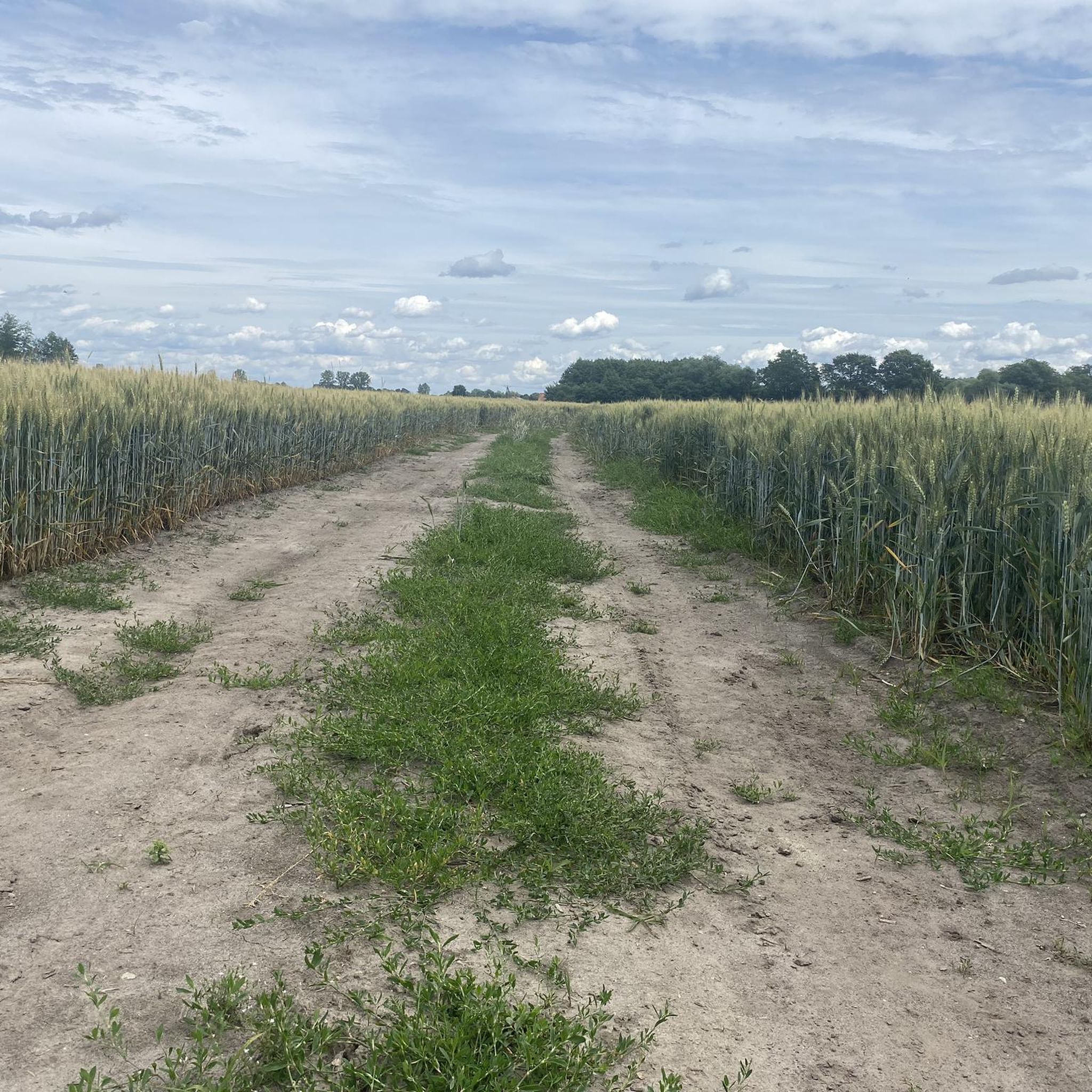

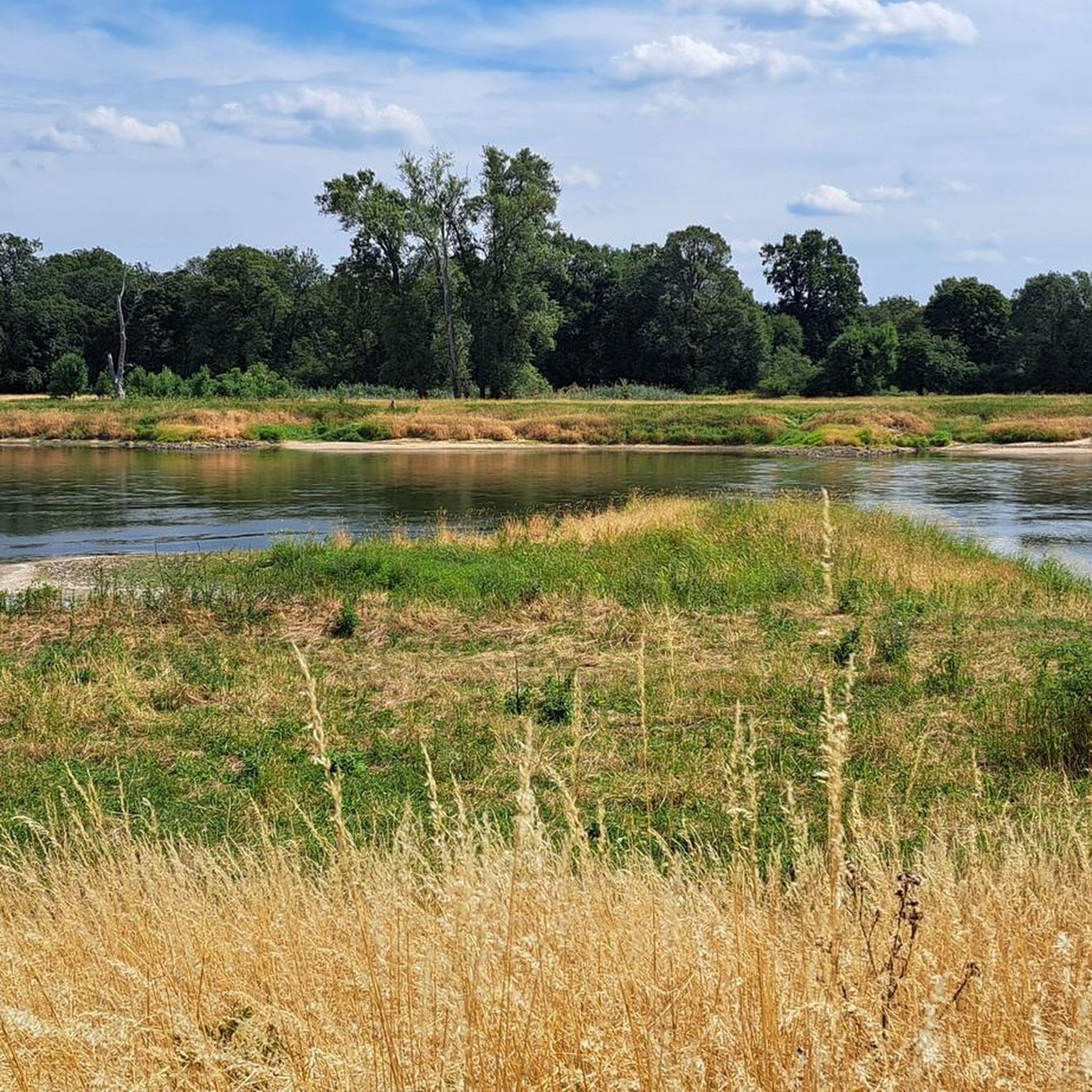
Tips from the Community

After the great city fire of 1457, construction began on a brick, three-nave church in the Gothic style. This construction, interrupted by subsequent fires (including one in 1478), lasted until the first half of the 16th century (around 1552). The church was built on a hill, integrated into the city's defensive walls. Reconstructions after the fires (18th century): The church was repeatedly destroyed. A fire in 1759 (started by Russian troops) caused significant damage. The reconstruction, during which the church gained Baroque domes on the towers and Baroque interior furnishings (which survive to this day), was completed in 1763.
2
0

Cool attraction, visible from the route
0
0
Beginnings (14th century): The original castle in Chobień was built in the first half of the 14th century, probably by Duke Henry IV the Faithful or his son Henry V the Iron. It was a Gothic defensive structure, strategically located on the left bank of the Oder, controlling the crossing. The Thirty Years' War (1618-1648) brought about the castle's decline. It was repeatedly occupied and destroyed by imperial and Swedish troops. After the war, despite attempts to rebuild it, the castle never regained its former glory.
2
0
The first mentions of St. Michael's Church in Wyszanów date back to 1376. It was a Gothic, single-nave church, built of field stone and brick, with a square tower. During or immediately after the Thirty Years' War, the church was destroyed and never rebuilt. There are hypotheses that Swedish troops could have been responsible for the destruction.
2
0
The first town hall was built in the Middle Ages, but its contemporary shape is due to repeated reconstructions. The oldest preserved fragment is the so-called "Gothic hall" from 1556 - with a net vault over the north-eastern part of the ground floor. Wschowa experienced numerous fires, which significantly damaged the town hall. As a result of these events, it was rebuilt several times, while maintaining Gothic elements and rebuilding to remove the damage. In the years 1860-1862, the town hall was rebuilt with elements of "English neo-Gothic", adding a characteristic clock tower and an ornamental roof. The representative façade contains the city's coat of arms, and the shape emphasizes the importance of the town hall as a municipal institution and symbol of power.
2
0

The first mention of the town hall in Wschowa dates back to 1435, but it took on its current appearance during the reconstruction in the years 1860–1870. It was given an eclectic shape at that time. In the north-eastern corner of the town hall, a hall covered with an elaborate net vault from the first half of the 16th century (Gothic hall) has been preserved on the ground floor. The former coat of arms of the city is located on the pediment of the town hall. It depicts the scene of the coronation of the Blessed Virgin Mary. Below it is a double Jagiellonian cross with two rings.
0
0
The church dates back to before 1376. It was a Gothic, single-nave building, built of field stone and brick with a square tower from the southwest. During the Thirty Years' War of 1618-1648, the church was the subject of a dispute between Catholics and Evangelicals. As a result, the latter were its users for several decades until January 26, 1654, when it returned to Catholics. The temple, destroyed in the 17th century, was never rebuilt. In the second half of the 19th century, it was secured as a permanent ruin and remains so to this day.
3
0

Being in Chobienia, I also recommend the war memorial from the Great War period - https://www.pomnikiwojenne.pl/i-wojna-swiatowa/pomnik-poleglych-w-i-wojnie-swiatowej-w-chobieni/
0
0
Frequently Asked Questions
What historical landmarks can I explore around Niechlów?
The region offers several significant historical sites. You can visit the Ruins of St. Michael's Church in Wyszanów, a Gothic church dating back to before 1376. Another notable site is Chobienia Castle, an original Gothic defensive structure from the 14th century. Also, consider the St. Catherine of Alexandria Church in Góra, a brick, three-nave Gothic church, and the historic Wschowa Town Hall, which features a preserved Gothic hall from 1556.
Are there any family-friendly attractions near Niechlów?
Yes, there are several options for families. The Wschowa Town Hall is considered family-friendly, offering a glimpse into local history. Another unique spot is the Monument to Bull Ilon in Osowa Sień, a concrete monument commemorating a famous bull, which can be an interesting stop for children. Additionally, the wider region includes attractions like O.K. PARK Rodzinne Centrum Rekreacyjno-Sportowe, a family recreation and sports center, and Jump Planet Głogów, a trampoline park.
What kind of outdoor activities can I do near these attractions?
The area around Niechlów is great for various outdoor activities. You can find numerous routes for mountain biking, hiking, and gravel biking. For mountain biking, explore trails like the 'Rest Area – St. Catherine's Church loop from Góra' or the 'Path to the Forest – Barycz Dam loop from Góra'. Hikers can enjoy routes such as the 'Natural Monument: Oak – Pikolka loop from Góra' or the 'Forest Garden – Lake Schilf loop from Ryczeń'. Gravel biking options include the 'Church in Lgiń loop from Wschowa'. You can find more details and specific routes on the MTB Trails around Niechlów, Hiking around Niechlów, and Gravel biking around Niechlów guide pages.
Are there any natural features or parks to visit?
While Niechlów itself is a smaller locality, the surrounding towns offer green spaces. In Głogów, you can find Park Słowiański, Bulwar Nadodrzański (a riverside boulevard), and Kosciuszko Square Park, all providing opportunities for relaxation and walks amidst nature.
What is the best time to visit Niechlów and its attractions?
The best time to visit Niechlów and its surrounding attractions generally depends on your preferred activities. Spring and autumn offer pleasant temperatures for exploring historical sites and engaging in outdoor activities like hiking and cycling. Summer is also popular, especially for family-friendly attractions and enjoying parks, though it can be warmer. Winter might be suitable for those interested in seasonal activities like ice skating, if available.
What makes the Monument to Bull Ilon in Osowa Sień unique?
The Monument to Bull Ilon in Osowa Sień is unique because it commemorates a specific breeding bull named Ilon, who was the first stud of the Holstein-Friesian breed in Poland. Erected in 1982, this concrete monument stands on the former site of a monument to Prussian Chancellor Otto von Bismarck, adding an interesting layer of local history and agricultural significance.
Are there any cultural institutions or museums nearby?
Yes, in the nearby town of Głogów, you can find the Miejski Ośrodek Kultury w Głogowie (Municipal Culture Center), which is the largest cultural institution in the area, offering various workshops and activities. Further afield in Leszno, the Leszno Regional Museum provides insights into regional history and culture.
What do visitors enjoy most about the Ruins of St. Michael's Church in Wyszanów?
Visitors appreciate the historical depth and atmospheric nature of the Ruins of St. Michael's Church in Wyszanów. It's noted for its ancient origins (pre-1376) and its preservation as a permanent ruin since the late 19th century, offering a tangible connection to the past. Many find it a cool attraction, often visible directly from walking or cycling routes.
Is the Wschowa Town Hall accessible for visitors with disabilities?
Yes, the Wschowa Town Hall is categorized as wheelchair accessible, making it a suitable historical site for visitors with mobility considerations. There is also a green area with benches in front of the town hall for relaxation.
Can I find any palaces or manors in the vicinity of Niechlów?
The region around Niechlów features several historical residences. While not directly in Niechlów, you can find palaces and manors such as Pałac w Osetnie and a palace from around 1770 belonging to the von Zobeltitz family in the broader area. These offer architectural interest and a glimpse into the region's aristocratic past.
Are there any specific cycling parks or areas for biking?
Yes, the region offers dedicated areas for cycling. The 'Rowerowy Park' is mentioned as a cycling park or an area specifically designed for biking. Additionally, the nearby routes data indicates numerous options for MTB Trails and Gravel biking around Niechlów, providing diverse terrain for cyclists.
What is the history behind Chobienia Castle?
The original Chobienia Castle was a Gothic defensive structure built in the first half of the 14th century, strategically located on the Oder's left bank. It suffered significant damage during the Thirty Years' War (1618-1648) and, despite later Renaissance and 18th-century modernizations, was further damaged in 1945. It is currently undergoing renovation, with the 'Zamek Charzenia' foundation overseeing its preservation.
Most popular attractions around Niechlów

Get inspired with the komoot mobile app


Explore more
Still not found the Highlight you’re looking for? See guides of the top attractions in other regions:
