The best cycling routes around Lubań (Rural)
4.7
(339)
1,316
riders
23
rides
Touring cycling around Lubań (Rural) offers diverse landscapes shaped by volcanic geology, river valleys, and extensive forests. The region features prominent volcanic cones and basalt rock formations, alongside the Kwisa River with its natural meanders and oxbow lakes. Cyclists can explore varied terrain, including the "Lubań Great Forest" with its old beech trees and numerous hills providing natural vantage points. The area also includes significant water bodies like the Złotnicki Dam and Leśniańskie Lake Dam, contributing to a varied cycling…
Last updated: July 1, 2026
5.0
(7)
23
riders
18.5km
01:09
110m
110m
Easy bike ride. Great for any fitness level. Mostly paved surfaces. Suitable for all skill levels.
5.0
(4)
10
riders
Moderate bike ride. Good fitness required. Mostly paved surfaces. Suitable for all skill levels.

Sign up for free
5.0
(3)
9
riders
39.5km
02:24
270m
270m
Moderate bike ride. Good fitness required. Mostly paved surfaces. Suitable for all skill levels.
5.0
(2)
6
riders
27.5km
01:45
250m
250m
Moderate bike ride. Good fitness required. Mostly paved surfaces. Suitable for all skill levels.
5.0
(1)
7
riders
40.4km
02:31
350m
350m
Moderate bike ride. Good fitness required. Mostly paved surfaces. Suitable for all skill levels.
Get access to more routes and recommendations from other explorers.
Sign up for free
Already have an account?
Our route recommendations are based on thousands of hikes, rides, and runs completed by other people on komoot.
Start today with a free account
Your next adventure awaits.
Login or Signup
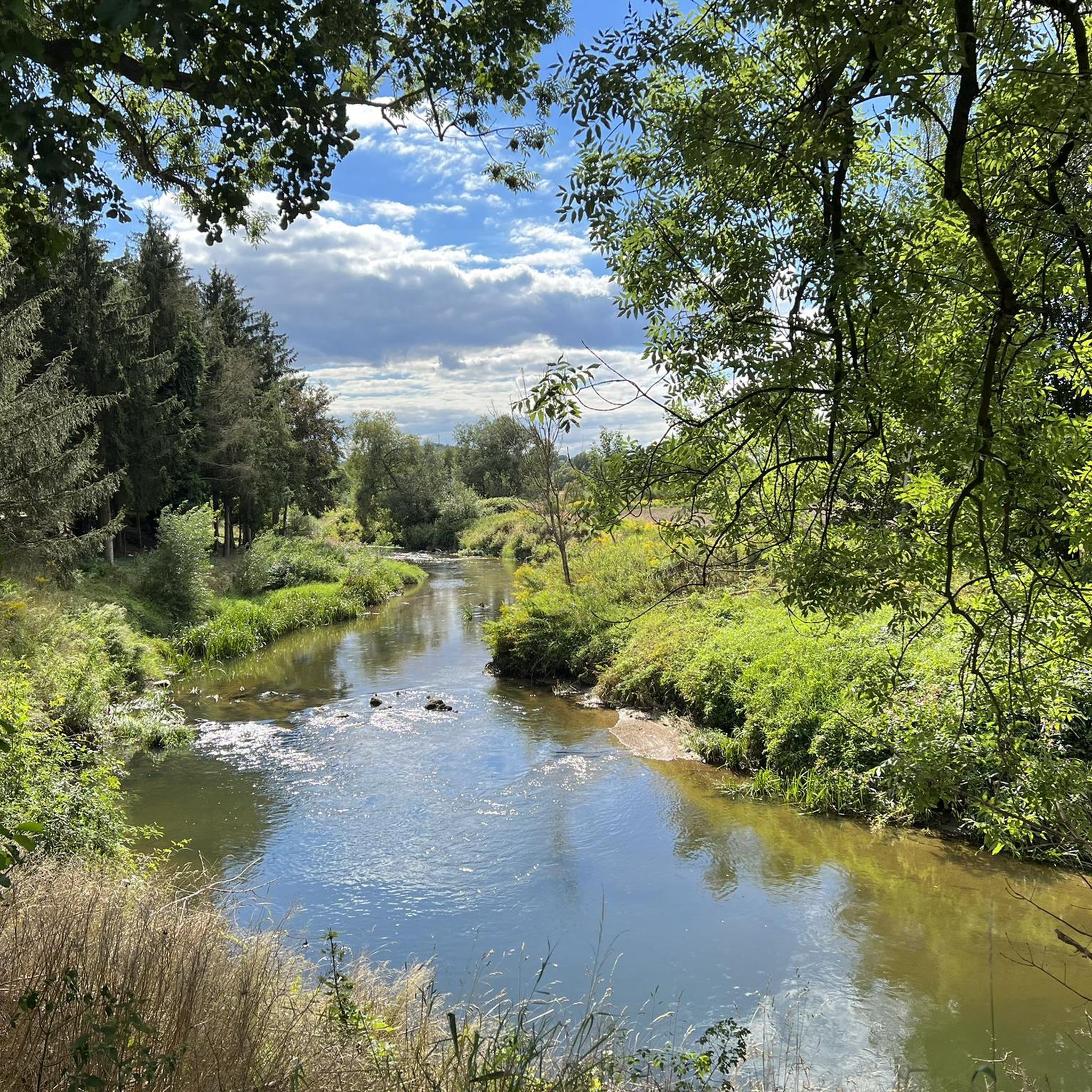
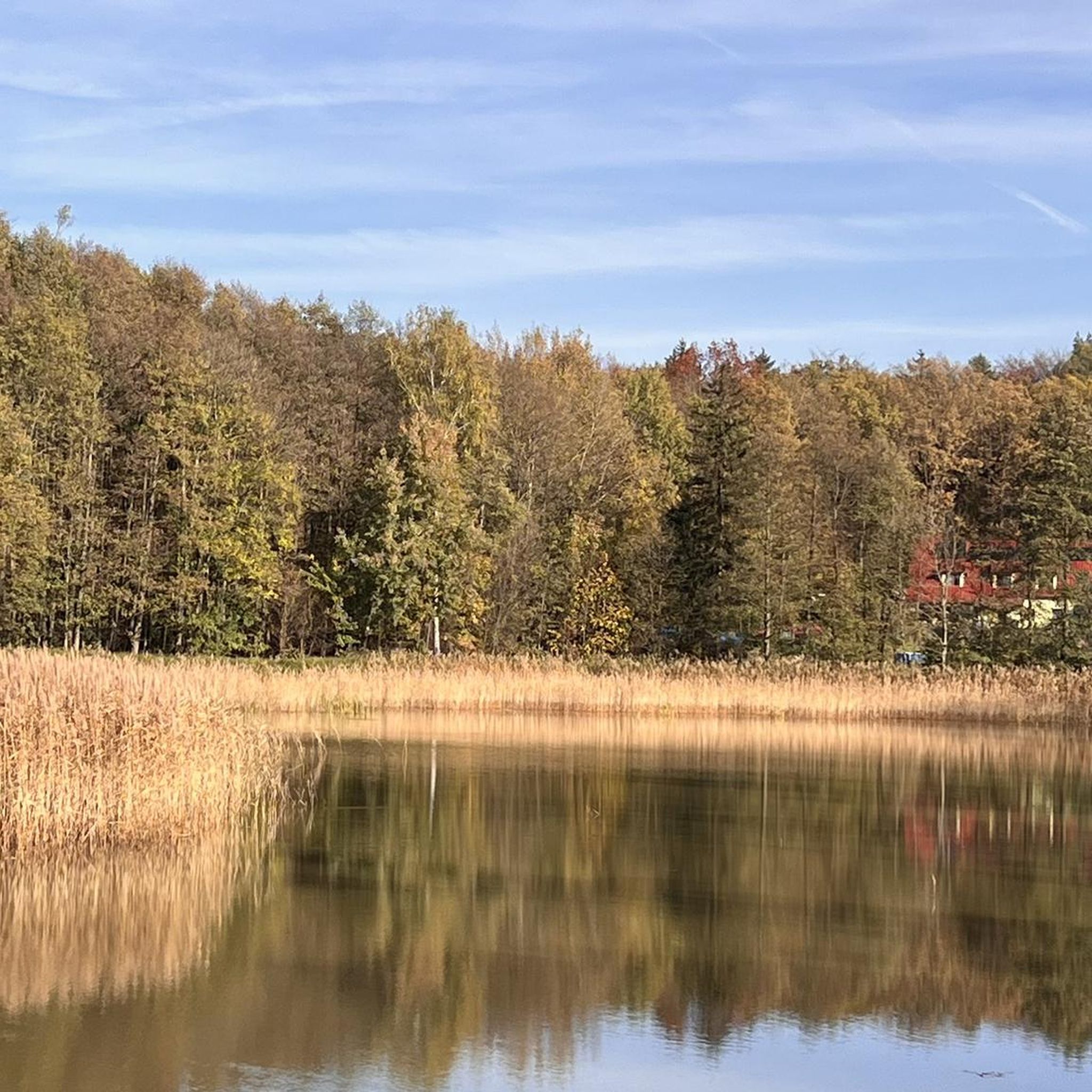
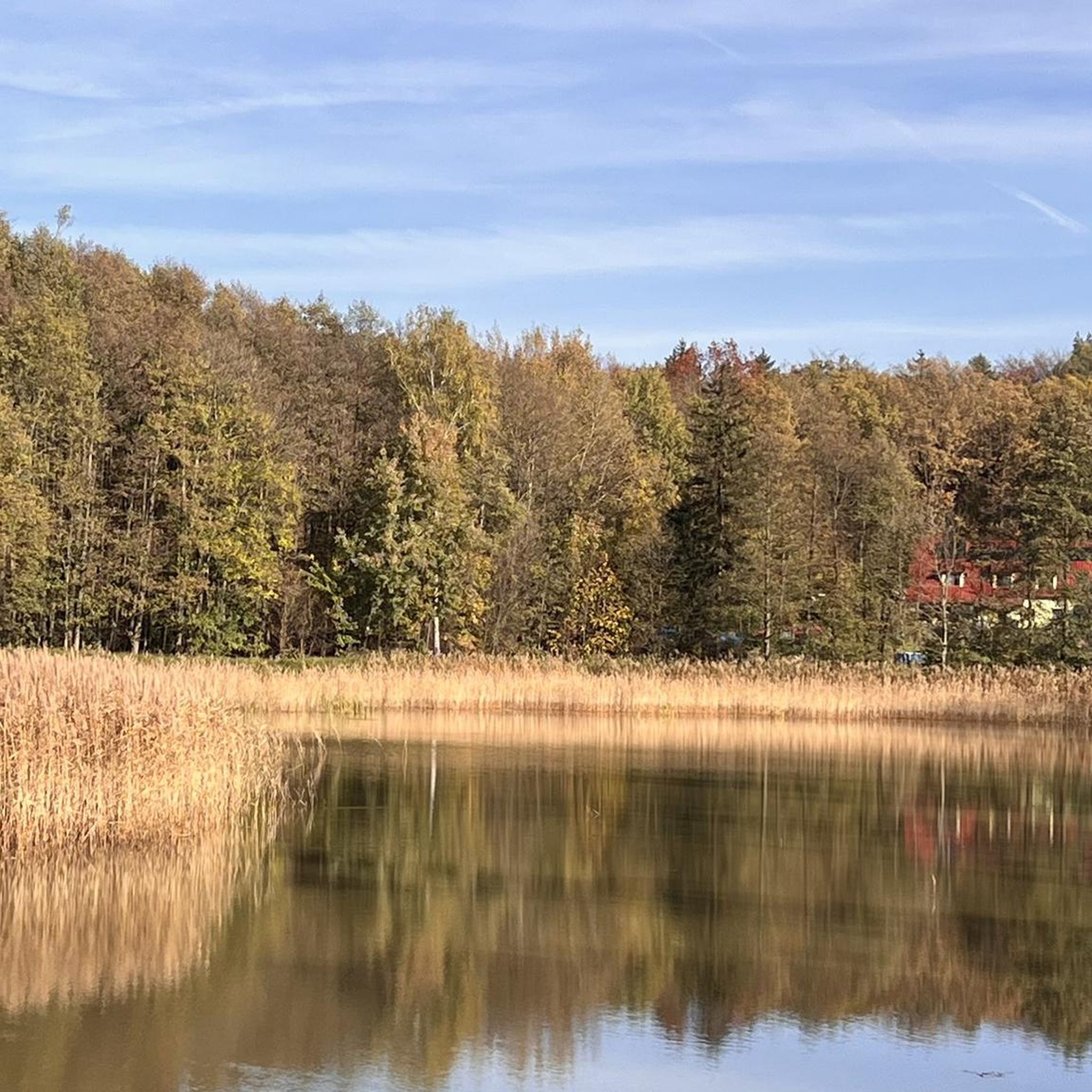

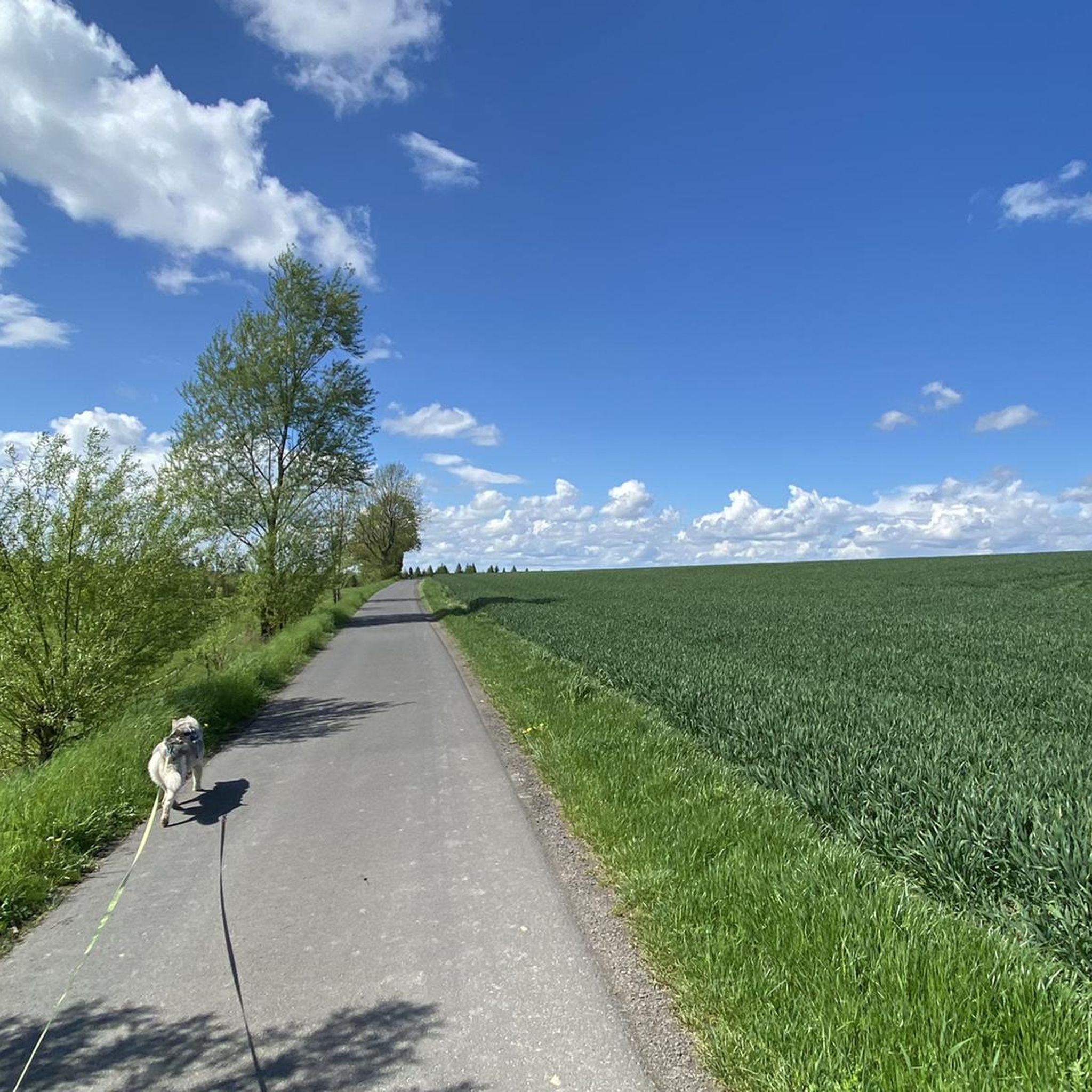
Tips from the Community

In 1965, T. Kaletyn conducted surface surveys in the fort and its immediate surroundings. Stains from earthenware vessels with traces of packaging were found, some were also decorated. In the second half of the 1960s, the remains of two dugout boats were excavated. The inventory consisted of fragments of ceramics and iron knives, on the basis of which these hollows were dated to the pre-10th century period. Incomplete information about the monuments discovered during archaeological research causes difficulties in verifying the dating of the settlement and its chronology from the 9th to the 12th century.
0
0
On August 20, 1814, she buried her 10-year-old son, who died after a long illness. On January 30, 1832, the Countess's body was also buried there. In May 1832, by order of her sons, the bodies of the Countess and the boy were exhumed, transported to another city, and buried in a family grave.
0
0
Incomplete information about the monuments discovered during archaeological research causes difficulties in verifying the dating of the settlement. Early medieval castles were generally regarded as objects with a strictly defined military character. They had to fulfill their tasks: defend tribal borders, control trade routes, and secure the interests of the elites in various intra-urban relationships. The essence of castles was their strong fortification, which manifested itself in the presence of the most durable and functional defensive structures on the castles and the optimal adaptation of the castle's founding site to the local terrain conditions. The hill on which the settlement is located was formerly called Portsberg or Kapellenberg, and around 1814, Countess Sophia Stosch, who owned Nawojów Sláski in the years 1807-1832, ordered a mausoleum to be built over the settlement.
0
0
The 40 m long and 26 m wide Maidan is surrounded from the south by a section of a shaft with a length of 28 m, a base width of up to 3 m, and a height measured from the inside of the fortification, and covers an area of approx. 800 sqm. In the southern part of this defensive foundation, a section of the ditch has been preserved. The object was discovered around 1930 by German scientists (W. Frenzel, O. Gandert, G. Hoffmann). Unfortunately, the historical material obtained during their work in 1932, 1935, and 1938 was lost during the last war. Animal bones, charcoal, stones, and shrapnel from a clay hut were found during the excavations. After 1945, Polish archaeologists began research, but it was very limited in scope...
1
0
Here is the translation for our German friends: This medieval Slavic settlement in Nawojów Śląski belongs to a group of Sudeten castles inhabited by the Silesian tribe of Bobrzan at the confluence of the Kwisa and Bobra rivers. It includes defensive objects from Boleslawiec, Jelenia Góra Grabarów, Marczów and a supposed fortress on Krzyzna Góra. It also appears under the name Lagów (German name: Logau). It is located at approx. 400 m east of the Kwisa riverbed in a place with great defensive qualities. The settlement has a horizontally oval shape, extending on the north-south axis...
1
0

Famous personalities immortalized in the pavement.
1
0
The road is now fully open to traffic again after construction work, without restrictions.
2
0
Frequently Asked Questions
How many touring cycling routes are available in Lubań (Rural)?
There are over 20 touring cycling routes available in Lubań (Rural), offering a diverse range of experiences for cyclists. These routes are highly rated by the komoot community, with an average score of 4.7 stars.
What kind of terrain can I expect on touring cycling routes around Lubań (Rural)?
The terrain around Lubań (Rural) is quite varied, shaped by volcanic geology, river valleys, and extensive forests. You'll encounter a mix of field and forest dirt roads with gentle climbs and descents, as well as routes that pass through open agricultural areas. The region is part of the Jizera Foothills, offering diverse landscapes.
Are there easy touring cycling routes suitable for beginners in Lubań (Rural)?
Yes, Lubań (Rural) offers several easy touring cycling routes perfect for beginners. For example, the Pond – Closed Road loop from gmina Lubań is an 11.5-mile (18.5 km) trail that provides a gentle ride through the local countryside.
Are there any challenging touring cycling routes for experienced cyclists?
While many routes feature gentle climbs, the region does offer more challenging options. The diverse landscape with volcanic hills and varied terrain ensures that experienced cyclists can find routes that test their endurance, often involving longer distances and more significant elevation changes. There are 3 difficult routes available in the area.
What natural features or scenic viewpoints can I discover while cycling in Lubań (Rural)?
Cycling in Lubań (Rural) allows you to explore significant natural features. You can ride through the 'Lubań Great Forest' with its old beech trees, or along the Kwisa River, known for its natural breakthroughs and meanders. Hills like Scout Mountain and Szubienicza Mountain offer natural vantage points for appreciating the surrounding vistas. The area also features impressive basalt rock formations from former quarries.
Are there historical landmarks or cultural attractions along the cycling routes?
Absolutely. The region is rich in history. You can cycle past the impressive Czocha Castle, a medieval fortress, or explore the historic town center of Lubań with its Renaissance Town Hall and ancient towers. The Market Square Lubań – Lauban Post Mile Column (1725) loop from Pisarzowice is a great route that connects historical town features with scenic stretches.
Can I cycle near water bodies like lakes or rivers in the Lubań (Rural) area?
Yes, the region is characterized by its significant water bodies. You can find routes that lead past the Złotnicki Dam and the Leśniańskie Lake Dam. The Zarębiańskie Ponds – Siekierczyn Outdoor Pool loop from Henryków Lubański is a popular trail that leads through river valleys and past local water bodies.
Are there circular touring cycling routes available in Lubań (Rural)?
Many of the touring cycling routes in Lubań (Rural) are designed as loops, allowing you to start and end your ride in the same location. This makes planning easier and offers a complete scenic experience without needing to arrange return transport. An example is the Closed Road – Bridge over the Kwisa River loop from Nawojów Śląski.
Are the touring cycling routes in Lubań (Rural) suitable for families?
Yes, many routes are suitable for families, especially the easier ones with gentle terrain and shorter distances. The varied landscape and natural attractions, like the Kwisa River and forested areas, provide engaging scenery for all ages. Look for routes marked as 'easy' for the most family-friendly options.
What do other touring cyclists enjoy the most about touring cycling in Lubań (Rural)?
The area is highly rated by the komoot community, with an average score of 4.7 stars from over 300 reviews. Cyclists often praise the diverse landscapes, the mix of forest and open agricultural areas, and the opportunity to explore both natural beauty and historical sites. The well-maintained paths and varied terrain for all skill levels are also frequently highlighted.
Are there any 'hidden gems' or less-known routes to explore in the region?
Lubań (Rural) is known for its 'hidden gems' and opportunities for agritourism. Beyond the main routes, exploring the extensive network of field and forest dirt roads can lead to quiet, picturesque areas and charming local villages, offering a more secluded cycling experience away from busier paths.
What is the best time of year for touring cycling in Lubań (Rural)?
The best time for touring cycling in Lubań (Rural) is generally from spring through early autumn. During these seasons, the weather is most favorable, with pleasant temperatures for cycling and the natural landscapes, including the 'Lubań Great Forest' and river valleys, are at their most vibrant. Summer offers longer daylight hours, while spring and autumn provide beautiful foliage.
Most popular routes around Lubań (Rural)
Most popular attractions around Lubań (Rural)

Get inspired with the komoot mobile app


Explore more
Browse the best Cycling routes in other regions.
