Attractions and Places To See around Olszyna - Top 20
Best attractions and places to see around Olszyna, a town in Poland's Lower Silesian Voivodeship, offers a blend of historical landmarks and natural features. Situated in the picturesque Olszówka stream valley, a tributary of the Kwisa River, the area is surrounded by the Izera Mountains and Foothills. The region boasts historical roots dating back to 1254 and preserves numerous 18th and 19th-century houses. It provides access to a variety of sites for those interested in history and nature.
Best attractions and places to see around Olszyna
- The most popular attractions is Czocha Castle, a castle that was privately owned until 1945 and now functions as a hotel. It is known for its intriguing history, including tales of secret passages and a trap for adulterers.
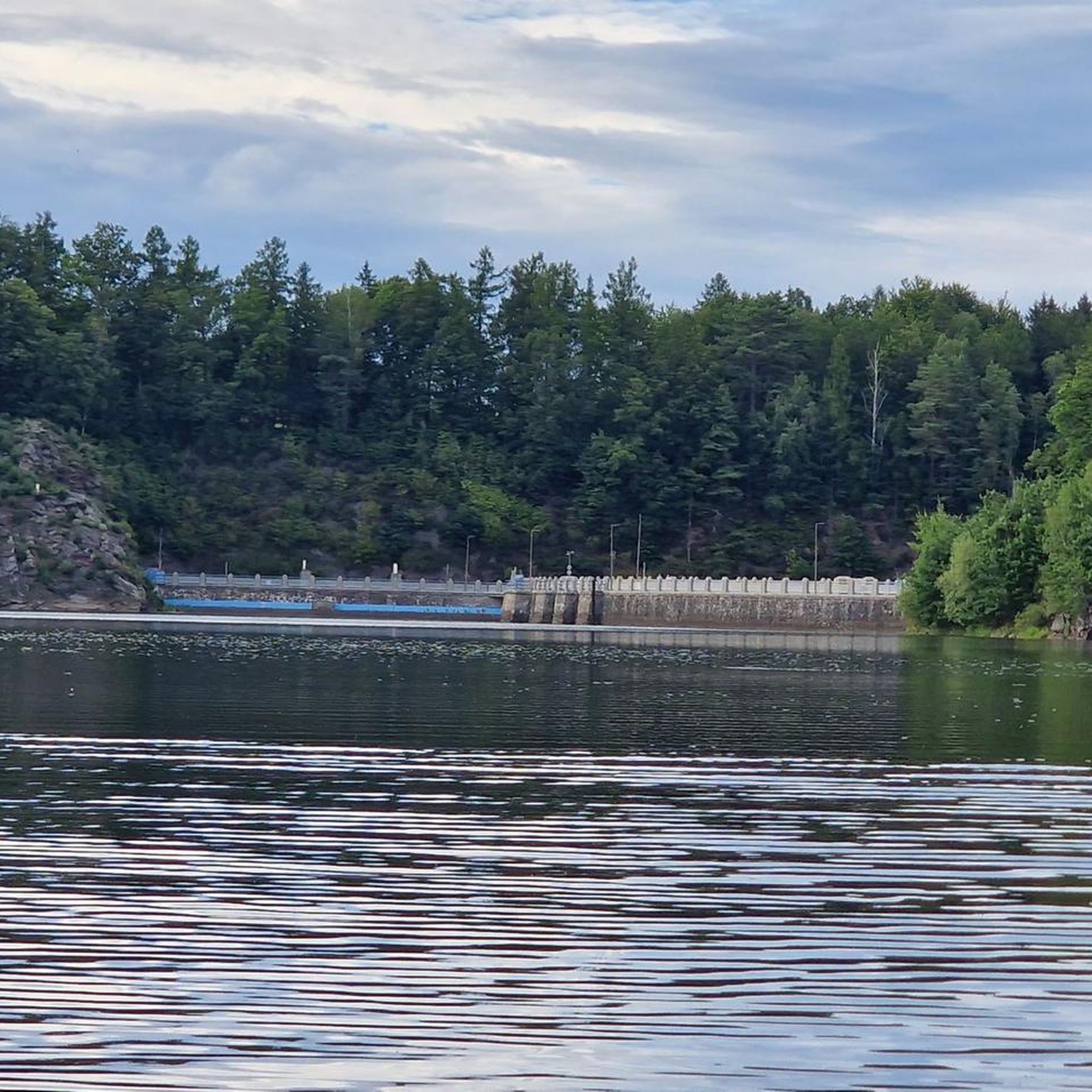
- Another must-see spot is Leśniańskie Lake Dam and Hydropower Plant, a man-made monument. This impressive dam wall was constructed by German engineers between 1901 and 1905, with Siemens-Schuckert technology still present in the machine house.
- Visitors also love Złotnicki Dam, a man-made monument. This beautiful dam is located on the Kwisa River and was built between 1919 and 1924 to mitigate severe floods.
- Olszyna is known for its historical castles, impressive dams, and natural river valleys. The region offers a variety of attractions to see and explore, from historical sites to natural landscapes.
- The attractions around Olszyna are appreciated by the komoot community, with 9 highlights featuring more than 300 photos and receiving over 140 upvotes.
Last updated: May 20, 2026
Czocha Castle
Highlight • Castle
Adultery seems to have been a serious topic at the castle. At least one woman (Ulrike) was drowned for adultery in the castle well and a trap for adulterers is installed in a bed. There are also plenty of secret passages that you can do on the tour.
The entrance costs just over five euros, tours are only in Polish, but to start the tours you get German info sheets
Translated by Google •
Tip by

Rajsko Castle
Highlight • Castle
Translated by Google •
Tip by

Sign up now to discover places like this
Get recommendations on the best single tracks, peaks, & plenty of other exciting outdoor places.
Sign up for free
Leśniańskie Lake Dam and Hydropower Plant
Highlight • Monument
Translated by Google •
Tip by

Złotnicki Dam
Highlight • Monument
Translated by Google •
Tip by

Grodzisko 9th–12th c. Archaeological Site
Highlight • Historical Site
Translated by Google •
Tip by

Sign up for free to discover even more attractions around Olszyna.
Sign up for free
Already have an account?
Start today with a free account
Your next adventure awaits.
Login or Signup

Tips from the Community

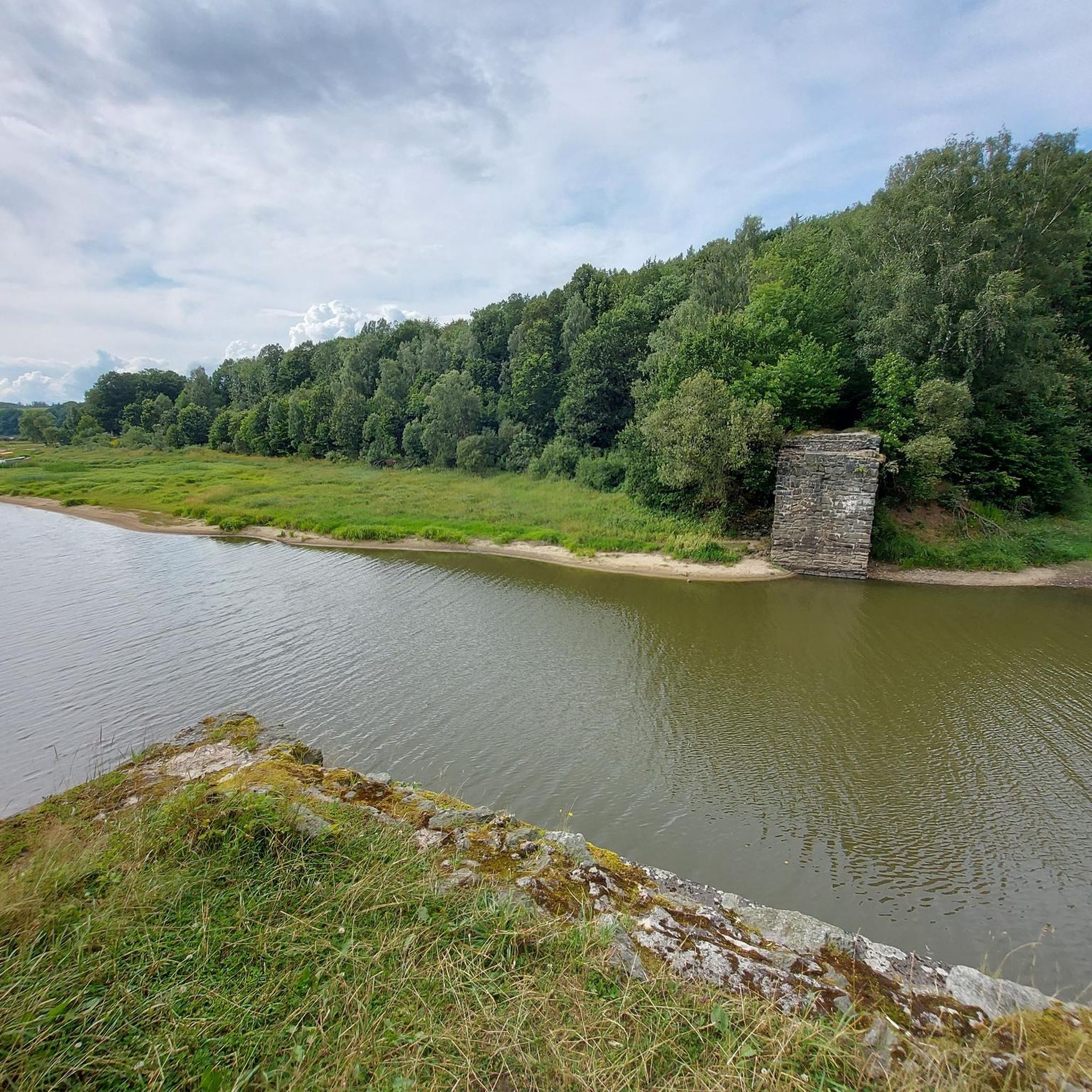
In 1965, T. Kaletyn conducted surface surveys in the fort and its immediate surroundings. Stains from earthenware vessels with traces of packaging were found, some were also decorated. In the second half of the 1960s, the remains of two dugout boats were excavated. The inventory consisted of fragments of ceramics and iron knives, on the basis of which these hollows were dated to the pre-10th century period. Incomplete information about the monuments discovered during archaeological research causes difficulties in verifying the dating of the settlement and its chronology from the 9th to the 12th century.
0
0
On August 20, 1814, she buried her 10-year-old son, who died after a long illness. On January 30, 1832, the Countess's body was also buried there. In May 1832, by order of her sons, the bodies of the Countess and the boy were exhumed, transported to another city, and buried in a family grave.
0
0
Incomplete information about the monuments discovered during archaeological research causes difficulties in verifying the dating of the settlement. Early medieval castles were generally regarded as objects with a strictly defined military character. They had to fulfill their tasks: defend tribal borders, control trade routes, and secure the interests of the elites in various intra-urban relationships. The essence of castles was their strong fortification, which manifested itself in the presence of the most durable and functional defensive structures on the castles and the optimal adaptation of the castle's founding site to the local terrain conditions. The hill on which the settlement is located was formerly called Portsberg or Kapellenberg, and around 1814, Countess Sophia Stosch, who owned Nawojów Sláski in the years 1807-1832, ordered a mausoleum to be built over the settlement.
0
0
The 40 m long and 26 m wide Maidan is surrounded from the south by a section of a shaft with a length of 28 m, a base width of up to 3 m, and a height measured from the inside of the fortification, and covers an area of approx. 800 sqm. In the southern part of this defensive foundation, a section of the ditch has been preserved. The object was discovered around 1930 by German scientists (W. Frenzel, O. Gandert, G. Hoffmann). Unfortunately, the historical material obtained during their work in 1932, 1935, and 1938 was lost during the last war. Animal bones, charcoal, stones, and shrapnel from a clay hut were found during the excavations. After 1945, Polish archaeologists began research, but it was very limited in scope...
1
0
Here is the translation for our German friends: This medieval Slavic settlement in Nawojów Śląski belongs to a group of Sudeten castles inhabited by the Silesian tribe of Bobrzan at the confluence of the Kwisa and Bobra rivers. It includes defensive objects from Boleslawiec, Jelenia Góra Grabarów, Marczów and a supposed fortress on Krzyzna Góra. It also appears under the name Lagów (German name: Logau). It is located at approx. 400 m east of the Kwisa riverbed in a place with great defensive qualities. The settlement has a horizontally oval shape, extending on the north-south axis...
1
0

Clean rest area and good information about the excavation.
2
0

The Złotnicka Dam is an impressive structure situated on picturesque Lake Złotnickie, a beautiful spot on the Kwisa River. Its architecture was designed by the talented construction consultant Curt Bachmann from Jelenia Góra, who combined functionality with aesthetics in his work. This majestic dam not only regulates water flow but also enhances the landscape, creating an unforgettable atmosphere of harmony with nature.
0
0

Impressive building which was built between 1919 and 1924.
2
0
Frequently Asked Questions
What historical sites can I explore around Olszyna?
The region around Olszyna is rich in history. You can visit the impressive Czocha Castle, known for its intriguing past and secret passages. Another historic site is Rajsko Castle, offering a rustic experience along a river. In Olszyna itself, the Neo-Gothic Evangelical Church (Church of St. Joseph the Betrothed of the Blessed Virgin Mary) with its Renaissance altar is notable, and you can still see historic residential houses from the 18th and 19th centuries.
Are there any notable castles near Olszyna?
Yes, two prominent castles are located near Olszyna. Czocha Castle, a former border fortress, now functions as a hotel and event venue, offering tours of its historical features. Additionally, Rajsko Castle provides a pleasant, rustic experience along a river and has a fascinating history of its own.
What natural attractions are there around Olszyna?
Olszyna is surrounded by beautiful natural features. You can visit the impressive Leśniańskie Lake Dam and Hydropower Plant, an engineering marvel integrated into the landscape. The Złotnicki Dam on the Kwisa River is another scenic spot. For nature enthusiasts, the Mokradła nad Wilką (Wetlands on the Wilka River) Nature Reserve protects a valley shaped by beaver activity, serving as an important habitat for wildlife. The Olszówka and Wilka Stream Valleys also offer rich flora and tranquil settings for walks.
What outdoor activities can I do around Olszyna?
The region around Olszyna is excellent for outdoor activities. You can explore a variety of trails for different sports. For mountain biking, there are numerous routes, including loops around the Leśniańskie Dam and Czocha Castle. Gravel biking is also popular, with routes like the one from Gryfów Śląski to the Złotnicki Dam. If you prefer hiking, there are easy trails, such as those around Czocha Castle and Złotnickie Lake Beach. You can find more details on these activities in our dedicated guides for MTB Trails, Gravel Biking, and Easy Hikes around Olszyna.
Are there family-friendly attractions around Olszyna?
Yes, several attractions are suitable for families. Czocha Castle offers an engaging experience with its historical tales and secret passages that can captivate children. The Złotnicki Dam and Leśniańskie Lake Dam areas provide scenic spots for walks and enjoying nature. Additionally, the Market Square and Town Hall in nearby Gryfów Śląski are pleasant for a family stroll.
What is the best time to visit Olszyna for outdoor activities?
The region around Olszyna is generally pleasant for outdoor activities from spring through autumn. The warmer months offer ideal conditions for hiking, cycling, and exploring the natural reserves and river valleys. During these seasons, the flora is vibrant, and the weather is conducive to enjoying the historical sites and dams.
What is the significance of the Leśniańskie Lake Dam and Hydropower Plant?
The Leśniańskie Lake Dam and Hydropower Plant is an impressive man-made monument. Constructed by German engineers between 1901 and 1905, it still features Siemens-Schuckert technology in its machine house. The dam wall blends seamlessly with the natural landscape and is a testament to early 20th-century engineering.
Can I visit the Market Square and Town Hall in Gryfów Śląski?
Yes, the Market Square and Town Hall in Gryfów Śląski are worth visiting. The town hall, rebuilt after a fire in 1929, features a distinctive reinforced concrete tower. The square itself is a central point in the town and offers a glimpse into the regional architecture and history.
Are there any nature reserves in the Olszyna area?
Yes, the Mokradła nad Wilką (Wetlands on the Wilka River) Nature Reserve is located within the Olszyna gmina. This recently established reserve protects the valley of the forested Wilka stream, its wetlands, and floodplains, which have been significantly shaped by beaver activity. It's an important habitat for amphibians, birds, and mammals, offering a unique natural experience.
What do visitors enjoy most about the attractions around Olszyna?
Visitors frequently praise the well-preserved historical sites and the beautiful natural surroundings. For instance, Czocha Castle is often highlighted for its interesting history and the opportunity to explore its secret passages. The dams, like Leśniańskie Lake Dam and Złotnicki Dam, are appreciated for their impressive engineering and how well they integrate into the scenic river landscapes.
What is the history of the Złotnicki Dam?
The Złotnicki Dam, located on the Kwisa River, is an impressive structure built between 1919 and 1924. Its primary purpose was to mitigate severe floods that frequently devastated the town of Marklissa and the surrounding countryside, making it a crucial piece of regional infrastructure.
Most popular routes around Olszyna
Most popular attractions around Olszyna

Get inspired with the komoot mobile app


Explore more
Still not found the Highlight you’re looking for? See guides of the top attractions in other regions:
