Attractions and Places To See around gmina Sobótka - Top 20
Best attractions and places to see around gmina Sobótka include natural landmarks and historical sites. This region, situated at the foot of Mount Ślęża, offers diverse landscapes from mountains and forests to meadows. It is known for its historical significance, including ancient pagan worship sites and medieval structures. Gmina Sobótka provides opportunities for active recreation, with numerous hiking and cycling routes.
Best attractions and places to see around gmina Sobótka
- The most popular attractions is Mount Ślęża, a summit…
Last updated: October 18, 2026
Church of the Visitation of the Blessed Virgin Mary on Mount Ślęża
Highlight • Religious Site
Translated by Google •
Tip by

Mount Ślęża
Highlight • Summit
Translated by Google •
Tip by

Sign up now to discover places like this
Get recommendations on the best single tracks, peaks, & plenty of other exciting outdoor places.
Bismarck Tower on Mount Ślęża
Highlight • Monument
Translated by Google •
Tip by

PTTK Tourist House on Mount Ślęża
Highlight • Mountain Hut
Translated by Google •
Tip by

Tąpadła Pass
Highlight • Mountain Pass
Translated by Google •
Tip by
Sign up for free to discover even more attractions around gmina Sobótka.
Already have an account?
Start today with a free account
Your next adventure awaits.

Tips from the Community

Built on the rock itself, on the site of an ancient place of worship and a medieval castle, it hides many unique secrets within.
0
0
The biggest historical problem of the facility has always been the lack of a natural water source at the very top of the mountain. Over the years, various methods were used to cope (including collecting rainwater or transporting water). It was precisely the permanent problems with the water and sewage infrastructure and the failure to meet modern sanitary requirements that forced the managers to close the accommodation base in February 2014. Today, tourists can only buy a hot meal, snacks, or souvenir stamps here.
0
0
The current building was created on the initiative and with the funds of Georg Haase, a well-known Wrocław entrepreneur and owner of the powerful Haase Brewery. It was designed by the famous Wrocław architect Karl Klimm. Interestingly, a special, extremely atmospheric banquet hall called the "Pustelnia Ślężańska" (German: Zobtenklause) was set up in the new shelter, where tourists could enjoy beer and relax in a unique atmosphere.
0
0
In ancient times, Ślęża was a sacred mountain for many tribes, including the Celts and Slavs. It was a powerful center of sun worship. Interestingly, the surrounding peaks formed a coherent religious system: while the Sun was worshipped on Ślęża, the Moon was venerated on the neighboring Radunia. To this day, stone ritual ramparts surrounding the summit areas are preserved there.
0
0

Follow the little trail at the bear statue for 100 m to a viewing tower
0
0

The yellow trail, for everyone :)
0
0

A historic tourist facility located at the summit of Mount Ślęża at 718 meters above sea level, named after Roman Zmorski and listed as a historical monument since 1988. The current stone building was constructed in 1907-1908 under the patronage of the Zobten Mountain Society, replacing earlier wooden structures that had served hikers since 1837. Originally featuring a richly decorated "Zobten Hermitage" hall where mountain society members gathered among hunting trophies, the building now operates as a tourist house providing only catering services due to water supply issues that prevent overnight accommodation!!!
1
0
built on the ruins of a medieval Piast castle whose fragments can still be seen in the church's underground crypt. Originally founded in the 12th century by Palatine Piotr Włostowic who brought Augustinian canons from Flanders, the current neo-Romanesque structure dates from 1852 after the previous chapel was destroyed by lightning in 1834.
1
0
Frequently Asked Questions
What are the best hiking opportunities around gmina Sobótka?
The region is excellent for hiking, with Mount Ślęża being the primary destination. Many trails lead to its summit, offering panoramic views. A popular starting point is Tąpadła Pass, which provides good parking and marked routes. You can find various mountain hikes, including moderate loops like the "PTTK Tourist House on Mount Ślęża – Bismarck Tower on Mount Ślęża loop from Sobótka," on the Mountain Hikes around gmina Sobótka guide.
Are there any family-friendly attractions in gmina Sobótka?
Yes, gmina Sobótka offers several family-friendly options. Hiking up Mount Ślęża is a popular activity for families, with trails suitable for various fitness levels. The mountain itself is considered family-friendly and features ancient stone sculptures like "the maiden with fish" and "the bear" that can spark children's imagination. The Tąpadła Pass is also a good starting point for family walks.
What historical sites can I explore in the region?
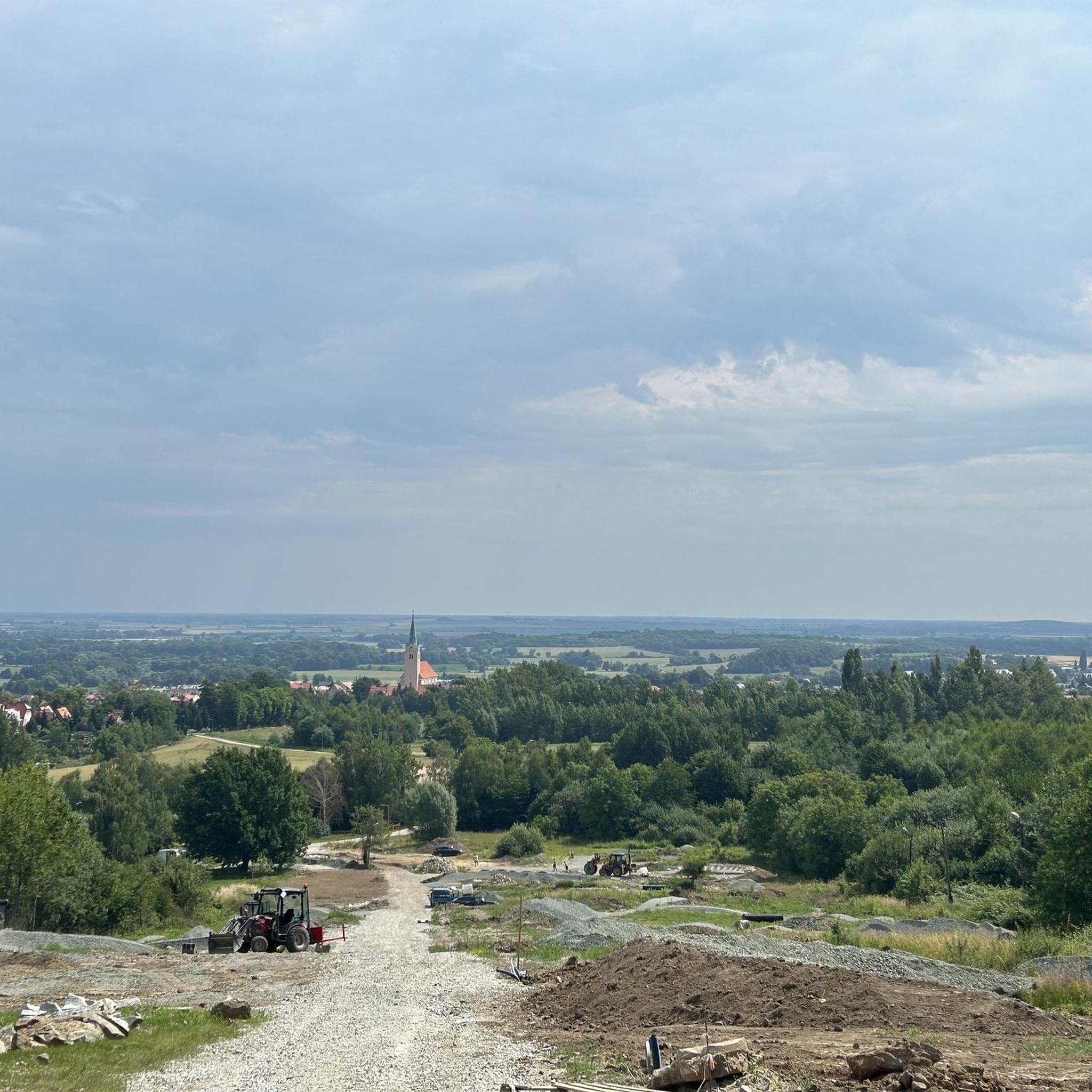
Gmina Sobótka is rich in history. Mount Ślęża was a significant pagan solar worship center from the Bronze Age, with ancient stone sculptures still visible. At its summit, you'll find the Church of the Visitation of the Blessed Virgin Mary, built on the ruins of a medieval castle. In Sobótka town, the Ślężańskie Museum showcases regional archaeology and culture, while the Gothic St. James Church dates back to the 14th century. Don't miss the Bismarck Tower on Wieżyca Hill, a historical landmark offering panoramic views.
Where can I find good viewpoints in gmina Sobótka?
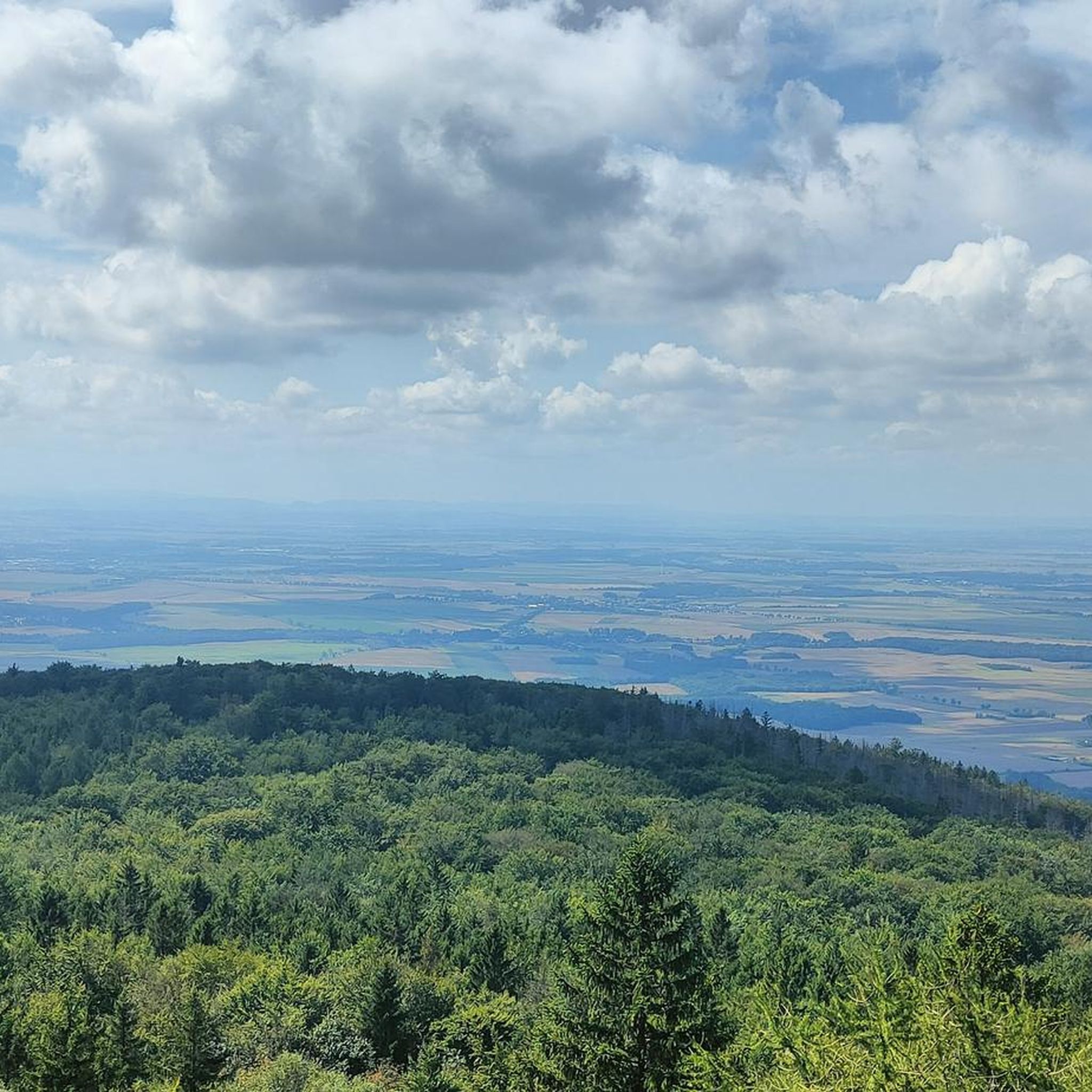
For breathtaking panoramic views, head to the summit of Mount Ślęża, which offers expansive vistas of the Sudetes and the Silesian Lowlands. The Tąpadła Pass also provides scenic views of the surrounding area. Additionally, the Bismarck Tower on Wieżyca Hill, a 15-meter tall granite tower, offers excellent panoramic views of the Silesian landscape.
Are there cycling routes available in gmina Sobótka?
Yes, gmina Sobótka is popular for cycling. The Ślężański Landscape Park provides varied terrain suitable for cycling. You can find several routes, including challenging ones like the "Tąpadła Pass – Sobótka Church loop from Sobótka" or the "Słupice Reservoir and Beach – Tąpadła Pass loop from Sobótka." Explore more options on the Cycling around gmina Sobótka guide.
What natural features are prominent in gmina Sobótka?
The most prominent natural feature is Mount Ślęża, the highest peak of the Sudeten Foothills, known for its diverse flora and fauna. The mountain is part of the larger Ślężański Landscape Park, an extensive protected area featuring mountains, forests, and meadows, along with five nature reserves. The Tąpadła Pass also offers natural beauty and serves as a gateway to the mountain's trails.
Is there a place to eat or rest on Mount Ślęża?
Yes, at the summit of Mount Ślęża, you can find the PTTK Tourist House. While it operates more as a buffet than a full accommodation, it offers a place to stock up on drinks and simple meals, providing a welcome break for hikers.
What is the significance of the ancient sculptures on Mount Ślęża?
The ancient stone sculptures on Mount Ślęża, such as "the maiden with fish" and "the bear," are remnants of the mountain's past as a pagan solar worship center. These mysterious statues, some with characteristic symbols like an oblique cross, are associated with the Celtic cultural circle and date back to the Bronze Age, highlighting the region's deep historical and spiritual roots.
What is the best time to visit gmina Sobótka for outdoor activities?
The region is generally pleasant for outdoor activities from spring through autumn. For hiking, late spring and early autumn offer comfortable temperatures and beautiful scenery. Summer is also popular, but be prepared for warmer weather. While winter hiking is possible, conditions can vary, so it's advisable to check local forecasts for snow and ice before planning a trip during colder months.
Are there any archaeological sites in gmina Sobótka?
Yes, the region has significant archaeological interest. Beyond the ancient pagan sites on Mount Ślęża, you can visit the Archaeological Reserve in Będkowice, which offers insights into the ancient history of the area. The Ślężańskie Museum in Sobótka also features archaeological exhibits.
What is the Ślężański Landscape Park?
The Ślężański Landscape Park is an extensive protected area covering approximately 81.90 square kilometers. It was established to preserve the natural and cultural heritage of the Ślęża Massif, encompassing diverse ecosystems like mountains, forests, and meadows. It's an ideal place for walking, cycling, and immersing oneself in nature, and it contains five nature reserves.
Most popular routes around gmina Sobótka
Most popular attractions around gmina Sobótka

Get inspired with the komoot mobile app


Explore more
Still not found the Highlight you’re looking for? See guides of the top attractions in other regions:
