Attractions and Places To See around gmina Ząbkowice Śląskie - Top 20
Best attractions and places to see around gmina Ząbkowice Śląskie include a mix of historical landmarks, cultural sites, and natural features. This region in Lower Silesia, Poland, is centered around the town of Ząbkowice Śląskie, historically known as Frankenstein. The area offers a diverse landscape for exploration, from medieval architecture to protected natural reserves. Visitors can find opportunities for both historical discovery and outdoor activities.
Best attractions and places to see around gmina Ząbkowice Śląskie
- The most popular attractions is…
Last updated: May 20, 2026
Observation tower on Klodzka Mountain
Highlight • Viewpoint
But for everyone else, it's a must.
Views as far as the eye can see.
Translated by Google •
Tip by

Silver Mountain Fortress
Highlight • Historical Site
Translated by Google •
Tip by

Sign up now to discover places like this
Get recommendations on the best single tracks, peaks, & plenty of other exciting outdoor places.
Sign up for free
Leaning Tower of Ząbkowice Śląskie
Highlight • Monument
Translated by Google •
Tip by

Stoszowice Castle
Highlight • Castle
Translated by Google •
Tip by

Lime Kilns I–III (Wapienniki I–III), Złoty Stok
Highlight • Monument
Translated by Google •
Tip by

Sign up for free to discover even more attractions around gmina Ząbkowice Śląskie.
Sign up for free
Already have an account?
Start today with a free account
Your next adventure awaits.
Login or Signup
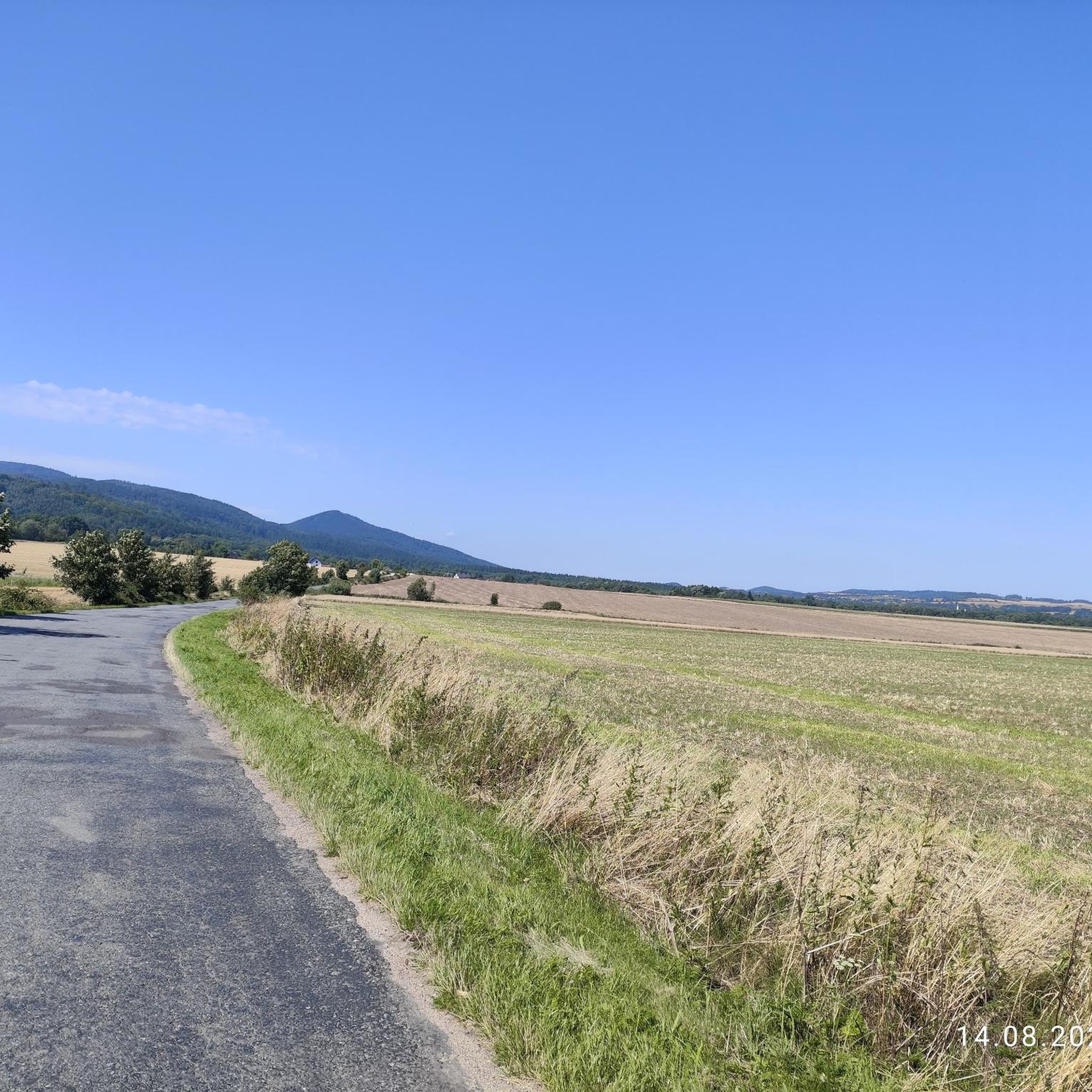
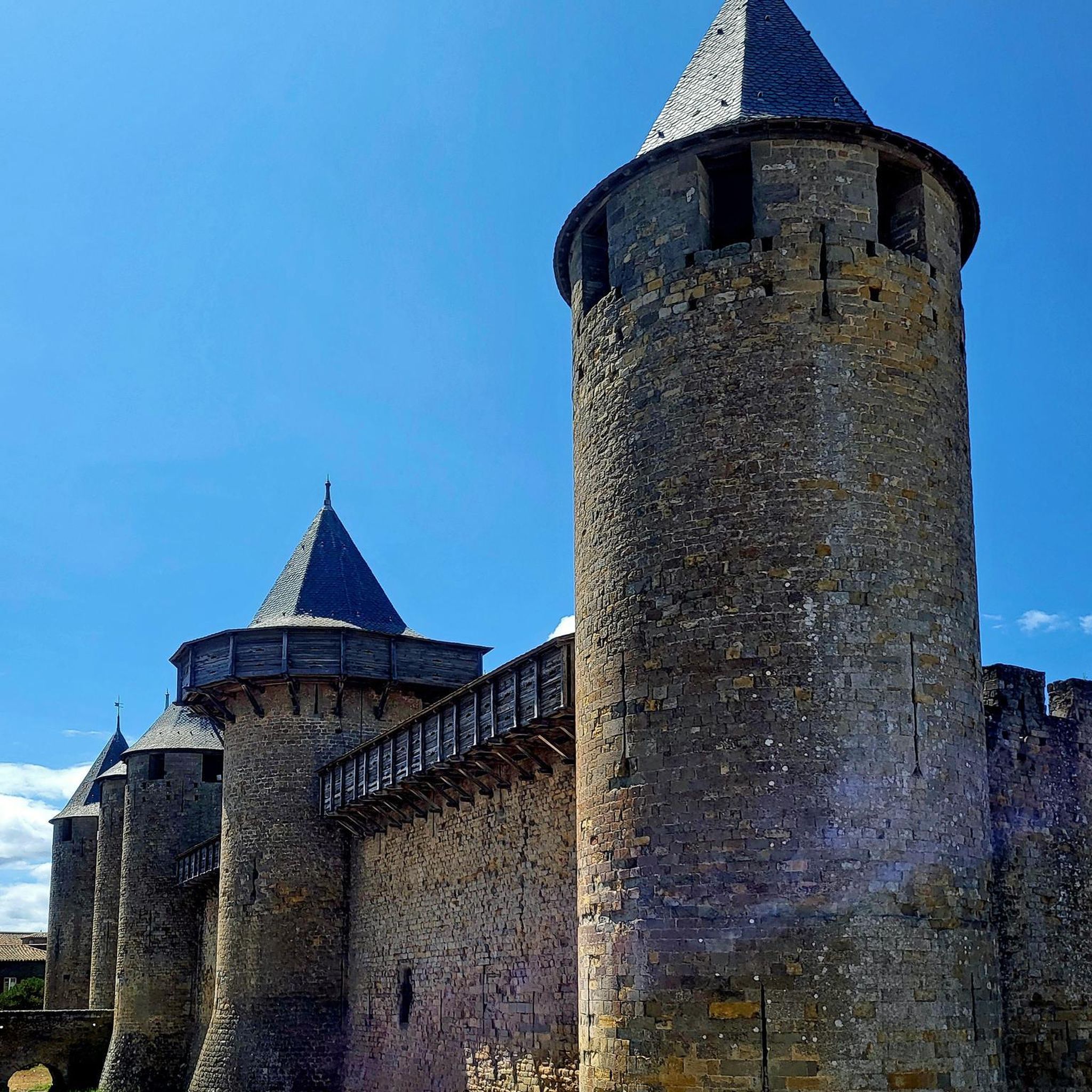
Tips from the Community

I think the tower might be a tough climb for people with a fear of heights. But for everyone else, it's a must. Views as far as the eye can see.
5
0

A beautiful mountain fortress from Napoleonic times, never conquered. Fort Donjon and Fort Ostróg are both worth visiting.
2
0

Beautiful view of the area. Worth climbing. Overall, the views are like in the Low Beskids.
2
0

The castle was built in the 15th century. In 1600, expanded and rebuilt in the Renaissance style. Rebuilt and enlarged in the 18th and 19th centuries.
2
0

The Leaning Tower is located next to the parish church. It was built in the 14th century. It is not known why, perhaps it served as a watchtower and was then adapted as a church belfry? Or maybe it was built as a free-standing belfry right away? It is not known, but recent archaeological research indicates that the first Ząbkowice castle could have been located near the tower. The tower tilted suddenly, in 1598, after an earlier subsidence. Initially, it was 1.5 meters from the vertical, but the tilt is still increasing and currently is 2.1 meters. The highest, straight storey of the tower was most likely added in the 17th century. Until World War II, 3 massive bells were hung on the tower. They were removed during the war and melted down. Currently, the Leaning Tower is used as a viewing tower. Admission is charged.
1
0
The beginnings of the castle are unknown. Different dates are given, sometimes the 13th century, sometimes the 15th. It is known that around 1600 the castle was rebuilt in the Renaissance style. At that time it was surrounded by a wall and a moat. In the 17th century it was enlarged, and later, in the 18th and 19th centuries it was rebuilt twice. Today's appearance is the result of all this work. After World War II, the castle became the property of the State Centre for Embryo Breeding. The castle was used for offices, and later it housed a library, a café and a village community centre. Today the castle is still in state hands. It belongs to the National Centre for Supporting Agriculture.
2
0
The largest mountain fortress in Europe. It was built in the late 17th century. It housed 2.5 to 3.5 thousand soldiers. It was never conquered. It was no longer needed in the 19th century. For some time, it housed a prison, and then a restaurant. After World War II, it was abandoned and fell into ruin. Now it is slowly being restored. Once again, there is a restaurant inside, and an additional hostel. It can be visited, but there is little to see, guided tours only, and entry is expensive. You can't even get to the restaurant for free. However, this does not discourage tourists, because on days off there is a huge crowd of people there.
2
0

It must be good weather because you can't see anything in the clouds😂
2
0
Frequently Asked Questions
What historical landmarks can I explore in gmina Ząbkowice Śląskie?
The region is rich in history. You can visit the iconic Ząbkowice Śląskie Castle Ruins, a Renaissance castle with well-preserved walls and underground sections. Don't miss the famous Leaning Tower, known for its significant tilt, and the impressive neo-Gothic Town Hall in the Market Square. Remnants of the medieval city walls and St. John's Bridge also offer glimpses into the town's past.
Is there a connection to the Frankenstein legend in Ząbkowice Śląskie?
Yes, Ząbkowice Śląskie was historically known as Frankenstein until 1945. The town embraces this connection, with the Frankenstein's Laboratory exhibit, located within the Regional Museum, exploring local legends and a grim story from 1606 that some believe inspired Mary Shelley's novel.
Where can I find the best panoramic views in the gmina Ząbkowice Śląskie area?
For extensive views, head to the Observation tower on Klodzka Mountain. This 30-meter high steel tower offers panoramic vistas of nearby and distant mountains. The top of the Leaning Tower in Ząbkowice Śląskie also provides great views of the town.
Are there any nature reserves or natural attractions to visit?
Absolutely. The Skałki Stoleckie Nature Reserve is a unique faunistic reserve protecting rare insect species. You can also enjoy the Paczkowski Reservoir for recreation, or take a stroll through the Muszkowicki Beech Forest and Cisy Nature Reserve. The Municipal Park in Ząbkowice Śląskie is also ideal for relaxation.
What outdoor activities are available around gmina Ząbkowice Śląskie?
The region is well-suited for outdoor enthusiasts. You'll find approximately 450 km of cycling routes, including enduro trails and family-friendly paths. There are also various hiking trails in the surrounding Sudetes Foothills. For more specific routes, check out the hiking guide, gravel biking guide, and MTB trails guide for the area.
Can I visit old castles in the region?
Yes, besides the Ząbkowice Śląskie Castle Ruins, you can also see Stoszowice Castle. While not always fully accessible inside, its Renaissance architecture and historical significance make it worth admiring from the outside. The Silver Mountain Fortress, though a fortress rather than a castle, is another impressive historical site.
Are there family-friendly attractions or activities in gmina Ząbkowice Śląskie?
Families can enjoy exploring the Ząbkowice Śląskie Castle Ruins, which are considered family-friendly. The Frankenstein's Laboratory exhibit offers an engaging, albeit spooky, experience. Additionally, the region provides family-friendly cycling paths and the Municipal Park for relaxed outings.
What do visitors particularly enjoy about the attractions in gmina Ząbkowice Śląskie?
Visitors frequently praise the extensive views from the Observation tower on Klodzka Mountain, noting it's a must-see for those without a fear of heights. The Silver Mountain Fortress is appreciated for its historical significance and unique architecture, despite the steep ascent. The ongoing conservation work at the Ząbkowice Śląskie Castle Ruins is also well-received.
Are there any unique industrial heritage sites in the area?
Yes, you can visit the Lime Kilns I–III (Wapienniki I–III) in Złoty Stok. These architecturally interesting and renovated facilities showcase the region's history of lime production, which dates back to the 16th century and played a significant role in local construction.
What cultural sites, beyond castles and museums, can I visit?
The region features several historical churches. St. Anne's Church, adjacent to the Leaning Tower, is a Gothic church from the early 15th century. Other notable churches include the Dominican Church of the Exaltation of the Holy Cross, St. Joseph the Betrothed of the Blessed Virgin Mary Church, and St. Hedwig's Church, each offering a glimpse into the area's religious heritage.
Most popular routes around gmina Ząbkowice Śląskie
Most popular attractions around gmina Ząbkowice Śląskie

Get inspired with the komoot mobile app


Explore more
Still not found the Highlight you’re looking for? See guides of the top attractions in other regions:
