The best running trails around gmina Łubianka
4.7
(104)
1,527
runners
132
runs
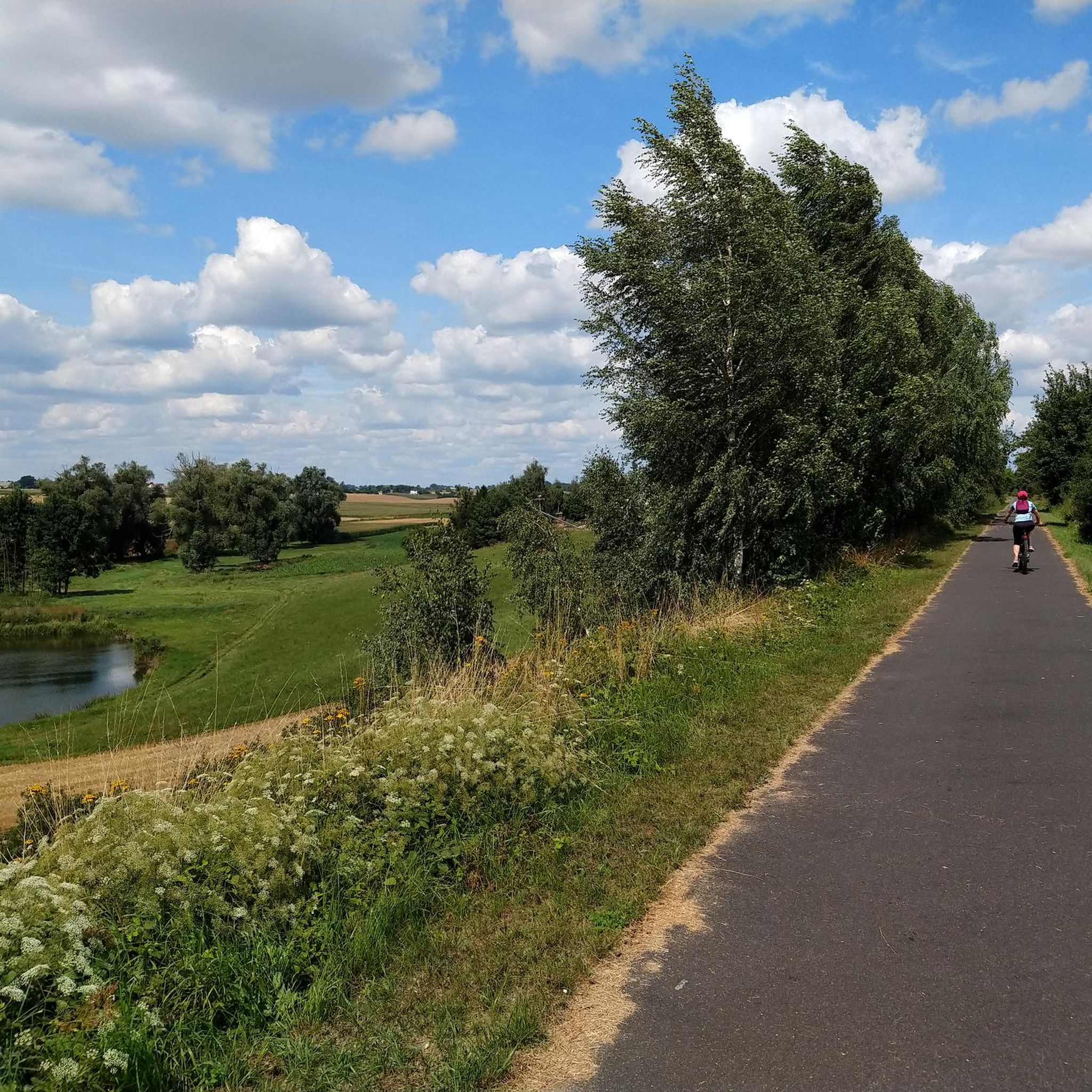
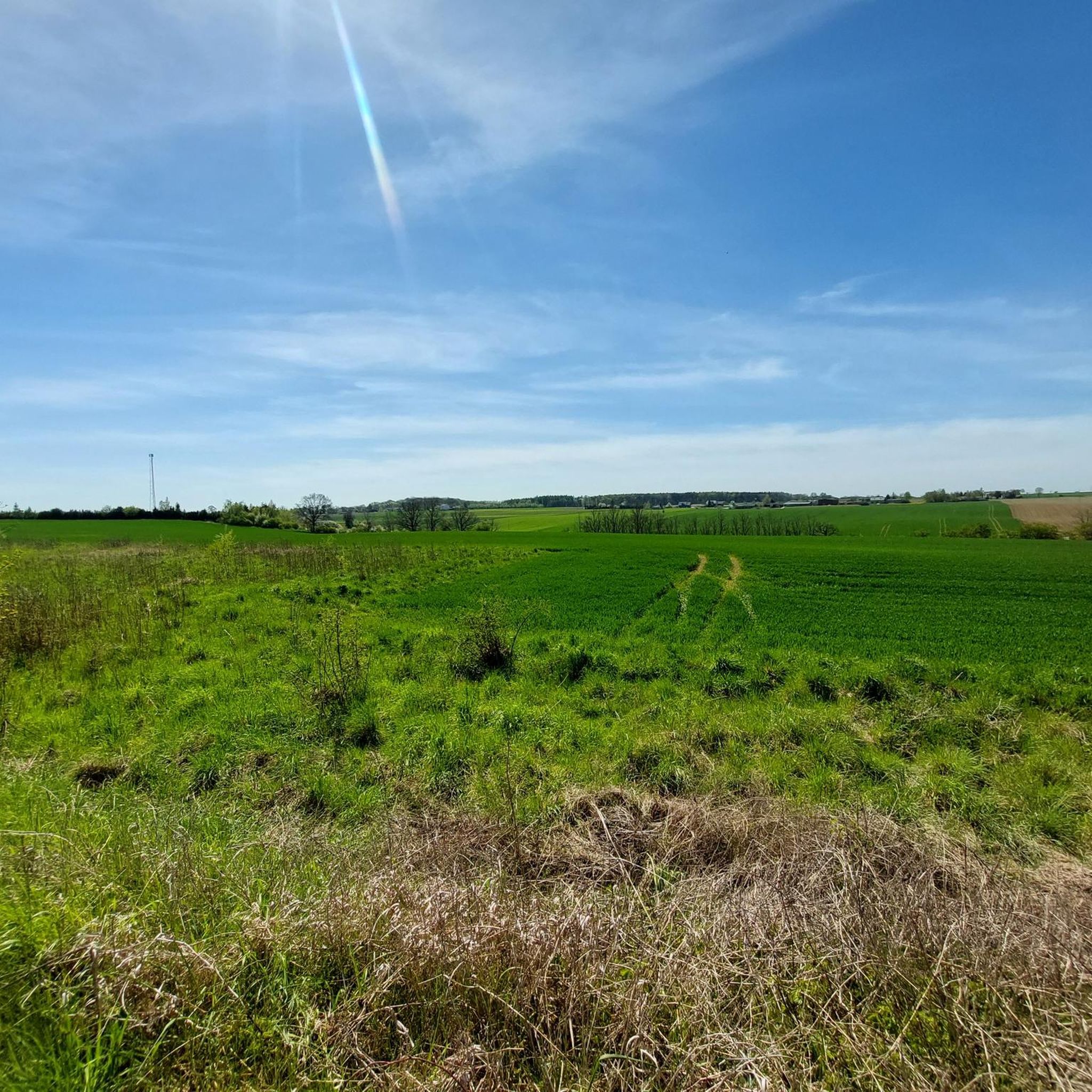
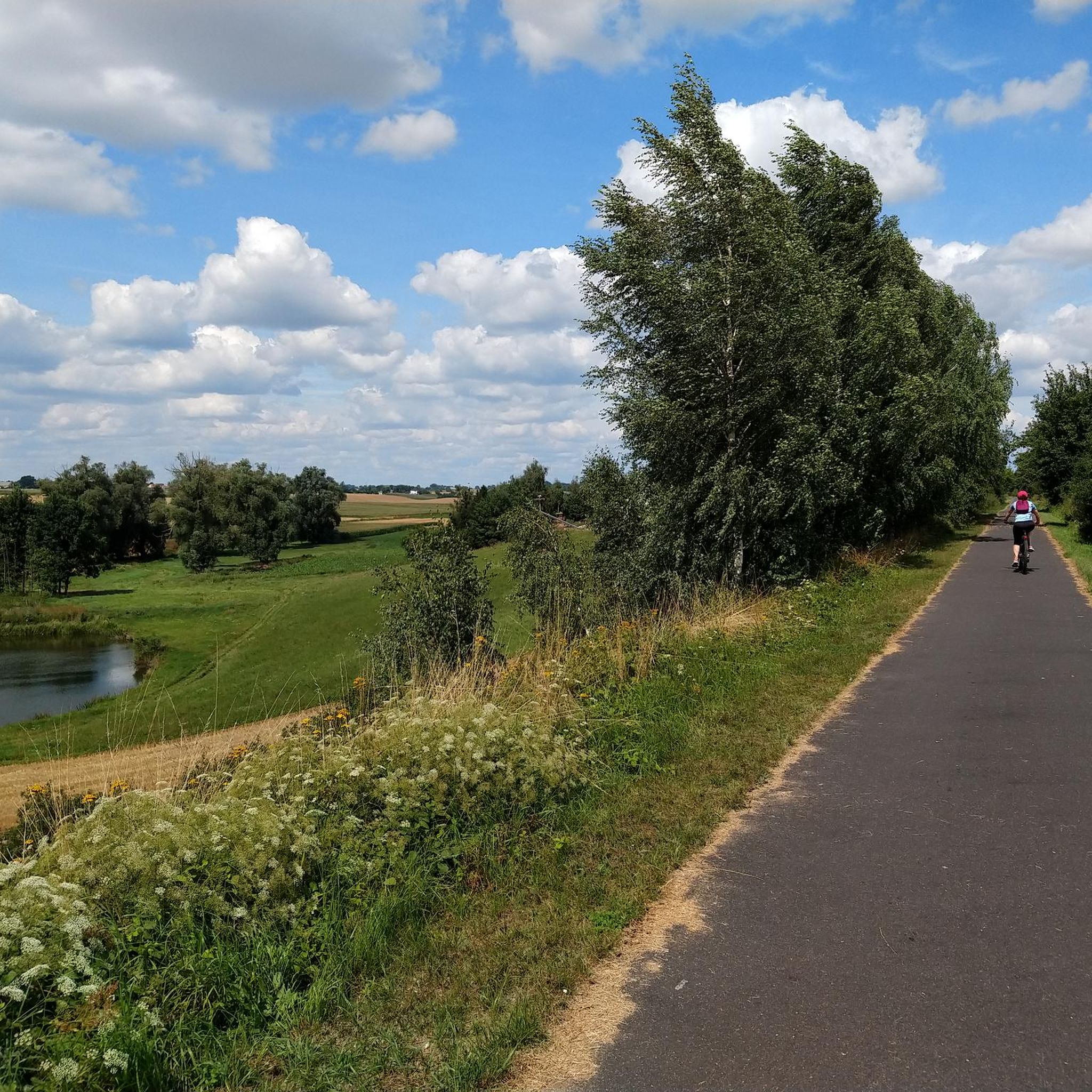
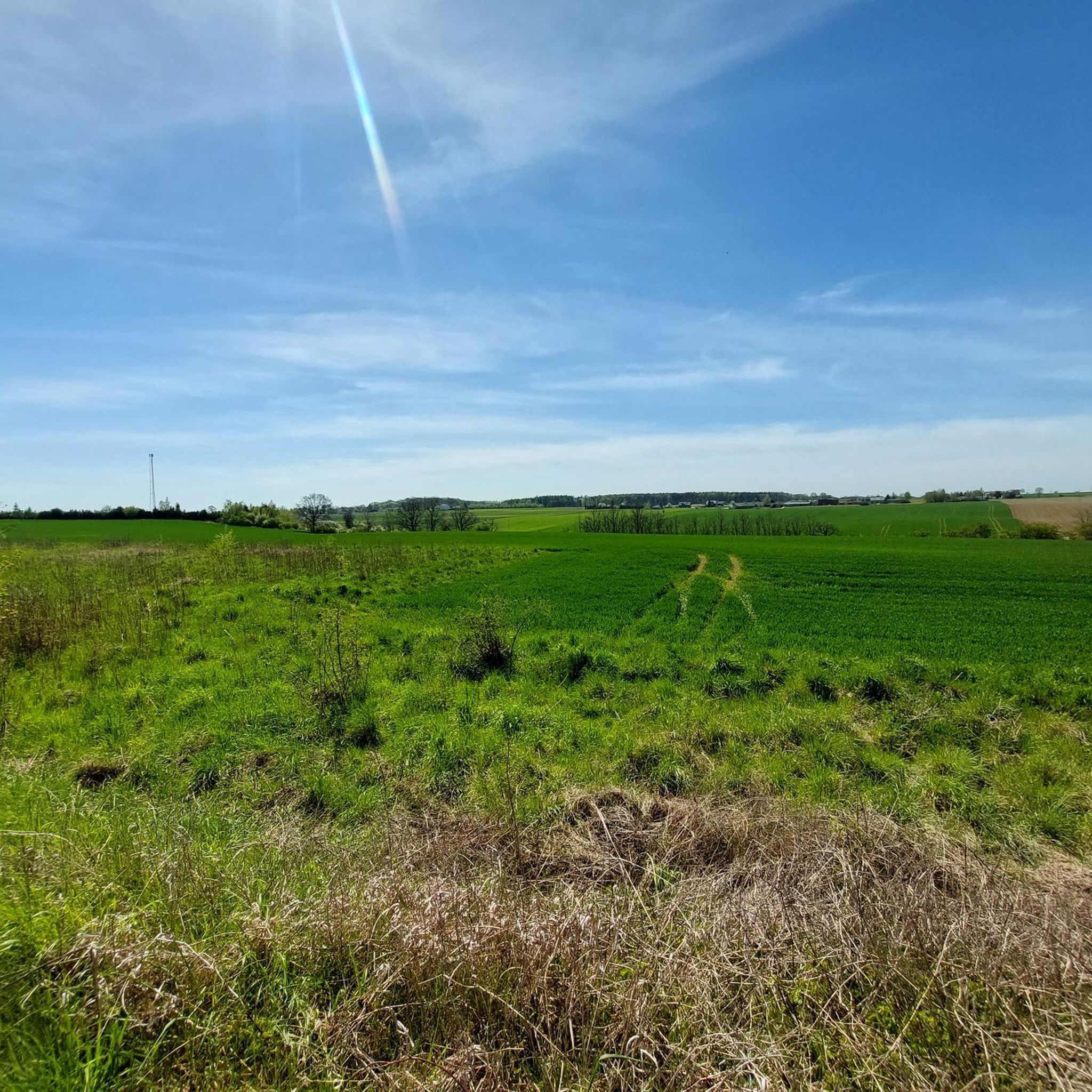
Jogging around gmina Łubianka offers a diverse experience through its rural landscapes in the Kuyavian-Pomeranian Voivodeship. The region is characterized by open spaces, farmlands, and natural surroundings, providing a peaceful backdrop for running. The broader area is known for its forests, rivers, and lakes, contributing to a varied natural setting. Accessible paths and trails cater to different fitness levels, from easy routes to more challenging runs.
Best jogging routes around gmina Łubianka
- The most popular jogging route is Zamek Bierzgłowski…
Last updated: June 27, 2026
42
runners
11.2km
01:14
50m
50m
Moderate run. Good fitness required. Mostly paved surfaces. Suitable for all skill levels.
32
runners
9.82km
01:04
50m
50m
Moderate run. Good fitness required. Mostly paved surfaces. Suitable for all skill levels.

Sign up for free
25
runners
5.06km
00:37
10m
10m
Moderate run. Good fitness required. Mostly paved surfaces. Suitable for all skill levels.
26
runners
14.7km
01:44
40m
40m
Moderate run. Good fitness required. Mostly paved surfaces. Suitable for all skill levels.
10
runners
10.1km
01:06
40m
40m
Moderate run. Good fitness required. Mostly paved surfaces. Suitable for all skill levels.
Get access to more routes and recommendations from other explorers.
Sign up for free
Already have an account?
Our route recommendations are based on thousands of hikes, rides, and runs completed by other people on komoot.
Start today with a free account
Your next adventure awaits.
Login or Signup

Tips from the Community

The castle has an open chapel on the first floor.
0
0

A beautiful place, it's worth delving into its history
0
0

The largest pond among the Przysieckie Ponds.
0
0

Open courtyard and surrounding area, designated trail. The interior can be visited by prior arrangement.
0
0

Former Teutonic castle from the 13th century.
0
0

A castle with an open area for sightseeing To enter the main part, you must leave your bike
0
0
Once a wet and today a dry moat separates the castle proper from the outer bailey. The photos show its southern and eastern parts.
0
0

The castle was built between 1232 and 1270 (very quickly) by the Teutonic Order of the Hospital of the Blessed Virgin Mary of the German House in Jerusalem. It is defended by steep slopes to the west and south, and by walls and moats to the north and east. The castle's location allowed for a direct view of the fortress in Toruń, and the castle itself provided an excellent observation point. On the northwest side stood a building with a basement housing a chapel, refectory, and chapter house, connected to the southwest wing by cloisters. The courtyard is enclosed by a wall with an entrance gate. The outbuildings included stables, barns, workshops, and a granary. In 1404, the castle housed as many as 189 horses: the knights' war horses, the cadets' horses, draft horses, post horses, mares, and foals. From 1386 to 1415, the castle was the seat of the Biergłowice commanders. During the Thirteen Years' War, in February 1454, the castle was occupied by the Prussian Confederation and became the administrative seat of the Teutonic Order's procurator. From 1474 to 1840, it was owned by the Toruń authorities. After a fire in 1522, the castle fell into ruin. Since 1840, when it passed into private hands, the southwest wing and gate tower were rebuilt. On November 3, 1908, another devastating fire broke out in the rebuilt buildings, destroying the roofing. In 1911, reconstruction was carried out according to a design by Conrad Steinbrecht. The history of the Teutonic Order (Full name: Order of the Hospital of the Blessed Virgin Mary of the German House in Jerusalem), as is almost always the case with "holy" organizations, is a centuries-long history of constant violence. Only the Reformation stopped this mercantile activity. However, it is worth mentioning the efforts to establish a university, a school for girls (very rare at that time) and a set of geometric and theological laws and treatises. The castle was built in the years 1232-1270 (very quickly) by the Teutonic Order of the Hospital of the Blessed Virgin Mary from the German House in Jerusalem. Steep slopes defend him from the west and south, walls and moat from the north and east. The location of the castle allowed eye contact with the fortress in Toruń, and the castle itself was an excellent observation point. From the north-west there was a basement building housing a chapel, refectory, chapter house connected by a cloister with the south-west wing. The courtyard closes the wall with an entrance gate. In the economic ward there were stables, barns, workshops and a granary. In 1404, there were as many as 189 horses in the castle: war steeds, knights, knechts, draft horses, post horses, mares and foals. In the years 1386 - 1415 this castle was the seat of the Bierzłów commanders. During the Thirteen Years' War in February 1454, the castle was taken by the army of the Prussian Union and became the administrative seat of the Teutonic prosecutor. In the years 1474-1840 it was owned by the authorities of Toruń. After a fire that took place in 1522, the castle fell into ruins. From 1840, when it passed into private hands, the south-west wing and the gate tower were rebuilt. On November 3, 1908 another severe fire broke out in the rebuilt buildings, which destroyed the roofing. In 1911 a reconstruction was carried out according to the design of Conrad Steinbrecht. The history of the Teutonic Order (Full name: The Order of the Hospital of the Blessed Virgin Mary of the German House in Jerusalem), as it is almost always the case with "holy" organizations, is a centuries-old series of constant violence. Only the Reformation stopped mercantile activity this holiday. However, one should mention the efforts to create a university, a girls' school (very rare at that time) or a collection of geometrical and theological laws and treaties.
4
1
Frequently Asked Questions
How many running routes are available in Gmina Łubianka?
Gmina Łubianka offers a wide selection of running routes, with over 100 trails documented on komoot. These routes cater to various fitness levels, including easy, moderate, and difficult options.
What is the general terrain like for running in Gmina Łubianka?
The terrain in Gmina Łubianka is predominantly rural, characterized by open spaces, farmlands, and natural surroundings. You can expect peaceful paths through varied landscapes, typical of the Kuyavian-Pomeranian Voivodeship, which is known for its forests, rivers, and lakes.
Are there running routes suitable for beginners or those looking for an easier run?
Yes, Gmina Łubianka has several running routes suitable for beginners. There are 14 easy routes available, offering a gentle introduction to the area's scenic paths.
What do other runners think about the trails in Gmina Łubianka?
The running trails in Gmina Łubianka are highly regarded by the komoot community, boasting an average rating of 4.5 stars from over 80 reviews. Runners often praise the tranquil rural scenery and accessible paths.
Can I find running routes that pass by historical landmarks or natural sights?
Absolutely! Many routes in Gmina Łubianka offer opportunities to see interesting sights. For instance, the Zamek Bierzgłowski loop from Pigża passes by the historic Teutonic Castle in Bierzgłowski Castle. Other notable attractions in the area include Stawy Przysieckie and the Las Piwnicki Nature Reserve.
Are there any circular running routes in Gmina Łubianka?
Yes, many of the running routes in Gmina Łubianka are designed as loops, providing convenient circular paths. An example is the Gothic Castle loop from Leszcz, which offers scenic rural views.
Are there more challenging running routes for experienced runners?
Yes, for those seeking a greater challenge, Gmina Łubianka offers 15 difficult running routes. These trails typically feature more varied terrain or longer distances to test your endurance.
Are the running trails in Gmina Łubianka family-friendly?
While specific 'family-friendly' designations are not always available, the presence of 14 easy routes suggests that many paths are suitable for families looking for a less strenuous run or walk. The rural, peaceful environment is generally conducive to outdoor activities with children.
Are dogs allowed on the running trails in Gmina Łubianka?
Generally, dogs are welcome on trails in rural areas of Poland, especially if kept on a leash. However, specific rules can vary by location or nature reserve. It's always best to observe local signage and ensure your dog is under control to respect wildlife and other trail users.
What are the parking options near the running trails in Gmina Łubianka?
As a rural area, parking is often available in or near the starting points of trails, particularly in villages like Pigża or Leszcz. Look for designated parking areas or safe roadside spots, but always be mindful of local regulations and private property.
When is the best time of year to go running in Gmina Łubianka?
The best time to go running in Gmina Łubianka is typically during spring, summer, and early autumn. These seasons offer pleasant weather, lush greenery, and comfortable temperatures. Winter running is also possible, but trails may be covered in snow or ice, requiring appropriate gear.
Is public transport available to access the running routes in Gmina Łubianka?
Public transport options in Gmina Łubianka, being a rural administrative district, might be limited compared to larger urban centers. It's advisable to check local bus schedules or consider driving to the starting points of the routes for easier access.
Most popular attractions around gmina Łubianka

Get inspired with the komoot mobile app


Explore more
Browse the best Running Trails & Routes in other regions.
