Attractions and Places To See around Schondra - Top 20
Attractions and places to see around Schondra are defined by its setting in the Rhön Mountains, at the base of Kreuzberg mountain. The region features rolling hills, picturesque valleys, and the clean Schondra River, much of which is a nature reserve. Historic landmarks and cultural sites complement the natural landscape. This area offers opportunities for outdoor activities and exploring serene environments.
Best attractions and places to see around Schondra
- The most popular attractions is Bad Brückenau Spa Park, a…
Last updated: July 6, 2026
Würzburger Karl-Straub-Haus
Highlight • Mountain Hut
Translated by Google •
Tip by

Basalt Lake Tintenfass
Highlight • Lake
Translated by Google •
Tip by

Sign up now to discover places like this
Get recommendations on the best single tracks, peaks, & plenty of other exciting outdoor places.
Sign up for free
Old Saale Bridge, Elfershausen
Highlight • Bridge
Translated by Google •
Tip by

Platzer Kuppe summit
Highlight • Summit
Translated by Google •
Tip by

Bad Brückenau Spa Park
Highlight • Natural Monument
Translated by Google •
Tip by

Sign up for free to discover even more attractions around Schondra.
Sign up for free
Already have an account?
Start today with a free account
Your next adventure awaits.
Login or Signup

Tips from the Community

A beautiful old bridge
3
0

Very well maintained and sophisticated looking facility, worthwhile.
7
0

2. Today's plantings are based on the structure of the historical model in terms of new planting and care. The chestnut trees on the avenue are cut strictly in a box shape, and the lime tree arcade below the Fürstenhof also corresponds to the historical specifications. Old and rare trees can be admired in the park, including a "thousand-year-old oak" near the herb garden with a circumference of seven meters[1], as well as the ginkgo tree, the cucumber magnolia and the "oak-leaved hornbeam" (a mutation). Around 60 tree species are listed in the tree register created in 1992. Source:https://de.m.wikipedia.org/wiki/Staatsbad_Br%C3%BCckenau
11
0
1. In 1747, the Ticino Andrea Gallasini, court architect to the Prince Abbots of Fulda, designed a strictly symmetrically arranged garden, the main feature of which was the central axis, which still extends across the state spa today. Over the course of time, additions were made to the building ensemble, particularly by King Ludwig I. This also involved enlargements of the gardens. The baroque gardens were partially converted into an English garden. Despite many changing garden trends, the structure has been preserved to this day and is a defining feature of the park. In contrast to the unspoiled nature of the surrounding meadows and forests, it gives the ensemble a special charm. Source:https://de.m.wikipedia.org/wiki/Staatsbad_Br%C3%BCckenau
12
0

The origins of the spa park (more correctly the castle park) go back to the designs of the court architect Andrea Gallasini. According to these plans, a French garden was created between 1747 and 1749 for the prince abbots/prince-bishops of Fulda. After the dissolution of the Fulda monastery and the new borders during and after the Napoleonic era, the Brückenau office became part of the Kingdom of Bavaria in 1816. The Bavarian King Ludwig I, who reigned until 1848, used the site as a summer residence. During this time, numerous buildings flanking the park were built, such as the Kursaal building and the Badhotel.
6
0

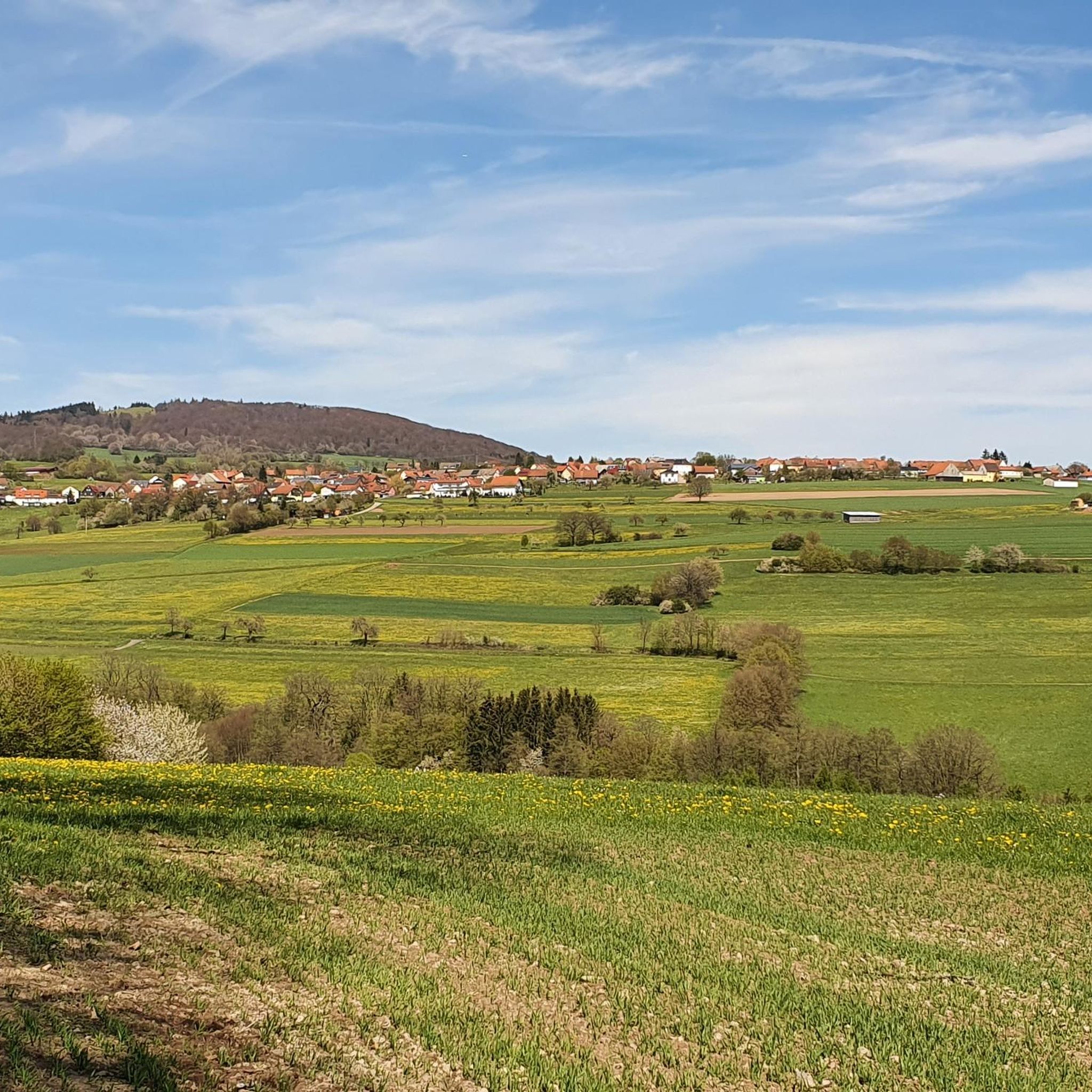
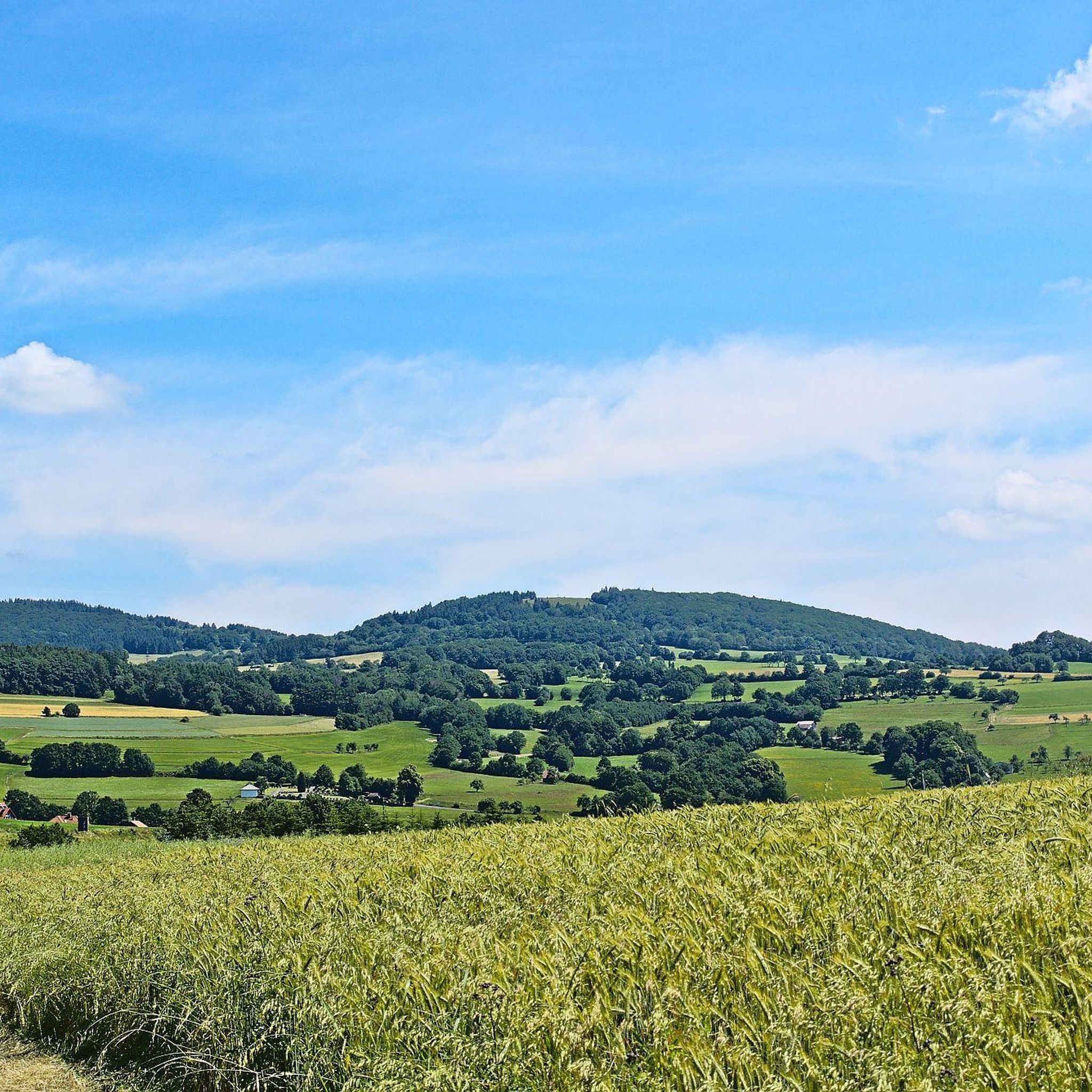
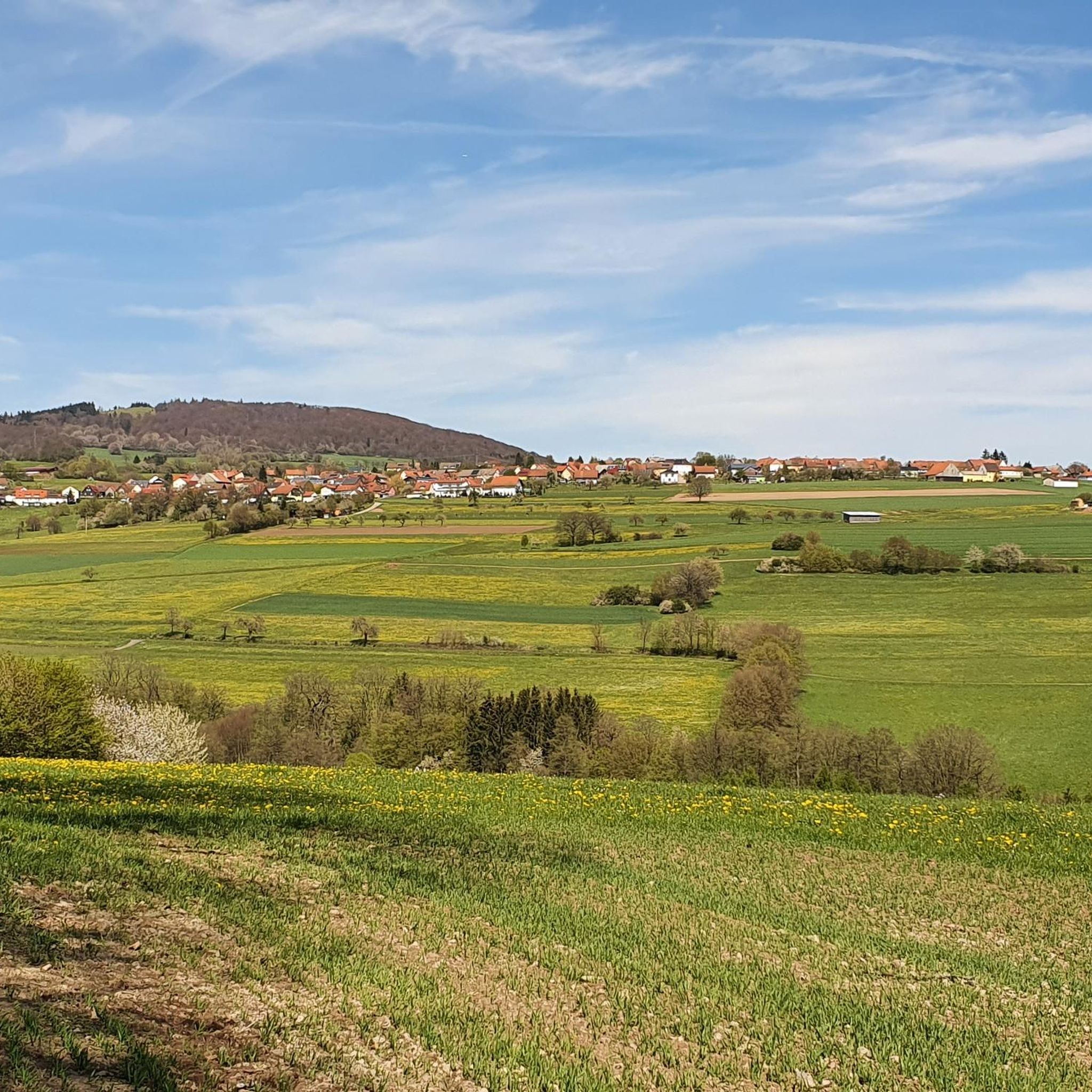
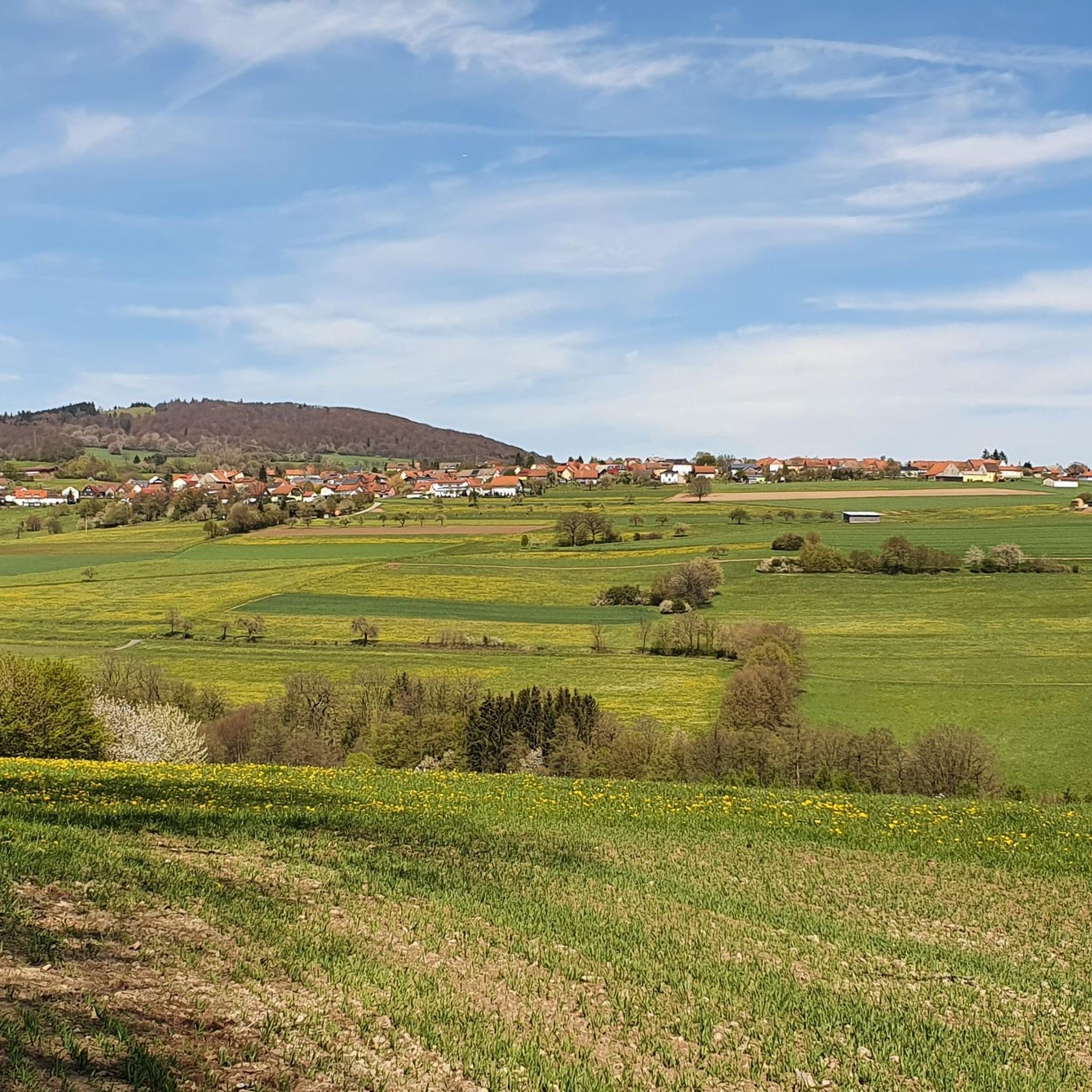
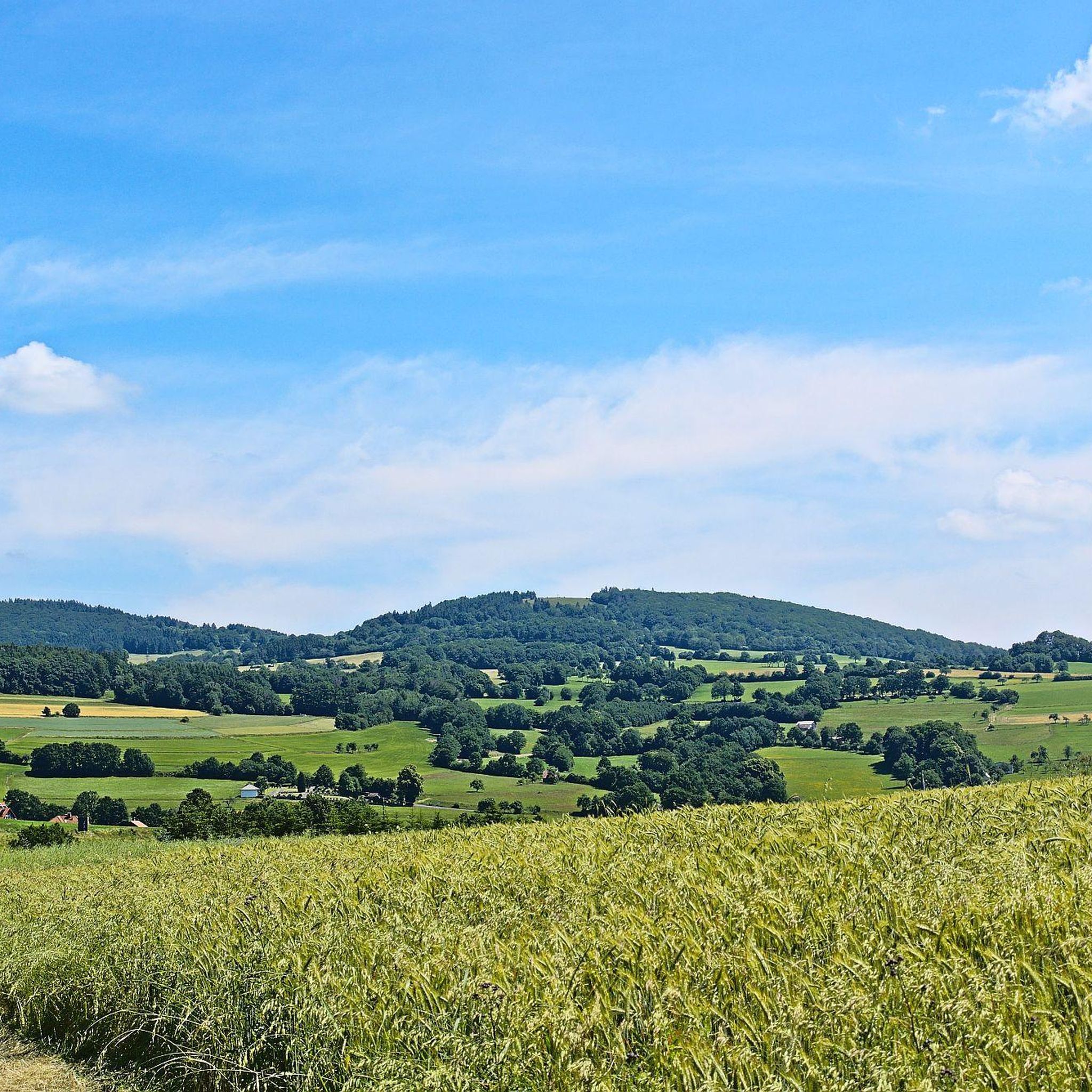
Wonderful view from the Platzer Kuppe! There are many rest benches here to enjoy the view.
14
0
At the Platzer Kuppe you have a wonderful view! You can make yourself comfortable on the many benches and enjoy the view.
14
0
Frequently Asked Questions
What natural features and viewpoints can I explore around Schondra?
Schondra is nestled in the Rhön Mountains, offering diverse natural beauty. You can visit the Platzer Kuppe summit for wonderful panoramic views and resting spots. The Basalt Lake Tintenfass is another unique natural monument, though swimming is prohibited to protect its ecosystem. The Schondra River flows through a serene valley, largely a nature reserve, perfect for observing local flora and fauna. The Kreuzberg mountain, at whose foot Schondra lies, is also a significant natural landmark.
Are there any historical or cultural sites to visit near Schondra?
Yes, the area around Schondra features several historical and cultural landmarks. The Old Saale Bridge in Elfershausen is a beautiful 17th-century sandstone bridge, listed as a historic building. Nearby, the Bad Brückenau Spa Park, once the summer residence of King Ludwig I, features imposing historic buildings and a blend of baroque and English garden styles. You can also find Schönderling Castle, an 18th-century building, and St. Michael's Church with its impressive 14th-century tower.
What kind of outdoor activities can I do near Schondra's attractions?
The Rhön Mountains provide excellent opportunities for outdoor activities. Hiking and cycling are very popular, especially along the Schondra River and through the picturesque valleys. You can find numerous routes for road cycling, gravel biking, and general cycling. For example, explore routes like the 'Roth–Hohn Cycle Path – Saale Floodplain loop' or the 'Thulba Cycle Path – Giant Bench Near Obererthal loop'. You can find more details on these and other routes in the Road Cycling Routes around Schondra, Gravel biking around Schondra, and Cycling around Schondra guides.
Are there family-friendly attractions or activities in the Schondra area?
Yes, several attractions cater to families. The Würzburger Karl-Straub-Haus, a hut popular with hikers, features a new playground for children. The Bad Brückenau Spa Park is also family-friendly, offering open spaces and historical buildings to explore. For a fun day out, the Sinnflut leisure pool in Hammelburg, a short distance away, provides water slides and relaxation options, especially suitable for a rainy day.
Where can I find places to eat or rest during my outdoor adventures?
The Würzburger Karl-Straub-Haus is an ideal destination or stop on hiking tours. It offers a beautiful dining room and an outdoor area where you can enjoy food and drinks. Its summer opening hours are typically Thursday to Sunday from 11:00 a.m. to 8:00 p.m., with hot food served until 7:30 p.m. It's easily accessible from a hiking car park about 1 km away.
What is the best time of year to visit Schondra for outdoor activities?
Schondra's landscape is particularly vibrant in spring and autumn. Spring brings flowering meadows, while autumn transforms the forests with colorful foliage, making these seasons ideal for hiking and cycling. Summer is also popular for outdoor activities. While winter offers a serene environment, specific outdoor activities might be limited depending on snow conditions.
Are there any accessible attractions for visitors with mobility considerations?
The Bad Brückenau Spa Park is noted as wheelchair accessible, offering a well-maintained environment to enjoy. Its flat paths and historical buildings make it a suitable option for visitors with mobility considerations.
Can I bring my dog on trails and to attractions around Schondra?
Many natural areas and trails around Schondra are dog-friendly. For instance, the Platzer Kuppe summit is listed as dog-friendly, providing a great spot for you and your canine companion to enjoy panoramic views. Always ensure your dog is on a leash and you clean up after them to preserve the natural environment for everyone.
Where can I find parking for attractions and hiking trails?
For the Würzburger Karl-Straub-Haus, a hiking car park is conveniently located about 1 km away, providing good access for walkers. The Bad Brückenau Spa Park also has parking facilities available for visitors.
What kind of hiking terrain can I expect around Schondra?
The hiking terrain around Schondra is characterized by the rolling hills and picturesque valleys of the Rhön Mountains. You can expect a mix of deeply incised valleys, mixed deciduous forests, and open areas. Trails range from easy walks along the Schondra River to more challenging routes leading up to summits like Kreuzberg, which is the highest elevation in the Rhön region.
What do visitors enjoy most about the attractions around Schondra?
Visitors frequently praise the stunning panoramic views, especially from spots like the Platzer Kuppe summit, where many benches and loungers are available for resting. The natural beauty of the Basalt Lake Tintenfass is also highly recommended for its unique appearance. Many appreciate the welcoming atmosphere and amenities at places like the Würzburger Karl-Straub-Haus, which serves as an ideal stop during hikes.
Are there any annual events or festivals in Schondra?
Culturally, Schondra hosts an annual Old Town Festival in August. This event provides an opportunity to experience local traditions and community spirit.
Most popular routes around Schondra
Most popular attractions around Schondra

Get inspired with the komoot mobile app


Explore more
Still not found the Highlight you’re looking for? See guides of the top attractions in other regions:
