Attractions and Places To See around Dobroń - Top 20
Best attractions and places to see around Dobroń include natural landscapes and historical sites, primarily located in its surrounding areas. The region features significant green spaces like the Stefański Ponds, which are an extension of the Ner River. Historical points of interest, such as a World War II bomber crash site, offer insights into the area's past. These diverse attractions provide opportunities for outdoor activities and historical exploration.
Best attractions and places to see around Dobroń
- The most popular attractions…
Last updated: July 1, 2026
Stefański Ponds – Northern Bridge
Highlight • Lake
Translated by Google •
Tip by

Stawy Stefańskiego Beach
Highlight • Beach
There is a pond with an area of 11.4 ha in the park, which is an extension of the Ner …
Translated by Google •
Tip by

Sign up now to discover places like this
Get recommendations on the best single tracks, peaks, & plenty of other exciting outdoor places.
Sign up for free
The landing site of the sampler PZL P.37 Elk
Highlight • Monument
Translated by Google •
Tip by
PZL.37 Łoś Bomber Replica and Memorial
Highlight • Monument
Translated by Google •
Tip by

Talar Watermill
Highlight • Monument
Translated by Google •
Tip by
Sign up for free to discover even more attractions around Dobroń.
Sign up for free
Already have an account?
Start today with a free account
Your next adventure awaits.
Login or Signup

Tips from the Community

Replica of the Łoś airplane, which once crashed there.
0
0

Season opening supposedly April 29/30, 2026
0
0

Beautiful photos, thank you for sharing. 🙏
0
0
A decaying model of the Moose plane
0
0

A Łoś from the Dłutów forest, one of three bombers from the 212th Bomber Squadron scrambled for flight from the Kuciny airport on September 4, 1939, on a combat mission to bomb German motorized columns in the vicinity of Wieluń. Shortly after takeoff, these three Polish Łoś were intercepted by German Messerschmitts and shot down. One of them crashed in the forest near Dłutów. All crew members survived. The other two planes and their crews were less fortunate. Some of the victims rest in the cemetery in Dłutów. The plane wreck is a modern replica. It is located at the site of the crash on September 4, 1939.
1
0

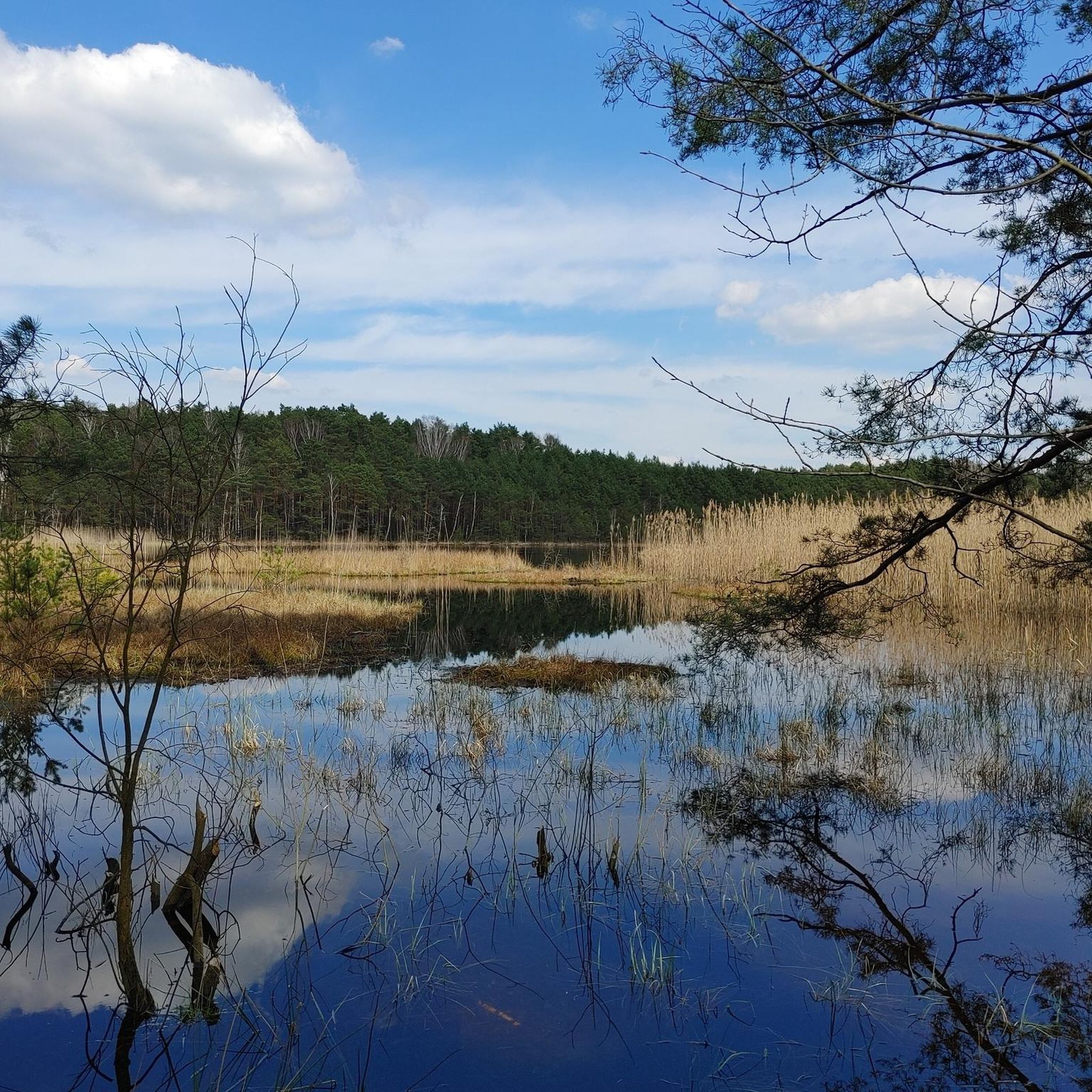
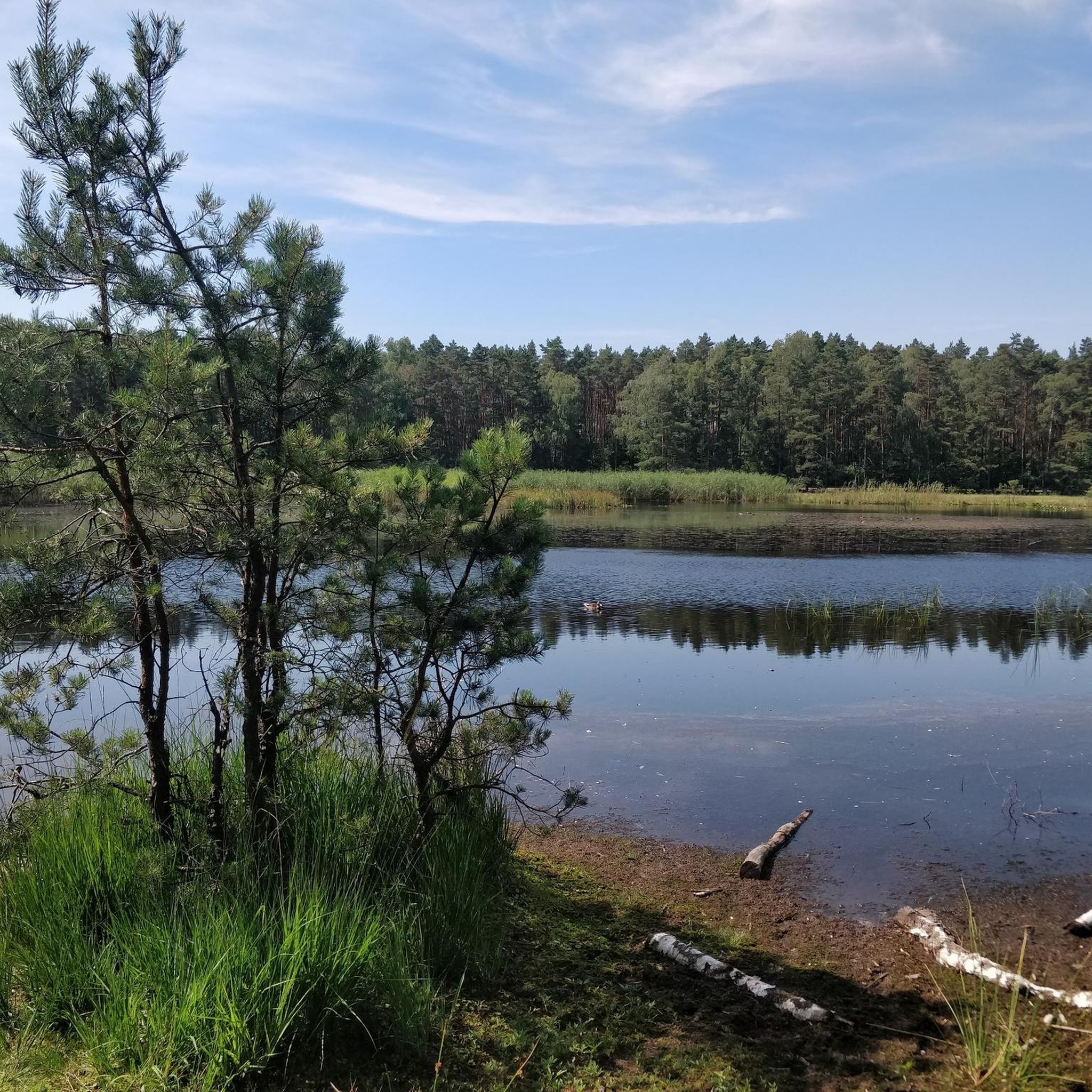
Park im. 1 Maja, Stawy Stefańskiego is a recreational facility There is a pond with an area of 11.4 ha in the park, which is an extension of the Ner riverbed. The pond was once privately owned and part of the Ruda farm. There was a manor house nearby. After World War I, the pond was bought by a private entrepreneur, Stefański. As a result of exploitative management, most of the animals living here died out or left the area. Year by year, the pollution of the pond increased and it required thorough cleaning. This was later done by the occupiers. After the end of World War II, Ruda Pabianicka found itself within the city limits of Łódź, and the park became the subject of interest of the city authorities. A few years after the war, it was decided to build a recreation center in Ruda Pabianicka. Part of the area on the western side was designated for the park. Roads were built, trees and shrubs were planted. In 1949, construction of a swimming pool began. The pond was deepened, and a sleigh hill was built from the excavated sand, while the stables from the former farm were transformed into changing rooms for guests spending time by the water. A second, smaller pond was also created, acting as a settling pond and stocked with fish. The work was completed in 1951. A bituminous surface was laid in the park alleys, restaurants and other buildings were renovated. The pond overlaps the riverbed of the Ner, stretches for 2.5 km and is up to 165 m wide, with a depth of 1 m to 4 m.
1
0
Park im. 1 Maja, Stawy Stefańskiego is a recreational facility There is a pond with an area of 11.4 ha in the park, which is an extension of the Ner riverbed. The pond was once privately owned and part of the Ruda farm. There was a manor house nearby. After World War I, the pond was bought by a private entrepreneur, Stefański. As a result of exploitative management, most of the animals living here died out or left the area. Year by year, the pollution of the pond increased and it required thorough cleaning. This was later done by the occupiers. After the end of World War II, Ruda Pabianicka found itself within the city limits of Łódź, and the park became the subject of interest of the city authorities. A few years after the war, it was decided to build a recreation center in Ruda Pabianicka. Part of the area on the western side was designated for the park. Roads were built, trees and shrubs were planted. In 1949, construction of a swimming pool began. The pond was deepened, and a sleigh hill was built from the excavated sand, while the stables from the former farm were transformed into changing rooms for guests spending time by the water. A second, smaller pond was also created, acting as a settling pond and stocked with fish. The work was completed in 1951. A bituminous surface was laid in the park alleys, restaurants and other buildings were renovated. The pond overlaps the riverbed of the Ner, stretches for 2.5 km and is up to 165 m wide, with a depth of 1 m to 4 m.
0
0
Watermill in Talara (mill complex) built in the 19th century on the Grabia River in Talara (formerly in Ldzań), in the Pabianice district, entered into the register of immovable monuments of the Łódź province. The watermill complex consists of two watermills (a large and a small so-called mill) together with two turbine rooms and a water lock separating them.
3
0
Frequently Asked Questions
What kind of natural attractions can I find near Dobroń?
The region around Dobroń is known for its natural beauty, particularly the Stefański Ponds – Northern Bridge and Stawy Stefańskiego Beach. These ponds are an extension of the Ner River, offering a significant green space for recreation and a popular spot for feeding ducks.
Are there any historical sites to visit around Dobroń?
Yes, a notable historical site is The landing site of the sampler PZL P.37 Elk near Dłutówek. This monument commemorates a World War II bomber crash, featuring a full-size model of the PZL P.37 Łoś bomber at the exact spot of its forced landing.
What outdoor activities are popular near Dobroń?
The area around Dobroń is great for various outdoor activities. You can find numerous routes for hiking, running, and mountain biking. For easy walks, explore the easy hikes around Dobroń, or check out the running trails and MTB trails for more active options.
Are there family-friendly attractions in the Dobroń area?
Absolutely. The Stefański Ponds and Stawy Stefańskiego Beach are excellent for families, offering green spaces, a beach, and opportunities to feed ducks. The historical PZL P.37 Elk landing site is also considered family-friendly, providing an educational experience in a forest setting.
Where can I go for a swim or relax by the water?
The Stawy Stefańskiego Beach is a popular spot for swimming and relaxation. It's part of a larger recreational facility around the Stefański Ponds, which are an extension of the Ner River, offering ample space to enjoy the water.
What is the significance of the PZL.37 Łoś Bomber Memorial?
The PZL.37 Łoś Bomber Memorial marks the exact spot where a Polish PZL.37 Łoś bomber made a forced landing on September 4, 1939, during World War II. It commemorates the event where all crew members survived, unlike other planes from the same squadron. The site features a full-size replica of the aircraft.
Are there any easy hiking trails suitable for beginners near Dobroń?
Yes, there are several easy hiking trails around Dobroń. You can find routes like the 'Nameless pond with lilies – Duża Woda loop' or the 'Fishing Pond – Sandy Hill on the Graba River loop'. These are generally flat and suitable for those looking for a relaxed outdoor experience. More details can be found in the Easy hikes around Dobroń guide.
What do visitors enjoy most about the attractions around Dobroń?
Visitors frequently appreciate the natural beauty and tranquility of the Stefański Ponds, noting its appeal in every season and as a great place to feed ducks. The historical PZL P.37 Elk landing site is valued for its unique commemoration and interesting historical context, despite being a bit hidden.
Is there any unique architecture or shopping experience nearby?
In nearby Pabianice, you can visit the Trzy Korony Department Store. Established in 1975, this building features distinctive concrete architecture with a metal-covered elevation and a roof topped with three crowns, referencing the city's coat of arms. It offers a glimpse into local commercial history.
Can I go cycling near Dobroń's attractions?
Yes, the area around Dobroń is suitable for cycling. The Stawy Stefańskiego Beach area includes cycle paths, and there are dedicated MTB trails around Dobroń for mountain biking enthusiasts, with routes ranging from easy to moderate difficulty.
Are the attractions around Dobroń generally accessible?
Many natural areas like the Stefański Ponds offer accessible paths. For instance, the Trzy Korony Department Store is noted as wheelchair accessible. While specific accessibility details for all sites vary, the recreational facilities are generally designed for broader public access.
Most popular routes around Dobroń
Most popular attractions around Dobroń

Get inspired with the komoot mobile app


Explore more
Still not found the Highlight you’re looking for? See guides of the top attractions in other regions:
