Attractions and Places To See around Lutomiersk - Top 20
Best attractions and places to see around Lutomiersk encompass a variety of natural landscapes, historical sites, and cultural heritage. This central Polish town features serene natural areas, such as the Stefański Ponds, which serve as a recreational facility. Historical landmarks, including ancient church sites and former manor parks, offer insights into the region's past. Lutomiersk provides opportunities to explore both its natural environment and its rich historical background.
Best attractions and places to see around Lutomiersk
- The most popular attractions…
Last updated: July 1, 2026
Stefański Ponds – Northern Bridge
Highlight • Lake
Translated by Google •
Tip by

Trzy Korony Department Store
Highlight • Structure
Translated by Google •
Tip by

Sign up now to discover places like this
Get recommendations on the best single tracks, peaks, & plenty of other exciting outdoor places.
Sign up for free
Siwaberek
Highlight • Historical Site
Translated by Google •
Tip by

Church of Saint Matthew the Apostle and Evangelist and Saint Lawrence the Martyr in Pabianice
Highlight • Religious Site
Translated by Google •
Tip by

Lipowa Street
Highlight • Historical Site
Secondly: although it is tightly built-up, there is no point in …
Translated by Google •
Tip by

Sign up for free to discover even more attractions around Lutomiersk.
Sign up for free
Already have an account?
Start today with a free account
Your next adventure awaits.
Login or Signup

Tips from the Community

Beautiful photos, thank you for sharing. 🙏
0
0

At the moment, Siwaberek is a quite pleasant area. It's a large flower meadow, surrounded by benches, a viewing telescope, a bicycle parking area, a dog park, and a welcome sign at the entrance with the word "SIWABEREK" written on it. In spring, when everything is in bloom, it must be beautiful there. I recommend it for both cycling and walking!
0
0

I recommend buying the Chicken Payda. My favorite fast food.
1
0

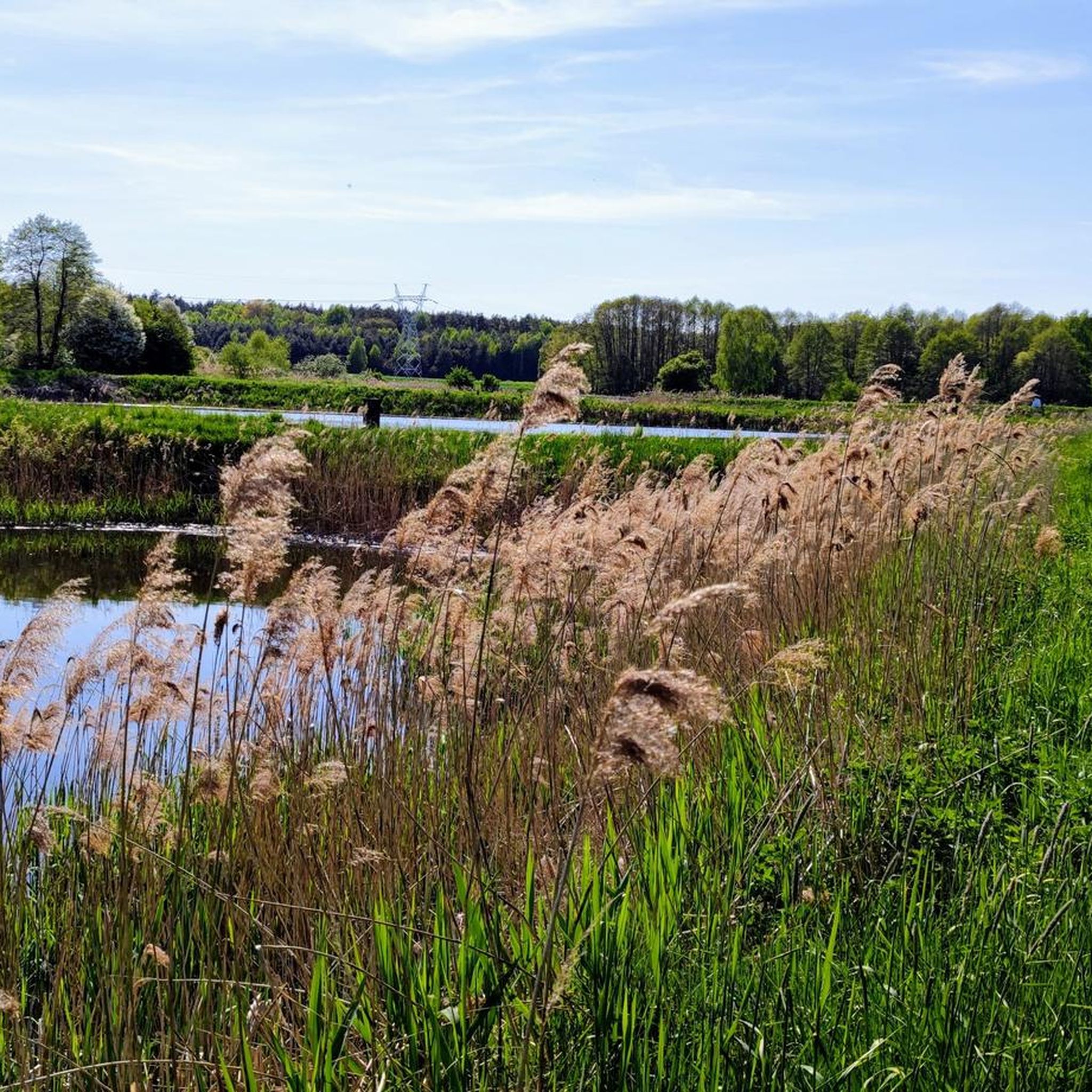
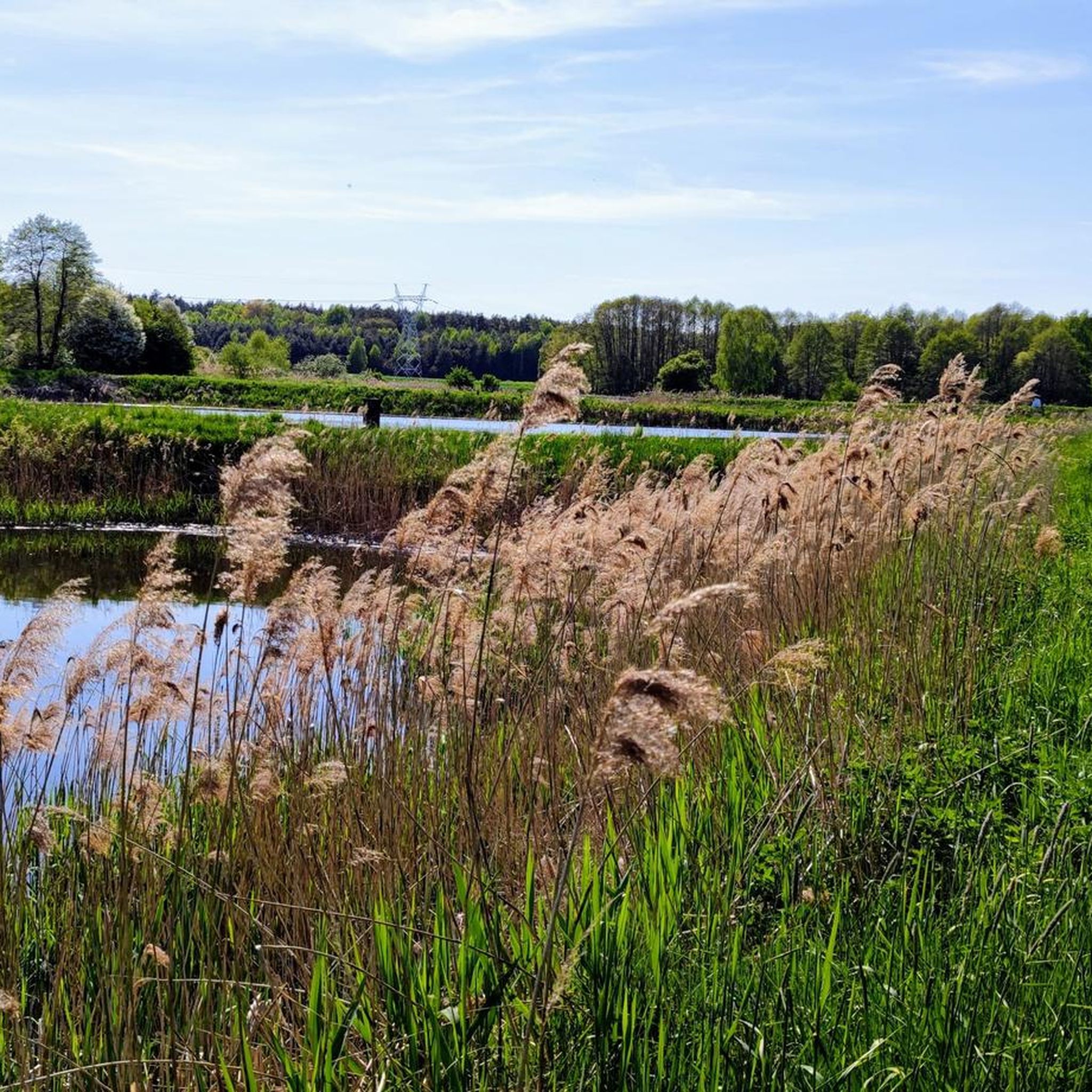
Park im. 1 Maja, Stawy Stefańskiego is a recreational facility There is a pond with an area of 11.4 ha in the park, which is an extension of the Ner riverbed. The pond was once privately owned and part of the Ruda farm. There was a manor house nearby. After World War I, the pond was bought by a private entrepreneur, Stefański. As a result of exploitative management, most of the animals living here died out or left the area. Year by year, the pollution of the pond increased and it required thorough cleaning. This was later done by the occupiers. After the end of World War II, Ruda Pabianicka found itself within the city limits of Łódź, and the park became the subject of interest of the city authorities. A few years after the war, it was decided to build a recreation center in Ruda Pabianicka. Part of the area on the western side was designated for the park. Roads were built, trees and shrubs were planted. In 1949, construction of a swimming pool began. The pond was deepened, and a sleigh hill was built from the excavated sand, while the stables from the former farm were transformed into changing rooms for guests spending time by the water. A second, smaller pond was also created, acting as a settling pond and stocked with fish. The work was completed in 1951. A bituminous surface was laid in the park alleys, restaurants and other buildings were renovated. The pond overlaps the riverbed of the Ner, stretches for 2.5 km and is up to 165 m wide, with a depth of 1 m to 4 m.
1
0
In 1082, Judith, the wife of Władysław Herman, donates Chropy, known as the Pabianice state, or Pabianice, to the Kraków chapter. The erection of the Pabianice parish under the invocation of St. Matthew takes place in 1398. Unfortunately, in a great fire in the city in 1531, the first church, which had hosted King Władysław Jagiełło twice (1432 and 1441) and Casimir IV Jagiellon (1463), burns to the ground. On April 5, 1583, Canon Paweł Dębski concludes a contract with Ambrose the Italian from Płock to build a new church. In the same year, Paweł Dębski lays the cornerstone. The church under the invocation of St. Matthew is built in the years 1538-1588 on the model of the Płock church, according to the plan of Ambrose the Italian. It is a three-nave building in the shape of a cross, unique in sacral art, built simultaneously in three styles: Gothic, Romanesque and Renaissance. On the northern external wall there is a bricked-up portal from 1585 with the name of one of the Kraków masons. On November 15, 1588, the church was consecrated by Bishop Paweł Dębski, suffragan of Kraków. In 1613, an artistic tombstone of Anna Żułowska was made - from red marble, currently located on the right side of the transverse nave. Full name: Church of St. Matthew the Apostle and Evangelist and St. Lawrence the Martyr
0
0
Lipowa Street featured in Andrzej Wajda's 1974 film "The Promised Land". The street was restored in 2013.
1
0
A department store established in 1975, located at ul. Kilińskiego 3 in Pabianice. Before the building was built, there were 19th-century single-storey houses in this place. The facility was opened on December 5, 1975. Zenon Spychalski became the director, and Eugeniusz Matyniak his deputy. The department store employed about 150 employees. In the 1970s, "Trzech Korony" sold "Wawel" sweets, carpets from Kowary and "Dywilan", "Wólczanka" and "Romeo" shirts, as well as "Skórimpex" leather goods. The facility is made of concrete, and its elevation is covered with pressed metal squares. The upper floors are occupied by warehouses, which is why they have no windows. The roof of the building is topped with three crowns, which are a reference to the city's coat of arms.
1
1
First of all, it is the only street that crosses Zamkowa Street, although it does not actually cross it. Secondly: although it is tightly built-up, there is no point in looking for a building on this street in the address book. Thirdly: its name is absurdly inappropriate for its appearance. Fourthly: it is a street that played an outstanding role in a feature film (The Promised Land), and in such a way that it went down in the history of Polish, and probably also world cinematography. (Quote from the book dedicated to Zamkowa Street, edited by K. Brzeziński and A. Gramsz)
2
0
Frequently Asked Questions
What natural attractions can I explore around Lutomiersk?
Lutomiersk offers several natural spots for recreation. The Stefański Ponds – Northern Bridge are a popular recreational facility, ideal for feeding ducks and enjoying the extension of the Ner riverbed. Another pleasant area is Siwaberek, featuring a large flower meadow, benches, and a viewing telescope, perfect for walking and cycling, especially in spring when flowers are in bloom.
Are there any historical sites or cultural landmarks to visit in Lutomiersk?
Yes, Lutomiersk boasts a rich history. You can visit the baroque wooden Church of the Nativity of the Blessed Virgin Mary and Saints Peter and Paul in Mikołajewice, built around 1712. The town also has an Early Medieval Cemetery with archaeological findings suggesting a Viking presence. Additionally, Lipowa Street is a historical site famous for its appearance in Andrzej Wajda's 1974 film "The Promised Land."
What outdoor activities can I do near Lutomiersk?
The area around Lutomiersk is excellent for outdoor activities. You can find numerous routes for jogging, hiking, and cycling. For running, explore options like the "Rezerwat Torfowisko Rąbień loop" or the "Running loop from Konstantynów Łódzki." Hikers can enjoy easy trails such as the "Bielice Ponds – Lublinek Forest Glade Pond loop." Discover more routes on the Running Trails around Lutomiersk and Hiking around Lutomiersk guide pages.
Are there family-friendly attractions around Lutomiersk?
Absolutely. The Stefański Ponds – Northern Bridge are great for families, offering space to feed ducks and enjoy nature. Siwaberek is another family-friendly spot with a large flower meadow, benches, and a dog park, suitable for leisurely walks and bike rides. Many of the easy hiking trails also cater to families.
Where can I go for a walk or a bike ride near Lutomiersk?
For walks, consider the scenic paths around Stefański Ponds or the flower meadows at Siwaberek. Cyclists will also appreciate Siwaberek, which includes bicycle parking. There are various hiking and running trails available for different difficulty levels.
What is the historical significance of Lutomiersk's Early Medieval Cemetery?
The Early Medieval Cemetery in Lutomiersk is a significant archaeological site. Genetic tests of remains found there confirm the burial place of Scandinavian warriors, indicating the presence of Vikings (Varangians) in this part of Poland. It's considered the first archaeological site of its kind in the region to show direct evidence of Scandinavians among the first Piasts, with burials of Scandinavian, Slavic, and mixed origins.
Are there any dog-friendly places in Lutomiersk?
Yes, Siwaberek is a notable dog-friendly area, featuring a dedicated dog park. Many of the natural trails and open spaces around Lutomiersk are also suitable for walks with your dog, provided they are kept under control.
What are some notable historical parks in the Lutomiersk area?
Within the Gmina Lutomiersk, you can find several historic parks that are remnants of former manor and park complexes. Examples include the park in Puczniew, dating back to around 1820-1830, and Malanów's 4-hectare landscape park, established between the 16th and 17th centuries, picturesquely situated by a large pond. The cellars of the former manor house in Malanów are registered historical monuments.
What is the <a href="https://www.komoot.com/highlight/6585154" target="_blank" rel="noopener">Siwaberek</a> area known for?
Siwaberek is known as a pleasant recreational area featuring a large flower meadow. It's equipped with benches, a viewing telescope, a bicycle parking area, and a dog park, making it ideal for both cycling and walking, especially beautiful when the flowers are in bloom during spring.
What can I expect at <a href="https://www.komoot.com/highlight/1263616" target="_blank" rel="noopener">Stefański Ponds – Northern Bridge</a>?
Stefański Ponds – Northern Bridge is a popular recreational facility and an extension of the Ner riverbed. It's a great spot to feed ducks and enjoy the natural surroundings. The pond covers an area of 11.4 hectares and reaches depths of 1 to 4 meters, offering a serene environment throughout the seasons.
Does Lutomiersk have any significant Jewish heritage?
Yes, Lutomiersk had a significant Jewish community that settled in the area as early as the late 17th century. While an 18th-century wooden synagogue burned down during World War I and the 2-hectare Jewish cemetery established in the 18th century no longer has visible stones, this aspect of Lutomiersk's history is a notable point of interest, reflecting the community's past presence and contributions to local trades.
What is the <a href="https://www.komoot.com/highlight/6583293" target="_blank" rel="noopener">Lipowa Street</a> highlight?
Lipowa Street is a historical site in Lutomiersk that gained fame for being featured in Andrzej Wajda's 1974 film "The Promised Land." The street underwent restoration in 2013, preserving its unique character and historical significance.
Most popular routes around Lutomiersk
Most popular attractions around Lutomiersk

Get inspired with the komoot mobile app


Explore more
Still not found the Highlight you’re looking for? See guides of the top attractions in other regions:
