The best running trails around Moszczenica
4.6
(12)
291
runners
76
runs
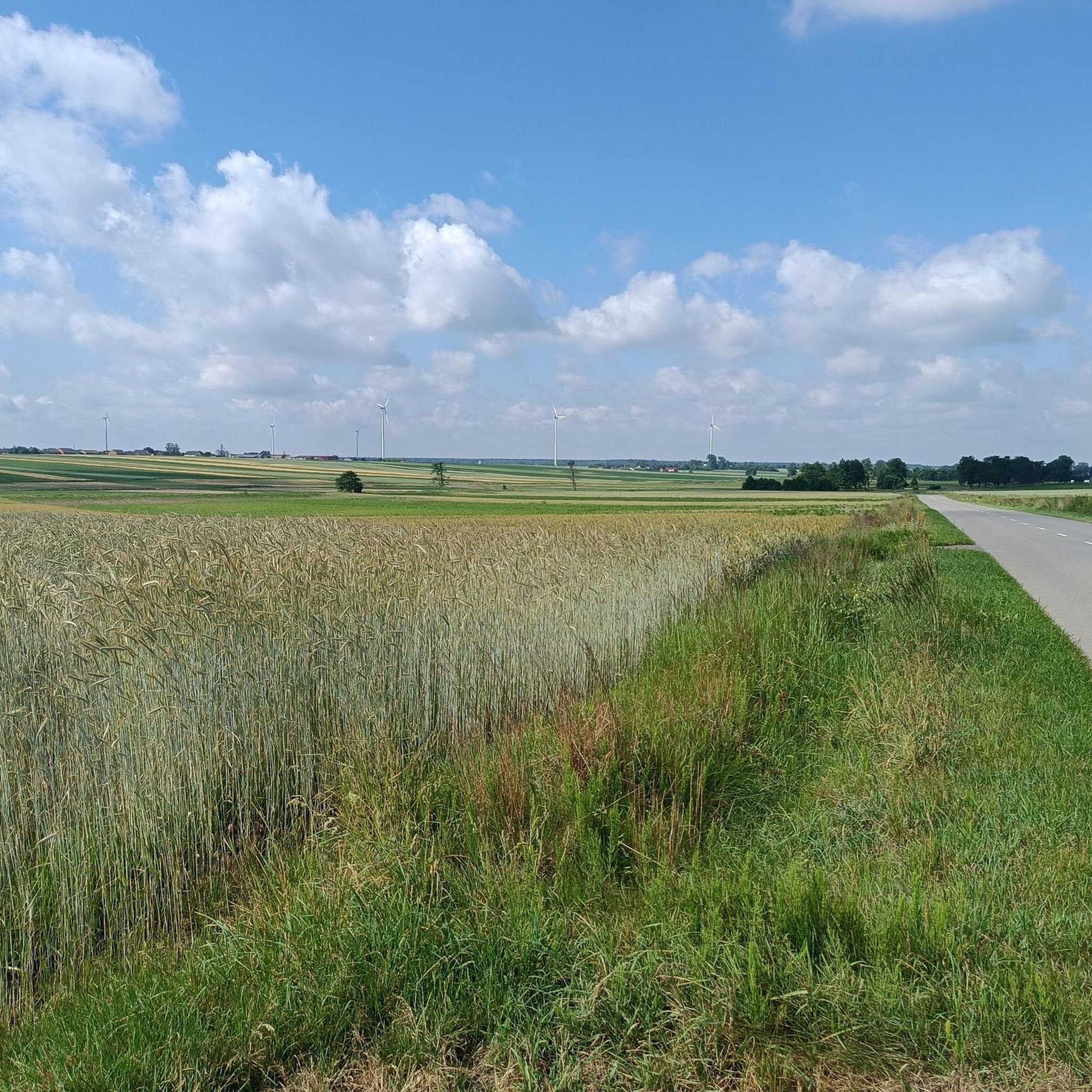
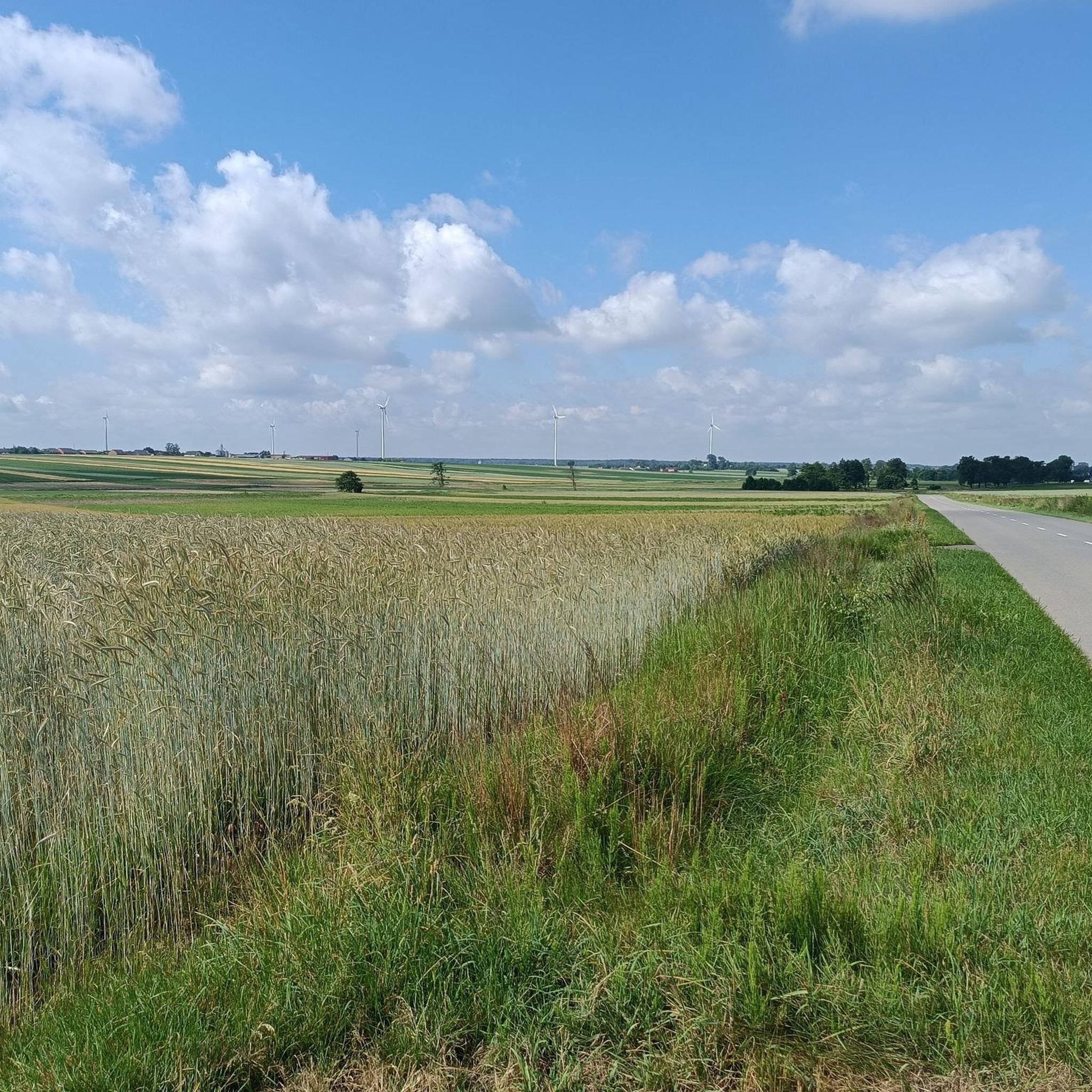
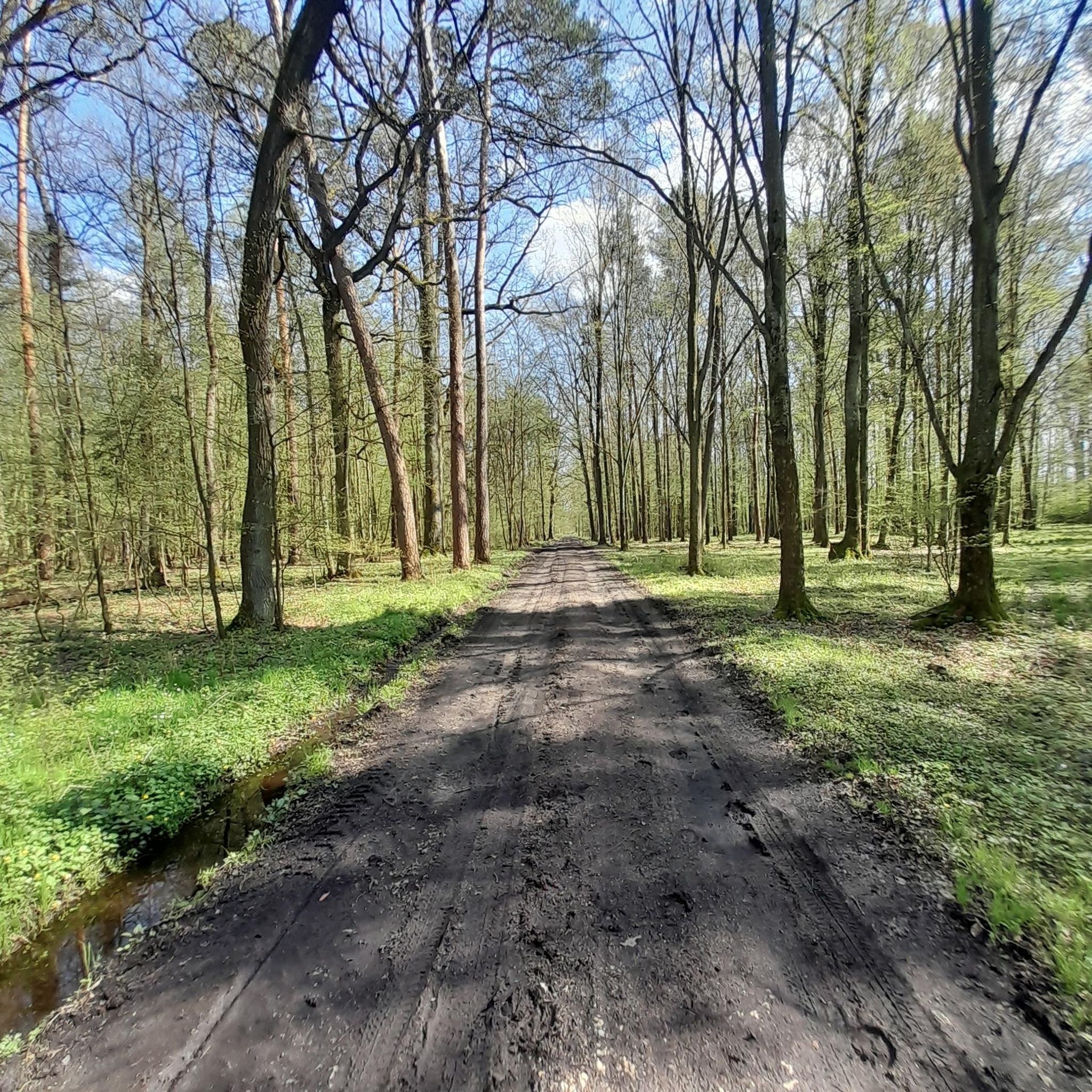
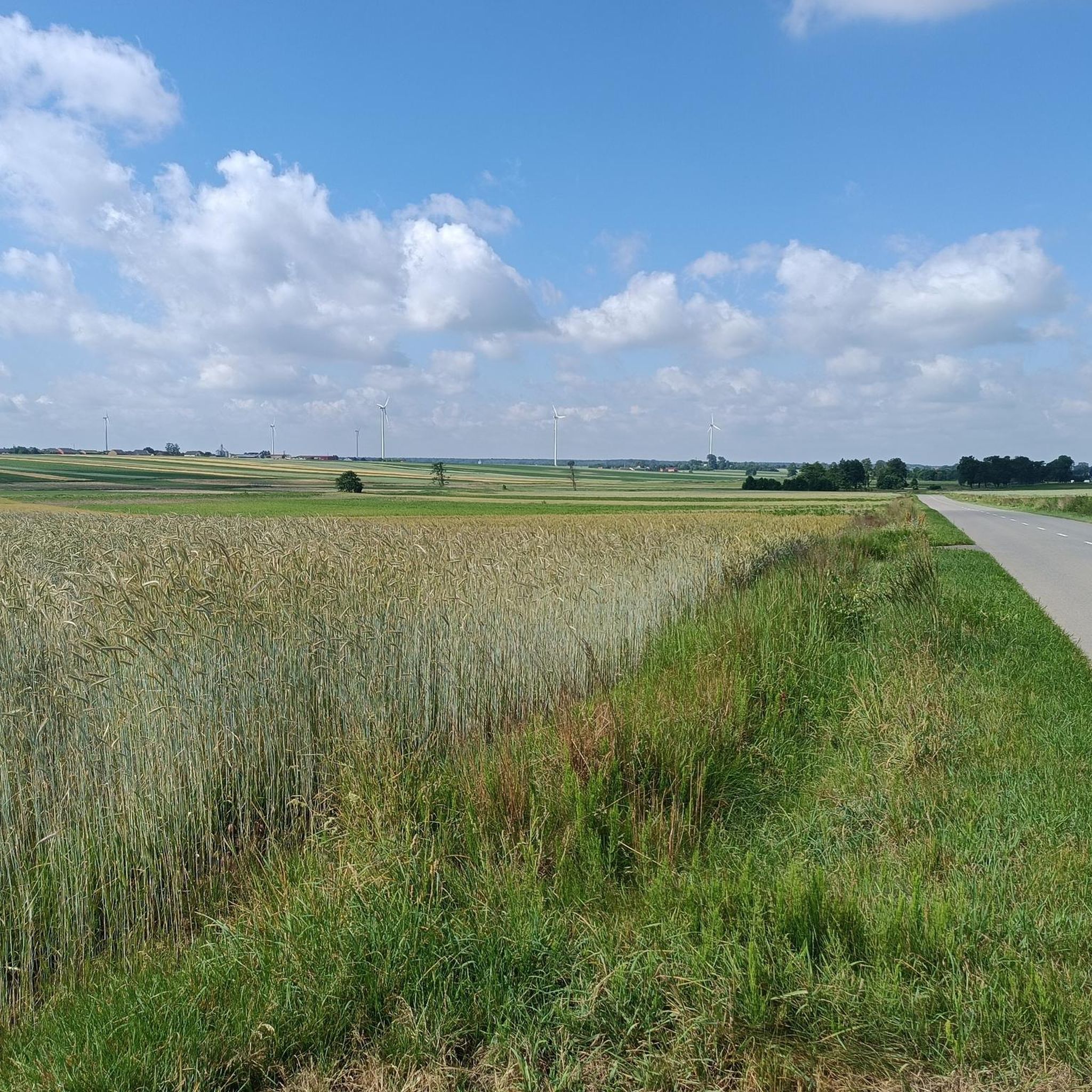
Best jogging routes in Moszczenica offer a variety of paths through a landscape characterized by gentle terrain and natural areas. The region features a mix of open spaces and wooded sections, providing varied scenery for runners. With minimal elevation changes, the routes are generally accessible and suitable for different fitness levels. Jogging around Moszczenica allows for exploration of local reserves and water bodies.
Best jogging routes around Moszczenica
- The most popular jogging route is Running loop from Rezerwat Dęby w…
Last updated: July 4, 2026
27
runners
Moderate run. Good fitness required. Mostly paved surfaces. Suitable for all skill levels.
5.0
(1)
17
runners
7.51km
00:54
20m
20m
Moderate run. Good fitness required. Mostly paved surfaces. Suitable for all skill levels.

Sign up for free
4.5
(2)
12
runners
5.86km
00:39
20m
20m
Moderate run. Good fitness required. Mostly paved surfaces. Suitable for all skill levels.
5
runners
11.9km
01:16
50m
50m
Moderate run. Good fitness required. Mostly paved surfaces. Suitable for all skill levels.
4
runners
8.65km
00:55
30m
30m
Moderate run. Good fitness required. Mostly paved surfaces. Suitable for all skill levels.
Get access to more routes and recommendations from other explorers.
Sign up for free
Already have an account?
Our route recommendations are based on thousands of hikes, rides, and runs completed by other people on komoot.
Start today with a free account
Your next adventure awaits.
Login or Signup

Tips from the Community

The establishment of the Orthodox parish in Piotrków is associated with a group of Greeks who came to Piotrków from Macedonia in the mid-18th century. King Stanisław August allowed the opening of an Orthodox pastoral facility in the attic of a private house, owned by the Grabowski family at today's Plac Stefana Czarnieckiego (former Krótka Street) 10 in 1788. The first parish priest was hieromonk Grzegorz, originally from the island of Chios, a monk from one of the Athos communities. He performed his duties until his death in 1832. His duties were taken over by a Russian priest, Fr. Żadziński. Until 1839, the Piotrków parish, as an ethnically Greek one, was not subject to the local structures of the Russian Orthodox Church. It was only after that date that it was incorporated into it, which meant the removal of the Greek language from the liturgy. Located at 15 Juliusza Słowackiego Street. Built in the years 1844–1847, and expanded according to the design of the Russian architect Ivan Vasilyevich Shtrem in the years 1867–1869.
0
0
The foundation of the monastery in Piotrków Trybunalski was primarily contributed to by the Starczewskis, a wealthy noble family from the Sieradz voivodeship. The main founder, Florian Starczewski, initially conceived the idea of founding a monastery for the Bernardines in Drużbice near Bełchatów, on his hereditary estates. However, on the advice of his older brother, Father Leonard Starczewski, then the provincial of the Bernardines (1623–6), he changed the plan and purchased an appropriate plot of land in Piotrków for the foundation. The provincial probably meant that in Piotrków, which was then an important centre of political life, there were broader prospects for pastoral work. The atmosphere in Piotrków, favourable to the Bernardines, created – as mentioned – by the Bernardine collectors and preachers, was probably also significant. In 1624, Florian Starczewski purchased a property on Rokszyckie Przedmieście near the Sieradzka Gate for the Bernardines in Piotrków from the townspeople Augustyn and Małgorzata Łysogórski and Anna Scheterowa and the nobleman Maciej Wężyk. This place was then called Łysa Góra. On May 5, 1625, the Archbishop of Gniezno, Henryk Firlej, allowed the Bernardines to settle in Piotrków. The consolidated property was accepted on behalf of the order by the provincial Leonard Starczewski, who in 1624 had sent two fathers to Piotrków: Paweł from Radomsko and Mateusz from Piotrków. Their task was to build a wooden church and monastery as soon as possible. The founder helped them significantly in this, allocating 7,000 złoty for this purpose in 1625. Florian Starczewski's foundation was supported by his brothers, Stanisław, bishop suffragan of Płock, and Wawrzyniec, canon of Kraków and provost of Radłów, who in 1625 donated 1,000 złoty each. The work related to the construction of the wooden church and monastery progressed quickly, so that the ceremonial introduction of the Bernardines could take place on June 1, 1625. The usual procession in such cases was led from the Dominican church to the Łysogóry hill with the participation of the clergy and citizens of Piotrków. In place of the absent provincial Starczewski, who was at that time in Rome for the general chapter, his delegate Baltazar Witomyślski took over the foundation. The church was consecrated on February 13, 1626, on the authority of the Archbishop of Gniezno, Jan Wężyk, by the founder's brother Wawrzyniec Starczewski, canon of Kraków.
0
0
Built in the years 1512–1519 on the low bank of the Strawa by Master Benedict of Sandomierz on the orders of Sigismund I the Old. It is a residential tower in the Gothic-Renaissance style built of brick and sandstone. It has four storeys and is covered with a hipped roof.
0
0
The tenement house played the role of Kramer's bank in the film "Vabank" (1981).
0
0
A stylized bench referring to the film "Vabank" filmed nearby.
0
0
The beginnings of secondary education in Piotrków date back to the second half of the 17th century and are associated with two orders: the Piarists and the Jesuits. The Piarists, after the unsuccessful efforts to open a college in Kraków in 1662, turned their attention to Piotrków, which was then the seat of the Crown Tribunal. They quickly gained the support of both the Piotrków townspeople and the church authorities, obtaining permission to settle in the city in 1674, and established a college in 1675. In 1677, the Sejm accepted their Piotrków foundation under the care of the king and the nation, exempting it from taxes. Initially, the school was located in a tenement house on Dominikańska Street (currently part of Wojska Polskiego Street). At the same time, the Piarists bought adjacent plots, eventually becoming the owners of a large block between Sieradzka, Nowe Miasto (currently Rycerska), Rwańska and Dominikańska Streets, designated for a church and school buildings. Their construction was completed in 1713. After the fire in Piotrków in 1731, a new, two-story, brick school building was built a year later, and in 1738 a boarding school building.
1
0
The establishment of the Orthodox parish in Piotrków is associated with a group of Greeks who came to Piotrków from Macedonia in the mid-18th century. King Stanisław August allowed the opening of an Orthodox pastoral facility in 1788 in the attic of a private house, owned by the Grabowski family at today's Stefan Czarniecki Square (former Krótka Street) 10. The first parish priest was hieromonk Grzegorz, originally from the island of Chios, a monk of one of the Athos communities. He performed his duties until his death in 1832. His duties were taken over by a Russian priest, Fr. Żadziński. Until 1839, the Piotrków parish, as an ethnically Greek one, was not subject to the local structures of the Russian Orthodox Church. It was only after that date that it was incorporated into it, which meant the removal of the Greek language from the liturgy. Located at 15 Juliusza Słowackiego Street. Built in the years 1844–1847, and expanded according to the design of the Russian architect Ivan Vasilyevich Shtrem in the years 1867–1869.
0
0
The main market square of the Old Town in Piotrków Trybunalski. The market square was laid out in the 14th century. Originally, eight streets led out from the corners of the Market Square, two of which (ul. Sieradzka and ul. Grodzka) led to the gates in the city walls of Piotrków.
1
0
Frequently Asked Questions
How many running routes are available around Moszczenica?
Moszczenica offers a wide selection of running routes, with over 50 trails available for exploration. These include a mix of easy, moderate, and some more challenging options to suit various fitness levels.
Are there easy running routes suitable for beginners in Moszczenica?
Yes, Moszczenica has several easy running routes perfect for beginners or those looking for a relaxed jog. The terrain is generally gentle with minimal elevation changes, making it accessible. For example, the Running loop from Rezerwat Dęby w Meszczach is a popular choice, offering a pleasant run through a nature reserve.
Can I find longer running trails around Moszczenica?
Absolutely. If you're looking for a longer run, routes like the Słoneczko loop from Piotrków Trybunalski cover nearly 12 km, providing a good distance for endurance training. Many routes feature open sections, allowing for sustained running.
What do other runners enjoy most about jogging in Moszczenica?
The running routes in Moszczenica are highly rated by the komoot community, with an average score of 4.6 stars. Runners often praise the varied scenery, which includes forest paths, reservoir trails, and gentle, undulating terrain, making for an enjoyable and diverse running experience.
Are there any scenic viewpoints or attractions along the running routes?
Yes, several routes offer scenic views and pass by interesting attractions. You might encounter natural beauty spots like the Rzepki Ponds or the Czarnocin Reservoir. Some trails also lead near cultural landmarks such as the Bykowski Castle in Byki, offering a mix of nature and history.
Are the running routes in Moszczenica suitable for families?
Many of the routes around Moszczenica are suitable for families, especially those with gentle terrain and shorter distances. The region's landscape, characterized by open spaces and wooded sections, provides a safe and enjoyable environment for a family jog or walk. Look for routes with minimal elevation for the easiest experience.
Can I bring my dog on the running trails in Moszczenica?
Generally, dogs are welcome on many of the running trails in Moszczenica, especially those in natural and wooded areas. However, it's always recommended to keep your dog on a leash and be mindful of local regulations, particularly in nature reserves or populated areas. Ensure you carry water for your pet and clean up after them.
Are there circular running routes available?
Yes, many of the running paths in Moszczenica are designed as loops, offering convenient circular routes. Examples include the popular Running loop from Osiedle Źródlana and the Zalew Bugaj loop from Piotrków Trybunalski, allowing you to start and finish at the same point without retracing your steps.
When is the best time of year to go running in Moszczenica?
The best time for running in Moszczenica is typically during the spring and autumn months when the weather is mild and the natural scenery is at its most vibrant. Summer can also be pleasant, especially in the mornings or evenings, while winter running is possible, though conditions may vary and require appropriate gear.
Is public transport accessible near the running routes?
While specific public transport links to every trailhead are not detailed, many routes originate from or pass near towns like Piotrków Trybunalski, which generally have public transport connections. It's advisable to check local bus schedules if you plan to rely on public transport to reach your starting point.
Are there any running routes that pass by water bodies?
Yes, Moszczenica's region features several routes that incorporate water bodies. For instance, the Zalew Bugaj loop from Piotrków Trybunalski offers scenic views around the reservoir, providing a refreshing element to your run. You can also find highlights like Słoneczko Beach and Rzepki Ponds near some trails.
Are there any hidden gem running trails in Moszczenica?
While the guide highlights popular routes, the region's extensive network of over 50 trails means there are many lesser-known paths waiting to be discovered. Exploring routes that venture deeper into the wooded sections or connect smaller villages can often reveal quiet, scenic 'hidden gems' away from the main paths.
Most popular attractions around Moszczenica

Get inspired with the komoot mobile app


Explore more
Browse the best Running Trails & Routes in other regions.
