The best road cycling routes around Sulejów
4.8
(19)
467
riders
48
rides
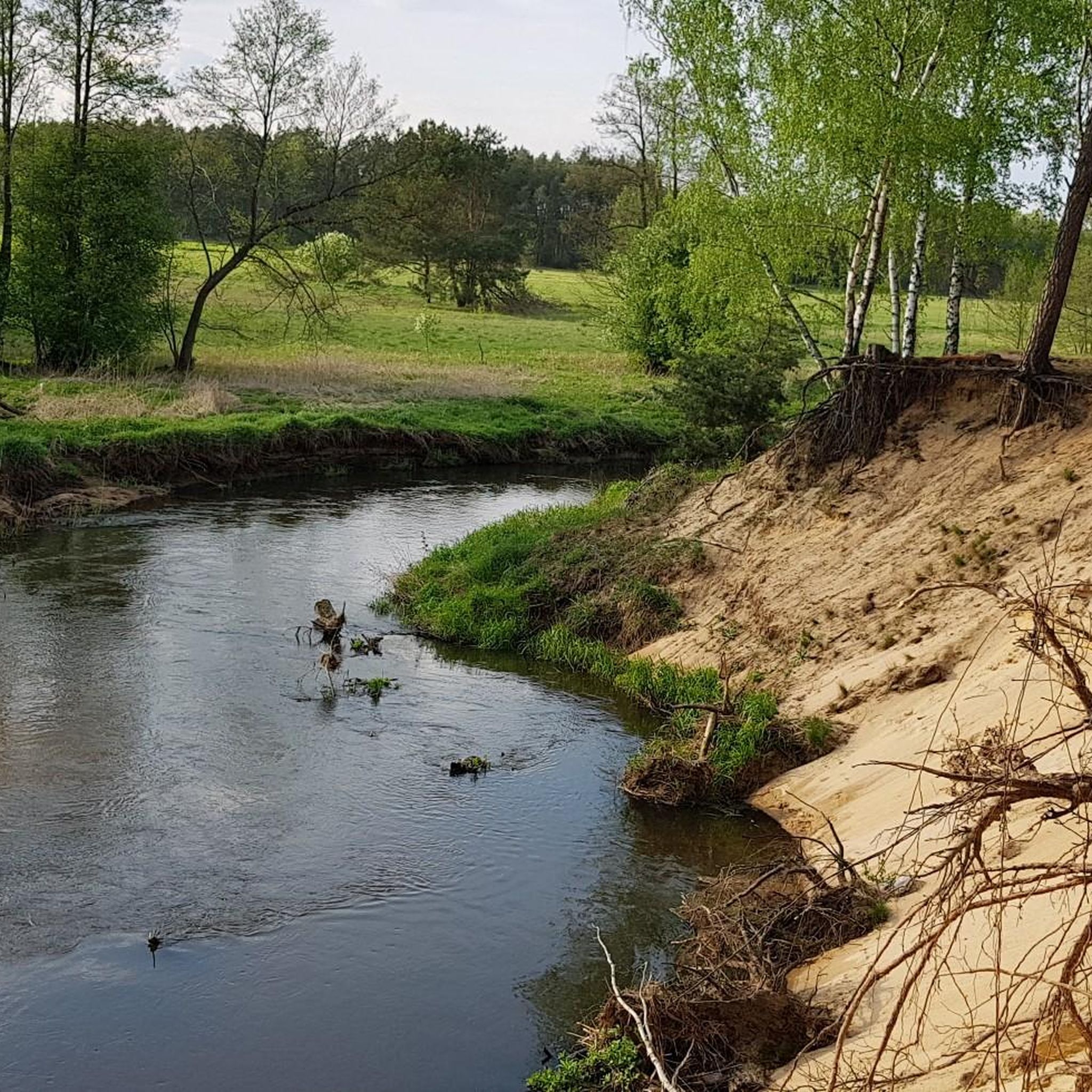
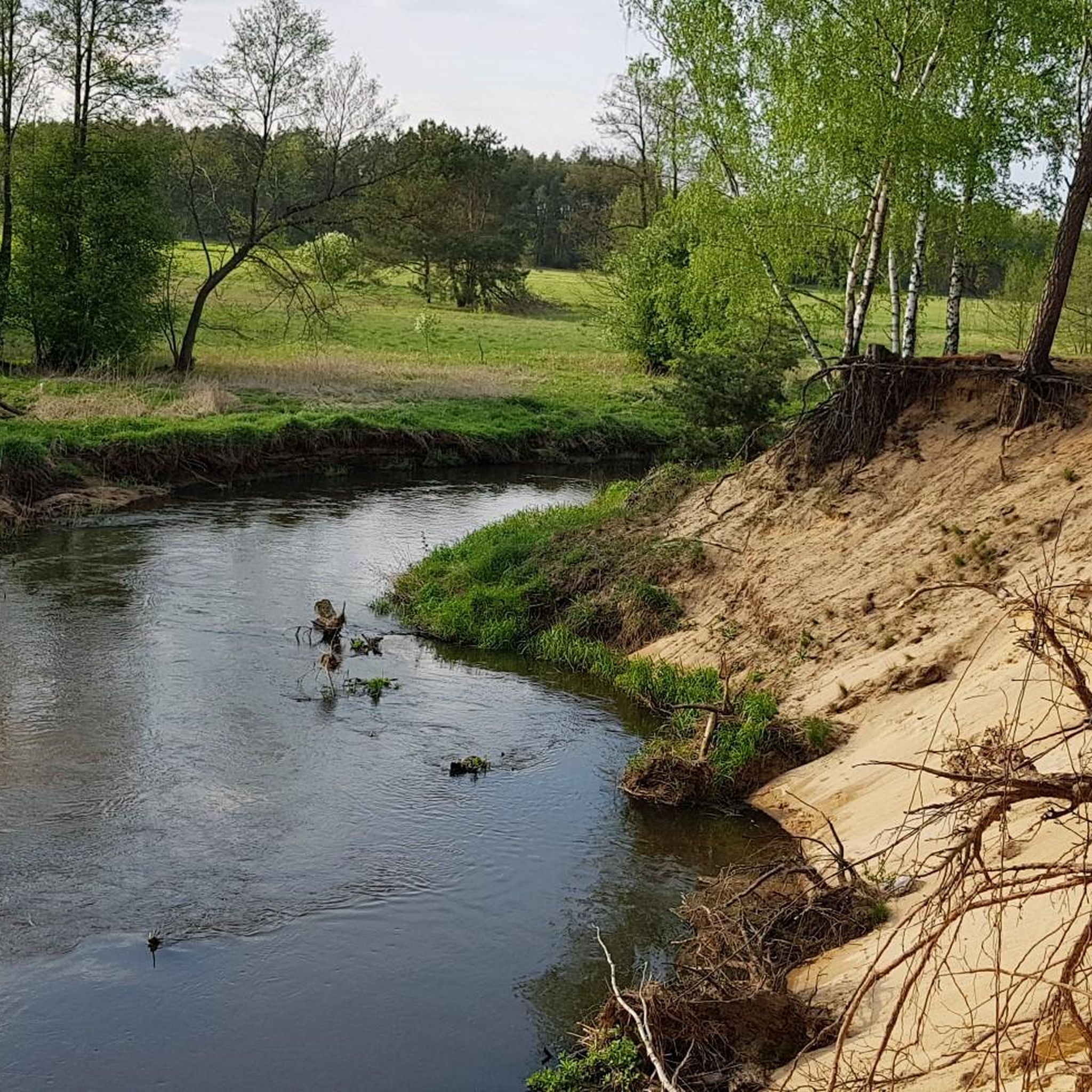
Road cycling routes around Sulejów traverse a diverse landscape, primarily defined by the Sulejów Landscape Park, the Pilica River, and the Sulejów Reservoir. The region features a mix of flat plains and gently undulating hills, offering varied terrain for cyclists. Routes often follow the picturesque Pilica River and wind through remnants of the Pilica Primeval Forest, providing a blend of natural scenery. Approximately 70% of the cycling paths consist of asphalt roads, ensuring smooth riding conditions.
Best road cycling routes…
Last updated: July 4, 2026
5.0
(1)
40
riders
Moderate road ride. Great for any fitness level. Some segments of this route may be unpaved and difficult to ride.
5.0
(2)
38
riders
38.7km
01:39
160m
160m
Easy road ride. Great for any fitness level. Mostly well-paved surfaces and easy to ride.

Sign up for free
17
riders
Moderate road ride. Good fitness required. Mostly well-paved surfaces and easy to ride.
4.0
(2)
16
riders
Moderate road ride. Good fitness required. Mostly well-paved surfaces and easy to ride.
10
riders
36.7km
01:43
160m
160m
Moderate road ride. Great for any fitness level. Some segments of this route may be unpaved and difficult to ride.
Get access to more routes and recommendations from other explorers.
Sign up for free
Already have an account?
Our route recommendations are based on thousands of hikes, rides, and runs completed by other people on komoot.
Start today with a free account
Your next adventure awaits.
Login or Signup

Tips from the Community

The water tower was completed in 1926 according to the design by Władysław Horodecki. The construction was financed by a loan taken from the New York company „Ulen & Co.”, as part of an agreement concerning the financing of investments in four Polish cities (Częstochowa, Lublin, Radom, and Sosnowiec) aimed at modernizing infrastructure and improving sanitary and health standards. The tower was intended to be part of the water and sewage system of Piotrków Trybunalski, which is why it was located in the very center of the city on Słowackiego street, right next to the railway station. In the mid-1990s, a radio transmitter was placed on it. Until May 20, 2013, the Polsat television company had a transmitter on the tower. In mid-2008, the exterior of the Water Tower was renovated as part of the Trail of Many Cultures project.
0
0

From the described history we will learn that it is not so much a roadside chapel. And at one time, it was a branch church. And what is that? Everyone can google it :D And there is no need for idiotic pasting of entire articles from Wiki :D
0
0
Over the centuries of their presence in Witów, the Norbertines left behind numerous valuable monuments of material art. Without a doubt, one of them is the roadside figure of St. John of Nepomuk, located in Witów Kolonia, near the Strawa River. It was built in 1781, and its founder was the penultimate abbot of the Witów congregation, Eustachy Suchecki (1767-1603). The sandstone figure of St. John of Nepomuk, dressed in priestly attire, holding a cross with the image of Christ in both hands, is located on a pedestal topped with a multi-step, profiled cornice. On the quadrangular pedestal made of sandstone, differentiated by panels, there is a marble slab with a Latin inscription, translated as: In honor of the Patron of God John of Nepomuk, Eustachy Suchecki, the abbot of the Norbertines of Witów, founded it. Year of Our Lord 1781, May 5 By decision of April 8, 1971, reference number: KI. IV-660/47/71, the building was entered into the register of monuments as having great historical and artistic value, which is why it is subject to special legal protection.
0
0
All that remains of the former monastery is the gate tower, which currently serves as a bell tower.
0
0

Neo-Gothic, brick chapel, built in 1886–1887 on the site of an older wooden church. The parish priest at the time was Fr. Alojzy Gerlach, who obtained permission from the authorities to rebuild it – when he died in 1893, he was buried in St. Anne's Church. The main initiator and benefactor of the construction of the new brick church of St. Anne was Filip Łaski. In 1906, a new zinc roof was put on the chapel, and the interior was painted. In 1948, a resolution was passed recognizing the "Chapel of St. Anne in Wolbórz" as a historic monument. The Social Committee for the Construction of Alleys at the parish cemetery in Wolbórz collects money for the renovation of the chapel, its sound system and the revitalization of the alleys. In recent years, it has led to the renovation of part of the collapsed cemetery wall. The oldest tombstones in the cemetery date from the 19th century.
0
0
St. Roch Chapel in Wolbórz - Roman Catholic chapel in Wolbórz in Piotrków County, Łódź Province, at Warszawska Street on the road to the bridge over the Wolbórka River. It was built on the site of a former wooden chapel in 1915, on the initiative of parish priest Ignacy Pertkiewicz. The chapel underwent a general renovation in 1982.
0
0
Andrzej Frycz Modrzewski, real name Andrzej Piotr Modrzewski of the Jastrzębiec coat of arms (born September 20, 1503 in Wolbórz, died 1572 there) – Polish political writer of the Renaissance, royal secretary.
0
0
Frequently Asked Questions
How many road cycling routes are available around Sulejów?
There are over 40 dedicated road cycling routes around Sulejów, offering a variety of experiences for cyclists. These routes are highly rated by the komoot community, with an average score of 4.8 stars.
What kind of terrain can I expect on road cycling routes in Sulejów?
The region offers a diverse landscape, primarily featuring a mix of flat plains and gently undulating hills. Approximately 70% of the cycling paths consist of asphalt roads, ensuring smooth riding conditions. You'll often find routes winding through the picturesque Pilica River valley and remnants of the Pilica Primeval Forest.
Are there road cycling routes suitable for beginners or those looking for an easy ride?
Yes, Sulejów offers 18 easy road cycling routes. An excellent option for a relaxed ride is the Willa Wanda – Royal Castle loop from Piotrków Trybunalski, which is 38.4 km long and takes about 1 hour 38 minutes to complete. Another easy route is the Royal Castle – View of Wind Turbines loop from Piotrków Trybunalski, offering open views and gentle terrain.
What are some challenging road cycling routes in the Sulejów area?
For those seeking a more challenging ride, there are 27 moderate routes available. A good example is the View of Wind Turbines – Chapel of St. Roch in Wolbórz loop from Piotrków Trybunalski, an 81.7 km trail with varied terrain, typically completed in about 3 hours 34 minutes.
What natural features or landmarks can I see along the road cycling routes?
Many routes offer scenic views of the Pilica River valley and the expansive Sulejów Reservoir. You can also pass by the Dam on the Sulejów Reservoir and the Barkowice Mokre Marina. The region is part of the Sulejów Landscape Park, known for its preserved fragments of the Pilica Primeval Forest.
Are there any historical sites or points of interest near the cycling paths?
Yes, cyclists can explore several historical and cultural highlights. These include the impressive Cistercian Abbey Complex in Sulejów, the historic St. Nicholas Church in Treść, and the Church of the Assumption of the Blessed Virgin Mary in Milejów.
When is the best time of year for road cycling in Sulejów?
The months of June and August are particularly popular for cycling in Sulejów, likely due to favorable weather conditions. However, the diverse terrain and well-maintained surfaces make for engaging rides throughout the warmer seasons.
Are there loop routes available for road cycling in Sulejów?
Yes, many of the road cycling routes around Sulejów are designed as loops, allowing you to start and finish at the same point. Examples include the Neobaroque Manor House – Kopalnia Pawłów Lake loop from Piotrków Trybunalski and the Roadside Column in Beretnica – Gate Tower Bell Tower loop from gmina Sulejów.
What do other road cyclists enjoy most about cycling in Sulejów?
The area is highly rated by the komoot community, with an average score of 4.8 stars from over 15 reviews. Cyclists often praise the region's varied landscapes, the blend of natural scenery along the Pilica River and Sulejów Landscape Park, and the well-maintained asphalt paths that make for enjoyable rides.
Is Sulejów suitable for family-friendly road cycling?
While specific family-friendly road cycling routes are not detailed, the presence of 18 easy routes with gentle terrain suggests that families with some cycling experience could find suitable options. The scenic views and natural immersion offered by the Sulejów Landscape Park and Reservoir provide a pleasant backdrop for rides.
Most popular attractions around Sulejów

Get inspired with the komoot mobile app


Explore more
Browse the best Road cycling routes in other regions.
