Attractions and Places To See around Cielądz - Top 20
Best attractions and places to see around Cielądz, a village located in Poland's Łódź Voivodeship, include historical sites and natural features. The area offers a blend of cultural heritage and opportunities for outdoor exploration. While the village itself is known for its local traditions and the historic Holy Trinity Parish Church, the surrounding region provides diverse landmarks and things to see. Visitors can explore a variety of tourist attractions, from medieval castle ruins to serene reservoirs.
Best attractions and places…
Last updated: July 1, 2026
Mazovian Dukes' Castle Ruins (Rawa Mazowiecka)
Highlight • Castle
Translated by Google •
Tip by

Tatar Reservoir
Highlight • Lake
Translated by Google •
Tip by

Sign up now to discover places like this
Get recommendations on the best single tracks, peaks, & plenty of other exciting outdoor places.
Sign up for free
St. Margaret's Wooden Church
Highlight • Religious Site
Tip by

Annosław Station – Rogów–Rawa–Biała Narrow-Gauge Railway
Highlight • Historical Site
Translated by Google •
Tip by

St. Stanislaus Bishop Wooden Church in Boguszyce
Highlight • Religious Site
Translated by Google •
Tip by

Sign up for free to discover even more attractions around Cielądz.
Sign up for free
Already have an account?
Start today with a free account
Your next adventure awaits.
Login or Signup

Tips from the Community

A very nice viewing spot.
0
0

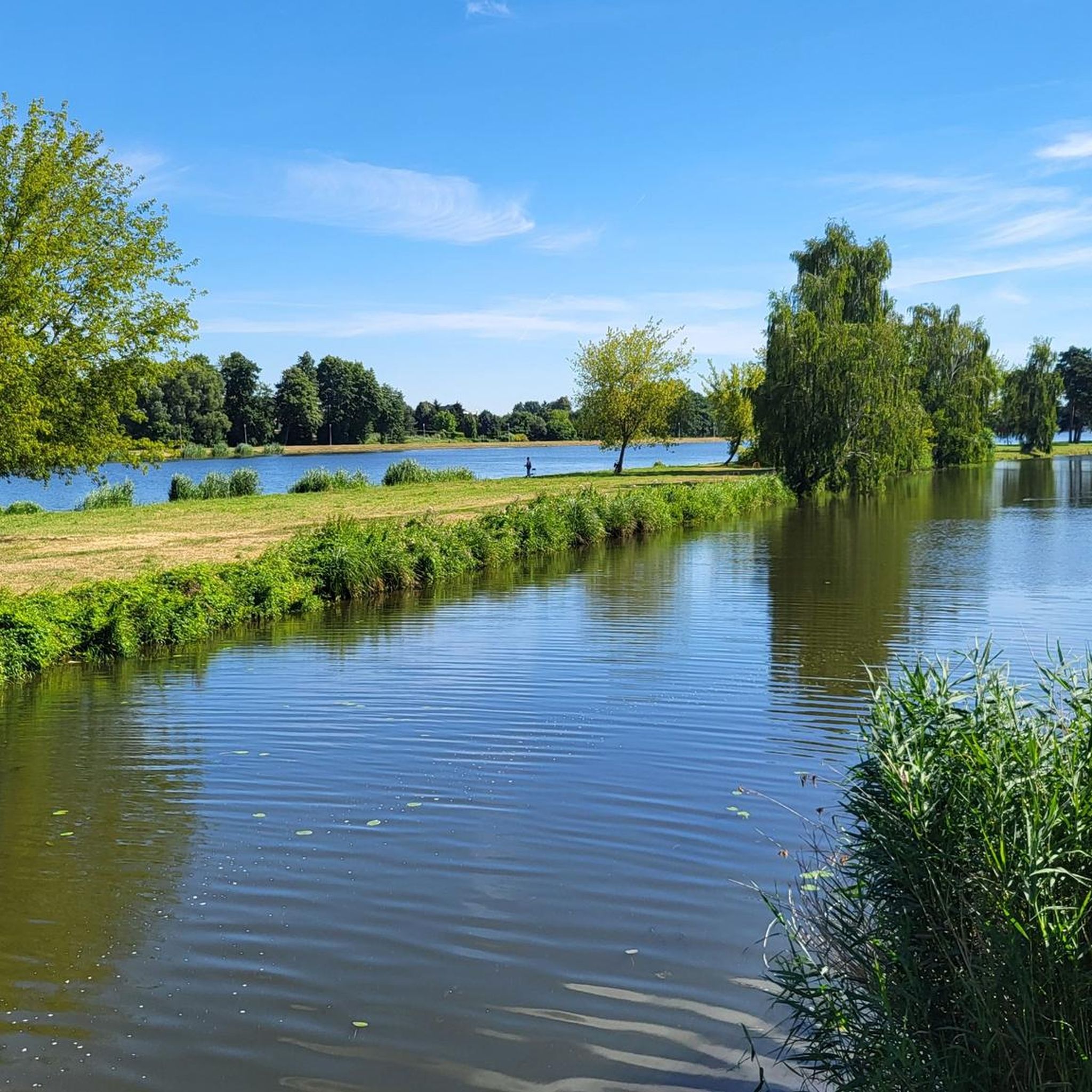
A great bike path around the Tatar Reservoir in Rawa Mazowiecka. One lap is approximately 3.64 km.
0
0
Well-preserved ruins of the castle and defensive walls.
0
0

The castle was built in the second half of the 14th century as the most southwestern stronghold of Mazovia, situated in the marshy forks of the Rawka and Rylka rivers, on an important trade route from Pomerania to Ruthenia. Thanks to King Sigismund Augustus, from 1569, the Rawka castle was used to deposit and store the quartz tax (established in 1563), collected from the starosty and crown lands, and intended for the Crown Army. From the 17th century, the castle fell into ruin. The destruction was initiated by the Swedish army during the "Deluge". Partial reconstruction in the second half of the 18th century by the Rawka starosta Franciszek Lanckoroński did not stop the process of decline. Its deliberate destruction, initiated during the Polish-Russian war at the end of the 18th century, was continued by the Prussians, who ruled the city at the turn of the 18th and 19th centuries. After World War II, conservation work began. In the years 1954-1958 the outline of the foundations was uncovered, a section of the curtain walls and the octagonal tower, which houses archaeological and historical exhibitions, were reconstructed.
0
0
a temple built in the first half of the 15th century. The age of the church was confirmed by dendrochronological studies. The original date of construction was established at the beginning of the 18th century. It was rebuilt in the years 1819–41 with the addition of a porch at the front. It was restored in 1871 – then the sacristy was added. In 2008, the church was to be moved to the open-air museum in Nagawki. In 2013, old polychromes were discovered in the temple and a general restoration of the building began.
1
0
Wojciech Rawicz Boguski, the starost of Stromcze, built a larch church in his hereditary estate in 1558 and furnished it with valuable paintings and sculptures. The church's polychrome is considered the most valuable monument of art in the region. The Boguszyce temple has also been entered on the UNESCO World Heritage List.
0
0
Narrow Gauge Railway Rogów – Rawa – Biała (colloquial: Kolej Rogowska) – the first and only museum narrow gauge railway in the Łódź province. Previous names were Rogow Feldbahn, Rogowska Kolej Dojazdowa and Rogowska Kolej Wąskotorowa. The name currently used also functioned in the interwar period. Its beginnings date back to 1915, when German troops built a military field railway with a 600 mm gauge connecting Rogów with Biała Rawska. The narrow gauge railway was used to supply the German front with food, weapons and ammunition. It was used to transport soldiers and evacuate the wounded. After the end of World War I, the Rogów – Rawa – Biała Narrow Gauge Railway was taken over by PKP. In 1954, it was converted to a 750 mm gauge. In 1996 it was entered into the register of historical monuments. In 2001, PKP decided to liquidate it. It was saved from destruction by the Foundation of Polish Narrow Gauge Railways (FPKW), which restored it to a state of technical efficiency.
0
0
The over 50-hectare, forest-surrounded reservoir "Tatar" with the Sports and Recreation Center is perfect for not only summer recreation. Residents and tourists have access to a walking and cycling route around the reservoir, benches along the shores, a guarded beach, alleys in the forest, a hotel, and pubs and restaurants where you can eat deliciously and cheaply. There are many ways to spend your free time. For example, you can rent a water bike, a boat, or a kayak and sail around the reservoir. The reservoir was created in the historic district of Rawa Mazowiecka, Tatar, which was a separate town until 1924.
0
0
Frequently Asked Questions
What historical sites can I explore around Cielądz?
The region around Cielądz offers several historical sites. You can visit the Mazovian Dukes' Castle Ruins (Rawa Mazowiecka), a 14th-century stronghold that once stored the quartz tax. Another significant site is the Annosław Station – Rogów–Rawa–Biała Narrow-Gauge Railway, a historic military railway now preserved for its technical heritage. Additionally, the village of Cielądz itself is home to the historic Holy Trinity Parish Church, which has a long and turbulent history dating back to the 15th century, having been rebuilt multiple times after fires and wars.
Are there any natural attractions or outdoor recreation spots near Cielądz?
Yes, the Tatar Reservoir is a prominent natural attraction. This over 50-hectare, forest-surrounded reservoir offers a walking and cycling route around its perimeter, a guarded beach, and opportunities for water sports like renting water bikes, boats, or kayaks. It's a great spot for summer recreation and enjoying the outdoors.
What are some family-friendly activities in the Cielądz area?
Families can enjoy a visit to the Tatar Reservoir, which has a guarded beach and water activities. The Mazovian Dukes' Castle Ruins (Rawa Mazowiecka) offer a glimpse into history, and the Annosław Station – Rogów–Rawa–Biała Narrow-Gauge Railway provides a unique historical experience, with trains running on selected days from June to September.
Are there hiking trails near Cielądz?
Yes, there are several hiking opportunities around Cielądz. You can find various routes, including easy loops like the 'Lasek Tatarski loop from Rawa Mazowiecka' (3.8 km) and slightly longer options such as the 'Hiking loop from Rawa Mazowiecka' (7.0 km). For more details and route options, explore the Hiking around Cielądz guide.
What kind of religious buildings can I visit near Cielądz?
The area features several notable religious buildings. The St. Stanislaus Bishop Wooden Church in Boguszyce, built in 1558, is known for its valuable paintings and sculptures, with its polychrome considered a significant art monument. Another historical church is the St. Margaret's Wooden Church, dating back to the 15th century, which has undergone restoration revealing interesting wall paintings.
What outdoor activities are available besides hiking?
Beyond hiking, you can enjoy running and gravel biking. There are numerous running trails, including the 'Tatar loop from Rawa Mazowiecka' (4.9 km) and longer moderate routes. For gravel biking, options range from easy loops like 'No Entry – Private Property loop from Brzozówka' (19.8 km) to more challenging moderate routes around the Tatar Reservoir. You can find more information in the Running Trails around Cielądz and Gravel biking around Cielądz guides.
What is the terrain like for outdoor activities around Cielądz?
The terrain around Cielądz is generally suitable for various outdoor activities, including easy to moderate hiking, running, and gravel biking. The Tatar Reservoir, for instance, features a relatively flat walking and cycling route around its perimeter, making it accessible. The presence of forest-surrounded areas suggests a mix of natural paths and possibly some paved sections.
Are there any viewpoints or scenic spots in the area?
The Tatar Reservoir is considered a scenic spot and viewpoint, offering pleasant views of the water and surrounding forests. The walking and cycling route around it allows visitors to appreciate the natural beauty of the area.
What do visitors enjoy most about the attractions near Cielądz?
Visitors particularly enjoy the recreational opportunities at the Tatar Reservoir, appreciating the walking and cycling paths, the guarded beach, and the availability of water sports. The historical significance of sites like the Mazovian Dukes' Castle Ruins and the unique architecture of the wooden churches also draw interest, with the polychrome in the St. Stanislaus Bishop Wooden Church in Boguszyce being highlighted as a valuable art monument.
Can I find places to eat or drink near the attractions?
Yes, specifically around the Tatar Reservoir, there are pubs and restaurants where you can find delicious and affordable food. This makes it a convenient spot for a full day out, combining recreation with dining.
What is the best time to visit Cielądz for outdoor activities?
Based on the available information, the Tatar Reservoir is described as perfect for summer recreation, suggesting warmer months are ideal for water sports and enjoying the beach. The narrow-gauge railway also operates on selected days from June to September, indicating that late spring through early autumn is a good period for visiting many attractions and engaging in outdoor activities.

Get inspired with the komoot mobile app


Explore more
Still not found the Highlight you’re looking for? See guides of the top attractions in other regions:
