Attractions and Places To See around Głowno - Top 18
Attractions and places to see around Głowno include a blend of historical landmarks and natural beauty in the Łódź Voivodeship of Poland. The city is characterized by its river valleys, surrounding pine forests, and the Mrożyczka Lagoon. This area offers a variety of experiences, from cultural sites to outdoor recreation, drawing on its history as a pre-war summer resort.
Best attractions and places to see around Głowno
- The most popular attractions is Mrożyczka Beach, a beach and viewpoint that…
Last updated: August 25, 2026
Dąbrówka Mała Watermill
Highlight • Monument
Translated by Google •
Tip by

Church of Our Lady of Mount Carmel and St. Adalbert
Highlight • Religious Site
Translated by Google •
Tip by

Sign up now to discover places like this
Get recommendations on the best single tracks, peaks, & plenty of other exciting outdoor places.
Sign up for free
Church of the Nativity of the Blessed Virgin Mary
Highlight • Religious Site
Translated by Google •
Tip by

St. Barbara Church, Głowno-Osiny
Highlight • Religious Site
Translated by Google •
Tip by
Mrożyczka Beach
Highlight • Beach
Translated by Google •
Tip by
Sign up for free to discover even more attractions around Głowno.
Sign up for free
Already have an account?
Start today with a free account
Your next adventure awaits.
Login or Signup
Tips from the Community

A pleasant beach, nearby gastronomic offer - Sami Swoi pizzeria, ice cream, fast food near the wake park
0
0

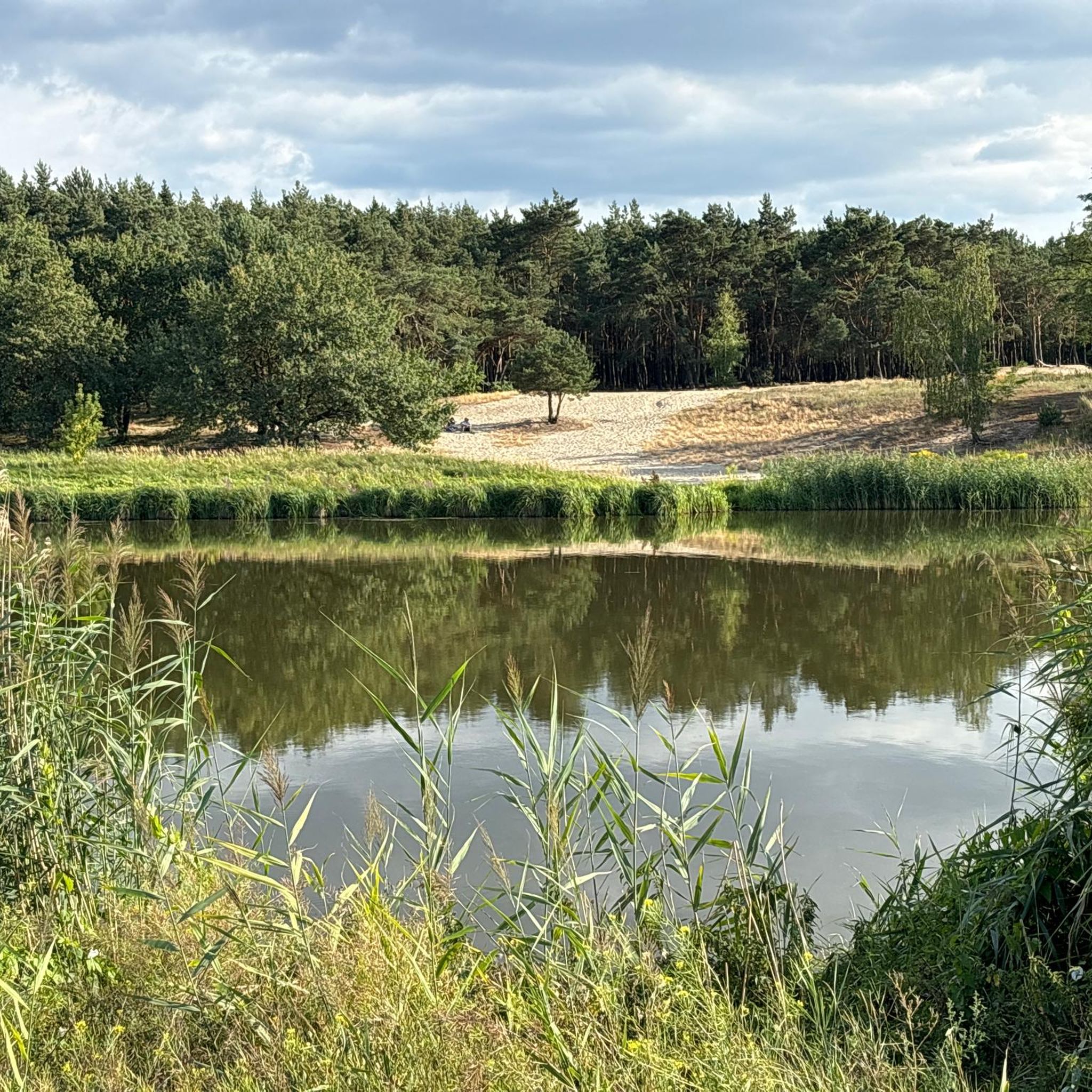
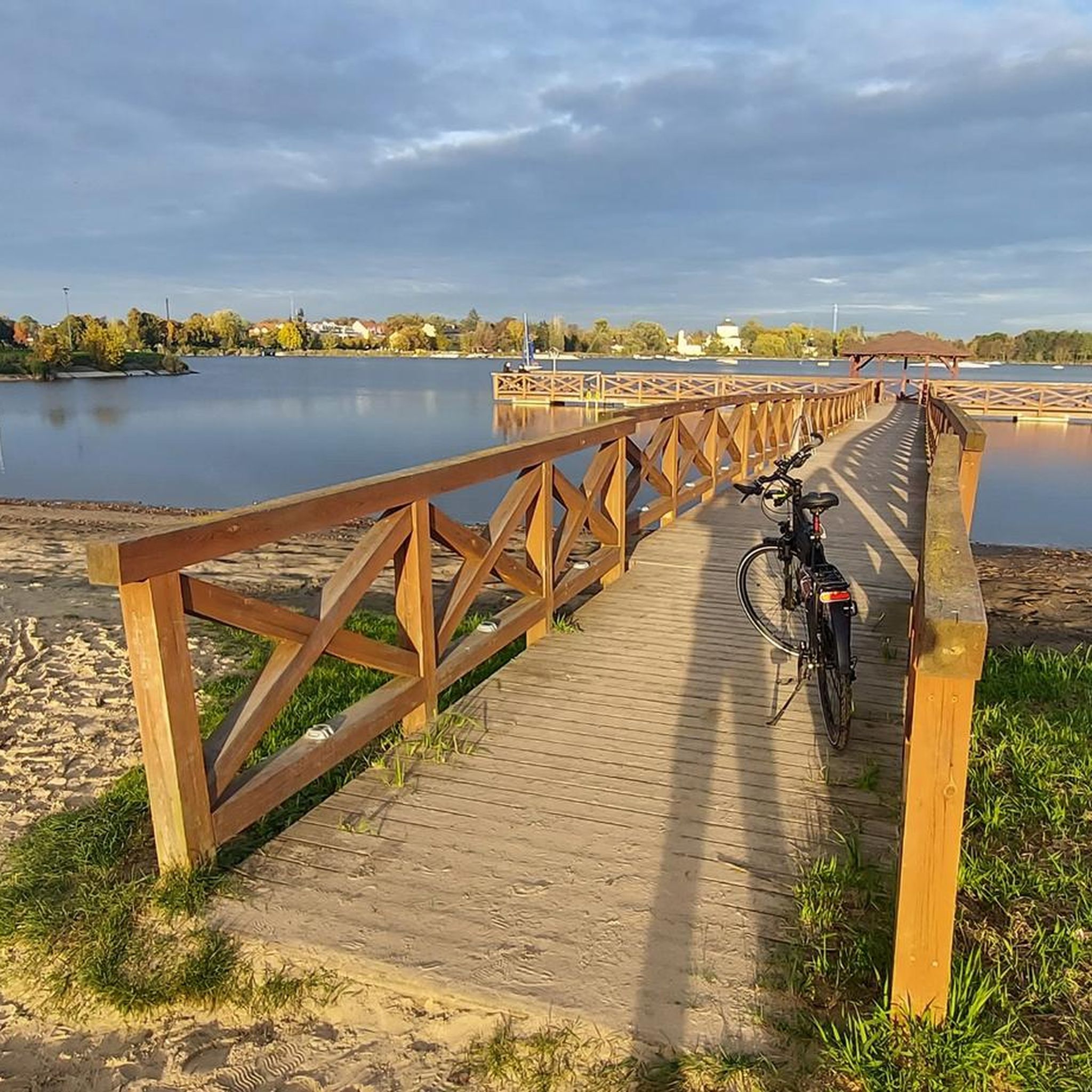
Mrożyczka is a reservoir in Głowno (a city in the Łódź province), created in 1975 on the floodplains of the Mroga River, with an area of approximately 38 ha. The reservoir consists of two bodies of water separated by a causeway, on which runs national road no. 14. In the middle of the causeway there is a bridge over the Mroga connecting both bodies of water. The weir is located under the pedestrian and bicycle bridge connecting Młynarska Street, where the seat of the City Office and the Cooperative Bank are located, with the parking lot on Zgierska Street, where city events and a playground take place. The Mroga supplies the reservoir with various species of fish. Among others, crucian carps, tenches and roaches can be found here.
0
0
Wooden water mill on the Mrożyca River located in Dąbrówka Mała in the Łódź province, built in 1948. In the 19th century, there was a fulling mill here and a neighboring mill powered by a water wheel. During World War I, the wheel was replaced by a water turbine and equipped with rollers and newer cleaning devices. The mill was dismantled by the Germans during World War II. The current mill was built in 1948 on the site of the former mill. The mill represents a post and beam construction. It is single-storey with a superstructure, boarded with planks. It has a gable roof covered with roofing felt. It was initially powered by a water turbine, and then (from 1957) by an electric motor. It was still in operation in the 1970s. Currently out of operation.
1
0
Mariavite parish in Lipka, in the Silesian-Łódź diocese of the Old Catholic Mariavite Church in the Republic of Poland. The Mariavite parish in Lipka was the first to declare its independence on February 8, 1906, and to separate itself from the Roman Catholic parish in Niesułków. The first seat of the newly established parish was the Roman Catholic church in Niesułków. The church was in the hands of the Mariavites until December 1906, when, as a result of the decision of the municipal court the day after the verdict was announced, all parish buildings in Niesułków were to be returned to their original owner – the Roman Catholic Church. After the arrival of the Mariavite priest Tuła at the rectory, construction began on a two-story, brick parish house intended for a school and nursery on the current school square, where there is currently a parking lot for teachers. As a result of the verdict of the municipal court, the Mariavites were also forced to leave the newly constructed parish building. In one night, the building was dismantled and the building materials were manually moved, without the use of carts, to a plot donated by a farmer from Lipka - Jan Jachoł. A wooden chapel was built on the property, which served the Mariavites as a temple for three years. The Blessed Sacrament was moved to the new house of prayer from the church in Niesułków. A brick rectory was built next to the church, in which a nursery was located. The parish house was destroyed during World War I, but after it ended it was rebuilt, and in the interwar period it was used for courses for the illiterate and a library with a reading room. After World War II, this building was demolished, and in its place in the years 1980-1981 a new building was built, which currently serves as a parish hall, where parish orchestra rehearsals and parish meetings as part of various types of celebrations are held. The solemn consecration of the newly built Mariavite church was performed on 17 October 1909 by the newly consecrated Mariavite bishop in Utrecht, Fr. Jan Maria Michał Kowalski.
0
0
The current parish church, made of larch wood, of log construction, on a cross plan, was founded in 1765 by the Sochaczew steward Adam Lasocki from Gosławice, together with his son Wawrzyniec. The church was rebuilt in 1845. In the 1920s, it was reinforced and placed on the foundation. The Wieliszew temple has a Baroque-Rococo interior from the 18th century. The main altar contains a painting of the Mother of God with the Child in her right hand. The side altars are dedicated to St. Anne and the Crucified Christ. The Gothic stone baptismal font from 1538 and the Rococo pulpit from the 18th century are worthy of attention.
0
0
The church in Głowno-Osiny was built between 1928 and 1936. It was built on land donated by the local tableware factory "Norblin" with contributions from the factory's employees and financial support from its management. The author of the design was architect Wiesław Lisowski. The church was a branch of the Dmosin parish. The German occupation stopped the finishing work. Although a rector's office was established at the church in 1941, during the occupation services were held here sporadically. After the war, the interior furnishings were supplemented, but the development of the community was prevented by the policies of the communist authorities. It was not until December 6, 1952 that the bishop of Łódź, Michał Klepacz, established the parish of St. Barbara, virgin and martyr, at the church. Two years later, a rectory was built. In 2008, the interior of the church was renovated.
0
0

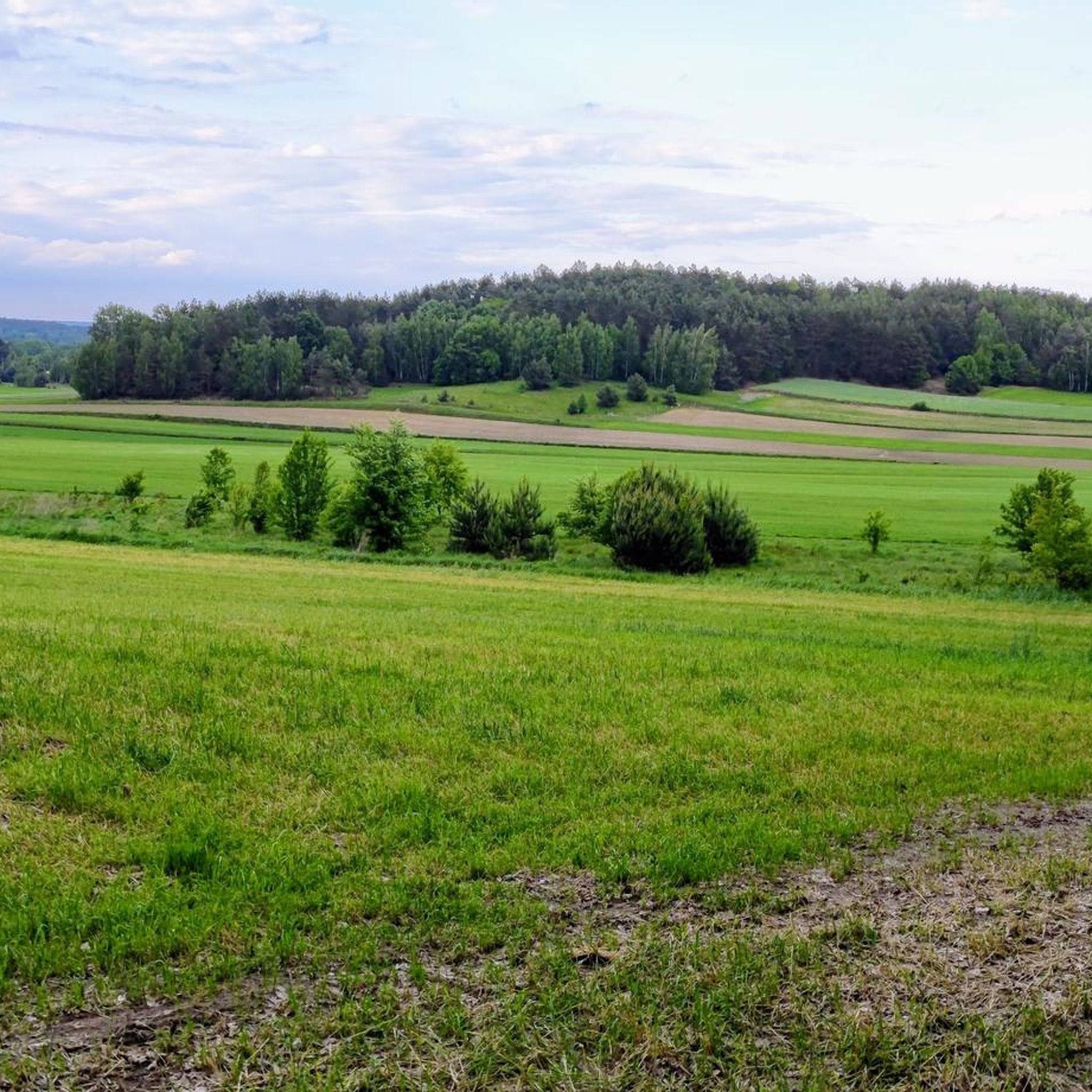
The old water mill in Dąbrówka Mała on the Mrożyca River is a real gem of industrial architecture and a perfect destination for a bicycle trip. Located in a picturesque area, surrounded by greenery and the sound of water, the mill delights with its charm and history. Built in the 1930s. Rebuilt in 1948. Ended its operations 20 years ago.
3
0

The church was built in the 1930s.
0
0
Frequently Asked Questions
What natural attractions can I explore in Głowno?
Głowno is rich in natural beauty. You can visit the Mrożyczka Beach, a popular lagoon offering a sandy beach, water sports, and playgrounds. The city is also defined by the Mroga and Mrożyca River Valleys and surrounded by extensive pine and mixed forests, featuring unique inland dunes. For a protected natural experience, explore the Zabrzeźnia Reserve, which safeguards an oak-hornbeam forest with fir and beech trees.
Are there historical sites to visit in Głowno?
Yes, Głowno has several historical sites. The Dąbrówka Mała Watermill is a notable example of industrial architecture from 1948. You can also see the Freedom Oak on Freedom Square, planted in 1928 to commemorate Polish independence, and the Gothic Church of All Saints and St. Dorothy, dating back to the sixteenth century. The former estate of Countess Aleksandra Komorowska also stands as a late 19th-century historical building.
What activities are available for families with children in Głowno?
Głowno is very family-friendly, drawing on its history as a summer resort. The Mrożyczka Beach is a central hub for families, offering playgrounds (including a pirate ship), water bike rentals, and picnic areas. There's also a rope park nearby with varying difficulty levels, ensuring fun for different age groups.
What kind of outdoor activities can I do near Głowno's attractions?
Near Głowno's attractions, you can enjoy a variety of outdoor activities. The area is excellent for cycling, with easy routes like the 'Mrożyczka Beach – Mrożyczka Reservoir in Głowno loop' for touring bicycles. For road cycling, you might try the 'Gravel Path Through Orchards – Kołacinek Ascent loop'. Hiking is also popular, with trails such as the 'Pier on the Reservoir loop' or the 'Huta Józefów Reservoir loop'. You can find more details on these and other routes in the Cycling around Głowno and Hiking around Głowno guides.
Are there any significant religious buildings in Głowno?
Yes, Głowno features several significant religious buildings. The Church of the Nativity of the Blessed Virgin Mary, founded in 1765, is a beautiful larch wood church with an 18th-century Baroque-Rococo interior and 16th-century stone tombstones. Another notable site is the Gothic Church of All Saints and St. Dorothy, dating back to the sixteenth century. Additionally, the Church of Our Lady of Mount Carmel and St. Adalbert in Lipka, a Mariavite parish, has a rich history of its own.
What is the best time of year to visit Głowno?
Głowno is particularly appealing during the warmer months, from late spring to early autumn (May to September), when the weather is ideal for enjoying outdoor activities at the Mrożyczka Beach, exploring the forests, and cycling or hiking. The natural environment, with its rivers and forests, contributes to a pleasant microclimate during this period.
What do visitors enjoy most about Głowno?
Visitors frequently appreciate Głowno's blend of natural beauty and historical charm. The Mrożyczka Beach is highly popular for its recreational opportunities and pleasant atmosphere, often highlighted for its gastronomic offerings nearby. The picturesque setting of the Dąbrówka Mała Watermill also receives praise for its charm and historical significance, making it a favorite for bicycle trips.
Can I find places for hiking near Głowno?
Absolutely. Głowno and its surroundings offer several hiking opportunities. You can explore trails around the Mrożyczka Reservoir, such as the 'Pier on the Reservoir loop' (5.9 km, easy) or the 'Huta Józefów Reservoir loop' (8.8 km, moderate). The Zabrzeźnia Reserve also provides trails through its protected oak-hornbeam forest. For more detailed routes, refer to the Hiking around Głowno guide.
Are there any unique natural monuments in Głowno?
Yes, Głowno is home to the Freedom Oak on Freedom Square. Planted on November 11, 1928, to commemorate the tenth anniversary of Poland's regained independence, this oak is now a legally protected natural monument and a significant historical symbol.
Where can I find information about local culture and history in Głowno?
While the former palace of Countess Aleksandra Komorowska once housed the Regional Museum, a Regional Museum of Głowno is still listed as a point of interest, suggesting its continued cultural importance. You can also learn about local history through landmarks like the Polish State Railway Station, which played a key role in the local economy, and the various historical churches.
Are there options for water sports or swimming in Głowno?
Yes, the Mrożyczka Beach at the Mrożyczka Lagoon is the primary spot for water activities. It's a popular swimming area where you can enjoy water sports, rent water bikes (some shaped like swans), and even find opportunities for water skiing. The lagoon is a central hub for recreation during the warmer months.
What kind of wildlife can be found in the forests around Głowno?
The pine and mixed pine-oak forests surrounding Głowno are home to a variety of wildlife. You might encounter animals such as deer, wild boars, and even moose. The area is also a haven for birdwatchers, with over 100 bird species recorded.
Most popular attractions around Głowno

Get inspired with the komoot mobile app


Explore more
Still not found the Highlight you’re looking for? See guides of the top attractions in other regions:
