Attractions and Places To See around gmina Głowno - Top 20
Best attractions and places to see around gmina Głowno, a rural administrative district in central Poland, include a mix of historical landmarks, natural features, and cultural sites. The region is characterized by the confluence of three small rivers—Mroga, Mrożyca, and Brzuśnia—and features dammed lakes and an oak-hornbeam forest reserve. Visitors can explore industrial architecture, significant religious buildings, and areas with diverse wildlife.
Best attractions and places to see around gmina Głowno
- The most popular attractions is Dąbrówka Mała Watermill,…
Last updated: July 1, 2026
Dąbrówka Mała Watermill
Highlight • Monument
Translated by Google •
Tip by

Church of All Saints and Saint Dorothy
Highlight • Religious Site
Tip by

Sign up now to discover places like this
Get recommendations on the best single tracks, peaks, & plenty of other exciting outdoor places.
Sign up for free
Kołacin Old Mill
Highlight • Historical Site
Translated by Google •
Tip by

Sobota Manor
Highlight • Castle
Translated by Google •
Tip by

Church of All Saints and St. James
Highlight • Religious Site
Translated by Google •
Tip by
Sign up for free to discover even more attractions around gmina Głowno.
Sign up for free
Already have an account?
Start today with a free account
Your next adventure awaits.
Login or Signup
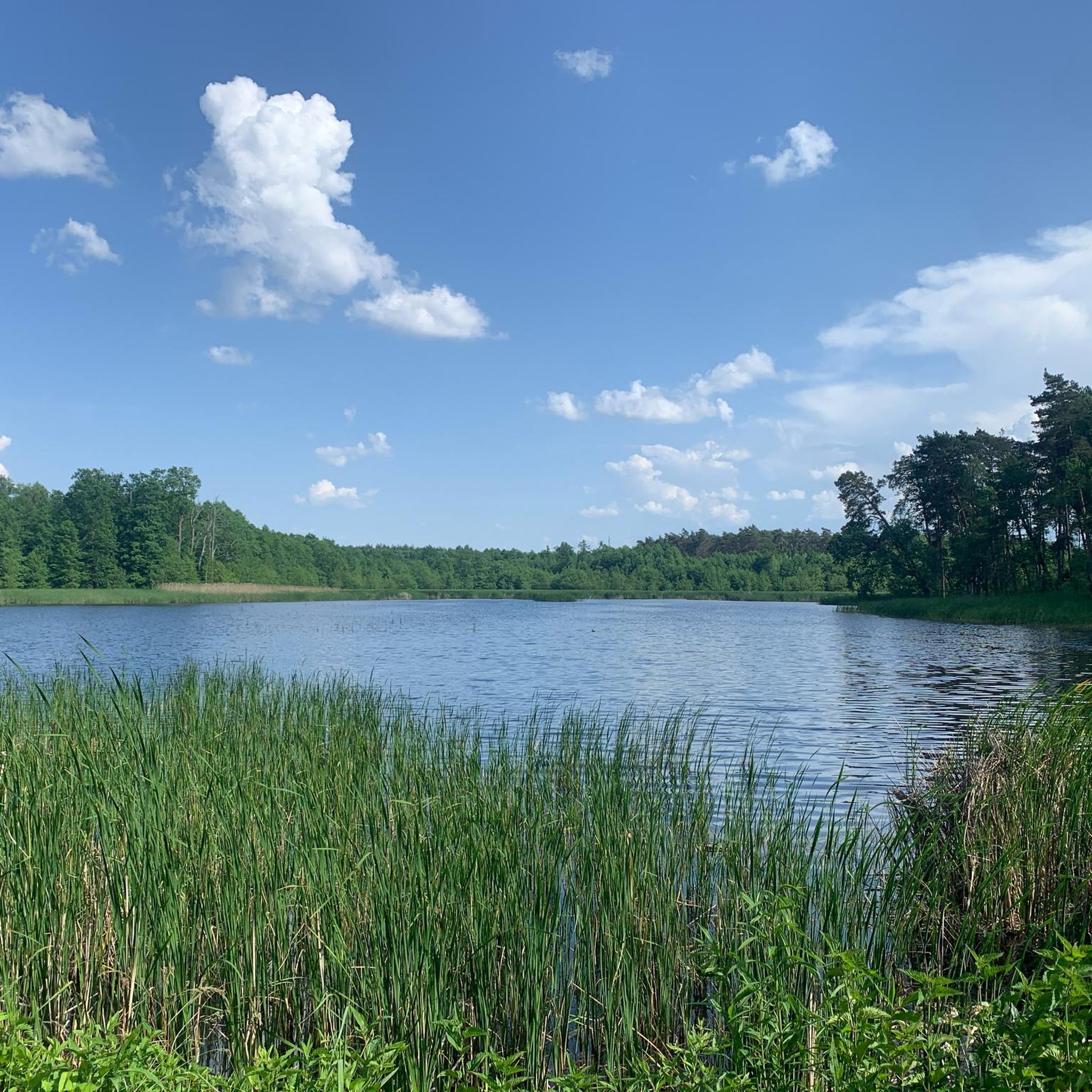
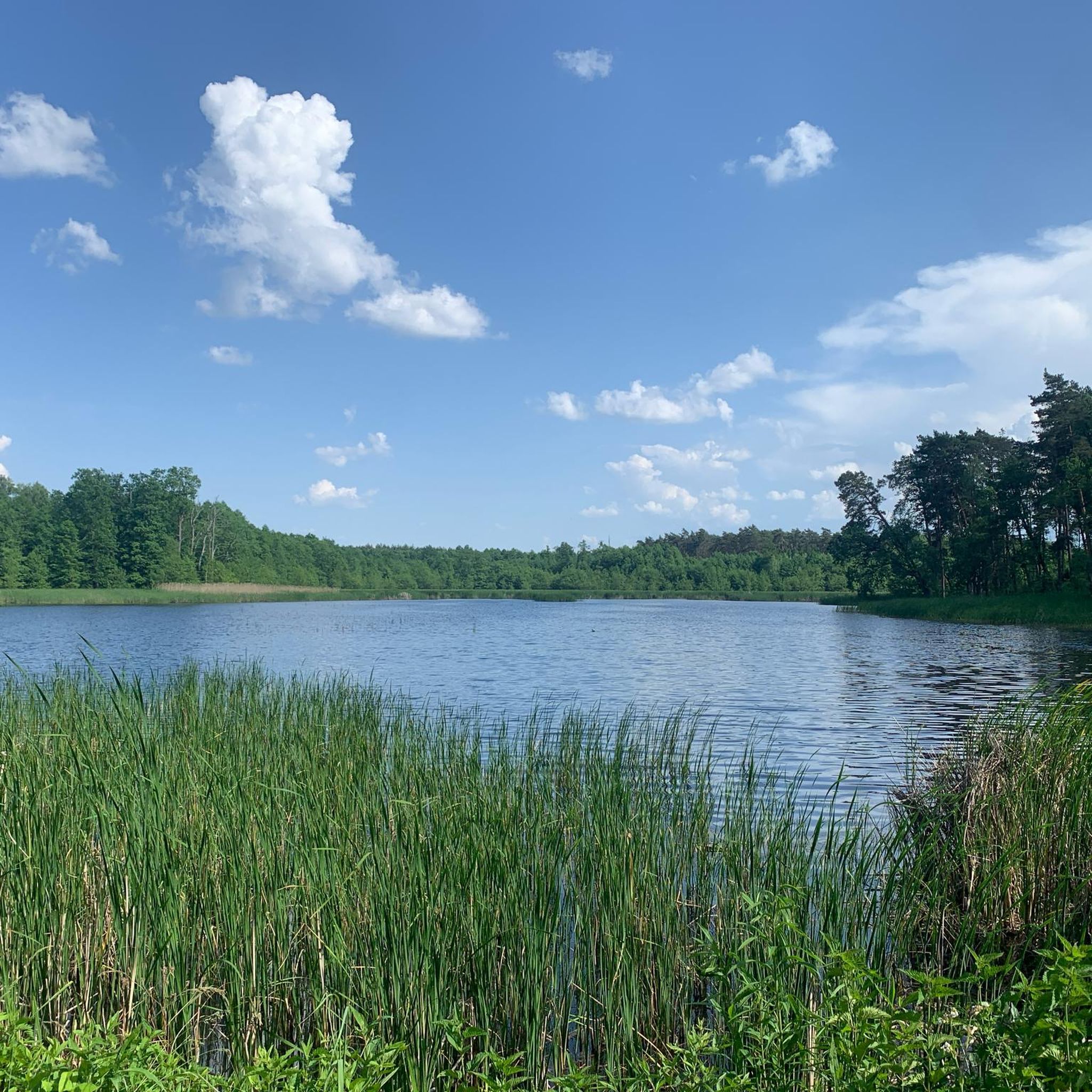
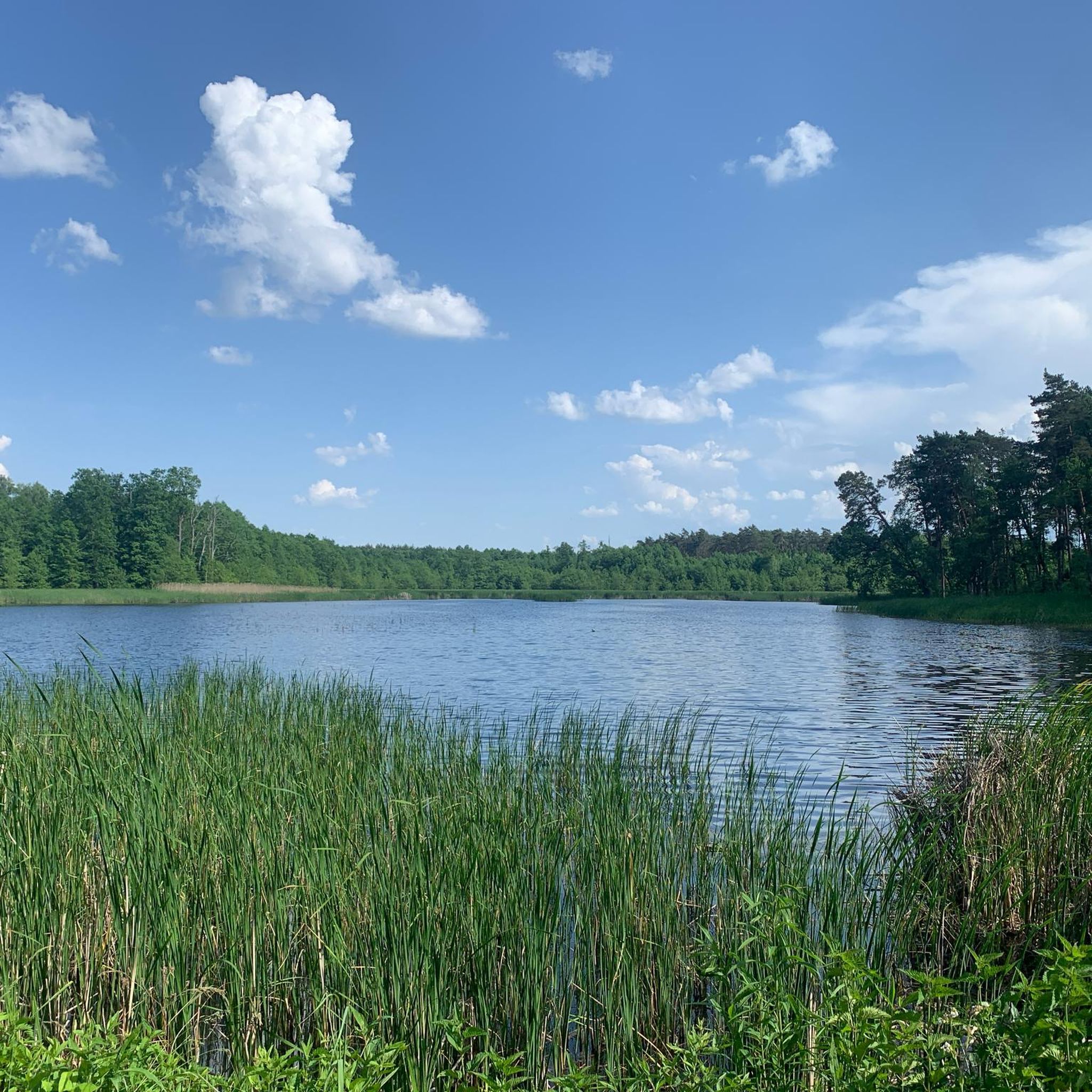
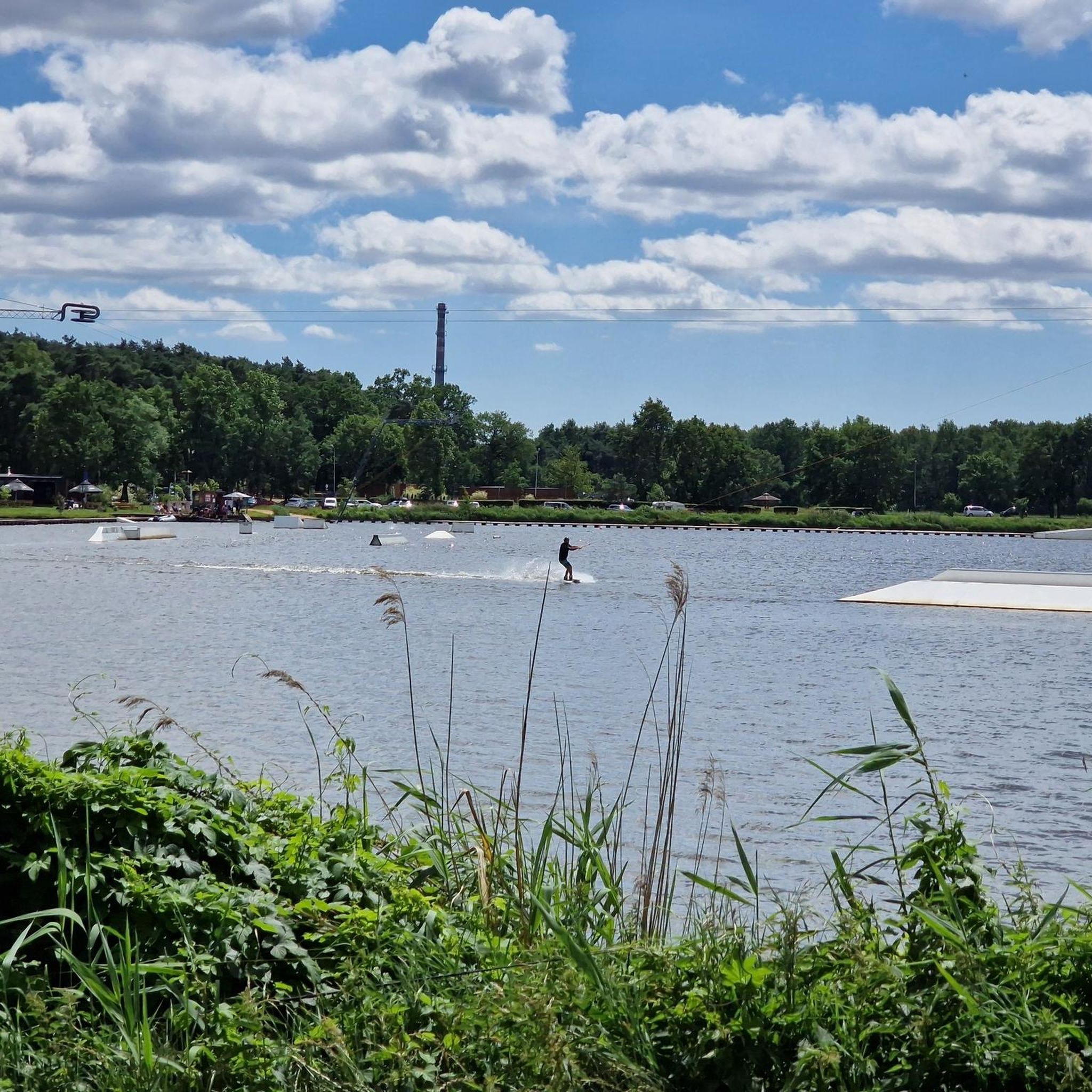
Tips from the Community


After a wonderful bike ride, I reached the church in Pszczonów – a truly historic site, as it was the setting for the adaptation of Reymont's novel "Chłopi" (The Peasants). The interior of this church, rich in history – dating back to the 15th and 16th centuries, with numerous renovations and Baroque polychrome – gained a new dimension thanks to the film adaptation. In the 1972 film adaptation, directed by Jan Rybkowski, alongside excellent actors – Władysław Hańcza (Maciej Boryna), Ignacy Gogolewski (Antek Boryna), Emilia Krakowska (Jagna), Krystyna Królówna (Hanka) – residents of Lipce Reymontowskie, Pszczonów, and Słupia also appeared as extras. They brought costumes, props, interiors, and the dialect of bygone times – making the adaptation incredibly authentic and vivid. This is a story truly worth seeing, especially since "The Peasants" is not only one of the greatest Polish novels but also a work by Nobel laureate Reymont – full of rich literary and social context and a profound portrayal of the countryside. The film adaptation captures its spirit and the vibrant folk culture; it is a true tribute to national tradition and the life of the ancient countryside.
0
0

The Old Mill in Kołacin, also known as the Praga Mill, is a historic building from the 1920s, located on the Mroga River in the Łódź province. In the past, it used the power of the Mroga River, and the water accumulation created a pond that powered the mill wheels. The mill is part of the "Respite Trail", which includes the most attractive natural sites in the Łódź region. For road cyclists, there are asphalt routes in the area, but some sections may lead through roads with a poorer surface, so it is recommended to plan your route in advance. The mill is located about 250 meters from the main road, turning right by the primary school in Kołacin.
1
0

The church was built in the years 1717–1721. It was founded by Jan Pokrzywnicki – a canon of Gniezno, parish priest of Kraków and Łaków. It is a wooden building with a log construction, boarded. Its body was built on a rectangular plan and consists of three naves of the same height separated by four pairs of columns. The presbytery is narrower, closed polygonally. Next to it on the eastern side there is a rectangular brick sacristy, next to the body on the southern side there is a square porch. The interior is covered with flat ceilings, the choir is supported by two columns. The doorframes have a wavy lintel cutout. The church is covered with gable, shingle roofs, above the nave there is a turret with a bell tower. The building was consecrated on November 18, 1721 by Father Sebastian Kasprowicz, canon of Łęczyca and parish priest of Piątkowo, with the consent of the Archbishop of Gniezno, Stanisław Szembek.
1
0
Wooden water mill on the Mrożyca River located in Dąbrówka Mała in the Łódź province, built in 1948. In the 19th century, there was a fulling mill here and a neighboring mill powered by a water wheel. During World War I, the wheel was replaced by a water turbine and equipped with rollers and newer cleaning devices. The mill was dismantled by the Germans during World War II. The current mill was built in 1948 on the site of the former mill. The mill represents a post and beam construction. It is single-storey with a superstructure, boarded with planks. It has a gable roof covered with roofing felt. It was initially powered by a water turbine, and then (from 1957) by an electric motor. It was still in operation in the 1970s. Currently out of operation.
1
0
Mill in Kołacin – a wooden water-electric mill on the Mroga River built at the end of the 19th century. Water mills in this location were mentioned in documents from the turn of the 18th and 19th centuries. The memory of a mill that existed in the 19th century has been preserved: a wooden, single-storey building on a rectangular plan, situated partly on water piles and partly on solid land, with a hipped roof covered with thatch. This building was demolished due to old age at the end of the 19th century. In the place of the demolished mill, the current mill was built at the end of the 19th century, which underwent several reconstructions, including being significantly raised. Currently, it is a wooden building of post and beam construction, boarded with planks, with a gable roof and an adjacent single-storey extension. Initially, it was powered by a water wheel and equipped with 2 pairs of French stones, a żubrownik, perlak and jagielnik. Before World War I, a water turbine was installed in the mill. The stones were replaced with rollers and the millet mill and the perlak were eliminated. During World War II, the mill was in operation. During the Polish People's Republic, it was privately owned. It was used as a grain mill, and then (from 1965) as a wood flour factory. In 2024, it is in operation as a grain mill.
1
0
In the mid-15th century, a fortified castle was probably built in Sobota on Tomasz's initiative. Based on it, in the mid-16th century, a brick defensive manor house was built, the shape of which blurred the original character of the stronghold. The founder of the new complex was one of two brothers: Tomasz or Brycjusz Sobocki. The first of them, the chamberlain of Łęczyca from 1542 and castellan of Gostyń from 1546, built a parish church in Sobota, the second in turn financed the Renaissance tombstones in it. It is not known what happened to the Sobota manor house - 150 years later it was referred to as a brick treasury, no longer serving residential purposes. The neo-Gothic palace was built on the foundations of the old building. The current manor house in Sobota was built on the initiative of August Zawisza in the second half of the 19th century. It is a single-storey building built of brick in the form of a castle. Above the main entrance there is an additional floor, which is crowned with a neo-Gothic battlement. An octagonal tower, also crowned with battlements, was added to the north. The building is situated on a small elevation, which is surrounded by a moat. The manor is located in a park, in which there are also farm and residential buildings. In 1890, the estate was acquired by Artur Stokowski and his wife. On their initiative, the palace was expanded in the interwar period. The next owners of Sobota were Wiktor and Bogna Przegaliński, who bought it in 1927 with the intention of opening a breeding farm for Anglo-Arabian horses there. After the end of World War II, the estate was divided into parcels. It was divided between the State Agricultural Farm and the State Stud Farm in Walewice. The palace was transformed into a multi-family residential building. During archaeological and architectural research conducted in 1985, the remains of a hexagonal tower measuring 4.5 m on a side, supported by corner buttresses in a Gothic brick layout, were identified in the walls of the neo-Gothic manor house. This is the only known remnant of the Gothic castle. The building is currently abandoned.
0
0
The parish in Pszczonów was probably established at the turn of the 13th and 14th centuries, certainly before 1366. From the records of the Gniezno Chapter we learn that the metropolitan archbishop of Gniezno, Jarosław Bogoria Skotnicki, having established the wójt in Pszczonów and having sold it in 1366 to a certain Tomasz, obliged him to pay the local priest a tithe according to the guidelines. In the 15th century, the metropolitan archbishop of Gniezno, Jakub of Sienna, the primate of Poland (1474-1480), built a second church, dedicated to All Saints and St. Dorothy, virgin and martyr. The church in Pszczonów is known from the film adaptation of Reymont's "Chłopi" - it was there that Maciej Boryna and Jagna were married.
0
0
Frequently Asked Questions
What historical landmarks can I explore in Gmina Głowno?
Gmina Głowno offers several historical landmarks. You can visit the Dąbrówka Mała Watermill, a notable example of industrial architecture from the 1930s, or the Kołacin Old Mill, a wooden water-electric mill dating back to the end of the 19th century. The Sobota Manor, though privately owned, also offers a glimpse into the region's past.
Are there any notable religious sites in the area?
Yes, the region is home to significant religious buildings. The Church of All Saints and Saint Dorothy in Pszczonów is a Gothic site from the 16th century, famously featured in the film adaptation of Reymont's "The Peasants." Another historical religious site is the Church of All Saints and St. James, a wooden building constructed between 1717 and 1721.
What natural attractions are there in Gmina Głowno?
Gmina Głowno is rich in natural beauty. You can explore the Zabrzeźnia Reserve, which protects an oak-hornbeam forest and marks the northern limit for fir and beech trees. The area is also characterized by the confluence of three small rivers (Mroga, Mrożyca, and Brzuśnia) and features two dammed lakes, offering picturesque landscapes and diverse wildlife.
What kind of outdoor activities are popular in Gmina Głowno?
The natural surroundings of Gmina Głowno are ideal for outdoor activities. Hiking and cycling are very popular, with numerous routes available. You can find various trails for different skill levels, from easy walks around the reservoirs to more challenging routes through forests. For specific routes, check out the hiking guide and cycling guide for the area.
Are there family-friendly attractions in Gmina Głowno?
While specific family-focused attractions aren't highlighted, the natural environment provides excellent opportunities for family outings. Easy hiking and cycling routes, especially around the dammed lakes, are suitable for families. Exploring historical sites like the watermills can also be an engaging educational experience for children.
Where can I find easy hiking trails in the region?
For easy hiking, consider routes around the dammed lakes. For example, the "Pier on the Reservoir – Mind Your Pl loop from Głowno" is an easy 2.2 km hike, and the "Intake and Lake loop from Domaradzyn" is an easy 4.8 km route. You can find more options in the easy hikes guide for Gmina Głowno.
What unique natural features can I explore?
Beyond the river valleys and dammed lakes, Gmina Głowno features the Zabrzeźnia Reserve, an important oak-hornbeam forest. Additionally, in the center of Głowno town, you can find a small chain of sand dunes known as Marakan, offering a unique geological variation in the landscape.
What kind of wildlife can I expect to see?
The diverse natural habitats, including forests and river valleys, support a variety of wildlife. Visitors might spot deer, wild boars, elk, beavers, and otters. The area is also home to numerous amphibians, reptiles, and over 100 bird species, making it a great spot for nature observation.
Are there specific cycling routes recommended for the area?
Yes, Gmina Głowno offers several cycling routes. The "Stanisławów Forest Gravel Road loop from Głowno Północne" is an easy 19.9 km route, and the "Mrożyczka Beach – Mrożyczka Reservoir in Głowno loop from Kadzielin" is an easy 30.9 km ride. More routes can be found in the cycling guide for Gmina Głowno.
What is the best time to visit Gmina Głowno attractions?
The region's natural beauty and outdoor activities are best enjoyed during the warmer months, typically from spring through early autumn, when hiking and cycling conditions are most favorable. The picturesque green areas around the watermills and river valleys are particularly appealing during this time.
What cultural sites reflect the region's past beyond churches and mills?
Beyond the religious sites and watermills, you can find other cultural reflections of the region's past. The Jabłoński Palace, built in the early 20th century, now houses structures of the Głowno City Council after renovations. Additionally, the Former Jewish Community Building and Small Synagogue at ul. Łowicka 8 served as a significant cultural and religious center until 1939, offering a glimpse into the area's diverse history.
Most popular attractions around gmina Głowno

Get inspired with the komoot mobile app


Explore more
Still not found the Highlight you’re looking for? See guides of the top attractions in other regions:
