The best cycling routes around gmina Aleksandrów
4.7
(498)
1,878
riders
144
rides
Touring cycling routes around gmina Aleksandrów traverse a landscape characterized by the Pilica and Czarna Rivers, extensive forest complexes, and protected areas like the Sulejowski Landscape Park. The terrain often features a mix of wide, shallow riverbeds, oxbow lakes, and remnants of the historic Pilicka Forest. Elevations are generally gentle, with hills under 200m, making the region suitable for various cycling abilities. The area is part of the Natura 2000 network, offering diverse ecological environments for exploration.
Best touring cycling…
Last updated: July 1, 2026
4.9
(51)
75
riders
53.0km
03:06
190m
190m
Moderate bike ride. Good fitness required. Mostly paved surfaces. Suitable for all skill levels.
5.0
(1)
14
riders
49.1km
02:58
230m
230m
Moderate bike ride. Good fitness required. Mostly paved surfaces. Suitable for all skill levels.

Sign up for free
4.3
(3)
10
riders
18.9km
01:13
80m
80m
Easy bike ride. Great for any fitness level. Mostly paved surfaces. Suitable for all skill levels.
5.0
(3)
10
riders
34.5km
02:00
140m
140m
Easy bike ride. Great for any fitness level. Mostly paved surfaces. Suitable for all skill levels.
5.0
(2)
10
riders
12.8km
00:48
60m
60m
Easy bike ride. Great for any fitness level. Mostly paved surfaces. Suitable for all skill levels.
Get access to more routes and recommendations from other explorers.
Sign up for free
Already have an account?
Our route recommendations are based on thousands of hikes, rides, and runs completed by other people on komoot.
Start today with a free account
Your next adventure awaits.
Login or Signup

Tips from the Community

I definitely recommend this place!
0
0

In 1593, Jan Zamoyski purchased the Szczebrzeszyn estate. There, near the village of Rudka, in the valley of the Wieprz River and the Świerszcz Stream, in an area covered with forests, he decided to realize the Renaissance idea of a "villa." He built a wooden, larch palace where he hosted distinguished guests and relaxed with his family. Early on, Jan Zamoyski also brought to the area gentle animals such as red deer, roe deer, fallow deer, and wild horses, also known as tarpans. These animals gave rise to Zwierzyńczyk and later Zwierzyniec. The summer palace was demolished due to its age in the mid-19th century and stood in the center of Zwierzyniec between two brick outbuildings – where the Woodworking School is currently located. Opposite their summer residence, Tomasz Antoni Zamoyski and his wife, Teresa Michowska, built a palace-style church in thanksgiving to God for the birth of their long-awaited son, Klemens. The Church of St. John of Nepomuk remains a major tourist attraction in Roztocze National Park.
0
0

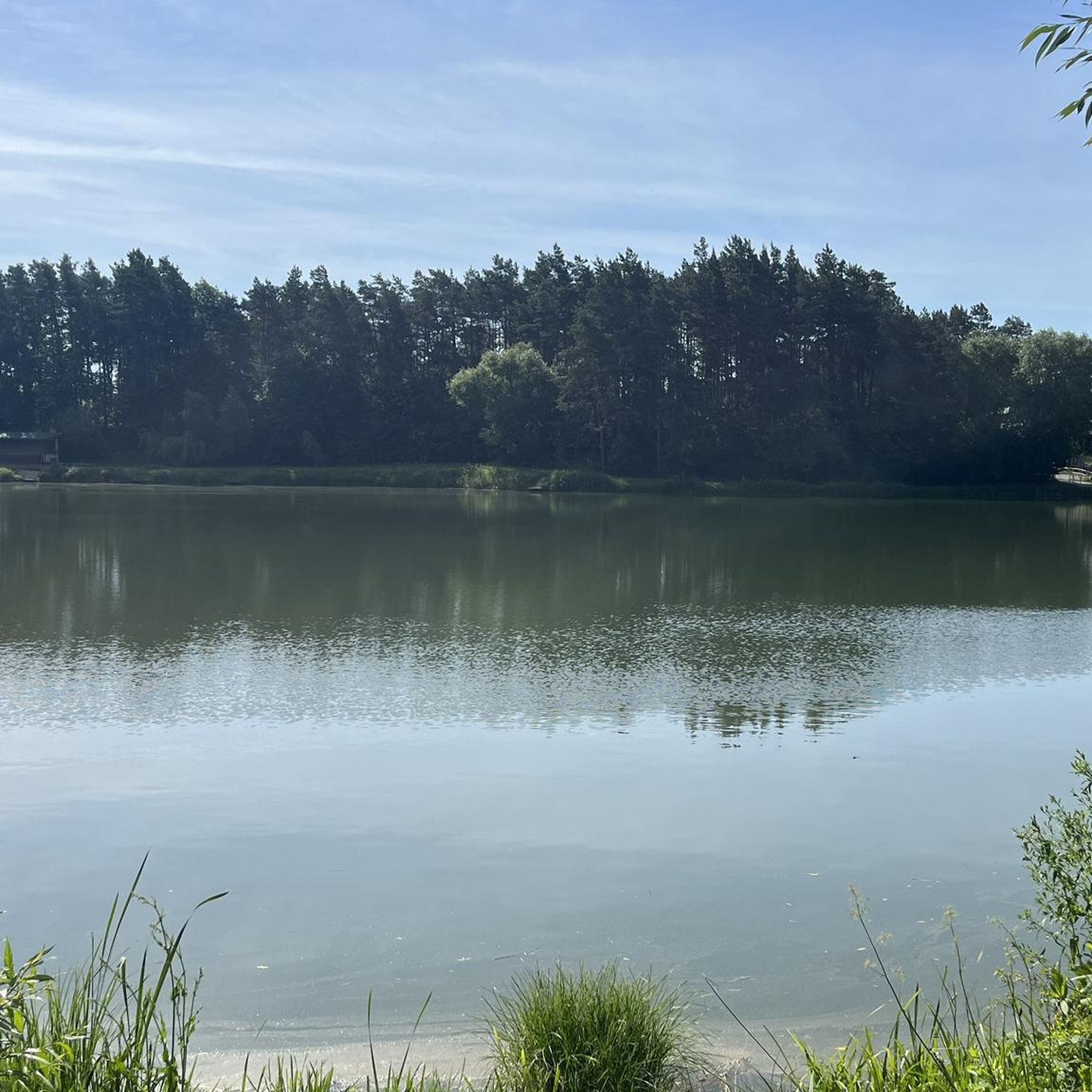
dam crossing closed; great path around the lake
0
0

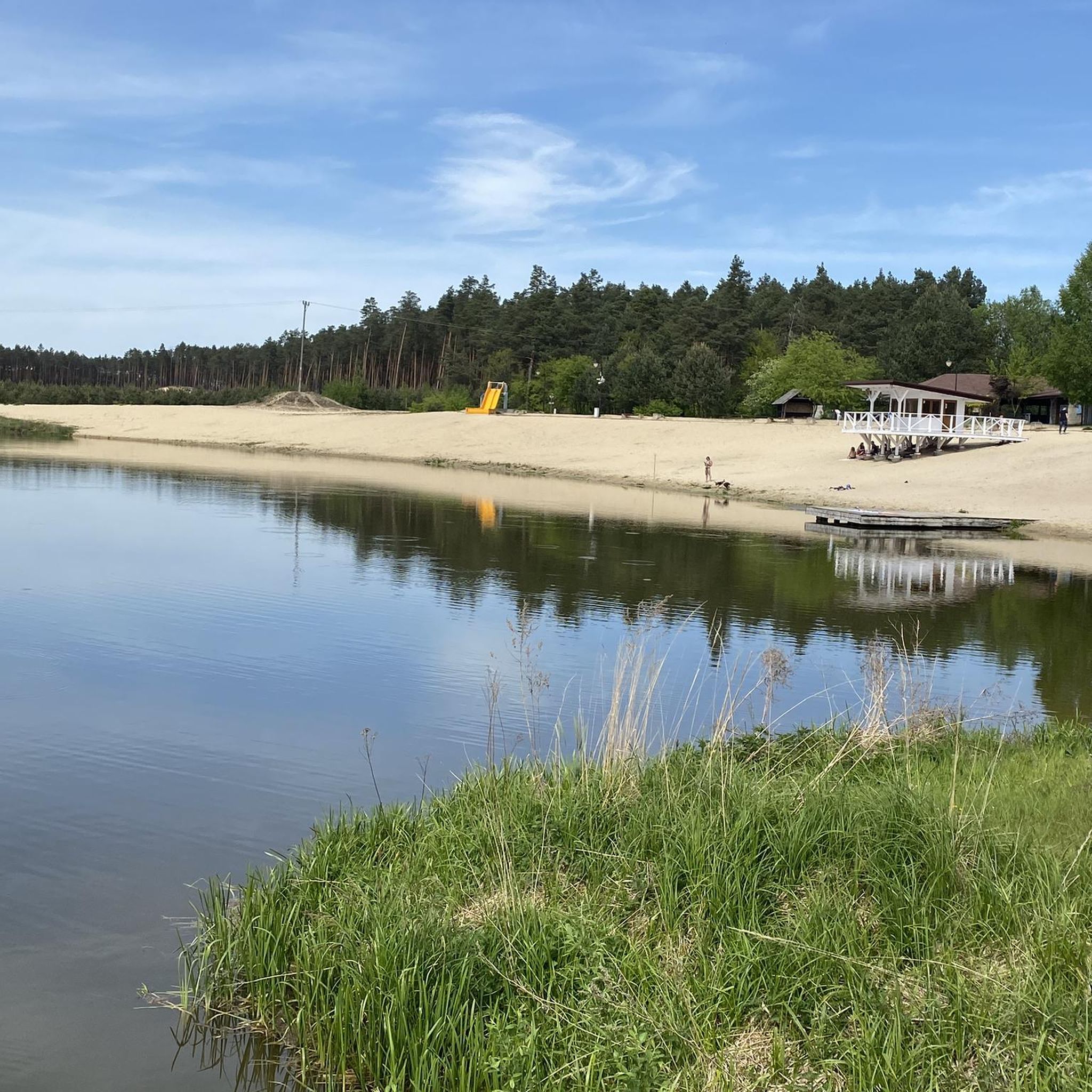
The Józefów Reservoir is a modern bathing area with a sandy beach, a wooden pier and recreational infrastructure. It was built on the site of a former sand mine, thanks to which the water is warm and pleasant for bathing. There is a water bike and kayak rental on site, as well as water slides and spherical balls. There is a walking and cycling path around it, and right next to it is a beach volleyball court.
2
0
The Church of St. John of Nepomuk in Zwierzyniec is a charming Baroque church built on an island in 1741–1747 as a family chapel for the Zamoyski family. The characteristic bridge leading to the church and the picturesque location make this place a unique point on the map of Roztocze. The interior is decorated with polychrome by Łukasz Smuglewicz and paintings in the side chapels, including a painting of the coronation of the Virgin Mary attributed to him. The building is easily accessible by bike – it is worth stopping for a moment and looking inside.
3
0
The chapel was built in 1907.
0
0
The Florian Oak, whose trunk had already reached 770 centimetres in circumference, was declared a natural monument in 1956.
0
0
The first wooden chapel was built in this place in 1668 from the foundation of Marcin Zamoyski, the Lviv Sub-Stole, later the Grand Treasurer of the Crown. From 1688 to 1886 under the administration of the Franciscans. In 1720, it was re-endowed by Tomasz Józef Zamoyski, the starost of Grodecki and Płoskirów, probably with the simultaneous construction of a new church or the expansion of the original chapel. It was burned down by the Swedes in the 18th century. The current church was built in 1768 from the foundation of Jan Jakub Zamoyski, later the voivode of Podolia. In 1778, it was consecrated by Bishop Melchior Jan Kochnowski. Extended on the northern side in the years: 1897-8. Thoroughly renovated before 1930, and in 1975 the roof was renovated.
0
0
Frequently Asked Questions
How many touring cycling routes are available in gmina Aleksandrów?
Gmina Aleksandrów offers a wide selection of touring cycling routes, with over 130 options available on komoot. These routes cater to various skill levels, including easy, moderate, and difficult paths, ensuring there's something for every cyclist.
What kind of terrain can I expect on touring cycling routes in gmina Aleksandrów?
The terrain in gmina Aleksandrów is diverse, characterized by the wide, shallow beds of the Pilica and Czarna Rivers, numerous oxbow lakes, and extensive forest complexes, particularly within the Sulejowski Landscape Park. You'll find a mix of surfaces, from paved sections to more natural paths through wooded areas. Elevations are generally gentle, with most hills under 200m, making it suitable for various cycling abilities.
Are there easy or family-friendly touring cycling routes in gmina Aleksandrów?
Yes, gmina Aleksandrów is well-suited for families and beginners, with over 70 easy touring cycling routes. An excellent option is the Pisklaki Shelter – Playground with Swing Set loop from Aleksandrów, a 14.7-mile (23.7 km) trail that leads through local natural areas and is often completed in about 1 hour 30 minutes.
Are there more challenging touring cycling routes for experienced cyclists?
For experienced cyclists seeking a challenge, gmina Aleksandrów offers 16 difficult touring cycling routes. One such route is the Roztocze National Park – Zwierzyniec Brewery loop from Górecko Kościelne, a 26.6-mile (42.8 km) path with significant elevation changes, providing a more demanding ride.
What natural features or scenic viewpoints can I discover along the cycling routes?
Cycling routes in gmina Aleksandrów often pass through the picturesque Sulejowski Landscape Park, offering views of extensive forest complexes and remnants of the historic Pilicka Forest. You can also enjoy the pristine Pilica and Czarna Rivers, known for their wide beds, oxbow lakes, and sandy beaches. Nature reserves like Jaksonek Reserve, with its ancient oak trees and rare plant species, also contribute to the scenic beauty.
Are there any historical or cultural attractions to see while cycling?
Yes, gmina Aleksandrów is rich in history and culture. You might encounter historical churches such as the stone Church of Saints Peter and Paul in Dąbrowa nad Czarną or the wooden Church of the Immaculate Conception of the Blessed Virgin Mary in Skotniki (dating back to 1528). Other points of interest include historical manors like the 18th-century hunting manor in Dębowa Góra, and cultural sites such as the Author's Art Gallery "Nad Czarną i Pilicą" in Taraska. For specific attractions, consider visiting the Church of Saint Stanislaus the Bishop and Martyr in Górecko Kościelne or the unique Chapel on the Water.
Are there circular touring cycling routes in gmina Aleksandrów?
Yes, many touring cycling routes in gmina Aleksandrów are designed as loops, offering convenient starting and ending points. A popular moderate circular route is the Chapel and Cross – Bukowa Cycling Rest Area loop from Górecko Kościelne, which covers 24.6 miles (39.6 km) and features varied terrain through natural landscapes.
What do other touring cyclists say about cycling in gmina Aleksandrów?
The touring cycling routes in gmina Aleksandrów are highly regarded by the komoot community, boasting an average rating of 4.7 stars from over 450 reviews. Cyclists often praise the region's diverse natural landscapes, including the serene river valleys and extensive forests, as well as the variety of routes suitable for different skill levels.
Are there routes that pass by lakes or reservoirs?
Absolutely. The region is home to several beautiful bodies of water that are often featured in cycling routes. For instance, the Bukowa Cycling Rest Area – Bojary Reservoir loop from gmina Aleksandrów offers scenic views around the Bojary Reservoir. Another route, the Beach in Józefów – Józefów Reservoir loop from Górecko Kościelne, takes you past the Józefów Reservoir.
What is the best time of year to go touring cycling in gmina Aleksandrów?
The best time for touring cycling in gmina Aleksandrów is generally from spring through early autumn (April to October). During these months, the weather is typically pleasant, and the natural landscapes, especially the forests and river areas, are at their most vibrant. Summer offers warmer temperatures, while spring and autumn provide cooler rides and beautiful foliage.
Is there parking available near the cycling routes?
While specific parking information for every route isn't always detailed, many popular starting points for cycling routes, especially those near villages or recreational areas within the Sulejowski Landscape Park, often have designated parking facilities. It's advisable to check the route details on komoot for specific parking recommendations for your chosen tour.
Most popular routes around gmina Aleksandrów
Most popular attractions around gmina Aleksandrów

Get inspired with the komoot mobile app


Explore more
Browse the best Cycling routes in other regions.
