Attractions and Places To See around gmina Potok Górny - Top 20
Attractions and places to see around gmina Potok Górny offer a blend of historical sites and natural landscapes in southeastern Poland's Biłgoraj County. This predominantly agricultural and rural area is situated on the edge of the Tarnogród Plateau. Visitors can explore historical monuments, such as late-Baroque churches, alongside extensive forests and tranquil agricultural fields. The region also features several natural points of interest, including reservoirs.
Best attractions and places to see around gmina Potok Górny
- The most popular attractions is…
Last updated: July 1, 2026
Exaltation of the Holy Cross Church, Huta Krzeszowska
Highlight • Religious Site
diecezja.zamojskolubaczowska.pl/parafie/parafia-podwyzoszenia-krzyza-swietego-huta-krzeszowska
Translated by Google •
Tip by

Ożanna Reservoir
Highlight • Lake
Volleyball court
Water bikes
There is everything you need
In the summer, the reservoir attracts many tourists.
Translated by Google •
Tip by

Sign up now to discover places like this
Get recommendations on the best single tracks, peaks, & plenty of other exciting outdoor places.
Sign up for free
St. Paraskeva Greek Catholic Church (1906), Dąbrowica
Highlight • Religious Site
In 1948, the church was taken over by the Roman Catholic Church. It serves …
Translated by Google •
Tip by

Monument to the January Uprising – Siekane Ravine
Highlight • Monument
Translated by Google •
Tip by
Zalew Biszcza-Żary
Highlight • Lake
Translated by Google •
Tip by

Sign up for free to discover even more attractions around gmina Potok Górny.
Sign up for free
Already have an account?
Start today with a free account
Your next adventure awaits.
Login or Signup
Popular around gmina Potok Górny
Tips from the Community

Siekane, Wąwóz Siekane - a gorge, a historical, non-standardized part of the city of Tarnogród in Poland located in the Lublin Voivodeship, in the Biłgoraj district, in the Tarnogród commune. Siekane is a gorge on the northern outskirts of the city, among the farmlands of the Płuskie district, which is also an important place of national remembrance in Tarnogród. During the Russian occupation in the 19th century, the Provisional National Government (the highest executive body in the January Uprising) issued a manifesto in 1863 calling on the nation to fight for Polish independence, at the same time announcing a decree on the emancipation of peasants. In order to stop the peasants from uprising, the tsarist government issued a decree emancipating peasants in the territory of Congress Poland. In Tarnogród, in the Siekane gorge, a bloody battle between Tarnogród insurgents and Cossacks took place, in which about 100 Tarnogród residents who rushed to help those fighting at Potok and Suszka were killed. In 1963, to commemorate the 100 fallen Tarnogród insurgents (1863), the commune erected a monument in this place with the inscription "On the hundredth anniversary of commemorating the insurgent fights for freedom and independence of the Tarnogród society 1863–1963". Source: https://pl.wikipedia.org/wiki/Siekane
0
0
Church of St. Paraskeva – a historic Greek Catholic church located in Dąbrowica, built in 1906. In 1948, the church was taken over by the Roman Catholic Church. It serves as a branch church of St. Michael the Archangel of the Kolonia Polska parish. The church is an example of brick church architecture, created as a result of searching for a Ukrainian national style based on classical patterns. Source: https://pl.wikipedia.org/wiki/Cerkiew_św._Paraskewy_w_Dąbrowica
1
0

Parish church, dedicated to the Exaltation of the Holy Cross, built in 1766 from the foundation of Teresa Zamoyska, née Michowska, voivode of Lublin. Restored and enlarged in 1882 (extended), the current polychrome from that time. In 1949, the roof covering was changed from shingles to sheet metal. Oriented. Wooden, log construction, boarded, on a stone foundation with a shingled apron. Rectangular, four-bay nave, with a single-bay chancel closed on three sides, with a sacristy and a treasury on the north and south sides. By the nave on the west side, a spacious women's gallery with a porch, probably from 1882, a second porch on the south. Inside, apparent barrel vaults supported by three pairs of columns, between which arcade openings. Profiled chancel beam with a Baroque crucifix from the 18th century. Choir supported on two pillars, with a parapet projecting diagonally on the sides. Original roof truss preserved. Gable roofs with three ridges with a turret for a bell above the nave, once covered with shingles, currently covered with sheet metal; above the sacristy and the treasury, lecterns, slightly raised.
0
0


It's best to arrive after 12 p.m., when the shops open
1
0

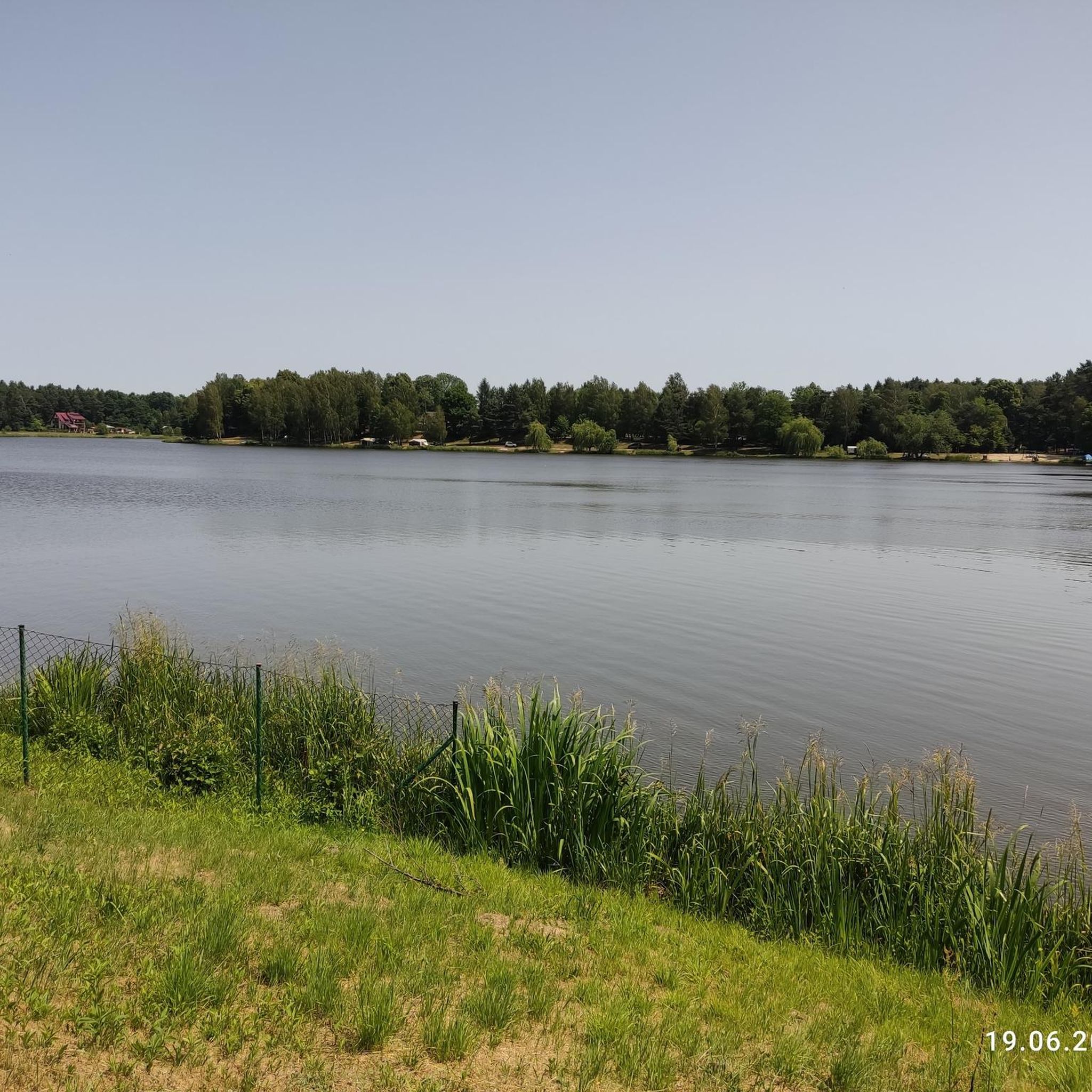
Cottages, camping site with full facilities: toilet, showers, electrical connections. Volleyball court Water bikes There is everything you need In the summer, the reservoir attracts many tourists.
1
0

The Biszcza-Żary Reservoir is a reservoir built in 2006-2008 to protect the area against floods, but also to create a place friendly to rest in the bosom of nature for the whole family. There is a sandy beach at the reservoir, slides for children, several catering outlets and toilets. Entry by car is subject to a fee.
3
0

A beautiful wooden church from the 18th century. https://diecezja.zamojskolubaczowska.pl/parafie/parafia-podwyzoszenia-krzyza-swietego-huta-krzeszowska
0
0
Frequently Asked Questions
What natural features can I explore around gmina Potok Górny?
Gmina Potok Górny is characterized by extensive agricultural fields and forests, which are home to various game animals. You can also find several trees designated as natural monuments, such as a small-leaved linden in Naklik. For water-based recreation, the Ożanna Reservoir and Zalew Biszcza-Żary offer recreational opportunities.
Are there opportunities for cycling near the attractions?
Yes, the region offers various cycling routes. For road cycling, you can explore routes like the 'Jezzi Christ Memorial Cross – Zagroda Międzyczas loop' or the 'Zalew Biszcza-Żary loop'. If you prefer touring, options include the 'Forest Chapel in Kopki – Wicker Horse Sculpture loop' or the 'Shelter by the Bike Path – Roadside Shrine loop'. You can find more details on these and other routes in the Road Cycling Routes around gmina Potok Górny and Cycling around gmina Potok Górny guides.
Where can I find water-based recreation and facilities?
The Ożanna Reservoir is a popular spot, offering cottages, a camping site with full facilities including toilets, showers, and electrical connections, as well as volleyball courts and water bikes. Another option is Zalew Biszcza-Żary, which features a sandy beach, slides for children, and catering options.
What historical churches can I visit in gmina Potok Górny?
The region is rich in historical religious buildings. The Parish Church of St. John the Baptist in Potok Górny, a late-Baroque church from 1743-1754, is considered the most valuable historical monument. Other notable churches include the wooden Church in Lipiny Górne (originally a Uniate church from 1869), the Church in Lipiny Górne-Borowina (built in 1896), and the Exaltation of the Holy Cross Church, Huta Krzeszowska, a wooden church from 1766.
Are there any other significant historical sites or monuments?
Beyond churches, you can visit the renovated 19th-century manor house in Kolonia Malennik, which offers a glimpse into past architecture. There's also an old bell tower with a gate near the Parish Church in Potok Górny, possibly dating back to 1822. The Monument to the January Uprising – Siekane Ravine commemorates a significant historical event.
What is the most valuable historical monument in the gmina?
The Parish Church of St. John the Baptist in Potok Górny is considered the most valuable historical monument in the gmina. This late-Baroque church was constructed between 1743 and 1754 and features a brick basilica style with a transept, surrounded by an old wall.
Are there family-friendly attractions around gmina Potok Górny?
Yes, several attractions cater to families. The Ożanna Reservoir offers camping, water bikes, and volleyball. Zalew Biszcza-Żary is another excellent choice with a sandy beach, children's slides, and catering facilities. Historical sites like the Exaltation of the Holy Cross Church, Huta Krzeszowska can also be interesting for families.
When is the best time to visit gmina Potok Górny?
The summer months are particularly popular, especially for water-based activities at the reservoirs like Ożanna Reservoir, which attracts many tourists during this season. The natural landscapes and outdoor cycling routes are also best enjoyed in warmer weather.
What kind of historical cemeteries can I find in the area?
The gmina features an Old Uniate Cemetery in Lipiny Górne, which is a notable cultural site reflecting the region's diverse religious history.
Are there any unique local monuments or roadside shrines?
Yes, the gmina is dotted with several roadside shrines and figures. Examples include a chapel from 1898 and a roadside figure of St. Barbara from 1905 in Potok Górny, as well as a chapel from around 1904 and a chapel of St. John of Nepomuk from the first half of the 19th century in Lipiny Dolne. There is also a monument in front of the Gmina Office in Potok Górny dedicated to those who fought for Poland's independence.
What do visitors enjoy most about gmina Potok Górny?
Visitors appreciate the blend of historical sites and tranquil natural landscapes. The recreational facilities at the reservoirs, such as camping and water sports at Ożanna Reservoir, are highly enjoyed, especially in summer. The historical churches and monuments also offer a rich cultural experience.
Most popular routes around gmina Potok Górny

Get inspired with the komoot mobile app


Explore more
Still not found the Highlight you’re looking for? See guides of the top attractions in other regions:
