Attractions and Places To See around gmina Kurów - Top 20
Best attractions and places to see around gmina Kurów include a blend of historical sites, cultural landmarks, and natural features. This rural municipality in eastern Poland is characterized by picturesque ravines and historical buildings. Visitors can explore ancient churches, 18th-century structures, and scenic natural landscapes shaped by loess soils. The area offers opportunities to experience both its rich history and its unique geological formations.
Best attractions and places to see around gmina Kurów
- The most popular attractions is Lipinki Gorge…
Last updated: July 1, 2026
Norowy Dół Gorge
Highlight (Segment) • Gorge
Translated by Google •
Tip by

Wooden Bridge in Mareczki
Highlight • Bridge
The long-awaited investment has been put into use. Thanks to the great involvement of the villages of Mareczki and Zgórzyńskie, a new road was built. At the …
Translated by Google •
Tip by

Sign up now to discover places like this
Get recommendations on the best single tracks, peaks, & plenty of other exciting outdoor places.
Sign up for free
Lipinki Gorge
Highlight • Gorge
Translated by Google •
Tip by

Chapel of Our Lady of Kębło
Highlight • Religious Site
"According to the parish chronicles, after the Apparition of Our Lady in 1278, …
Translated by Google •
Tip by

Bicycle path along the dike in Kazimierski Landscape Park
Highlight • Cycleway
Translated by Google •
Tip by

Sign up for free to discover even more attractions around gmina Kurów.
Sign up for free
Already have an account?
Start today with a free account
Your next adventure awaits.
Login or Signup
Tips from the Community

A beautiful chapel, frequented and well-maintained. A place of still very vibrant devotion to the Blessed Virgin Mary.
0
0
There are special platforms on the sides so you can, for example, park your bike and look down at the beautiful Bystra without blocking the passage 🤙🚴
0
0

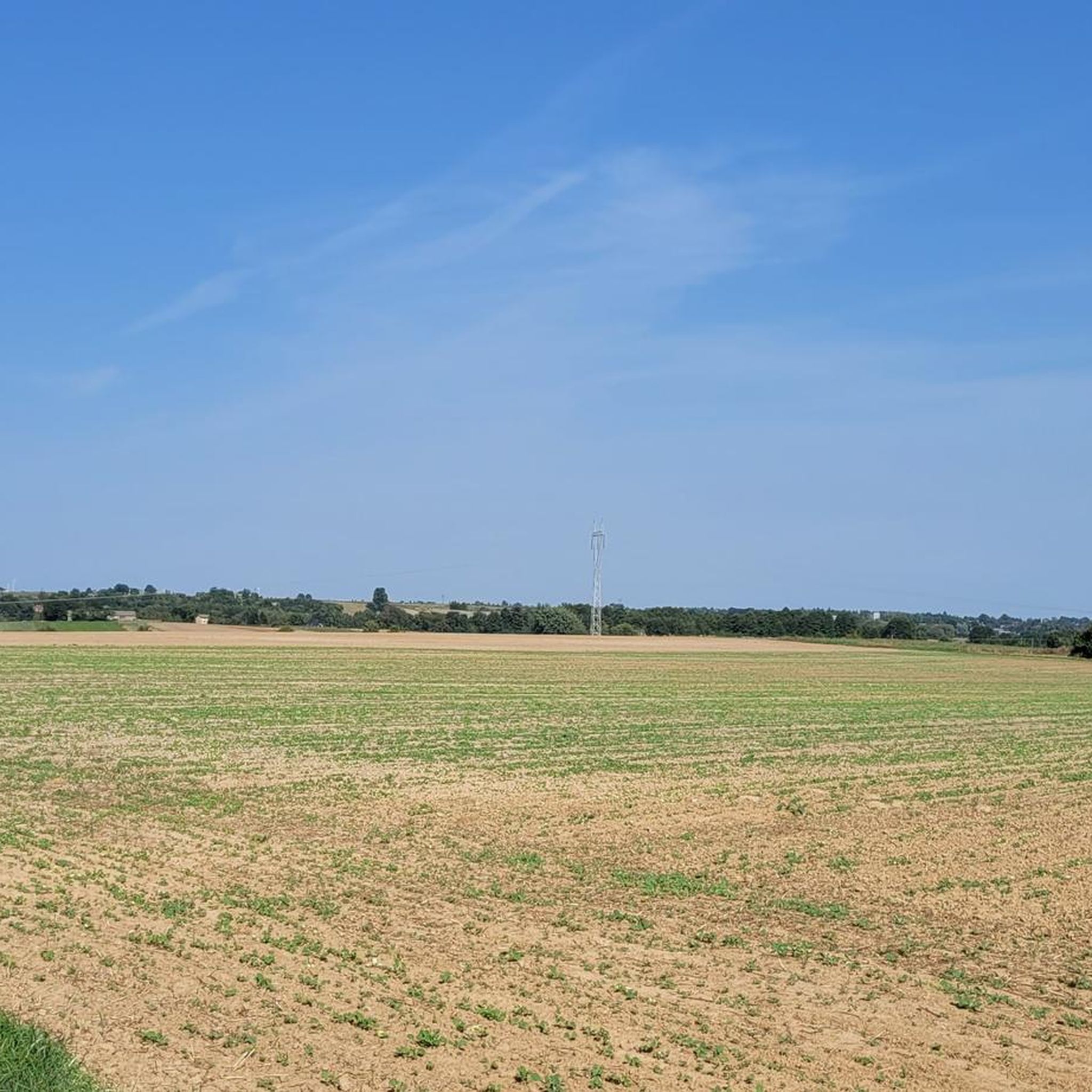
Norowy Dół is a ravine located in Kazimierz Dolny, on the right bank of the Vistula, between Aleja Kazimierza Wielkiego and Góry Pierwszemi and Góra Zamkowa. It is part of the edge of the Vistula valley, in the area of the Małopolska Vistula Gorge. The history of the ravine is associated with the Nor family (or Nur family), which was mentioned in the Kazimierz Dolny city book as early as 1555. Their lands stretched in the area of the ravine, and in 1633 Stefan Nur purchased an oak grove. Names related to the Nory/Nury family appeared regularly in city records until the end of the 18th century, and the ravine and the street leading through it are still called Norowy Dół. In the past, at the mouth of the ravine, there was an important nodal point of port facilities on the Vistula. The ravine is also an example of natural erosion, which had a destructive effect on human activity, including destroying roads and reducing the area of arable fields. Classes related to gully erosion are often held here.
4
0


Great road, my dear 😉
1
0

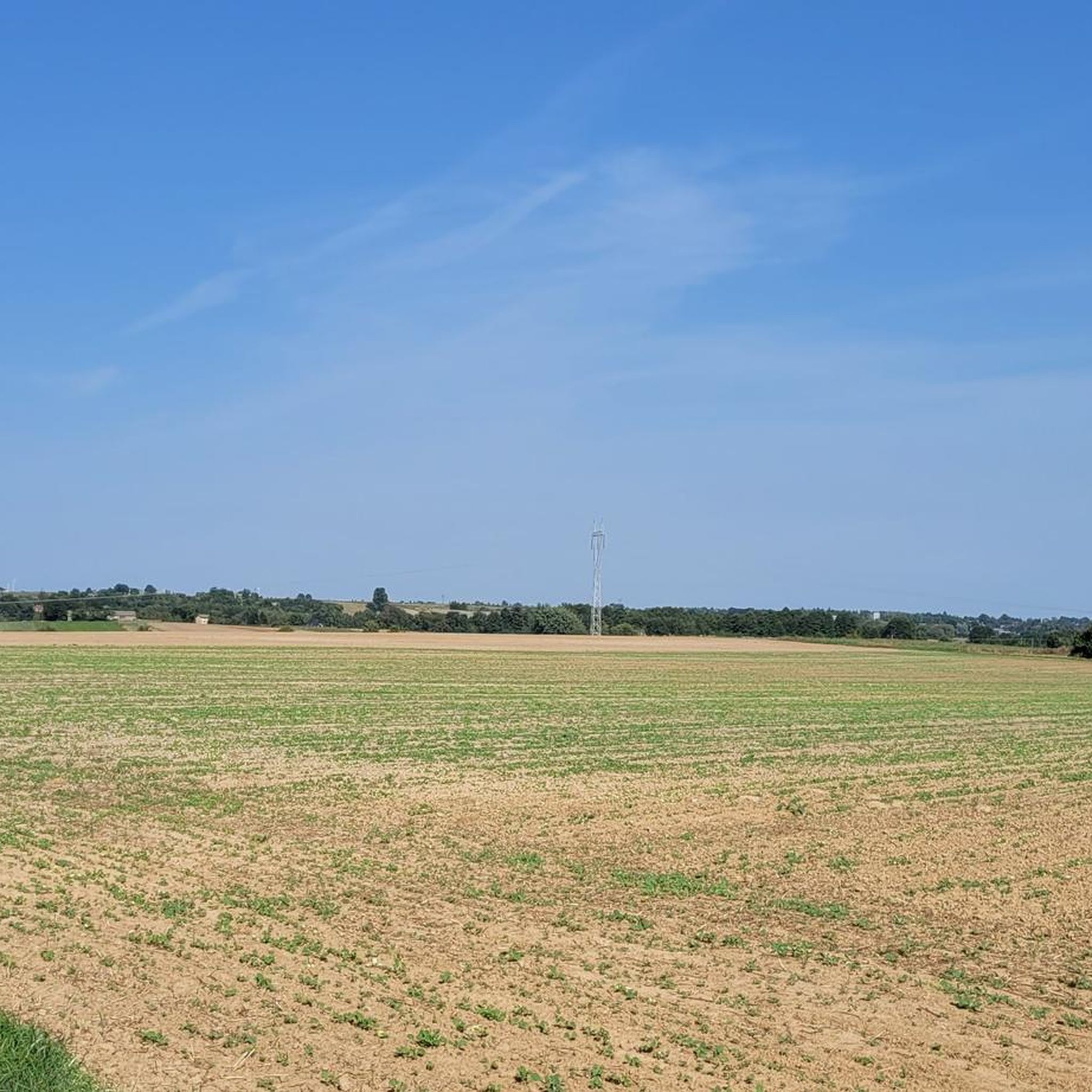
Announcement from 02.11.2018 The long-awaited investment has been put into use. Thanks to the great involvement of the villages of Mareczki and Zgórzyńskie, a new road was built. At the same time, a new crossing was built on the Bystra River. From this place I would like to thank the Soldiers from the 1st Dębliński Road and Bridge Battalion for the very efficient and dynamic construction of our bridge.
1
0

palace and park complex
1
0

It's a rough ride, but it's not terrible.
1
0
Frequently Asked Questions
What natural features can I explore in Gmina Kurów?
Gmina Kurów is known for its picturesque ravines, formed in soft loess soils from the Ice Age. A particularly deep and impressive path is the Korzeniowy Dół Ravine, shaded by old linden trees with exposed roots. Another notable ravine is Lipinki Gorge, which features a deep path that was once the main road between Kazimierz Dolny and Lublin. You can also visit the Spa Park Nałęczów, a natural park with a lake offering a place for rest and relaxation.
Are there historical and cultural sites to visit in Gmina Kurów?
Yes, Gmina Kurów has several historical landmarks. In the village of Kurów, you can find St. Michael's Church, dating back to 1452, an 18th-century Bell Tower, and a Rectory built between 1778 and 1782. Another significant religious site is the Chapel of Our Lady of Kębło, a beautiful and well-maintained chapel with a history dating back to an apparition in 1278.
What outdoor activities are available near Gmina Kurów's attractions?
The area around Gmina Kurów offers various outdoor activities. You can explore numerous hiking trails, including easy options like the 'Wooden Walkways With Loungers' loop from Nałęczów. For cyclists, there are road cycling routes such as the 'Bicycle and Avenue of Fame – Spa Park' loop, and mountain biking trails like the 'Dirt Road Through Fields' loop from Puławy. You can find more details on these routes in the Easy hikes around gmina Kurów, Road Cycling Routes around gmina Kurów, and MTB Trails around gmina Kurów guides.
Are there family-friendly attractions in Gmina Kurów?
Many attractions in Gmina Kurów are suitable for families. Natural sites like Korzeniowy Dół Ravine and Lipinki Gorge offer engaging walks through unique landscapes. The Spa Park Nałęczów provides a relaxing environment with facilities. Additionally, the Wooden Bridge in Mareczki is a picturesque spot where families can stop and observe the Bystra River.
Where can I find scenic viewpoints in Gmina Kurów?
While specific designated viewpoints are not extensively listed, the natural ravines themselves offer unique perspectives. The deep paths of Korzeniowy Dół Ravine and Lipinki Gorge provide scenic views of the surrounding loess landscape and lush vegetation. The Spa Park Nałęczów also offers pleasant views of its natural surroundings and lake.
What are some unique geological formations in Gmina Kurów?
The most distinctive geological formations in Gmina Kurów are its loess ravines. These deep, narrow gorges, such as Korzeniowy Dół Ravine and Wąwóz Norowy Dół, were carved into the soft loess soils deposited during the Ice Age. They feature impressive vertical walls and exposed tree roots, creating a unique and atmospheric landscape.
What do visitors enjoy most about the attractions in Gmina Kurów?
Visitors particularly appreciate the unique natural beauty of the ravines, describing them as 'beautiful deep gorges' that offer 'cool coolness during the heat.' The Korzeniowy Dół Ravine is noted as 'particularly deep and impressive.' The Spa Park Nałęczów is praised as a 'great place to rest,' and the Chapel of Our Lady of Kębło is recognized as 'beautiful' and 'well-maintained,' reflecting a vibrant devotion.
What is the best time of year to visit Gmina Kurów?
The ravines, such as Korzeniowy Dół Ravine, are often recommended for early morning or late evening visits to avoid crowds, suggesting pleasant conditions during warmer months. The deep gorges also provide 'cool coolness during the heat,' making them appealing during summer. However, the natural beauty can be enjoyed across seasons, with autumn foliage adding another layer of charm.
Are there any bridges or unique structures to see?
Yes, the Wooden Bridge in Mareczki is a notable structure. It's a picturesque bridge over the Bystra River, featuring special platforms on the sides that allow visitors to stop and enjoy the river views without obstructing passage.
Can I find easy hiking trails around Gmina Kurów?
Yes, there are several easy hiking trails available. For example, near Nałęczów, you can find routes like the 'Wooden Walkways With Loungers' loop or the 'Park with Wooden Sculptures' loop, both offering comfortable distances for a relaxed walk. These are detailed in the Easy hikes around gmina Kurów guide.
Are there options for cycling in the Gmina Kurów area?
Absolutely. The region offers various cycling opportunities, including both road cycling and mountain biking. You can find moderate road cycling routes like the 'Bicycle and Avenue of Fame – Spa Park' loop, and challenging MTB trails such as the 'Dirt Road Through Fields – View across the river' loop. More information is available in the Road Cycling Routes around gmina Kurów and MTB Trails around gmina Kurów guides.
What is the significance of the loess ravines in the region?
The loess ravines, including Korzeniowy Dół Ravine and Lipinki Gorge, are a direct result of the Ice Age. When glaciers melted, the soft loess soils were eroded over centuries, forming a vast network of these deep, often shaded, paths. They are not only natural attractions but also historical pathways, with some, like Lipinki Gorge, once serving as main roads.
Most popular routes around gmina Kurów
Most popular attractions around gmina Kurów

Get inspired with the komoot mobile app


Explore more
Still not found the Highlight you’re looking for? See guides of the top attractions in other regions:
