The best MTB trails around Puławy
4.8
(33)
258
riders
29
rides
Mountain biking around Puławy offers diverse terrain shaped by the Vistula River Valley and unique loess gorges, particularly near Kazimierz Dolny. The region features varied topography, including hills and escarpments, providing elevation changes for climbs and descents. Extensive forests and natural monuments host many trails, often characterized by natural obstacles and "sunken sandy roads." This landscape provides a range of mountain bike trails suitable for different skill levels.
Best mountain bike trails around Puławy
- The most popular mountain bike trail…
Last updated: June 20, 2026
4.3
(6)
64
riders
40.6km
03:36
540m
540m
Moderate mountain bike ride. Good fitness required. Suitable for all skill levels.
5.0
(1)
23
riders
Easy mountain bike ride. Great for any fitness level. Suitable for all skill levels.

Sign up for free
4.0
(1)
15
riders
25.6km
02:00
260m
260m
Moderate mountain bike ride. Good fitness required. Advanced riding skills necessary.
5.0
(2)
15
riders
35.2km
02:45
300m
300m
Moderate mountain bike ride. Good fitness required. Suitable for all skill levels.
13
riders
55.3km
04:09
540m
540m
Moderate mountain bike ride. Good fitness required. Advanced riding skills necessary.
Get access to more routes and recommendations from other explorers.
Sign up for free
Already have an account?
Our route recommendations are based on thousands of hikes, rides, and runs completed by other people on komoot.
Start today with a free account
Your next adventure awaits.
Login or Signup


Other adventures around Puławy

Tips from the Community

You won't be able to ride your bike, dude
0
0

Eroded canyon, should be explored on foot (by bike only if you are alone)
0
0

On a Monday morning in December, there is a chance for less crowds. Overall, a cult place. A strong hit on a market day. A must 🔥🔥🔥
1
0

The castle in Kazimierz Dolny is a complex of defensive fortifications from the 13th and 14th centuries, located on Castle Hill. The castle consists of two main parts: the upper castle (also known as the "Baszta" or Łokietek's Tower) and the lower castle. The upper castle is a defensive bergfried tower from the turn of the 13th and 14th centuries, erected at the height of the Vistula River crossing. The tower, with a height of up to 20 meters, originally served as a guardhouse, providing control over the crossing and the collection of customs duties. In later years, it served as a navigation beacon. The entrance to the tower is located six meters above ground level, and its lower storey housed a dungeon. The lower castle was built on the orders of Casimir the Great in the 1340s and was part of a larger defensive complex. Initially built in the Gothic style, built of limestone, it had thick walls and wooden internal buildings. In the 15th century, during the time of the Grot family, the castle was expanded, including a two-storey residential wing and a defensive tower. In the 16th century, the castle underwent another reconstruction in the Renaissance style, thanks to the Firlej family, who added an attic and built the southern wing. During the Swedish Deluge (1655) and a fire in 1663, the castle was seriously damaged. In the 18th century, during the reign of August II the Strong, plans for reconstruction in the palace style were not realized due to the civil war. As a result of further destruction and destruction by the Austrian authorities in 1806, the castle fell into ruin. The castle witnessed historical events, including the Battle of Kazimierz Dolny in 1831 during the November Uprising. In the years 1958-1960, archaeological research was carried out, and the castle was secured and made available to tourists. Today, it is a tourist attraction, preserving the form of a permanent ruin.
1
0
The lower castle in Kazimierz Dolny was built in the mid-14th century on the initiative of Casimir the Great as a Gothic structure. Built of local limestone, it was originally an oval in shape surrounded by massive perimeter walls. It mainly served an administrative function and supported the development of trade on the Vistula. In the 15th century, expanded by the Grot family, it gained new residential wings, a tower and a moat. In the 16th century, during the Firlejs' times, the castle was rebuilt in the Renaissance style according to the design of Santi Gucci, adding, among other things, attics. Destroyed by the Swedes and Rákóczi's troops in the 17th century, it eventually fell into ruin. In the 18th century, there were plans to rebuild it in the palace style, but this did not happen. In the 19th century, it was the site of uprisings, and in the 20th century it was secured as a permanent ruin and opened to the public.
2
0
The market square in Kazimierz Dolny was marked out after the city was founded under Magdeburg law in 1406. It is the central urban point of the city, with an open view of the parish church and the castle ruins. The market square has retained its historical layout with a characteristic undeveloped northern part of the square. For centuries, it has served a commercial and social function. It is currently the tourist heart of Kazimierz, surrounded by historic tenement houses, including Przybyłów, Celejowska and Czarnotów. In its center stands a historic well from the 19th century, one of the symbols of the city.
4
0
The historic well in the Market Square in Kazimierz Dolny is one of the most recognizable symbols of the city. It was built in the 19th century as a street fountain, and in 1913 the architect Jan Koszczyc-Witkiewicz gave it its current appearance - a wooden casing with a characteristic roof and a pazdur. In later years, the well was modernized: an Abyssinian pump was installed, and in the 1980s a new cast iron pump and lighting. The last renovation was carried out in 2012. According to local legend, whoever drinks water from the well will always return to Kazimierz. The water is suitable for drinking and washing fruit bought at the local market. Similar wells are also located in the corner of the Market Square, on Krakowska and Lubelska streets.
3
0
The Three Crosses Hill, formerly known as the Cross Mountain, is a hill about 175 m above sea level, towering about 50 m above the centre of Kazimierz Dolny. It is part of the edge of the Nałęczów Plateau and is surrounded by valleys and ravines. It is known for the three crosses erected in 1708 to commemorate the victims of the plague; the current crosses date from 1852. The hill is covered with rare plants protected by law, and from the top there is the most famous panorama of the city and the Vistula valley. The entrance is from Zamkowa Street and is paid.
3
0
Frequently Asked Questions
How many mountain bike trails are available around Puławy?
There are over 25 mountain bike trails around Puławy, catering to various skill levels. You'll find a good mix of easy, moderate, and challenging routes to explore.
What kind of terrain can I expect on mountain bike trails near Puławy?
The terrain around Puławy is diverse, shaped by the Vistula River Valley and unique loess gorges, especially near Kazimierz Dolny. You can expect varied topography, including hills, escarpments, extensive forests, and natural monuments. Many trails feature natural obstacles and "sunken sandy roads," offering a mix of paved, gravel, and dirt paths.
Are there mountain bike trails suitable for beginners or families in Puławy?
Yes, Puławy offers several easy mountain bike trails perfect for beginners or family outings. For example, the Lower castle – Kazimierz Dolny Market Square loop from Rezerwat Łęg na Kępie w Puławach is an easy 27.0 km path that connects scenic points around Kazimierz Dolny, offering beautiful views of the Vistula River.
Are there any challenging mountain bike routes for experienced riders?
Yes, for experienced riders seeking a challenge, Puławy offers more demanding routes. The Dirt Road Through Fields – View across the river loop from Puławy is a difficult 62.8 km trail with significant elevation changes, providing a rigorous and rewarding experience.
What historical sites or natural landmarks can I see while mountain biking in Puławy?
Many trails pass by significant historical and natural landmarks. You can explore the Czartoryski Palace in Puławy, the historic Lower castle, or the impressive Janowiec Castle. The region is also known for its unique loess gorges, such as Korzeniowy Dół Ravine and Plebanka Gorge, which offer stunning natural scenery.
Are there any scenic viewpoints along the mountain bike trails?
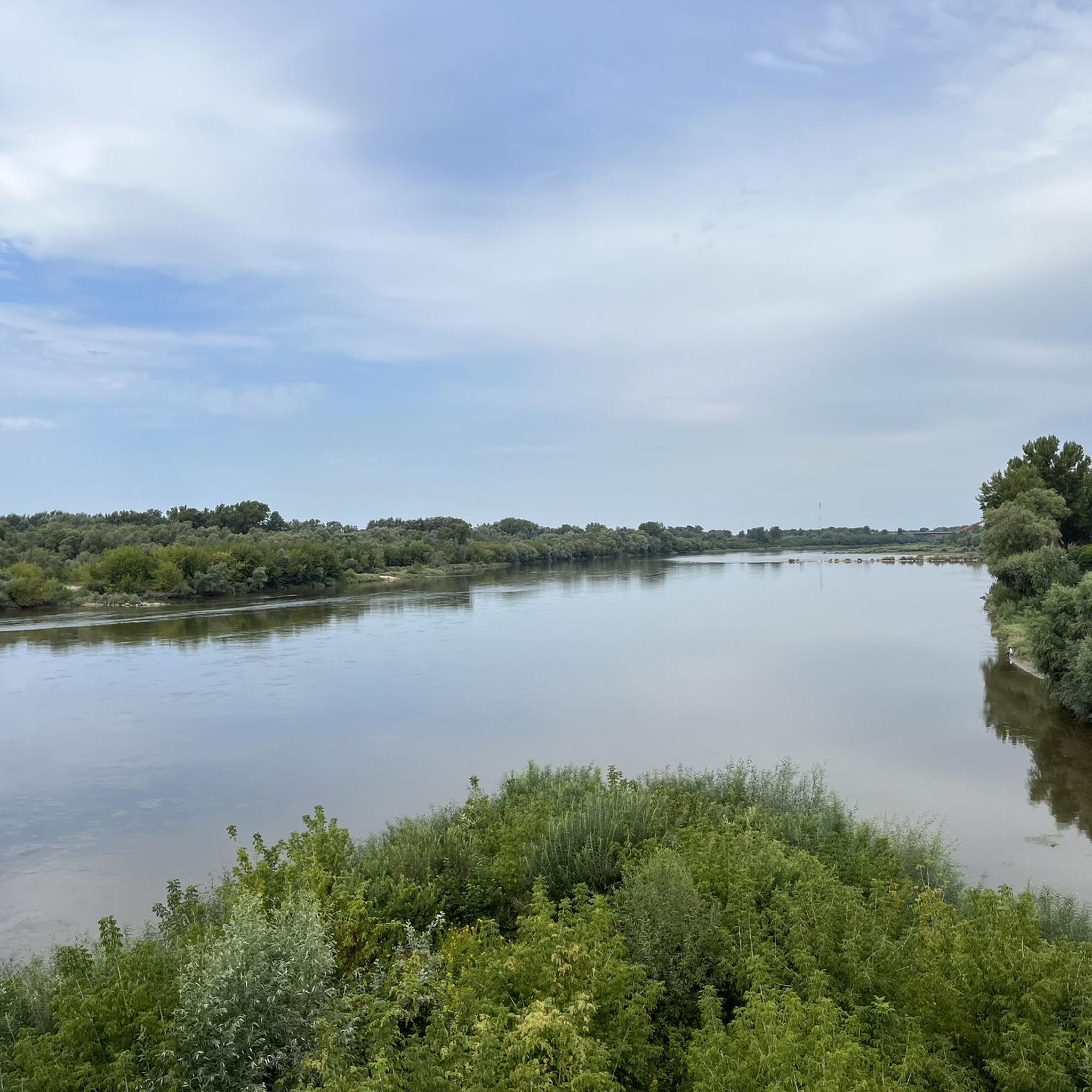
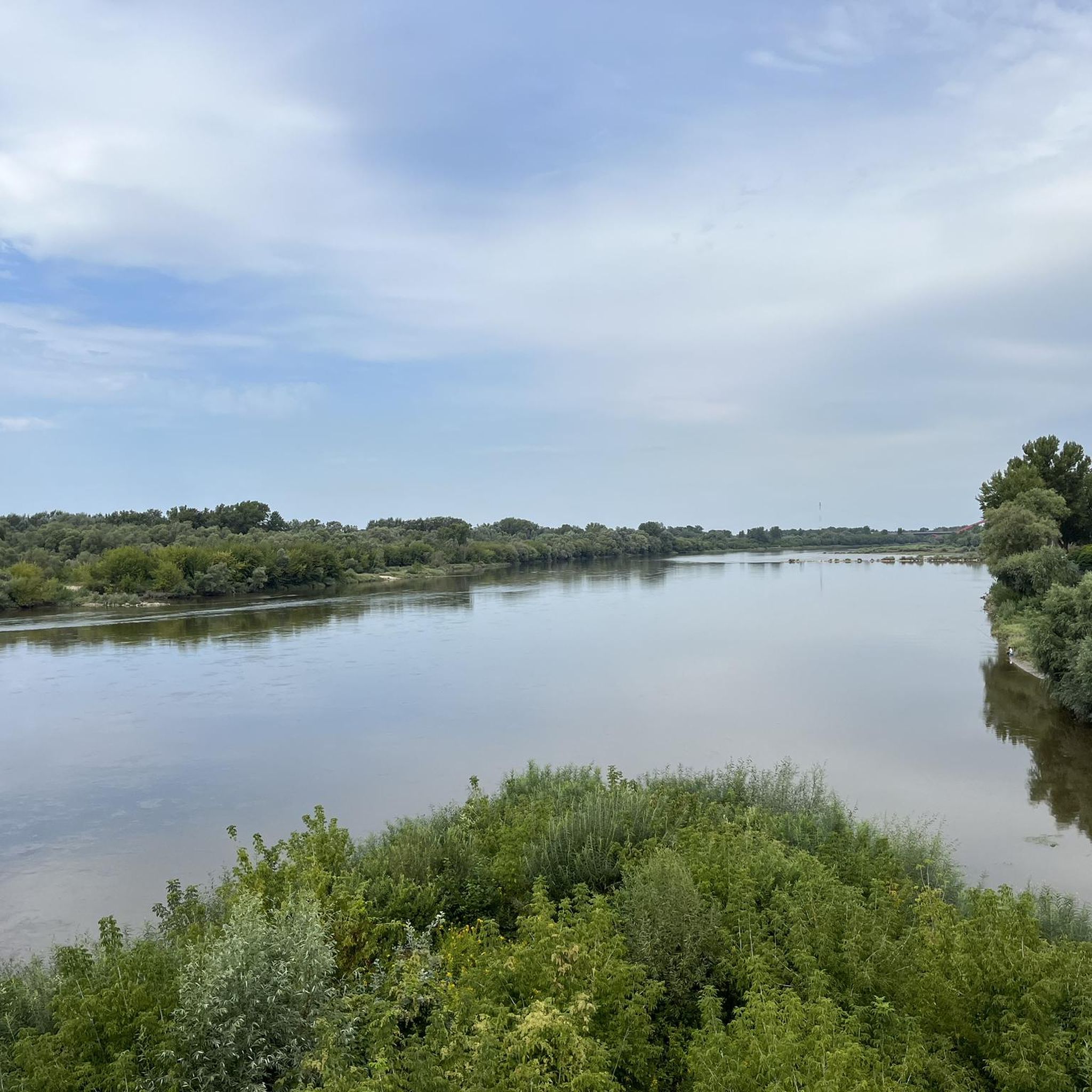
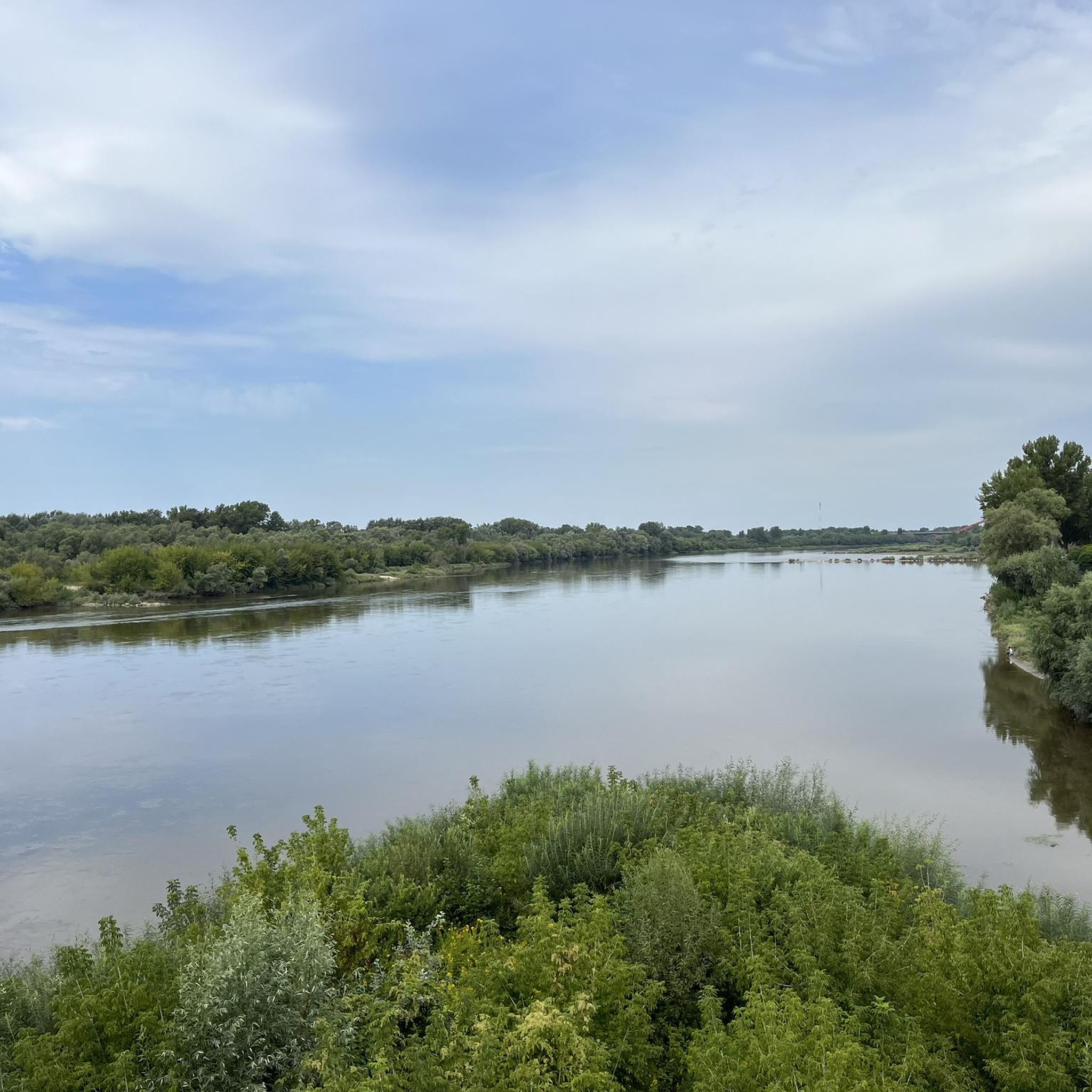
Absolutely. The Vistula River Valley provides numerous scenic vistas. Routes often offer views across the river and through picturesque forests. The Dirt Road Through Fields – View across the river loop from Puławy is specifically named for its excellent river views, and trails around Kazimierz Dolny also provide beautiful perspectives of the Vistula.
Are there circular mountain bike routes available in Puławy?
Yes, most mountain bike routes in Puławy are designed as loops, allowing you to start and finish at the same point. Examples include the Dirt Road Through Fields loop from Puławy and the Dirt Road Through Fields loop from Puławy Chemia, both offering convenient circular journeys.
What do other mountain bikers enjoy the most about mountain biking in Puławy?
The mountain biking experience in Puławy is highly rated by the komoot community, with an average score of 4.7 stars. Reviewers often praise the diverse terrain, the scenic views of the Vistula River, and the extensive network of forested paths that cater to various skill levels.
What is the best time of year for mountain biking in Puławy?
Spring and autumn are generally considered the best times for mountain biking in Puławy. The weather is typically mild, and the natural landscapes are particularly beautiful, with blooming flora in spring and vibrant colors in autumn. Summer can also be pleasant, though it might be warmer, while winter can bring snow and colder temperatures, making some trails less accessible.
Are there any routes that combine historical exploration with mountain biking?
Yes, many routes offer a blend of natural beauty and historical interest. The Lower castle – Kazimierz Dolny Market Square loop from Rezerwat Łęg na Kępie w Puławach, for instance, takes you through the historic town of Kazimierz Dolny, allowing you to experience its charm and sights while enjoying your ride.
What are the typical elevation changes on mountain bike trails in Puławy?
The elevation changes in Puławy are varied, ranging from gentle undulations to more significant climbs. While many routes stay below 200 meters, some, like the difficult Dirt Road Through Fields – View across the river loop from Puławy, can feature nearly 1000 meters of ascent and descent, providing good challenges for those seeking them.
Most popular routes around Puławy
Most popular attractions around Puławy

Get inspired with the komoot mobile app


Explore more
Browse the best MTB trails in other regions.
