Attractions and Places To See around Kąkolewnica - Top 13
Attractions and places to see around Kąkolewnica, a village in eastern Poland, include a variety of historical and cultural points of interest. The region is situated in Radzyń County, Lublin Voivodeship, and is known for its historical sites and local traditions. Visitors can explore landmarks and natural features that reflect the area's heritage. The landscape primarily consists of rural settings with historical structures.
Best attractions and places to see around Kąkolewnica
- The most popular attractions is Potocki Palace, a…
Last updated: July 1, 2026
Potocki Palace
Highlight • Historical Site
Translated by Google •
Tip by

Orangery at the Potocki Palace in Radzyń Podlaski
Highlight • Monument
Currently, it houses the Radzyński Cultural Center.
Translated by Google •
Tip by
Sign up now to discover places like this
Get recommendations on the best single tracks, peaks, & plenty of other exciting outdoor places.
Sign up for free
Holy Trinity Church
Highlight • Religious Site
Translated by Google •
Tip by
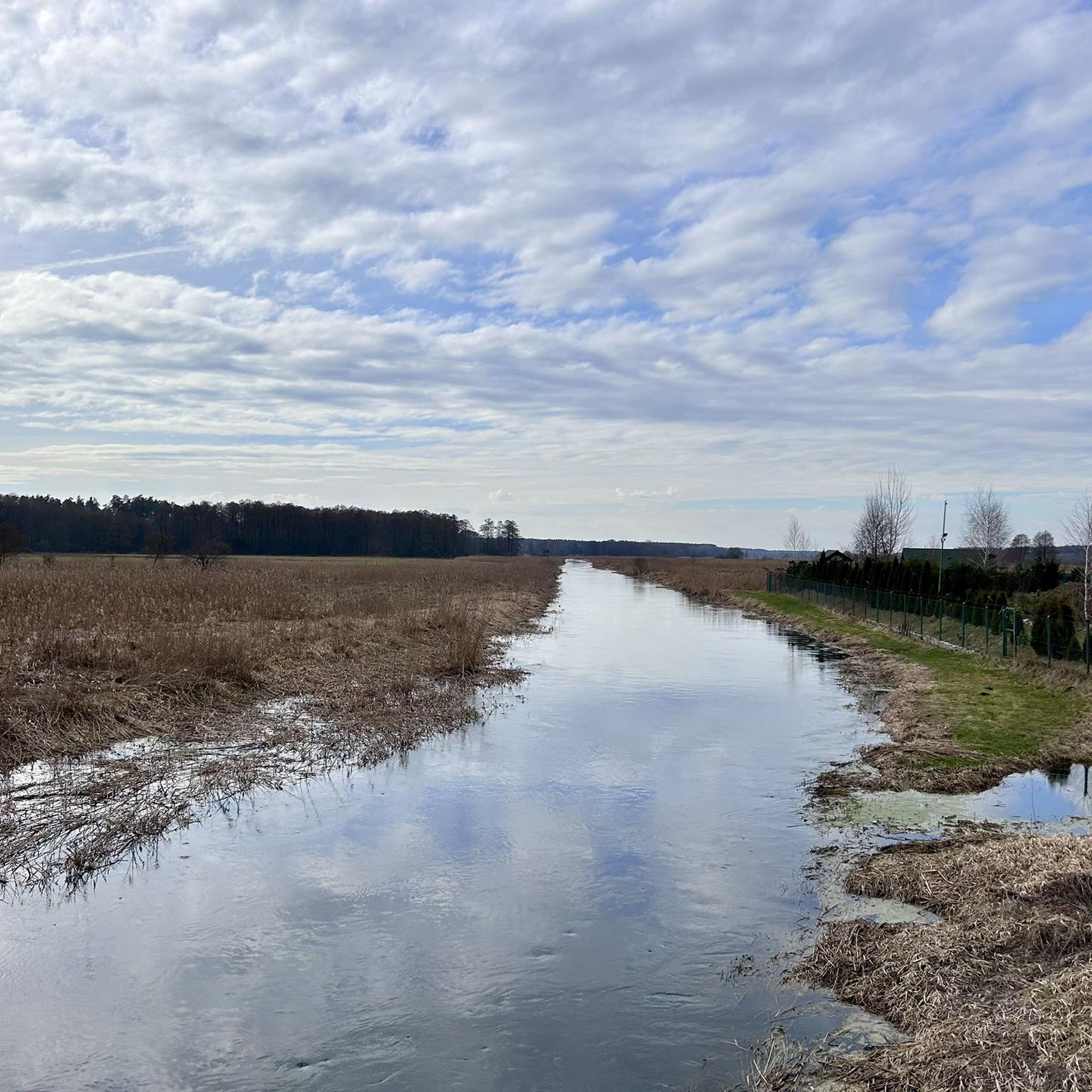
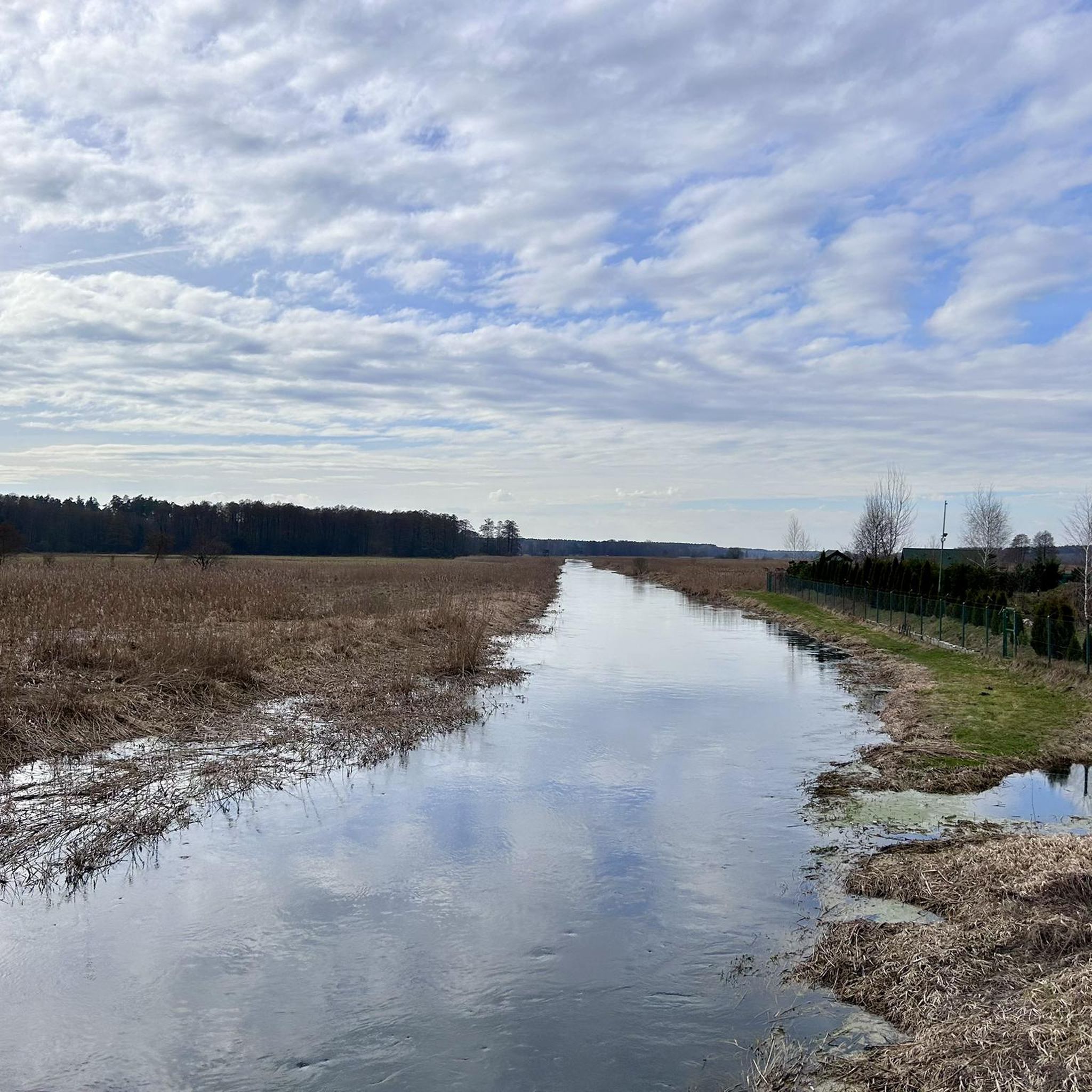
Steel Bridge over the River
Highlight • Bridge
Translated by Google •
Tip by
Podbielski Manor
Highlight • Historical Site
There is a historic granary nearby, which, unlike the manor house, is not fenced.
Translated by Google •
Tip by
Sign up for free to discover even more attractions around Kąkolewnica.
Sign up for free
Already have an account?
Start today with a free account
Your next adventure awaits.
Login or Signup


Tips from the Community

The renovation has been completed for a long time. It's beautiful 👍
0
0

During wetter seasons, access to the footbridge may be difficult. The road leads along a narrow, little-used path.
0
0
Designed by Jakub Fontana in the Rococo style. Located at the back of the Potocki Palace in the palace park complex. Currently, it houses the Radzyński Cultural Center.
0
0
The palace was built in the years 1685-1709, thoroughly rebuilt in the years 1750-1759. The main architects in particular periods were Augustyn Wincenty Locci and Jakub Fontana. Decorated in Baroque and Rococo style.
0
0
Building from the first half of the 19th century Nineteenth century. Renovated, now in private hands. The area is fenced and not available to visitors. There is a historic granary nearby, which, unlike the manor house, is not fenced.
1
0
Late Renaissance temple from 1641. It belongs to the Lublin type, which includes, among others, church from Kazimierz Dolny.
0
0
Frequently Asked Questions
What historical sites can I visit around Kąkolewnica?
The region offers several significant historical sites. You can explore the impressive Potocki Palace, known for its Baroque and Rococo architecture, or the Szlubowski Palace, a historical building from 1884. Other notable sites include the historic Dwór w Grabowcu (Manor House in Grabowiec) and Rządcówka, both recognized as monuments.
Are there any religious landmarks in the area?
Yes, Kąkolewnica and its surroundings feature several religious landmarks. The Holy Trinity Church, a Late Renaissance temple from 1641, is a significant example of the Lublin architectural type. You can also find the Church of Saint Philip Neri within Kąkolewnica and the Grota Matki Boskiej (Grotto of the Mother of God) in Brzozowica Duża.
What outdoor activities can I do near Kąkolewnica?
The area around Kąkolewnica is suitable for various outdoor activities, especially cycling and hiking. You can find several routes, such as easy cycling loops from Kąkolewnica itself or longer road cycling routes like 'The Trail of the Land of Lukow'. For hiking, there are easy trails like the 'Pałac Potockich loop from Osiedle Bulwary'. You can find more details on these routes in the cycling guide and easy hikes guide for the region.
Are there family-friendly attractions in Kąkolewnica?
Families might enjoy visiting the Orangery at the Potocki Palace in Radzyń Podlaski. Designed in the Rococo style, it's located within the palace park complex and currently houses the Radzyński Cultural Center, offering a pleasant cultural experience for all ages.
Where can I see interesting architecture?
Kąkolewnica is rich in architectural heritage. The Potocki Palace is a prime example, showcasing Baroque and Rococo styles. The Szlubowski Palace, built in 1884, is another significant architectural landmark listed in the register of monuments. Additionally, the Holy Trinity Church represents a distinct Late Renaissance style.
What natural features can I explore near Kąkolewnica?
While the region is primarily known for its historical sites, you can find natural elements like the Steel Bridge over the River, which offers views of the surrounding river and landscape. The Grota Matki Boskiej (Grotto of the Mother of God) in Brzozowica Duża also presents an interesting natural formation combined with cultural significance.
Are there any sites commemorating historical events?
Yes, the region holds sites of historical remembrance. You can visit the Pomnik bohatera Powstania Styczniowego (Monument to the January Uprising Hero) on Klinowa Street in Kąkolewnica, commemorating a significant event in Polish history. The Cmentarz wojenny w Grabowcu (War Cemetery in Grabowiec) is another poignant reminder of past conflicts. Additionally, Uroczysko Baran is a site with significant historical weight, remembering victims of post-WWII political violence.
What is the best time to visit Kąkolewnica for outdoor activities?
The best time to visit Kąkolewnica for outdoor activities like hiking and cycling is typically during the warmer months, from late spring to early autumn (May to September). During this period, the weather is generally pleasant for exploring historical sites and enjoying the natural surroundings.
Can I find cycling routes suitable for different skill levels?
Yes, the Kąkolewnica area offers cycling routes for various skill levels. You can find easy cycling loops, such as the 'Bike loop from Kąkolewnica', which are great for a relaxed ride. For more experienced cyclists, there are longer and more challenging road cycling routes like 'The Trail of the Land of Lukow'. Explore these options in the cycling guide and road cycling guide.
Are there any local events or traditions I can experience?
Kąkolewnica hosts various cultural events and traditions that offer a glimpse into local life. These include 'Srebrne i Złote Gody' (Silver and Golden Wedding Anniversaries), the 'Kąkolewisko' cabaret festival, and 'Pierogi' carnival meetings, which may feature traditional Polish dumplings. These events provide a unique local experience.
What is the significance of Uroczysko Baran?
Uroczysko Baran is a site of profound historical significance. It served as the location of communist killing fields between 1944 and 1945, where a large number of Polish underground soldiers and civilians were murdered. It is sometimes referred to as the 'Little Katyn' and stands as a solemn reminder of this tragic period in Polish history.
What kind of historical architecture can be seen at Potocki Palace?
The Potocki Palace is a magnificent example of Baroque and Rococo architecture. Originally built between 1685 and 1709, it underwent significant rebuilding from 1750 to 1759, with notable architects like Augustyn Wincenty Locci and Jakub Fontana contributing to its design. The palace's intricate decorations and grand scale are a testament to these styles.

Get inspired with the komoot mobile app


Explore more
Still not found the Highlight you’re looking for? See guides of the top attractions in other regions:
