Attractions and Places To See around gmina Adamów - Top 20
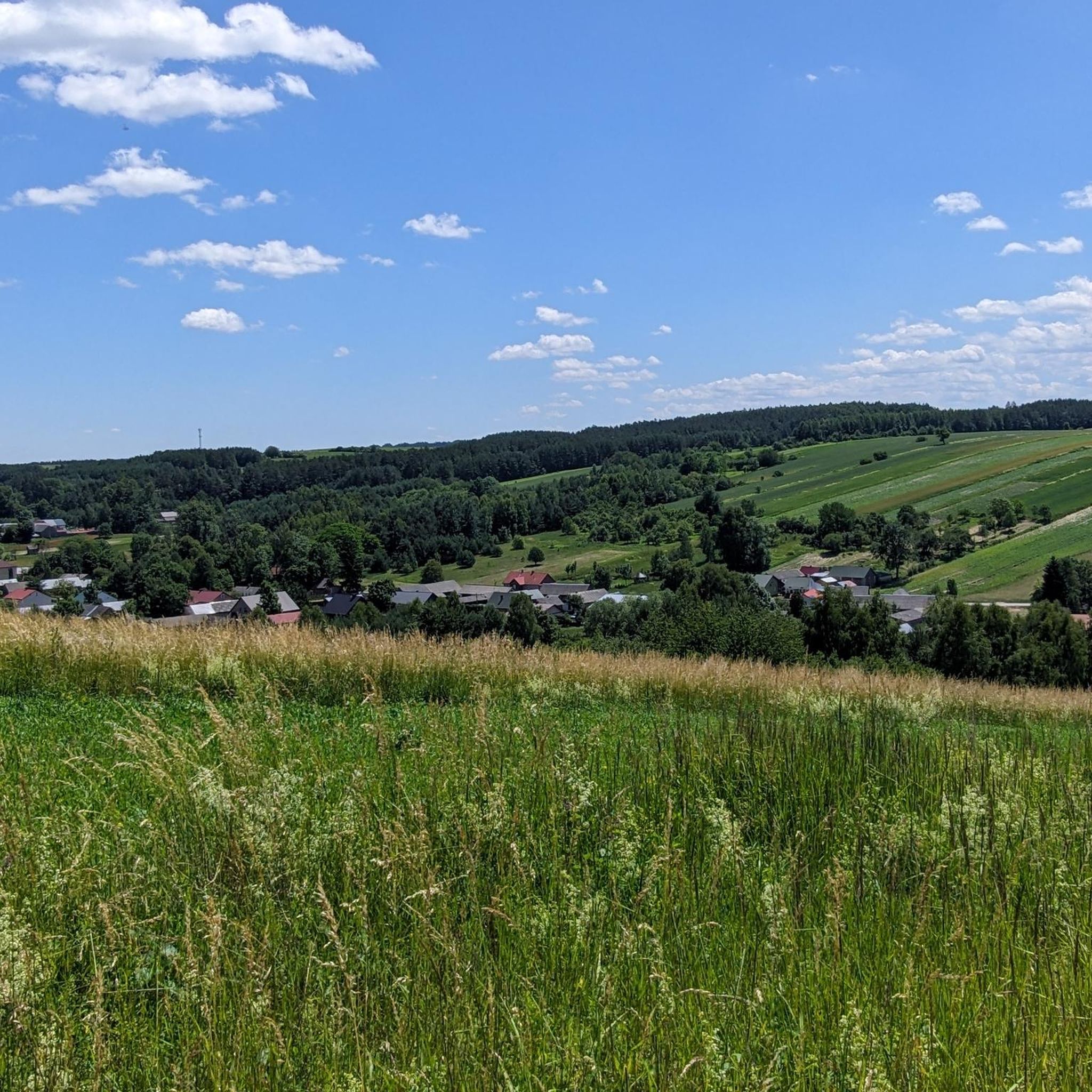
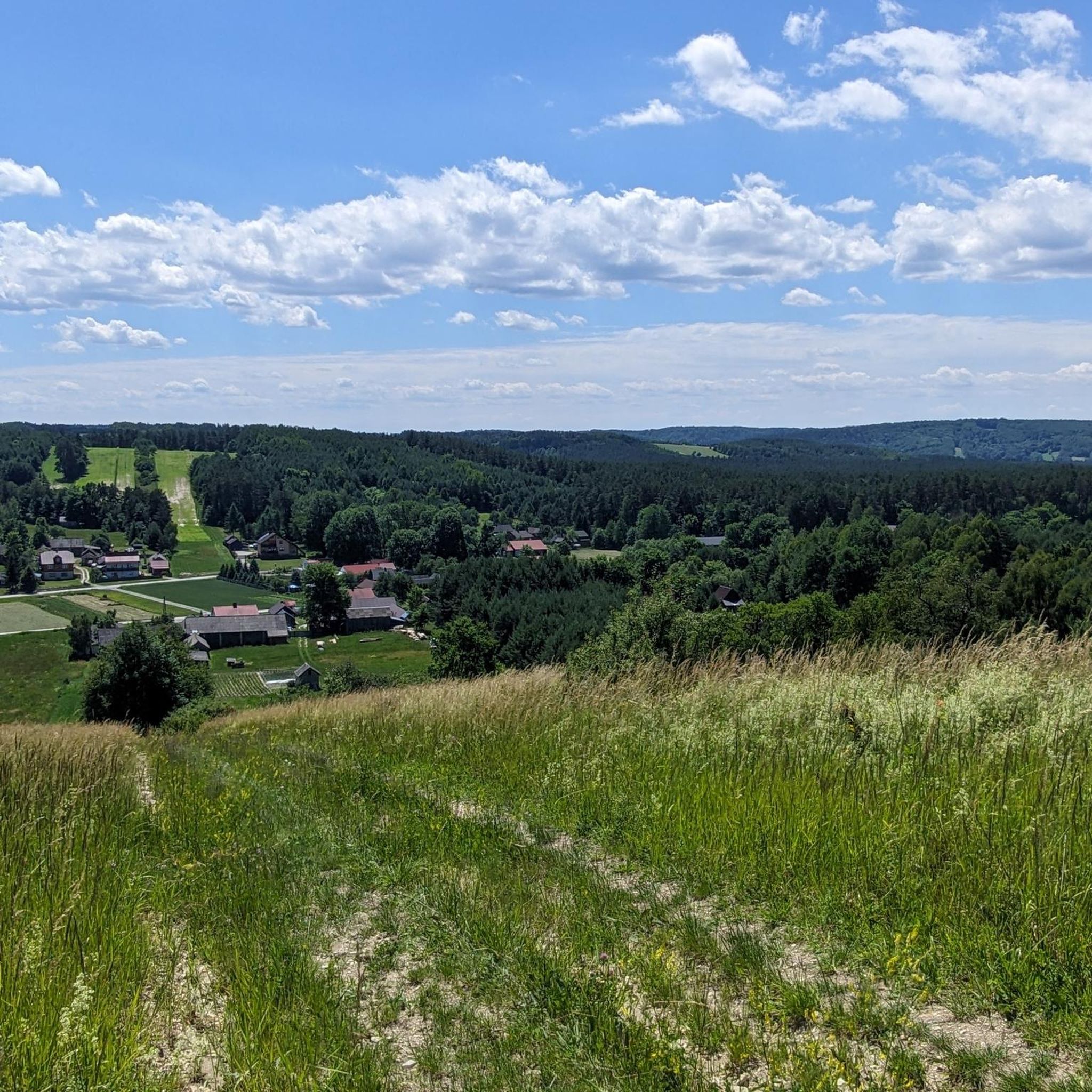
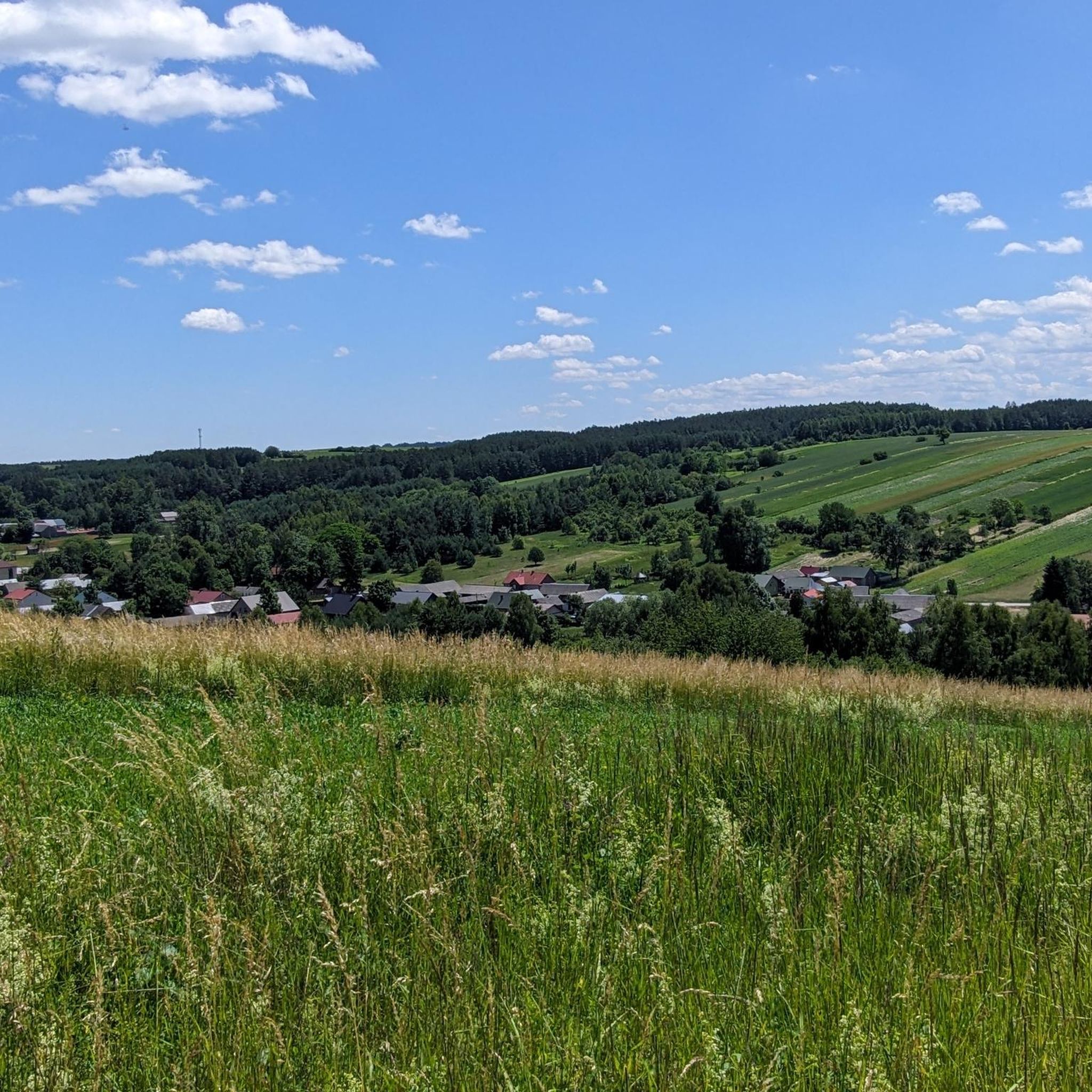
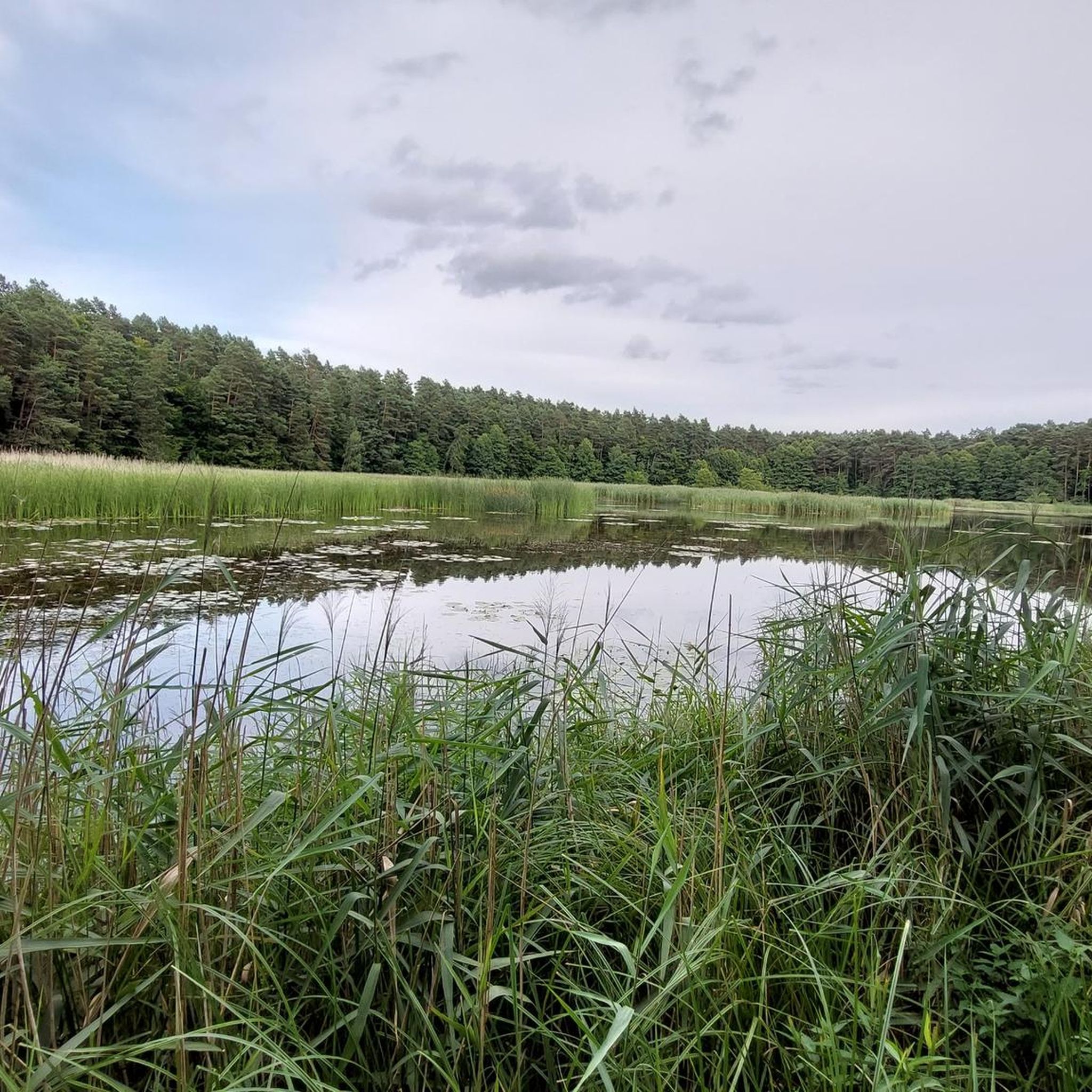
Best attractions and places to see around gmina Adamów are situated in a region known for its diverse landscapes and historical sites, primarily within the northern reaches of Central Roztocze. This area features significant natural environments, including parts of Roztoczański National Park and Krasnobrodzki Landscape Park. The terrain is characterized by picturesque views, river valleys, and extensive forest areas, offering a blend of natural beauty and cultural heritage.
Best attractions and places to see around gmina Adamów
- The most popular…
Last updated: July 1, 2026
Zwierzyniec Brewery
Highlight • Historical Site
Translated by Google •
Tip by

Cathedral of the Resurrection and St. Thomas the Apostle
Highlight • Religious Site
Tip by

Sign up now to discover places like this
Get recommendations on the best single tracks, peaks, & plenty of other exciting outdoor places.
Sign up for free
Zamoyski's Summer Residence in Zwierzyniec
Highlight • Historical Site
Translated by Google •
Tip by

Szczebrzeska Gate
Highlight • Historical Site
Translated by Google •
Tip by

Echo Ponds Beach
Highlight • Beach
Translated by Google •
Tip by

Sign up for free to discover even more attractions around gmina Adamów.
Sign up for free
Already have an account?
Start today with a free account
Your next adventure awaits.
Login or Signup
Tips from the Community

The former Szczebrzeska Gate (known as Floriańska Gate) was built at the beginning of the 17th century, when Zamość was being expanded, as one of the three gates at that time, located at the southern line of the city walls, on the road to the west (currently at Szczebrzeska Street).
0
0

In 1593, Jan Zamoyski purchased the Szczebrzeszyn estate. There, near the village of Rudka, in the valley of the Wieprz River and the Świerszcz Stream, in an area covered with forests, he decided to realize the Renaissance idea of a "villa." He built a wooden, larch palace where he hosted distinguished guests and relaxed with his family. Early on, Jan Zamoyski also brought to the area gentle animals such as red deer, roe deer, fallow deer, and wild horses, also known as tarpans. These animals gave rise to Zwierzyńczyk and later Zwierzyniec. The summer palace was demolished due to its age in the mid-19th century and stood in the center of Zwierzyniec between two brick outbuildings – where the Woodworking School is currently located. Opposite their summer residence, Tomasz Antoni Zamoyski and his wife, Teresa Michowska, built a palace-style church in thanksgiving to God for the birth of their long-awaited son, Klemens. The Church of St. John of Nepomuk remains a major tourist attraction in Roztocze National Park.
0
0
The Szczebrzeszyn Gate was built according to the design of Bernardo Morando in the years 1603-1605. The gate was placed in the curtain between bastions II and III, it opened towards the Szczebrzeszyn route, through a causeway running above the defensive water reservoir. The gate was rebuilt in the years 1821-1824, giving it the features of classicist architecture. In 1866, after the liquidation of the fortress, the passage was bricked up. At that time, it housed a prison and a guardhouse. After World War II, initially it housed a repatriation office and a radio station, and then in the 1950s and 1960s, the "Staromiejski" hotel. Until the 1990s, it housed a police station.
2
0
The Renaissance church in Zamość's Old Town was built in the late 16th century. It is located on the Lublin Renaissance Trail. The church was founded by the city's founder, Jan Zamoyski, and designed by the Italian architect Bernardo Morando, which is why it draws inspiration from Italian churches of the 15th and 16th centuries. Initially a collegiate church, Zamość fell under the Chełm bishopric. Only in 1992, when the Zamość-Lubaczów diocese was established, was it elevated to a cathedral. After the death of its architect, in the early 17th century, the interior decoration of this church was completed. The church was consecrated in 1637. Significant reconstruction was carried out only during the partition period, in 1824–1826, under the command of General J. Mallet-Malletski, who then directed the expansion and modernization of the Zamość fortress. During this period, the cathedral was lowered, and the façade, among other things, was altered, giving it a more classicist appearance. The inscriptions and coats of arms of the Zamoyski family disappeared, and some interior elements were removed. Further alterations and renovations, some of which resulted in extensive damage, were carried out in the second half of the 19th century and the first half of the 20th century.
0
0
The Renaissance church in Zamość's Old Town was built in the late 16th century. It is located on the Lublin Renaissance Trail. The church was founded by the city's founder, Jan Zamoyski, and designed by the Italian architect Bernardo Morando, which is why it draws on Italian churches of the 15th and 16th centuries. Initially a collegiate church, Zamość fell under the Chełm bishopric. Only in 1992, when the Zamość-Lubaczów diocese was established, was it elevated to a cathedral. After the death of its architect, in the early 17th century, the interior decoration of this church was completed. The church was consecrated in 1637. Significant reconstruction was carried out only during the partition period, in 1824–1826, under the command of General J. Mallet-Malletski, who then directed the expansion and modernization of the Zamość fortress. During this period, the cathedral was lowered, and the façade, among other things, was altered, giving it a more classicist appearance. The inscriptions and coats of arms of the Zamoyski family disappeared, and some interior elements were removed. Further alterations and renovations, some of which resulted in extensive damage, were carried out in the second half of the 19th century and the first half of the 20th century.
1
0
The Zwierzyniec Brewery is a historic brewery from the early 19th century located in Zwierzyniec. The owner of the plant is the State Treasury, and the lessee – Perła – Browary Lubelskie. The brewery in Zwierzyniec was founded as part of the Zamoyski Family Fee Tariff by Stanisław Kostka Zamoyski at the beginning of the 19th century. The first buildings, which included a single-storey brewing plant, cellars, warehouses, a cooperage and a coach house, were built in 1805–1806 on the site of the former Zamoyski residence. The masonry work was supervised by master Grzegorz Szostakiewicz, and the Scottish brewer John McDonald was responsible for starting beer production. In 1806–1810, English porter-type beer was brewed there. In 1810, the brewery burned down. However, it was quickly rebuilt from the destruction. In 1834–1836, it was expanded and modernized. At that time, it was equipped with a steam engine, and a mill for grinding malt was set up in the new wing. From the 1840s, the plant was leased by the Zamość Estate. In the years 1866–1878, it suspended operations. Most of its equipment was sold. In 1878, after another expansion and the purchase of new equipment, it was reopened.
0
0

The brewery is open to visitors, and you can also grab a tasting ;)
0
0

Frequently Asked Questions
What outdoor activities can I enjoy in Gmina Adamów?
Gmina Adamów offers a variety of outdoor activities, especially for those who enjoy nature and trails. You can find extensive networks for hiking, cycling, and Nordic walking. For instance, the gravel biking routes include options like the "Florian Oak – Polish ponies loop from Zwierzyniec." If you prefer walking, there are easy hiking trails such as the "Krasnobród Reservoir loop from Krasnobród," and more challenging hiking options like the "Pętla Kamieniołom - Zalew w Krasnobrodzie - Rezerwat Święty Roch" in Krasnobrodzki Landscape Park. The Gułowski Forest also features over 50 km of marked trails for various activities.
Are there family-friendly attractions in Gmina Adamów?
Yes, Gmina Adamów has several attractions suitable for families. The Zwierzyniec Brewery is a historical site that welcomes visitors and offers beer tastings, which can be an interesting experience for older family members. Other family-friendly spots include the Cathedral of the Resurrection and St. Thomas the Apostle and the Szczebrzeska Gate, both offering historical insights. The Zamoyski's Summer Residence in Zwierzyniec is now a health resort with bike rentals, perfect for an active family outing. Additionally, the Church of Saint Stanislaus the Bishop and Martyr in Górecko Kościelne is a beautiful, serene location for a family visit.
What natural landscapes and parks can I explore in the region?
The Gmina Adamów area is rich in natural beauty. A significant portion of the western part of Gmina Adamów (Zamość County) falls within the Roztoczański National Park, known for its biodiversity. The southern edges are part of the Krasnobrodzki Landscape Park. You can also visit the Debry Nature Reserve, which protects old-growth beech-fir forests and rare mountain plant species. The Wieprz and Jacynka Rivers are noted for their clean waters, attracting anglers, and the Gułowski Forest offers charming natural complexes with marked trails.
Are there any historical or cultural sites to visit?
Gmina Adamów boasts a rich history reflected in its cultural sites. In Zamość County, you can explore the Zwierzyniec Brewery, a historic site from the early 19th century, and the Cathedral of the Resurrection and St. Thomas the Apostle, a Renaissance church in Zamość's Old Town. The Szczebrzeska Gate, one of Zamość's original city gates, is also a notable landmark. Other sites include the Museum of the History of the World Association of Home Army Soldiers in Bondyrz, the Sanctuary of Our Lady in Wola Gułowska, and the Cultural Center - Monument to the Kleeberg Soldiers' Deed. In Łuków County, you'll find the Church of the Exaltation of the Holy Cross and a preserved 19th-century Historic Inn Building in Adamów.
What are some unique historical landmarks in the area?
Beyond the main attractions, Gmina Adamów offers several unique historical landmarks. The Zamoyski's Summer Residence in Zwierzyniec, once a palace, is now a health resort with a brewery. The Historic Water Mill in Bondyrz dates back to the early 20th century. The Jewish Cemetery (Kirkut) in Adamów (Zamość County) serves as a poignant memorial to WWII victims. In Wola Gułowska, the Sanctuary of Our Lady, Patroness of September Soldiers, and Baroque Carmelite Monastery has a legend of an apparition from 1549, complete with catacombs and a miraculous spring.
Are there any religious sites of significance?
Yes, the region has several important religious sites. The Cathedral of the Resurrection and St. Thomas the Apostle in Zamość is a significant Renaissance church. The Church of Saint Stanislaus the Bishop and Martyr in Górecko Kościelne has a history dating back to the 17th century and holds authentic relics of St. Stanislaus. In Adamów (Zamość County), you can visit the 19th-century Church of the Exaltation of the Holy Cross. The Sanctuary of Our Lady, Patroness of September Soldiers, and Baroque Carmelite Monastery in Wola Gułowska is also a notable pilgrimage site with a miraculous spring.
What kind of trails are available for cycling?
Gmina Adamów is well-suited for cycling enthusiasts. The region offers extensive trail networks, including over 50 km of marked trails in the Gułowski Forest and nearly 40 km of marked cycling trails in Gmina Adamów (Łuków County). The Szlaki Ziemi Łukowskiej (Łuków Land Trails) also provide marked cycling routes. For those interested in gravel biking, komoot offers several routes, such as the "Florian Oak – Polish ponies loop from Zwierzyniec" and the "Echo Ponds Beach – Polish ponies loop from Jacnia," which you can explore via the Gravel biking around gmina Adamów guide.
Can I find easy hiking trails in Gmina Adamów?
Absolutely. For those seeking less strenuous walks, Gmina Adamów offers a selection of easy hiking trails. The Easy hikes around gmina Adamów guide features routes like the "Krasnobród Reservoir loop from Krasnobród" and the "Krasnobród Reservoir – St. Roch Chapel loop from gmina Krasnobród," which are perfect for a leisurely stroll. The Gułowski Forest also contains many accessible trails suitable for beginners and families.
What are the best places for scenic views?
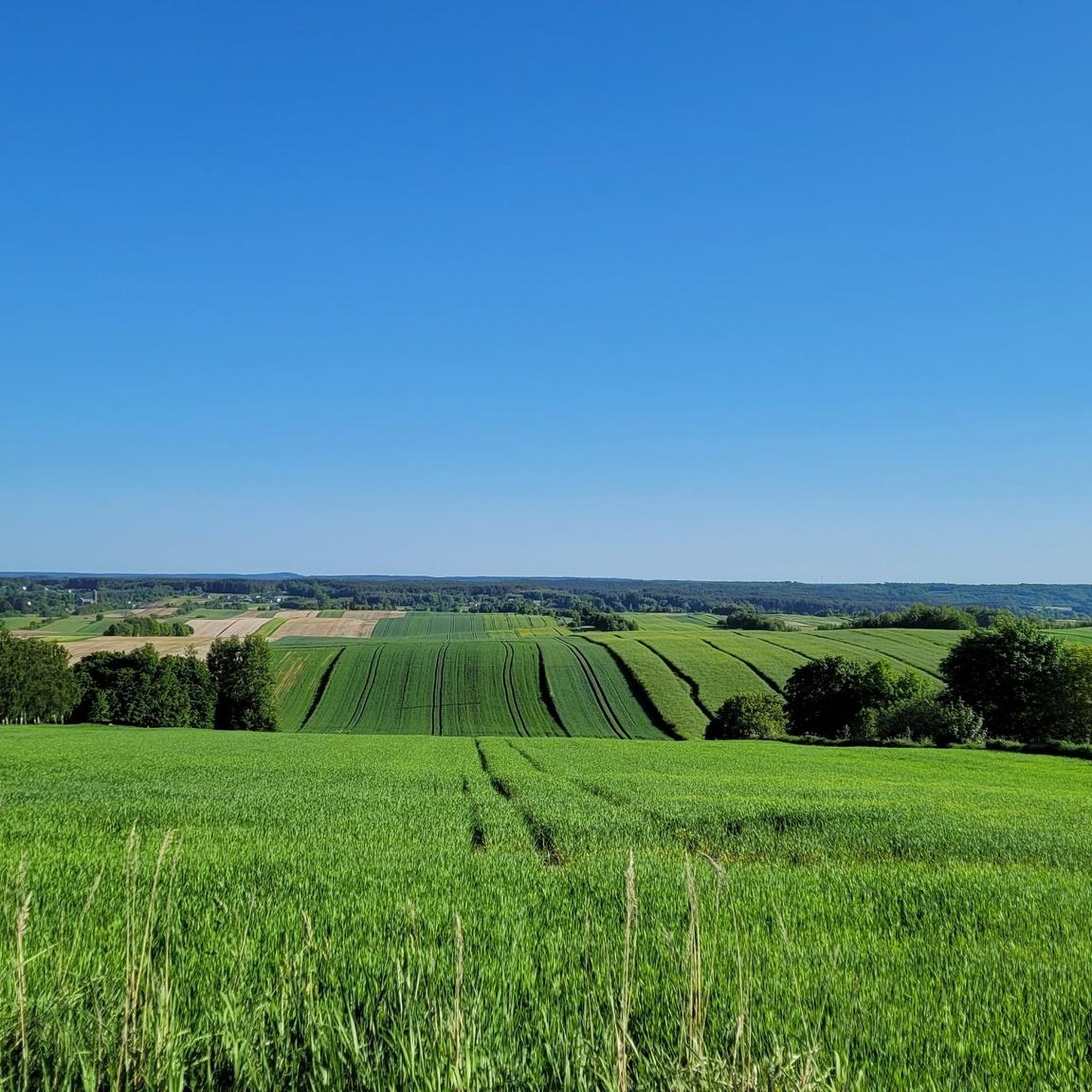
The region offers several spots for picturesque views. In Gmina Adamów (Zamość County), you can find viewpoints at altitudes exceeding 300 meters above sea level, providing scenic panoramas of the varied landscape, including parts of Roztoczański National Park and Krasnobrodzki Landscape Park. The Gułowski Forest also presents charming natural complexes with beautiful vistas along its trails.
Are there any annual events or festivals in Gmina Adamów?
Yes, Gmina Adamów (Łuków County) hosts an annual "Gminne Święto Plonów" (Communal Harvest Festival) in late August or early September. This event celebrates local traditions with folk music, harvest wreaths, and performances by local folk groups like "Adamowiacy" and "Roztoczańskie Echo." It's a great opportunity to experience the local culture and community spirit.
What kind of rivers are in the area and are they suitable for fishing?
In Gmina Adamów (Zamość County), the southern part is traversed by the Wieprz River valley, with the Jacynka River flowing into it. These rivers are noted for their clean waters and are home to trout and grayling, making them attractive for anglers. In Gmina Adamów (Łuków County), the Grabówka and Czarna rivers flow through the area, contributing to the predominantly agricultural and forested landscape.
Where can I learn about the region's wartime history?
To delve into the region's wartime history, particularly concerning World War II, you can visit the Museum of the History of the World Association of Home Army Soldiers in Bondyrz. This unique museum commemorates the extensive partisan activity in the Gmina Adamów area. Additionally, the Cultural Center - Monument to the Kleeberg Soldiers' Deed in Wola Gułowska, established on the 50th anniversary of the battle of Wola Gułowska, houses the Museum of the Kleeberg Soldiers' Deed, offering insights into the last battle of the September 1939 campaign.
Most popular routes around gmina Adamów
Most popular attractions around gmina Adamów

Get inspired with the komoot mobile app


Explore more
Still not found the Highlight you’re looking for? See guides of the top attractions in other regions:
