The best road cycling routes around gmina Komarów-Osada
4.7
(4)
33
riders
4
rides
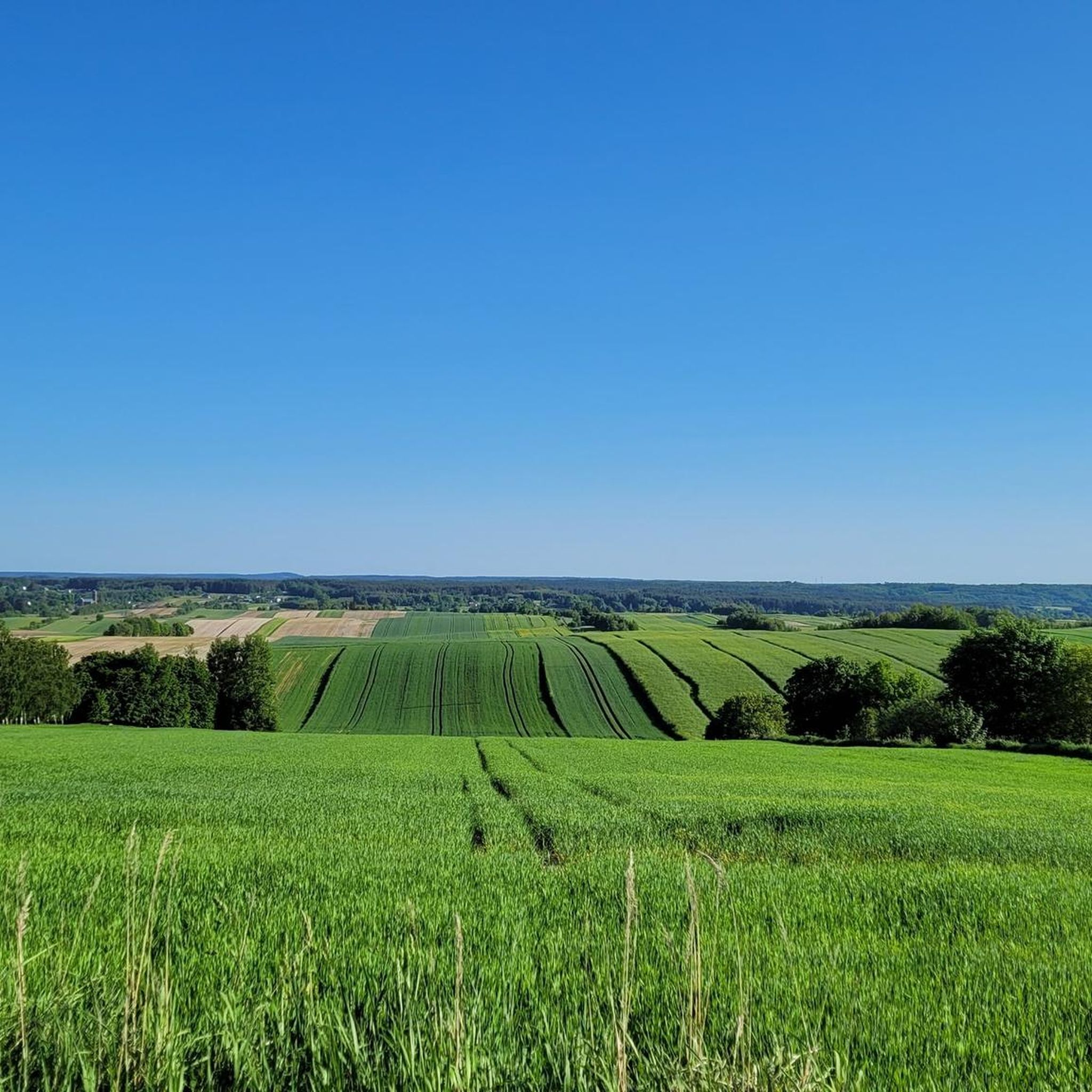
Road cycling routes around gmina Komarów-Osada traverse a varied landscape in Poland's Lublin Voivodeship. The region includes the Sokal Ridge, characterized by hilly and undulating terrain with loess ridges and ravines, offering challenging climbs and descents. In contrast, the Hrubieszów Basin and Zamość Dale present flatter to gently rolling landscapes with minimal inclines, suitable for less strenuous rides. Small forest areas near Dub, Śniatycze, and Wolica Śniatycka provide scenic sections along many routes.
Best road cycling routes around gmina Komarów-Osada
…Last updated: July 4, 2026
5.0
(1)
16
riders
25.9km
01:09
280m
280m
Easy road ride. Great for any fitness level. Mostly well-paved surfaces and easy to ride.
4.0
(2)
9
riders
40.1km
01:45
170m
170m
Moderate road ride. Great for any fitness level. Some segments of this route may be unpaved and difficult to ride.

Sign up for free
5.0
(1)
3
riders
63.7km
03:01
440m
440m
Moderate road ride. Good fitness required. Some segments of this route may be unpaved and difficult to ride.
3
riders
66.9km
02:52
400m
400m
Moderate road ride. Good fitness required. Mostly well-paved surfaces and easy to ride.
2
riders
43.4km
02:23
500m
500m
Moderate road ride. Good fitness required. Some segments of this route may be unpaved and difficult to ride.
Our route recommendations are based on thousands of hikes, rides, and runs completed by other people on komoot.
Start today with a free account
Your next adventure awaits.
Login or Signup
Popular around gmina Komarów-Osada
Tips from the Community

A collective cemetery from World War I, commemorating those who died in the battles of Tomaszów Lubelski in 1914-1915.
0
0

Start and Finish of the Run Around the Zamość Fortress
0
0

The Renaissance church in Zamość's Old Town was built in the late 16th century. It is located on the Lublin Renaissance Trail. The church was founded by the city's founder, Jan Zamoyski, and designed by the Italian architect Bernardo Morando, which is why it draws inspiration from Italian churches of the 15th and 16th centuries. Initially a collegiate church, Zamość fell under the Chełm bishopric. Only in 1992, when the Zamość-Lubaczów diocese was established, was it elevated to a cathedral. After the death of its architect, in the early 17th century, the interior decoration of this church was completed. The church was consecrated in 1637. Significant reconstruction was carried out only during the partition period, in 1824–1826, under the command of General J. Mallet-Malletski, who then directed the expansion and modernization of the Zamość fortress. During this period, the cathedral was lowered, and the façade, among other things, was altered, giving it a more classicist appearance. The inscriptions and coats of arms of the Zamoyski family disappeared, and some interior elements were removed. Further alterations and renovations, some of which resulted in extensive damage, were carried out in the second half of the 19th century and the first half of the 20th century.
0
0
The Renaissance church in Zamość's Old Town was built in the late 16th century. It is located on the Lublin Renaissance Trail. The church was founded by the city's founder, Jan Zamoyski, and designed by the Italian architect Bernardo Morando, which is why it draws on Italian churches of the 15th and 16th centuries. Initially a collegiate church, Zamość fell under the Chełm bishopric. Only in 1992, when the Zamość-Lubaczów diocese was established, was it elevated to a cathedral. After the death of its architect, in the early 17th century, the interior decoration of this church was completed. The church was consecrated in 1637. Significant reconstruction was carried out only during the partition period, in 1824–1826, under the command of General J. Mallet-Malletski, who then directed the expansion and modernization of the Zamość fortress. During this period, the cathedral was lowered, and the façade, among other things, was altered, giving it a more classicist appearance. The inscriptions and coats of arms of the Zamoyski family disappeared, and some interior elements were removed. Further alterations and renovations, some of which resulted in extensive damage, were carried out in the second half of the 19th century and the first half of the 20th century.
1
0
The Jan Zamoyski Monument is located in the Old Town of Zamość, opposite the Zamoyski Palace on Akademicka Street. The monument was designed by a Krakow sculptor, professor at the Academy of Fine Arts in Krakow, Marian Koniecznyο, creator of the Monument to the Heroes of Warsaw, among others. The monument was unveiled on September 17, 2005, on the 400th anniversary of Jan Zamoyski's death. The monument is 10 meters high in total and cost 600 thousand złoty.
0
0

The cathedral was built at the end of the 16th century according to the design of Bernardo Morando, setting the standards of the "Lublin Renaissance"
4
0

The place where Jan Zamoyski is buried.
1
0
Former residence of the Zamoyski family. The building has undergone many stages of reconstruction, which is why it is no longer as impressive as it used to be.
0
0
Frequently Asked Questions
What kind of terrain can I expect on road cycling routes in gmina Komarów-Osada?
Gmina Komarów-Osada offers a varied landscape for road cyclists. You'll find the hilly and undulating terrain of the Sokal Ridge, featuring loess ridges and ravines that provide engaging climbs and descents. In contrast, the Hrubieszów Basin and Zamość Dale offer flatter to gently rolling landscapes with minimal inclines, perfect for less strenuous rides. The region is often likened to "Polish Tuscany" due to its gentle hills and unspoiled nature.
Are there routes suitable for beginners or less experienced road cyclists?
Yes, gmina Komarów-Osada has options for all skill levels. For an easy and relaxed ride, consider the Roadbike loop from Wierzbie. This 25.9 km (16.1 miles) route takes approximately 1 hour 9 minutes to complete, offering a pleasant introduction to the local countryside.
Are there challenging road cycling routes for experienced riders?
While the guide primarily lists moderate routes, the undulating terrain of the Sokal Ridge provides engaging climbs. Routes like the Jan Zamoyski Monument loop from Zamość Wschód, at 63.7 km (39.6 miles) with significant elevation gain, offer a good challenge. The broader Roztocze region, which gmina Komarów-Osada is part of, is known for its varied topography, allowing for longer and more demanding rides.
What natural features will I encounter along the cycling routes?
Cycling routes in gmina Komarów-Osada often lead through picturesque forests and along scenic river valleys, providing shaded paths and beautiful views. Small forest areas near Dub, Śniatycze, and Wolica Śniatycka are common. The wider Roztocze region is known for its landscape parks, preserving diverse flora and fauna, and is part of the "Green Lungs of Poland" due to its pristine natural environment.
Are there any historical or cultural landmarks to see while cycling?
Yes, the cycling trails often connect towns and villages rich in history. The prominent Central Roztocze Cycling Trail, which traverses the region, allows cyclists to visit cultural and historical sites showcasing Roman Catholic, Greek Catholic, and Jewish heritage. Towns like Szczebrzeszyn, Zwierzyniec, Józefów, and Susiec feature wooden churches, reserves, and architectural monuments. For longer rides, nearby Zamość offers attractions like the Great Market Square and Zamość Zoo.
Are there scenic viewpoints along the road cycling routes?
The undulating landscape, particularly in the Sokal Ridge area, means that climbs are often rewarded with beautiful panoramic views of the surrounding countryside. The region's unspoiled nature and gentle hills, earning it the nickname "Polish Tuscany," ensure plenty of scenic vistas along the routes.
What is the best time of year for road cycling in gmina Komarów-Osada?
The Roztocze region, including gmina Komarów-Osada, is generally pleasant for cycling from spring through early autumn. During warmer weather, the routes leading through extensive forest areas and along river valleys offer welcome shade. Always check local weather forecasts before heading out.
Is there parking available for cyclists in gmina Komarów-Osada?
While specific parking areas for cyclists in gmina Komarów-Osada are not detailed, towns and villages along the routes, especially those serving as starting points for popular trails, typically offer public parking facilities. It's advisable to check parking availability in specific starting locations like Wierzbie or Zamość Wschód.
How can I access the cycling routes using public transport?
The Central Roztocze Cycling Trail, a major route in the region, is well-connected by train, with access points in towns like Kraśnik and Hrebenne. From these larger hubs, you can often connect to smaller towns and villages within gmina Komarów-Osada via local bus services or cycle directly to the starting points of routes.
Are there options for food and accommodation along the routes?
Yes, the Roztocze region is well-equipped to welcome cyclists. Along the Central Roztocze Cycling Trail and in the surrounding areas, you'll find various accommodations, including agritourism farms, guesthouses, and hotels. Many towns and villages also offer cafes and pubs where you can refuel during your ride.
Are there loop routes available for road cyclists?
Yes, several loop routes are available. For example, the Roadbike loop from Wierzbie is an easy option, and the Chapel on the water – Krasnobród Lake loop from gmina Tarnawatka offers a moderate ride around a scenic lake.
What do other road cyclists say about the routes in gmina Komarów-Osada?
The road cycling routes around gmina Komarów-Osada are highly rated by the komoot community, with an average score of 4.5 stars from over 3 reviews. Cyclists often praise the varied terrain, from undulating hills to flatter sections, and the scenic beauty of the forests and river valleys.
Most popular routes around gmina Komarów-Osada

Get inspired with the komoot mobile app


Explore more
Browse the best Road cycling routes in other regions.
