Attractions and Places To See around Nielisz - Top 20
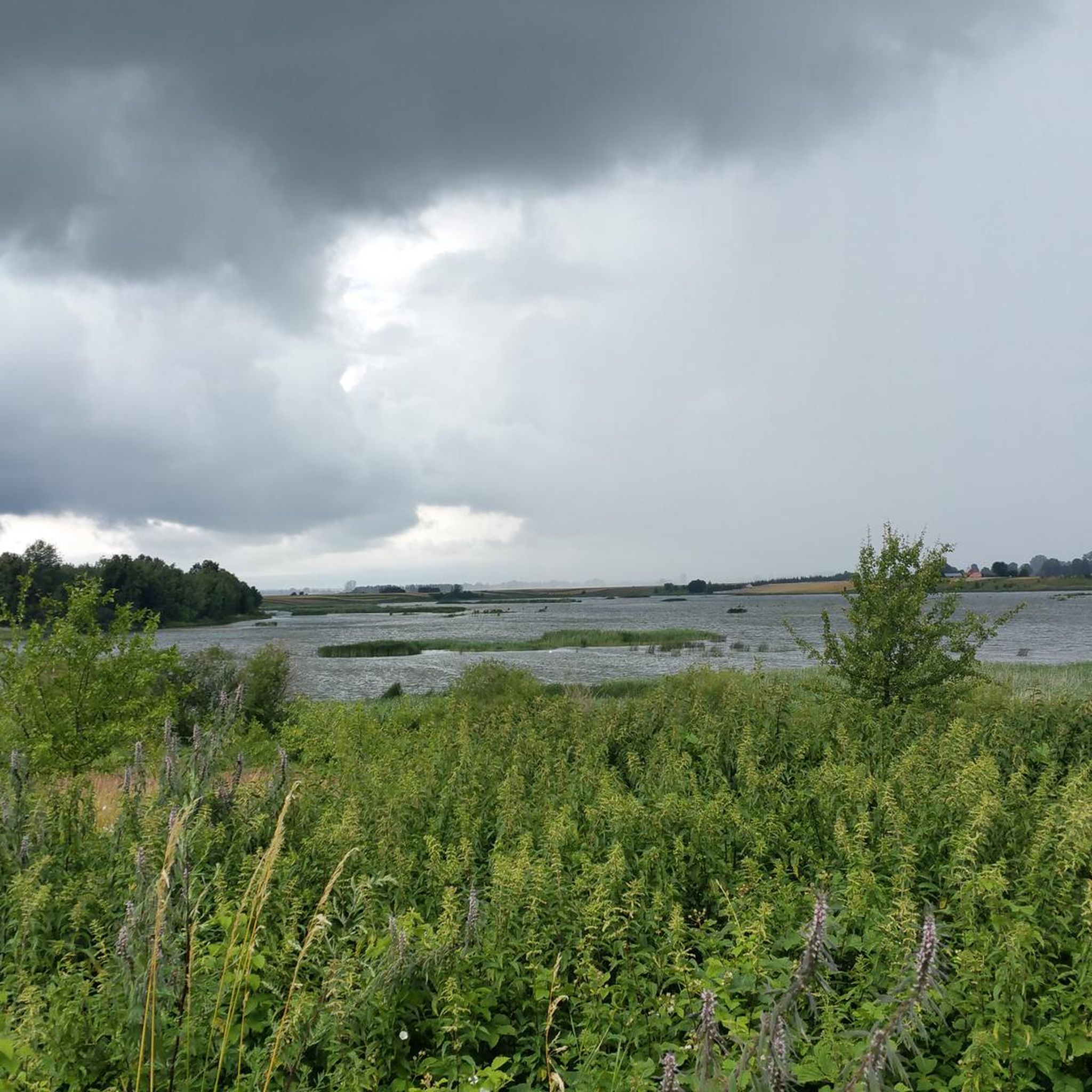
Best attractions and places to see around Nielisz include a variety of historical sites and natural features. The region is known for its expansive reservoir, Zalew Nielisz, which is one of the largest artificial reservoirs in Poland. Nielisz also features historical churches and manor houses, alongside designated cycling routes. These elements combine to offer diverse experiences for visitors.
Best attractions and places to see around Nielisz
- The most popular attractions is Cathedral of the Resurrection and St. Thomas the Apostle…
Last updated: May 20, 2026
Cathedral of the Resurrection and St. Thomas the Apostle
Highlight • Religious Site
Tip by

Szczebrzeska Gate
Highlight • Historical Site
Translated by Google •
Tip by

Sign up now to discover places like this
Get recommendations on the best single tracks, peaks, & plenty of other exciting outdoor places.
Sign up for free
Dormition of the Most Holy Mother of God Orthodox Church in Szczebrzeszyn
Highlight • Religious Site
Translated by Google •
Tip by

Szczebrzeszyn Water Mill
Highlight • Monument
Translated by Google •
Tip by

Jan Zamoyski Monument
Highlight • Monument
Translated by Google •
Tip by

Sign up for free to discover even more attractions around Nielisz.
Sign up for free
Already have an account?
Start today with a free account
Your next adventure awaits.
Login or Signup

Tips from the Community

The former Szczebrzeska Gate (known as Floriańska Gate) was built at the beginning of the 17th century, when Zamość was being expanded, as one of the three gates at that time, located at the southern line of the city walls, on the road to the west (currently at Szczebrzeska Street).
0
0

The Church of the Dormition of the Most Holy Mother of God in Szczebrzeszyn is a unique religious monument – the oldest building belonging to the Polish Autocephalous Orthodox Church. The temple has a turbulent history: from a Catholic church, through a Calvinist congregation, a Uniate church, to an Orthodox church. After years of abandonment, it was restored, and during the works, 17th-century wall paintings were uncovered and the iconostasis was recreated. The church on Sądowa Street is worth visiting, especially if you are interested in the history of religious denominations and architecture.
3
0

The Szczebrzeszyn Gate was built according to the design of Bernardo Morando in the years 1603-1605. The gate was placed in the curtain between bastions II and III, it opened towards the Szczebrzeszyn route, through a causeway running above the defensive water reservoir. The gate was rebuilt in the years 1821-1824, giving it the features of classicist architecture. In 1866, after the liquidation of the fortress, the passage was bricked up. At that time, it housed a prison and a guardhouse. After World War II, initially it housed a repatriation office and a radio station, and then in the 1950s and 1960s, the "Staromiejski" hotel. Until the 1990s, it housed a police station.
2
0
The Renaissance church in Zamość's Old Town was built in the late 16th century. It is located on the Lublin Renaissance Trail. The church was founded by the city's founder, Jan Zamoyski, and designed by the Italian architect Bernardo Morando, which is why it draws inspiration from Italian churches of the 15th and 16th centuries. Initially a collegiate church, Zamość fell under the Chełm bishopric. Only in 1992, when the Zamość-Lubaczów diocese was established, was it elevated to a cathedral. After the death of its architect, in the early 17th century, the interior decoration of this church was completed. The church was consecrated in 1637. Significant reconstruction was carried out only during the partition period, in 1824–1826, under the command of General J. Mallet-Malletski, who then directed the expansion and modernization of the Zamość fortress. During this period, the cathedral was lowered, and the façade, among other things, was altered, giving it a more classicist appearance. The inscriptions and coats of arms of the Zamoyski family disappeared, and some interior elements were removed. Further alterations and renovations, some of which resulted in extensive damage, were carried out in the second half of the 19th century and the first half of the 20th century.
0
0
The Renaissance church in Zamość's Old Town was built in the late 16th century. It is located on the Lublin Renaissance Trail. The church was founded by the city's founder, Jan Zamoyski, and designed by the Italian architect Bernardo Morando, which is why it draws on Italian churches of the 15th and 16th centuries. Initially a collegiate church, Zamość fell under the Chełm bishopric. Only in 1992, when the Zamość-Lubaczów diocese was established, was it elevated to a cathedral. After the death of its architect, in the early 17th century, the interior decoration of this church was completed. The church was consecrated in 1637. Significant reconstruction was carried out only during the partition period, in 1824–1826, under the command of General J. Mallet-Malletski, who then directed the expansion and modernization of the Zamość fortress. During this period, the cathedral was lowered, and the façade, among other things, was altered, giving it a more classicist appearance. The inscriptions and coats of arms of the Zamoyski family disappeared, and some interior elements were removed. Further alterations and renovations, some of which resulted in extensive damage, were carried out in the second half of the 19th century and the first half of the 20th century.
1
0
The Jan Zamoyski Monument is located in the Old Town of Zamość, opposite the Zamoyski Palace on Akademicka Street. The monument was designed by a Krakow sculptor, professor at the Academy of Fine Arts in Krakow, Marian Koniecznyο, creator of the Monument to the Heroes of Warsaw, among others. The monument was unveiled on September 17, 2005, on the 400th anniversary of Jan Zamoyski's death. The monument is 10 meters high in total and cost 600 thousand złoty.
0
0

The cathedral was built at the end of the 16th century according to the design of Bernardo Morando, setting the standards of the "Lublin Renaissance"
4
0

The great water mill was built in Szczebrzeszyn at the beginning of the 20th century, at the behest of the Ordinate, Count Maurycy Zamoyski. The mill is three-storey, built of local white stone, with red brick inserts. It stands to this day on Klukowskiego Street, opposite the beetle monument. The mill building was originally intended for a grain and flour warehouse and for the millers' residence. After World War I, the mill was purchased from the Ordinance by Jan Pereta and Eligiusz Drożdżyk - residents of Szczebrzeszyn. The Szczebrzeszyn mill, powered by water, was the largest in the Lublin province in terms of grain milling in the interwar period and one of the largest in Poland. At that time, the mill produced many types of high-quality flour. At the beginning of the 20th century, the water mill provided electricity at night to light the city, but at the end of the 1930s Szczebrzeszyn was connected to the power grid and the mill has been powered by electricity since then. Over time, the mill and the lock were destroyed and in 1978 the mill stopped working, there were even plans to set up a hotel there. Over time, the old equipment was scrapped and the building fell into disrepair, but in 1983 the mill was bought by milling specialist Mieczysław Dubiel and new equipment and devices were installed here. The restored mill resumed operation in 1985. The elevations have retained their original architecture, thanks to which the buildings constitute an original and characteristic monument of Szczebrzeszyn.
0
0
Frequently Asked Questions
What natural attractions can I explore around Nielisz?
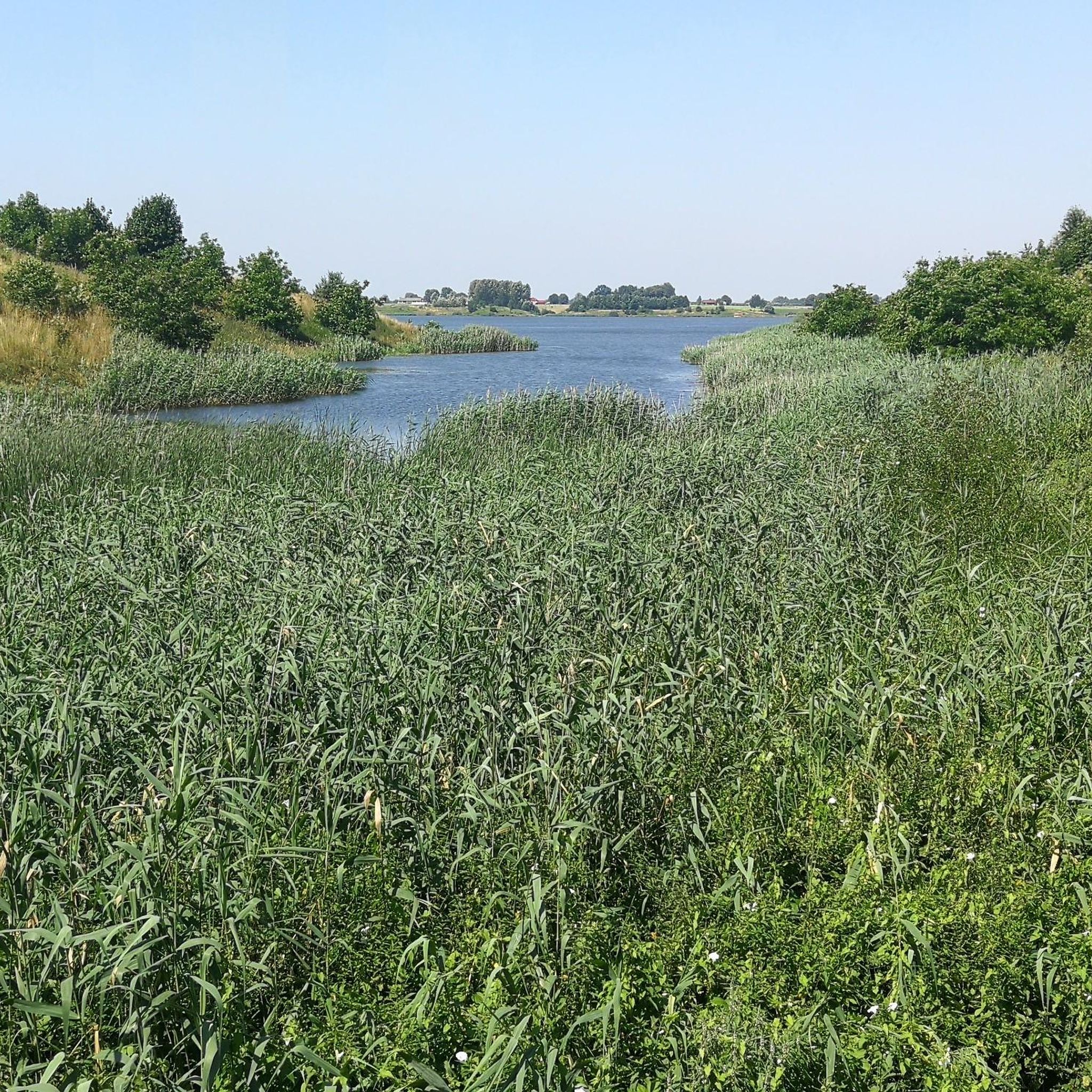
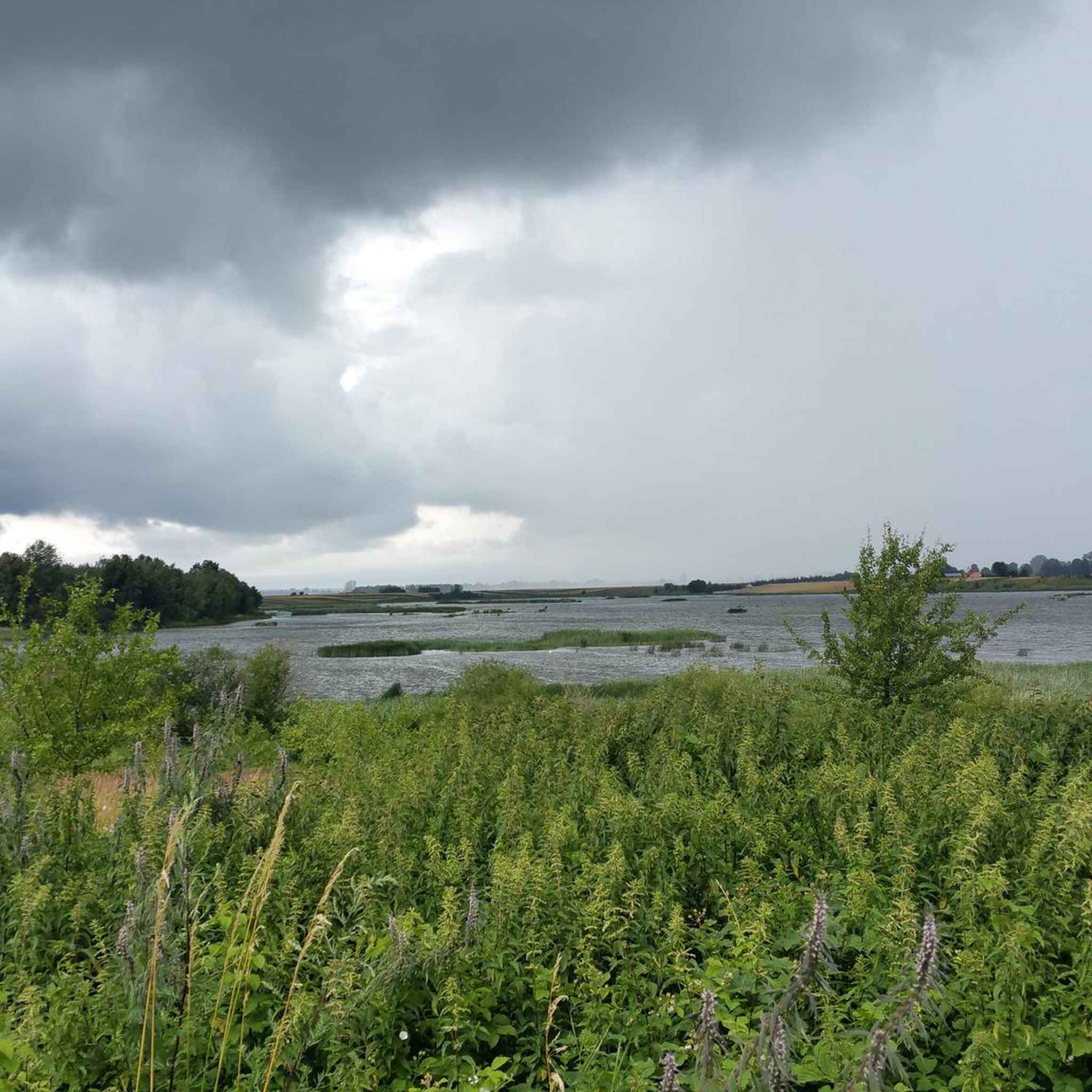
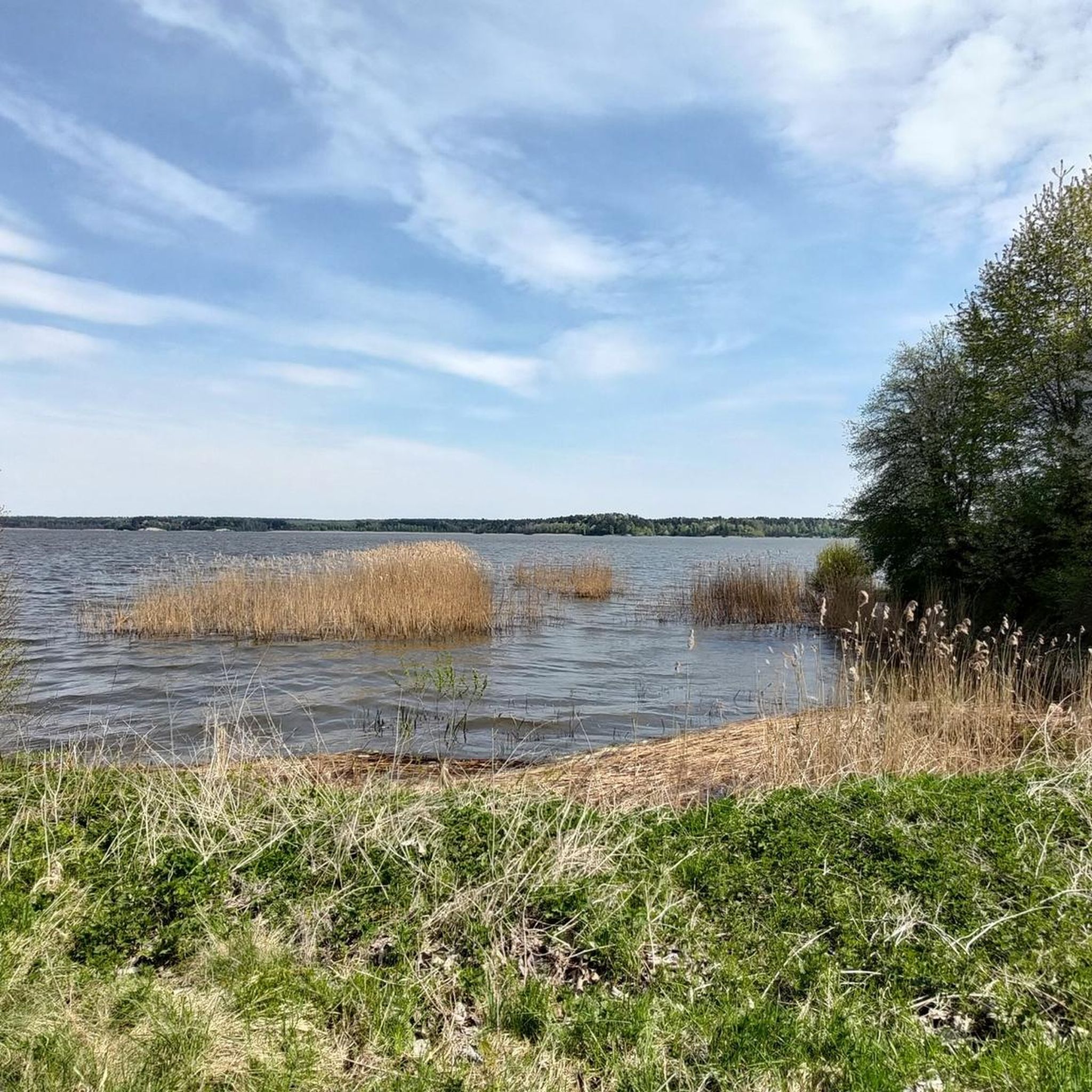
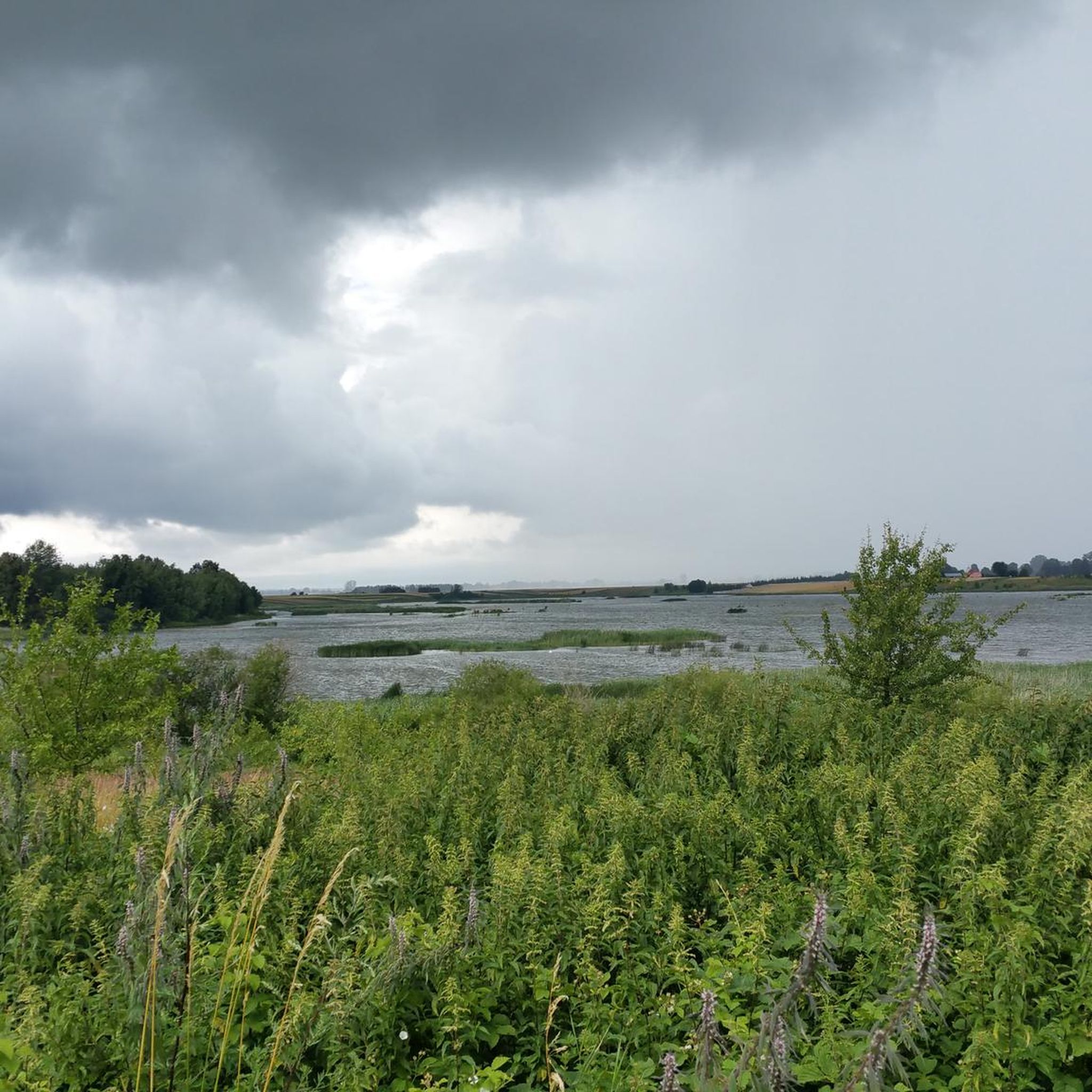
The most prominent natural feature is the Nielisz Reservoir (Zalew Nielisz), one of Poland's largest artificial lakes, perfect for water sports and angling. You can also visit the scenic "Sodoma" Water Eye in Kolonia Zamszany, nestled within a forest complex, offering pleasant walking paths and opportunities for mushroom picking.
Are there historical sites to visit in the Nielisz area?
Yes, the region boasts several historical sites. You can explore the Church of St. Wojciech in Nielisz, with origins from the mid-18th century. Additionally, there are notable manor houses such as the Ruskie Piaski Manor House (1906), Ujazdów Manor House (1880), and the revitalized 19th-century Noakowski Pond Manor.
What kind of outdoor activities are available near Nielisz?
Nielisz is excellent for outdoor activities, especially around the Nielisz Reservoir, where you can enjoy swimming, kayaking, windsurfing, and paddle boating. The area also features designated cycling routes, including sections of the "Green Velo" Eastern Bicycle Trail. For more detailed routes, explore guides for cycling around Nielisz, gravel biking, and hiking.
Are there any family-friendly attractions in the Nielisz region?
Many attractions are suitable for families. The Nielisz Reservoir offers a developed beach area for swimming and water activities. Further afield, the Beetle Monument in Szczebrzeszyn is a fun, recognizable landmark for children. The nearby Zamość Zoo also provides an engaging experience for all ages.
Where can I find historical architecture near Nielisz?
The nearby city of Zamość, often called the 'Pearl of the Renaissance,' offers exceptional historical architecture. Don't miss the Cathedral of the Resurrection and St. Thomas the Apostle, a stunning example of the 'Lublin Renaissance,' and the historic Szczebrzeska Gate, one of the original city wall entrances.
What cultural landmarks are worth visiting in the wider Nielisz area?
Beyond Zamość's main square, consider visiting the Dormition of the Most Holy Mother of God Orthodox Church in Szczebrzeszyn, a unique religious monument with a history dating back to the 14th century. The Synagogue in Szczebrzeszyn, one of Poland's oldest Jewish temples, is also a significant cultural site.
Can I go cycling around Nielisz?
Yes, Nielisz offers two designated cycling routes (blue and green) that primarily use field roads and low-traffic asphalt roads. The renowned "Green Velo" Eastern Bicycle Trail also passes through the Nielisz commune. You can find more routes and details in the Cycling around Nielisz guide.
What are some unique historical points of interest near Nielisz?
A unique historical point is the Szczebrzesyn Water Mill, an active mill built in the early 20th century that was once the largest grain milling facility in Lublin province. Its original architecture has been preserved, making it a distinctive monument.
What do visitors enjoy most about the attractions around Nielisz?
Visitors particularly appreciate the blend of natural beauty and historical depth. The expansive Nielisz Reservoir is a favorite for relaxation and water sports, while the architectural grandeur of Zamość's Old Town and its historical sites like the Cathedral are highly valued for their cultural significance and beauty.
Are there opportunities for hiking near Nielisz?
While Nielisz itself is known for its reservoir and cycling, the wider Roztocze region, which the commune is part of, offers numerous hiking opportunities, including within the Roztocze National Park. You can find various trails, such as the "Partisan Trail Loop from Szczebrzeszyn," in the Hiking around Nielisz guide.
Is there accommodation available near the attractions in Nielisz?
Yes, the Ujazdów Manor House, built in 1880, has been restored and now serves as an accommodation and catering facility. Additionally, the revitalized 19th-century Noakowski Pond Manor complex offers accommodation along with amenities like a gym, sauna, and conference rooms.

Get inspired with the komoot mobile app


Explore more
Still not found the Highlight you’re looking for? See guides of the top attractions in other regions:
