Attractions and Places To See around Sułów - Top 20
Best attractions and places to see around Sułów include a blend of historical sites, natural features, and cultural points of interest. The area is situated within the Barycz Valley Landscape Park, known for its fishponds and diverse birdlife, and adjoins the Sułowskie Hills. Sułów itself features a preserved urban layout and historic buildings, offering a glimpse into the region's rich history and tradition. This guide highlights various points of interest for exploration.
Best attractions and places to see around Sułów
- The most popular attractions is St. Isidore's Church in Topólcza, a religious building that features Byzantine-style architecture and a multicultural history. Originally an Orthodox church, it later became a Uniate church before being handed over to the Catholic Church.
- Another must-see spot is Beetle Monument, a man-made monument located in Szczebrzeszyn. This monument is a recognizable symbol of the town, referencing a well-known Polish poem.
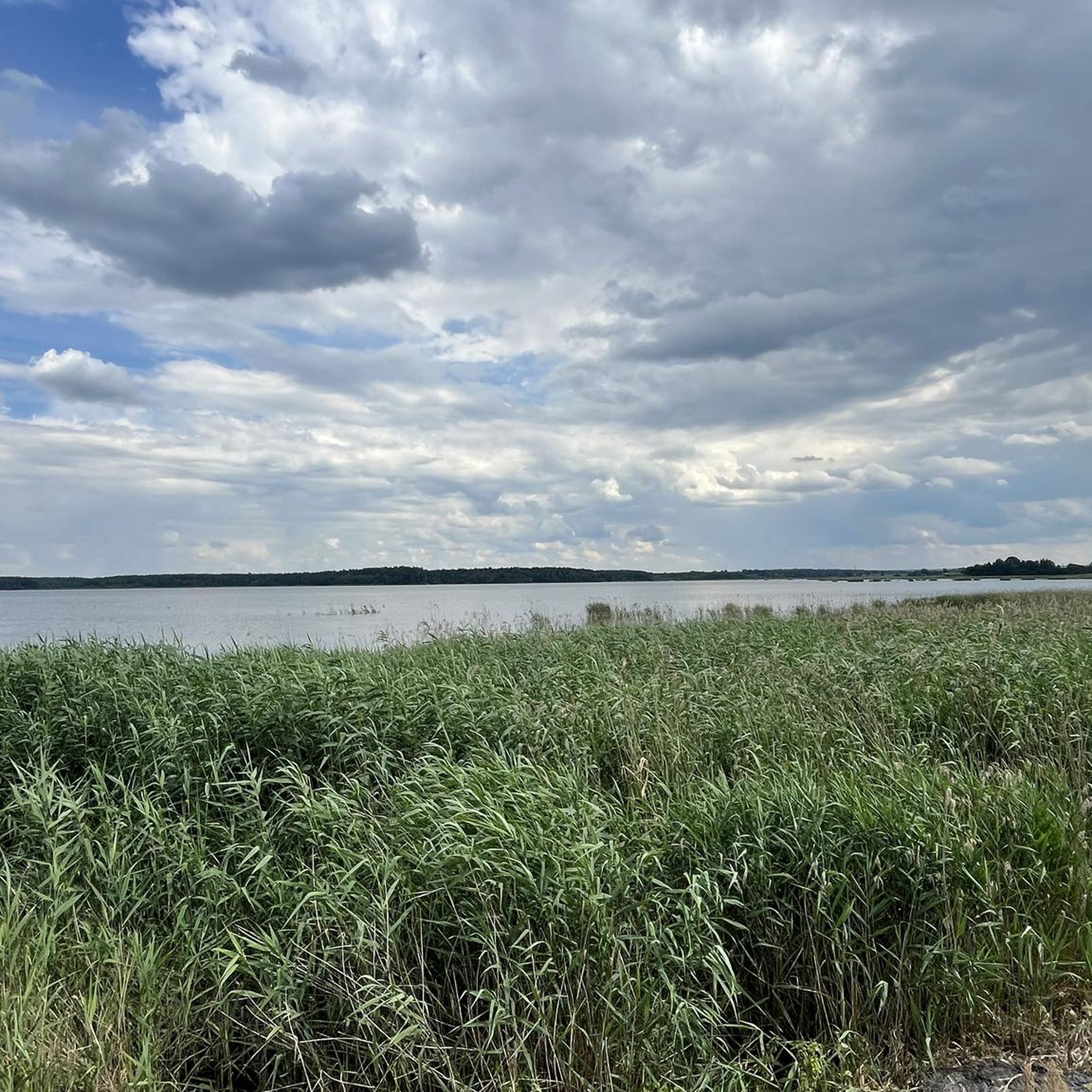
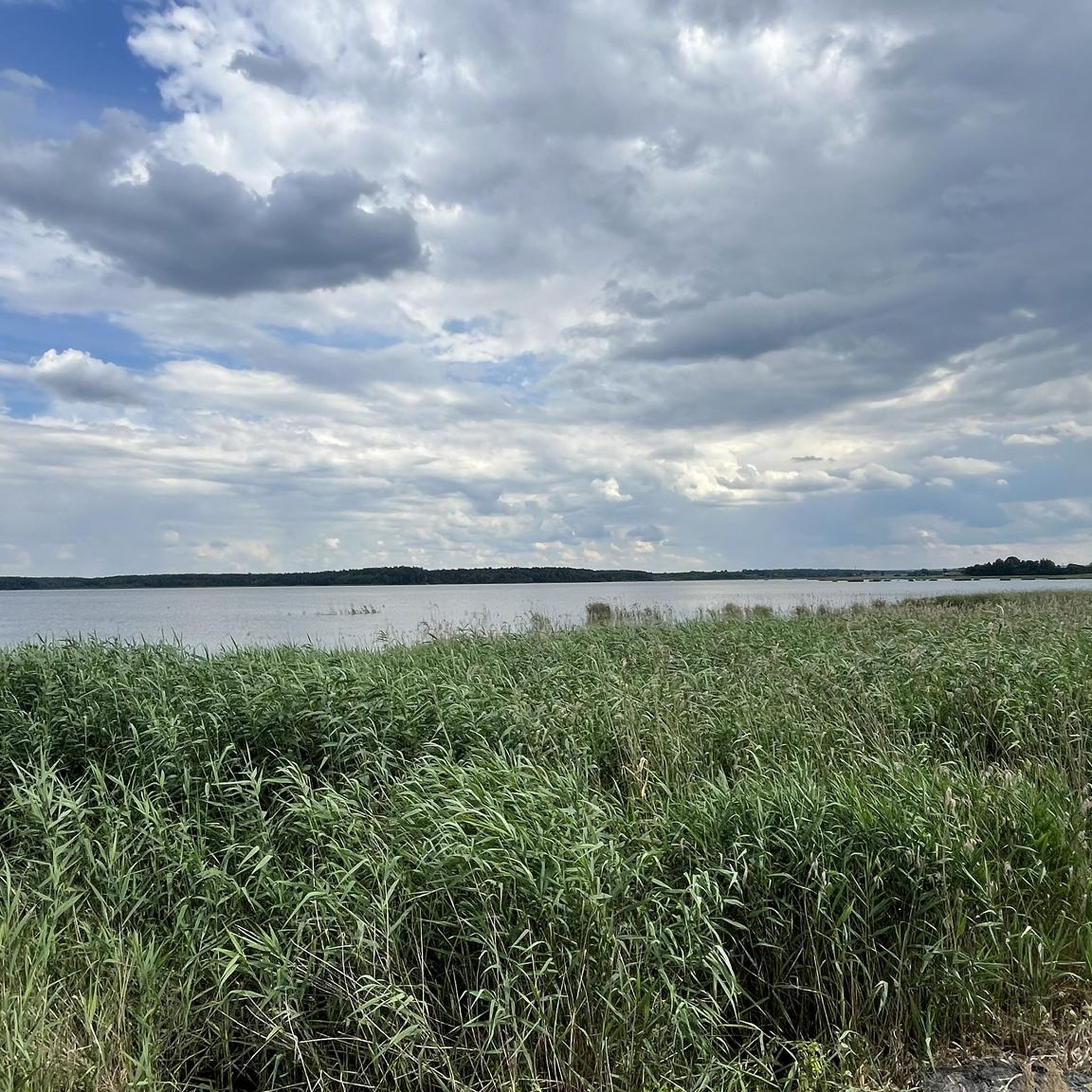
- Visitors also love Pond in Podlesie Małe, a charming lake surrounded by forests. This reservoir offers picturesque landscapes and serves as a resting spot along the Central Cycling Trail of Roztocze.
- Sułów is known for historical sites, natural landscapes, and cultural points of interest. The region offers a variety of attractions to see and explore, from historic churches to natural ponds and monuments.
- The attractions around Sułów are appreciated by the komoot community, with 25 upvotes and 20 photos shared by visitors.
Last updated: July 1, 2026
St. Isidore's Church in Topólcza
Highlight • Religious Site
Translated by Google •
Tip by

Dormition of the Most Holy Mother of God Orthodox Church in Szczebrzeszyn
Highlight • Religious Site
Translated by Google •
Tip by
Sign up now to discover places like this
Get recommendations on the best single tracks, peaks, & plenty of other exciting outdoor places.
Sign up for free
Szczebrzeszyn Water Mill
Highlight • Monument
Translated by Google •
Tip by

Pond in Podlesie Małe
Highlight • Lake
Translated by Google •
Tip by
Basilica of St. Anthony of Padua in Radecznica
Highlight • Religious Site
The church has a long history dating back to the 17th century and is well worth a visit.
Translated by Google •
Tip by

Sign up for free to discover even more attractions around Sułów.
Sign up for free
Already have an account?
Start today with a free account
Your next adventure awaits.
Login or Signup

Other adventures around Sułów

Tips from the Community

A historic Baroque church and Bernardine monastery. The basilica is dedicated to St. Anthony of Padua, who appeared to Simon, a weaver from the village of Radecznica, on nearby Łysa Góra. The church has a long history dating back to the 17th century and is well worth a visit.
0
0

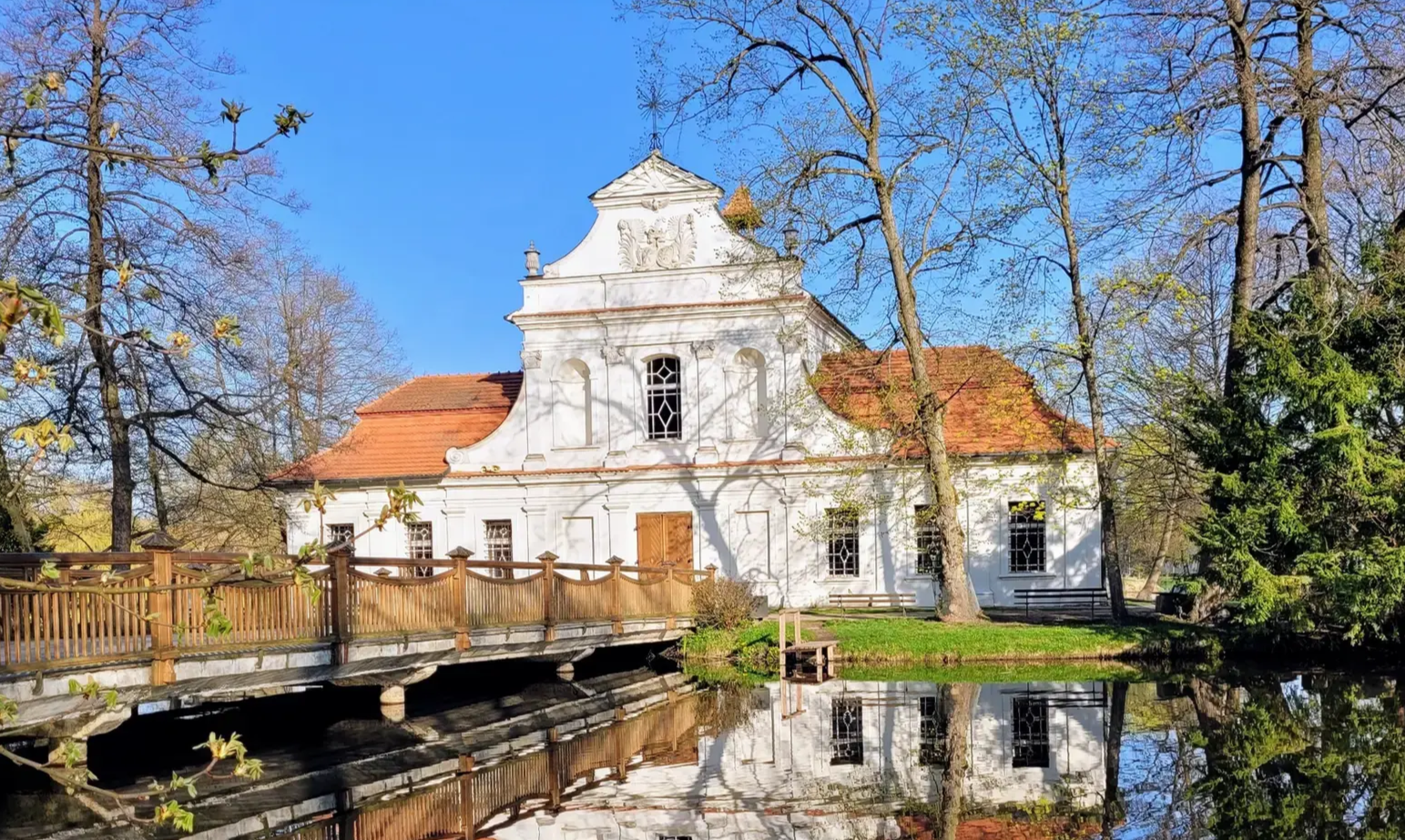
The Church of the Dormition of the Most Holy Mother of God in Szczebrzeszyn is a unique religious monument – the oldest building belonging to the Polish Autocephalous Orthodox Church. The temple has a turbulent history: from a Catholic church, through a Calvinist congregation, a Uniate church, to an Orthodox church. After years of abandonment, it was restored, and during the works, 17th-century wall paintings were uncovered and the iconostasis was recreated. The church on Sądowa Street is worth visiting, especially if you are interested in the history of religious denominations and architecture.
3
0
When visiting Topólcza, it is worth stopping by the local church, which has an interesting, multicultural history. Originally an Orthodox church, later a Uniate church, it eventually became a Catholic church. The church's architecture features elements of the Byzantine style. Inside, the 17th-century painting of the Virgin Mary and Child and the polychromes made in 2002 are worthy of note. The area around Topólcza offers peaceful bike paths, perfect for a contemplative ride.
2
0
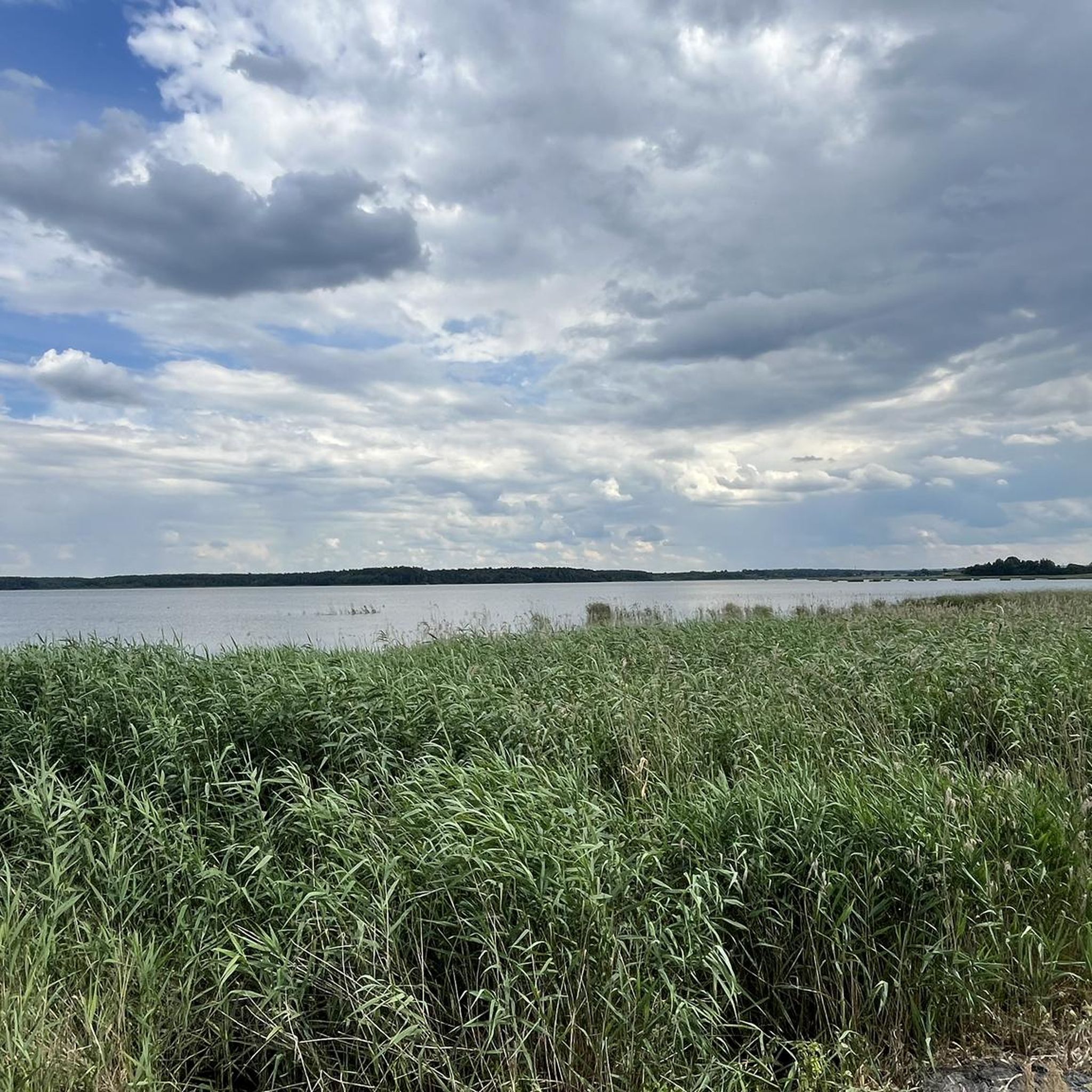
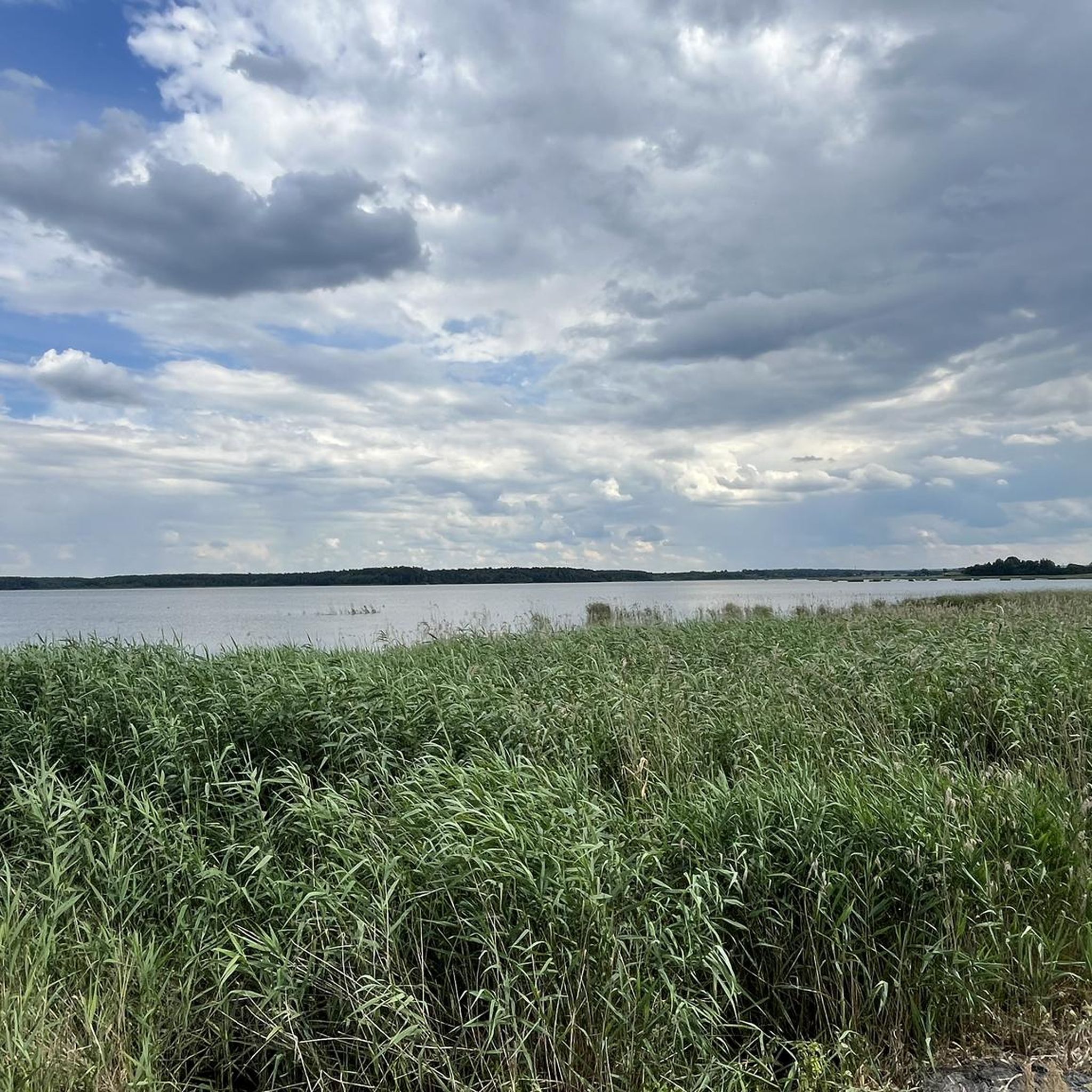
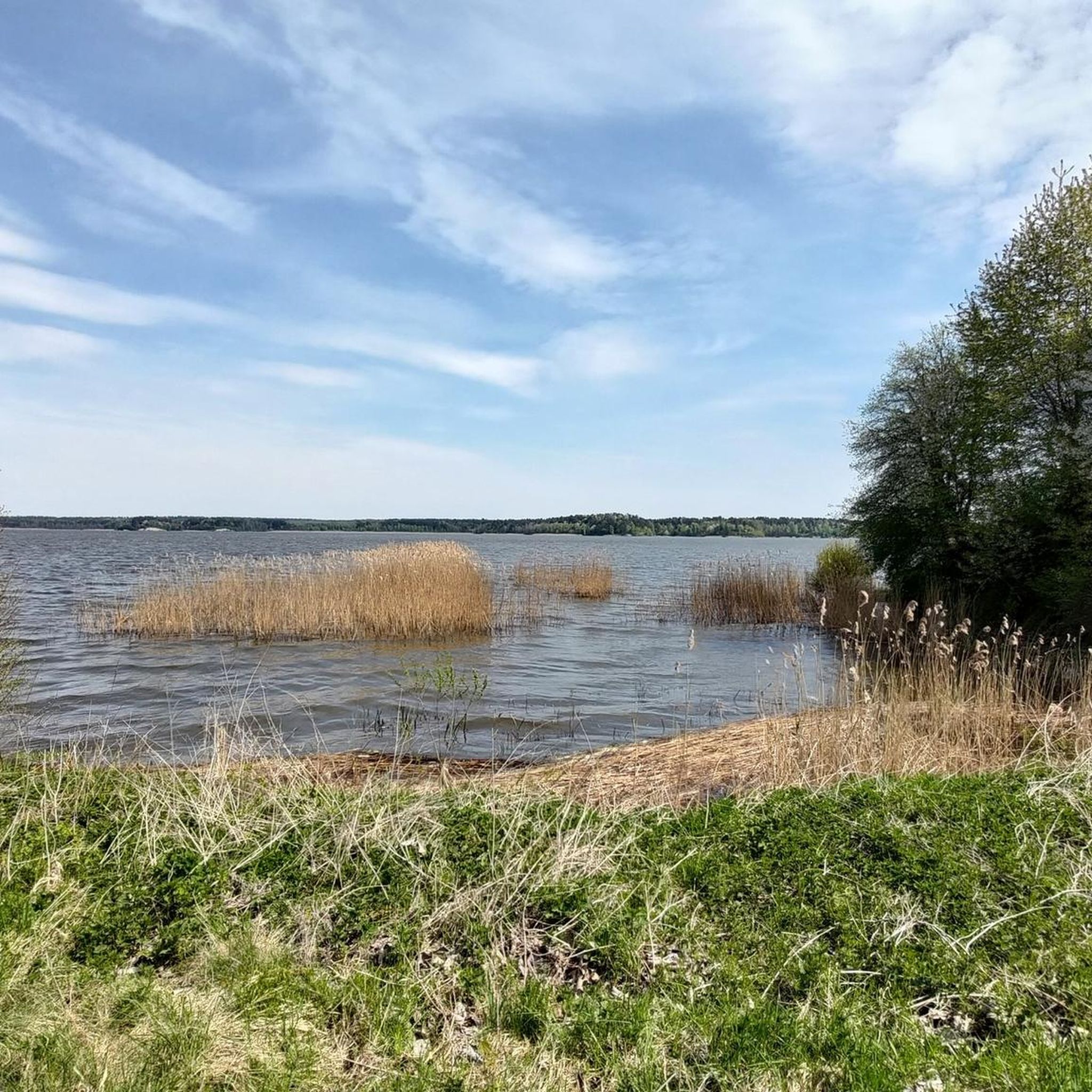
The reservoir in Podlesie Małe is a charming place in Roztocze, located right next to the Central Cycling Trail of Roztocze. It is a small reservoir surrounded by forests, which is an ideal stop for a rest during a bike trip. Here you can admire picturesque landscapes, and on hot days, cool off in the water or simply relax on the shore. There are forest paths nearby that encourage short walks. It is worth taking snacks and water with you, because there is no extensive catering infrastructure in the area.
1
0

The great water mill was built in Szczebrzeszyn at the beginning of the 20th century, at the behest of the Ordinate, Count Maurycy Zamoyski. The mill is three-storey, built of local white stone, with red brick inserts. It stands to this day on Klukowskiego Street, opposite the beetle monument. The mill building was originally intended for a grain and flour warehouse and for the millers' residence. After World War I, the mill was purchased from the Ordinance by Jan Pereta and Eligiusz Drożdżyk - residents of Szczebrzeszyn. The Szczebrzeszyn mill, powered by water, was the largest in the Lublin province in terms of grain milling in the interwar period and one of the largest in Poland. At that time, the mill produced many types of high-quality flour. At the beginning of the 20th century, the water mill provided electricity at night to light the city, but at the end of the 1930s Szczebrzeszyn was connected to the power grid and the mill has been powered by electricity since then. Over time, the mill and the lock were destroyed and in 1978 the mill stopped working, there were even plans to set up a hotel there. Over time, the old equipment was scrapped and the building fell into disrepair, but in 1983 the mill was bought by milling specialist Mieczysław Dubiel and new equipment and devices were installed here. The restored mill resumed operation in 1985. The elevations have retained their original architecture, thanks to which the buildings constitute an original and characteristic monument of Szczebrzeszyn.
0
0
In Topólcza, there was originally an Orthodox parish belonging to the Chełm diocese. The first mentions date back to the mid-16th century. After the Brest Synod in 1596, the Orthodox church in Topólcza became a Uniate (Greek Catholic) church of the Nativity of the Mother of God. After the fall of the January Uprising in 1864, when the wave of Russification in the Kingdom of Poland intensified, Tsar Alexander II Romanov abolished the union, forcing the Greek Catholics to convert to Orthodoxy in 1875. At that time, the parish priest in Topólcza was Fr. Jan Grzegorzewski, who submitted to the Tsar's order. In 1906, Vladimir Galikowski, another Orthodox parish priest in Topólcza, began efforts to build a brick church, the plans of which were made by the architect Aleksander Puring. The construction of the church in 1911, funded by the Paschałow family, was led by the brothers Gerwazy and Stanisław Kaczorowski from Warsaw. As a result of World War I, the Orthodox population in Topólcza and the surrounding area decreased significantly. At the end of June 1915, the last Orthodox priest, together with most of his faithful, fled from the approaching Austrian troops into the depths of Russia, and in 1917 the Austrians handed the church over to the Catholic Church. On April 5, 1919, the Bishop of Lublin, Marian Leon Fulman, established a Roman Catholic parish in Topólcza, appointing Fr. Jan Makulec as its parish priest. In May 1919, the so-called reconciliation of the temple took place, which was carried out by the dean from Szczebrzeszyn. The parish church in Topólcza, single-nave, in the Byzantine style, is built of red brick. There are two sacristies by the presbytery, and a tower with a porch on the pediment. Inside, there are wooden altarpieces for the main altar and two side altarpieces, adapted in 1919-1920 from its former furnishings. During the reconstruction of the church in the interwar period, among other things, the domes were removed and the roof was rebuilt. In the altarpiece of the main altar, there is a painting (icon) of the Mother of God with Child, painted on wood by Lviv painters, with a gilded dress from the first half of the 17th century. In the side altar, on the right side, there is a painting of St. Isidore the Orach, painted in 1927 in Warsaw, and on the left - a painting of the Sacred Heart of the Lord Jesus. The altars were rebuilt in 1969. In 2002, the painter Janusz Szpyt from Lubaczów created a polychrome in the church. At that time, the following icons were found: the Nativity of the Mother of God, an angel with a tablet with 12 feasts, the baptism of Jesus in the Jordan, and Orthodox saints (patrons of the founders of the church). A scene of the offering of the Mother of God was painted on the ceiling of the presbytery, and the figures of the four evangelists with attributes (St. John - eagle, St. Luke - ox, St. Mark - lion, and St. Matthew - angel). Above the altars of the side altars were paintings of the Servants of God: John Paul II and Stefan Cardinal Wyszyński. In 2003, two stained glass windows were installed in the presbytery: Jesus the Merciful and Our Lady of the Sowing. Sculptures created during the annual Roztocze sculpture open-airs were placed around the temple. In 2005, the relics of St. Isidore were brought from the Vatican to the church in Topólcza. To commemorate the pilgrimage of the copy of the Image of Our Lady of Częstochowa and the 85th anniversary of the parish, a new belfry was built in 2004, which currently houses bells named Józef and Mary, consecrated on October 20, 1957 by the dean of Szczebrzeszyn, Fr. Stanisław Szepietowski.
0
2
The building in its current form was erected in the 16th century, on the foundations of an older temple. This earlier temple may have been the first Catholic church of St. Nicholas, which was founded around 1394 by Dymitr z Goraj, the then owner of Szczebrzeszyn. Andrzej Górka probably took over the church from the Catholics and transformed it into a Calvinist church. The small number of Protestants did not need such a large religious building for use and the Górkas transferred it to the Orthodox believers. At the same time, Andrzej and Stanisław Górka donated funds for the reconstruction of the temple[2]. For the first few decades of its operation, it was an Orthodox church, after 1596 it accepted the union. It remained in the jurisdiction of the Chełm diocese until its liquidation, carried out by the tsarist authorities in 1875. During the period when the church in Szczebrzeszyn belonged to the Uniates, it was renovated and rebuilt several times, which is why it lost the features of Eastern Christian sacral architecture. At the turn of the 18th and 19th centuries, the main and side altars modeled on Latins were installed in the interior of the church, which were removed during the reconstruction in the years 1867–1870. After the entry into force of the Tolerance Act of Tsar Nicholas II, the vast majority of the faithful of the Szczebrzeszyn parish, previously forced to accept Orthodoxy, converted to the Roman Catholic Church. However, the church remained active until 1915, i.e. until the time when Russian officials and soldiers stayed in the city. After Poland regained independence, it was not reopened, because only two people of Orthodox faith remained in Szczebrzeszyn. In 1938, it was on the list of churches designated for destruction as part of the repossession and Polonization campaign, but after protests from residents, its demolition was interrupted. After World War II, the building became the property of the State Treasury. Initially used as a warehouse, and then completely abandoned, over time it fell into complete devastation. In 2006, the ruined church became the property of the Polish Autocephalous Orthodox Church. In 2008–2010, the building underwent a thorough renovation, during which seventeenth-century wall paintings were discovered and uncovered, and the iconostasis, destroyed during World War I, was restored. The temple is the oldest religious building owned by the Polish Autocephalous Orthodox Church. It is located at 11 Sądowa Street. It was entered into the register of monuments on November 24, 1956 and March 24, 1970.
0
2

An active mill right next to the road to Szczebrzeszyn.
0
0
Frequently Asked Questions
What historical landmarks can I explore in Sułów?
Sułów is rich in history. You can visit the impressive Baroque Palace, constructed around 1680, which is surrounded by an 11-hectare park. Explore the remnants of the 14th-century Hunting Castle near the Młynówka Sułowska, marked by a stone monument. The village itself boasts a preserved historic urban layout. Don't miss the Parish Church of Saints Peter and Paul (1731-1734) and the Evangelical Cemetery Church of Our Lady of Częstochowa (1765-1767), both featuring traditional half-timbered construction. Additionally, a historic granary from around 1800 and a residential building from 1820 showcase the area's architectural heritage.
Are there any unique cultural sites or monuments in the Sułów area?
Yes, Sułów offers several unique cultural sites. The former Sułów Milicki Narrow-Gauge Railway Station, originally a hunting lodge from 1900, now features a parking area with an exhibition of railway rolling stock, including a passenger wagon. You can also visit Szwedzka Górka (Swedish Hill), which commemorates a 1645 battle during the Thirty Years' War, marked by a glacial erratic and a millennium cross, and notable for its four twisted pine trees. For a truly unique experience, consider visiting the Beetle Monument in nearby Szczebrzeszyn, a recognizable symbol referencing a well-known Polish poem.
What natural attractions are there around Sułów?
Sułów is nestled within the picturesque Barycz Valley Landscape Park, renowned for its extensive fishponds and diverse birdlife. The Barycz River and its branch, the Młynówka Sułowska, are prominent natural features. To the north, you'll find the Sułowskie Hills, offering scenic views. The area is also part of the internationally recognized Milicz Ponds complex, important for its ecological value. For a tranquil spot, visit the Pond in Podlesie Małe, a charming reservoir surrounded by forests, ideal for a rest during a bike trip.
What kind of outdoor activities can I do near Sułów?
The Sułów area is excellent for outdoor activities, especially cycling and mountain biking. You can explore the scenic cycling path on the former narrow-gauge railway line between Sułów, Milicz, and Ruda Milicka, which includes themed stops. For more adventurous rides, consider the gravel biking routes around Sułów, such as the 'Echo Ponds Beach – Polish ponies loop from Szczebrzeszyn' or the 'Polish ponies – Rudka Reservoir loop from Żurawnica'. There are also numerous MTB trails, including 'Forest Chamber in Florianka – Avenue of Oaks loop from Żurawnica'. For detailed routes, check out the Gravel biking around Sułów and MTB Trails around Sułów guides.
Are there family-friendly attractions or activities in Sułów?
Yes, several attractions around Sułów are suitable for families. The Beetle Monument in Szczebrzeszyn is a fun and recognizable spot for children. The Pond in Podlesie Małe offers a pleasant natural setting for a family stop during a bike ride or a short walk. The cycling path on the former narrow-gauge railway line is also a great option for families to enjoy a leisurely ride together. The natural beauty of the Barycz Valley Landscape Park provides opportunities for birdwatching and gentle walks.
What is the best time of year to visit Sułów for outdoor activities?
The best time to visit Sułów for outdoor activities is generally from spring to early autumn (April to October). During these months, the weather is typically mild and pleasant, ideal for cycling, hiking, and exploring the natural beauty of the Barycz Valley and Milicz Ponds. Spring brings blooming nature and active birdlife, while autumn offers beautiful foliage. Summers are warm, perfect for enjoying the ponds and cycling paths.
Where can I find hiking trails near Sułów?
Sułów is a great starting point for exploring hiking trails, particularly within the Barycz Valley Landscape Park and around the Milicz Ponds. While specific named hiking trails starting directly in Sułów are not detailed, the region offers numerous forest paths and routes suitable for walking. The cycling path on the former narrow-gauge railway line can also be used for walking. For more structured routes, consider exploring the broader area around the Milicz Ponds, which are known for their natural beauty and birdwatching opportunities. You can find more route ideas in the Road Cycling Routes around Sułów guide, many of which can be adapted for walking.
Are there any religious sites of interest in the area?
Yes, Sułów and its surroundings feature several significant religious sites. The Parish Church of Saints Peter and Paul (1731-1734) and the Evangelical Cemetery Church of Our Lady of Częstochowa (1765-1767) in Sułów itself are notable for their historic half-timbered architecture. Further afield, the St. Isidore's Church in Topólcza is a fascinating religious building with Byzantine-style architecture and a multicultural history, originally an Orthodox church. Another historical religious site is the Dormition of the Most Holy Mother of God Orthodox Church in Szczebrzeszyn, which has a turbulent history spanning Catholic, Calvinist, Uniate, and Orthodox traditions.
What are some unique attractions slightly further afield from Sułów?
Within a short drive from Sułów, you can discover several unique attractions. The Muzeum Bombki w Miliczu (Christmas Ornament Museum in Milicz), about 8.1 km away, offers a distinctive cultural experience. You can also visit the historic Rynek w Miliczu (Market Square in Milicz) and the Castle in Milicz, both approximately 8 km from Sułów. These nearby towns provide additional historical and cultural points of interest to complement your visit to Sułów.
What do visitors enjoy most about the attractions around Sułów?
Visitors particularly appreciate the blend of historical sites, natural beauty, and cultural points of interest. The preserved urban layout of Sułów and its historic buildings offer a glimpse into the region's rich past. The natural landscapes, especially within the Barycz Valley Landscape Park and around the Milicz Ponds, are highly valued for their tranquility and opportunities for outdoor activities like cycling and nature observation. The unique historical and cultural narratives of places like St. Isidore's Church and the Beetle Monument also resonate with visitors.
Are there any cycling routes that follow historical paths in the Sułów region?
Yes, a notable cycling path follows the route of the old narrow-gauge railway line between Sułów, Milicz, and Ruda Milicka. This path offers a unique way to experience the region's history, with themed stops where the train once halted, such as at Sułów Milicki, which features a historic wagon and a resting area. It's a great way to combine outdoor activity with a sense of the past.
Most popular attractions around Sułów

Get inspired with the komoot mobile app


Explore more
Still not found the Highlight you’re looking for? See guides of the top attractions in other regions:
