Attractions and Places To See around Santok - Top 20
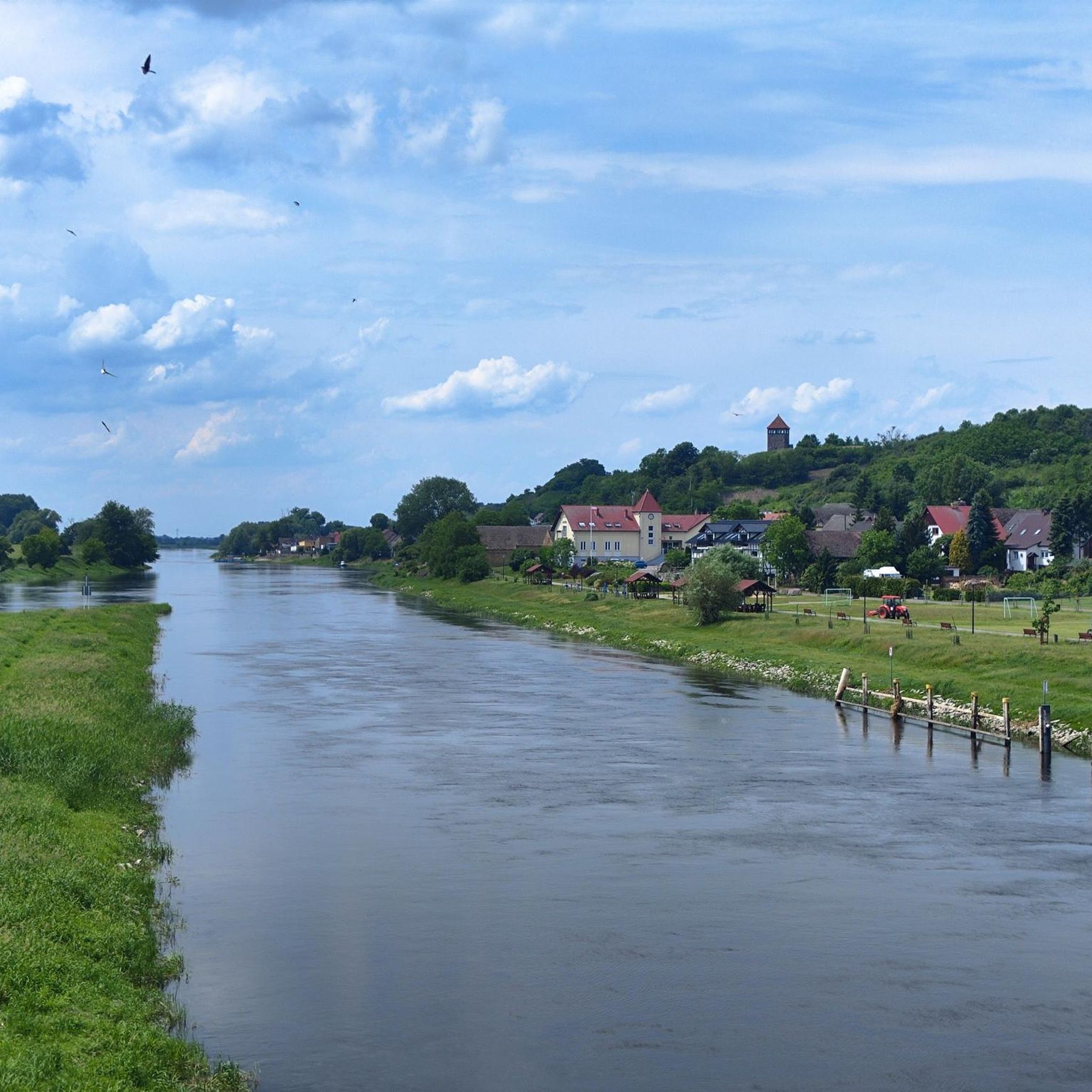
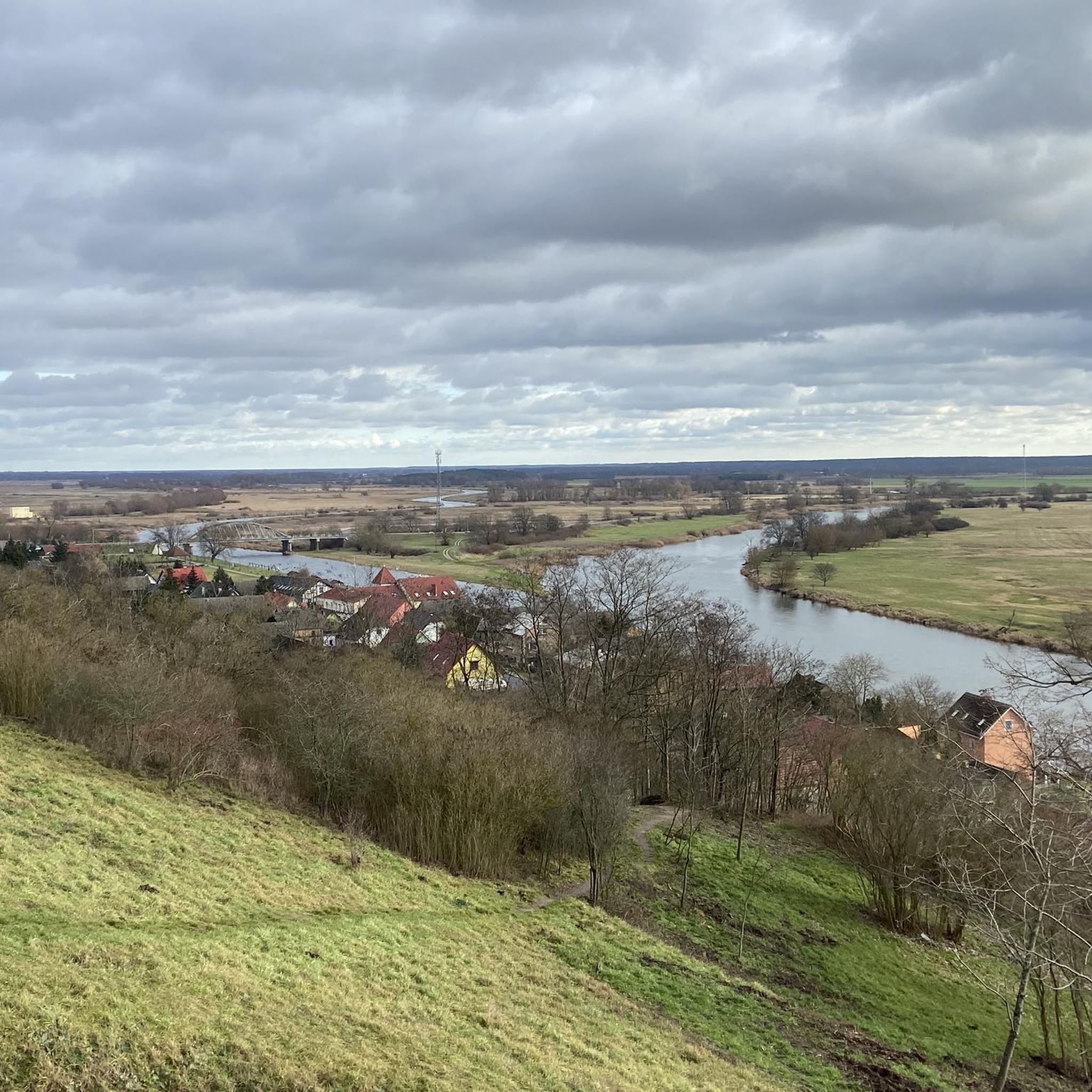
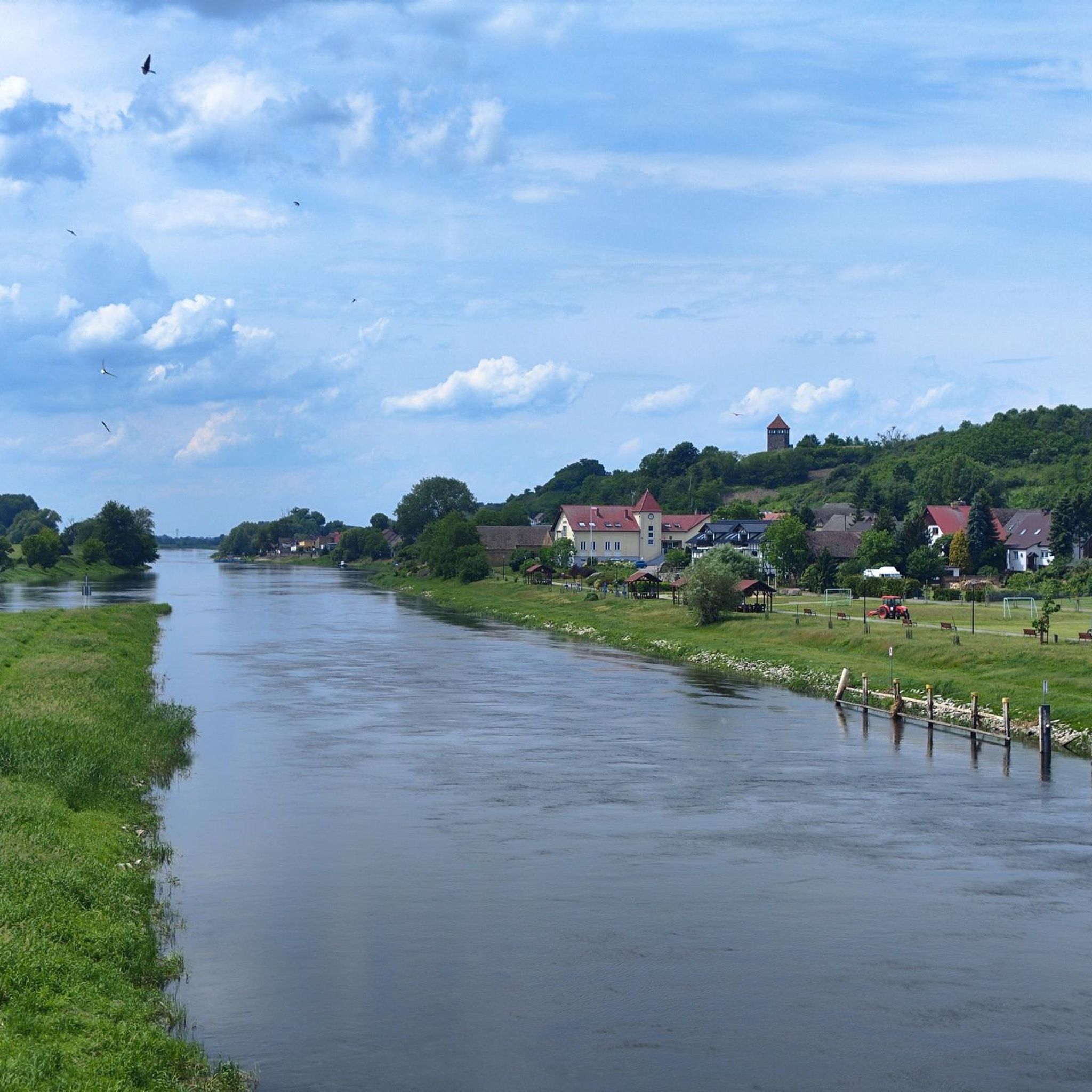
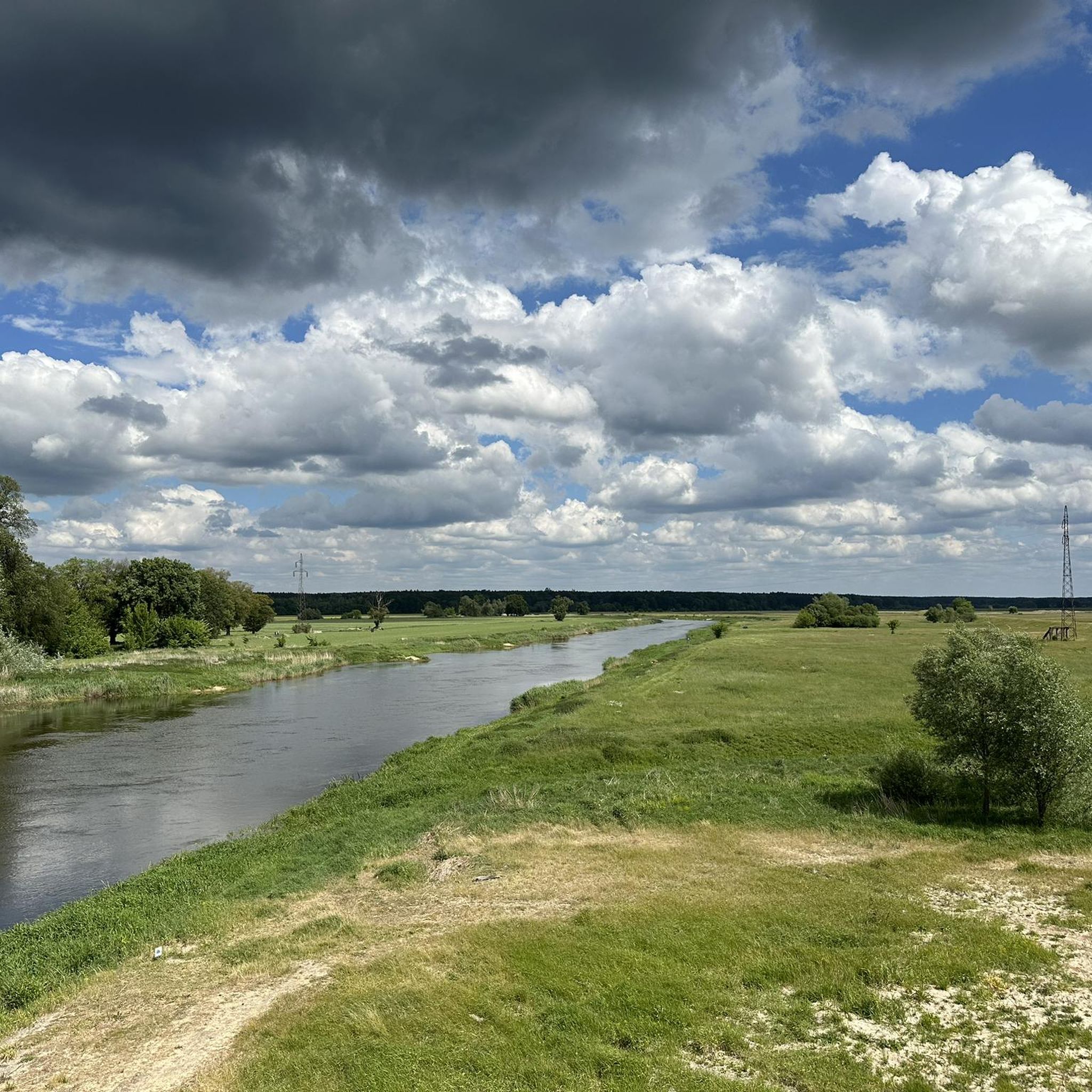
Best attractions and places to see around Santok include its strategic location at the confluence of the Noteć and Warta rivers. This area features a blend of natural landscapes, such as the Gorzowska Plain and wooded hills, alongside significant historical sites. Santok was historically an important border fortress, with archaeological research revealing multiple layers of settlement. The region offers insights into its past as a medieval Piast dynasty stronghold.
Best attractions and places to see around Santok
- The most popular…
Last updated: May 20, 2026
St. Anthony of Padua and St. Stanislaus Kostka Church
Highlight • Religious Site
Translated by Google •
Tip by

Paucksch Fountain
Highlight • Monument
Translated by Google •
Tip by

Sign up now to discover places like this
Get recommendations on the best single tracks, peaks, & plenty of other exciting outdoor places.
Sign up for free
Old Town Bridge
Highlight • Bridge
Translated by Google •
Tip by

St. Mary's Cathedral, Gorzów Wielkopolski
Highlight • Religious Site
Translated by Google •
Tip by

The Granary in Gorzów Wielkopolski
Highlight • Historical Site
Translated by Google •
Tip by
Sign up for free to discover even more attractions around Santok.
Sign up for free
Already have an account?
Start today with a free account
Your next adventure awaits.
Login or Signup

Tips from the Community

No bike lane. Lots of cars on the road!
2
0

The church was built outside the city walls in the years 1696-1704. It was erected on the site of the former chapel of St. Gertrude and St. Lawrence, as a multi-denominational Church of Concord for Reformed and Lutheran Evangelicals. It originally had a small tower topped with an openwork dome, which was rebuilt in 1726. In 1735, a sacristy was added to the church. The first major renovation of the church began in 1756. At that time, the church building, except for the tower, was almost completely demolished and rebuilt. After a fire in 1768, the church was rebuilt, but without the tower. A new tower, on the western side of the church, was added in 1863.
1
0
18th century half-timbered grain warehouse, located on the left bank of the Warta River. The exact date of construction is unknown. It was built after 1763 on the site of a redoubt defending a bridge crossing. It adjoined the transshipment quay. In the second half of the 19th century it was transformed into a warehouse for military needs. After the end of World War I it was adapted for commercial activities. After World War II it housed a warehouse of the GS Samopomoc Chłopska. In 1980 it was renovated and transformed into a museum.
2
0

Probably the oldest museum in Gorzów Wielkopolski. Worth seeing.
1
0
The bridge crossing at this point existed as early as 1360. It was a wooden bridge, which was damaged and rebuilt several times, and was finally completely consumed by fire in 1905. In its place, a new reinforced concrete bridge was built in 1924-1926. This lasted only until 1945, when it was blown up by the retreating Germans. It was rebuilt in 1951. In 1967, the bridge was rebuilt. It was widened, replacing the old sidewalks with roadways, and the new sidewalks were moved beyond the outline of the bridge. Another reconstruction took place in 2006-2007. The spans were completely dismantled and then rebuilt. The new bridge was raised and the roadways were widened again.
4
0

Church of St. Anthony of Padua and St. Stanisław Kostka was built between 1696 and 1704 by the city council together with the Elector of Brandenburg and the later King of Prussia, Frederick I of Prussia, as a concord church - a joint church for Lutherans and Calvinists. Since 1945 the church has been owned by the Capuchin Order.
1
0
Fountain put into operation in 1897, fountain donated by Hermann Paucksch (Landsberg entrepreneur). More information: https://pl-m-wikipedia-org.translate.goog/wiki/Fontanna_Pauckscha?_x_tr_sl=pl&_x_tr_tl=de&_x_tr_hl=de&_x_tr_pto=sc
0
0
St. Mary's Cathedral is now the bishop's church in Gorzòw2 Wielkopolski (Landsberg an der Warthe). Construction probably began at the time the city was founded. In the 13th century, the building was rebuilt in the Gothic style and its side aisles were raised. Around 1500, a choir was added and various altars were built, for example for the stalls of bakers, shoemakers or cloth makers. more information: https://de.wikipedia.org/wiki/Dom_St._Marien_(Gorz%C3%B3w_Wielkopolski)
2
0
Frequently Asked Questions
What historical sites can I explore in and around Santok?
Santok is rich in history, known as a former border fortress. You can visit the Santok Stronghold, which houses a Castle Museum with archaeological exhibitions detailing its past from the 8th to the 14th centuries. Other significant historical sites include the 1936 reconstruction of the Santok Watchtower, reminding visitors of the area's military importance. In nearby Gorzów Wielkopolski, don't miss The Granary in Gorzów Wielkopolski, an 18th-century half-timbered grain warehouse now part of a museum, or the historic St. Anthony of Padua and St. Stanislaus Kostka Church, built between 1696 and 1704.
Are there any natural features or viewpoints to see in Santok?
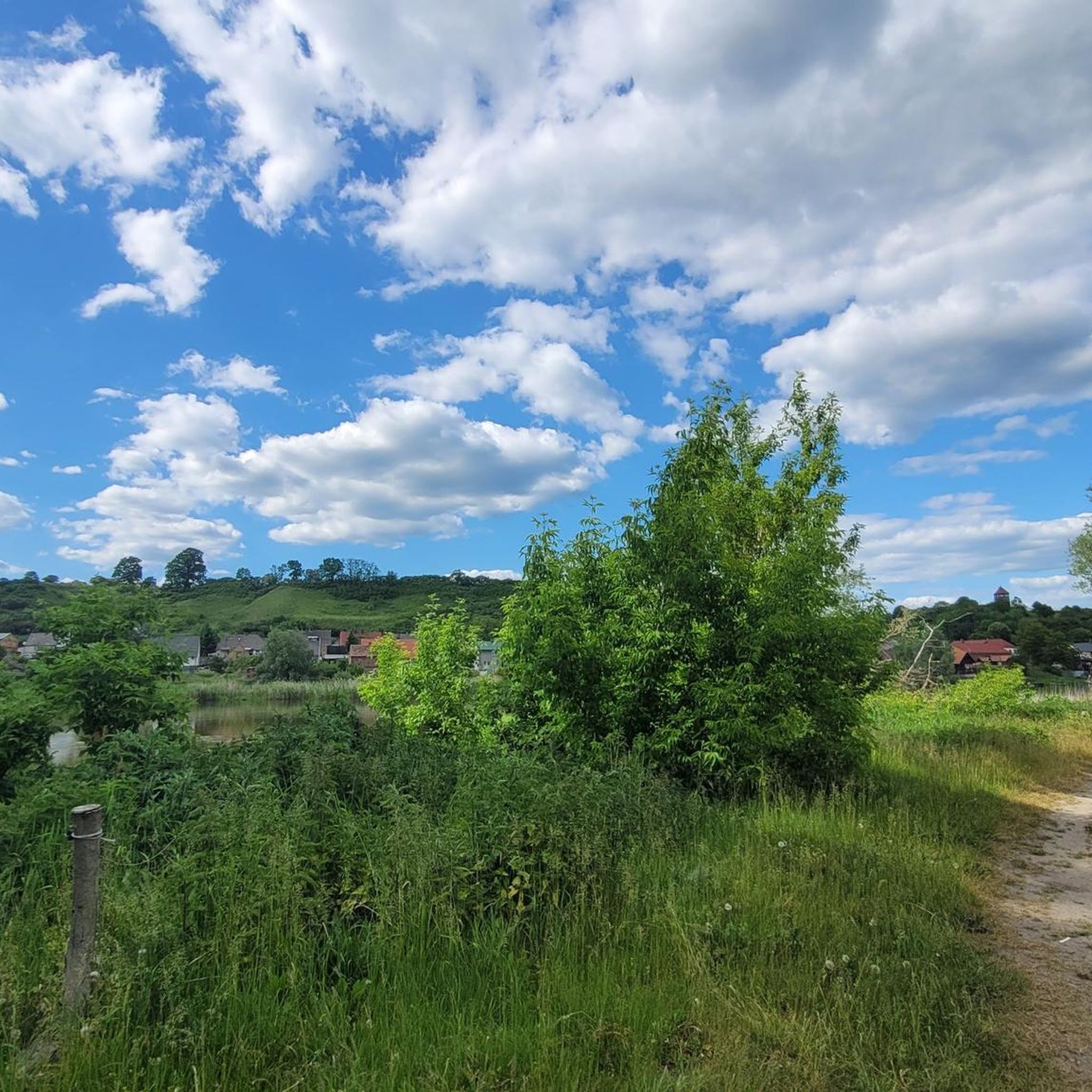
Yes, Santok is uniquely situated at the confluence of the Noteć and Warta rivers, offering a significant geographical landmark. The village lies on a narrow terrace of the Pradolina Toruńsko-Eberswaldzka, bordered by the river beds and the high edge of the Gorzowska Plain. You can also find a small wooded hill among wet meadows on the left bank of the Warta, a result of the river changing its channel in 1751, providing scenic views of the natural landscape.
What cycling routes are available near Santok?
The area around Santok offers various cycling opportunities. For touring cyclists, you can find routes like the 'Seesaw Near the Pond – Wawrów Pond loop' or the 'Wojcieszyce Church – Lake Kłodawa loop'. Mountain bikers can explore trails such as the 'Seven Hills Trail' or the 'Fountain – Srebrna River Trail'. Gravel biking options include the 'Warta Bridge in Świerkocin – Steam Engine loop'. You can find more details and specific routes in the Cycling around Santok, MTB Trails around Santok, and Gravel biking around Santok guides.
Are there any family-friendly attractions in the Santok area?
Absolutely. Families can enjoy exploring the historical aspects of the region, such as the Santok Stronghold's Castle Museum. In Gorzów Wielkopolski, St. Mary's Cathedral is considered family-friendly, offering a glimpse into Gothic architecture and history. The natural setting at the confluence of the Noteć and Warta rivers also provides opportunities for outdoor family activities.
What are some significant religious buildings to visit near Santok?
Near Santok, you can visit St. Anthony of Padua and St. Stanislaus Kostka Church, a historic concord church built between 1696 and 1704. In Gorzów Wielkopolski, St. Mary's Cathedral is a must-see, with its construction dating back to the city's founding and significant Gothic-style rebuilding in the 13th century.
What is the Paucksch Fountain and where can I find it?
The Paucksch Fountain is a distinctive man-made monument located in Gorzów Wielkopolski. Erected in 1897, it features a woman carrying a koromysło with two buckets, accompanied by three children figures. The current sculpture is a faithful reconstruction of the original, which was unfortunately dismantled during WWII. It's situated not far from the Marienkirche.
Can I find accessible attractions around Santok?
Yes, some attractions in the vicinity are noted for their accessibility. For instance, the Paucksch Fountain and the Old Town Bridge in Gorzów Wielkopolski are considered wheelchair accessible, allowing a broader range of visitors to enjoy these landmarks.
What is the history of the Old Town Bridge near Santok?
The Old Town Bridge has a long and complex history, with a crossing existing at this point as early as 1360. Originally a wooden structure, it was damaged and rebuilt multiple times, including a reinforced concrete version in the 1920s. It was destroyed in 1945 and rebuilt in 1951. The bridge underwent significant reconstruction in 2006-2007, where its spans were dismantled and rebuilt, and roadways widened to its current form.
What archaeological discoveries have been made in Santok?
Extensive archaeological research in Santok has uncovered a remarkable 12 layers of settlement, dating from the 8th to the 14th centuries. These findings, along with indications of an early medieval cemetery, are showcased in the Castle Museum at the Santok Stronghold, providing deep insights into the region's ancient past and its continuous habitation.
What are the best times to visit Santok for outdoor activities?
Santok's natural setting at the confluence of the Noteć and Warta rivers makes it ideal for outdoor activities during the warmer months. Spring and autumn offer pleasant temperatures for cycling and exploring historical sites without the peak summer heat. While specific weather forecasts should always be checked, these seasons generally provide comfortable conditions for enjoying the region's natural beauty and trails.
Where can I learn more about the Santok Stronghold and its significance?
The Santok Stronghold, historically known as the 'barbican and key' of the Polish kingdom, is a crucial site. You can learn more about its significance and the archaeological findings at the Castle Museum, which is a branch of the Regional Museum in Gorzów Wielkopolski. The museum features an exhibition titled 'The history of The Stronghold in Santok,' showcasing artifacts from excavations conducted between 1958 and 1965.
Most popular attractions around Santok

Get inspired with the komoot mobile app


Explore more
Still not found the Highlight you’re looking for? See guides of the top attractions in other regions:
