Attractions and Places To See around Kolsko - Top 20
Best attractions and places to see around Kolsko, a village in western Poland's Lubusz Voivodeship, offer a blend of historical landmarks and natural features. Situated in Nowa Sól County, near Lake Sławskie, the area provides opportunities for historical exploration and outdoor activities. The region is characterized by its picturesque landscapes, including forests and meadows, making it suitable for various forms of tourism.
Best attractions and places to see around Kolsko
- The most popular attractions is Stany Railway Bridge over the…
Last updated: May 20, 2026
Stany Railway Bridge over the Oder River
Highlight • Bridge
Translated by Google •
Tip by

Lipiny Odrzańskie Railway Station
Highlight • Monument
Translated by Google •
Tip by

Sign up now to discover places like this
Get recommendations on the best single tracks, peaks, & plenty of other exciting outdoor places.
Sign up for free
Konotop Railway Station Buildings
Highlight • Monument
The history of the Konotop station (formerly Konradsthal) begins with the construction of the …
Translated by Google •
Tip by
Palace in Sława
Highlight • Castle
More information: de.wikipedia.org/wiki/Schloss_Schlawa
Translated by Google •
Tip by

Castle in Zabor
Highlight • Castle
Translated by Google •
Tip by
Sign up for free to discover even more attractions around Kolsko.
Sign up for free
Already have an account?
Start today with a free account
Your next adventure awaits.
Login or Signup
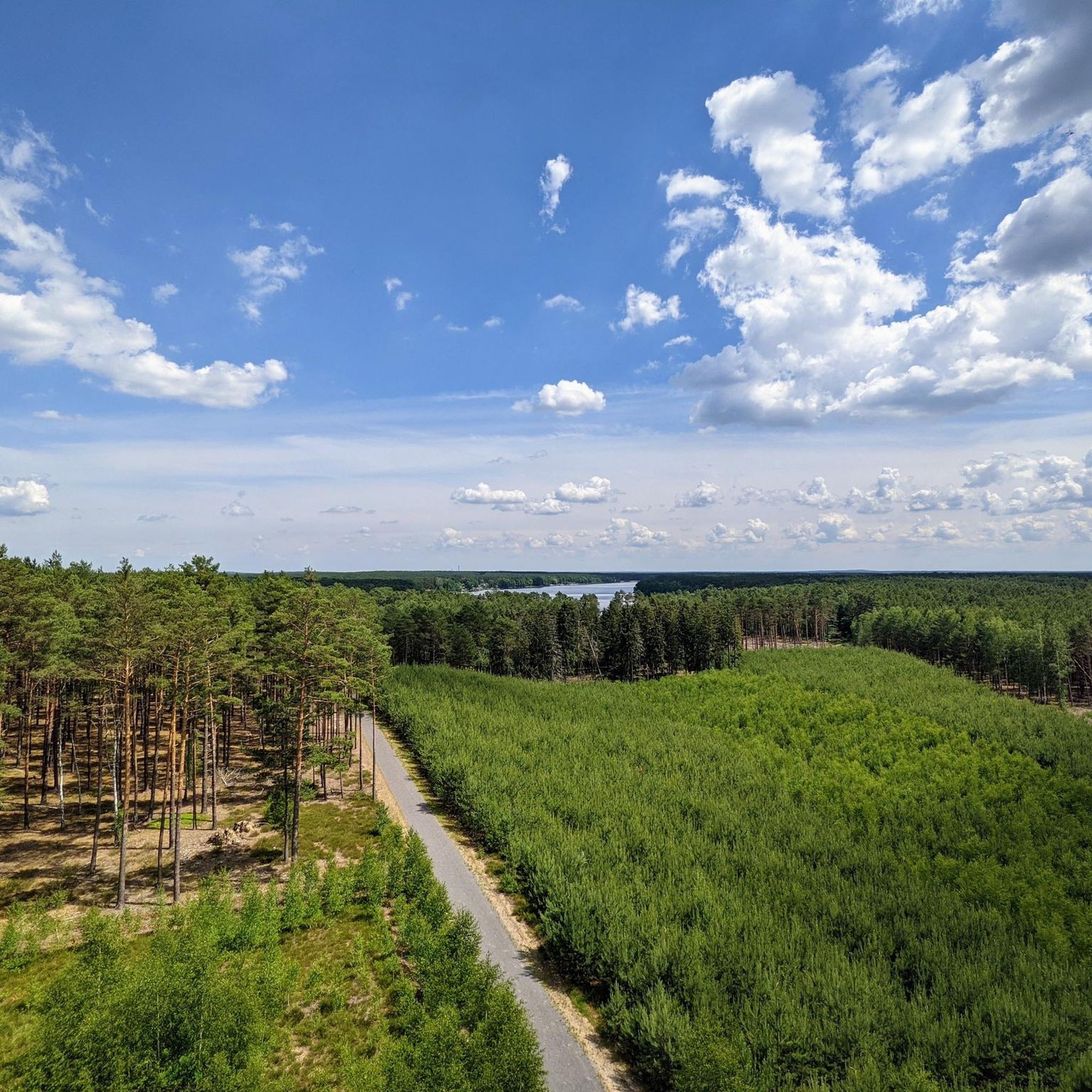
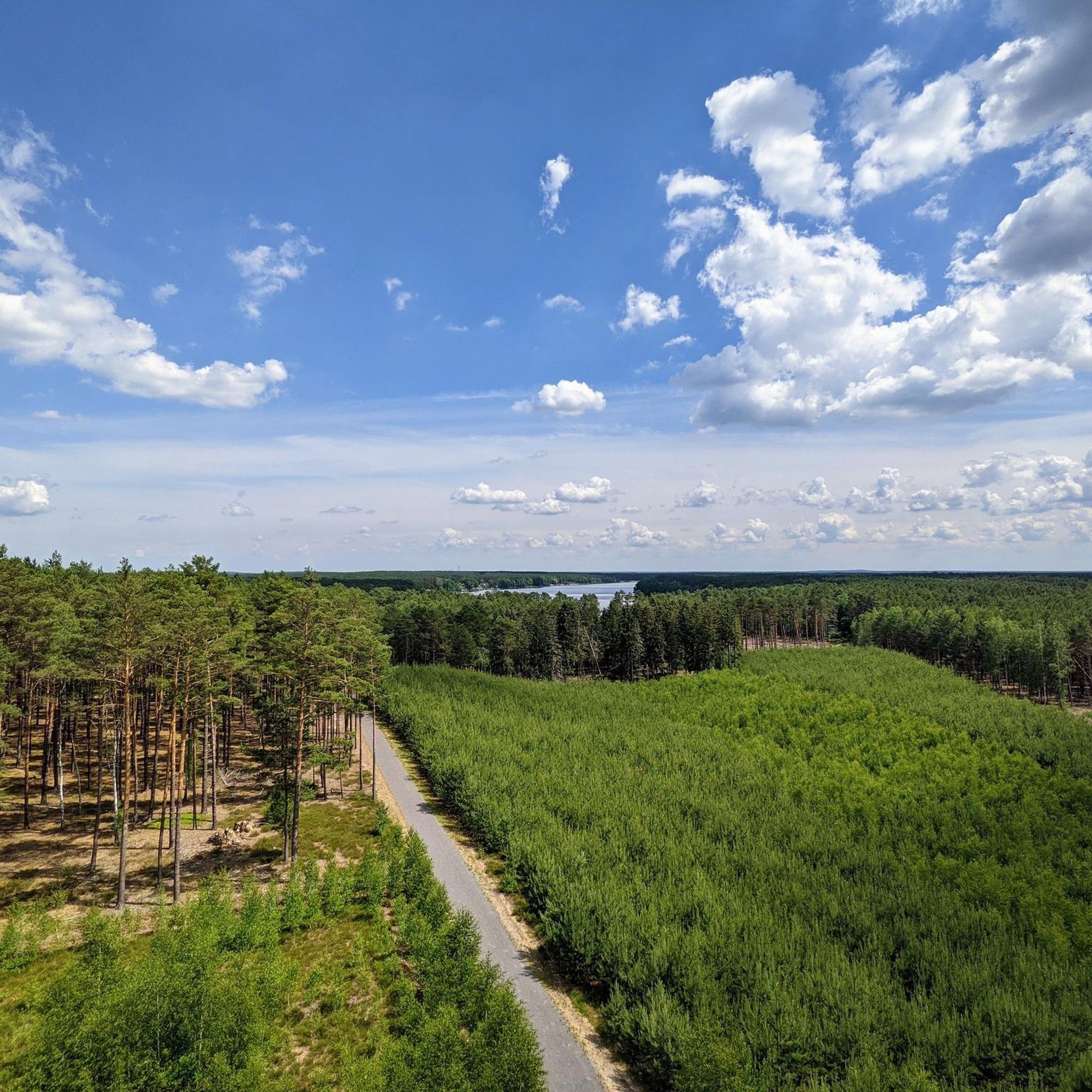
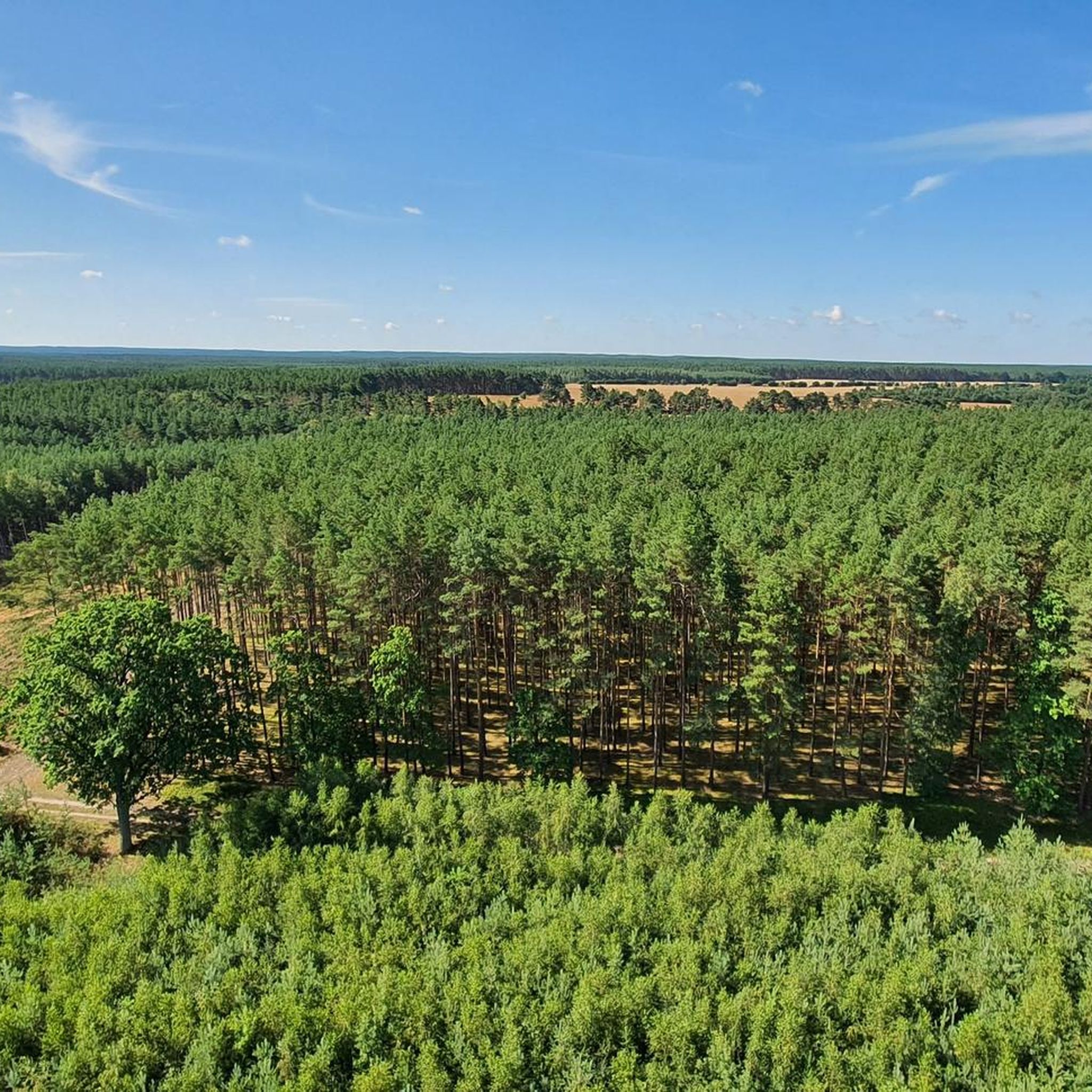
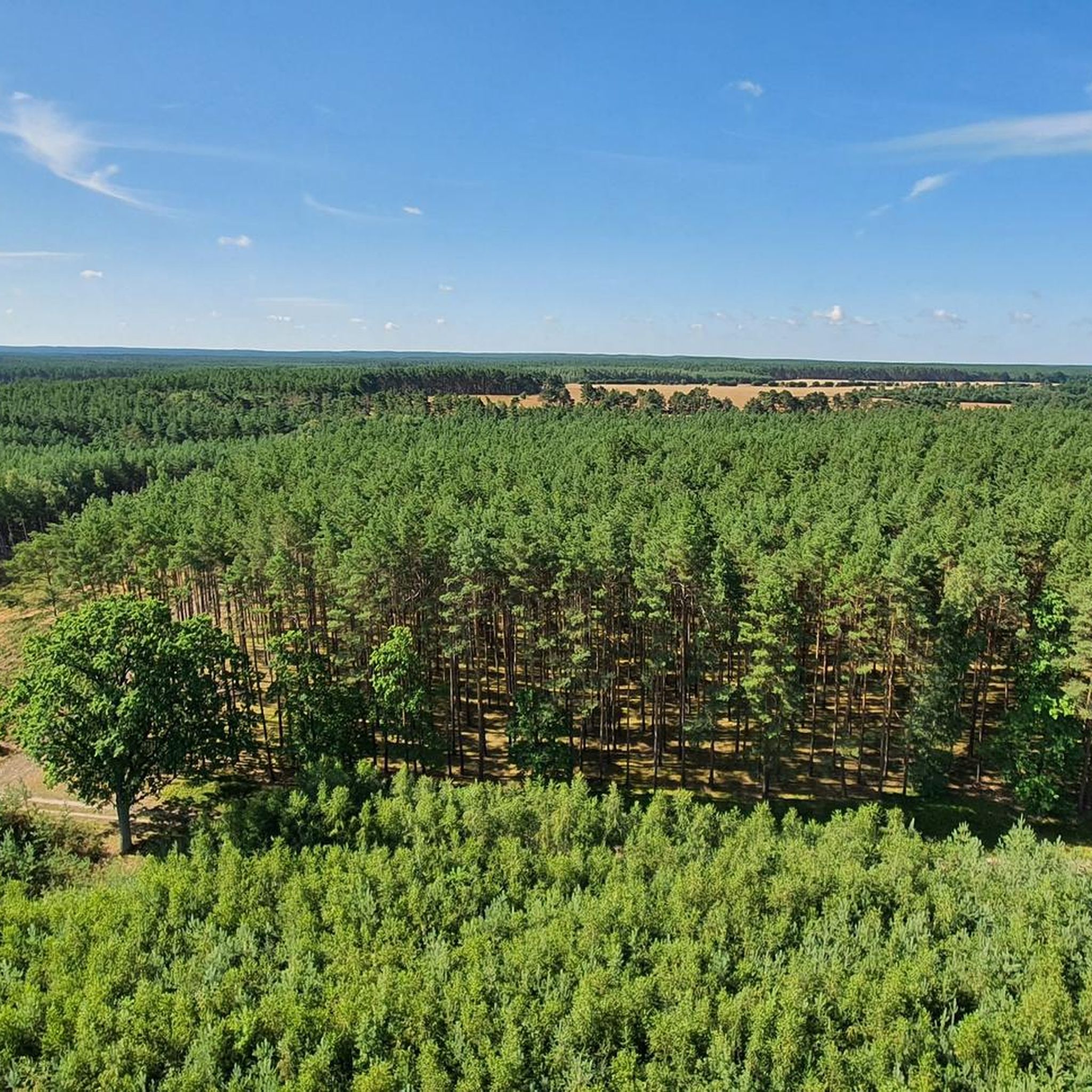

Tips from the Community

Former railway station on railway line no. 371 Wolsztyn - Żagań. Currently rebuilt into the Environmental Education Center,
0
0

Attraction on the ddr route
0
0

The railway bridge in the States, located on the Oder near Nowa Sól, is one of the longest and most impressive railway bridges in Poland. Its history, spanning over 120 years, is inextricably linked to the development of rail transport in the region and turbulent historical events. The construction of the bridge began in 1905 and was completed in 1908. It was a gigantic engineering undertaking. The bridge was designed as a steel truss structure, consisting of several spans supported by stone pillars. Its length was approximately 640 meters, making it one of the longest structures of this type in Germany at that time. With the opening of the bridge, transport in the entire region was significantly improved, and Nowa Sól gained a new, important rail connection. During World War I, the bridge did not suffer any major damage, although its strategic importance increased. The real test for the structure came with World War II. At the end of the war, in 1945
2
0
In the place of the present palace there was already a castle of the Dukes of Głogów, mentioned since 1468, passed on to the von Rechenberg family. At the end of the 16th century, Hans von Rechenberg rebuilt it in the Renaissance style. In the mid-17th century, the estate passed into the hands of the Barwitz family (von Fernemont). After a great fire in 1721, the former castle was rebuilt in the years 1732–1735 as a two-storey Baroque residence, preserving part of the older structure. The palace served as the residence and archive of the Reich Main Security Office, as well as Heinrich Himmler; a unique collection of books on Freemasonry and witch trials was gathered here. After the war, it was transformed into, among other things, a Children's Home (1957–2006); previously it housed the tax office, ZHP, OSP and a playhouse.
2
0
The Lipiny Odrzańskie railway station was established together with the construction of railway line no. 275, connecting Wrocław with Gubin. This line was crucial for the region, enabling passenger and freight transport. The section through Lipiny Odrzańskie was launched at the end of the 19th century, or more precisely in 1876, when the section from Rudna Gwizdanów to Nowa Sól was opened. For years, Lipiny Odrzańskie station played an important role for the local community. It was a point from which residents commuted to work, school or markets, as well as a place where agricultural and industrial goods were loaded and unloaded. The station building usually housed a ticket office, waiting room and apartments for railway employees. After World War II, railway line no. 275 came under the management of the Polish State Railways (PKP). For many years, passenger and freight traffic was maintained. However, over time, in the face of the development of road transport and a decrease in the number of passengers, the importance of local rail connections began to decrease. Finally, at the beginning of the 21st century, passenger traffic on the section through Lipiny Odrzańskie was suspended. The last passenger trains ran on this line until 2004, after which it was withdrawn from regular traffic.
4
0
The Konotop railway station is a small but extremely interesting town on the Lubuskie railway map. The history of the Konotop station (formerly Konradsthal) begins with the construction of the railway line connecting Żagań with Wolsztyn (currently line no. 371). This section, passing through Konotop, was put into service in 1905. The construction of the station was a response to the growing transport needs of the region, which was developing dynamically at that time. The station served both passenger and freight functions, serving the surrounding villages and landed estates. However, the real boom of the Konotop station came in 1908, when the second, transverse railway line was opened, connecting Nowa Sól with Wschowa and Grodziec (line no. 372). Konotop then became an important railway junction, where two significant routes intersected. At that time, the station had an extensive infrastructure: platforms, a station building, warehouses, loading bays and side tracks. After World War II and the annexation of these areas to Poland, the Konotop station, like the entire railway network, came under the management of the Polish State Railways (PKP). For some time, the station continued to perform its functions, handling both passenger and freight traffic. However, over the years, as road transport developed and the railways were restructured, its importance began to decrease. The first stage of the decline was the suspension of passenger traffic on line no. 372 (Nowa Sól – Wschowa) in 1993, and in subsequent years also of freight traffic. Ultimately, this line was dismantled on the Konotop – Nowa Sól section. Passenger traffic continued longer on the main line no. 371 (Żagań – Wolsztyn). Until the beginning of the 21st century, Konotop was still a passenger stop. However, over time, due to the decrease in the number of passengers and cost rationalization by PKP, passenger traffic on the entire line no. 371 was suspended in 2011. The inactive section of line 372 towards Nowa Sól has been adapted into a bicycle path, which gives it new life and contributes to the development of active tourism in the region.
2
0

The Baroque castle (palace) was rebuilt in 1745 and 1957. From the 18th century, it was the property of the Counts of Cosel, then the Princes of Siedlisko: Johann Carl, Prince of Schönaich-Carolath, married to Johanna Wilhelmina, Princess of Anhalt-Köthen, and their younger son Ferdinand (born 1763)[3]. The last owner of the palace before World War II was the second wife of the last German Emperor, Wilhelm II Hohenzollern, Hermina, who lived in the palace until 1922 and after the emperor's death until April 1945. From 1956, the palace housed a tuberculosis preventorium for children, from 1976 - a Children's Sanatorium, and from 1998 - a Centre for the Treatment of Children and Youth. The castle together with the farmstead, which includes: three outbuildings, an outbuilding (currently a school), a stable (currently a hotel), a morgue, a greenhouse, two utility buildings and a park constitute the castle complex. Above the main entrance in the cartouche are the coats of arms: the Schönaich-Carolath family (on the left) and a complication of coats of arms (on the right, including: in the central field of the shield and in the upper right field the coat of arms of Saxony, Count von Schlabrendorf).
0
0

The station building in Lipiny Odrzańskie. It was opened in 1908 and closed in 1996. Before the war, a huge network of narrow-gauge forest railways began next to the station, which wrapped the surrounding trees in a spiderweb of tracks. Today, there is no trace of them. In 2023, the station building was nicely renovated. Now it looks beautiful and encourages rest with its numerous benches.
2
0
Frequently Asked Questions
What historical landmarks can I explore around Kolsko?
The region boasts several significant historical sites. You can visit the Kolsko Palace (Pałac rodziny von Klitzing), a Baroque palace with a rich history, now housing an educational complex. The Church of St. John the Baptist, an early 18th-century Baroque church, features well-preserved 18th-century furnishings. Don't miss the Stany Railway Bridge over the Oder River, a historic bridge with neo-Gothic watchtowers, now part of a bicycle trail. Other notable sites include the Palace in Sława and the Castle in Zabor, both with fascinating pasts.
Are there any natural attractions or viewpoints near Kolsko?
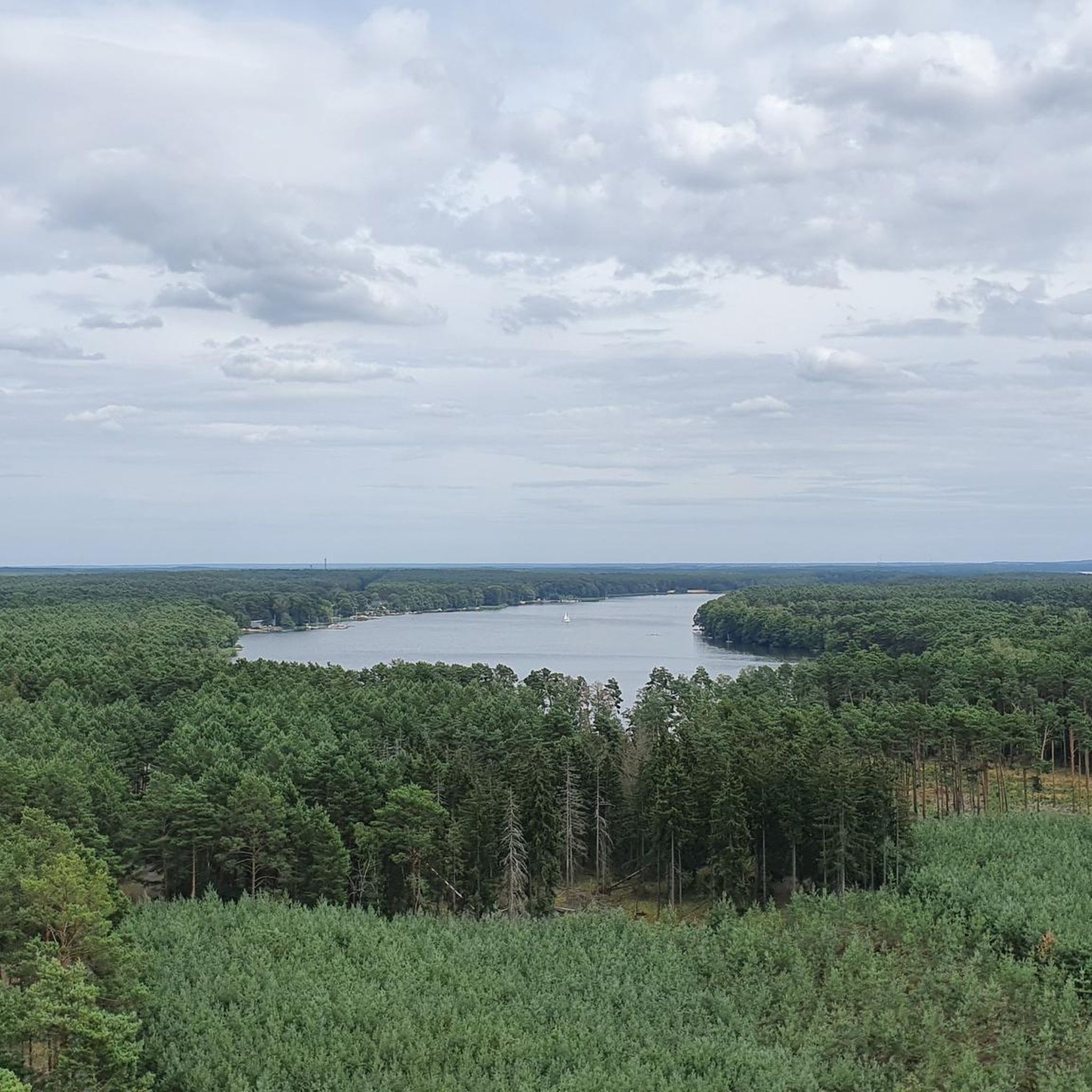
Absolutely. Lake Sławskie, the largest lake in the Lubusz Voivodeship, is a major natural draw, offering scenic surroundings, water sports, and fishing. For panoramic views of the lake and surrounding forests, visit the Observation Tower near Lake Sławskie, a 40-meter wooden tower. Birdwatching enthusiasts will appreciate the 'Bird Paradise' Viewpoint on the shores of Lake Sławskie. The Pszczółkowskie Hills also provide varied glacial terrain and natural forest paths for nature walks.
What outdoor activities are available around Kolsko?
The area around Kolsko is excellent for outdoor activities. You can enjoy hiking, cycling, and kayaking. For specific hiking routes, explore options like the 'Joanna Observation Tower loop' or the 'Wanderer's Bench – Natural Monument loop' found in the Hiking around Kolsko guide. Cyclists can take advantage of routes like the 'Oder River Bridge – Rail Trail Bike Path loop' detailed in the Road Cycling Routes around Kolsko guide. The Obrzyca River, flowing through Lake Sławskie, is also part of the Lubuski Water Trail, ideal for kayaking.
Are there family-friendly attractions in the Kolsko area?
Yes, several attractions are suitable for families. The Stany Railway Bridge over the Oder River, now a bicycle trail, is a fun and accessible spot. The Lipiny Odrzańskie Railway Station, repurposed as an Education Center and resting point for cyclists, is also family-friendly. Lake Sławskie offers a main city beach with equipment rentals and a 70-meter water slide, perfect for family fun. The revitalized Sława Park and Lakeside provides a pleasant environment for relaxation and walks.
What is the best time of year to visit Kolsko for outdoor activities?
The region around Kolsko is generally best visited during the warmer months, from late spring to early autumn (May to September), when the weather is most favorable for hiking, cycling, water sports on Lake Sławskie, and exploring historical sites. During this period, the natural landscapes are vibrant, and outdoor facilities are fully operational.
Are there any easy hiking trails suitable for beginners or families?
Yes, there are several easy hiking options. You can find trails like the 'Wieża widokowa w Świętnie loop' which is just over 3.7 km, or the 'Wanderer's Bench – Natural Monument loop' from Wilcze, around 5.6 km. These and other easy routes are detailed in the Easy hikes around Kolsko guide, perfect for a relaxed outdoor experience.
Can I find cycling routes that incorporate historical sites?
Definitely. The Stany Railway Bridge over the Oder River has been repurposed as part of a bicycle trail, offering a unique ride through history. Similarly, the inactive section of railway line 372 near the Konotop Railway Station Buildings has been adapted into a bicycle path. The Lipiny Odrzańskie Railway Station also serves as a great resting point for cyclists, highlighting the region's railway heritage.
What kind of railway heritage can I discover in Kolsko?
Kolsko has a rich railway heritage. The Stany Railway Bridge over the Oder River, built in 1905, is a prime example, now serving as a bicycle trail. The Lipiny Odrzańskie Railway Station, established in 1876, has been beautifully restored and functions as an Education Center. The Konotop Railway Station Buildings, dating back to 1905, were once an important railway junction, and an inactive section has also been adapted into a bicycle path.
Are there any places for birdwatching around Kolsko?
Yes, for birdwatching enthusiasts, the 'Bird Paradise' Viewpoint on the shores of Lake Sławskie is specifically designed for this purpose. It features a wooden platform and informational boards about local bird species, offering a great opportunity to observe the diverse avian life in the area.
What are some unique natural features to explore beyond Lake Sławskie?
Beyond Lake Sławskie, you can explore the Pszczółkowskie Hills within the Sława Śląska Forest District. These hills offer varied glacial terrain and a natural forest path, providing a different kind of natural experience compared to the lakeside. The broader region also features numerous forests and meadows, ideal for discovering local flora and fauna.
Is there a place to relax and enjoy the scenery near Kolsko?
Yes, the revitalized Sława Park and Lakeside offers a beautiful setting for relaxation. Developed from a historical palace orchard and ornamental garden, it features updated paths, renovated bridges, and new plantings, providing a pleasant environment to unwind and enjoy the scenic views.
Are any attractions around Kolsko wheelchair accessible?
The Stany Railway Bridge over the Oder River is noted as being wheelchair accessible, making it an inclusive option for visitors. Its transformation into a bicycle trail with a central path allows for easier navigation.
Most popular routes around Kolsko
Most popular attractions around Kolsko

Get inspired with the komoot mobile app


Explore more
Still not found the Highlight you’re looking for? See guides of the top attractions in other regions:
