Attractions and Places To See around gmina gmina Nowogród Bobrzański - Top 20
Best attractions and places to see around gmina gmina Nowogród Bobrzański include historical landmarks, natural features, and cultural sites. Located in western Poland, the area is characterized by its extensive forests, covering over 60% of the land, and the Bóbr and Brzeźniczanka Rivers. Visitors can explore sites reflecting the region's past, alongside protected natural areas such as peat bogs and landscape parks. This gmina offers a diverse range of outdoor activities and points of interest.
Best attractions and places to…
Last updated: May 20, 2026
Zatonie Palace Ruins
Highlight • Historical Site
Translated by Google •
Tip by

Rose Temple
Highlight • Monument
Translated by Google •
Tip by

Sign up now to discover places like this
Get recommendations on the best single tracks, peaks, & plenty of other exciting outdoor places.
Sign up for free
Broniszów Castle
Highlight • Castle
Translated by Google •
Tip by

Lubusz Military Museum
Highlight • Historical Site
Translated by Google •
Tip by
Chotków Church
Highlight • Religious Site
Showing Translation
Tip by
Sign up for free to discover even more attractions around gmina gmina Nowogród Bobrzański.
Sign up for free
Already have an account?
Start today with a free account
Your next adventure awaits.
Login or Signup
Popular around gmina gmina Nowogród Bobrzański
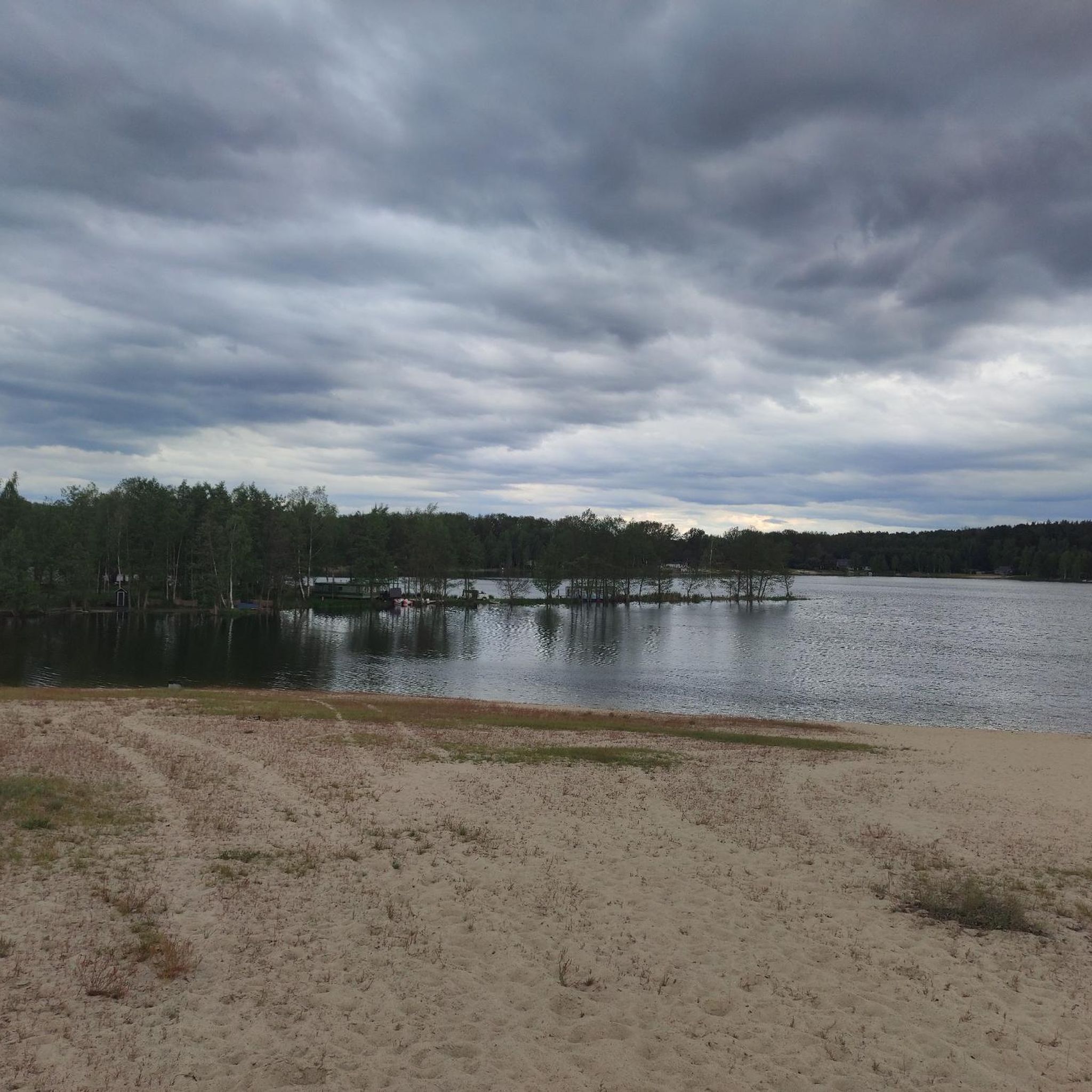
Road Cycling Routes around gmina gmina Nowogród Bobrzański
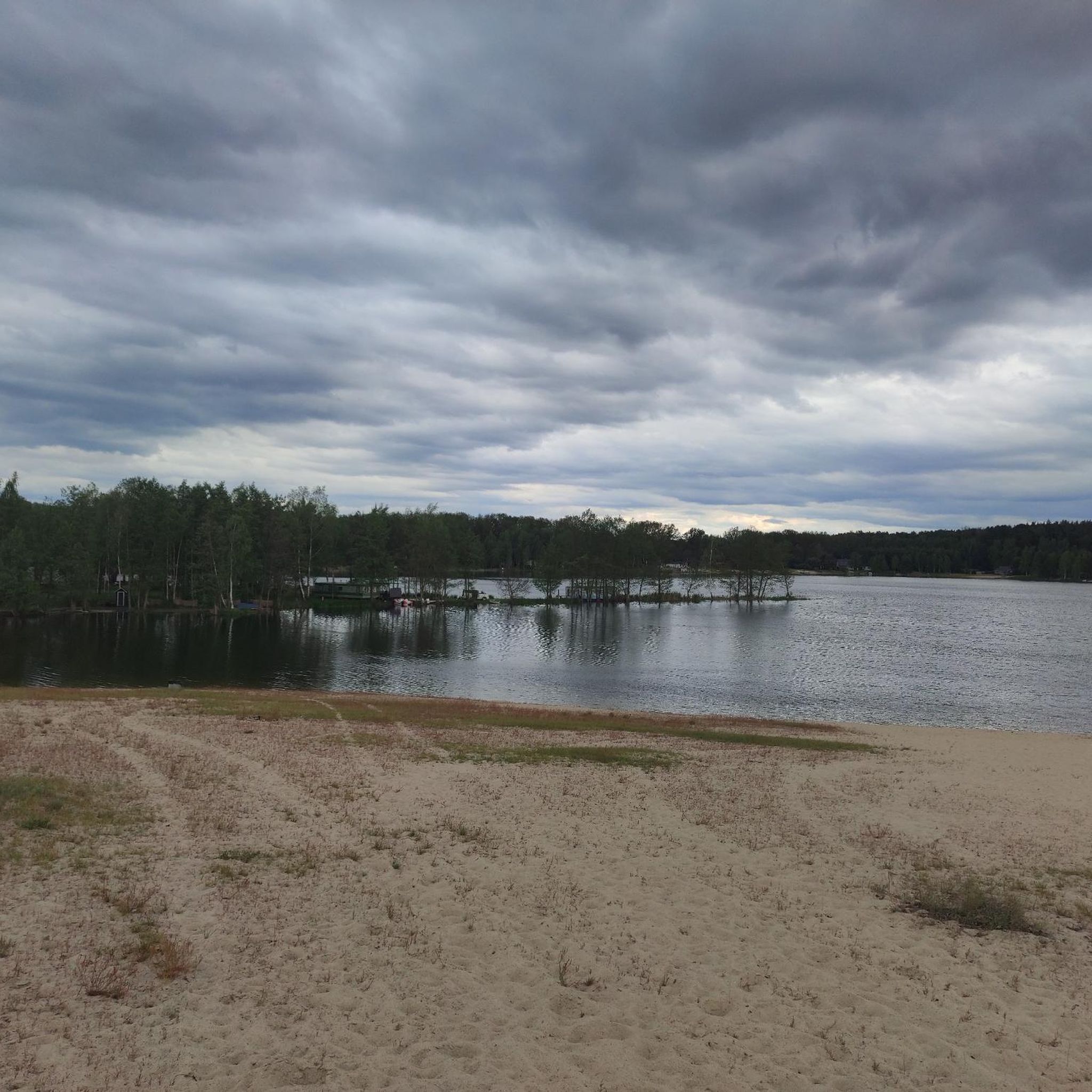
Hiking around gmina gmina Nowogród Bobrzański
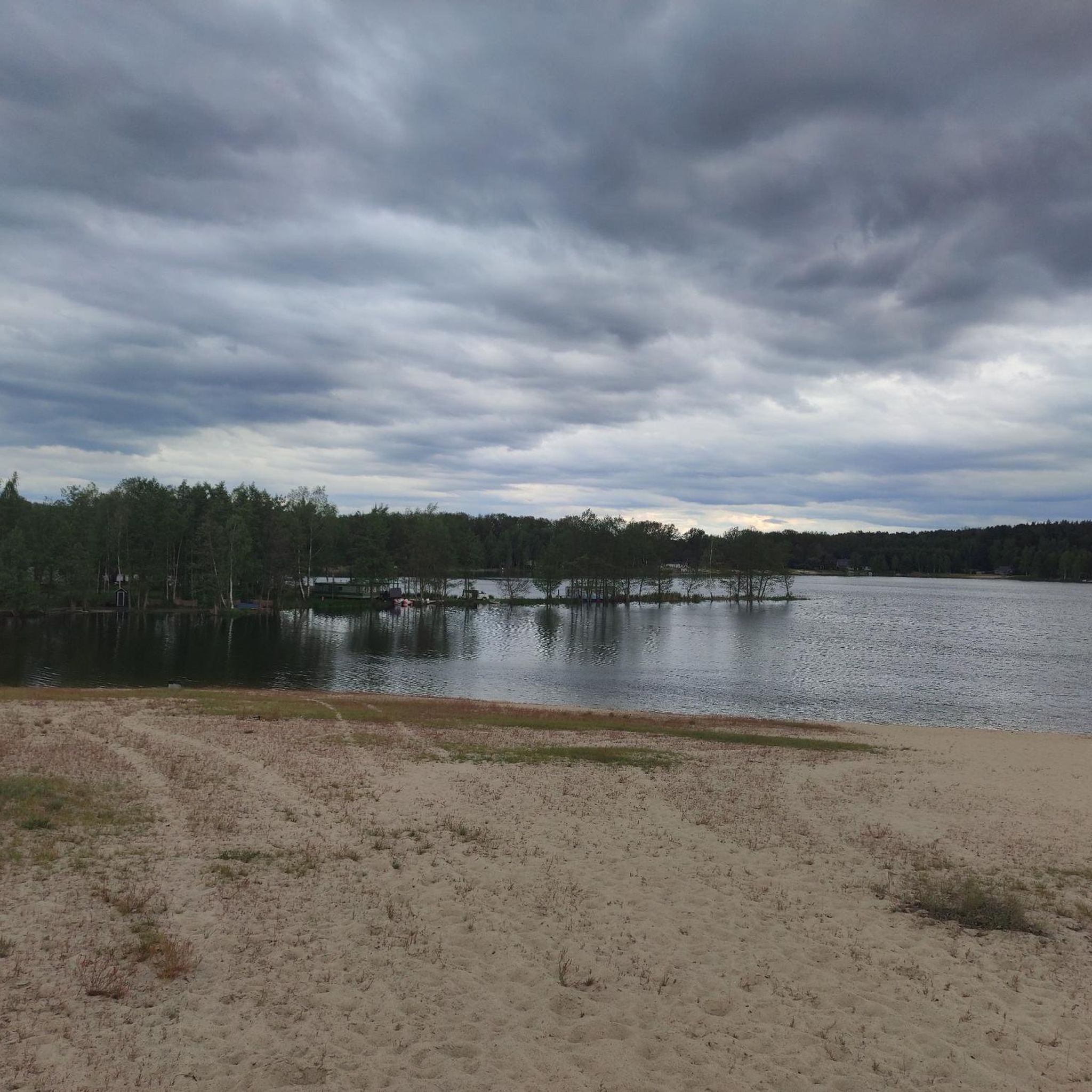
Cycling around gmina gmina Nowogród Bobrzański
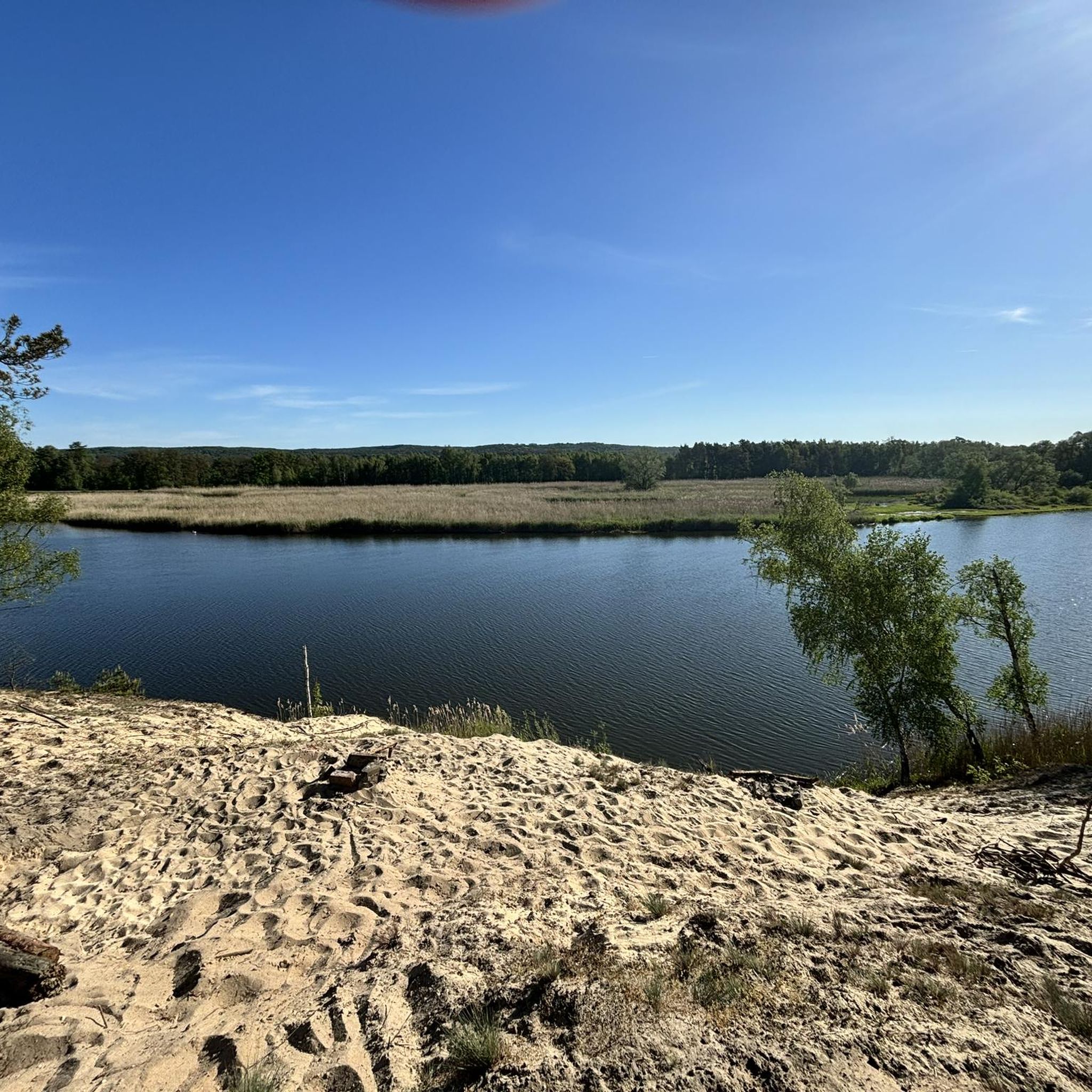
Running Trails around gmina gmina Nowogród Bobrzański

Gravel biking around gmina gmina Nowogród Bobrzański
MTB Trails around gmina gmina Nowogród Bobrzański
Tips from the Community

The temple was erected at the end of the 13th century from erratic boulders, in the early Gothic style. The first written information about it dates back to 1376. In the 15th century, the church was extended, and in the 16th century, a tower was added, somewhat unusually, from the south side. During the Baroque period, a sacristy was added and the window openings were given a new form (the outline of pointed arch window openings can still be seen on the outer walls). The beautiful 13th-century entrance portal on the south side deserves special attention. It was made of sandstone, is pointed-arched, with profiled offsets, and has columns in the corners. The whole is surrounded by a brick fence, probably from the 15th century.
0
0
The temple was erected at the end of the 13th century from erratic boulders, in the early Gothic style. The first written information about it dates back to 1376. In the 15th century, the church was extended, and in the 16th century, a tower was added, somewhat unusually, from the south side. In the Baroque period, the sacristy was added and the window openings were given a new form (the outlines of pointed-arch window openings can still be seen on the outer walls). The beautiful 13th-century entrance portal on the south side is particularly noteworthy. It was made of sandstone, is pointed-arched, with profiled ledges, and has columns in the corners. The whole is surrounded by a brick fence, probably from the 15th century.
0
0

A place with great historical potential. Secured palace ruins, orangery, large park complex with rare trees and small architecture.
1
0

An impressive building, it's impossible not to notice it when driving along the road!
0
0
The castle in Broniszów was built as a knight's building in the late Middle Ages. The first owner was supposedly Bronisław, Count of Bytom Odrzański. At the beginning of the 17th century, the von Kottwitz family expanded the castle into a Renaissance residence on the plan of the letter L. In the elevated, three-storey building, two representative halls were maintained on the ground floor: one of them is covered with a beamed ceiling with an impressive Renaissance stucco decoration from the end of the 16th century, the other is covered with a Renaissance vault with a fitting ornament. The main entrance to the castle is located in the northern façade. It is decorated with a stone late Renaissance portal with the inscription ANNO MISSERIMA FORTUNA QUAE INIMICIS CARET 1608. The Baroque reconstruction from the end of the 17th century brought a change in the order of the windows, a Baroque dome of the northern tower and Baroque plasters at the expense of Renaissance sgraffito plasters. In the 19th century, the castle was rebuilt again. A brick wall and a neo-Gothic observation tower were added to the Renaissance manor house, creating an internal courtyard. The manor house was surrounded by a moat with a pond. The 20th century was not easy for Broniszow Castle. After 1945, the castle gradually fell into ruin. The renovation of this architectural monument began in 2010 and continues to this day. Thanks to our work, you can stay in one of the rooms available to guests and visit the interior of the castle. (zamekbroniszow.pl)
1
0

The castle can be visited, the interior is paid, but for free we have a beautiful courtyard and a pleasant trip around. Nicely restored.
0
0

The ruins of the palace in Zatonie. The external and internal walls have been preserved. Only the roof and ceilings are missing. The ruins are tidy and the rooms are described. In front of the palace there is a fountain with a reconstruction of the Boy with a Swan sculpture, and next to it in the orangery there is a restaurant. The whole is surrounded by a very large park. It is a very nicely developed place, definitely worth recommending.
5
0
An openwork gazebo built on an artificially placed mound. A nice view of the main axis of the park with the palace at its end.
2
0
Frequently Asked Questions
What historical sites can I visit in Gmina Nowogród Bobrzański?
Gmina Nowogród Bobrzański is rich in history. You can explore the fascinating Zatonie Palace Ruins, which feature a revitalized park and a rebuilt orangery with a cafe. Another significant site is Broniszów Castle, a medieval knight's building expanded into a Renaissance residence, parts of which are open to visitors. The Lubusz Military Museum offers a vast collection of heavy combat equipment and historical artifacts. Additionally, you can find ancient churches like the 12th-century St. Bartholomew Church and the 13th-century Assumption Church in Nowogród Bobrzański, and the 13th-century Church of St. Catherine in Niwiska.
What natural attractions does Gmina Nowogród Bobrzański offer?
The gmina boasts significant natural beauty, with the Bóbr and Brzeźniczanka Rivers flowing through it. Over 60% of the land is covered by extensive forests, including the Nature Reserve "Dąbrowa Brzeźnicza." You can also discover unique peat bogs, home to rare animal and plant species, and the "Diabelski Kamień" (Devil's Stone), an erratic boulder designated as a nature monument. The region also includes protected landscape areas like Dolina Bobru and Dolina Brzeźnicy, and Natura 2000 Special Protection Areas.
Are there family-friendly attractions in Gmina Nowogród Bobrzański?
Yes, several attractions are suitable for families. The Zatonie Palace Ruins offer a beautiful park for strolls and a cafe. The Lubusz Military Museum, with its large outdoor exhibition of heavy combat equipment, is often a hit with children, and it hosts various outdoor events. The Miejsko-Gminny Ośrodek Kultury Sportu i Rekreacji in Nowogród Bobrzański also offers diverse activities and events for all ages.
What kind of outdoor activities, like cycling, can I do near these attractions?
Gmina Nowogród Bobrzański offers various cycling opportunities. For road cycling, you can find routes like the "Zielona Góra Old Town – Krośnieńska Gate Tower loop from Świdnica" or the "Ruins of the Castle – Zatonie Orangery loop from Letnica." Gravel biking enthusiasts might enjoy routes such as the "Przylep Airfield – Odra River Loop Trail loop from Rybno." For general cycling, consider the "DAG Kombinat – Silos of Krzystkowice loop from Nowogród Osiedle" or the "Palace Park in Ochla – Zielona Strzała Bike Path loop from Nowogród Bobrzański." You can find more details on these routes in the Road Cycling Routes, Gravel Biking, and Cycling guides for the region.
Are there any unique or hidden historical gems in the area?
Beyond the main attractions, you can discover unique historical sites like the Silos of the Alfred Nobel Plant in Krzystkowice. These massive reinforced concrete structures are remnants of a WWII munitions factory, designed with unique "blow-out windows" and huge concrete cylinders for storing dangerous materials. Another interesting site is the Ruins of the Evangelical Church in Niwiska Park, a late Classicist church built around 1840, whose preserved walls and wooden belfry offer a glimpse into the past.
What is the Wilkanów Meteorite Memorial?
The Wilkanów Meteorite Memorial commemorates the fall of a meteorite on March 22, 1841. A three-ton boulder with a commemorative plaque marks this significant event. The Wilkanów meteorite is a geologically gray veined chondrite, with specimens found in major geological museums worldwide, making this memorial a unique scientific and historical point of interest.
What is the Rose Temple and what views does it offer?
The Rose Temple is an openwork gazebo situated on an artificial hill within the park of the Zatonie Palace Ruins. It was designed to enrich the terrain and create a viewpoint. From its top, you can admire the longest visual axis in the park, which offers a picturesque view towards the palace.
What cultural activities are available in Nowogród Bobrzański?
The Miejsko-Gminny Ośrodek Kultury Sportu i Rekreacji (Municipal-Gmina Center of Culture, Sport, and Recreation) in Nowogród Bobrzański is a hub for cultural activities. It offers a diverse range of programs, including English classes, breakdance, pilates, Zumba, yoga, a Senior Club, table tennis, chess, and kettlebell training. The center also organizes various festivals, concerts, and workshops throughout the year.
Are there any protected natural areas or reserves in the gmina?
Yes, Gmina Nowogród Bobrzański is committed to preserving its natural heritage. It includes the Nature Reserve "Dąbrowa Brzeźnicza," managed by the Forest Inspectorate. Additionally, there are several Protected Landscape Areas such as Dolina Bobru (Bóbr Valley), Dolina Brzeźnicy (Brzeźnica Valley), Wschodnie okolice Lubska, and Dolina Śląskiej Ochli. The gmina also features Natura 2000 Special Protection Areas like Dolina Dolnego Bobru and Broniszów, and ecological sites like ZAKOLE and KACZA OSTOJA, which contribute to the region's rich biodiversity.
What do visitors enjoy most about the attractions in Gmina Nowogród Bobrzański?
Visitors frequently praise the well-maintained and revitalized areas, such as the park and orangery at the Zatonie Palace Ruins, noting the beautiful illuminations after dusk and the pleasant cafe. The impressive collections and unique atmosphere of the Lubusz Military Museum are also highly appreciated. Many enjoy the blend of historical exploration with the natural surroundings, making for a relaxing and engaging experience.
Can I visit the Broniszów Castle, and what should I expect?
Yes, Broniszów Castle has been undergoing renovation since 2010, and parts of it are open to visitors. While there's a fee to enter the interior, you can freely explore the beautiful courtyard and the surrounding area. The castle, originally a knight's building from the late Middle Ages, was later expanded into a Renaissance residence and is an impressive architectural sight.
What are the main rivers in Gmina Nowogród Bobrzański?
The two main rivers that flow through Gmina Nowogród Bobrzański, contributing to its natural landscape and providing opportunities for outdoor enjoyment, are the Bóbr River and the Brzeźniczanka River.
Most popular routes around gmina gmina Nowogród Bobrzański

Get inspired with the komoot mobile app


Explore more
Still not found the Highlight you’re looking for? See guides of the top attractions in other regions:
