Top 20 Castles around Forchtenberg
Castles around Forchtenberg offer a glimpse into the region's historical significance and diverse landscapes. The area features notable castle ruins and historic castles, providing insights into centuries of regional history. Forchtenberg itself is home to a castle ruin, and the nearby Sindringen district features another historic castle. The surrounding terrain provides opportunities for exploration and views of the Kocher valley.
Best castles around Forchtenberg
- The most popular castles is Götzenburg Castle (Jagsthausen), a castle that was once the ancestral…
Last updated: May 9, 2026
Möckmühl Old Town
Highlight • Settlement
Translated by Google •
Tip by

View of Götzenburg, Jagsthausen (Old Castle)
Highlight • Castle
Translated by Google •
Tip by

Sign up now to discover places like this
Get recommendations on the best single tracks, peaks, & plenty of other exciting outdoor places.
Sign up for free
Bartenau Castle
Highlight • Castle
Showing Translation
Tip by

Neuenstein Castle
Highlight • Castle
Translated by Google •
Tip by

Götzenburg Castle (Jagsthausen)
Highlight • Castle
Translated by Google •
Tip by

Sign up for free to discover even more castles around Forchtenberg.
Sign up for free
Already have an account?
Start today with a free account
Your next adventure awaits.
Login or Signup
Popular around Forchtenberg
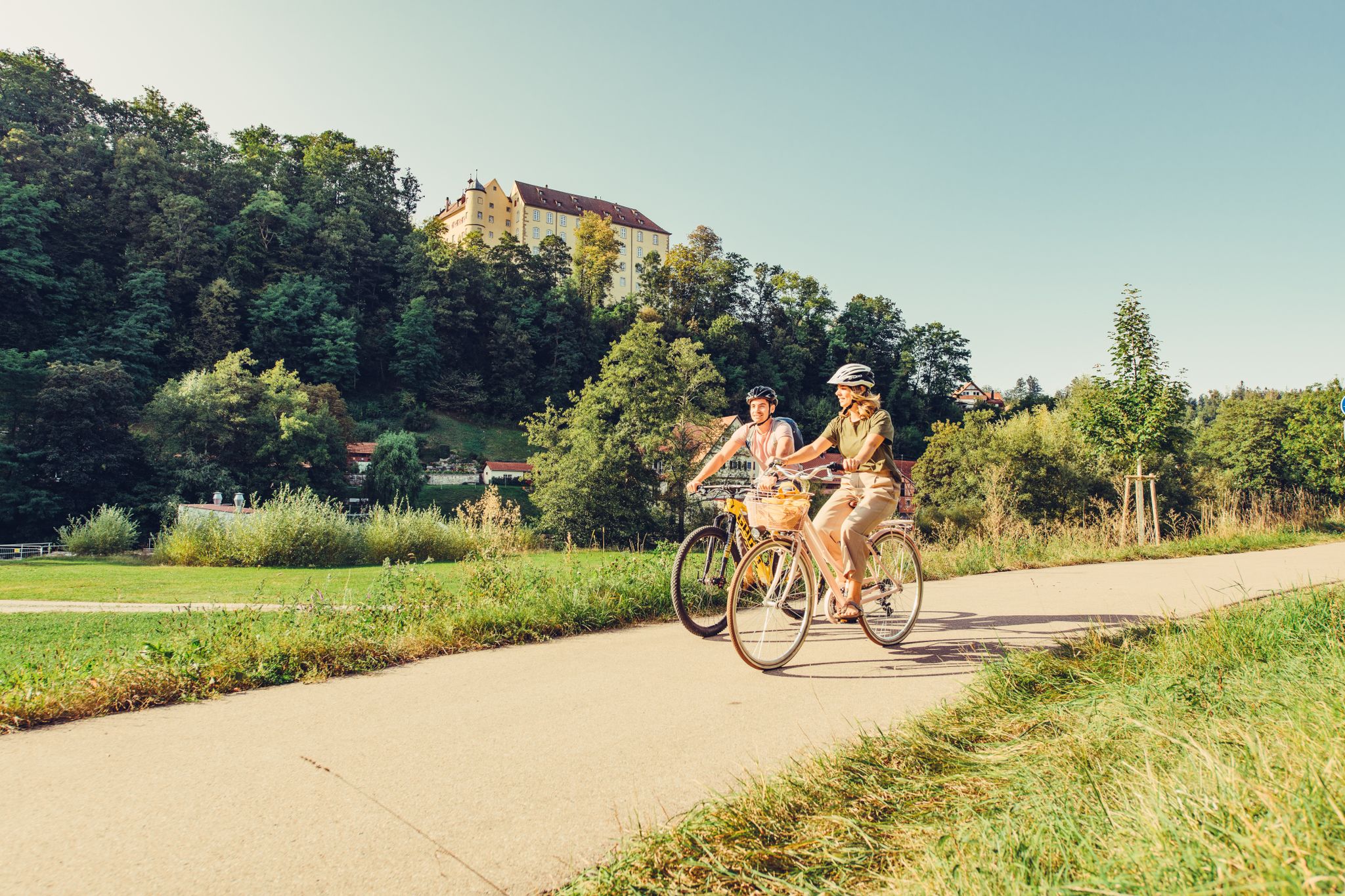
6 stages on the Kocher-Jagst cycle path through southern Germany
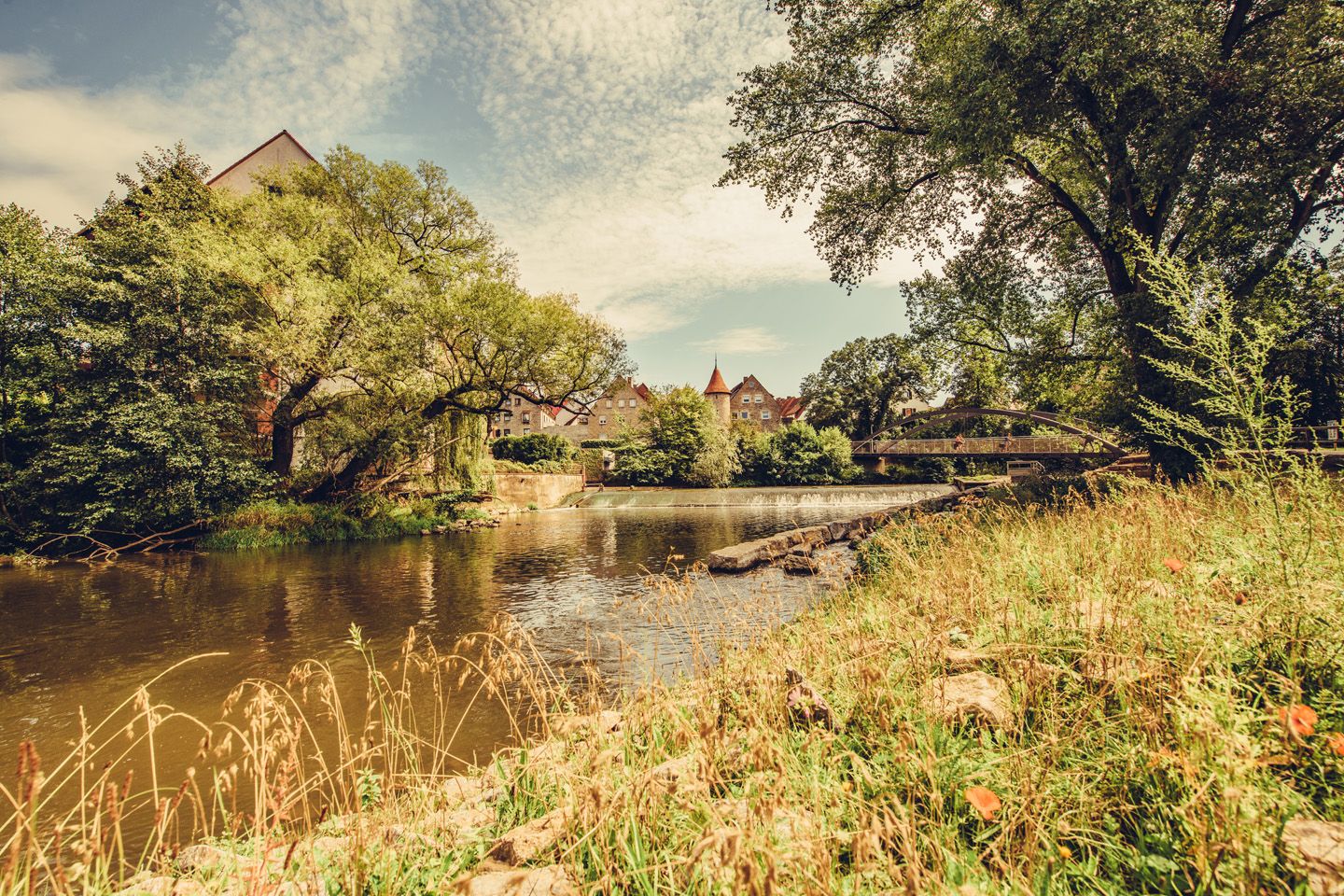
Relaxed river riding in Germany – Kocher-Jagst Cycle Path
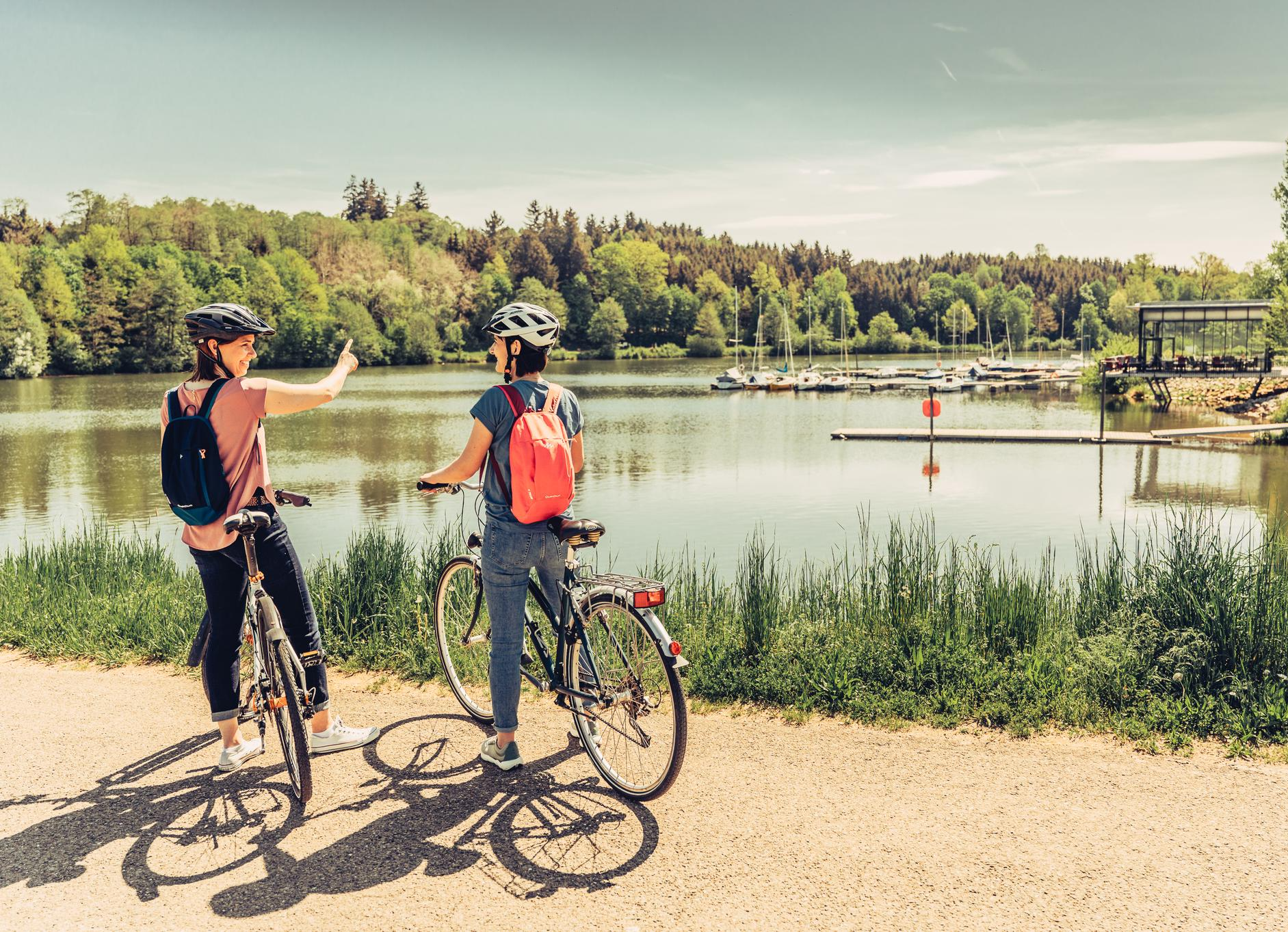
Zwei Flüsse, viele Geschichten – Unterwegs auf dem Kocher-Jagst-Radweg
Aktiv in die längeren Tage – Frühlingsradeln im Norden Baden-Württembergs
Cycling around Forchtenberg
Hiking around Forchtenberg
Running Trails around Forchtenberg
MTB Trails around Forchtenberg
Road Cycling Routes around Forchtenberg
Gravel biking around Forchtenberg
Other adventures around Forchtenberg


Tips from the Community

The castle was built between 1679 and 1691 on the site of a medieval moated castle as a four-wing complex by Count Johann Ludwig von Hohenlohe-Künzelsau. From 1679 to 1868 it was a residence of the House of Hohenlohe and from 1873 to 1934 a teachers' seminary. From 1937 to 1939 the building was completely rebuilt and today houses a state gymnasium with a boarding school.
4
0

The castle dates back to the Middle Ages and was expanded into its current form in the 15th century. It is picturesquely situated on the banks of the Jagst River and impresses with its solid stonework and historic flair. Today, it is privately owned but houses, among other things, a hotel and serves as a venue for the Jagsthausen Castle Festival, where Goethe's "Götz von Berlichingen" is performed annually on the open-air stage.
7
0
The castle dates back to the Middle Ages and was expanded into its current form in the 15th century. It is picturesquely situated on the banks of the Jagst River and impresses with its solid stonework and historic flair. Today, it is privately owned but houses, among other things, a hotel and serves as a venue for the Jagsthausen Castle Festival, where Goethe's "Götz von Berlichingen" is performed annually on the open-air stage.
6
0
The moated castle in the heart of the town of Neuenstein, dating back to the Staufer period in the 12th century, was once a residence of the Princes of Hohenlohe-Öhringen. Around 1550 it was expanded into an impressive Renaissance residence. Since around 1700 the castle has no longer served as the residence of the House of Hohenlohe, but was used for various other purposes until the Hohenlohe Museum was opened there in 1878.
5
0
The current complex, consisting of the two-winged core building, was built by the von Berlichingen family in the 15th and 16th centuries. Götzenburg was the birthplace of the "Knight with the Iron Hand", Götz von Berlichingen was born here in 1480. The designs of the Ulm Minster master builder August von Beyer led to the largest remodeling of the castle between 1876 and 1878, during which the south wing and the gate tower were built and the park around the complex was laid out.
9
0

Bartenau Castle is a castle in Künzelsau in the north-east of Baden-Württemberg. The noble family of Stein is documented in Künzelsau from the 11th century. After they died out, their relatives, such as the Lords of Künzelsau and the Lords of Bartenau, inherited the estate of the Stein family. The von Künzelsau family built their Kunzelsawe Castle around 1248. After the Künzelsau family died out in 1341, their residence became Bartenau Castle. When the Lords of Bartenau also died out, the Lords of Stetten inherited the castle in 1390, which they sold in part to the Archbishopric of Mainz in 1484. Bartenau Castle passed to the House of Hohenlohe through inheritance. Count Johann Ludwig von Hohenlohe-Langenburg-Gleichen had Bartenau Castle demolished in 1679 and built a three-storey castle in the late Renaissance style with four round towers in its place. From 1873 onwards, the building served as a teacher training college, then as an educational institution, and today it houses a state secondary school with boarding school. Source: https://de.wikipedia.org/wiki/Schloss_Bartenau
4
1

Beautiful castle, which is also used as a hotel.
5
0

Neuenstein Castle stands in the middle of the town of Neuenstein. Built as the seat of the Hohenlohe-Neuenstein lineage, it now houses a castle museum and, together with the Hohenlohe central archive in Neuenstein, the common house archive of the House of Hohenlohe maintained by the state of Baden-Württemberg. In the 41 meter long and over ten meter wide Knights' Hall, concerts are also held regularly as part of the Hohenlohe Summer of Culture.
3
0
Frequently Asked Questions
What historical castles can I explore directly in Forchtenberg and its immediate surroundings?
In Forchtenberg, you can visit the Forchtenberg Castle Ruin, a medieval hilltop castle dating back to around 1234. It offers panoramic views from its reconstructed tower and hosts cultural events. Nearby, in the Sindringen district, is Sindringen Castle, first mentioned in 1328, which showcases a mighty tower and has been carefully renovated with integrated apartments.
Are there family-friendly castles to visit near Forchtenberg?
Yes, several castles in the region are suitable for families. For example, Götzenburg Castle (Jagsthausen), the ancestral seat of Götz von Berlichingen, hosts annual castle festivals that are often enjoyed by families. Neuenstein Castle, a moated castle with a museum, also offers an engaging historical experience for all ages.
What outdoor activities can I combine with a visit to the castles around Forchtenberg?
The area around Forchtenberg is excellent for outdoor activities. You can find numerous routes for running, gravel biking, and cycling. For instance, there are running trails like the 'Winkler's Wine Tavern – Würzburg Gate loop from Forchtenberg' or cycling routes such as the 'Kocher Cycle Path – View of Schloss Stetten loop from Forchtenberg'. You can explore more options on the Running Trails around Forchtenberg, Gravel biking around Forchtenberg, and Cycling around Forchtenberg guides.
What is the best time of year to visit the castles and explore the region around Forchtenberg?
The spring and autumn months are generally ideal for visiting the castles and enjoying outdoor activities around Forchtenberg. The weather is pleasant for exploring ruins and hiking, and the natural scenery is particularly beautiful. Summer also offers opportunities, especially for cultural events at the Forchtenberg Castle Ruin, but can be warmer.
Are there any castles near Forchtenberg that offer unique cultural experiences or events?
Yes, the Forchtenberg Castle Ruin is known for hosting various cultural events, including 'Rock in the Ruins' and 'Brass in the Ruins' festivals, as well as open-air cinema nights. These events provide a unique historical backdrop for entertainment. Additionally, Götzenburg Castle (Jagsthausen) hosts annual castle festivals, featuring theater performances like Goethe's 'Götz von Berlichingen'.
What kind of views or natural features can I expect to see when visiting castles in this region?
Many castles in the Forchtenberg region are situated to offer scenic views. The Forchtenberg Castle Ruin, for example, provides beautiful panoramic views of the surrounding area from its tower. View of Götzenburg, Jagsthausen (Old Castle) is picturesquely situated on the banks of the Jagst River, offering lovely riverine landscapes alongside the historic architecture. The region's terrain also provides opportunities for views of the Kocher valley.
Where can I find accommodation or places to eat near the castles in Forchtenberg?
Forchtenberg town and nearby districts like Sindringen offer cafes and restaurants. For example, Götzenburg Castle (Jagsthausen) includes a castle hotel and restaurant. The 'Red Castle' directly opposite Götzenburg also has a restaurant with a beer garden. Möckmühl Old Town and Künzelsau Castle and Town Hall also feature cozy places for a rest and culinary enjoyment.
Are there any castles that are particularly well-preserved or have unique architectural features?
Yes, View of Götzenburg, Jagsthausen (Old Castle) is noted as a very well-preserved castle dating back to the Middle Ages. Sindringen Castle, with its mighty tower and ancillary buildings, stands as a significant architectural jewel. Neuenstein Castle is an impressive moated castle that was expanded into a Renaissance residence.
What are some less crowded castle options or hidden gems around Forchtenberg?
While the main castles attract visitors, exploring the smaller, more integrated castles like Sindringen Castle, which has been adapted for modern living while preserving its historical character, can offer a quieter experience. The charm of Möckmühl Old Town, with its castle on the Schlossberg and many half-timbered houses, provides a delightful, less bustling atmosphere for exploration.
What historical significance do the castles around Forchtenberg hold?
The castles around Forchtenberg offer deep insights into the region's history. The Forchtenberg Castle Ruin was a fortress and administrative seat for the House of Hohenlohe. Sindringen Castle was likely the seat of the Lords of Sindringen and later Hohenlohe bailiffs. Götzenburg Castle (Jagsthausen) is famously the ancestral seat of Götz von Berlichingen, the 'Knight with the Iron Hand'. These sites collectively tell the story of feudal administration, noble families, and medieval life in the area.
How long does it typically take to visit the main castles near Forchtenberg?
The time required can vary. Visiting the Forchtenberg Castle Ruin and exploring its grounds and tower might take 1-2 hours. Sindringen Castle, being integrated into the town, can be seen as part of a stroll through the historic district. Larger sites like Götzenburg Castle (Jagsthausen), especially if you include a meal or attend a festival, could be a half-day or full-day excursion. Many visitors combine castle visits with walks or cycling tours, extending their time in the region.
Most popular routes around Forchtenberg
Most popular attractions around Forchtenberg

Get inspired with the komoot mobile app


Explore more
Looking for the best castles somewhere else? Discover other guides around Forchtenberg:
